
Review · BERLIN TOURS
Berlin: Third Reich and Cold War 2 Hour Walking Tour
Berlin’s most important history is spread across its streets, and this tour links the pieces in a compact two-hour walk. You’ll move from Brandenburg Gate and the Reichstag to Hitler’s bunker, the former SS and Gestapo headquarters, the Berlin Wall, and Checkpoint Charlie.
I like two things here: the route makes large events feel local and tangible, and the guides use stories rather than dates alone. Guides such as Hannah, Jimmy, Ru, Mikhail, Peter, and Tina have been praised for clear explanations, humor, strong pacing, and thoughtful answers.
The main tradeoff is speed. You cover about 2 kilometers and several heavy subjects in two hours, so this is an excellent orientation walk, but not a full visit to each memorial or museum. Also, the published meeting details describe both Checkpoint Charlie and the original meeting point as the ending, so confirm the final drop-off point when booking.
Key Points

- A 200-meter Berlin Wall section gives you a direct look at the former border rather than only a distant view.
- The route connects Nazi and Cold War sites, showing how one period shaped the next.
- Brandenburg Gate is the starting point, with easy access by S-Bahn, U-Bahn, and bus.
- The Soviet War Memorial includes preserved Red Army tanks and honors 80,000 Soviet soldiers killed in the Battle of Berlin.
- The two-hour pace favors stories and context, not long indoor visits or detailed museum study.
- English and German tours are available, with shared and private options, though language choices can differ by tour type.
Why This Two-Hour Route Works in Berlin
Berlin can feel confusing at first. A street corner may mark a Nazi ministry, an East German government office, and a Cold War border crossing all at once. This walk helps you read the city in layers.
The route is especially useful early in your stay. It gives you a map of central Berlin and explains why landmarks that look polished or ordinary carry such heavy meaning. I like tours that provide context before you visit museums, and this one does that well.
The central idea is the link between dictatorship and division. You begin with the Third Reich, see the destruction left by the Second World War, and then follow the political split between East and West Germany. The final section focuses on the Berlin Wall and the tense years before reunification.
At $23 per person, the value is strong if you want a guided introduction without committing half a day. You are paying for a live guide, a carefully arranged route, and interpretation at sites that can otherwise feel disconnected. You are not paying for museum admission, transport, or extended time inside any building, so think of this as a history walk rather than a museum tour.
More WWII History Tours in Berlin
- Berlin: Sachsenhausen Concentration Camp Tour in English
★ 5.0 · 5,711 reviews - Berlin’s Best: 2 Hour Walking Tour Third Reich and the Cold War
★ 5.0 · 5,486 reviews - Berlin: Sachsenhausen Concentration Camp Memorial Tour
★ 4.7 · 3,716 reviews
Starting at Brandenburg Gate and the Reichstag
Meet in front of the tourist information point at Brandenburg Gate, at Pariser Platz 1. Look for the guide carrying a pink umbrella. That detail matters in a crowded square, especially if several groups are gathering at the same time.
Brandenburg Gate is an ideal place to begin. It was once a royal entrance, later a major symbol used by the Nazi regime, and during the Cold War it sat in the restricted zone beside the Berlin Wall. After the wall fell in 1989, the gate became a public symbol of German reunification.
Your guide uses the gate to frame the whole walk. Instead of treating it as a photo stop, you learn how the same monument was used by different governments for very different purposes. That is one of the tour’s strengths: you see how public spaces can change meaning without changing location.
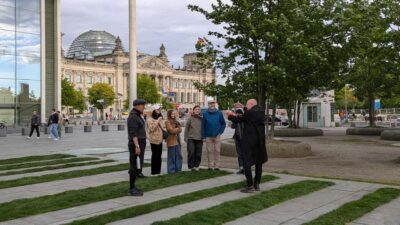
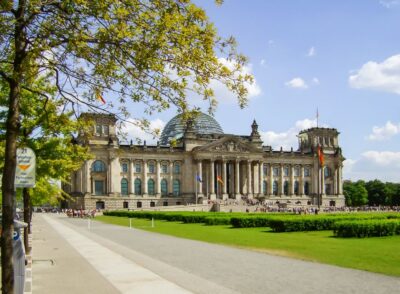
The next stop is the Reichstag, Germany’s national parliament building. The tour discusses the 1933 Reichstag Fire and its role in Hitler’s rise to power. This is an important distinction. The building itself did not simply mark a change of government. It became part of a crisis that helped the Nazi regime restrict civil liberties and tighten its hold on Germany.
You will not be taking a full parliamentary building tour here. The value is the explanation outside, where the guide can connect the building to the political events that followed. If you want to visit the Reichstag dome, that is a separate experience and should not be assumed to be part of this walk.
The Soviet War Memorial in Tiergarten
From the government district, the route reaches the Soviet War Memorial in Tiergarten. Preserved Red Army tanks sit beside the memorial, making this one of the more visually direct stops on the walk.
The memorial honors 80,000 Soviet soldiers who died during the Battle of Berlin. That number gives scale to the final battle of the Second World War, but the tanks make the story easier to grasp. You are not only hearing about military losses in the abstract. You are looking at machinery connected to the defeat of Nazi Germany.
This stop also adds a useful reminder about Berlin’s postwar future. The Soviet Union helped defeat Hitler, then became one of the powers dividing Berlin and shaping East Germany. The memorial therefore belongs to both the story of the war’s end and the political order that followed.
I appreciate this kind of connection because it keeps the walk from splitting history into neat chapters. The Third Reich did not simply end and disappear. Its ruins, victors, political divisions, and moral questions carried into the Cold War.
Entering the Holocaust Memorial
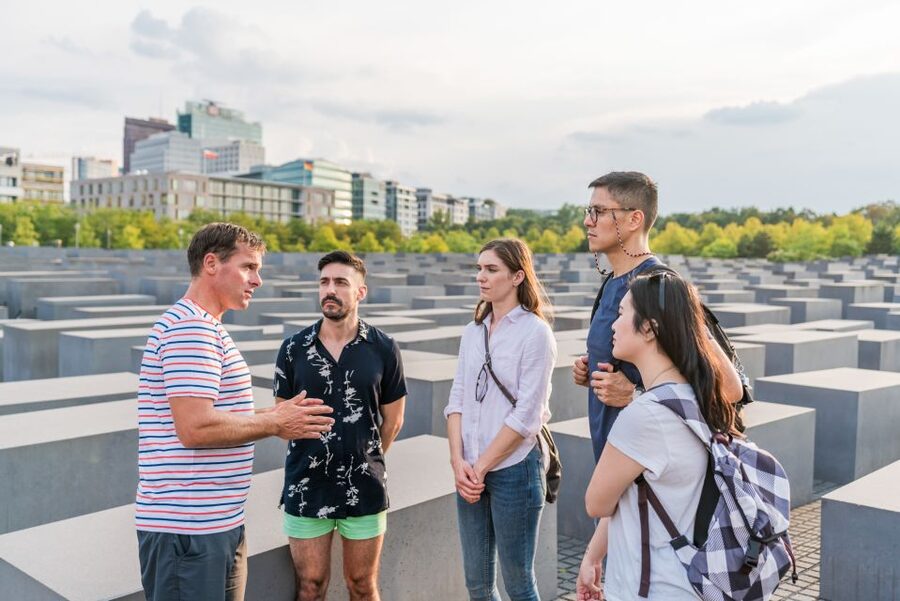
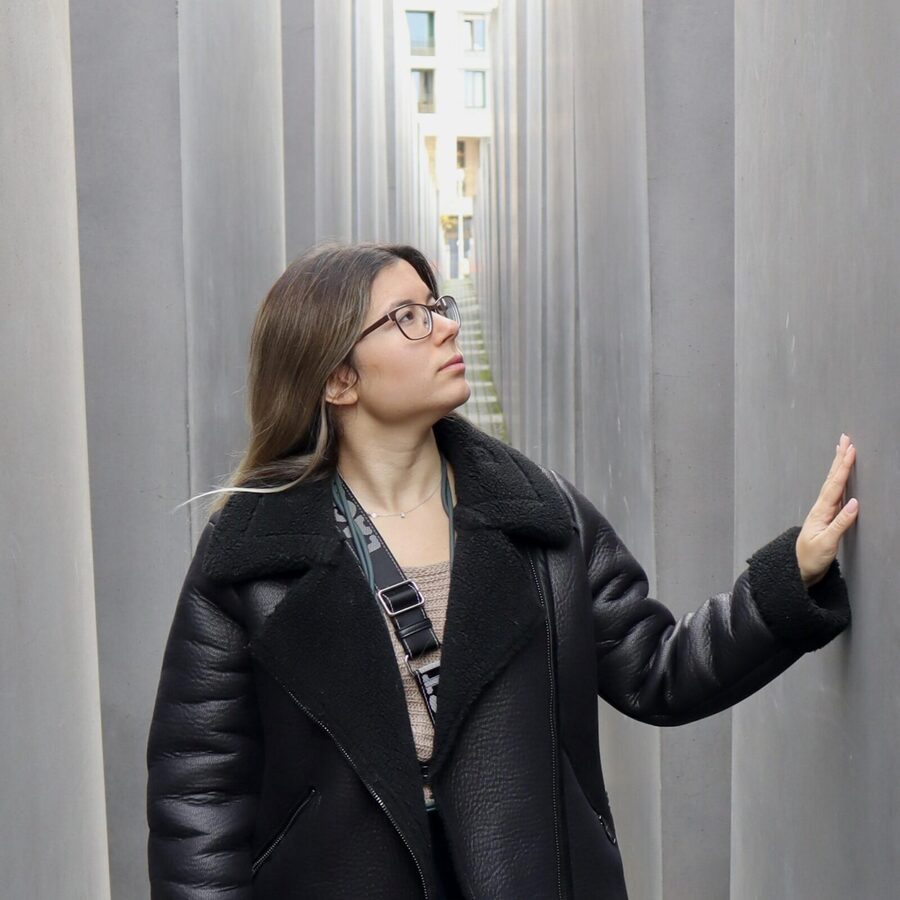
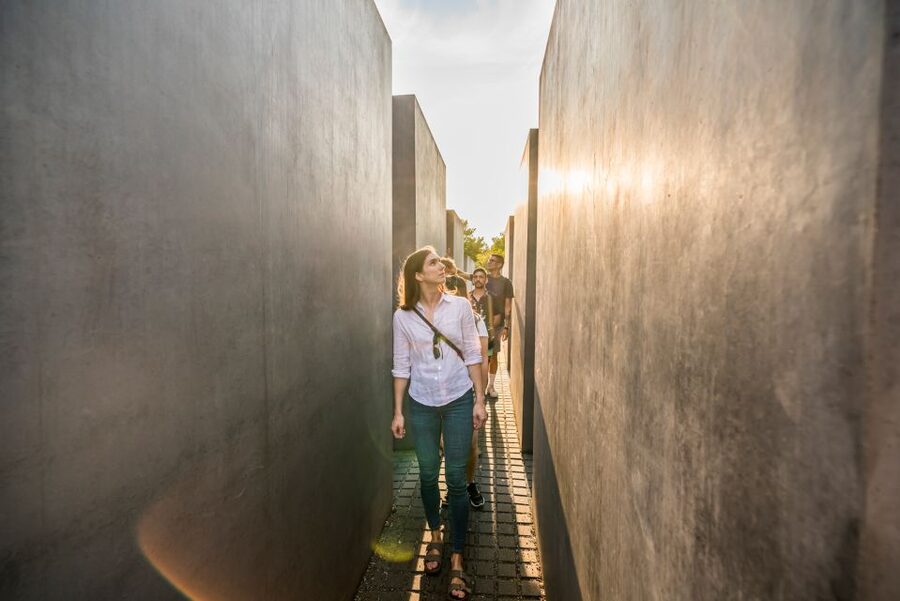
The Memorial to the Murdered Jews of Europe is one of Berlin’s most powerful public memorials. Its field of concrete blocks changes as you walk around and through it. The tour uses the site to discuss the murder of six million Jewish people during the Holocaust.
This is a place where the guide’s tone matters. The subject is painful, and a good explanation should provide facts without turning suffering into spectacle. The praise directed toward guides such as Marie, who was described as funny, poignant, and well informed, points to the balance you want on a tour like this. Humor may appear elsewhere, but the memorial itself calls for care.
You will have a short visit rather than a full examination of the memorial’s underground information center. If the memorial is a major reason for your Berlin visit, return later with more time. The two-hour tour gives you a framework, while an independent visit lets you consider the structure at your own pace.
The stop also helps you understand why Berlin places memorials in the middle of everyday city life. This is not an isolated monument outside the center. It sits near major government buildings, hotels, streets, and tourist routes. The location keeps the Holocaust present in the city’s public memory.
More wartime history tours in Berlin:
- Third Reich Berlin: Hitler and WWII Walking Tour
★ 5.0 · 3,301 reviews - Sachsenhausen Concentration Camp Bus Tour in English from Berlin
★ 5.0 · 1,962 reviews - Berlin: Sachsenhausen Concentration Camp Tour in English
★ 4.8 · 1,889 reviews - Sachsenhausen Concentration Camp Memorial Tour (Max. 15 Guests)
★ 5.0 · 1,516 reviews
Hitler’s Bunker and the Final Days of the Third Reich
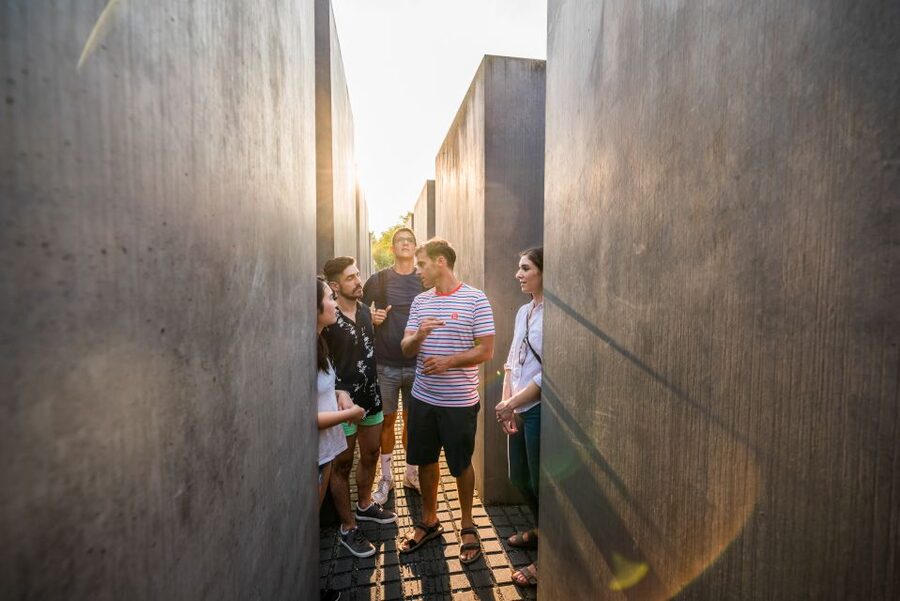
The site of Hitler’s bunker is less dramatic than many people expect. There is no grand entrance or preserved underground room to enter as part of this walk. The importance comes from knowing what happened beneath the ordinary modern surroundings.
Here, the guide explains Hitler’s final days before the collapse of the Third Reich. The plain setting is useful because it strips away the mythology that often surrounds the bunker. You are standing at a place connected with the end of the Nazi regime, but the city has not turned it into a shrine.
This is another point where a live guide adds value. A plaque alone cannot easily explain the bunker’s role, the final battle, or the deliberate lack of a prominent memorial structure. Guides including Peter have been praised for adding small incidents and answering questions along the route, and that sort of detail can make an otherwise quiet location easier to understand.
Because the stop is outdoors and brief, keep your expectations realistic. You will hear the story and understand the location. You will not explore the bunker interior.
Detlev-Rohwedder-Haus and the Birth of East Germany
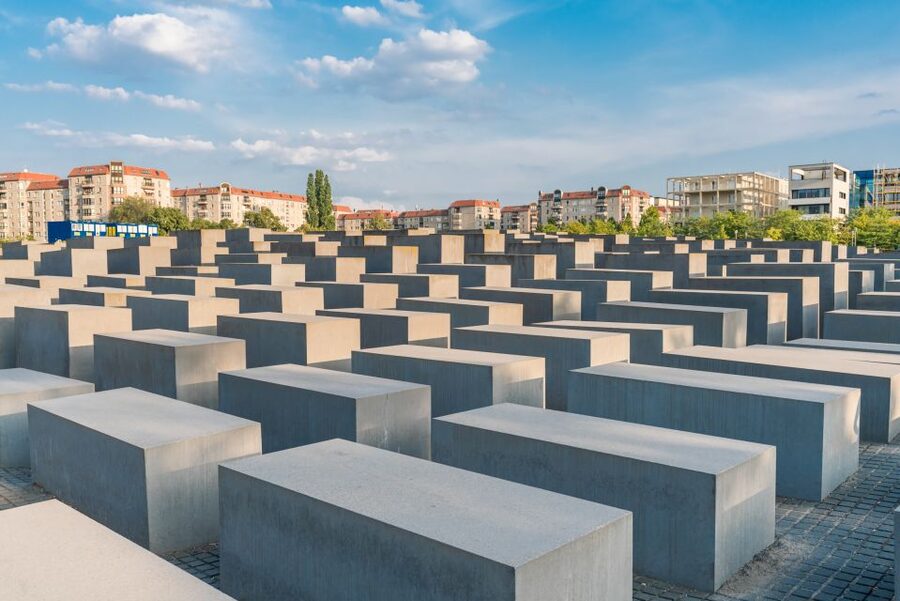
The route continues to the former Ministry of Aviation associated with Hermann Göring. The building later became the birthplace of East Germany in 1949 and is now known as Detlev-Rohwedder-Haus.
This is one of the tour’s more unusual stops because the building connects several political chapters. Under the Nazis, it housed a major ministry. After the war, it became part of the political structure of the German Democratic Republic.
The building’s changing use shows how Berlin’s institutions were repeatedly taken over, renamed, and given new political purposes. It also helps explain that the Cold War was not only about walls and military standoffs. It was also about governments, offices, laws, and competing claims to legitimacy.
You may find this stop less instantly emotional than the wall or the Holocaust Memorial. Its value is in the larger story. If you enjoy political history and want to understand how East Germany came into being, this is an important piece of the route.
Topography of Terror and the Machinery of Repression
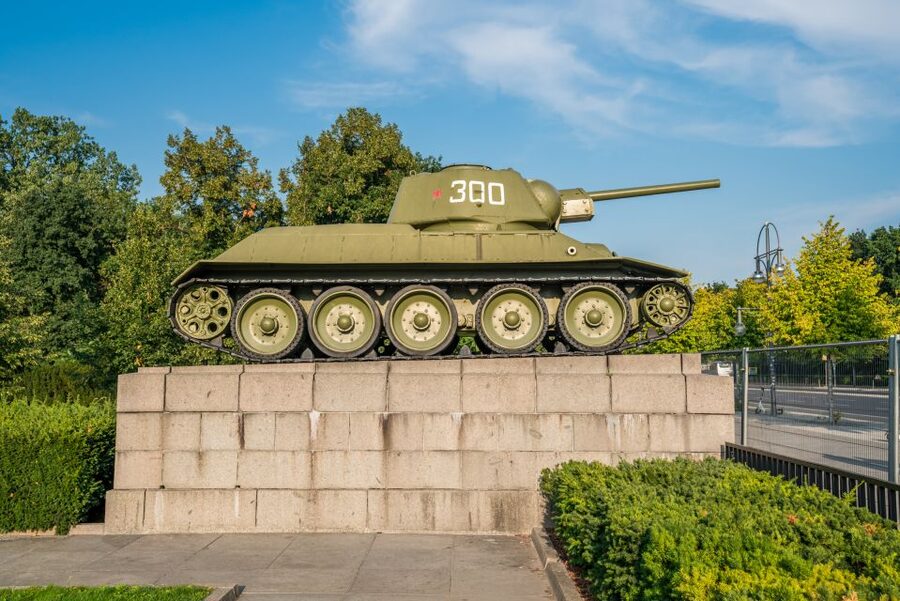
At the former headquarters of the SS and Gestapo, the guide explains how the Nazi regime organized its campaign of terror. This location is now associated with the Topography of Terror documentation center.
The site focuses attention on the people and offices that planned persecution, imprisonment, and violence. That matters because Nazi crimes were not carried out by one leader alone. They required agencies, paperwork, police power, and officials who turned ideology into daily action.
The walk gives you an outdoor introduction. If you have time afterward, you may want to return to the documentation center for a more detailed look at the exhibits. The tour’s role is to show you where the machinery operated and explain why the site matters.
This is also a good place to ask questions. Guides such as Joachim have been praised for giving insightful answers, while others, including Alex, have been noted for building a clear story from stop to stop. The best use of this portion is to connect the facts to the route’s larger question: how did Berlin move from dictatorship into another form of authoritarian rule and division?
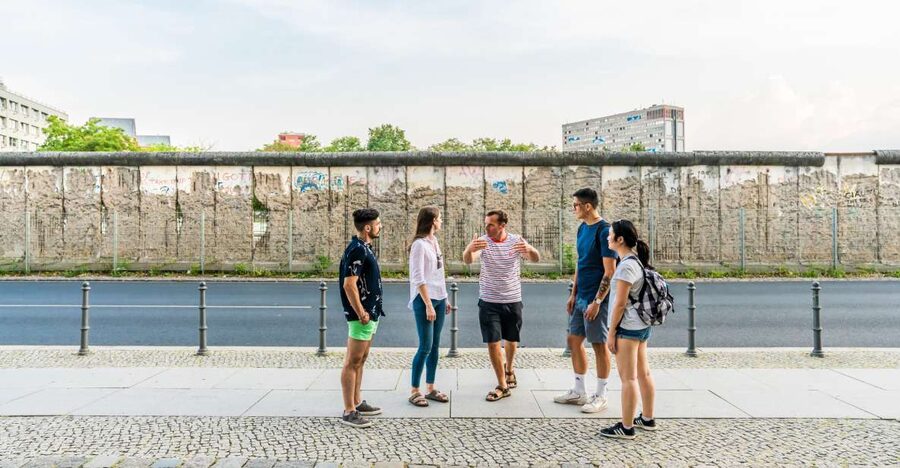
A 200-Meter Walk Beside the Berlin Wall
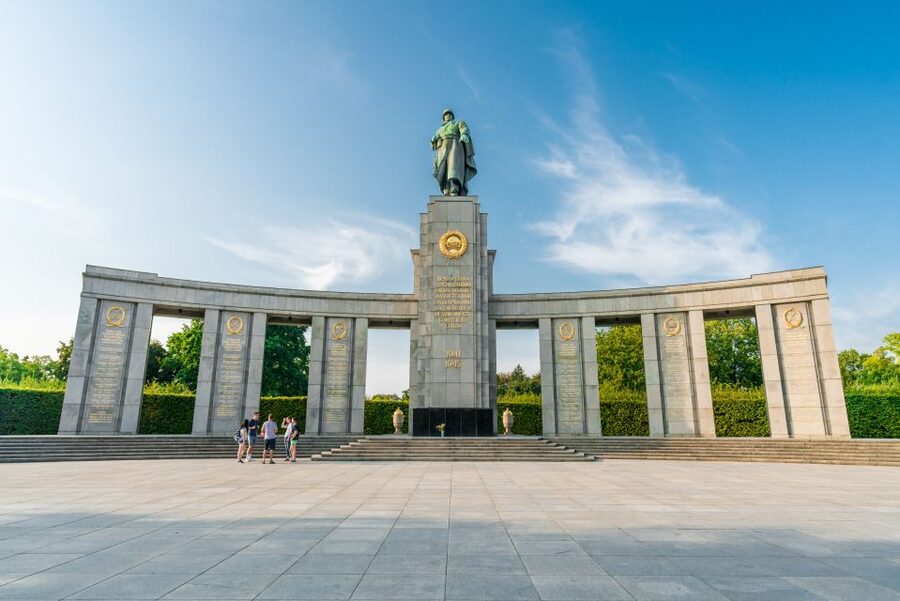
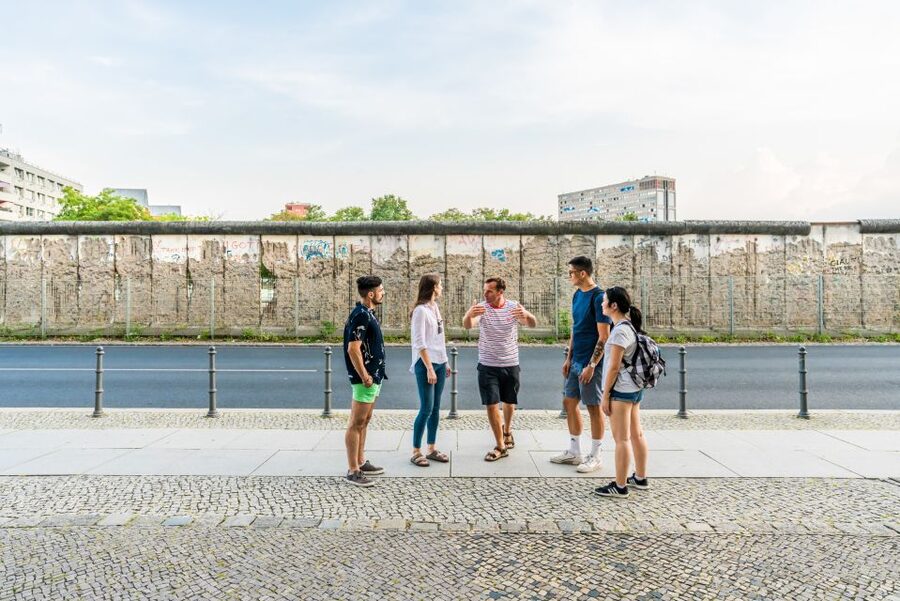
The Berlin Wall section brings the Cold War into sharper focus. You walk along about 200 meters of surviving wall, a physical reminder that Berlin was divided for decades.
The wall was more than a concrete barrier. It separated streets, neighborhoods, workplaces, families, and political systems. The guide explains escape attempts and the risks taken by people who tried to cross from East Berlin to West Berlin.
This part of the walk often benefits from storytelling. Facts about dates and border controls matter, but individual escape stories help you understand the fear and ingenuity involved. The route also covers the lasting effect of the wall’s fall and the final period before Germany reunited.
The surviving section is useful because it lets you see scale. A photograph can show the wall, but walking beside it gives you a better sense of how an object only a few meters high could dominate daily life when backed by armed guards and a restricted border zone.
Do not expect a long stop at a large museum. You get a focused outdoor visit. If Berlin’s wall history is your main interest, you should plan a separate visit to a larger memorial site. For a general Berlin history tour, though, this 200-meter section gives the route a strong physical ending before Checkpoint Charlie.
Checkpoint Charlie and the Cold War Standoff
The walk finishes at Checkpoint Charlie, one of Berlin’s best-known Cold War landmarks. American and Soviet tanks once faced one another here during a tense standoff, and the checkpoint became a symbol of the dangerous relationship between the two superpowers.
The modern site is surrounded by shops, signs, and photo opportunities, so it can feel more commercial than historical. That is precisely why the guide’s explanation helps. You learn to separate the present-day display from the original border crossing and understand the serious political tension behind it.
The tour also covers escape attempts and the final hours before the wall fell. This gives the stop a human scale and a clear ending. The route begins with Berlin’s division and reunification symbolized at Brandenburg Gate, then concludes with the border crossing that helped define the Cold War city.
There is a practical detail to clarify. The route description says the tour concludes at Checkpoint Charlie, while the meeting information says the activity ends back at the original meeting point. Confirm the ending location before you set your next appointment. Checkpoint Charlie is well connected, but your onward plans may depend on knowing exactly where you will finish.
Guide Style, Group Choices, and Pace
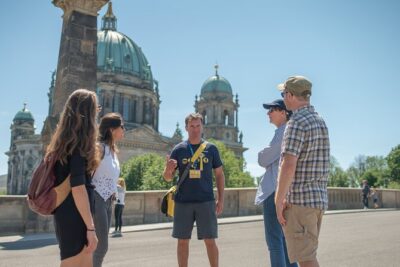
The strongest part of this experience is the live narration. The guide list changes, but named guides such as Hannah, Jimmy, Steve, Ru, Scott, James, Klaus, Marie, Peter, Jamie G, Tina, Mikhail, Alex, Xavier, Joachim, Raffaello, Thomas, Jasper, Ben, and Emma have all been singled out for traits that matter on a history walk.
You can expect a mix of clear speaking, strong story structure, humor, and answers to questions. Jimmy was praised for a comfortable pace and easy-to-follow explanations. Thomas was noted for speaking clearly and loudly, even in the rain. Mikhail was especially attentive to comfort on a hot day, choosing shade when possible.
Those details tell you what to look for in practice. This is not a silent march between monuments. The guide keeps talking while the group moves, pauses for questions, and uses small incidents to make the sites easier to remember.
You can choose a shared group or private group. A private tour may suit families or groups with a particular interest in Nazi Berlin or the Cold War, while a shared tour is the better value for most visitors. The published languages are English and German, but the available language can differ between shared and private choices, so check the exact option before paying.
The walk runs in all weather, including public holidays. Bring comfortable shoes, water, an umbrella, and a camera. Since you cover about 2 kilometers, the distance is moderate, but the subject matter and outdoor setting make sensible clothing important. The activity is listed as wheelchair accessible.
Who Will Get the Most From This Walk
I would recommend this tour to a first-time Berlin visitor who wants a clear framework for the city’s twentieth-century history. It also works well for anyone who prefers stories and landmarks to a long indoor lecture.
It suits older children and teenagers if they are ready for serious subjects. The Holocaust, Nazi terror, wartime deaths, escape attempts, and political repression are handled as central parts of the route, not as light sightseeing material.
History fans may find the two-hour limit too short for detailed study. If you already know Berlin well, a private option could make better sense because you may be able to focus questions on a specific period, though the supplied information does not promise a customized route.
The tour is also a practical choice on your first day. Emma has been noted for offering Berlin recommendations, and a good guide can help you decide which museums or memorials deserve a longer return visit. Think of the walk as a city orientation with serious content.
Practical Value at $23
At $23, this is a low-cost way to see many major central sites with a guide. You cover Brandenburg Gate, the Reichstag exterior, the Soviet War Memorial, the Holocaust Memorial, Hitler’s bunker site, Detlev-Rohwedder-Haus, the Topography of Terror area, a Berlin Wall section, and Checkpoint Charlie.
The value comes from the connections. Seeing nine locations independently would cost little in transport, but it would take research to understand how they fit together. The guide supplies that thread in two hours.
The limitation is time. You will not have lengthy independent periods at each stop, and the walk does not include listed admission to indoor attractions. If you want a slow, reflective memorial visit, add time before or after the tour.
Booking is flexible: you can cancel up to 24 hours before the activity for a full refund, and you can reserve now and pay later. Those terms make it easier to place the walk near the start of your Berlin schedule without locking yourself into a rigid plan.
Should You Book It?
Book this tour if you want a compact, story-led introduction to Berlin’s Nazi and Cold War past. The route is strong, the price is fair, and the guides are repeatedly praised for clear delivery, humor, good pacing, and thoughtful answers.
Skip it if you want extended museum visits, a quiet self-guided experience, or a tour devoted only to the Berlin Wall. For most first-time visitors, though, this is a smart two-hour investment. Wear comfortable shoes, bring an umbrella, check your language and group choice, and confirm where the walk ends.
FAQ
How long is the Berlin Third Reich and Cold War walking tour?
The tour lasts two hours.
How far will I walk?
You should expect to walk approximately 2 kilometers.
Where does the tour begin?
Meet in front of the tourist information point at Brandenburg Gate, Pariser Platz 1. Look for the guide with the pink umbrella.
Which public transport stops are near the meeting point?
The closest station is Brandenburger Tor, served by S-Bahn lines S1, S2, S25, and S26, plus U-Bahn line U5. Buses 100 and 245 also serve the area.
Which landmarks are included?
The route includes Brandenburg Gate, the Reichstag, the Soviet War Memorial in Tiergarten, the Holocaust Memorial, Hitler’s bunker site, Detlev-Rohwedder-Haus, the Topography of Terror area, a 200-meter Berlin Wall section, and Checkpoint Charlie.
Is the tour available in English?
Yes. Live guides are available in English and German. Shared and private options may not offer the same languages, so check the selected option carefully.
Can I book a private tour?
Yes. A private group option is available.
Is the tour wheelchair accessible?
Yes, the activity is listed as wheelchair accessible.
What happens if it rains?
Tours operate in all weather conditions and on public holidays. Bring an umbrella and wear comfortable shoes.
Can I cancel or pay later?
You can cancel up to 24 hours in advance for a full refund. You can also reserve your place and pay later.
More Walking Tours in Berlin
- Discover Berlin Half-Day Walking Tour
★ 5.0 · 9,624 reviews - Berlin: Discover Berlin Walking Tour
★ 4.9 · 5,998 reviews - Berlin: Hidden Backyards Guided Walking Tour
★ 4.8 · 5,360 reviews - Berlin: Alternative Berlin Walking Tour
★ 4.6 · 1,204 reviews
More Cold War Tours
- Berlin: DDR Museum Tickets
★ 4.3 · 3,443 reviews - Skip-the-Line: Berlin Wall Museum at Checkpoint Charlie
★ 4.1 · 2,041 reviews - Cold War, Berlin Wall, Spies and the East Side Gallery
★ 5.0 · 1,024 reviews - Berlin: Guided Bike Tour of the Berlin Wall and Third Reich
★ 4.7 · 499 reviews
Just added around Berlin
- From Berlin: Gardens & Palaces of Potsdam Bike Tour★ 5.0 · 61 reviews
- Berlin: Battle for Seelow Heights WW2 tour -Clash of Titans★ 5.0 · 27 reviews
- From Berlin: Historical Gems of Potsdam Private Day Trip★ 4.4 · 4 reviews
- Berlin: Französischer Dom 360° Panorama & Crémant to go★ 3.9 · 5 reviews
- Explore Berlin Tour: History and Highlights★ 4.7 · 5 reviews
- Berlin: Evening Yacht Cruise with Aperitif & Dinner Upgrade★ 4.6 · 178 reviews
- Berlin: Expats in Berlin Comedy Show Ticket★ 4.7 · 182 reviews
- Berlin: The Epic Comedy Club Friday Night Showcase★ 4.8 · 28 reviews
Berlin Tours, compared.

Reichstag, Dome and Government District Guided Tour
Read our review →
1-Hour City Tour by Boat with Guaranteed Seating
Read our review →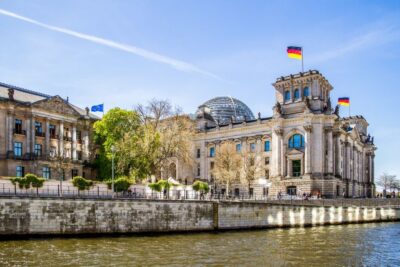
Reichstag, Plenary Chamber, Cupola & Government Tour
Read our review →
Browse the lists this tour appears in