
Review · BERLIN TOURS
Skip-the-Line: Berlin Wall Museum at Checkpoint Charlie
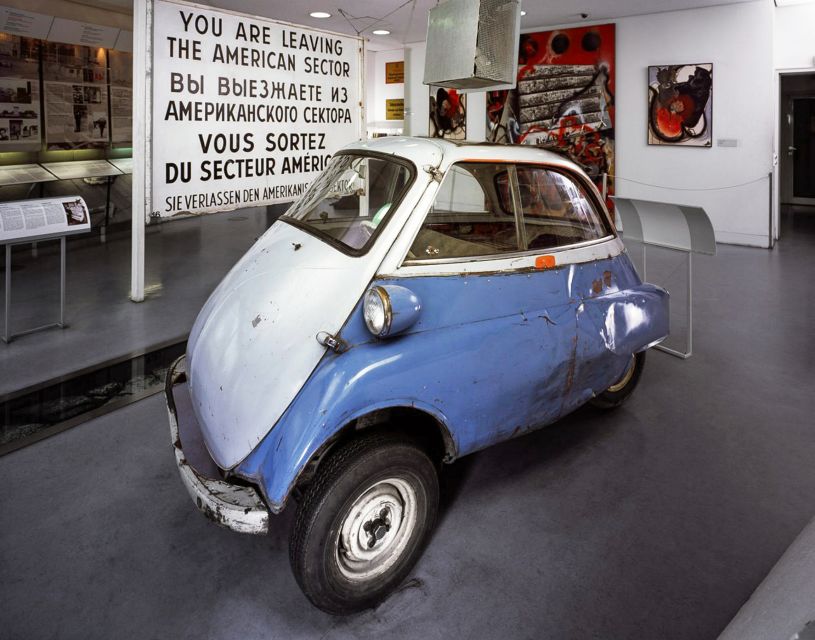
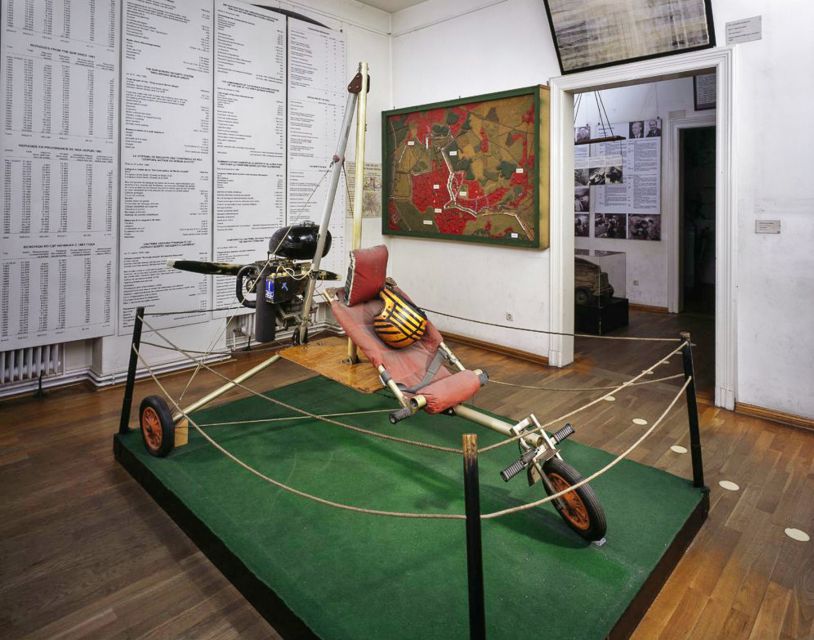
The Berlin Wall Museum is less a quick stop than a full lesson in what divided Berlin meant for ordinary people. Its most gripping exhibits are the original escape vehicles and devices, including a hot-air balloon, mini-submarine, cars, and airplanes used to help East Germans reach the West.
I like two things right away: the museum sits at Checkpoint Charlie, so the history is tied to the very ground outside, and it focuses on individual acts of courage rather than only dates and political speeches. The main drawback is the sheer amount of reading. You may need two hours or more, and some interactive displays have not worked reliably.
Key points to know before you go
- Original escape artifacts: See conveyances donated by refugees and helpers after successful escapes, including a hot-air balloon, cars, airplanes, and a mini-submarine.
- More than the Wall itself: The exhibition covers the rise and fall of the Berlin Wall, life under the GDR, Cold War politics, human rights, protest movements, and later conflicts.
- A large, text-heavy museum: Plan about one to two hours for a focused visit, or close to a full day if you read most of the displays.
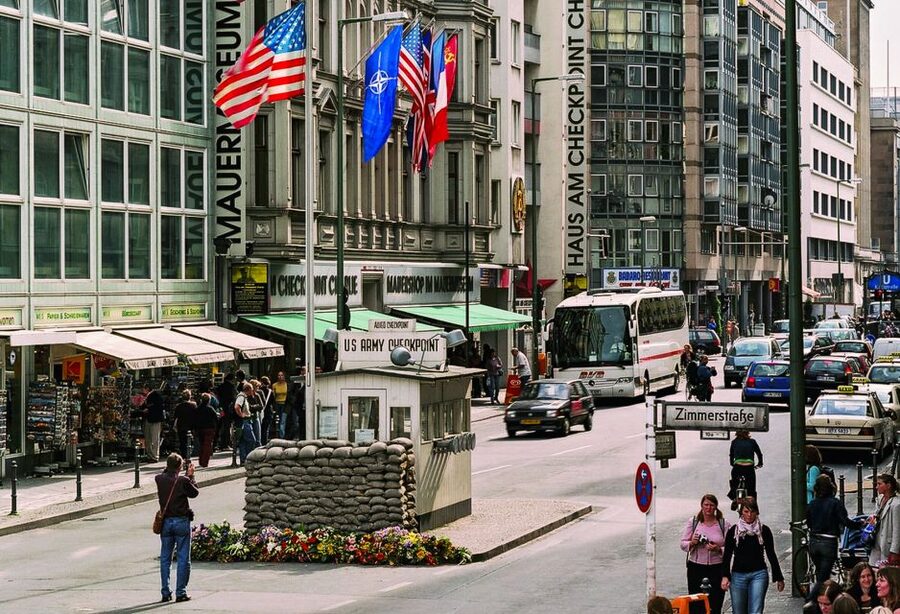
- Checkpoint Charlie setting: The museum is at Friedrichstraße 43 to 45, directly beside one of Berlin’s best-known Cold War sites.
- Skip-the-line entry: The $21 ticket is useful when queues are long, though booking online may cost more than buying at the door.
- Self-guided by default: Your ticket covers admission only. A guided tour and audioguide are not included.
Why Checkpoint Charlie changes the museum visit
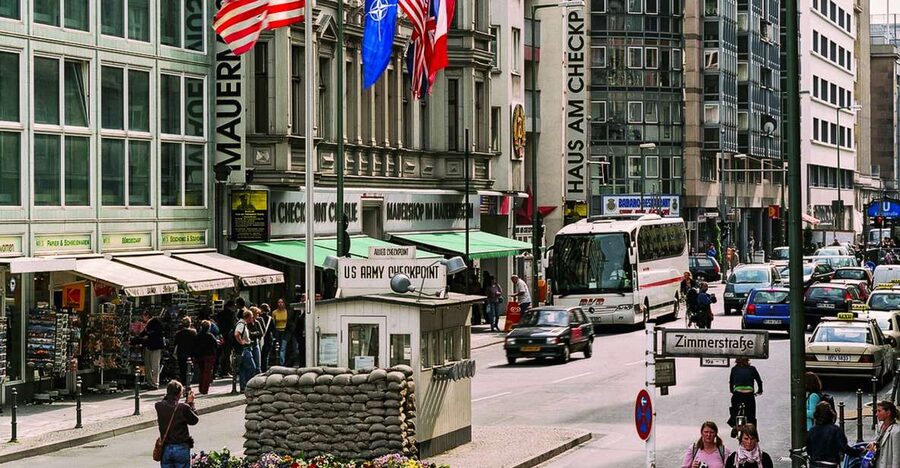
Checkpoint Charlie can feel theatrical today. The famous guardhouse and sign make it a popular photo stop, but the museum gives the crossing point a human and political context.
The Berlin Wall Museum opened on October 19, 1962, only a little over a year after the Wall went up. It began as a protest against the Wall and as a place where people could seek help. From there, it became a base for escape planning, assistance to refugees, and resistance to the GDR regime.
That origin matters. You are not entering a museum created decades later by historians looking back from a safe distance. Its early purpose was practical and urgent. People were trying to help families and individuals get out, and the museum was part of that effort.
As you look from the museum toward Checkpoint Charlie, try to picture the crossing not as a landmark but as a controlled border inside one city. The displays make clear how a political division reached into homes, workplaces, friendships, and family life.
More Wall and Cold War walks:
- Berlin: Third Reich and Cold War 2 Hour Walking Tour
★ 4.9 · 6,830 reviews - Berlin’s Best: 2 Hour Walking Tour Third Reich and the Cold War
★ 5.0 · 5,486 reviews - Berlin: DDR Museum Tickets
★ 4.3 · 3,443 reviews
The escape stories are the museum’s strongest section
The most memorable part of the visit is the collection of objects connected to successful escapes. These are not simply period props. They were tools in real plans, often made under pressure and used at great personal risk.
A car can look ordinary until you learn how it was adapted to hide someone. An airplane or mini-submarine makes the same point in a more dramatic way: people explored every possible route out. The hot-air balloon is especially striking because it suggests the scale of preparation required for an escape through the sky.
After reaching safety, refugees and the people who helped them donated these vehicles and objects to the museum. That gives the displays an unusual force. You are seeing physical evidence of ingenuity, but also evidence of trust between people who had much to lose.
I recommend slowing down around the escape exhibits rather than rushing from one large object to the next. Read the captions and follow the basic questions: who planned the escape, what route did they choose, what had to be built or altered, and what happened afterward?
You will find that the stories are not all about daring stunts. Some are about patient planning, secrecy, technical skill, and the support network behind a single person’s flight to freedom.
Expect a broad account of GDR life and Cold War politics
The exhibition does not stop at the Wall’s construction. It explains the political setting around the GDR, East Germany’s place in the Soviet bloc, and the pressure that shaped daily life in East and West Berlin.
That wider material is useful if you know only the basic outline: the Wall went up, people tried to cross it, and it came down in 1989. The museum works to explain why the border existed, how it affected people, and why escape attempts became such a powerful form of resistance.
The displays also continue beyond the fall of the Wall. You will find material about later international conflicts, current human rights concerns, and peaceful protest movements. This wider reach is one reason the museum can feel larger than its exterior suggests.
It is also where the museum becomes less tidy. Some of the later material may feel only loosely connected to Checkpoint Charlie. If your main goal is a focused account of the Berlin Wall, you may find the exhibition wanders beyond its strongest subject.
Still, the extension into present-day issues has a purpose. The museum argues that the end of the Berlin Wall did not end disputes over borders, power, freedom, or human rights. A display about a car used by a family fleeing Ukraine, for example, connects older escape stories with more recent events.
Plan for reading, not a quick photo stop
A focused visit can take one to two hours. If you read most of the panels, study the photographs, and pause at the vehicles, plan closer to two and a half hours. One person reported spending nearly that long in mid-January and still finding plenty to absorb.
You could spend much longer, even close to a full day, if you want to read everything. The $21 admission therefore offers reasonable value for anyone who enjoys museums with a large amount of written material. It is less appealing if you want a short, highly visual attraction that you can finish in 30 minutes.
The presentation is often described as thorough, but not always easy to follow. The museum grew over time, and the route does not always create a clear beginning, middle, and end. You may need to make your own path through the rooms and return to a section when a later panel explains an earlier event.
That lack of a clean narrative is the main weakness. Some displays feel dated, and several interactive elements have reportedly not been working. The museum relies heavily on text, photographs, documents, and objects, so you should be comfortable reading for long stretches.
On the positive side, many explanations are available in different languages. The exact language range is not specified, so you should not assume every panel is translated into your preferred language, but multilingual material does make the museum more accessible to an international audience.
More museums and galleries in Berlin:
- Berlin: Jewish Museum Berlin Entrance Ticket
★ 4.5 · 8,393 reviews - Berlin: Natural History Museum Entrance Ticket
★ 4.6 · 3,382 reviews - Berlin: Neues Museum Entry Ticket
★ 4.6 · 3,261 reviews - Berlin: Museum Island Multiple Museum Entry Ticket
★ 4.4 · 2,007 reviews
Is the skip-the-line ticket worth $21?
The ticket costs $21 per person and includes entrance for one day. It does not include a guided tour or audioguide.
The main benefit is convenience. An online ticket lets you use the skip-the-ticket-line access, which can help during busy periods. Several people found entry easy, and one visitor specifically noted that the ticket prevented a queue.
But you should compare the price with the door rate before booking. One family found that buying online added roughly £3 to £4 per ticket compared with paying at the museum. That difference becomes meaningful for a group of four.
My advice is simple: book ahead if you value a fixed plan, are visiting at a busy time, or do not want to risk a line. If you are nearby and the entrance is quiet, check the on-site price first. The museum’s value comes from the content, not from a premium tour service attached to the ticket.
The activity allows cancellation up to 24 hours before the visit for a full refund, and you can reserve now and pay later. It is valid for one day, with starting times shown according to availability.
Do you need an audioguide or guided tour?
No guide is included, so the standard experience is self-guided. That is fine for readers who like to set their own pace and choose which stories to follow.
An audioguide is not automatically the better option. The museum already provides a large amount of written information, and one visitor was told that the audioguide was not especially necessary. Still, another person regretted not choosing a headset because there was so much to take in.
If you want a compact explanation of the Cold War before facing hundreds of panels, a guide could help. A guided visit may also give the exhibition a clearer order. Just remember that both the guide and audioguide are extra, not part of this admission ticket.
The museum’s subject is emotionally heavy. The stories involve surveillance, confinement, fear, separation, and the risks taken by people trying to leave an unjust system. You will get more from the visit if you allow time to pause rather than treating it as one more stop between shopping and dinner.
How the museum works for families and teenagers
The museum suits adults, history students, and older teenagers who can manage a long reading session. It offers plenty of concrete objects, but much of the learning comes from written explanations.
Younger visitors may lose interest, especially if they expect a highly interactive museum. One family found that teenagers became bored while an adult continued for another hour. That is useful planning information, not a criticism of the subject. The museum asks for patience.
For a family visit, I would set a modest target. Choose the escape artifacts, the sections on the Wall and Checkpoint Charlie, and one area on the peaceful protests. Then decide if everyone still has the energy for the wider material.
School groups can also affect the atmosphere. A large group of teenagers may make the stairs and reading areas noisy or crowded. If you have flexibility, a quieter time will make the museum easier to absorb.
The building is wheelchair accessible, which removes one common practical concern. If you carry a bag, locker arrangements may require a €2 deposit coin, according to one earlier visit, so having a coin available is sensible.
What makes this visit worth doing in Berlin
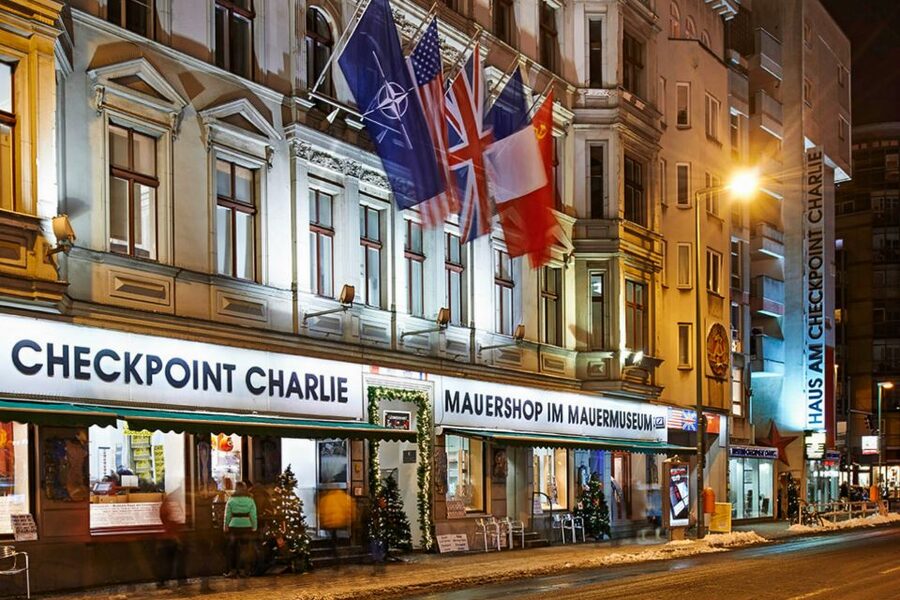
Berlin has several places connected with the Wall, and this museum is not the only one worth your time. Its special value is the combination of location, escape technology, personal stories, and political material.
At an outdoor remnant of the Wall, you see the structure and its setting. Here, you see what people did in response to it. The escape objects turn an abstract border into a series of practical problems: how to conceal a person, cross a checkpoint, reach a river, fly over the border, or build a vessel in secret.
The museum also preserves stories that rarely fit into a short schoolbook account. The collection shows that escape was not one simple act. It could involve family members, engineers, drivers, pilots, organizers, and people willing to risk punishment to help someone else.
I also appreciate that the exhibition treats human rights as an ongoing issue. The Berlin Wall is part of the past, but the museum does not pretend that the questions ended in 1989. That may make the later rooms feel less focused, but it also gives the visit a reason to matter now.
Practical ways to get more from your visit
Start by allowing more time than you think you need. The exterior does not prepare you for the size of the exhibition, and many people leave wishing they had not booked another attraction immediately afterward.
Read selectively. You do not need to examine every panel to understand the main story. Begin with the Wall, Checkpoint Charlie, and the escape objects, then move into the wider political and human rights material if your attention holds.
Bring patience for uneven presentation. Some rooms are packed with text, some displays may feel dated, and the route may not always flow naturally. That is easier to accept when you view the museum as an archive of urgent stories rather than a polished modern attraction.
If photography is important to you, check the museum’s current rules before arriving. One visitor was disappointed at not being allowed to take pictures. Policies can change, so do not assume you will be able to photograph every display.
The address is Friedrichstraße 43 to 45, 10969 Berlin. Its position beside Checkpoint Charlie makes it easy to combine with a walk through the surrounding Cold War sites, though the museum itself deserves more than a rushed add-on.
Should you book the Berlin Wall Museum?
Book it if you want the human side of the Berlin Wall, especially the ingenious and dangerous ways people tried to escape East Germany. The original hot-air balloon, mini-submarine, cars, and airplanes give the museum a physical quality that a standard history lesson cannot match.
The $21 price is fair when you plan to stay for two hours or more, though you should compare online and door prices if you are visiting with a family. The skip-the-line feature is useful when the museum is busy, but it is not essential during a quiet period.
Skip it if you dislike reading-heavy museums, need a tightly organized route, or have only a short time in Berlin. For everyone else, this is a serious and worthwhile stop at one of the city’s most symbolic locations. Go slowly, choose the escape stories first, and leave room to think about what freedom cost the people who crossed the Wall.
FAQ
Where is the Berlin Wall Museum located?
The museum is at Friedrichstraße 43 to 45, 10969 Berlin, beside Checkpoint Charlie.
How much does admission cost?
The listed price is $21 per person.
How long is the ticket valid?
The ticket is valid for one day.
Does the ticket include a guided tour?
No. The entrance ticket includes admission only. A guided tour is not included.
Is an audioguide included?
No. An audioguide is not included in the entrance ticket.
Can I skip the ticket line?
Yes. The activity includes skip-the-ticket-line access.
Is the museum wheelchair accessible?
Yes. The museum is wheelchair accessible.
Can I cancel my booking?
Yes. You can cancel up to 24 hours in advance for a full refund.
Can I reserve without paying immediately?
Yes. The reserve-now-and-pay-later option lets you hold your place without paying at the time of booking.
More Skip the Line in Berlin
- Berlin: Panoramapunkt Skip-the-Line Elevator Ticket
★ 4.4 · 1,219 reviews - Hamburg: Hard Rock Cafe Skip-the-Line Meal
★ 4.0 · 945 reviews - Neuschwanstein Castle Tour with Skip the Line from Hohenschwangau
★ 5.0 · 323 reviews - Dresden: Zwinger Skip-the-Line & 2-Day Hop-On Hop-Off Bus
★ 4.5 · 160 reviews
Just added around Berlin
- From Berlin: Gardens & Palaces of Potsdam Bike Tour★ 5.0 · 61 reviews
- Berlin: Battle for Seelow Heights WW2 tour -Clash of Titans★ 5.0 · 27 reviews
- From Berlin: Historical Gems of Potsdam Private Day Trip★ 4.4 · 4 reviews
- Berlin: Französischer Dom 360° Panorama & Crémant to go★ 3.9 · 5 reviews
- Explore Berlin Tour: History and Highlights★ 4.7 · 5 reviews
- Berlin: Evening Yacht Cruise with Aperitif & Dinner Upgrade★ 4.6 · 178 reviews
- Berlin: Expats in Berlin Comedy Show Ticket★ 4.7 · 182 reviews
- Berlin: The Epic Comedy Club Friday Night Showcase★ 4.8 · 28 reviews
Berlin Tours, compared.

Reichstag, Dome and Government District Guided Tour
Read our review →
1-Hour City Tour by Boat with Guaranteed Seating
Read our review →




Reichstag, Plenary Chamber, Cupola & Government Tour
Read our review →
Browse the lists this tour appears in