

Review · BERLIN TOURS
Your ticket to The Wall Museum Berlin
The most useful thing to know about The Wall Museum Berlin is that it covers the whole Wall story, from the division of Germany in 1945 through its fall in 1989 and the end of the Wall era in 1990. It is a self-guided visit, so you set the pace rather than follow a guide.
I like the short, manageable visit, which fits neatly into a day around the East Side Gallery. I also like the multimedia approach, since screens and visual displays can make the political events easier to follow than a room full of text panels. The main drawback is uneven upkeep: some monitors may not work, and the presentation can feel dated or loosely organized.
Key points to know
- A 45-to-60-minute museum visit that works well before or after seeing the East Side Gallery.
- A complete timeline from 1945 to 1990, including the Wall’s construction and fall.
- Self-guided touring, with no guide or fixed group schedule.
- Multimedia displays and historical scenes, rather than a purely text-based exhibition.
- English availability, with admission included in the mobile ticket.
- Mixed presentation quality, including reports of faulty screens and old-fashioned mannequins.
What The Wall Museum tries to explain
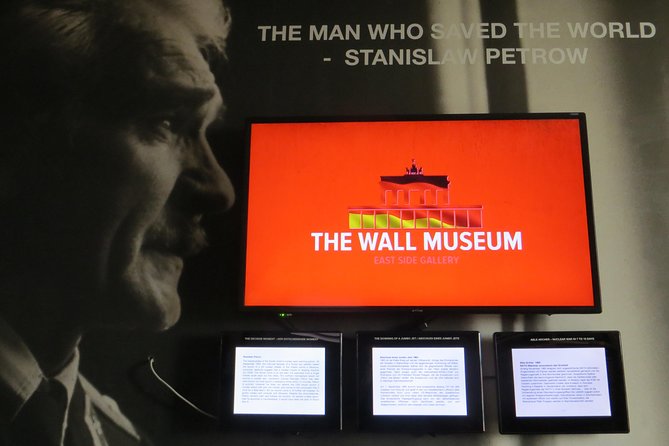
The Wall was not simply a concrete barrier dividing a city. It was the visible result of Germany’s postwar split, the Cold War, competing political systems, and a population prevented from moving freely between East and West Berlin.
The museum’s stated time frame, 1945 to 1990, gives you the right broad arc. You begin with the aftermath of World War II and the division of Germany. From there, the story moves toward the construction of the Wall, life under that division, and the events that brought it down.
That full span matters. If you only see the remaining sections of the Wall at the East Side Gallery, you see an important physical reminder, but not the whole political story. The museum helps connect the painted concrete to the decisions, pressures, and human consequences behind it.
I would not expect a scholarly archive or a quiet specialist museum. This is designed as a compact, accessible experience for people who want the main story in one place. The multimedia format aims for an emotional presentation, using screens and staged visual elements to bring the period closer to everyday experience.
More museums and galleries in Berlin:
- Berlin: Jewish Museum Berlin Entrance Ticket
★ 4.5 · 8,393 reviews - Berlin: DDR Museum Tickets
★ 4.3 · 3,443 reviews - Berlin: Natural History Museum Entrance Ticket
★ 4.6 · 3,382 reviews
Beginning at the East Side Gallery
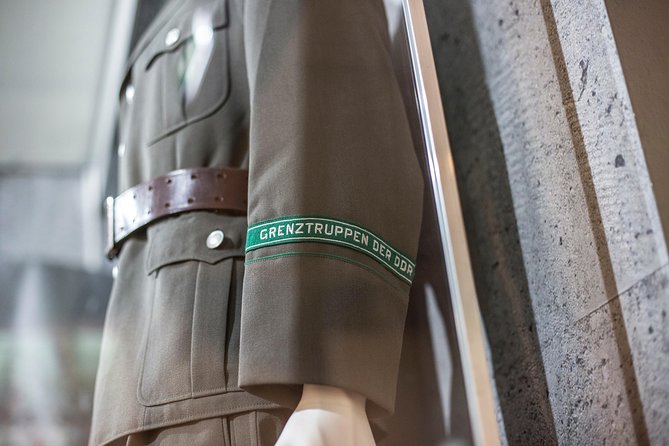
The museum is located at the East Side Gallery, one of Berlin’s best-known Wall sites. That location gives your visit useful context before you even enter. The outdoor section is famous for its murals, while the museum focuses on the events that led to the Wall and the meaning of its collapse.
The two experiences are different. The East Side Gallery shows how artists responded to the Wall after its fall. The museum explains why the Wall was built, how it shaped Berlin, and how the division finally ended.
For that reason, I would pair the museum with a walk along the East Side Gallery. You can first look at the remaining Wall and its artwork, then use the museum to fill in the political background. Or reverse the order if you prefer to understand the setting before seeing the murals.
The location is near public transportation, so it is practical to add to a day in eastern Berlin. You do not need to build a whole day around the museum. The short duration makes it easier to fit between other stops.
A self-guided journey from 1945 to 1990
There is no named guide or live tour included. You walk through the exhibition on your own, using the displays and multimedia material to follow the chronology.
That setup has clear advantages. You can pause at a subject that interests you, move past a display that feels familiar, or finish in less than an hour if your schedule is tight. You also avoid the pressure of keeping up with a group.
The tradeoff is that you must create your own rhythm and make your own connections. A guide could explain why one event led to another, answer questions, or add personal stories. Here, the museum’s arrangement has to do that work.
A careful visit should take about 45 minutes to an hour. You can move faster, but rushing would undercut the point of the museum. The historical period is complicated, and even a short stop benefits from giving each section a little time.
The experience is offered in English, which makes it a practical choice if you do not read German. Your mobile ticket includes admission, so the basic visit is straightforward once you arrive.
The multimedia displays and staged scenes
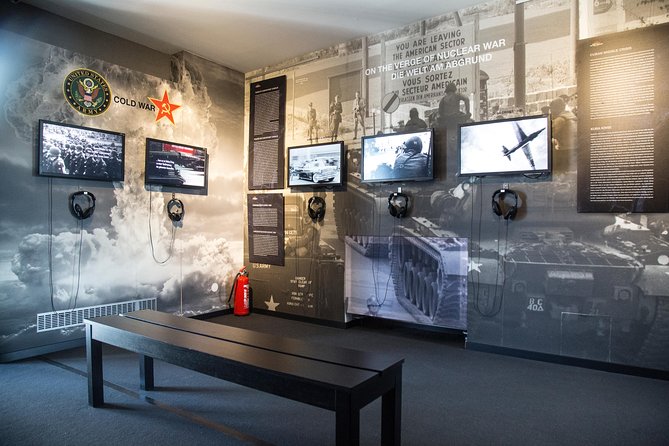
The museum uses multimedia as a central part of its presentation. Screens and visual material can be helpful when explaining a story that includes speeches, political change, border controls, and the sudden opening of the Wall.
The format also suits visitors who find long blocks of museum text tiring. A screen-based display can break the visit into shorter sections and make the passage of time easier to follow.
Still, you should set your expectations carefully. The equipment does not appear to be perfectly maintained. Some monitors may be out of service, which can interrupt the flow and leave gaps in the story.
The physical presentation also has an old-fashioned quality. One harsh assessment described the mannequins as poor and the exhibition as lacking continuity and context. That criticism is worth taking seriously if you prefer polished museums with modern design and carefully edited galleries.
I would treat the museum as a useful introduction rather than a flawless production. The subject is strong enough to carry the visit, but the technology and staging may not always match the importance of the history.
A few more Berlin half-days to weigh up
- Berlin: Reichstag, Dome and Government District Guided Tour
★ 4.7 · 18,288 reviews - Berlin: 1-Hour City Tour by Boat with Guaranteed Seating
★ 4.3 · 16,993 reviews - Berlin: Boat Tour Along the River Spree
★ 4.4 · 11,252 reviews - Discover Berlin Half-Day Walking Tour
★ 5.0 · 9,624 reviews
What makes the historical timeline useful
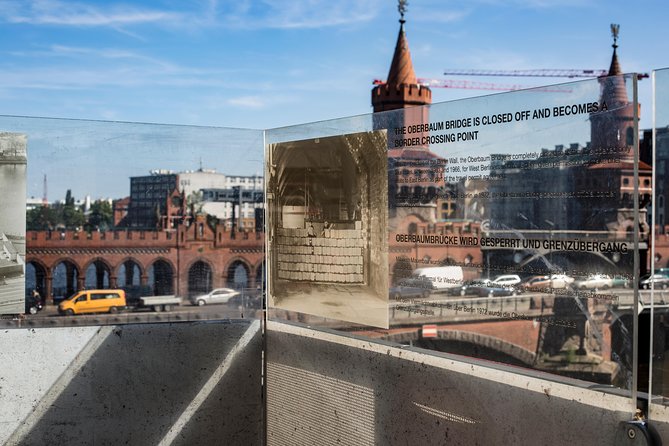
The museum’s strongest idea is its broad timeline. Starting in 1945 helps you understand that the Berlin Wall did not appear out of nowhere in 1961. The division of Germany and Berlin came first, followed by growing tension between the Soviet-controlled East and the Western powers.
The Wall then became a physical answer to a political and social problem, though one that trapped people and split communities. The museum’s period through 1990 lets you see both the Wall’s construction and the events after its fall.
For a first visit to Berlin, this structure is valuable. You may know the famous images of crowds crossing the Wall or people chipping away at concrete, but the surrounding story is easier to grasp when presented in order.
It also helps families and younger visitors. A chronological route gives them a clear beginning, middle, and end. The exhibition may not offer the depth of a large national museum, but it can provide enough background to make later sights around Berlin more meaningful.
If you already know the political history in detail, the visit may feel basic. You may find the displays repetitive or visually dated. In that case, the museum’s value comes less from new research and more from seeing the complete story gathered beside an actual section of the former Wall.
How long to allow and how to plan the stop
Set aside 45 minutes to one hour. That is enough time for a normal self-guided visit without turning it into a major commitment.
The museum works especially well in three situations:
- You have a short gap before another Berlin activity.
- You are already visiting the East Side Gallery.
- You want a basic Wall history before visiting other Cold War sites.
I would not make this your only Berlin history stop. Its compact format is convenient, but it cannot cover every personal story, escape attempt, political debate, and architectural change connected with the Wall.
Instead, use it as a focused introduction. Afterward, you can continue walking outdoors and think about how the museum’s timeline relates to the remaining Wall sections and murals.
Because the visit is self-guided, your actual time depends on how closely you read and watch the material. Someone interested in the period may need the full hour. Someone looking for a quick overview may finish sooner.
Is the $12.02 price good value?
At about $12.02 per person, the museum is priced as an inexpensive cultural stop rather than a major paid attraction. For that amount, the visit can offer reasonable value if you are already near the East Side Gallery and want a structured explanation of the Wall.
The price looks less attractive if you expect a highly polished museum with every screen working and a detailed guided interpretation. The exhibition’s reported technical problems and dated displays affect how much you feel you receive for the admission fee.
I would judge the value by your purpose. If you want a one-hour overview in English, the ticket is easy to justify. If you are a serious student of Berlin history, you may want a more substantial museum and could find this experience too light.
The included admission and mobile ticket keep things simple. You are paying for access to the exhibition, not for a live guide, transportation, or a longer organized tour.
Who will get the most from this visit
I would recommend The Wall Museum most to first-time Berlin visitors, families, and anyone who wants a concise introduction to the city’s division. The chronological structure can help you understand later sights, especially if the Cold War period is new to you.
It also suits people who prefer to tour independently. You do not need to match a guide’s schedule, and you can spend more time with the parts that interest you.
The museum may be less satisfying for you if you want:
- A live historian or personal guide.
- A large collection of original objects.
- A polished, modern gallery design.
- Guaranteed working technology throughout.
- A detailed account of every major Wall-related event.
People sensitive to heat should also keep expectations modest. Air conditioning is not guaranteed, and the exhibition’s comfort may vary. Service animals are allowed, and most people can participate.
The main weakness: uneven presentation
The biggest concern is not the subject matter. It is the way the material is presented.
Some parts may feel informative and worthwhile, while others can seem disconnected. Nonworking monitors interrupt a multimedia exhibition more than they would a traditional display because the screens are part of the planned storytelling.
The mannequins and staged scenes may also strike you as dated. That will not bother everyone, but it can make the museum feel less refined than Berlin’s larger historical institutions.
You should also know that the experience is not guided. If you want a person to explain confusing points, you will need to rely on the exhibition itself. A self-guided format gives you freedom, but it offers little help when the sequence feels unclear.
I would not dismiss the museum because of these flaws. A short, imperfect exhibition can still help you understand the basic timeline. But I would not book it expecting a high-end multimedia production.
How to combine it with a day in Berlin
The best plan is to treat The Wall Museum as one part of a larger East Side Gallery visit. Start with the outdoor Wall section, notice the murals, and then enter the museum for the historical background.
After the museum, you can continue exploring the surrounding area at your own pace. The museum’s one-hour length leaves room for other plans, and its location near public transportation makes it easy to reach or leave.
The order depends on your style. If you like context first, visit the museum before the outdoor gallery. If you prefer to see the physical remains before learning the story, walk outside first.
Either way, allow enough time to make the connection between the concrete barrier and the political events explained inside. That connection is the museum’s main purpose.
Booking and cancellation details
Confirmation is provided when you book, and the ticket is mobile. The experience is offered in English, and most people can take part.
You can cancel for a full refund if you do so at least 24 hours before the scheduled start time. Cancellations made less than 24 hours before the start are not refundable, and changes inside that period are not accepted. The cut-off follows local Berlin time.
That policy is useful if your plans are still shifting, but do not wait until the last day if you are unsure. The museum itself is short, so it is usually easier to place it into your schedule than a long guided excursion.
Should you book The Wall Museum Berlin?
Book it if you want a short English-language introduction to the Berlin Wall, especially if you are already visiting the East Side Gallery. The broad 1945-to-1990 timeline, self-guided format, and modest price make it a practical add-on.
Skip it if you expect a polished museum, a live guide, or a large collection of original material. The reported faulty monitors, dated mannequins, and uneven continuity are real concerns.
My advice is simple: use the museum to get the basic story, then spend time with Berlin itself. At $12.02 and under an hour, it can be worthwhile for a first visit, as long as you see it as a compact overview rather than the final word on the Wall.
FAQ
Where is The Wall Museum Berlin located?
It is located at the East Side Gallery in Berlin, Germany.
How long does the museum visit take?
Plan for approximately 45 minutes to one hour.
Is the ticket guided?
No. The experience is self-guided.
Is admission included with the ticket?
Yes. Admission to The Wall Museum is included.
Is the experience available in English?
Yes. It is offered in English.
Can I cancel for a full refund?
Yes, if you cancel at least 24 hours before the experience start time. Cancellations made less than 24 hours in advance are not refundable.
Just added around Berlin
- eSIM for Germany and 34 European Countries★ 4.5 · 16 reviews
- Walking on the Wall: 3-Hour Tour in Berlin★ 4.5 · 34 reviews
- Rickshaw Tours Berlin – Groups of up to 16 people with several rickshaws★ 4.0 · 97 reviews
- Warnemuende Shore Excursion: Private Berlin Tour★ 4.5 · 27 reviews
- Love and War in Berlin: Self-Guided Story Puzzle Walk★ 5.0 · 7 reviews
- Warnemuende Shore Excursion: Berlin Private Sightseeing Tour from Rostock★ 5.0 · 4 reviews
- Berlin’s Gay, Lesbian, and Queer Scene Small-Group Walking Tour★ 4.5 · 66 reviews
- Karl-Marx-Allee Tour: Life and Architecture in East Berlin★ 5.0 · 19 reviews
Berlin Tours, compared.

Reichstag, Dome and Government District Guided Tour
Read our review →
1-Hour City Tour by Boat with Guaranteed Seating
Read our review →




Reichstag, Plenary Chamber, Cupola & Government Tour
Read our review →
Browse the lists this tour appears in