
Review · BERLIN TOURS
Berlin: DDR Museum Tickets
Berlin’s DDR Museum turns East German history into something you can handle, open, hear, and even smell. Instead of staring at objects behind glass, you pull out drawers, browse cupboards, switch on a television, and climb into an original Trabant for a simulated drive through prefabricated housing districts.
I especially like the reconstructed apartment, which makes daily life under the DDR much easier to picture, and the Trabant simulator, a clear favorite for families and curious adults alike. The main drawback is space: the museum can feel crowded, making it hard to read every panel or reach every interactive display at peak times.
Key points at a glance
- Open the Karat wall cupboard: Explore an authentic East German living room filled with everyday furniture and household goods.
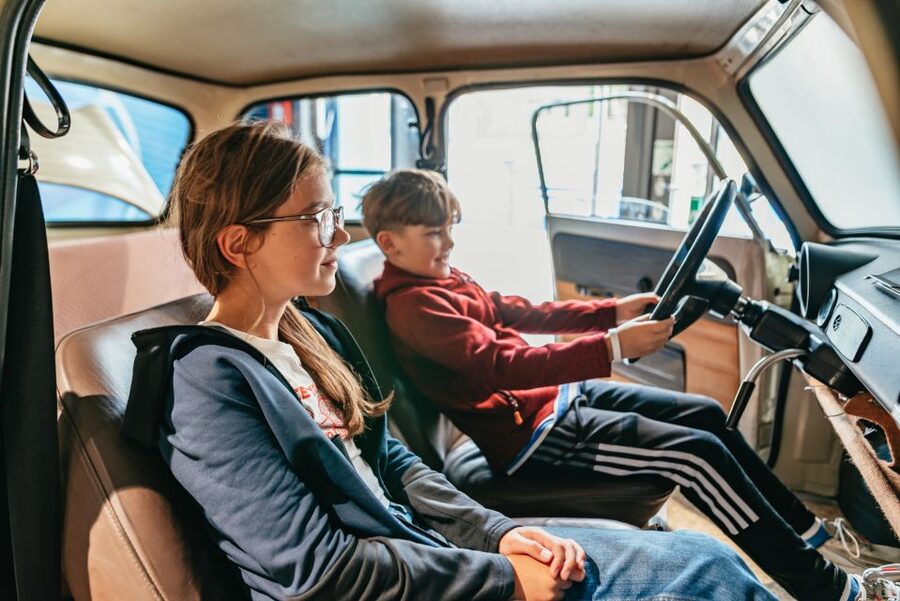
- Drive an original Trabant: Turn the ignition and take part in a simulated journey through DDR housing estates.
- Walk through a full apartment: See how rooms, appliances, food items, and furnishings reflected daily life in East Germany.
- Use all your senses: Smell spices, switch on period television, listen to Trabant sounds, and dance to Lipsi music.
- Expect a flexible visit: There is no required route, and most people need around 1.5 to 3 hours.
- Go early for breathing room: The museum is open daily from 9am to 9pm, but popular periods can be tight and crowded.
Starting beside Berlin Cathedral
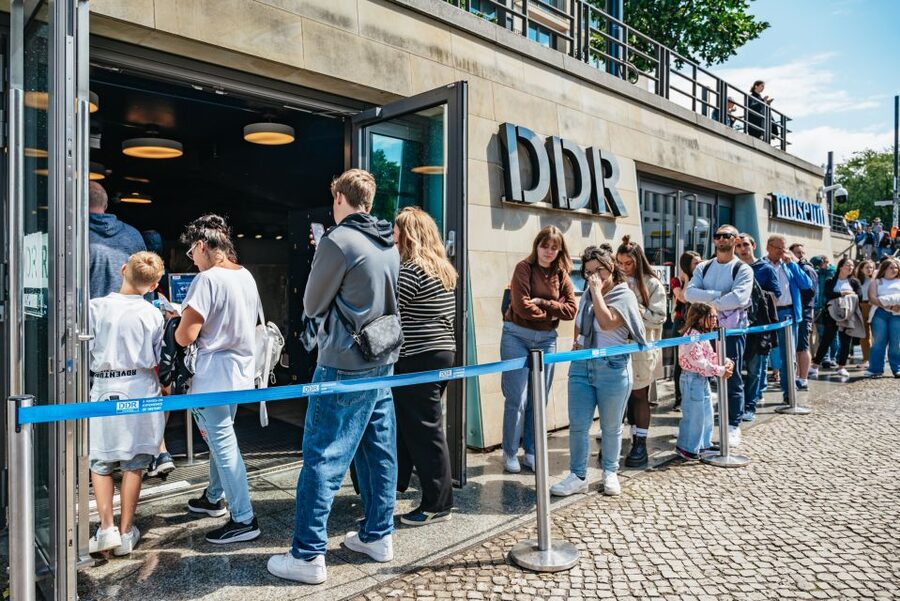
The museum entrance sits on the bank of the Spree, opposite Berlin Cathedral. That central setting makes it easy to pair with other major sights in Berlin, but it also means the museum can attract a steady stream of people, especially on rainy days and during peak sightseeing hours.
Your ticket includes entry to the DDR Museum. It does not include a museum guide, so you explore independently at your own pace. The displays are presented in German and English, which helps international visitors follow the main subjects without needing a guided tour.
I like this self-guided format because the exhibition is built for wandering. You do not have to follow a fixed path, and you can move to another section when one area becomes crowded. The tradeoff is that the museum contains a lot of written information, so you will need to choose between reading closely and seeing everything.
More Wall and Cold War walks:
- Berlin: Third Reich and Cold War 2 Hour Walking Tour
★ 4.9 · 6,830 reviews - Berlin’s Best: 2 Hour Walking Tour Third Reich and the Cold War
★ 5.0 · 5,486 reviews - Skip-the-Line: Berlin Wall Museum at Checkpoint Charlie
★ 4.1 · 2,041 reviews
A museum you can open, touch, and operate
The central idea here is simple: East German history is easier to grasp when it is tied to ordinary objects. You are not only told how people lived in the DDR. You can open the doors, reach into cupboards, inspect shelves, and see the products that filled a typical home.
That hands-on approach works well for people who do not usually spend hours reading museum labels. A pressure cooker on the stove, spices on a shelf, a television in the living room, and familiar household furniture give the period a human scale.
I find this especially useful for understanding the gap between political history and private life. The Berlin Wall, the Cold War, and the communist system can feel like very large subjects. A wall cupboard or kitchen appliance shows how those systems affected the routines of ordinary families.
The interactive displays are not all designed as games. Some are playful, but others are quiet and reflective. You might sit in an original cinema stall to watch news reports, examine a prison cell, or study the layout of an apartment. The mixture keeps the visit from feeling like one long block of text.
Inside the reconstructed DDR apartment
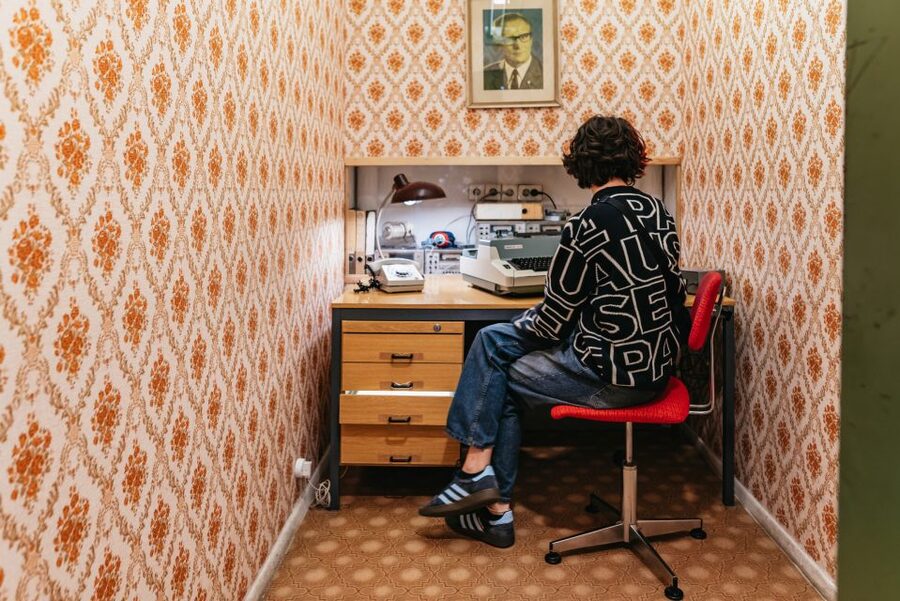
The apartment is the heart of the museum for many people. It recreates several rooms with furniture and objects associated with East German life, including the distinctive Karat wall cupboard. You can look inside drawers and cabinets rather than viewing a staged room from behind a rope.
This is where the exhibition feels most personal. The furniture is not just decoration. It shows the style, limits, and practical choices of a home during the DDR period. You can see how the objects fit together and gain a clearer sense of what daily routines might have looked like.
The apartment may feel old and somewhat dusty. That is partly the point, since the furnishings and products are from the period, but it also means the display does not have the polished appearance of a newly designed modern exhibit. If you prefer sleek galleries and spotless cases, this rougher presentation may take some getting used to.
For families, the apartment gives children a task: open this, look there, find the next object. That makes the historical material easier to approach. Older visitors who remember the era may find familiar details, while younger people get a concrete look at a time that can otherwise seem distant.
The Trabant simulator is the big crowd-pleaser
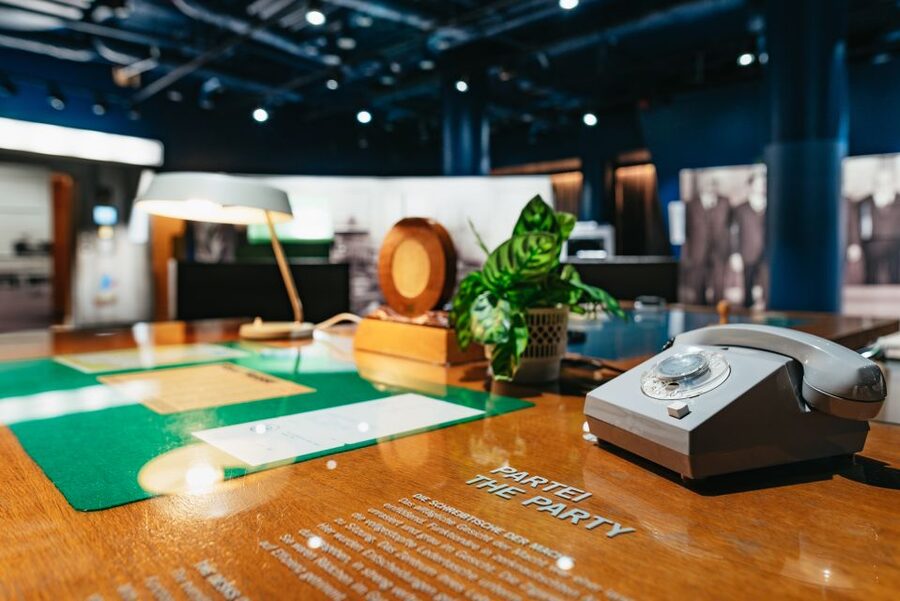
The original Trabant is one of the museum’s most memorable features. You can climb inside, turn the ignition, and take part in a simulated drive through prefabricated housing districts. The experience includes the characteristic Trabant noises, which add a comic and slightly clattering soundtrack to the ride.
I like this display because the car is more than a Cold War symbol. It connects transport, consumer goods, waiting, design, and everyday inconvenience in one object. Even if you know little about the DDR, sitting in the car gives you an immediate physical link to the period.
The simulator is also a strong reason to bring children or teenagers. It gives them a short activity with a clear goal, while the surrounding displays provide the larger context. Expect some waiting if the museum is busy, since the Trabant is one of the first things many people want to try.
This is not a driving tour or a long virtual reality attraction. It is a compact museum feature. Still, it often becomes the moment people remember most clearly, especially after spending time with the more text-heavy sections.
More museums and galleries in Berlin:
- Berlin: Jewish Museum Berlin Entrance Ticket
★ 4.5 · 8,393 reviews - Berlin: Natural History Museum Entrance Ticket
★ 4.6 · 3,382 reviews - Berlin: Neues Museum Entry Ticket
★ 4.6 · 3,261 reviews - Berlin: Museum Island Multiple Museum Entry Ticket
★ 4.4 · 2,007 reviews
Television, music, and a prison cell
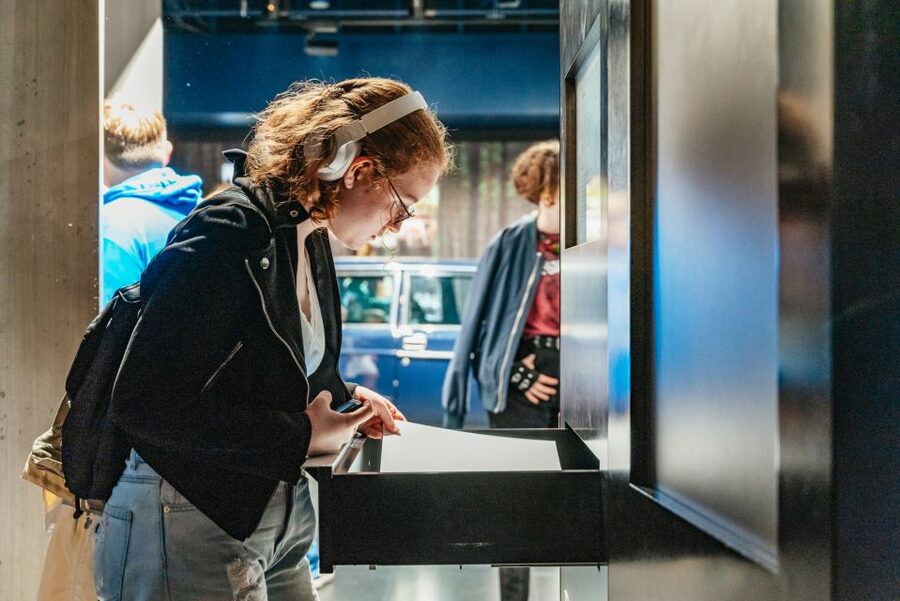
The DDR Museum uses sound and moving images to break up the reading. You can turn on a television in the reconstructed living room and watch period content. Elsewhere, news reports are shown from an original cinema stall, giving you a different way to consider how official information reached people.
There is also music. Lipsi, described as East Germany’s answer to rock and roll, gives the exhibition a lighter and more unusual side. These elements help show that life in the DDR was not only about government, restrictions, and shortages. People also watched television, listened to music, furnished homes, and built ordinary routines.
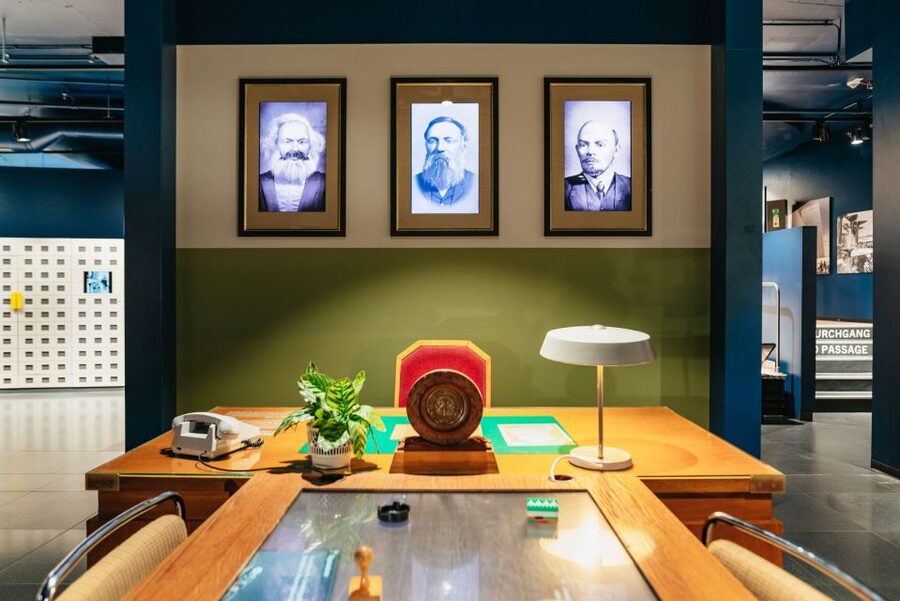
At the same time, the museum does not avoid the harder subjects. A typical former East German prison cell brings the political system closer to the body and the room. It is a useful reminder that this was not simply a display of retro furniture and nostalgic products.
That balance matters. The apartment and Trabant can be fun, but the prison cell and political material add weight. You leave with more than a collection of quirky objects. You get a picture of daily life shaped by both normal routines and limited freedom.
How long should you allow?
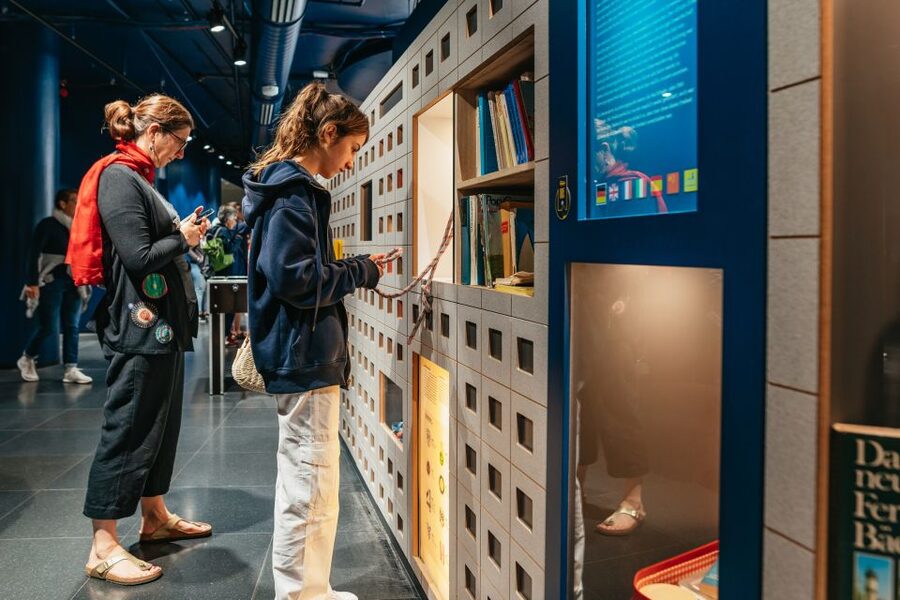
The ticket is valid for one day, but you do not need a full day for the museum itself. A quick visit can take about 1.5 hours if you focus on the main rooms and interactive highlights. If you read most of the panels and take your time with the objects, allow two hours or more.
Some people spend close to three hours, particularly when visiting with children or stopping at every interactive station. The amount of time depends less on the size of the museum than on how closely you read and how long you wait for popular displays.
The layout lets you adjust your pace. You can move around busy areas and return later, which helps when a display is blocked by a group. I would avoid treating the museum as a quick photo stop. The objects make the visit worthwhile, but only if you give yourself time to inspect them.
A practical plan is to visit earlier in the day, especially if you are tired from other sightseeing. Much of the exhibition involves standing, reading, and waiting briefly at interactive stations. One useful tip is to schedule it before a long day on your feet rather than at the end of one.
The best time to visit
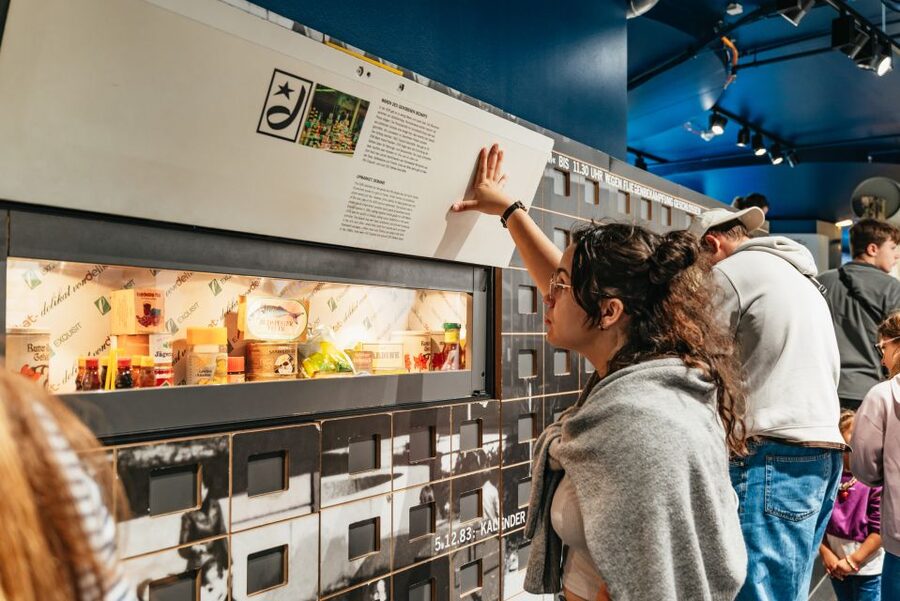
The museum is open Monday through Sunday from 9am to 9pm. On December 24 and December 31, it closes earlier, from 9am to 4pm.
The long opening hours are helpful. You can fit the museum into a morning, stop in after seeing Berlin Cathedral, or visit in the evening when other sights have closed. The flexible hours also make it possible to avoid the busiest part of the day.
Crowding is the main practical issue. On rainy days and Saturdays, the narrow exhibition areas can feel full. When several people gather around one display, reading the information becomes difficult, and the interactive objects are less easy to reach.
I would choose an early morning slot if you want to study the text carefully. If your schedule only allows a busy period, do not worry too much. The open layout means you can shift sections rather than wait for a whole group to move along a set route.
Is the $15 ticket good value?
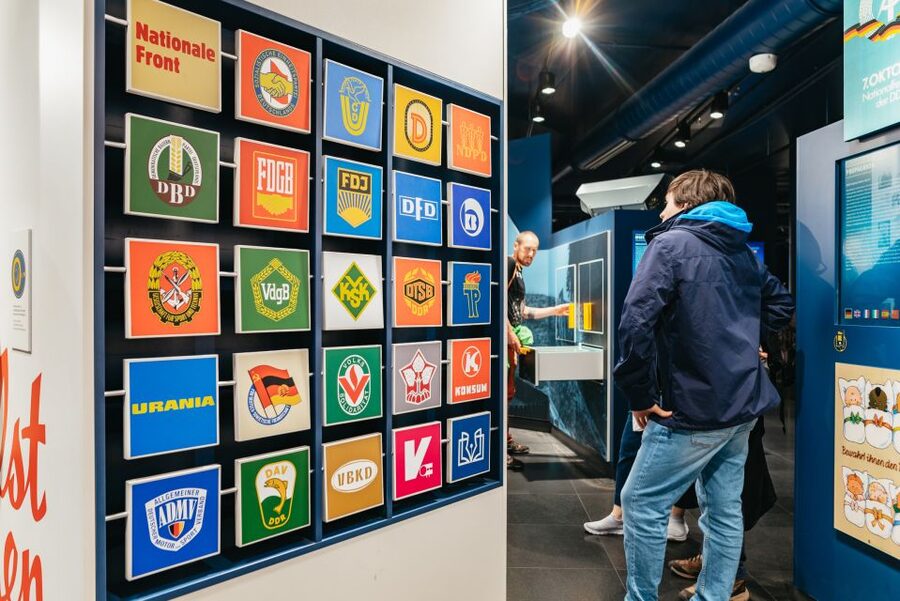
At about $15 per person, the DDR Museum offers good value for a central Berlin attraction, particularly if you spend two hours exploring it. The ticket covers the full interactive exhibition, including the apartment, household objects, audiovisual displays, political material, and Trabant simulator.
The value comes from variety. A standard museum with objects behind glass may be faster to see, but this one gives you many ways to engage with the subject. You can read, listen, watch, sit, open, smell, and operate displays.
The price makes the museum a reasonable choice for families, since children have clear things to do while adults read the historical background. Children up to age five enter free, which lowers the cost for families with very young children.
There are limits. You are paying for entry only, with no museum guide included. If you want a detailed guided explanation throughout the visit, this ticket may feel basic. The German and English information panels cover a great deal, but the amount of reading can slow you down.
Who will enjoy this museum most?
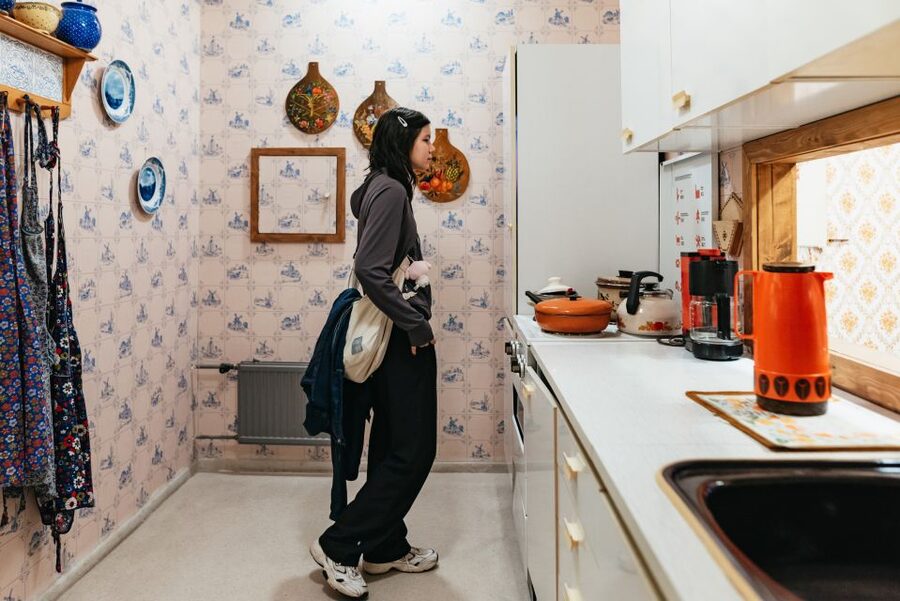
I would recommend the DDR Museum to anyone who wants more than a quick Berlin Wall photo. It gives you a look at how people lived behind the Wall, with attention to homes, goods, entertainment, transport, politics, and personal freedom.
It is especially well suited to:
- Families with children who respond well to hands-on exhibits
- Adults interested in Cold War Berlin and East German life
- People who remember the DDR and want to revisit familiar objects
- Visitors who prefer self-guided museums
- Anyone looking for an indoor activity near Berlin Cathedral
- Travelers who want historical context without committing to a full-day tour
The museum may be less satisfying if you want a quiet, linear exhibition with plenty of open space. It can also be demanding if you dislike reading while standing. The subject includes difficult political material, so the playful displays should not be mistaken for a purely light attraction.
Practical tips for getting more from the visit
Bring patience for the interactive rooms. The museum encourages you to open and inspect things, but popular features can draw small clusters of people. Move on when needed and return later rather than waiting in one crowded spot.
Read selectively. The information panels are detailed and easy to follow, but trying to absorb every line can turn a lively visit into a long standing session. I would first explore the apartment and major objects, then return to the sections that interest you most.
Give the Trabant simulator a try, even if you are visiting without children. It is a short, memorable way to connect the transport display with the planned housing districts and daily routines of the DDR.
Allow extra time if you are visiting in a group. People naturally move at different speeds, and the flexible layout makes it easy to agree on a meeting point inside or near the entrance. Pets are not allowed.
The ticket has free cancellation up to 24 hours before the visit, and you can reserve now and pay later. Availability and starting times should be checked before booking, even though the ticket is valid for one day.
Should you book the DDR Museum?
Book it if you want to understand East Germany through ordinary life, not only through major political events. The reconstructed apartment, open cupboards, period television, prison cell, and Trabant simulator make the subject clear for adults and approachable for children.
I would choose an early visit if you care about reading every panel, and I would allow at least 1.5 hours, with two hours being more comfortable. If crowded rooms bother you, avoid peak times. For about $15, this is a strong-value Berlin museum, provided you are happy to explore independently and spend much of the visit standing and reading.
FAQ
Where is the DDR Museum located?
The entrance is on the bank of the Spree, opposite Berlin Cathedral in Berlin.
How long is the DDR Museum ticket valid?
The ticket is valid for one day.
How long does a visit usually take?
A visit can take about 1.5 hours, while visitors who read more of the information and use the interactive displays may spend two to three hours.
Is a museum guide included?
No. Entry to the museum is included, but a museum guide is not.
Are the exhibits available in English?
The information is available in German and English.
What are the DDR Museum opening hours?
The museum is open daily from 9am to 9pm. On December 24 and December 31, it is open from 9am to 4pm.
Do children need a ticket?
Children up to age five receive free entry.
Just added around Berlin
- From Berlin: Gardens & Palaces of Potsdam Bike Tour★ 5.0 · 61 reviews
- Berlin: Battle for Seelow Heights WW2 tour -Clash of Titans★ 5.0 · 27 reviews
- From Berlin: Historical Gems of Potsdam Private Day Trip★ 4.4 · 4 reviews
- Berlin: Französischer Dom 360° Panorama & Crémant to go★ 3.9 · 5 reviews
- Explore Berlin Tour: History and Highlights★ 4.7 · 5 reviews
- Berlin: Evening Yacht Cruise with Aperitif & Dinner Upgrade★ 4.6 · 178 reviews
- Berlin: Expats in Berlin Comedy Show Ticket★ 4.7 · 182 reviews
- Berlin: The Epic Comedy Club Friday Night Showcase★ 4.8 · 28 reviews
Berlin Tours, compared.

Reichstag, Dome and Government District Guided Tour
Read our review →
1-Hour City Tour by Boat with Guaranteed Seating
Read our review →


Reichstag, Plenary Chamber, Cupola & Government Tour
Read our review →
Browse the lists this tour appears in