
Review · BERLIN TOURS
Berlin: Jewish Museum Berlin Entrance Ticket
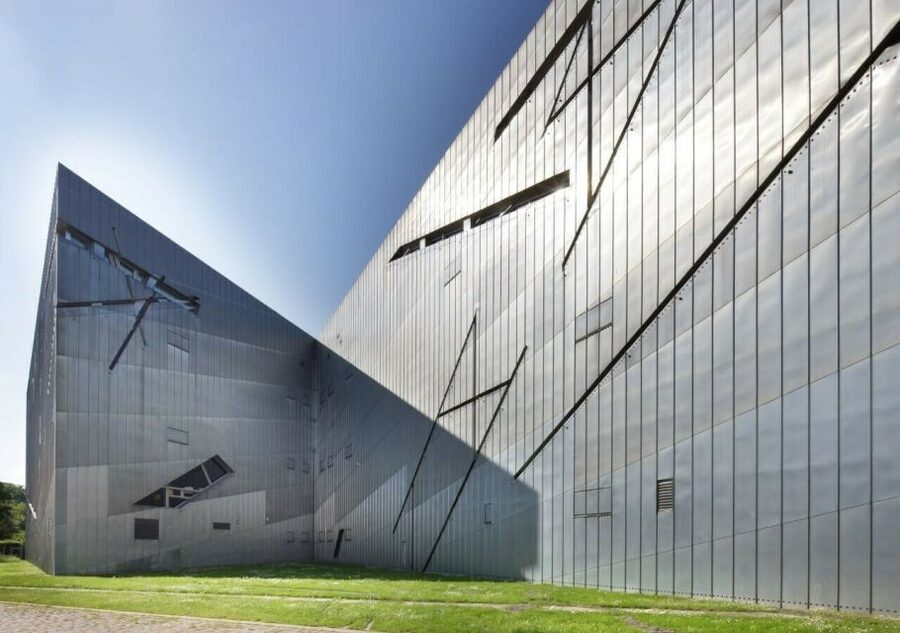
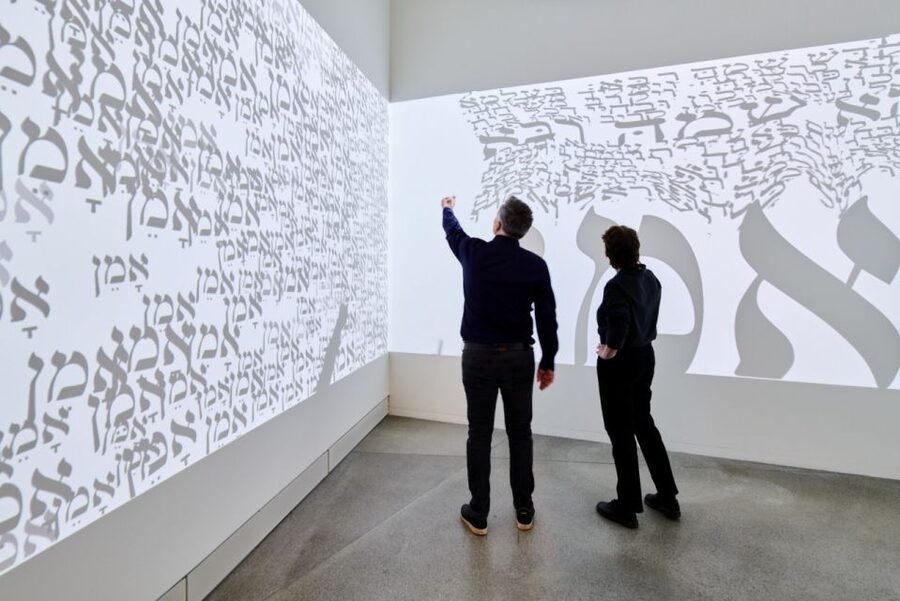
The Jewish Museum Berlin is not simply a collection of objects in glass cases. The building itself tells part of the story. Daniel Libeskind’s zigzag structure, slanting floors, sharp corners, and empty voids make you feel unsettled before you read a single label. I like the way the museum presents Jewish life beyond Nazi persecution, and I like its clear attention to everyday customs such as kosher food, Shabbat, and Jewish holidays. The main drawback is that the building and galleries can be confusing, so two hours is the minimum rather than a firm visit length.
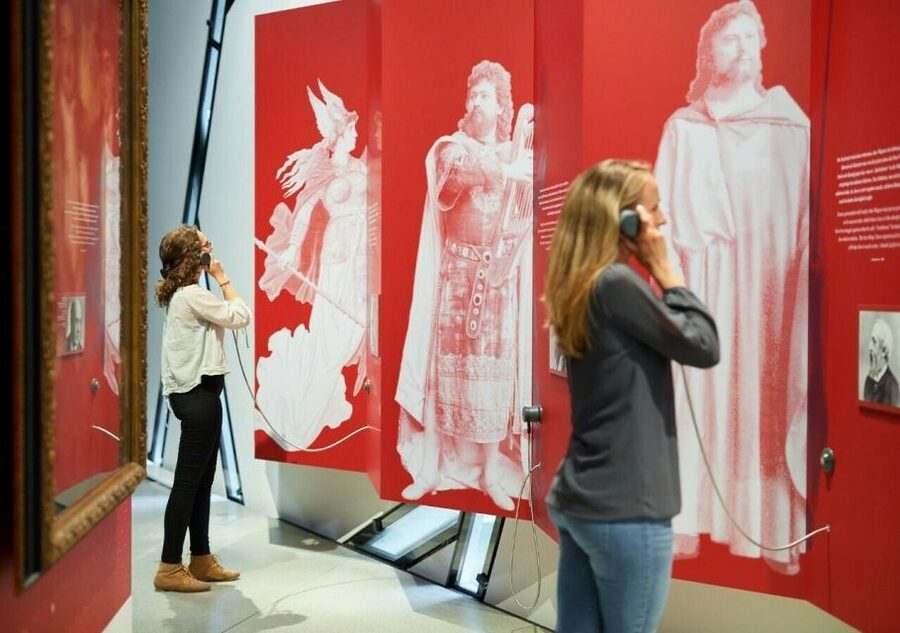
I also appreciate the museum’s mix of paintings, household objects, films, audio pieces, and interactive displays. It gives you a more human picture of German Jewish life. Still, some rooms are emotionally heavy, and the quantity of material can feel overwhelming. Bring headphones for the free museum app, allow extra time if you want to read carefully, and do not plan this as a quick stop between sights.
Key points to know before you go
- Libeskind’s building is part of the exhibition: Angled walls, narrow passages, open voids, and unusual floors shape the way you move through the museum.
- The story reaches beyond the Holocaust: You encounter Jewish life in Germany from the Middle Ages through modern times and into the present.
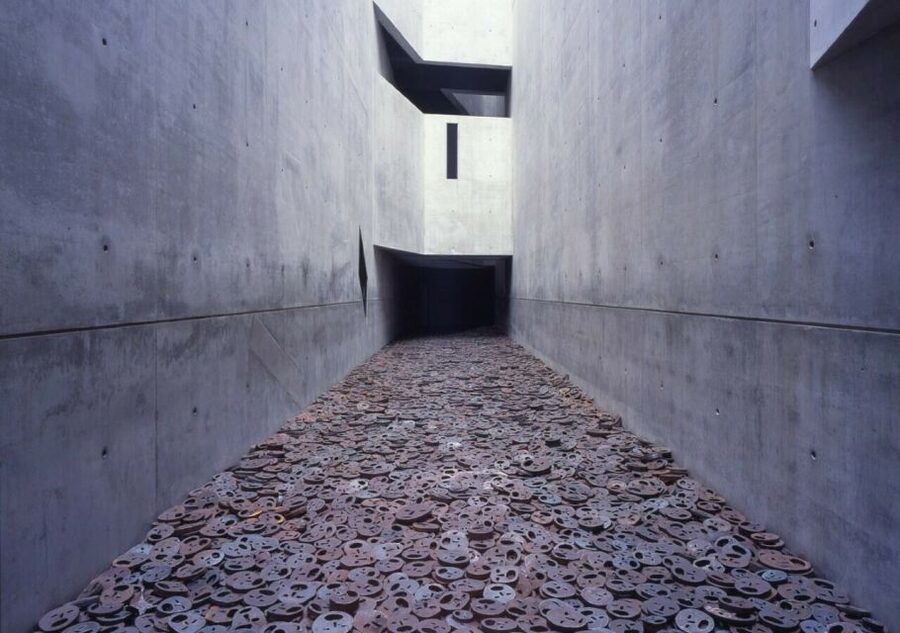
- The underground spaces are especially powerful: The Holocaust Tower, Garden of Exile, and Memory Void use architecture to create a physical response to history.
- The free JMB app adds useful context: Bring your own headphones if you want the museum’s audio tours and individual object information.
- Plan on at least two hours: A careful visit can take two and a half hours or more, and one reviewer needed a second visit to finish.
- Your ticket may help with another museum: You can receive reduced-rate admission to the nearby Berlinische Galerie on the day of your visit and the following two days.
Why the building matters before you see the collection
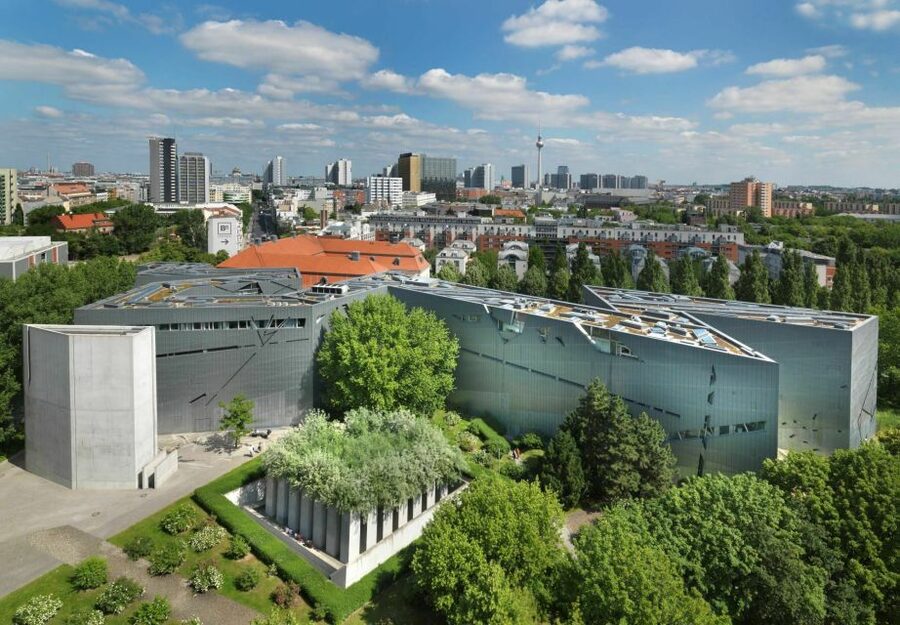
The Jewish Museum Berlin sits in Kreuzberg, within walking distance of Checkpoint Charlie. Its most famous feature is the zinc-clad building designed by Daniel Libeskind. From outside, it looks like a sharp, broken line rather than a calm museum box.
That design is not decoration. The walls angle away from the usual museum grid, and long empty spaces called voids cut through the building. These spaces suggest absence and loss, especially the destruction of Jewish life under the Nazi regime. You may find yourself walking more slowly simply because the building refuses to let you move through it in a normal, predictable way.
This is one of the museum’s great strengths. I can look at a photograph and learn something. Here, the architecture also changes my mood. It creates a sense of uncertainty and interruption that fits the subject without relying only on written explanation.
The design can also frustrate you. Signage is not always easy to follow, and several people have needed extra time to understand which rooms belong to which part of the route. If you prefer a simple chronological museum with one obvious path, this may take some getting used to.
More museums and galleries in Berlin:
- Berlin: DDR Museum Tickets
★ 4.3 · 3,443 reviews - Berlin: Natural History Museum Entrance Ticket
★ 4.6 · 3,382 reviews - Berlin: Neues Museum Entry Ticket
★ 4.6 · 3,261 reviews
Starting underground with the Garden of Exile
Much of the museum’s most memorable architecture begins below ground. The underground routes connect several symbolic spaces, including the Garden of Exile and the Holocaust Tower.
The Garden of Exile is formed by tall concrete pillars arranged in a grid. Olive trees grow above them, out of reach. The ground slopes, making the walk feel awkward and slightly unstable. This is a physical image of displacement. You are not just reading that exile was difficult. You are feeling the effort of moving through an unfamiliar space.
The effect is brief but strong. It is also one reason this museum may not suit someone looking only for cheerful sightseeing. Even before the historical displays become more detailed, the building asks you to think about separation, loss, and the experience of being forced away from home.
The underground area is free to explore, according to the provided details, while the main exhibition access depends on the ticket option you book. Check the exact option before arriving so you know what your ticket covers.
The Holocaust Tower and Memory Void
The Holocaust Tower is an unheated, largely empty concrete space reached from the underground passage. A narrow opening near the top allows in a small amount of light. The room is stark and quiet, and the temperature may feel different from the rest of the museum.
There are no large displays competing for your attention here. The point is the physical atmosphere: isolation, cold, darkness, and a sense of being cut off. You might spend only a few minutes inside, but those minutes can stay with you longer than a room packed with information.
The Memory Void contains Shalechet, also known as Fallen Leaves, an installation made from thousands of metal faces. Walking across them produces a harsh clanging sound. It is an intentionally difficult moment, and you should not rush through it as if it were just another art display.
I find these spaces valuable because they do not try to make the Holocaust easy to absorb. They offer no tidy emotional release. At the same time, this section can be too intense for young children or anyone who wants a lighter museum visit. The museum is family-friendly in its accessibility, but the subject matter is not always gentle.
Jewish life from the Middle Ages to the modern era
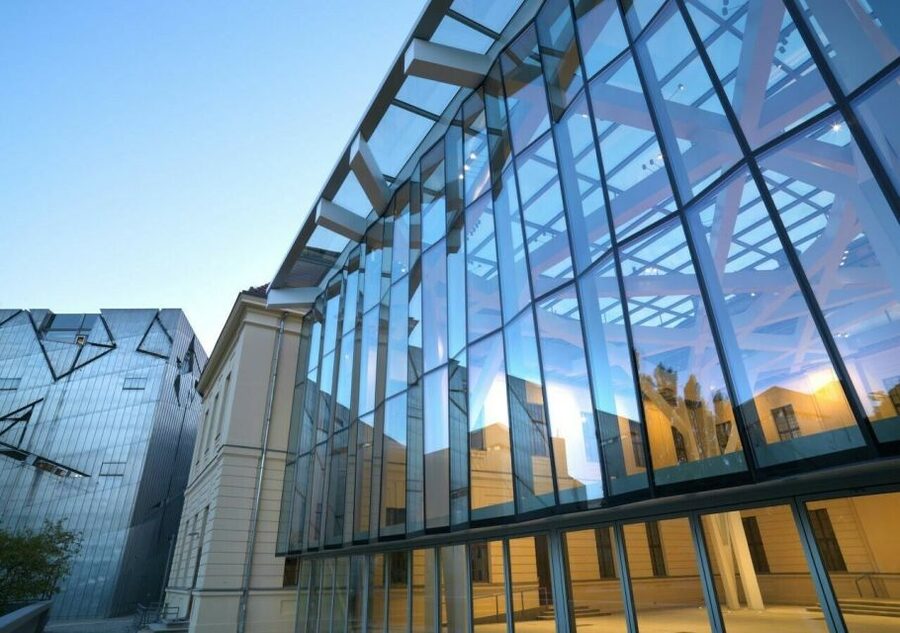
The main exhibitions widen the focus. You learn about Jewish communities in Germany across many centuries, including religion, work, family life, celebrations, restrictions, and changing relations with surrounding society.
This broader approach is one of the museum’s most important qualities. A visit focused only on the Holocaust would leave you with a picture of Jewish life defined by its destruction. Here, you also see the customs, ideas, businesses, art, and daily routines that existed long before the Nazi period.
The displays cover subjects that may be unfamiliar if you have little background in Judaism. The museum explains dietary laws, kosher food, Shabbat, Jewish holidays, and other religious practices. Everyday objects help make those subjects practical rather than abstract.
You might see an explanation of how food rules affect preparation and eating, or how Shabbat shapes the rhythm of the week. These details matter because they show religion as lived practice, not just a set of terms to memorize.
The collection includes ordinary household objects as well as art. That balance is useful. A painting can tell you about artistic taste or public identity, while a domestic item can show how people marked religious life at home. Together, the objects offer a fuller picture of communities that were not all alike.
A few more Berlin half-days to weigh up
- Berlin: Reichstag, Dome and Government District Guided Tour
★ 4.7 · 18,288 reviews - Berlin: 1-Hour City Tour by Boat with Guaranteed Seating
★ 4.3 · 16,993 reviews - Berlin: Boat Tour Along the River Spree
★ 4.4 · 11,252 reviews - Discover Berlin Half-Day Walking Tour
★ 5.0 · 9,624 reviews
Art, sound, film, and interactive displays
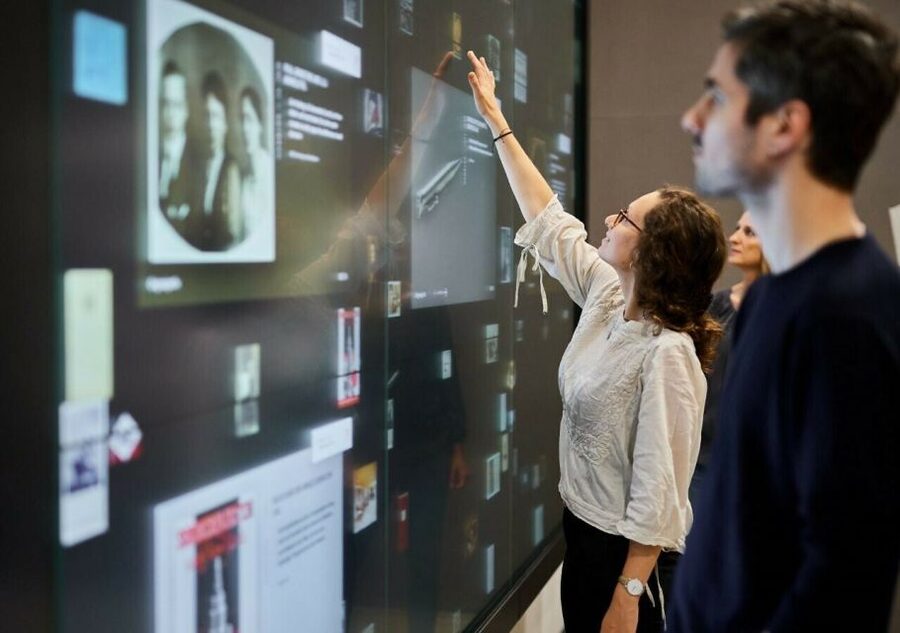
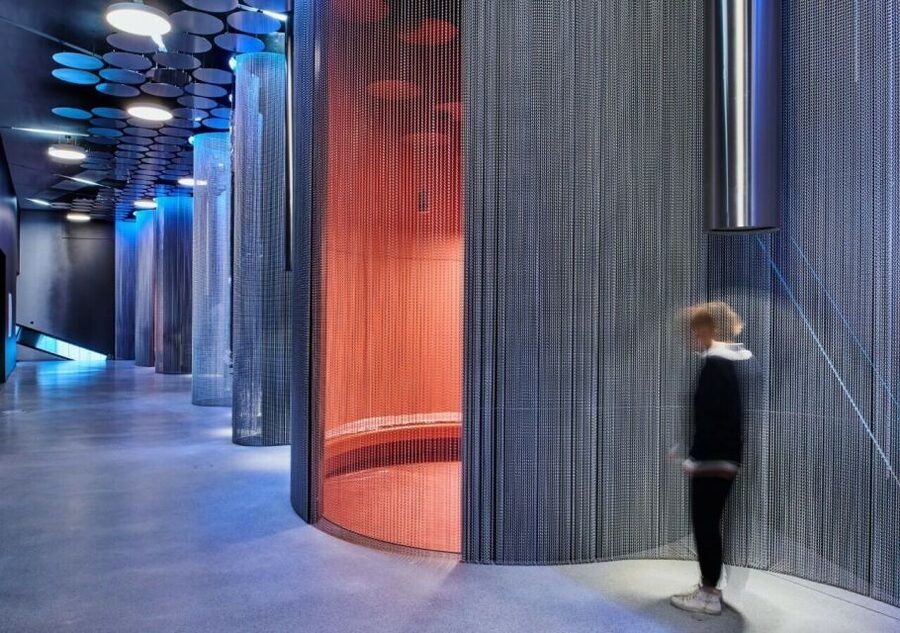
This is not a silent museum of labels and display cases. Video and audio installations are placed among paintings, documents, everyday objects, and other collection pieces. Interactive stations let you explore subjects in a less formal way.
The variety helps keep a long visit moving. If you have children or teenagers with you, the interactive elements may give them a way into material that could otherwise feel distant. If you prefer quiet concentration, the number of media installations can occasionally make the galleries feel busy.
The free JMB app is worth downloading. It offers audio tours of different lengths, including one of about 60 minutes and another lasting at least an hour and a half. You can also use it to explore individual objects rather than follow a set route.
Bring your own headphones. This is a small preparation that makes a real difference. Without them, you may miss audio content or find yourself holding a phone to your ear while trying to look at the displays. The app gives you more control over the pace, which is useful in a museum where some sections require careful thought and others can be viewed quickly.
The experience is not a guided tour by default. A guide or audio tour is not included in the basic inclusions listed here, so check your booking option if you specifically want a person leading you through the galleries.
The exhibition Defiance and Jewish women designers
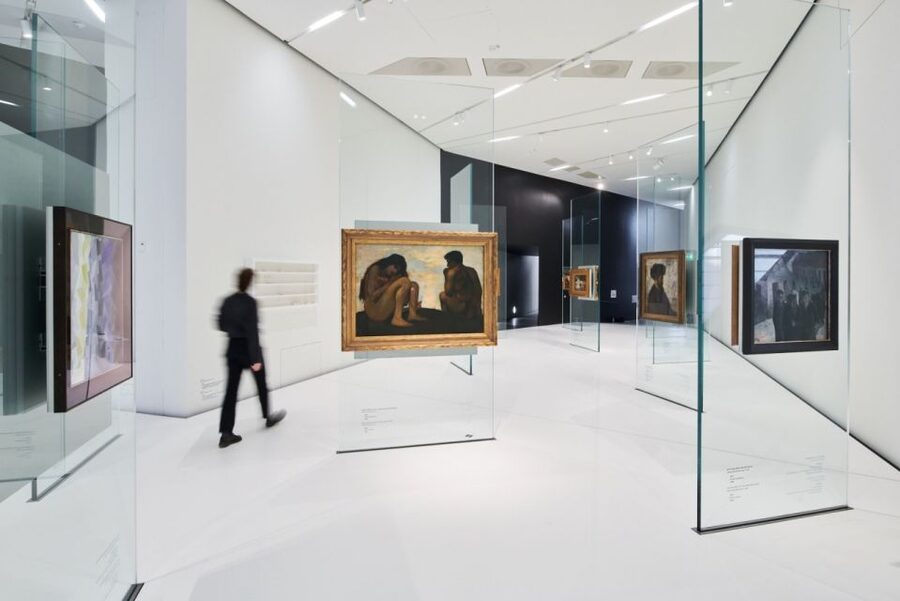
The special exhibition Defiance: Jewish Women and Design in the Modern Era presents the work of more than 60 Jewish women designers. It examines their role in German society’s movement toward emancipation and modernization during the early twentieth century.
The subject is important because these women faced exclusion in several ways. They were women, they were Jewish, and they worked in fields where recognition was not always easy to gain. The exhibition brings attention to artists and entrepreneurs whose careers were later destroyed by the Nazi regime.
Some escaped and rebuilt their lives abroad. Many, however, disappeared from standard accounts of German art and design. Their work here covers goldsmithing, textiles, ceramics, wood carving, fashion, and graphic design.
This exhibition adds a useful counterpoint to the museum’s memorial spaces. You see ambition, invention, and professional achievement, not only persecution. The result is a stronger understanding of what was lost.
The exhibition is scheduled from July 11 through November 23, 2025, and admission is stated as free. Since exhibition dates and access can change, check the current museum information when planning a future visit. Bring headphones if you want to make full use of the audio material connected with the displays.
Inventories and the legacy of Salman Schocken
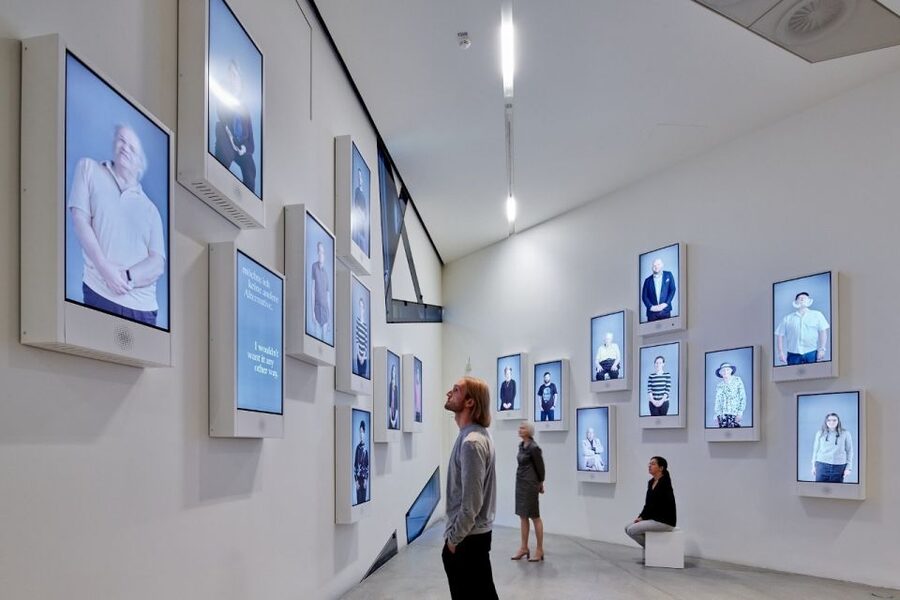
Another special exhibition, Inventories: The Legacy of Salman Schocken, invites US author Joshua Cohen to examine the cultural legacy of Salman Schocken.
Schocken was a publisher and department-store entrepreneur. The exhibition uses books and objects from the museum collection to consider publishing, department stores, museums, culture, money, acquisition, and belonging.
That combination makes this different from a standard biographical display. Rather than presenting Schocken as a simple historical figure, it uses his publishing career and business interests to ask how cultural objects are collected, owned, moved, and remembered.
The exhibition is scheduled from July 11 through November 23, 2025, with free admission. It may be especially appealing if you enjoy books, publishing, design, or the relationship between commerce and culture. As with any temporary show, verify the dates before you go.
How long should you allow?
The official average visit is about two hours. I would treat that as a practical minimum if you want to see the main architectural spaces and read a reasonable amount of the permanent display.
Two hours works if you keep moving. You can visit the underground spaces, follow the principal exhibition route, and use selected audio stops. You will not have time to study every object or watch every film.
Allow two and a half to three hours if you want a calmer visit. The collection is large, and several sections reward patience. The building itself also slows you down because you may need to backtrack or pause to understand the route.
If you have only one hour, focus on the architecture and the underground spaces, then choose a small part of the main exhibition. The visit will still have value, but you should not expect a full account of Jewish life in Germany.
The museum closes at 6 pm and opens from 10 am to 6 pm. Leave enough time before closing to finish the rooms you care about. The building’s layout is not ideal for a last-minute dash.
Price, ticket value, and practical details
The listed price is $0 per person, making this one of Berlin’s strongest cultural values. Free admission is especially welcome for families or anyone building a full day around several museums.
Free does not mean slight. You receive access to a major museum with a substantial permanent collection, striking architecture, memorial spaces, and changing exhibitions. I would still consider making a donation if you find the visit useful, since the museum’s work depends on more than ticket sales.
Food and drinks are not included. There is a cafe on site, and it can be a handy place to sit after the galleries. Parking fees and transportation are also your responsibility. The location is central, and you can walk from Checkpoint Charlie, but the exact journey depends on where you are staying.
The museum is wheelchair accessible. Lockers are available for large bags, and you may need a euro coin for storage. This small detail is easy to miss, so keep change with you. A coin-compressor machine is also mentioned inside the museum, which may interest children and collectors, though you should not plan your visit around it.
Your ticket may also provide reduced-rate admission to the Berlinische Galerie on the same day and the next two days. That museum is about a five-minute walk away, making the pairing convenient if you want more modern art and design after the Jewish Museum.
Who will get the most from this visit?
I recommend the Jewish Museum Berlin to anyone interested in German history, Jewish culture, architecture, memorial design, or twentieth-century Europe. You do not need a strong background in Judaism to follow the displays. The explanations of customs and daily life give you a useful starting point.
It is also a good choice for repeat visitors to Berlin. The building and special exhibitions give the museum a different character from the city’s more conventional historical institutions.
Families can visit, especially if children respond well to objects, sound, and interactive displays. I would prepare younger children for the darker sections and decide in advance whether the Holocaust Tower and Memory Void are suitable for them.
You may want to skip it if you have no patience for museums that require reflection and reading. The subject is serious, the route can be unclear, and several spaces are designed to make you uncomfortable. That is part of the purpose, but it is not relaxing sightseeing.
Should you book the Jewish Museum Berlin?
Yes, if you can give it at least two hours and are ready for a thoughtful visit. The combination of Libeskind’s architecture, Jewish customs, personal stories, art, and memorial spaces makes this far more than a Holocaust museum.
Download the JMB app before you arrive, bring headphones, carry a euro coin for the lockers, and leave extra time if you want to see everything. If you are visiting during the dates listed for Defiance or Inventories, the temporary exhibitions add another reason to go.
I would not squeeze this into a rushed morning. Give the museum room to work at its own pace. It is free, central, wheelchair accessible, and unusually memorable, but its greatest value comes when you slow down and let both the objects and the building speak.
FAQ
How much does admission to the Jewish Museum Berlin cost?
The listed price is $0 per person. Admission to the special exhibitions described here is also stated as free.
How long does a visit take?
The average visit takes about two hours. Allow two and a half to three hours if you want to read carefully, use the audio material, and see more of the collection.
What are the museum’s opening hours?
The museum is open from 10 am to 6 pm and closes at 6 pm.
Is the museum wheelchair accessible?
Yes, the activity information states that the museum is wheelchair accessible.
Is an audio tour included?
A guided or audio tour is not included in the listed inclusions. You can download the free JMB app, which offers audio tours and information about individual objects.
Should I bring headphones?
Yes. Headphones are recommended for the app and for audio and video content in the exhibitions.
Where is the museum located?
The Jewish Museum Berlin is in the Kreuzberg district and is within walking distance of Checkpoint Charlie.
Can I visit another museum at a reduced price?
Yes. Your JMB ticket makes you eligible for reduced-rate admission to the nearby Berlinische Galerie on the day of your visit and the following two days. The Berlinische Galerie is about a five-minute walk away.
Just added around Berlin
- Berlin: Battle for Seelow Heights WW2 tour -Clash of Titans★ 5.0 · 27 reviews
- From Berlin: Gardens & Palaces of Potsdam Bike Tour★ 5.0 · 61 reviews
- From Berlin: Historical Gems of Potsdam Private Day Trip★ 4.4 · 4 reviews
- Berlin: Französischer Dom 360° Panorama & Crémant to go★ 3.9 · 5 reviews
- Explore Berlin Tour: History and Highlights★ 4.7 · 5 reviews
- Berlin: Evening Yacht Cruise with Aperitif & Dinner Upgrade★ 4.6 · 178 reviews
- Berlin: Expats in Berlin Comedy Show Ticket★ 4.7 · 182 reviews
- Berlin: The Epic Comedy Club Friday Night Showcase★ 4.8 · 28 reviews
Berlin Tours, compared.

Reichstag, Dome and Government District Guided Tour
Read our review →
1-Hour City Tour by Boat with Guaranteed Seating
Read our review →

Reichstag, Plenary Chamber, Cupola & Government Tour
Read our review →
Browse the lists this tour appears in