
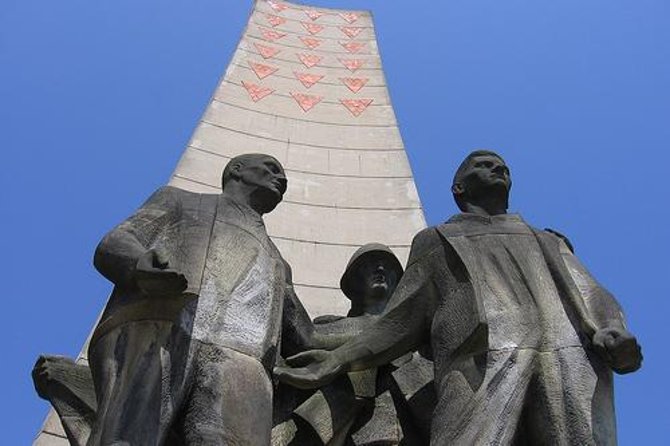
Review · BERLIN TOURS
Berlin: Sachsenhausen Concentration Camp Tour in English
Sachsenhausen is not a sightseeing stop. It is a place where the machinery of Nazi persecution becomes painfully real. With an English-speaking historian beside you, you walk through the former camp, seeing the punishment cells, barracks, Station Z, crematorium, gas chamber, burial pits, and guard tower while learning how the camp worked.
I like two things especially: the guide-led context makes the site far easier to understand than a solo visit, and the train ride from central Berlin adds a useful introduction to Oranienburg and the camp’s connection to the surrounding town. Guides including Georgia, Daniel, Tina, Will, and Gregor have been praised for clear explanations and thoughtful answers.
The main drawback is the length and physical effort. This is roughly a five-and-a-half-hour outing, with extensive walking and little shelter. You also pay separately for the ABC transport ticket, so bring food, water, warm layers, and an umbrella.
Key points to know before booking
- Sachsenhausen was built as a model Nazi concentration camp, designed from the start for imprisonment, control, forced labor, and mass killing.
- The train journey is part of the lesson, taking you from central Berlin to Oranienburg with a guide who explains the town and its wartime role.
- The memorial grounds are large and exposed, with about 10,000 steps possible during the day and few places to buy food.
- The guide is the real value, helping you understand the camp’s system rather than simply pointing out buildings.
- The tour costs $36.16, plus about $9 to $10 for the required round-trip ABC transport ticket.
- It suits visitors ready for difficult history, but it is not a good choice if walking is hard or if you want a light half-day excursion.
Why Sachsenhausen belongs on a serious Berlin itinerary
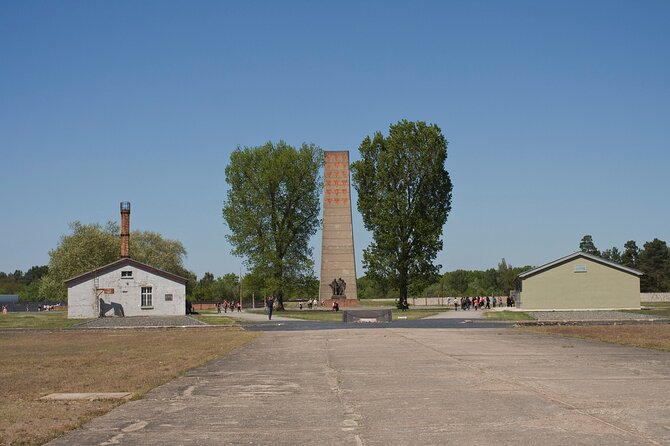
Berlin has no shortage of museums about the Third Reich. Sachsenhausen gives you something a museum cannot: the physical scale and layout of a concentration camp. The empty spaces, remaining structures, guard tower, prison cells, and memorial markers show how imprisonment was organized day after day.
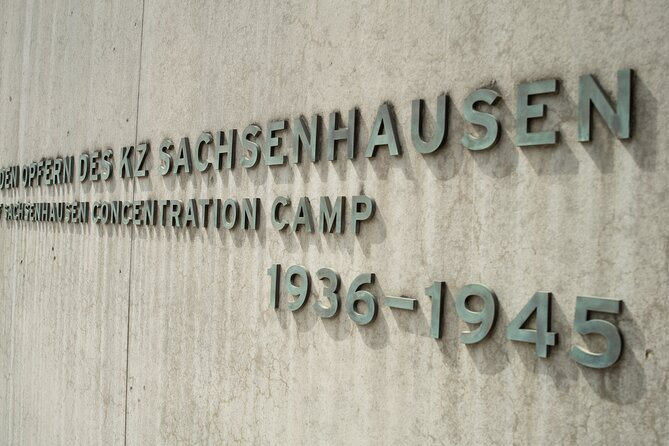
The camp held more than 200,000 people between 1936 and 1945. Political opponents were among the first prisoners, followed by people the Nazis classified as racially or biologically inferior. As Germany occupied more of Europe, people from many occupied countries were sent here as well.
Tens of thousands died from starvation, disease, forced labor, mistreatment, and systematic murder. Others died during the death marches that followed the camp’s evacuation in April 1945. Around 3,000 sick prisoners, along with doctors and nurses who stayed behind, were freed by Soviet and Polish soldiers.
That background matters because the site is not only about isolated acts of cruelty. It shows a complete system: arrest, transport, registration, forced work, punishment, starvation, medical abuse, execution, and disposal of bodies. A good guide helps connect those parts without reducing the visit to a list of grim locations.
The tone is serious and respectful. This is a memorial to people who suffered and died, not an attraction built for entertainment. Go with enough time and emotional space to pay attention.
More WWII History Tours in Berlin
- Berlin: Third Reich and Cold War 2 Hour Walking Tour
★ 4.9 · 6,830 reviews - Berlin’s Best: 2 Hour Walking Tour Third Reich and the Cold War
★ 5.0 · 5,486 reviews - Berlin: Sachsenhausen Concentration Camp Memorial Tour
★ 4.7 · 3,716 reviews
Meeting near Friedrichstrasse and riding to Oranienburg
The day begins at 10:00 a.m. near Friedrichstrasse station, with the listed meeting address at Reichstagufer 17, 10117 Berlin. Arrive at least 15 minutes early. The exact meeting point matters because the group needs to organize train tickets and leave together.
You ride with the guide from the Friedrichstrasse area to Oranienburg. The transport is not included in the tour price, and you need an ABC ticket for the round trip. The supplied information gives the cost as approximately $9 to $10 per person, so allow for that extra expense when comparing prices.
I like this start because the train ride gives you time to hear about Berlin under the Third Reich before you reach the memorial. Guides have also helped people sort out the ticketing system and find the correct train on the return journey. That practical help can be useful if Berlin’s transport zones are unfamiliar.
The full outing is listed at about five hours and 30 minutes. Some experiences run closer to a 10 a.m. to 4 p.m. day once transport, walking, and group movement are counted. Plan your schedule around the longer version rather than trying to squeeze another major attraction into the afternoon.
A short walk through Oranienburg
After arriving at Oranienburg, the group spends about 15 minutes walking through the town. This is brief, but it gives the camp a wider setting.
You hear about local complicity and see places connected with the work prisoners were forced to do. That context is important. Camps were not sealed off from the society around them. They needed transport, supplies, labor arrangements, guards, offices, and local infrastructure.
The town stop also helps you understand that Sachsenhausen was part of a wider Nazi network, not an isolated site in the countryside. The short duration means you should not expect a full Oranienburg walking tour. Its purpose is to prepare you for the memorial and show how the camp fit into the local area.
Entering the former camp through Tower A
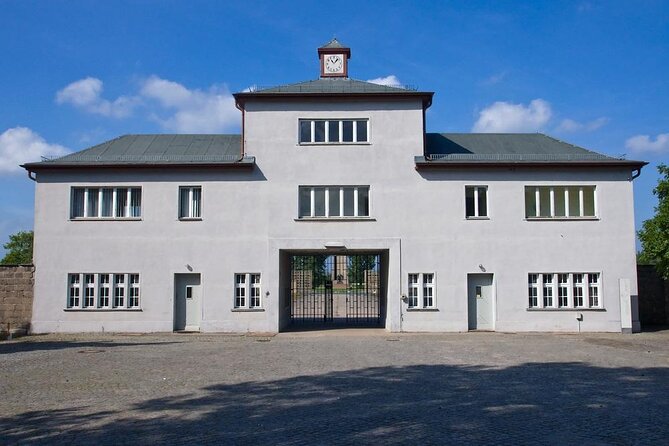
The main memorial visit lasts about two and a half hours. You enter the former camp through Tower A, the main guard tower, and begin to understand the strict geometry of the site.
Sachsenhausen was the first concentration camp built specifically as a concentration camp rather than adapted from existing buildings. Its design was meant to give the SS control over the prisoners and the grounds. The layout itself becomes part of the story.
You see former barracks, the camp kitchen, prisoner cells, torture cells, infirmaries, and the pathology center. Not every structure is intact, and much of the site is open, but that absence is part of the memorial’s character. The remaining buildings and foundations must be read alongside the guide’s explanation.
The camp kitchen is one of the places where daily prison life becomes easier to picture. It points to the basic needs of thousands of people and to the harsh control of food, labor, and routine. The barracks show the cramped institutional setting in which prisoners were forced to live.
Your guide also explains the difference between ordinary imprisonment, punishment, forced labor, medical abuse, and systematic killing. That distinction is essential. Without it, the camp can blur into a collection of horrific rooms. With a skilled guide, the site becomes a clearer account of how Nazi policy was carried out.
More wartime history tours in Berlin:
- Third Reich Berlin: Hitler and WWII Walking Tour
★ 5.0 · 3,301 reviews - Sachsenhausen Concentration Camp Bus Tour in English from Berlin
★ 5.0 · 1,962 reviews - Berlin: Sachsenhausen Concentration Camp Tour in English
★ 4.8 · 1,889 reviews - Sachsenhausen Concentration Camp Memorial Tour (Max. 15 Guests)
★ 5.0 · 1,516 reviews
Punishment cells, executions, and the crematorium area
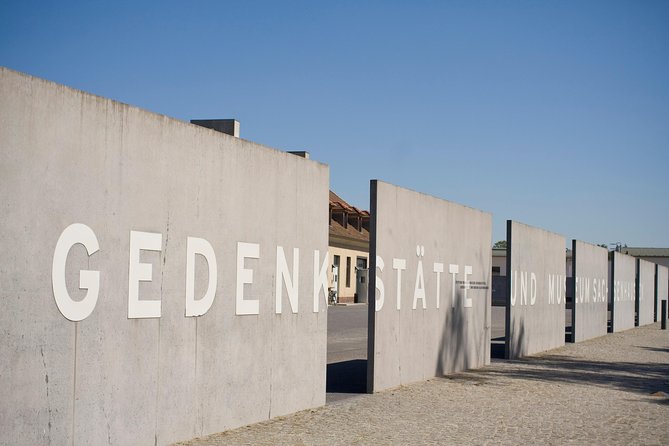
The punishment cells and torture cells are among the most difficult areas to visit. They show how the camp punished resistance, disobedience, and ordinary violations of the SS system. Your guide discusses the human stories behind the rooms, including prisoner courage and attempts to retain dignity under extreme conditions.
The tour also includes Station Z, the area where mass executions took place, along with the gas chamber, crematorium, and burial pits. These sites are emotionally heavy, and the visit can feel intense even for people who have studied the period before.
A guide is particularly valuable here. The point is not simply to see where events happened. You need the historical framework: who was targeted, how the SS organized killing, how prisoners were forced to work within the camp system, and how the camp’s purpose changed as Nazi persecution widened.
You may hear survivor testimony and accounts of individual prisoners. Several guides have been singled out for using real people’s stories with care, compassion, and restraint. That approach helps avoid turning the visit into an abstract lesson about numbers. Each number represented a person with a name, a family, a former life, and a future that was taken away.
The camp’s final months are also part of the visit. When the SS evacuated Sachsenhausen in April 1945, thousands were sent on death marches. Many died before liberation. The sick prisoners left in the camp were freed by Soviet and Polish soldiers, but liberation did not erase what had happened there.
Infirmaries and the pathology center
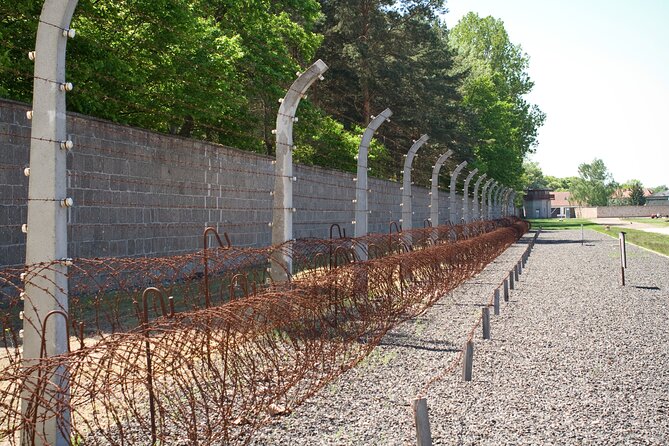
The infirmaries and pathology center add another layer to the visit. They show how medicine and administration were used within the camp system, rather than treating health care as a separate or benevolent part of prison life.
Your guide can place these buildings in the wider pattern of starvation, disease, forced labor, medical abuse, and neglect. This is one reason I would not recommend rushing through Sachsenhausen alone. The buildings do not explain themselves, and a quiet room can be misunderstood without context.
The guide’s job is not to make the subject easier by softening it. It is to make it clearer. Guides such as Georgia have been praised for answering questions about both the camp and Germany during the Nazi period. Daniel has also been noted for helping people understand Berlin’s complicated political history and for making sure everyone knew how to return to their hotels afterward.
That level of care matters on a long, difficult day. You are free to ask questions, but you should also expect pauses and moments when the group moves quietly.
The walking, weather, and group size
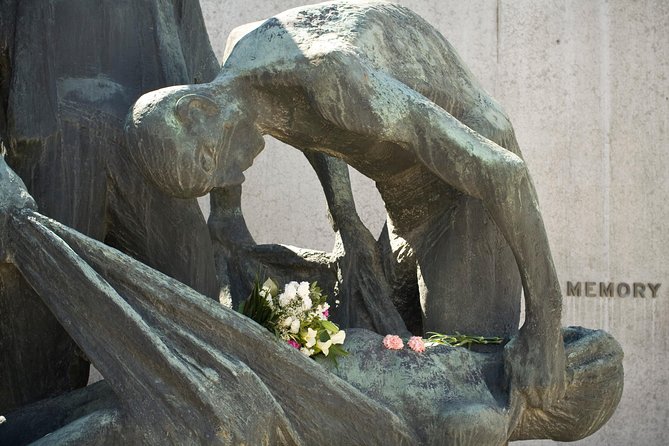
This is a walking tour across a broad memorial site. One account put the total at roughly 10,000 steps. The pace is generally manageable, and one guide was praised for walking slowly, but you still need a moderate level of fitness.
The site has limited shelter. Cold weather can make the day much harder, and rain can be unpleasant when you are standing outdoors listening to a detailed explanation. Wear sturdy walking shoes, dress warmly in winter, and carry an umbrella when the forecast is uncertain.
Bring food and water. There is no dependable chance to buy food during the outing, and the day can stretch from morning into mid-afternoon. A small packed lunch or substantial snack is more useful than relying on a café stop.
The maximum group size is listed as 29 people, although one account described a group of 36 and said it was sometimes difficult to hear the guide. A group of around 29 is still sizeable, especially in open areas or windy weather. Stay close enough to hear, and tell the guide if you are having trouble.
The experience is not recommended for people with limited mobility or walking impairments. Service animals are allowed, and the site is near public transport, but the amount of walking and uneven outdoor movement should be taken seriously.
What the guide adds to the $36.16 price
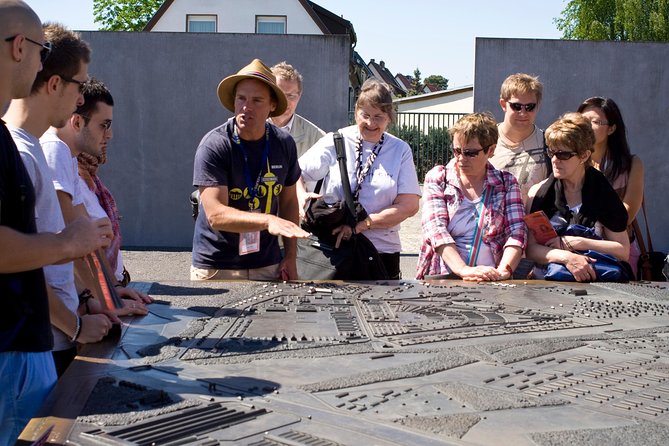
At $36.16 per person, the tour is reasonably priced for a half-day guided visit, especially since memorial entry and a licensed guide trained by the memorial authority are included. The extra ABC train ticket brings the practical total to roughly $45 or $46 per person.
The value depends almost entirely on how much help you want with history and transport. You can reach Sachsenhausen without a tour, but you would need to manage the train, understand the memorial layout, and build your own explanation of the camp’s role in Nazi Germany.
I think the guided format earns its price for a first visit. The guide handles the journey, introduces Oranienburg, selects the key locations, and links the camp to the wider Third Reich. That keeps you from spending your limited time wandering between buildings without understanding what happened there.
The strongest guide feedback has named Georgia, Daniel, Tina, Will, Gregor, Hannah, Mikhail, Emma, Ariel, Pete, and Scott. Of course, you may not receive a particular guide, but the repeated praise for clear teaching, patience, respectful delivery, and help with the return trip suggests that the company places real weight on guide quality.
The tour also includes a €3 donation to the Sachsenhausen Memorial per person. That is a small but worthwhile part of the price, since the memorial’s work depends on education, preservation, and remembrance.
Who should choose this Sachsenhausen visit
Choose this experience if you want a structured introduction to Nazi Germany, the concentration camp system, and the lives of prisoners. It is especially useful if you do not speak German, since the English guide explains the site and answers questions in English.
You should also choose it if transport in Berlin makes you uneasy. Guides have helped people with ABC tickets, departure times, and the correct return train. That removes a layer of worry from a day that is already mentally demanding.
This is a good fit for adults and older teenagers who can handle disturbing historical material. The tour is educational and emotionally serious. It is not a casual day trip, a general Berlin excursion, or an activity for filling a spare morning.
I would think twice if you have limited mobility, dislike long outdoor walks, or are visiting during a very cold or wet spell without suitable clothing. I would also avoid booking it directly before an important evening plan. The listed duration is five and a half hours, but the day can feel longer once transport and the emotional weight of the memorial are included.
Booking, cancellation, and practical details
Confirmation is provided when you book, and the activity is offered in English with a mobile ticket. Hotel pickup and drop-off are not included, so you need to reach the central meeting point yourself.
Free cancellation is available if you cancel at least 24 hours before the start time. Changes or cancellations inside that window are not accepted for a refund. If poor weather causes the company to cancel, you are offered another date or a full refund.
Book ahead if this is an important part of your Berlin plans. The experience is booked an average of 27 days in advance, which suggests that popular dates can fill well before your visit.
Should you book this tour?
I would book it if you want to understand Sachsenhausen rather than simply walk around its remains. The train journey, Oranienburg introduction, memorial entry, and English-speaking historian make the $36.16 price good value, even after adding the ABC ticket.
Bring water, food, warm clothes, an umbrella, and good shoes. Give yourself time afterward to think. If you approach the memorial with respect and are prepared for a long, difficult day, this tour offers one of the clearest ways to confront an essential part of Germany’s past.
FAQ
Where does the Sachsenhausen tour begin?
The tour begins at 10:00 a.m. near Friedrichstrasse train station. The listed meeting address is Reichstagufer 17, 10117 Berlin. Arrive 15 minutes early.
How long does the experience last?
The stated duration is approximately five hours and 30 minutes. Some schedules may run from about 10:00 a.m. to 4:00 p.m. once train travel and walking are included.
Is the train ticket included?
No. You need an ABC transport ticket for the round trip from Berlin to Oranienburg. The cost is listed at approximately $9 to $10 per person.
What language is the tour offered in?
The tour is offered in English, with a licensed English-speaking guide trained by the memorial authority.
What do you see at Sachsenhausen?
The visit includes former barracks, punishment and torture cells, the camp kitchen, Station Z, the gas chamber, crematorium, burial pits, infirmaries, the pathology center, and Tower A, the main guard tower.
Is food available during the tour?
Food and drinks are not included, and there is no dependable place to buy food during the visit. Bring your own food and water.
Is the tour suitable for people with limited mobility?
The tour requires a moderate level of physical fitness and extensive walking. It is not recommended for people with limited mobility or walking impairments. Service animals are allowed.
Just added around Berlin
- From Berlin: Gardens & Palaces of Potsdam Bike Tour★ 5.0 · 61 reviews
- Berlin: Battle for Seelow Heights WW2 tour -Clash of Titans★ 5.0 · 27 reviews
- From Berlin: Historical Gems of Potsdam Private Day Trip★ 4.4 · 4 reviews
- Berlin: Französischer Dom 360° Panorama & Crémant to go★ 3.9 · 5 reviews
- Explore Berlin Tour: History and Highlights★ 4.7 · 5 reviews
- Berlin: Evening Yacht Cruise with Aperitif & Dinner Upgrade★ 4.6 · 178 reviews
- Berlin: Expats in Berlin Comedy Show Ticket★ 4.7 · 182 reviews
- Berlin: The Epic Comedy Club Friday Night Showcase★ 4.8 · 28 reviews
Berlin Tours, compared.
Reichstag, Dome and Government District Guided Tour
Read our review →
1-Hour City Tour by Boat with Guaranteed Seating
Read our review →
Reichstag, Plenary Chamber, Cupola & Government Tour
Read our review →
Browse the lists this tour appears in