
Review · BERLIN TOURS
Berlin: Sachsenhausen Concentration Camp Memorial Tour
Sachsenhausen is not a sightseeing stop in the usual sense. It is a place of memory, evidence, and hard questions, and this five-hour tour helps you face it with context. From Alexanderplatz, your guide accompanies you by train to the memorial, then leads you through the camp’s major surviving buildings and monuments.
I like the train journey with the guide, since the route gives you time to understand how the camp fit into Nazi Germany’s wider system. I also like the careful structure at the site, from Tower A and the prisoner barracks to Station Z and the Soviet memorial. The main drawback is practical: you must buy your own ABC-zone train ticket, and the tour involves considerable walking outdoors. Cold or wet weather can make the visit tougher.
Key points to know before booking
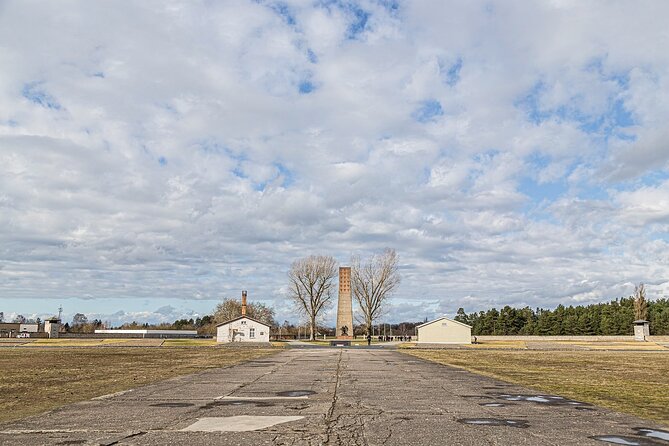
- The tour begins at Alexanderplatz, next to the World Time Clock, with a Buendía-accredited guide.
- Your guide stays with you from Berlin, helping with the train route and giving background before you arrive.
- The route covers Tower A, Barracks 38 and 39, punishment cells, the infirmary, prisoner kitchen, Station Z, and the Soviet memorial.
- The subject is handled with restraint, while still explaining the camp’s violence, forced labor, imprisonment, executions, and medical crimes.
- You can return to Berlin with the guide or stay longer to continue exploring the memorial independently.
- English, Spanish, German, French, and Italian tours are available.
Why Sachsenhausen belongs on a Berlin itinerary
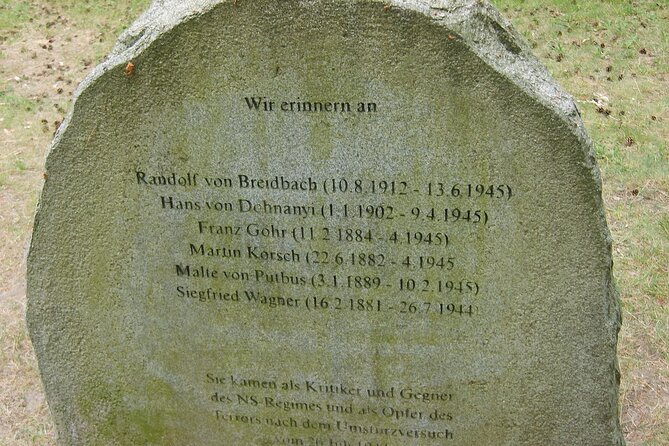
Berlin has no shortage of sites tied to the Nazi period. Sachsenhausen offers something different: you leave the city and enter an actual former concentration camp complex, where the layout, remaining buildings, foundations, and memorials help make the history less abstract.
The camp was created by the Nazi regime in 1936 near Oranienburg. It was designed in part as a model camp, which meant its layout and administration were intended to represent the Nazi concentration-camp system. That detail matters. You are not simply looking at isolated ruins. You are trying to understand how a controlled system of imprisonment operated.
The visit is emotionally heavy. You should not book it expecting a light half-day outing or a standard guided attraction. I see it as an important history visit for anyone who wants to understand Nazi Germany beyond the city’s museums and memorials.
A guide is especially useful here because Sachsenhausen has layers of meaning. Different monuments were placed here at different times and under different political systems. The tour explains those changes instead of presenting the site as if every memorial carried one simple message.
More WWII History Tours in Berlin
- Berlin: Third Reich and Cold War 2 Hour Walking Tour
★ 4.9 · 6,830 reviews - Berlin: Sachsenhausen Concentration Camp Tour in English
★ 5.0 · 5,711 reviews - Berlin’s Best: 2 Hour Walking Tour Third Reich and the Cold War
★ 5.0 · 5,486 reviews
Meeting at Alexanderplatz and taking the train north
The meeting point is next to the World Time Clock at Alexanderplatz. Look for the guide wearing Buendía accreditation. This central location is easy to reach, but Alexanderplatz can be crowded, so give yourself enough time to find the clock and identify the group.
The train ride is part of the teaching, not just a transfer. Your guide accompanies the group from Berlin and explains the camp’s origins, purpose, and role in the Nazi system before you arrive. That early explanation helps you place the buildings and monuments in context once you reach the memorial.
You need to buy an ABC-zone train ticket before the activity. It is not included in the $21 tour price, although the €3 entrance fee to Sachsenhausen is included. You can buy the ticket at a station machine or online through Berliner Verkehrsbetriebe.
This extra step is easy to overlook. Buy the ticket before meeting the group, and check that it covers the full route to Sachsenhausen. Guides such as Peter, Walid, Richard, and Felipe have been praised for helping people check tickets, navigate train changes, and find the right stops. Still, you should arrive prepared rather than rely on last-minute help.
Train delays or cancellations can happen, and one guide, Felipe, was specifically praised for handling transport problems while keeping the group on track. That is a real advantage on a half-day trip outside central Berlin.
Tower A and the first view of the camp
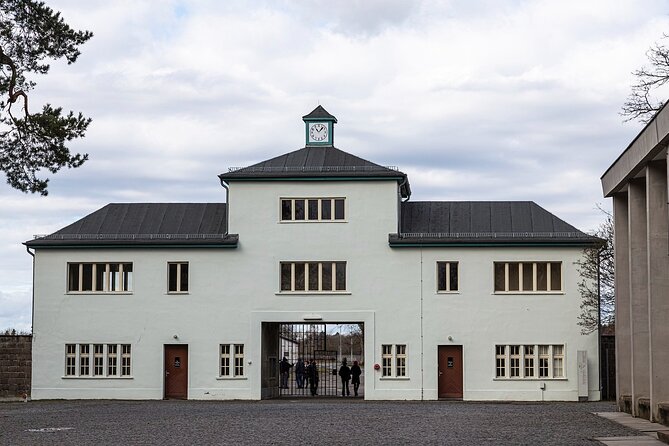
At Sachsenhausen, the tour begins at Tower A, the main entrance. The gate carries the infamous Arbeit macht Frei slogan, a phrase used by the Nazis as a cruel deception. Seeing it in place sets the tone immediately.
The entrance is not treated as a photo opportunity. Your guide explains how the gate functioned within the camp and why the slogan matters. This first stop also gives you a sense of the camp’s controlled design and the way prisoners entered a world built around surveillance, punishment, and forced labor.
The site is open and exposed in places. You may spend long stretches outside as the guide explains the layout, so comfortable shoes and suitable clothing are essential. Several people have found winter visits especially cold. Bring warm layers, and do not count on the five hours passing indoors.
Barracks 38 and 39, where personal stories come forward
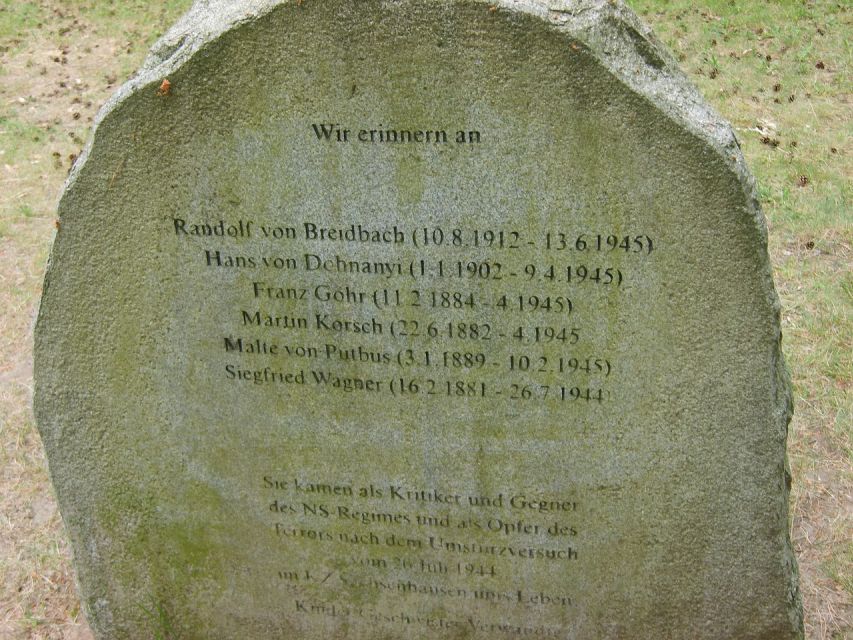
The tour continues to Barracks 38 and 39, associated with Jewish prisoners. These buildings help shift the visit from a broad history of Nazi policy to the daily reality of confinement.
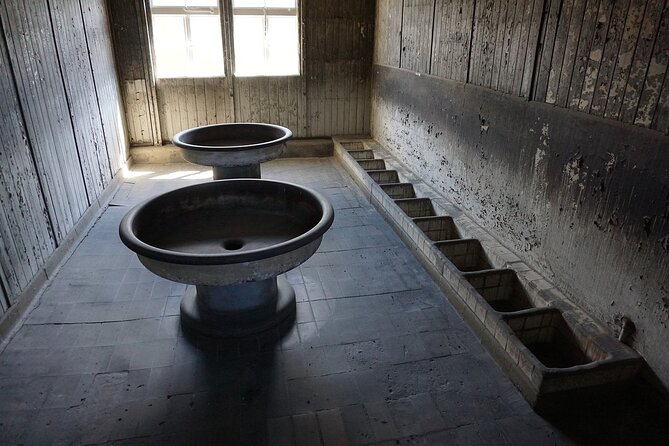
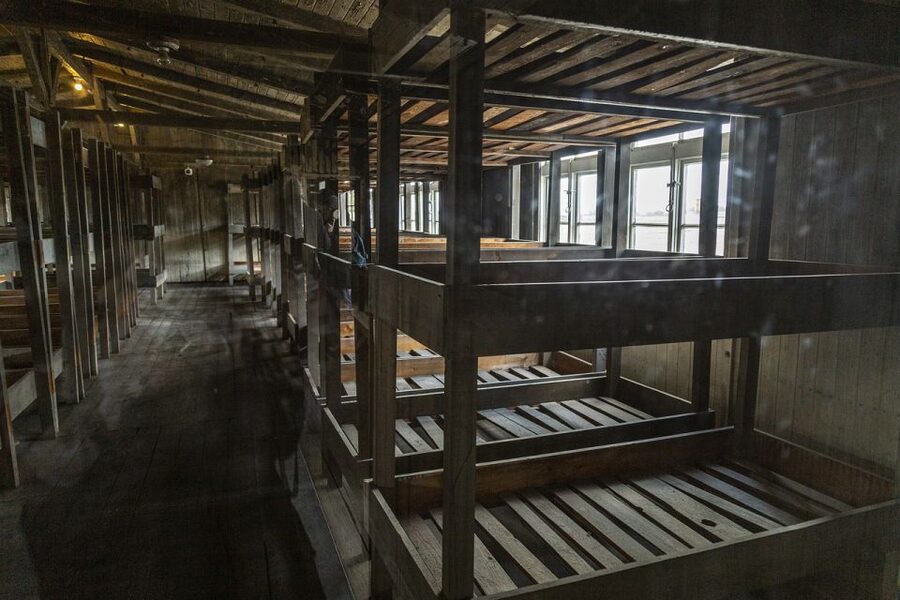
Barracks 38 now houses a museum about prisoner life. The cramped conditions are an important part of what you see. The building, displays, and explanations help you consider how prisoners lived, slept, and were controlled rather than reducing their experience to dates and statistics.
This is one of the strongest parts of the route because the physical spaces make the history tangible. You are walking through a place connected to individual lives, not only a political timeline. The guide also discusses notable prisoners and the different groups held at Sachsenhausen, giving the site a human focus.
Your guide’s style matters greatly here. Peter has been praised for explaining difficult facts clearly and respectfully, while Richard has been singled out for setting events within wider German and world history. Guides change, so you cannot book a specific person unless the operator confirms it, but the tour is offered in five languages.
More wartime history tours in Berlin:
- Third Reich Berlin: Hitler and WWII Walking Tour
★ 5.0 · 3,301 reviews - Sachsenhausen Concentration Camp Bus Tour in English from Berlin
★ 5.0 · 1,962 reviews - Berlin: Sachsenhausen Concentration Camp Tour in English
★ 4.8 · 1,889 reviews - Sachsenhausen Concentration Camp Memorial Tour (Max. 15 Guests)
★ 5.0 · 1,516 reviews
Punishment cells and the mechanics of control
The former punishment cells show how minor offenses could lead to detention and abuse. This part of the route helps explain that terror did not depend only on mass executions. It also worked through routine discipline, arbitrary rules, and the constant threat of punishment.
A guide can explain the difference between what happened in individual sections of the camp and how the whole system operated. That distinction is valuable. Without context, it is easy to see each building as a separate horror. With context, you begin to understand how rules, guards, records, labor demands, and punishment worked together.
The material is difficult, but the best guides keep their tone measured. Amelia was praised for giving terrible facts with historical accuracy and relatable context. Paul was also praised for explaining the subject thoughtfully and showing how such events could happen when societies fail to protect basic rights.
You may find the guide’s occasional lightness helpful during the long day, but humor must be handled carefully at a memorial site. The strongest feedback about Walid and other guides points to an appropriate sense of humor used to keep people attentive, not to make light of the crimes.
The infirmary, morgue, and prisoner kitchen
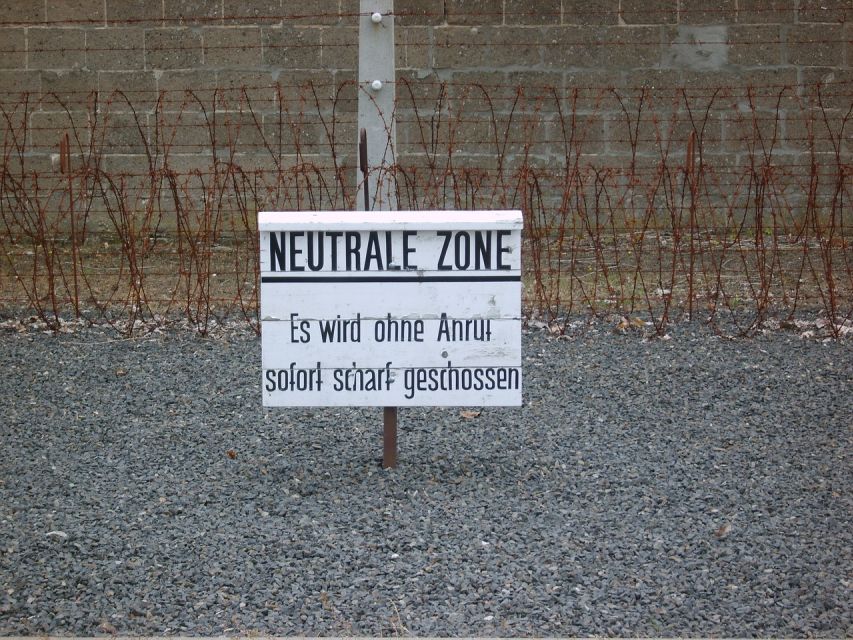
The former infirmary and morgue bring another part of the camp’s history into view. Here, the tour covers cruel medical experiments and the treatment of prisoners as subjects rather than people. This section is not presented for shock alone. The guide explains how medical authority was twisted to serve the camp system.
The former prisoner kitchen now operates as a museum. It offers another way to follow the camp’s story, with displays that connect the building to key moments in its history. A kitchen may sound less dramatic than a gate or execution site, but it helps you consider the ordinary systems required to run a camp: food, labor, records, supply, and control.
I appreciate this variety in the route. You are not led from one grim room to another without a pause in the story. Buildings serve different purposes, and each one reveals another part of camp life and administration.
The tour lasts about five hours in total, with roughly several hours at the memorial itself based on the planned route and visitor experience. Bring a snack. There is a lot to absorb, and the day includes train travel and walking. It is also wise to use the restroom when you get the chance, since facilities may not be close to every part of the visit.
Station Z and the reality of mass execution
Station Z is one of the most difficult stops. The remains mark an area where many executions took place. Your guide explains what occurred there and how the site fits into Sachsenhausen’s wider history.
This is a point where the tour’s respectful tone is most important. You are not visiting a preserved room with every detail intact. You are looking at remains and trying to understand what they represent. A guide gives those remains meaning without asking you to treat them as a spectacle.
The route is emotionally demanding, and I recommend allowing yourself quiet time. You do not need to fill every pause with conversation or photographs. Listen, look carefully, and give yourself permission to step back if the material becomes too much.
The Soviet memorial and Sachsenhausen after 1945
The final major stop is the Soviet memorial, built in 1961. It reflects the camp’s history after World War II and shows that Sachsenhausen was not remembered in only one political context.
This is an essential part of the tour. The memorial site contains monuments created at different times and for different ideologies. A visit focused only on the Nazi period would miss how the site was later interpreted and used.
Your guide helps connect these layers. That context also prevents a common mistake: assuming every monument was created by the same people, for the same purpose, at the same time. The Soviet memorial prompts you to think about postwar memory, state narratives, and the changing way Germany and the Soviet Union presented the past.
How much time you get at the memorial
The guided route is designed to cover the main sections efficiently, but Sachsenhausen is larger than the core tour. At the end, you can return to Berlin by train with the guide’s help, or stay longer and explore on your own.
I like having this choice. If you prefer a clear schedule, returning with the group keeps the day simple. If you want more time with the museum displays, monuments, and remaining grounds, staying after the guided portion gives you room to move at your own pace.
The tradeoff is that the five-hour format cannot explain every part of the memorial in equal depth. You will see the major locations listed in the route, but independent exploration may be worthwhile if you have a strong interest in the site. Ask your guide what you would miss before deciding to leave with the group.
Price, value, and what you still pay for
At $21 per person, this is an inexpensive way to organize a visit to Sachsenhausen. The price includes the guide from Alexanderplatz, the guided memorial visit, and the €3 entrance fee. You pay separately for the required ABC-zone train ticket.
The value comes mainly from the structure and transport support. You do not need to work out the route alone, interpret every building without help, or return to Berlin without knowing which train to take. Guides have also helped with directions to other Berlin sights after the tour, which can be useful if you want to continue your day.
The price does not turn the visit into a casual bargain outing. The subject deserves time and attention, and you should judge the tour by the quality of the explanations and organization rather than by the low cost alone. Based on the consistently strong rating of 4.7 from 3,716 ratings, the experience has been dependable for a large number of bookings.
Who should book this Sachsenhausen tour?
I recommend it to first-time visitors who want a serious introduction to the camp without handling the logistics alone. It also suits students, history-minded visitors, and anyone who wants help understanding the political layers of the memorial.
The tour may be less suitable if you have limited mobility. The activity is not suitable for wheelchair users or people with mobility impairments, and the route includes walking across a large memorial site with outdoor sections.
Families should decide based on age and temperament. The information is direct and concerns imprisonment, executions, medical crimes, and persecution. Older teenagers may find the historical setting meaningful, but younger children may not be ready for the subject.
Choose your clothing with care. Comfortable shoes are a must, and snacks are recommended. In cold months, add gloves and warm layers. The outdoor portions can feel severe, especially when you are standing still to listen.
My verdict on this five-hour memorial visit
I would book this tour if I wanted a guided introduction to Sachsenhausen from Berlin. The train accompaniment removes much of the stress, the route covers the key buildings and memorials, and the guides have earned strong praise for clear explanations, respectful conduct, and practical help.
I would not book it expecting entertainment or a quick checklist of Nazi-era sights. This is a solemn visit that can leave you upset, thoughtful, or both. That is part of its value.
Book it if you want to understand how Sachsenhausen operated, how prisoners were treated, and how the site has been remembered since 1945. Buy your ABC ticket in advance, wear good shoes, bring a snack, and leave enough emotional space for the day. You may return to Berlin with more questions than answers, but that is exactly why this memorial deserves your time.
FAQ
Where does the Sachsenhausen tour meet in Berlin?
The meeting point is next to the World Time Clock at Alexanderplatz. Your guide will wear Buendía accreditation.
How long does the activity last?
The tour lasts five hours, including the train journey from Berlin and the guided visit to Sachsenhausen.
Is the train ticket included?
No. You must purchase an ABC-zone train ticket separately before the activity. Tickets are available from station machines or online through the Berliner Verkehrsbetriebe website.
Is the entrance fee included?
Yes. The €3 entrance fee to Sachsenhausen Concentration Camp Memorial is included in the activity price.
Which languages are available?
The tour is available in Spanish, English, German, French, and Italian.
Can I return to Berlin with the guide?
Yes. At the end of the guided visit, you can return to Berlin by train with help from the guide.
Can I stay longer at Sachsenhausen?
Yes. You can remain at the memorial after the guided tour and explore at your own pace.
Is the tour suitable for wheelchair users?
No. The activity is not suitable for wheelchair users or people with mobility impairments.
Just added around Berlin
- From Berlin: Gardens & Palaces of Potsdam Bike Tour★ 5.0 · 61 reviews
- Berlin: Battle for Seelow Heights WW2 tour -Clash of Titans★ 5.0 · 27 reviews
- From Berlin: Historical Gems of Potsdam Private Day Trip★ 4.4 · 4 reviews
- Berlin: Französischer Dom 360° Panorama & Crémant to go★ 3.9 · 5 reviews
- Explore Berlin Tour: History and Highlights★ 4.7 · 5 reviews
- Berlin: Evening Yacht Cruise with Aperitif & Dinner Upgrade★ 4.6 · 178 reviews
- Berlin: Expats in Berlin Comedy Show Ticket★ 4.7 · 182 reviews
- Berlin: The Epic Comedy Club Friday Night Showcase★ 4.8 · 28 reviews
Berlin Tours, compared.
Reichstag, Dome and Government District Guided Tour
Read our review →
1-Hour City Tour by Boat with Guaranteed Seating
Read our review →
Reichstag, Plenary Chamber, Cupola & Government Tour
Read our review →
Browse the lists this tour appears in