
Review · BERLIN TOURS
Sachsenhausen Memorial: Walking Tour from Berlin
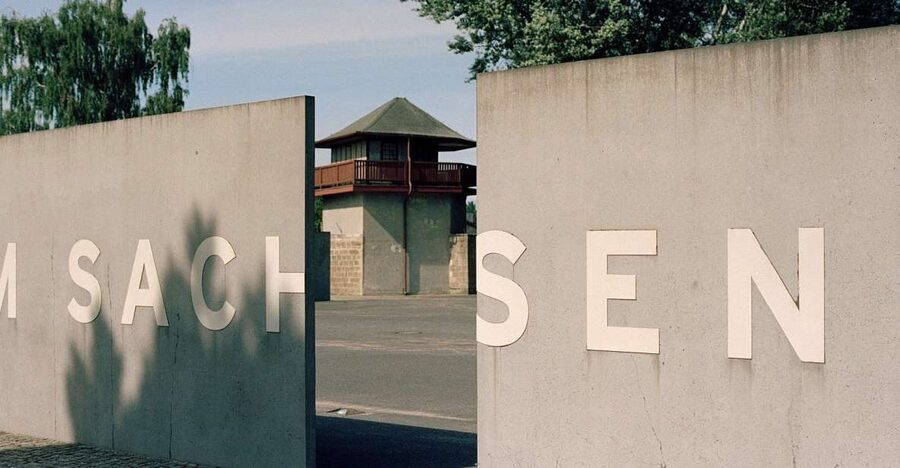
Sachsenhausen is not a casual sightseeing stop. Just north of Berlin, this former concentration camp was built in 1936 as a model for the Nazi camp system, making its layout and buildings part of the lesson. The visit explains how architecture, forced labor, punishment, propaganda, and SS training worked together to control people.
I like the three-hour guided walk, which gives you time to face the site at a human pace rather than rush through a museum. I also like the direct S-Bahn journey from Berlin and the chance to hear survivor testimony alongside the history of the camp. The main drawback is practical: you will walk for hours in all weather, bring lunch for the train, and pay for transport plus a required €3 donation separately.
Key points to know before you go
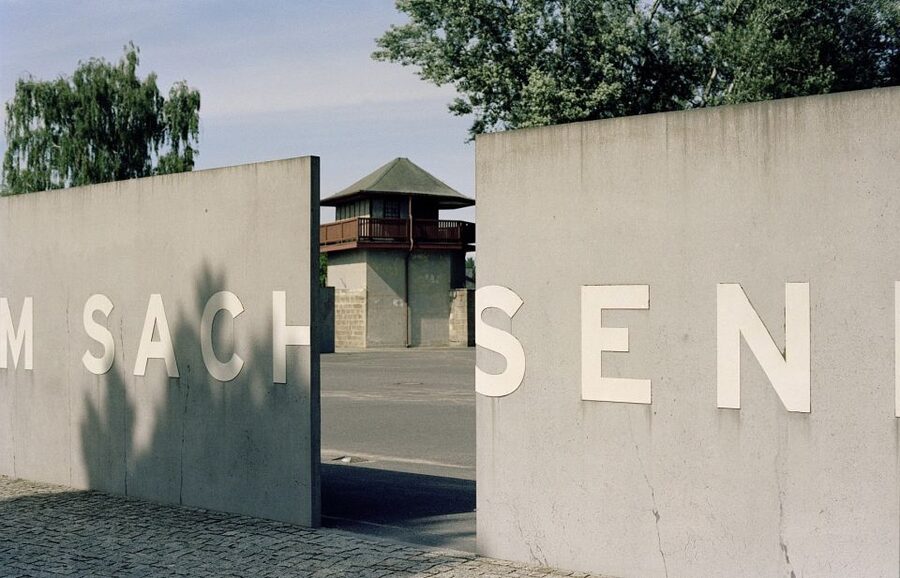
- A model camp near Berlin: Sachsenhausen was designed as a prototype for the wider Nazi concentration camp system.
- Three hours inside the memorial: The route includes Tower A, the roll-call square, prison barracks, medical experimentation rooms, the former kitchen, and Station Z.
- A guide-led history lesson: Guides explain daily life, resistance, forced labor, death marches, postwar detention, and the role of private industry.
- Simple public transport access: The group travels by S-Bahn from Berlin to Oranienburg, about 35 kilometers away.
- Plan for a serious physical day: The activity lasts six hours, includes a lot of walking, and runs in rain or cold as well as fair weather.
- Best value for a full group: The listed price is $511 for up to six people, so the cost per person changes sharply depending on how many join.
Why Sachsenhausen matters so much
Sachsenhausen was built close to Berlin, the administrative center of the Nazi regime. That location matters. This was not an isolated camp placed far from public view. It was close enough to the capital to serve as a working example of how the SS wanted camps to operate.
The camp opened in 1936, first holding political opponents of the Nazi government. Its prisoner population later included Sinti and Roma, Jewish people, prisoners of war, and Jehovah’s Witnesses. More than 40,000 people died here under starvation, disease, violence, forced labor, and other brutal conditions.
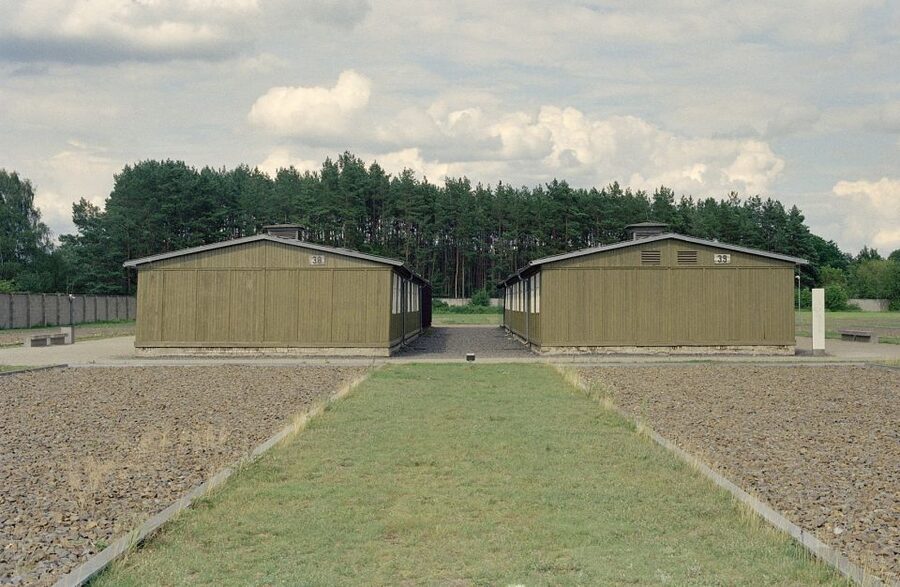
The site was also used as a training center for SS guards. Your guide will show how its design helped enforce control. The shape of the camp, the position of the watchtowers, the roll-call area, and the arrangement of barracks were not neutral planning choices. Physical space was used to make prisoners feel watched, exposed, and powerless.
That is one of the strongest reasons to visit with a guide. You can walk through the grounds alone and see buildings, foundations, fences, and open space. A good guide connects those remains to the system they served.
More WWII History Tours in Berlin
- Berlin: Third Reich and Cold War 2 Hour Walking Tour
★ 4.9 · 6,830 reviews - Berlin: Sachsenhausen Concentration Camp Tour in English
★ 5.0 · 5,711 reviews - Berlin’s Best: 2 Hour Walking Tour Third Reich and the Cold War
★ 5.0 · 5,486 reviews
From Berlin to Oranienburg by S-Bahn
The day begins in Berlin, with the exact meeting point depending on the option you book. Arrive at least 15 minutes early. The group will most likely catch a train about five minutes after the official start time, and the guide cannot wait for late arrivals.
You need an ABC public transport ticket for Berlin. A 24-hour ABC ticket is recommended, and it is not included in the tour price. This is a small detail that can cause trouble if you leave it until the last minute, so buy it before meeting the group.
The train ride to Oranienburg takes about 40 minutes. It is a useful transition from central Berlin to the memorial, and the guide begins setting the historical frame during the journey. You should bring food and drinks, since the train is the suggested place to eat. Food is not permitted on the memorial grounds, and there is no lunch stop during the activity.
From Oranienburg, the group continues toward Sachsenhausen, including about 20 minutes on foot. Wear comfortable shoes. The day includes the walk from the station, several hours on the memorial grounds, and the return journey.
Tower A and the roll-call square
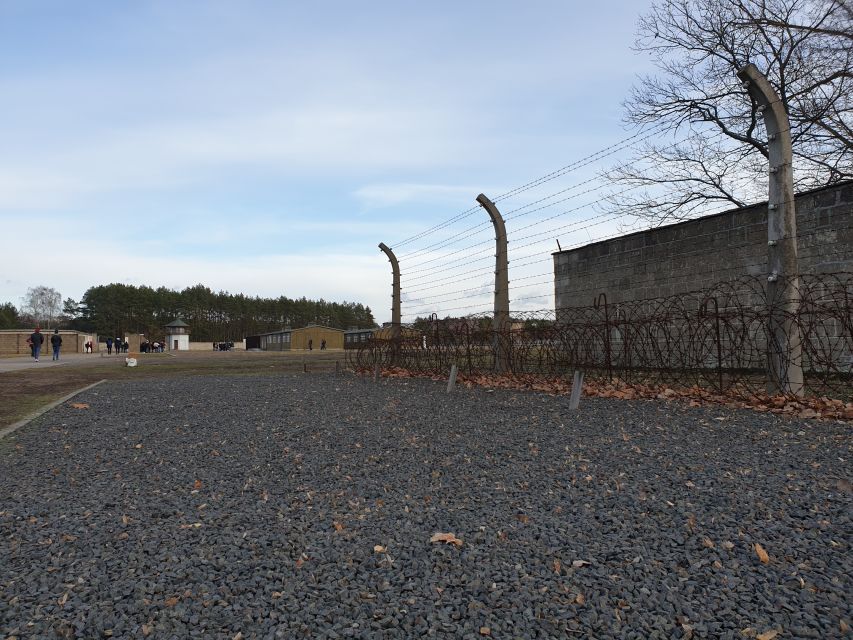
The guided visit begins with the core area of the memorial. Tower A and the roll-call square help you understand the camp’s strict visual order and the daily routines imposed on prisoners.
The roll-call square was used for long periods of forced assembly. Prisoners could be made to stand outside in severe weather while the SS counted them. The simple open space becomes much harder to look at once you understand that it was designed for exposure and control.
Tower A is closely tied to the entrance and the message of SS authority. The guide explains how visitors entering the camp were directed into a controlled environment, where every movement and boundary had meaning.
This is a good place to listen rather than rush to take photographs. Sachsenhausen is a memorial site, not a normal attraction. The strongest part of the visit comes from understanding what happened in each space, not from collecting images of it.
Barracks, punishment, and forced labor
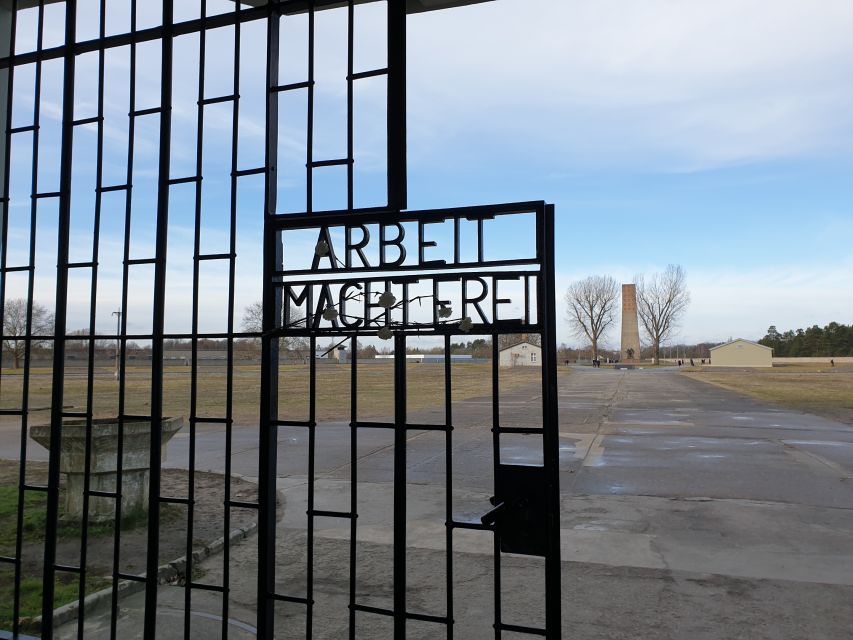
The tour continues through the remains and reconstructed areas connected with prisoner life. You will learn about the forced labor system and the punishments used to maintain it.
The camp’s history also shows how Nazi persecution depended on more than guards and fences. Private industry took part in the system by using prisoner labor. Your guide explains how exploitation worked and how the camp connected to wider Nazi policies across Europe.
The prison barracks and punishment areas reveal the daily pressure placed on prisoners. You will hear about hunger, disease, violence, strict discipline, and the attempts some prisoners made to resist. Survivor testimonies help put individual human experiences alongside the broader political history.
This section can be hard going, but the guide-led format helps give the material shape. Instead of receiving a list of dates, you learn how the camp functioned from morning routines to punishment, labor, illness, and death.
More wartime history tours in Berlin:
- Berlin: Sachsenhausen Concentration Camp Memorial Tour
★ 4.7 · 3,716 reviews - Third Reich Berlin: Hitler and WWII Walking Tour
★ 5.0 · 3,301 reviews - Sachsenhausen Concentration Camp Bus Tour in English from Berlin
★ 5.0 · 1,962 reviews - Berlin: Sachsenhausen Concentration Camp Tour in English
★ 4.8 · 1,889 reviews
Medical experimentation rooms and the former kitchen
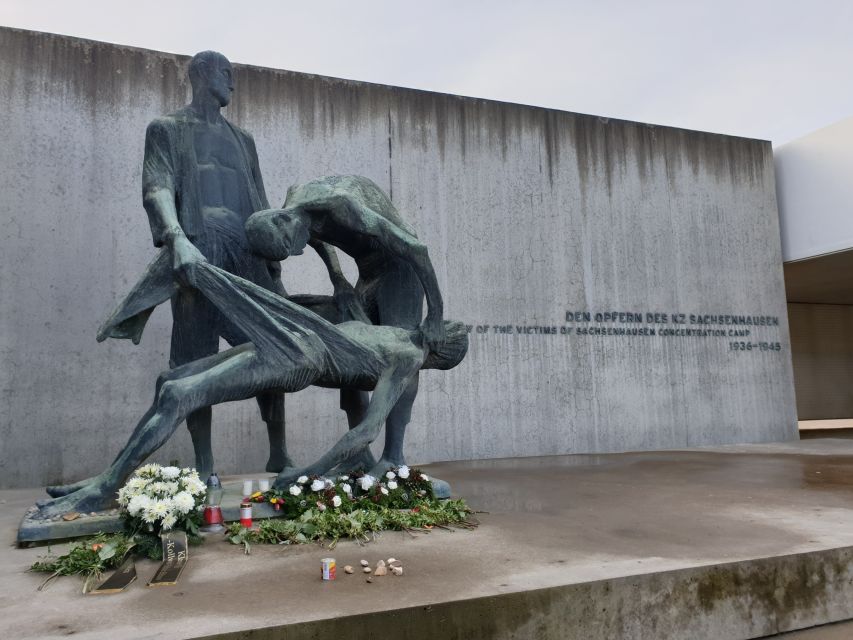
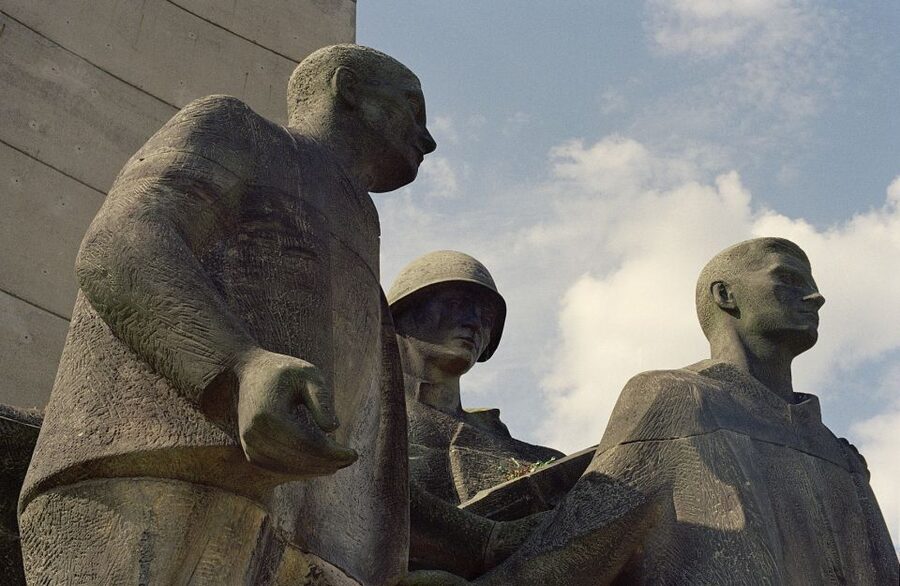
The former kitchen now houses a museum. It provides a more enclosed setting for displays and historical material after the open spaces of the camp.
The tour also covers the medical experimentation rooms. These are among the most disturbing places on the route. The guide approaches them as part of the camp’s system of abuse, not as shocking curiosities.
The museum and surviving structures work together. The buildings show the physical setting, while the exhibits and survivor accounts explain what cannot be seen in the walls alone. If you prefer a visit with careful historical explanation rather than a self-guided walk, this is where the value of the tour becomes clear.
The subject is emotionally heavy. You should expect a serious visit, and you may want quiet time afterward. The schedule leaves the option to remain at the memorial after the guided portion, so you do not have to leave the moment the three-hour walk ends.
Station Z and the scale of Nazi murder
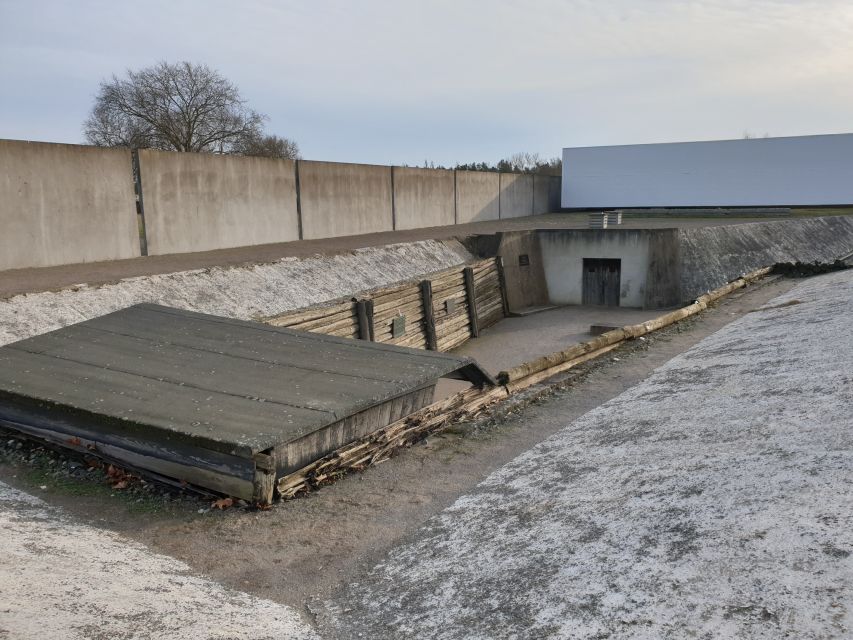
Station Z is the site associated with the former crematoriums and gas chamber. It is one of the most important stops in the memorial because it connects Sachsenhausen to the Nazi policy of mass murder.
The name itself came from the idea that a prisoner’s entry point was the first letter of the alphabet, while death was the last. The tour explains the purpose of this area and the crimes committed there. The focus is on the historical record and the people who suffered, not on sensational detail.
Your guide also places Sachsenhausen within the larger Nazi camp network. The camp served as a model and training site, while its system of labor and punishment helped support Nazi rule and war production.
This is the point where the visit’s separate subjects come together: racist persecution, political terror, forced labor, SS authority, propaganda, and industrial participation. You leave with a clearer sense of how organized the system was.
The end of the war and Sachsenhausen’s second life
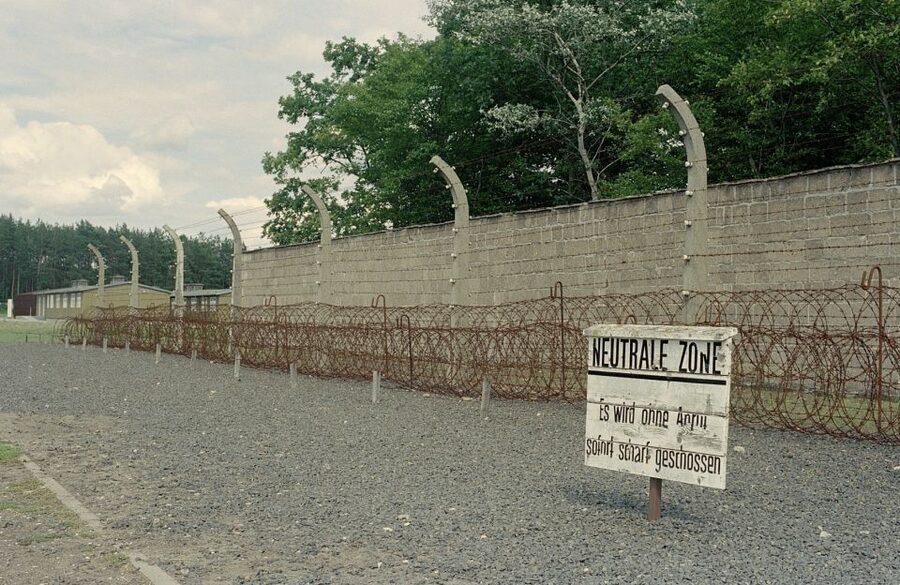
The story does not stop in 1945. The tour covers the death marches at the end of the war and what happened after the Nazi period.
Under Soviet occupation, Sachsenhausen operated as a special camp. Thousands of people, including former Nazis, political opponents, and civilians, were detained there. Many died from hunger and disease.
This postwar chapter is important because it prevents an overly simple reading of the site. The memorial has more than one period of suffering attached to it, and the guide explains how the camp was used after the Nazi regime fell.
That wider time frame gives you a better understanding of the memorial as a place of remembrance and historical study. It also shows why the visit requires care. The site has layers, and a short stop without context can leave out much of its story.
What makes the guiding especially useful
The strongest praise for this experience centers on the guides’ delivery. Names that have received particularly warm attention include Fabio, Soleil, Lorenzo, and Andrea. The useful pattern is clear: the best part of the tour is not simply reaching Sachsenhausen, but having someone explain difficult material with accuracy, empathy, and control.
Lorenzo has been described as especially strong on dates, details, and the wider political setting. Fabio’s passion helped make the camp feel present through spoken history. Soleil was praised for making a delicate subject interesting and emotionally serious, while Andrea was noted for an engaging and careful presentation.
Guide quality can vary by date and language, so those names should not be treated as a guarantee that one person will lead your group. Still, they show the kind of guide this experience aims to provide. Languages offered are French, Italian, and English, with the selected language depending on the option you book.
The tour may use groups of up to 25 people, while a private group option is also available. A smaller group can make it easier to ask questions and stay close to the guide. A larger group may feel less personal, especially in busy or exposed parts of the memorial.
Six hours, a lot of walking, and no lunch stop
The advertised duration is six hours from Berlin and back. Roughly 40 minutes each way go to the train, with additional walking around Oranienburg and the memorial. The guided portion at Sachsenhausen lasts about three to three and a half hours.
You should treat this as a full half-day, not a quick excursion. Comfortable shoes are essential, and you need clothing for changing weather because the activity runs in all conditions. Bring water and food, but plan to eat on the train rather than at the memorial.
Smoking, alcohol, and drugs are not allowed. The memorial is a place for respectful conduct, and the restrictions are straightforward.
All participants must also pay a €3 cash donation at the meeting point. This required donation goes to the Sachsenhausen Memorial. It is not a hidden admission charge, but you should have the cash ready.
Is the $511 group price fair?
The listed price is $511 for a private group of up to six people. That works out to about $85 per person if six people share it, before public transport and the €3 donation. For two people, the cost is about $256 per person, and for one person it is a very expensive guided day.
The value depends on how much help you want with the history and transport. You are paying for a guide-led visit, a coordinated journey from Berlin, and several hours of explanation at a site where context matters greatly. If you have five or six people, the price becomes much easier to justify.
Public transport tickets are not included. The meeting point may also vary, so check the selected option carefully before booking. The tour offers free cancellation up to 24 hours in advance and a reserve-now, pay-later option, which helps if your Berlin schedule is still taking shape.
Who should book this visit?
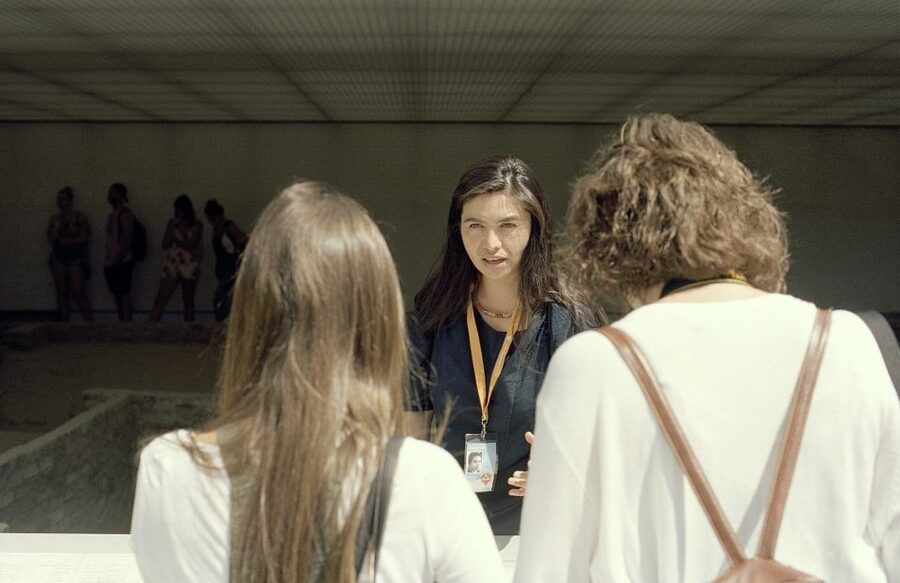
I recommend it most strongly to anyone who wants a serious historical visit with clear guidance. It suits first-time visitors to a concentration camp memorial, people studying Nazi Germany, and anyone who feels unsure about how to approach such a place respectfully.
It is also a good fit if you prefer learning through spoken explanation. The guides cover daily life, resistance, private industry, propaganda, SS training, the death marches, and postwar detention. That is far more ground than a quick independent visit is likely to cover.
You should think twice if you want a light activity, dislike long train rides, or find several hours of walking difficult. This is not a sightseeing break between Berlin museums. It asks for attention, patience, and emotional energy.
My call: book it for context, not entertainment
Sachsenhausen is one of those places where a guide can change the entire visit. The camp’s design, the prisoner routines, Station Z, and the postwar history make more sense when someone connects them carefully.
I would book this tour if you are ready for a sober day and can share the private-group price with several people. Bring an ABC transport ticket, lunch for the train, good shoes, weatherproof clothing, and €3 in cash. If you do, this visit offers a careful and substantial way to understand one of the Nazi regime’s model camps and the people it harmed.
FAQ
How long does the Sachsenhausen tour take?
The full activity lasts about six hours, including the train journeys from Berlin, walking between Oranienburg and the memorial, and the guided visit.
How do I get to Sachsenhausen from Berlin?
The group travels by S-Bahn to Oranienburg, the nearest station to the memorial. The train ride takes about 40 minutes, followed by about 20 minutes on foot.
Is public transportation included?
No. You need to buy your own public transport ticket. A 24-hour ticket for the ABC zones of Berlin is recommended.
Is the €3 memorial donation included?
No. Every participant must pay €3 in cash at the meeting point. The full amount is donated to the Sachsenhausen Memorial.
What languages are available?
Guided tours are offered in French, Italian, and English. The language depends on the option you select when booking.
Can I stay at the memorial after the guided tour?
Yes. After the guided visit, you may remain longer at the memorial to explore on your own, although the group returns to Berlin together.
What should I bring?
Bring comfortable shoes, food and drinks, weather-appropriate clothing, your public transport ticket, and €3 in cash for the memorial donation. Eating is not permitted on the memorial grounds, so plan to eat during the train journey.
More Walking Tours in Berlin
- Discover Berlin Half-Day Walking Tour
★ 5.0 · 9,624 reviews - Berlin: Discover Berlin Walking Tour
★ 4.9 · 5,998 reviews - Berlin: Hidden Backyards Guided Walking Tour
★ 4.8 · 5,360 reviews - Berlin: Alternative Berlin Walking Tour
★ 4.6 · 1,204 reviews
Just added around Berlin
- eSIM for Germany and 34 European Countries★ 4.5 · 16 reviews
- Your ticket to The Wall Museum Berlin★ 3.0 · 60 reviews
- Walking on the Wall: 3-Hour Tour in Berlin★ 4.5 · 34 reviews
- Rickshaw Tours Berlin – Groups of up to 16 people with several rickshaws★ 4.0 · 97 reviews
- Warnemuende Shore Excursion: Private Berlin Tour★ 4.5 · 27 reviews
- Love and War in Berlin: Self-Guided Story Puzzle Walk★ 5.0 · 7 reviews
- Warnemuende Shore Excursion: Berlin Private Sightseeing Tour from Rostock★ 5.0 · 4 reviews
- Cold War Berlin – Private Live Virtual Experience★ 5.0 · 4 reviews
Berlin Tours, compared.
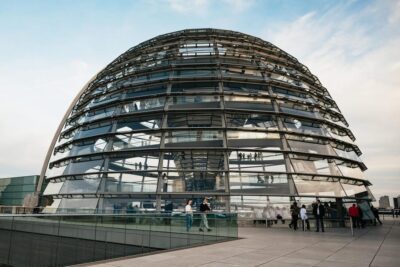
Reichstag, Dome and Government District Guided Tour
Read our review →
1-Hour City Tour by Boat with Guaranteed Seating
Read our review →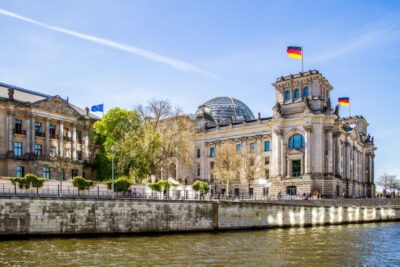

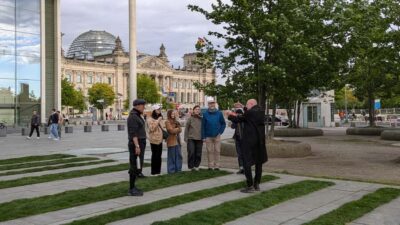
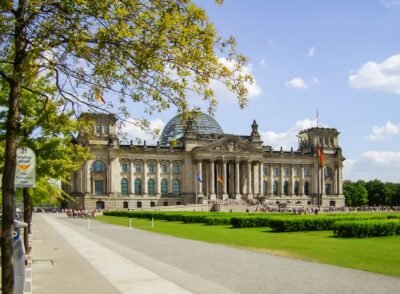
Reichstag, Plenary Chamber, Cupola & Government Tour
Read our review →
Browse the lists this tour appears in