
Review · BERLIN TOURS
From Berlin: Sachsenhausen Concentration Camp Memorial Tour
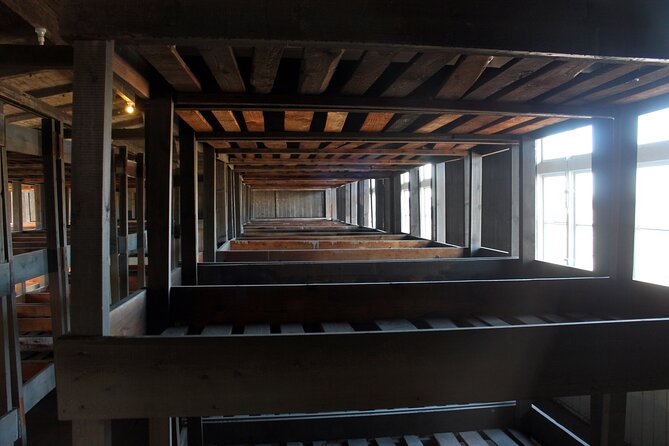
Sachsenhausen is not a quick photo stop. It is a serious, often painful walk through a former Nazi concentration camp, where the empty grounds, prisoner cells, guard towers, and surviving structures make history feel starkly close. Your guide places the site in the wider story of the Third Reich and explains how Sachsenhausen was used mainly for political prisoners and as an administrative center for the concentration camp system.
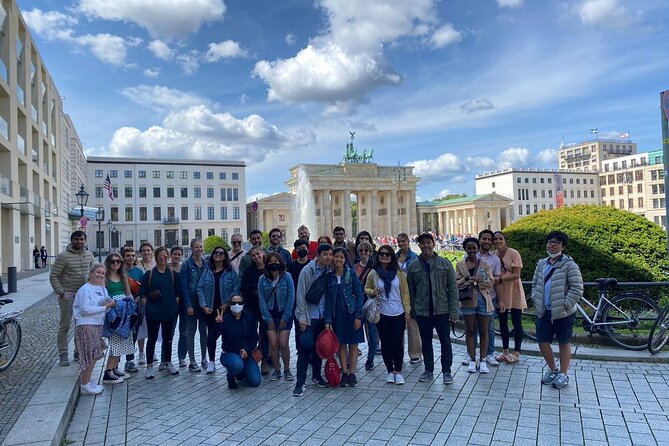
I like the small maximum group of 20, which makes it easier to hear difficult explanations and ask questions. I also like the human side of the guiding. Guides including Anna, Roshana, Siobhán, Sebastian, Sharon, and Miguel are praised for making the chronology clear, answering questions, and sharing details you could easily miss alone.
The main catch is the travel and walking. The train journey is not included, the walk from the station to the memorial takes about 20 minutes, and the site itself requires a lot of time on foot. Bring a valid ABC transit ticket, water, weather protection, and a small snack.
Key points to know before you go
- Sachsenhausen is a six-hour history lesson: The day includes public transport, the walk from the station, and a guided visit around the memorial.
- Guides add the most value: Anna, Roshana, Siobhán, Sebastian, Miguel, and Sharon are praised for clear explanations, personal stories, and thoughtful answers.
- The €29.81 price is only part of the cost: You must also pay for your ABC transit ticket and a €3 memorial donation.
- Expect a long walk: The station-to-camp walk takes roughly 20 minutes, followed by more walking around the grounds.
- This is a solemn experience: Guides handle the subject with care, but the history is harsh and emotionally demanding.
- Meet at Alexanderplatz at 10 a.m.: The tour returns to the same meeting point after the visit.
Why Sachsenhausen belongs on a Berlin itinerary
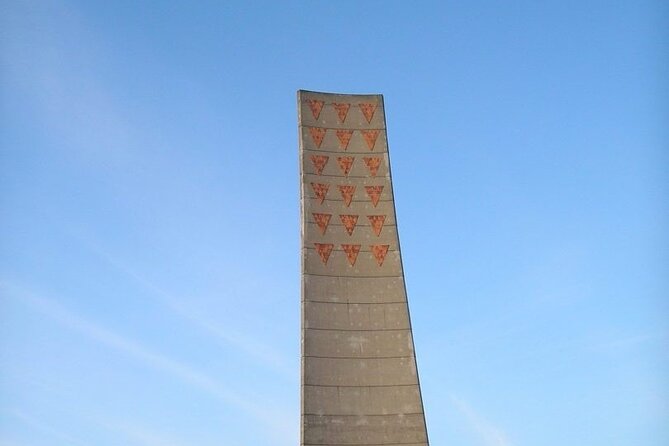
Berlin has plenty of museums that explain the Nazi period through documents, photographs, and artifacts. Sachsenhausen gives you something different: a physical sense of the system. You walk through the former camp grounds and see the spaces where prisoners were confined, watched, punished, and forced to live under brutal conditions.
The site was primarily used for political prisoners, and it also served as an administrative center for the wider Nazi concentration camp network. That makes the visit useful beyond the camp itself. You are not only learning what happened at Sachsenhausen. You are learning how the Nazi system was organized and how a single camp fitted into a much larger structure.
The experience is especially worthwhile if you have already seen Berlin’s central memorials and want to understand the history in greater detail. It also suits families with older children and teenagers who are studying World War II or the Third Reich. One parent described visiting with a 15-year-old son and found that the guide’s questions and explanations gave them plenty to think about after the tour.
This is not an entertainment outing, and it should not be treated like one. The best guides use warmth and occasional light humor to keep the group attentive, but the subject remains grave. You should allow yourself time afterward to process what you have seen.
More WWII History Tours in Berlin
- Berlin: Third Reich and Cold War 2 Hour Walking Tour
★ 4.9 · 6,830 reviews - Berlin: Sachsenhausen Concentration Camp Tour in English
★ 5.0 · 5,711 reviews - Berlin’s Best: 2 Hour Walking Tour Third Reich and the Cold War
★ 5.0 · 5,486 reviews
Meeting at Alexanderplatz and getting to the memorial
The day begins at 10 a.m. outside Generator Berlin Alexanderplatz, at Otto-Braun-Straße 65. The meeting point is central and easy to connect with from other parts of Berlin, but give yourself enough time to find the correct entrance and group.
From there, your guide helps the group use Berlin’s public transport. The ABC fare zone matters because Sachsenhausen is outside central Berlin. The transit ticket is not included in the tour price, so buy the correct ticket before departure or follow your guide’s instructions. Several people found the transport guidance especially helpful, including those who needed assistance finding the right route home after the memorial.
The journey and walk are part of the time commitment. From the station, the group walks for about 20 minutes to the memorial entrance. That walk may sound minor when you are booking a six-hour tour, but it matters if you have knee problems, use a wheelchair, or simply find long days on foot tiring.
A guide helped a wheelchair user during the visit, and another person with knee trouble had to shorten the experience and wait near the exit. The information provided says most people can participate, but it does not promise a completely step-free or low-walking route. Contact the operator before booking if mobility is a major concern.
Entering Gedenkstätte und Museum Sachsenhausen
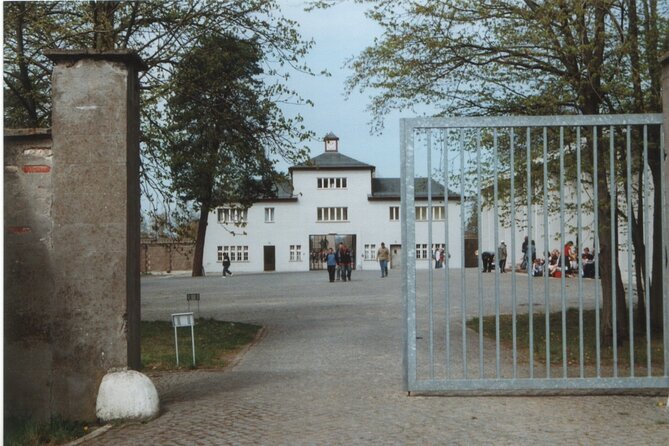
The memorial and museum occupy the grounds of the former Sachsenhausen concentration camp. The guided visit focuses on the camp’s layout, its role in the Nazi system, and the lives of people imprisoned there.
Expect to visit important areas such as prisoner cells and guard towers. The value of having a guide becomes clear here. A bare building or stretch of ground can be hard to interpret on your own. Your guide explains what the space was used for, how it fitted into the camp, and what happened to the people held there.
The strongest guides build a timeline as you walk. Anna is praised for presenting a carefully arranged sequence of historical events and for connecting the camp to the wider conditions that allowed the Nazi system to develop. Sebastian is praised for explaining not just the camp, but also the German political and social setting around it.
That wider context is important. Without it, the visit can become a string of grim details. With it, you begin to understand how political persecution, administration, imprisonment, and camp expansion connected. The visit is still emotionally heavy, but the history becomes easier to follow.
Prisoner stories and the human scale of the site
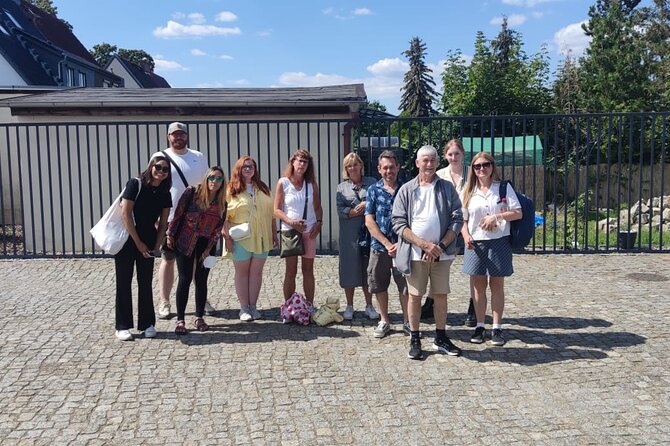
Facts and dates can explain a camp’s operation. Stories about prisoners help you understand its human cost. Your guide shares accounts of former prisoners and points out places where the camp’s policies affected daily life.
This is one of the tour’s strongest features. Roshana is praised for packing a large amount of information into the available time while still answering questions. Siobhán is praised for balancing the horrific facts with the complexities of the period. Miguel is praised for explaining the different layers of how concentration camps began, operated, and developed.
You should expect the guide to discuss disturbing material. The information is not softened into a comfortable museum talk. One person specifically valued Anna’s willingness to explain the grislier details and connect the past with political warning signs in the present.
That connection can be thought-provoking, but the tone depends on the guide and the questions raised by the group. The most effective commentary keeps the focus on the historical evidence and the people who suffered. If you prefer a quieter, self-guided visit, a group tour may feel more conversational than you want.
More wartime history tours in Berlin:
- Berlin: Sachsenhausen Concentration Camp Memorial Tour
★ 4.7 · 3,716 reviews - Third Reich Berlin: Hitler and WWII Walking Tour
★ 5.0 · 3,301 reviews - Sachsenhausen Concentration Camp Bus Tour in English from Berlin
★ 5.0 · 1,962 reviews - Berlin: Sachsenhausen Concentration Camp Tour in English
★ 4.8 · 1,889 reviews
Why a guide is worth paying for
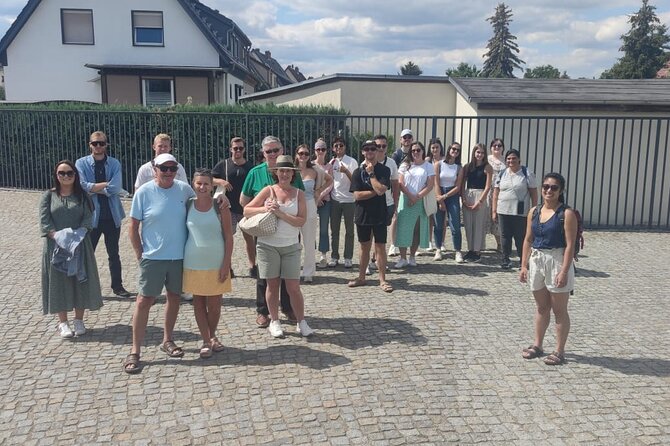
The memorial can be visited independently, but this tour’s main purpose is interpretation. You are paying for someone to organize the story, point out key locations, and help you understand details that may not be obvious from displays and signs.
I would particularly consider the guided option if this is your first visit. A strong guide can explain the camp before you enter, fill in background during the walk, and help you ask useful questions once you are on site. Reviews of Anna, Roshana, Siobhán, Sebastian, Sharon, and Miguel repeatedly emphasize clear teaching, strong command of the subject, and a willingness to help with public transport.
The quality is not guaranteed on every departure. Two unhappy accounts describe a guide who never arrived and poor communication afterward. Those incidents appear alongside a much larger number of positive experiences, but they are still worth taking seriously. Save your booking confirmation and the operator’s contact details, and arrive early at the meeting point.
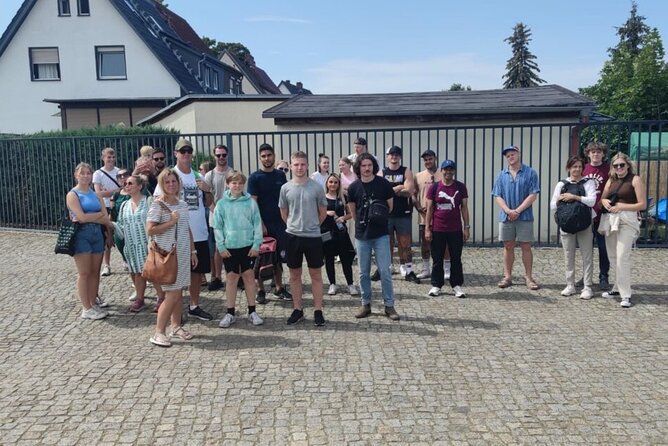
Group size also affects the experience. With up to 20 people, this is not a private tour, but it is small enough for a guide to keep the group together and take questions. Anna is praised for doing exactly that. If the group is full, stay close to the guide because the open grounds can make it easy to lose sight of the party.
Six hours, lots of walking, and no included lunch
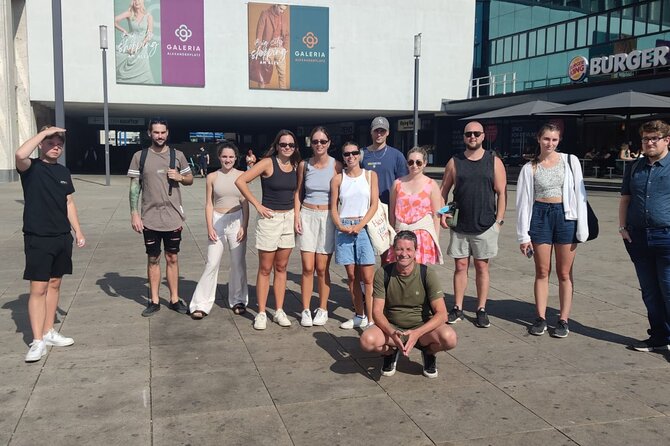
The advertised duration is about six hours. That includes meeting in Berlin, public transport, the walk from the station, the memorial visit, and the return to Alexanderplatz.
There is no food or drink included. More important, you should not count on a comfortable lunch break. One person found there was little opportunity to rest and that eating outside was unpleasant in cold, windy weather. Pack water and a simple snack, but be discreet and respectful. This is a memorial site, not a picnic setting.
Wear comfortable shoes. You may be walking in rain, wind, or cold, and the grounds are extensive enough that footwear affects your ability to concentrate. A rain jacket is more useful than an umbrella when you are trying to listen while moving with a group.
The walking is not a minor detail. One person described the route from the station as a lot of walking even before the camp tour began. If you have limited stamina, ask the guide early about rest options. A six-hour day can pass quickly for an energetic walker but feel demanding if you have knee or mobility issues.
What the price really includes
At $29.81 per person, the tour is priced as an affordable guided day trip rather than a premium private experience. The professional guide is included, and that is where most of the value lies.
You still need to budget for three practical extras:
- Your ABC public transport ticket
- A €3 per-person donation to the memorial
- Food and drinks
The €3 donation is collected by the guide before entering the memorial, and exact change is requested. It supports the memorial and its maintenance. Treat it as a required cost, not an optional tip.
The price is good value if you want a structured explanation and do not feel confident navigating Berlin’s transport system to Sachsenhausen alone. It is less attractive if you already know the site well, prefer to read at your own pace, or dislike group schedules.
The tour returns to the original Alexanderplatz meeting point. That makes the day easier to plan than a one-way outing, especially if you have evening reservations in central Berlin.
Who will get the most from this experience
I would recommend this tour to first-time visitors who want to understand Nazi Germany beyond the city-center memorials. It is also a good fit for people who enjoy history presented as a connected story rather than a collection of isolated exhibits.
Older children and teenagers may get a great deal from it, particularly if they have a serious interest in World War II. The guide can answer questions as they arise, and the physical setting may make classroom history more real.
This tour may not suit young children. Children must be accompanied by an adult, and the subject matter is severe. The long walk and six-hour schedule can also be tiring for a family with small children.
You should think carefully if you are sensitive to graphic historical material or if you want a relaxed day. The guides are often warm and engaging, but they cannot make the subject light. The point is to confront the history with care.
Tips for a more useful and respectful visit
- Arrive at Generator Berlin Alexanderplatz before 10 a.m.
- Have your booking confirmation available.
- Buy or prepare for an ABC transit ticket.
- Bring exact change for the €3 memorial donation.
- Wear shoes suited to a long walking day.
- Pack water and a small snack.
- Bring rain protection and an extra layer in cool weather.
- Stay close to the guide across the open grounds.
- Ask questions during the visit, especially when the guide provides time for discussion.
- Leave room in your schedule afterward. You may not want to rush straight into another major activity.
The emotional side deserves practical planning. A guide such as Siobhán may help you stay engaged through difficult material by explaining the facts clearly and adding human detail. Anna is praised for making time for questions, while Sebastian is praised for connecting Sachsenhausen with broader German history. Still, no guide can remove the weight of the site.
Should you book the Sachsenhausen tour?
Book it if you want help understanding a difficult place, need assistance with public transport, and value personal stories and historical context. The low base price, small group limit, and return to Alexanderplatz make it a sensible option for many Berlin itineraries.
Before booking, accept the trade-offs: the train ticket and memorial donation cost extra, the day includes a 20-minute walk from the station, lunch is not provided, and the visit can be emotionally intense. I would also avoid scheduling it immediately before an important evening event.
The isolated no-show accounts are a reason to keep your booking details handy, not a reason to dismiss the experience entirely. With a reliable guide, this can become one of the most meaningful history visits in Berlin. It asks for attention and stamina, then gives you a clearer understanding of how persecution was organized and what it meant for the people imprisoned at Sachsenhausen.
FAQ
Where does the tour begin?
It begins at Generator Berlin Alexanderplatz, Otto-Braun-Straße 65, 10178 Berlin, Germany.
What time does the tour start?
The start time is 10 a.m.
Where does the tour end?
The activity ends back at the original meeting point in Alexanderplatz.
How long does the experience last?
The tour lasts approximately six hours.
Is public transport included?
No. You must arrange and pay for your ABC transit ticket separately.
Is there an additional fee at Sachsenhausen Memorial?
Yes. A €3 per-person donation is required for the memorial and its maintenance. The guide collects it before entering, and exact change is requested.
Is food included?
No. Food and drinks are not included.
How many people can join the tour?
The group can have a maximum of 20 participants.
Is the tour offered in English?
Yes. The activity is offered in English.
Just added around Berlin
- Berlin: Battle for Seelow Heights WW2 tour -Clash of Titans★ 5.0 · 27 reviews
- From Berlin: Gardens & Palaces of Potsdam Bike Tour★ 5.0 · 61 reviews
- From Berlin: Historical Gems of Potsdam Private Day Trip★ 4.4 · 4 reviews
- Berlin: Französischer Dom 360° Panorama & Crémant to go★ 3.9 · 5 reviews
- Explore Berlin Tour: History and Highlights★ 4.7 · 5 reviews
- Berlin: Evening Yacht Cruise with Aperitif & Dinner Upgrade★ 4.6 · 178 reviews
- Berlin: Expats in Berlin Comedy Show Ticket★ 4.7 · 182 reviews
- Berlin: The Epic Comedy Club Friday Night Showcase★ 4.8 · 28 reviews
Berlin Tours, compared.
Reichstag, Dome and Government District Guided Tour
Read our review →
1-Hour City Tour by Boat with Guaranteed Seating
Read our review →
Reichstag, Plenary Chamber, Cupola & Government Tour
Read our review →
Browse the lists this tour appears in