
Review · BERLIN TOURS
From Berlin: Guided Sachsenhausen Concentration Camp Tour
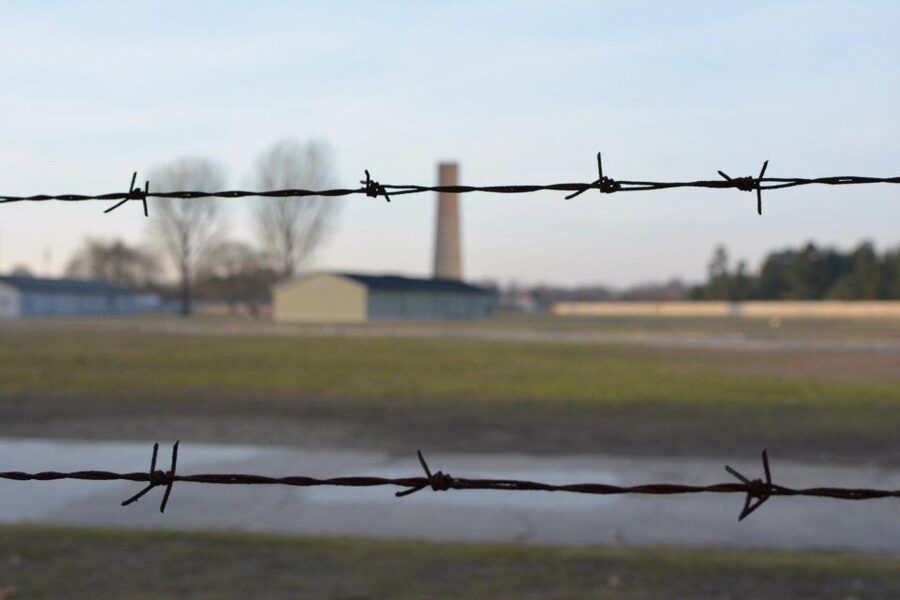
Sachsenhausen was the first purpose-built concentration camp within the Third Reich and the closest major camp to Berlin. That makes this six-hour tour more than a quick excursion: it connects the Nazi dictatorship in the capital with the machinery of terror built just outside it. You travel by train to Oranienburg, then spend about three and a half hours walking through the memorial with an English-speaking guide.
I like two things here. First, the guide begins the history before you reach the camp, explaining how Hitler turned Germany into a dictatorship and how early concentration camps were used against political opponents. Second, the tour includes key areas such as Station Z, the SS and Gestapo Prison Block, the infirmary, and Tower A, rather than leaving you to piece the site together alone.
The main consideration is the subject itself. Sachsenhausen is not a light sightseeing stop, and the six-hour schedule includes a long public-transport journey, roughly 75 minutes on the way out and one hour back. You also need to buy your own ABC transit ticket, and children under 12 are not considered suitable for this activity.
Key points about the Sachsenhausen tour
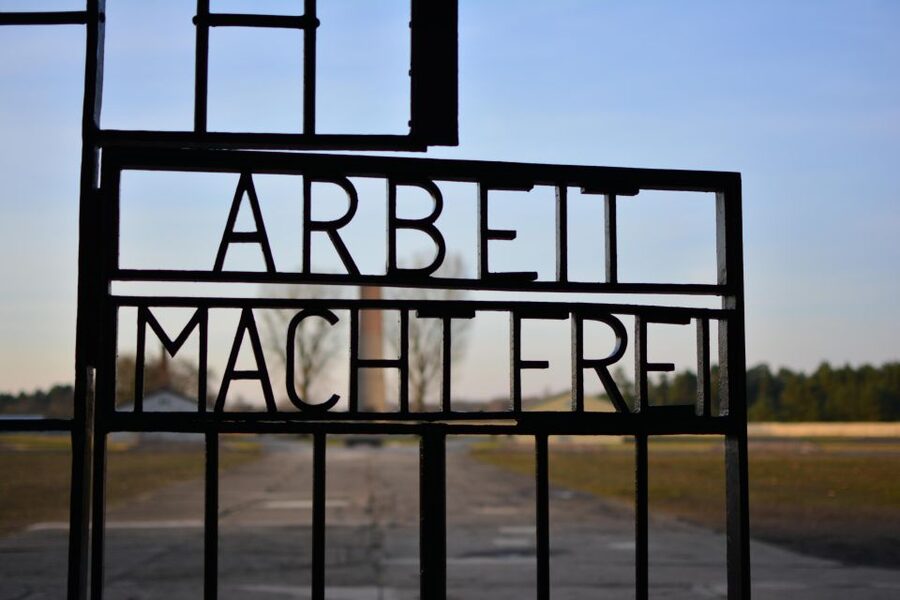
- Purpose-built camp near Berlin: See the site created as a model concentration camp and later used as a central point in the wider camp system.
- Three-and-a-half-hour guided visit: The camp tour gives you time to examine several buildings and memorial areas instead of making a rushed stop.
- Important original camp zones: Visit Tower A, the prison block, infirmary building, Station Z, camp kitchen, pathology building, mortuary, cellar, and barracks.
- History begins on the train: The guide uses the journey to explain Nazi power, early terror, and the growth of the concentration camp system.
- Strong guide feedback: Paul, also called Irish Paul in one booking, receives repeated praise for clear explanations, patience, and thoughtful Berlin advice. Julian is also specifically praised for his information.
- Practical half-day plan: The tour leaves from central Berlin, returns to the same meeting point, and includes memorial admission, but not food, drinks, or the ABC transport ticket.
Why Sachsenhausen matters beyond a day trip from Berlin
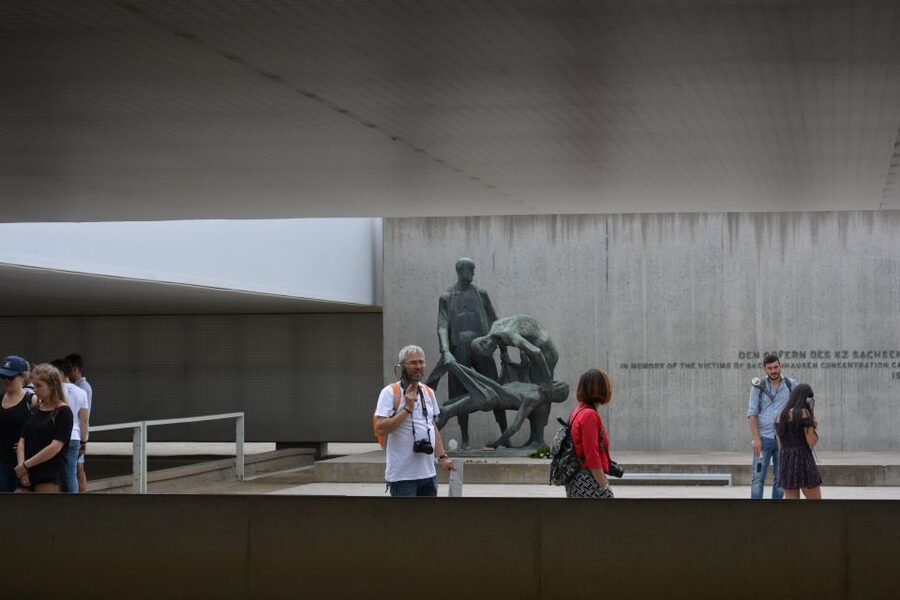
Sachsenhausen can be easy to overlook beside Berlin’s central memorials. Its importance comes partly from its role inside the Nazi camp system. It was built as a purpose-designed concentration camp and became the administrative center for much of that system, making it a useful place to understand how terror developed from political repression into a wider system of imprisonment, forced labor, and murder.
The location also helps you grasp the geography of Nazi power. Berlin was the political center, while Oranienburg was close enough for the camp to be tied directly to the capital. On the train, your guide sets out how the dictatorship took shape and how concentration camps first targeted political opponents before the prisoner population changed during the war.
That background matters. Without it, a visit can become a list of grim buildings. With it, each area has a clearer purpose, and you can follow how camp policy changed over time, how the population of prisoners shifted, and how living conditions became worse during the war.
This is a memorial site, not a preserved attraction in the usual sense. The visit asks for attention and restraint. Your guide’s job is not to make the place entertaining, but to help you understand what happened without flattening the story into a string of shocking facts.
More WWII History Tours in Berlin
- Berlin: Third Reich and Cold War 2 Hour Walking Tour
★ 4.9 · 6,830 reviews - Berlin: Sachsenhausen Concentration Camp Tour in English
★ 5.0 · 5,711 reviews - Berlin’s Best: 2 Hour Walking Tour Third Reich and the Cold War
★ 5.0 · 5,486 reviews
Meeting near the Brandenburg Gate
The day begins outside Hopfingerbräu at Ebertstrasse 24, 10117 Berlin, right beside the Brandenburg Gate. That is a central, easy-to-recognize meeting point, though you should allow enough time to arrive before the group leaves.
After a short introduction, you travel with the guide by train toward Oranienburg. The outbound ride is listed at about 75 minutes. That is a sizable part of the day, but it is not wasted time if you listen closely. The guide explains Hitler’s rise to dictatorship and the early use of concentration camps as a tool for suppressing opposition.
The return trip takes about one hour, and the tour finishes back at Ebertstrasse 24. The transport makes this a full-day commitment rather than a quick morning activity. Plan your meals around it, since food and drinks are not included and there is no meal stop built into the schedule.
You must purchase a public-transport ticket covering Berlin’s ABC zones. This is an important extra cost and practical detail. The $40 tour price covers the camp entrance and guide, but not the train fare. Check the current transport fare before booking so the total cost is clear.
Arriving at Oranienburg and Sachsenhausen Memorial
Oranienburg is the town associated with Sachsenhausen Memorial. Once you arrive, the visit shifts from city travel to a serious walk through the former camp grounds.
The guided camp portion lasts about three and a half hours. That length is useful because Sachsenhausen is not one single room or monument. It is a large memorial site with several buildings and areas that served different purposes. The guide gives you a framework for moving from one place to the next.
You will want comfortable shoes. Weather-appropriate clothing is just as important, since much of the visit takes place outdoors. The tour does not allow luggage or large bags, although assistance dogs are permitted. Pack lightly and avoid arriving with a suitcase.
The activity is listed as wheelchair accessible. If you use a wheelchair, confirm current access details when booking, especially for the individual buildings included on the route. The supplied information confirms accessibility for the activity, but it does not describe every surface or interior feature.
Tower A and the main camp entrance
Tower A was the main entrance to Sachsenhausen. Passing through this point gives the tour a natural beginning, since it introduces the controlled gateway between the outside world and the camp interior.
This is also where the physical design of the camp becomes easier to understand. Sachsenhausen was purpose-built, and its layout reflected the strict control imposed on prisoners. Your guide can connect the architecture to the camp’s function and explain why the site was significant within the wider system.
A guided explanation is particularly valuable here. On your own, an entrance can look like only another historic structure. With context, you begin to see how movement, surveillance, and authority were built into the camp plan.
More wartime history tours in Berlin:
- Berlin: Sachsenhausen Concentration Camp Memorial Tour
★ 4.7 · 3,716 reviews - Third Reich Berlin: Hitler and WWII Walking Tour
★ 5.0 · 3,301 reviews - Sachsenhausen Concentration Camp Bus Tour in English from Berlin
★ 5.0 · 1,962 reviews - Berlin: Sachsenhausen Concentration Camp Tour in English
★ 4.8 · 1,889 reviews
The prisoner barracks and changing conditions
The barrack buildings show the living side of imprisonment. The important point is not simply that people were housed in cramped conditions. It is that those conditions changed and worsened as the war continued and the prisoner population shifted.
Your guide explains who was imprisoned at Sachsenhausen at different points and how the demographic makeup changed over time. That helps you avoid viewing the camp’s victims as one undifferentiated group. The history becomes more precise, and the scale of Nazi persecution becomes easier to follow.
The barracks can also be emotionally difficult. You may find that the emptiness of the buildings leaves room for reflection, while the guide’s explanation supplies the details that the bare rooms cannot provide. This is one reason the full tour works better than a short, self-guided stop for many people.
The SS and Gestapo Prison Block
The SS and Gestapo Prison Block was used for detention and punishment within the camp. It adds another layer to the story, showing that imprisonment at Sachsenhausen was not only about the general barracks compound.
Here, the guide discusses notable people and events connected with the camp. The value of this stop comes from seeing how the camp system operated at different levels: mass imprisonment in the larger compound and targeted detention in a prison setting.
Expect the tone to become especially sobering. The tour does not treat the prison block as a dramatic prop. It is presented as part of the machinery of terror, with attention to the people held there and the methods used against them.
The infirmary, pathology building, and mortuary
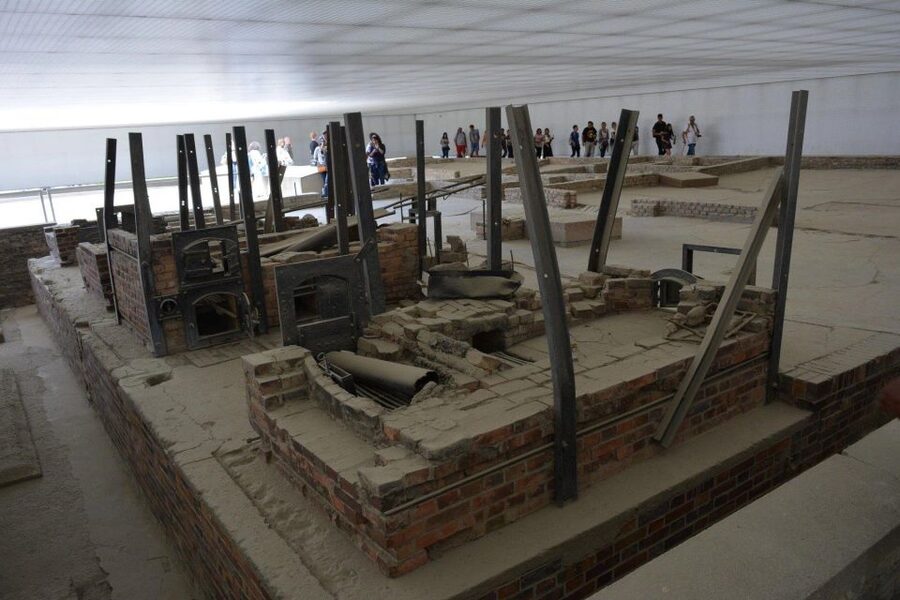
The infirmary building, pathology building, and mortuary reveal the camp’s medical and administrative side. These are difficult places, but they help explain how prisoners were treated, recorded, examined, and disposed of within the system.
A guide is useful here because the buildings can be confusing without a clear explanation of their roles. The tour separates the functions of the infirmary from those of the pathology facilities and mortuary, giving you a more exact understanding of what took place.
This part of the visit may be too intense for some people. You are not required to treat every stop as an endurance test. If you need a quiet moment, tell the guide. The activity is designed as a serious historical tour, not a race through every room.
Station Z, the camp kitchen, and the cellar
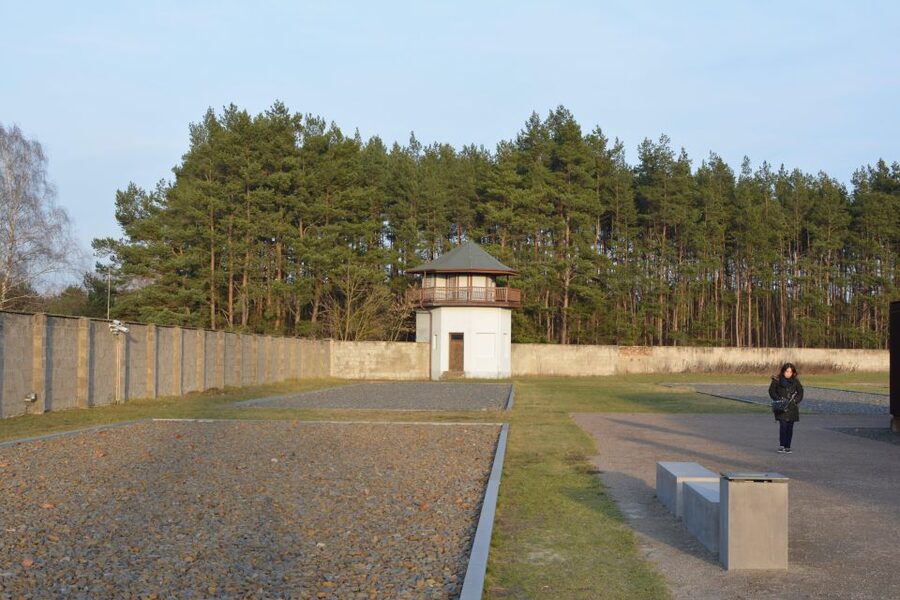
Station Z was the purpose-built execution facility. Its inclusion makes clear that Sachsenhausen was not only a prison camp or forced-labor site. It was also a place where systematic killing took place.
The name itself is tied to the camp’s layout, beginning at Tower A and ending at Station Z. Your guide explains the significance of the facility and the events connected with it. This is likely to be one of the hardest parts of the tour, and you should approach it with the same quiet respect expected at any memorial to mass suffering.
The camp kitchen and cellar offer a different view of daily camp organization. They show how food, storage, and routine were managed within the camp. These details may sound ordinary, but ordinary systems helped sustain extraordinary cruelty. Seeing those supporting spaces can make the camp feel less like an abstract symbol and more like an organized institution.
The guide’s role in a difficult visit
The guide makes a major difference on this tour. Paul is praised for being prompt, approachable, clear, and careful with the subject. He explains the history during the train ride and continues the story inside the memorial, answering questions as the group moves through the site.
One particularly useful quality is his willingness to give tailored Berlin suggestions after the camp visit. If you want advice on other sites and activities, Paul has been singled out for offering recommendations matched to individual interests rather than a standard list.
Julian is also specifically praised for the quality of his information. You cannot assume which guide you will receive, so book this tour for the structure and subject matter rather than a guaranteed individual guide. Still, Paul and Julian are names worth noting if the operator allows guide requests.
The best guide for Sachsenhausen needs more than facts. You want someone who can explain the camp’s place in Nazi policy, answer difficult questions, and keep the tone respectful. The strongest feedback points to those qualities, along with good pacing and care.
Is $40 good value for six hours?
At $40 per person, the tour is fairly priced for a six-hour guided outing that includes memorial admission and a full camp tour. You are paying for the guide’s historical structure as much as for transportation to the site, and the train journey would take time even if you went independently.
The main extra is the ABC public-transport ticket. Food and drinks are also on you, so the final cost will be higher than the advertised tour price. Still, the included three-and-a-half-hour guided visit covers far more than a basic entrance ticket.
I would choose this tour if you want historical context and help with the logistics. You may save some money by visiting independently, but you would need to plan the route, arrange the correct transport ticket, and build your own explanation of the camp’s buildings and place in the Nazi system.
The skip-the-ticket-line feature can also save time at the memorial. The exact benefit may depend on conditions that day, but it is a useful part of a guided visit to a major memorial site.
Who should book this Sachsenhausen experience?
This tour suits adults and older teenagers who want a serious lesson in World War II history. It is especially useful if your Berlin schedule includes several memorials and you want one outing that explains how the capital connected to the camp system beyond the city center.
You should book it if you prefer learning through a guide rather than reading signs on your own. The train commentary, full camp route, and access to key buildings give the day a clear shape.
It may not suit families with young children, since children under 12 are not considered suitable. It is also not a good choice if you want a relaxed sightseeing day, a short excursion, or an activity with plenty of free time for lunch and wandering.
Bring sturdy, comfortable shoes and clothing for the forecast. Leave large bags behind. Since the tour is in English, you should also be comfortable following a detailed historical explanation in English.
Final verdict: a serious and worthwhile Berlin excursion
I recommend this Sachsenhausen tour if you want a guided, carefully explained visit to one of the most important Nazi camp memorials near Berlin. Its strongest features are the full three-and-a-half-hour camp route, the range of buildings included, and the historical explanation that begins before you even reach Oranienburg.
The drawbacks are real: the subject is painful, the day is long, and you must pay separately for ABC transport. But those costs are modest compared with the time and effort saved by having a guide organize the visit.
Choose it for clarity, structure, and respectful interpretation. Skip it only if you are not ready for a heavy memorial visit or cannot spare six hours of your Berlin schedule.
FAQ
How long does the Sachsenhausen tour last?
The full activity lasts six hours. The listed schedule includes about 75 minutes by train to Oranienburg, a 3.5-hour guided visit, and about one hour by train back to Berlin.
Where does the tour start?
It starts outside Hopfingerbräu at Ebertstrasse 24, 10117 Berlin, right next to the Brandenburg Gate.
Where does the tour finish?
The tour returns to Ebertstrasse 24 in central Berlin.
Is transportation to Sachsenhausen included?
Train travel is part of the itinerary, but you must buy your own public-transport ticket covering the ABC zones.
Is entrance to Sachsenhausen Memorial included?
Yes. The price includes entrance to Sachsenhausen Concentration Camp Memorial and a full camp tour with a licensed guide.
What language is the tour offered in?
The live tour guide speaks English, and the listed tour language is English.
Which areas of the memorial are included?
The tour includes Tower A, the SS and Gestapo Prison Block, infirmary building, Station Z, camp kitchen, pathology building and mortuary, cellar, and barrack buildings.
Is the tour wheelchair accessible?
Yes, the activity is listed as wheelchair accessible.
Can I bring luggage or a large bag?
No. Luggage and large bags are not allowed. Assistance dogs are allowed.
Can children join the tour?
The activity is not suitable for children under 12.
What should I bring?
Bring comfortable shoes and clothing suitable for the weather. You should also arrange the required ABC-zone public-transport ticket before the trip.
Are food and drinks included?
No. Food and drinks are not included, so plan accordingly during this six-hour outing.
Just added around Berlin
- eSIM for Germany and 34 European Countries★ 4.5 · 16 reviews
- Your ticket to The Wall Museum Berlin★ 3.0 · 60 reviews
- Walking on the Wall: 3-Hour Tour in Berlin★ 4.5 · 34 reviews
- Rickshaw Tours Berlin – Groups of up to 16 people with several rickshaws★ 4.0 · 97 reviews
- Warnemuende Shore Excursion: Private Berlin Tour★ 4.5 · 27 reviews
- Love and War in Berlin: Self-Guided Story Puzzle Walk★ 5.0 · 7 reviews
- Warnemuende Shore Excursion: Berlin Private Sightseeing Tour from Rostock★ 5.0 · 4 reviews
- Cold War Berlin – Private Live Virtual Experience★ 5.0 · 4 reviews
Berlin Tours, compared.

Reichstag, Dome and Government District Guided Tour
Read our review →
1-Hour City Tour by Boat with Guaranteed Seating
Read our review →




Reichstag, Plenary Chamber, Cupola & Government Tour
Read our review →
Browse the lists this tour appears in