
Review · BERLIN TOURS
Berlin: Bus excursion to Sachsenhausen concentration camp
Sachsenhausen is not a casual sightseeing stop. It is a place of forced labor, imprisonment, and mass murder, and this tour gives you a direct look at one of Nazi Germany’s major concentration camps. I like the private bus from central Berlin, which removes the trouble of arranging regional transport, and I value the guide’s historical talk during the ride. Guides such as Richard, Jonas, Lucia, and Peter have been praised for making difficult material clear and human.
The main drawback is time. You get about two hours with the guide and only 15 minutes to look around afterward, while Sachsenhausen is a large memorial site. The meeting point at Alexanderplatz can also be vague, so arrive early and look for the Buendía Tours accreditation.
Key points to know before booking
- The tour begins at Alexanderplatz: Meet between the Brunnen der Völkerfreundschaft fountain and the subway exit at Alexanderplatz 8.
- The bus ride adds useful context: Your guide explains Berlin and the camp’s background on the way to Sachsenhausen.
- The guided visit lasts two hours: You visit Tower A, the central courtyard, barracks 38 and 39, the kitchen, Tower E, the prison, and the gas chamber area.
- The price includes transport and admission: The $56 cost covers round-trip coach travel, a local guide, and the €3 entrance fee.
- English and Spanish are offered: Check the booking calendar for the available language and starting time.
- Expect a serious, demanding visit: This is best for people who want historical understanding, not a light half-day outing.
Why Sachsenhausen matters outside Berlin
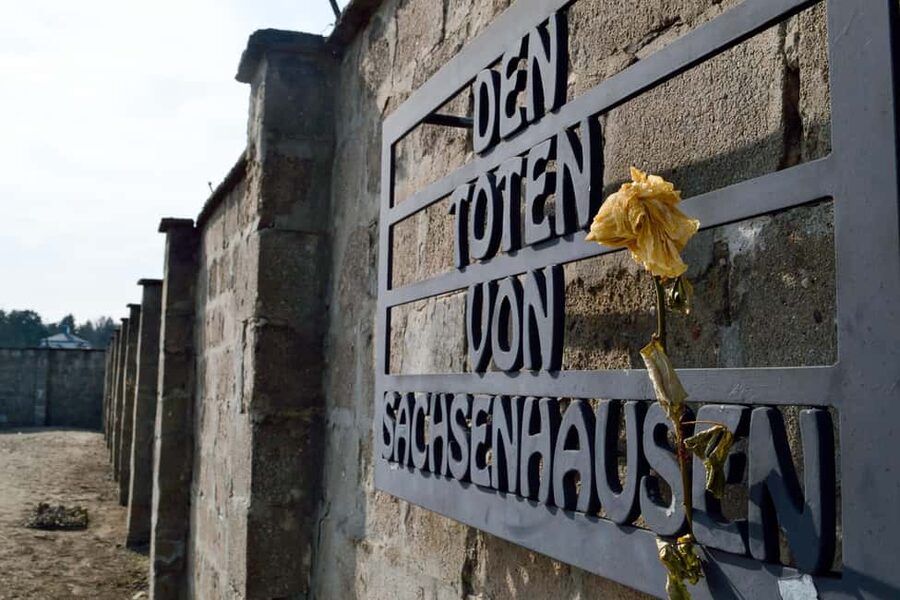
Sachsenhausen lies in Brandenburg, on the outskirts of Berlin. The camp opened in 1936 and operated until 1945, making it an important site for understanding how the Nazi camp system developed and functioned.
The SS presented Sachsenhausen as a model camp. That label was part of its intended role. Its layout, buildings, and procedures were designed to represent Nazi control, discipline, forced labor, and imprisonment. The memorial now asks you to look past that official image and confront what happened there.
More than 300,000 people passed through Sachsenhausen during its years of operation. The site is now presented as a memorial to the Nazi dictatorship, with preserved structures, reconstructed areas, exhibitions, and open ground marking the former camp.
I find the setting especially sobering because the site is not reduced to a single building or exhibit. You move through a broad area and see how the camp was organized. The empty spaces are part of the experience. They make you think about scale, routine, and the many people who were held there.
More WWII History Tours in Berlin
- Berlin: Third Reich and Cold War 2 Hour Walking Tour
★ 4.9 · 6,830 reviews - Berlin: Sachsenhausen Concentration Camp Tour in English
★ 5.0 · 5,711 reviews - Berlin’s Best: 2 Hour Walking Tour Third Reich and the Cold War
★ 5.0 · 5,486 reviews
Meeting at Alexanderplatz
The tour begins at Alexanderplatz, one of Berlin’s easiest central points to reach. The exact meeting location is at Alexanderplatz 8, between the Brunnen der Völkerfreundschaft fountain and the subway exit.
This is also the part of the tour that requires the most care. The meeting point has been described as confusing, so do not arrive at the last minute. Give yourself time to find the fountain and identify the guide by the Buendía Tours accreditation.
The provider does not specify a colored umbrella, flag, or fixed vehicle description. That means the accreditation matters. If you are unfamiliar with Alexanderplatz, use the subway exit and fountain as your main reference points rather than simply searching for a bus.
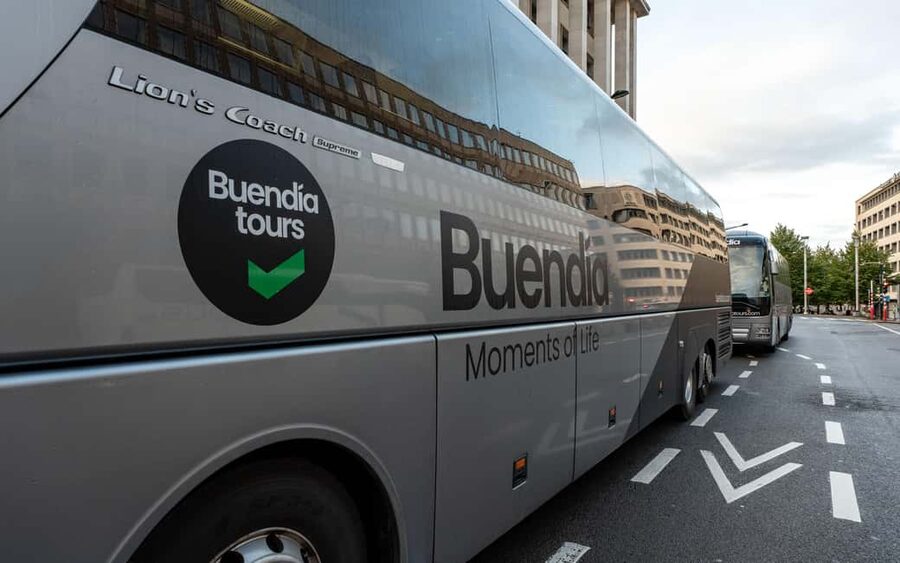
Once the group is together, the private coach takes you toward Sachsenhausen. The ride is more than a transfer. Guides have used the journey to explain the historical setting and prepare people for what they will see.
That is one of the strongest reasons to choose this excursion over arranging the visit yourself. The bus gives you a useful introduction before you enter the memorial, and you do not have to work out the regional train connection or local route on your own.
The bus ride sets the historical scene
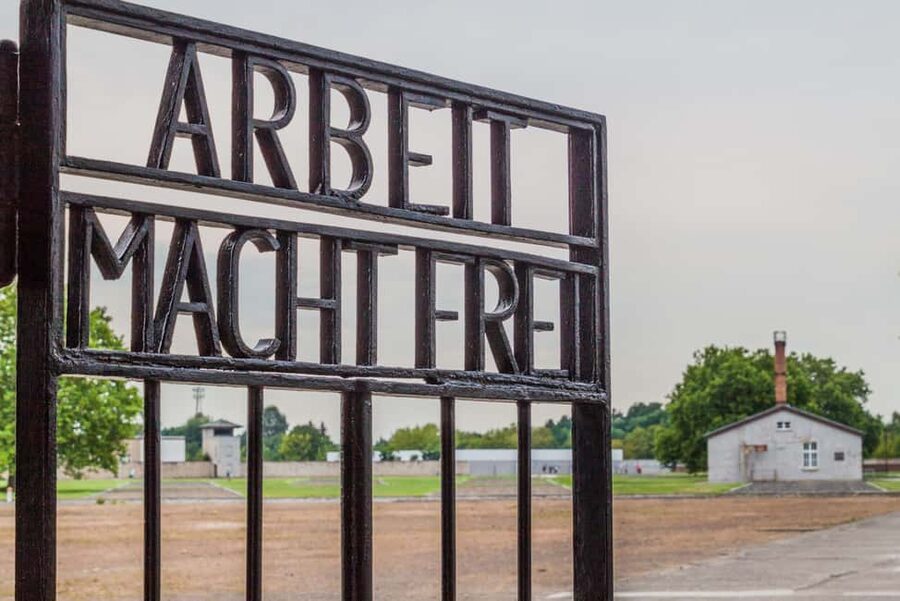
The journey from Berlin gives your guide time to explain the camp’s place in Nazi Germany. This early context matters because Sachsenhausen is easier to understand when you know why it was built, how it was used, and how its role changed through the years.
The guides praised most warmly by name include Richard, Jonas, Lucia, and Peter. Richard has been noted for his broad language skills and historical insight. Jonas has been praised for continuing the explanation during the bus ride and for handling the difficult subject with care. Lucia’s presentation and stories were singled out as especially effective, while Peter was remembered for clear information and relevant personal details.
You should not expect a cheerful sightseeing commentary. The subject is painful, and the strongest guides appear to keep the tone serious without turning the visit into a string of cold dates. That balance matters. You need facts, but you also need help understanding what those facts meant for people who lived through the system.
The tour is offered in English and Spanish. Check the selected departure before booking, since the available language may vary by time.
Inside the memorial: a two-hour guided route
At Sachsenhausen, the guided visit lasts around two hours. The route covers several central parts of the former camp, giving you a structured introduction rather than leaving you to work out the site alone.
More wartime history tours in Berlin:
- Berlin: Sachsenhausen Concentration Camp Memorial Tour
★ 4.7 · 3,716 reviews - Third Reich Berlin: Hitler and WWII Walking Tour
★ 5.0 · 3,301 reviews - Sachsenhausen Concentration Camp Bus Tour in English from Berlin
★ 5.0 · 1,962 reviews - Berlin: Sachsenhausen Concentration Camp Tour in English
★ 4.8 · 1,889 reviews
Tower A and the central courtyard
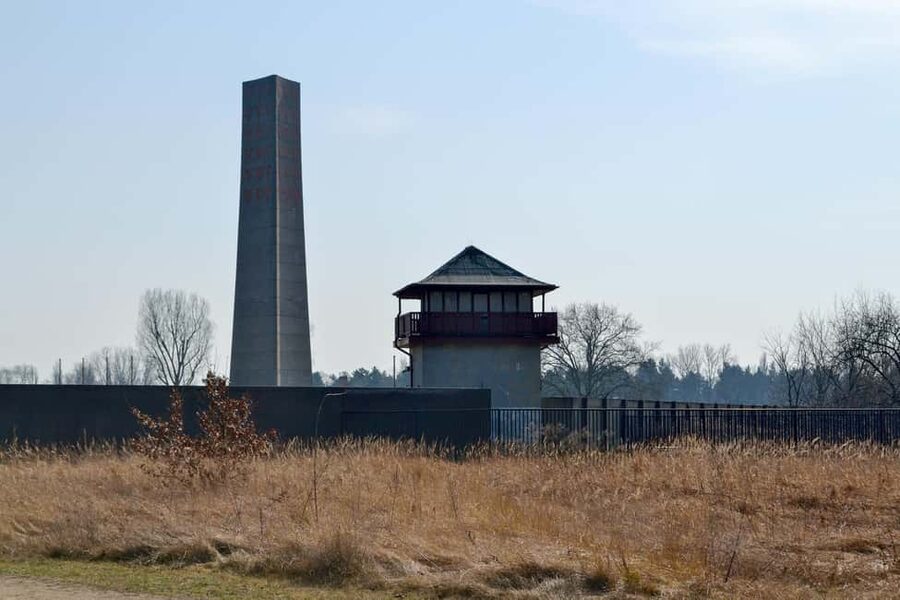
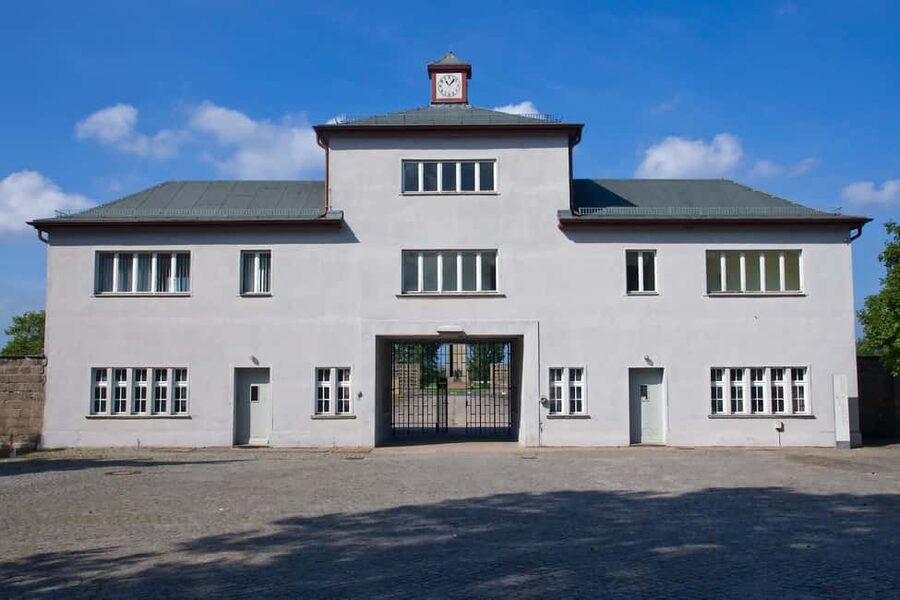
Tower A is one of the key entry points and a powerful place to begin. From here, the guide can explain the camp’s controlled layout and the role of surveillance in daily life.
The central courtyard helps you understand how the camp functioned as a place of authority and punishment. Your guide connects the buildings and open areas to the routines imposed on prisoners, including forced labor and discipline.
This is not a site where every detail can be taken in at once. The guide’s explanation helps you focus on the parts that carry the most historical meaning.
Barracks 38 and 39
The visit includes barracks 38 and 39, which help show the living conditions and organization imposed on prisoners. You see the physical spaces where people were confined rather than learning only through photographs or dates.
Because the camp is large, a guided route is useful. It keeps the visit moving and ensures that you see major areas within the limited time. The trade-off is that you may not be able to pause as long as you would on a self-guided visit.
The kitchen and Tower E
The kitchen and Tower E add more detail to the camp’s daily operation. These places help shift your attention from the broad political story to the systems that controlled food, movement, labor, and punishment.
I appreciate this part of the route because it shows that a concentration camp was not only a collection of barracks. It was an organized institution with staff, procedures, surveillance points, and spaces built around control.
The prison and gas chamber area
The prison is among the most difficult parts of the visit. It shows how confinement and punishment worked within the wider camp system.
The route also includes the gas chamber area. This is a place where the guide’s handling of the subject matters greatly. The visit is emotionally heavy, and the purpose is remembrance and understanding, not shock for its own sake.
You should allow yourself some quiet time during the tour. The schedule is fairly tight, but you do not need to treat the memorial like a checklist. Listen carefully, take in the explanations, and be prepared for the subject matter to affect you.
Fifteen minutes of free time
After the guided portion, you have about 15 minutes to explore independently. This is a useful pause, but it is brief.
You might use it to revisit a building, read a display, take a quiet moment, or look across the memorial grounds. You will not have time to inspect every section of Sachsenhausen, and even two hours cannot cover the full site in detail.
Several people have wished for more time, while others felt that two hours was enough for the most important parts. Both views make sense. For a first visit from Berlin, the schedule gives you a strong introduction without taking the entire day. For anyone with a particular research interest or a desire to examine every exhibition, the short independent period may feel limiting.
The site is extensive, so wear comfortable shoes and expect to walk between different parts of the memorial. The provided information does not give a detailed surface description or walking distance, but the number of included areas makes it clear that this is not a stationary museum visit.
What the $56 price really covers
At $56 per person, this is not the cheapest possible way to reach Sachsenhausen, but the price includes several practical elements:
- Round-trip coach transport from central Berlin
- A local guide
- A two-hour guided visit
- The €3 entrance fee to the camp and memorial
The value comes mainly from combining transport and interpretation. You save the work of planning the train journey and the uncertainty of navigating to the memorial on your own. You also get historical explanation during the bus ride and at the site.
If you already understand Berlin’s public transport system and prefer to spend a full day at Sachsenhausen, an independent visit could give you greater freedom. You would also control your own pace. This tour is better suited to you if you want a clear route, a fixed schedule, and an informed introduction.
The included admission fee is small, so it does not drive the value. The important parts are the coach and the guide. Food and drinks are not included, so plan accordingly. The experience lasts about 4.5 hours from departure to return, making it manageable alongside other Berlin plans.
The return to Alexanderplatz
After the free time, the coach returns to the original meeting point at Alexanderplatz. The activity ends there, rather than at another central Berlin stop.
That makes the tour easy to combine with plans near Alexanderplatz, but you should leave some flexibility around the stated duration. The advertised time is 4.5 hours, and traffic or group movement can affect the exact return.
Because the tour begins and ends in the same place, you do not need to arrange a separate pickup or figure out a new route back into the city. This is a small detail, but it makes the outing easier on a busy Berlin day.
Who will get the most from this tour
I would choose this excursion if you are visiting Berlin for the first time and want to understand the Nazi period through a major memorial site. The guided structure is helpful if you prefer historical explanation over reading every display alone.
It also suits you if:
- You want round-trip transport from central Berlin
- You prefer a guide to explain the site in English or Spanish
- You have about half a day available
- You want to see the main areas without planning the route yourself
- You are comfortable with emotionally difficult historical material
I would think twice if you need a wheelchair-accessible activity, since this tour is not suitable for wheelchair users. I would also consider an independent visit if you want extensive quiet time, detailed photography, or a full day to examine the memorial.
The tour is not designed for a relaxed family excursion or casual sightseeing. Young people may find it meaningful, but adults should decide whether the subject and walking schedule suit them.
Practical advice for a respectful visit
Arrive early at Alexanderplatz. The meeting point has caused some confusion, and being near the fountain and subway exit ahead of time will make the start less stressful.
Wear shoes suited to walking and dress for the weather. Much of the visit takes place across the memorial grounds, and the schedule does not leave much room for delays.
Listen to the guide on the bus. The journey is part of the educational value, not dead time. By the time you reach Sachsenhausen, you should have a clearer sense of what you are seeing.
Give yourself emotional space. The prison and gas chamber area can be hard to process, and the material is intentionally serious. A quiet pause is appropriate.
Finally, do not expect to see every part of the memorial. The site is too large for that in this format. Treat the excursion as a carefully guided first visit, not a complete study of Sachsenhausen.
Should you book the Sachsenhausen bus excursion?
Book it if you want a well-organized half-day visit with transport, a guide, and a clear route through the main memorial areas. The strongest part is the combination of bus commentary and on-site explanation. Guides such as Richard, Jonas, Lucia, and Peter have been praised for making the history understandable while treating the subject with respect.
The main compromises are the limited free time and the slightly unclear meeting point. Arrive early, accept that the visit will be emotionally demanding, and understand that two hours cannot cover all of Sachsenhausen.
For a first introduction to the memorial from Berlin, the $56 price is reasonable because it removes transport planning and includes the guide and entrance fee. If you want maximum independence, more time, or a slower pace, make your own way there instead. For most people seeking a structured and serious first visit, this tour is a practical choice.
FAQ
Where does the tour begin?
The tour begins at Alexanderplatz 8, between the Brunnen der Völkerfreundschaft fountain and the subway exit.
Where does the tour end?
The activity ends back at the Alexanderplatz meeting point.
How long does the experience last?
The full excursion lasts about 4.5 hours. The guided visit at Sachsenhausen lasts two hours, followed by about 15 minutes of free time.
What languages are available?
Live tours are available in English and Spanish. Check availability for the language and starting time you want.
What is included in the price?
The price includes round-trip coach transfers from Berlin, a local tour guide, and the €3 entrance fee to the concentration camp and memorial.
Are food and drinks included?
No. Food and beverages are not included in the activity.
Is the tour suitable for wheelchair users?
No. The activity is listed as not suitable for wheelchair users.
Can I cancel the booking?
Yes. You can cancel up to 24 hours in advance for a full refund. You can also reserve now and pay later, according to the booking conditions.
Just added around Berlin
- From Berlin: Gardens & Palaces of Potsdam Bike Tour★ 5.0 · 61 reviews
- Berlin: Battle for Seelow Heights WW2 tour -Clash of Titans★ 5.0 · 27 reviews
- From Berlin: Historical Gems of Potsdam Private Day Trip★ 4.4 · 4 reviews
- Berlin: Französischer Dom 360° Panorama & Crémant to go★ 3.9 · 5 reviews
- Explore Berlin Tour: History and Highlights★ 4.7 · 5 reviews
- Berlin: Evening Yacht Cruise with Aperitif & Dinner Upgrade★ 4.6 · 178 reviews
- Berlin: Expats in Berlin Comedy Show Ticket★ 4.7 · 182 reviews
- Berlin: The Epic Comedy Club Friday Night Showcase★ 4.8 · 28 reviews
Berlin Tours, compared.
Reichstag, Dome and Government District Guided Tour
Read our review →
1-Hour City Tour by Boat with Guaranteed Seating
Read our review →
Reichstag, Plenary Chamber, Cupola & Government Tour
Read our review →
Browse the lists this tour appears in