
Review · BERLIN TOURS
Third Reich Berlin Walking Tour with a French-Speaking Guide
Berlin’s Nazi past is not tucked away in one museum. It is spread across ordinary streets, ruined buildings, memorials, railway sites, and former Jewish institutions. This three-hour French-language walk connects those places in a way that helps you see how the Third Reich shaped central Berlin.
I like the route for two clear reasons. First, it includes both large political events, such as Operation Valkyrie, and personal stories, such as Otto Weidt’s efforts to protect blind and deaf Jewish workers. Second, the French-speaking guide brings the subject to life in your own language, with a pace that combines outdoor sites and museum visits. The main drawback is that this is a serious history tour, not a light city stroll, and you will also need to pay for public transportation during the route.
Key points to know before you book
- A French-speaking guide leads the entire three-hour walk, making difficult historical subjects easier to follow if French is your strongest language.
- The German Resistance Memorial Center sits at the heart of the first section, at the Bendlerblock, where Operation Valkyrie was directed.
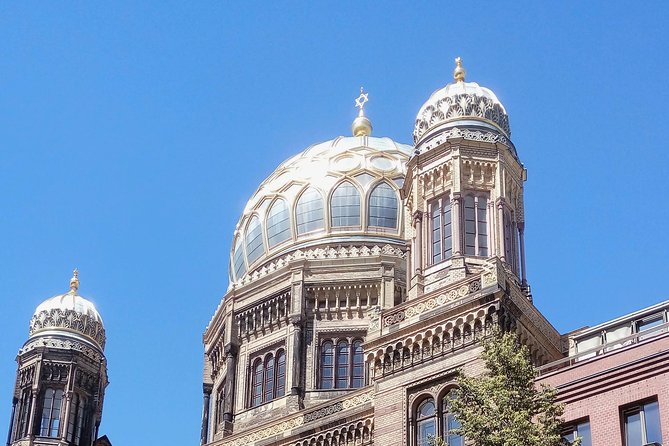
- The route links Nazi persecution to Jewish life before the war, with stops around the New Synagogue, Auguststrasse, and Große Hamburger Strasse.
- The Otto Weidt Museum adds a personal story of courage, focusing on a factory owner who tried to protect blind and deaf Jewish employees.
- Public transportation is part of the practical plan, since the route includes a train ride from Anhalter Bahnhof toward the Jewish Quarter.
- The group can include up to 24 people, and the tour operates in all weather, so good shoes and suitable clothing matter.
Why this route gives you more than a Nazi-era timeline
Many history walks in Berlin focus on government buildings, military leaders, and the final days of the war. This one takes a broader path. You begin with organized resistance, then move toward deportation, Jewish community life, forced detention, and individual help offered under terrible conditions.
That order matters. You first see that opposition to Hitler existed inside Germany, including within the military and civil service. Later, you learn how persecution affected schools, synagogues, cemeteries, workplaces, and railway stations.
I especially like the balance between public memorials and smaller sites. The Bendlerblock gives you the political story. Große Hamburger Strasse and the Otto Weidt Museum bring the human cost closer to street level.
The tour is rated 4.9 out of 5 from 59 ratings, with a 100 percent recommendation figure. A guide named Julie has been singled out for making the subject both clear and engaging, combining major events with individual lives. That is exactly the right approach for a difficult topic.
More WWII History Tours in Berlin
- Berlin: Third Reich and Cold War 2 Hour Walking Tour
★ 4.9 · 6,830 reviews - Berlin: Sachsenhausen Concentration Camp Tour in English
★ 5.0 · 5,711 reviews - Berlin’s Best: 2 Hour Walking Tour Third Reich and the Cold War
★ 5.0 · 5,486 reviews
Starting at Potsdamer Platz and remembering Varian Fry
The meeting point is at Potsdamer Platz 10, with the tour beginning at 10:00 in the morning. Potsdamer Platz is a useful place to start because it is easy to reach by public transportation and gives you a clear sense of modern Berlin before the tour turns to the city’s darker past.
From here, the group sees a memorial to Varian Fry, an American journalist who helped people escape Nazi persecution. This brief stop introduces a theme that returns later: history is shaped not only by governments and armies, but also by people who decide to help when helping is dangerous.
You then continue toward the Bendlerblock and the German Resistance Memorial Center. Allow roughly 50 minutes for this part of the tour. Admission to the listed stops is free, which helps keep the $31.99 price focused on the guide rather than entrance fees.
The Bendlerblock and Operation Valkyrie
The German Resistance Memorial Center is one of the strongest stops on the route. It occupies the Bendlerblock, the site from which Operation Valkyrie was directed. The operation was an attempt by German conspirators to remove Hitler and take control of the government in 1944.
The memorial does not limit itself to the famous military figures involved in that plot. It honors Germans from many backgrounds who opposed or fought against Nazism. That wider focus is valuable because it prevents the story from becoming only a tale of one failed coup.
You will spend close to an hour here, including the surrounding memorial spaces and the guide’s explanation. The subject can be hard to absorb, especially early in the morning, but the stop gives the rest of the walk a useful frame. You begin by asking how resistance was possible, what risks it involved, and why so many people remained silent.
Anhalter Bahnhof and the journey toward deportation
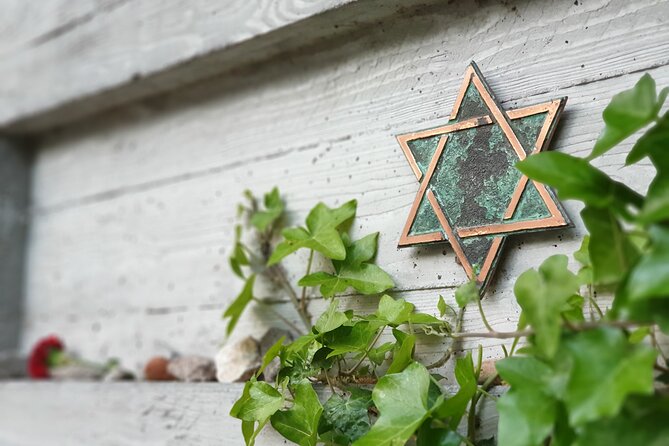
The walk continues to Anhalter Bahnhof, where part of the original station survives in ruin. You spend about 10 minutes here before taking a train toward Berlin’s Jewish Quarter.
This is one of the route’s most important practical details. Your transportation is not included, so you should buy a Berlin public transportation day card for zones AB. The tour price covers the local and professional guide, as well as taxes, but not the train ride or other transportation.
The station’s role makes the stop especially sobering. Anhalter Bahnhof was one of the places from which Berlin’s Jews were deported. Seeing the remaining structure, then using public transportation to continue the tour, creates a direct connection between the city as it functions today and the system of persecution that once operated through its stations.
The train ride also breaks up the walking. That is helpful, since the route covers several central districts and lasts around three hours. Still, remember that you need to manage your own ticket before or during the tour.
More wartime history tours in Berlin:
- Berlin: Sachsenhausen Concentration Camp Memorial Tour
★ 4.7 · 3,716 reviews - Third Reich Berlin: Hitler and WWII Walking Tour
★ 5.0 · 3,301 reviews - Sachsenhausen Concentration Camp Bus Tour in English from Berlin
★ 5.0 · 1,962 reviews - Berlin: Sachsenhausen Concentration Camp Tour in English
★ 4.8 · 1,889 reviews
The New Synagogue and Jewish life before the Nazi period
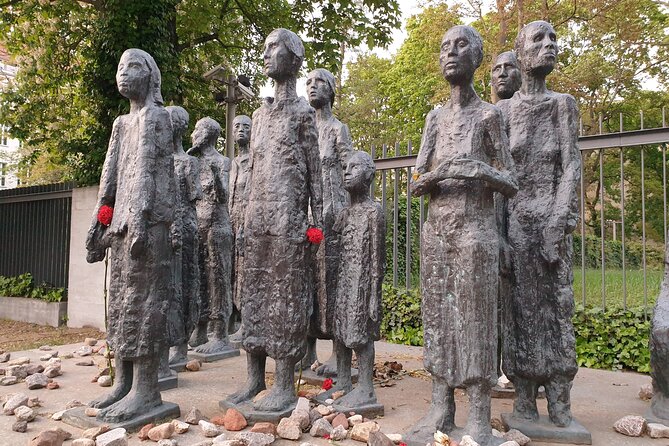
At the Stiftung Neue Synagoge Berlin, also called the Centrum Judaicum, the guide discusses the Jewish community in the 19th and 20th centuries and explains the synagogue’s history. The stop lasts about 15 minutes.
This section is important because it places Jewish Berlin before the Nazi era. A tour about persecution can easily make Jewish life seem like it began and ended with the Holocaust. Here, you get a reminder that Berlin had an established Jewish community with religious, cultural, educational, and social institutions.
The stop is short, so expect an outdoor explanation rather than a long museum visit. If you want an extensive look inside the synagogue or the Centrum Judaicum, you would need to set aside separate time. As part of the walking tour, though, it gives needed context before the route moves to specific schools, orphanages, and detention sites.
Auguststrasse and the institutions that persecution destroyed
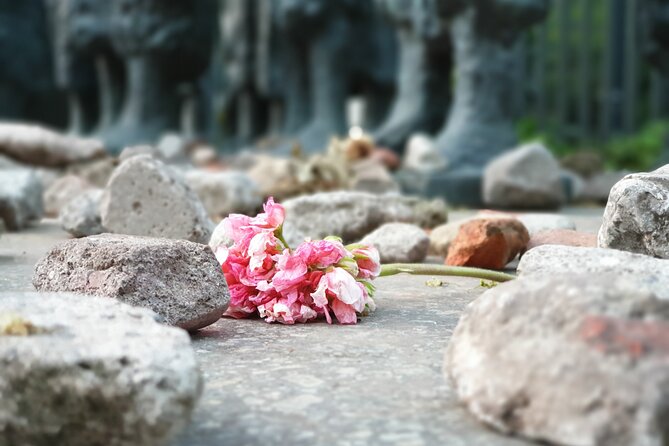
The group then reaches Auguststrasse for about 20 minutes. The guide explains the institutions that once operated along this street, including a school for Jewish girls and an orphanage during the Nazi period.
This is where the story becomes more personal for families and children. Schools and orphanages are ordinary places in any city, which makes their connection to Nazi persecution particularly disturbing. You are not looking at a battlefield or a government headquarters. You are looking at the kind of places where children should have been educated and cared for.
Auguststrasse also shows why a walking tour works well for this subject. You can connect several institutions within a small area and see how Jewish life was rooted in the city. The route does not treat the Jewish Quarter as a single memorial zone. It points to specific uses of individual streets and buildings.
Große Hamburger Strasse and the reality of deportation
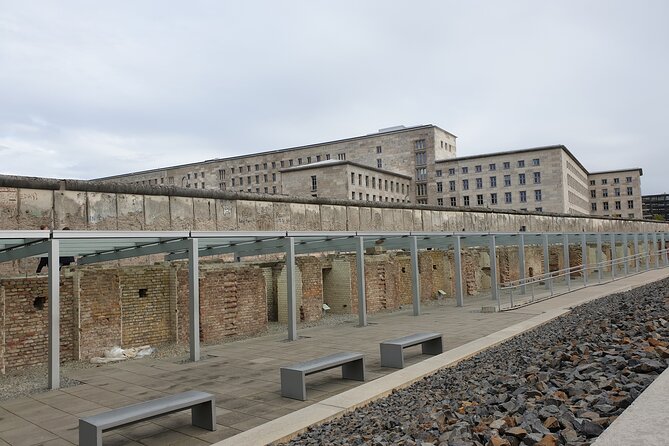
Große Hamburger Strasse receives about 30 minutes. Here, you see the old Jewish cemetery and learn about a Sammellager, a collection site where Jews were detained before deportation.
This is one of the most difficult portions of the walk. The cemetery connects the area to Jewish life across generations, while the former detention site shows how that community was stripped of rights and then physically gathered for removal. The contrast is painful, but it is historically useful.
The guide’s role matters here. You need clear explanations to understand how a familiar neighborhood became part of a system of forced detention and deportation. The route asks you to pay attention to place, not only dates and names.
Because the tour moves through public streets, the experience is not presented as a sealed-off museum exhibit. You may find the setting more affecting for that reason, but it also means the atmosphere can vary with weather, traffic, and the normal activity of central Berlin.
The Otto Weidt Museum and a story of personal courage
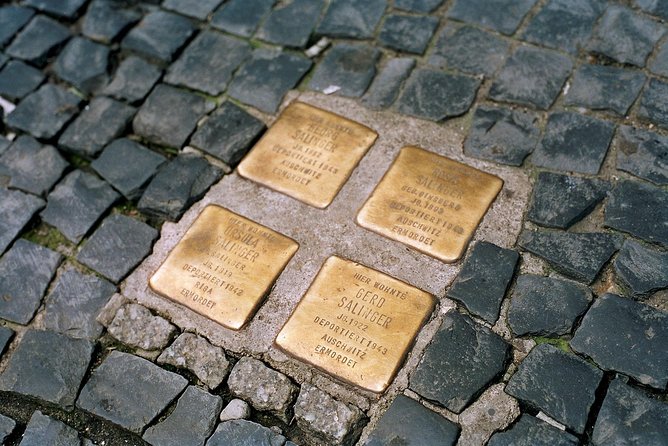
The Museum Blindenwerkstatt Otto Weidt is the emotional center of the tour for many people. The visit lasts about 20 minutes and tells the story of Otto Weidt, who ran a small workshop producing brooms and brushes.
Weidt employed mainly blind and deaf Jewish people during World War II and tried to protect them from persecution. The museum offers a close look at bravery and humanity on a small scale. Instead of focusing only on laws, leaders, and military decisions, it shows how one workshop became a place where vulnerable people received protection.
I like this stop because it avoids a simple hero story. The emphasis is on practical courage under pressure. Weidt was not changing the entire Nazi system, but he was trying to save people within the limited space he controlled.
The stop is fairly brief, so you should not expect a long museum session. Its strength is the guide’s explanation and the way it completes the route. After seeing resistance at the Bendlerblock and persecution in the Jewish Quarter, you end with one concrete example of someone using his position to help others.
Ending near Hackescher Markt
The walk ends at Hackescher Markt, next to the Hackescher Markt S-Bahn station. This is a convenient finish because you can continue through Berlin by train without retracing your steps.
The ending also places you back in a lively part of central Berlin after a demanding morning. You may want time afterward to sit quietly, discuss what you have heard, or continue sightseeing at your own pace. The tour does not include food or drinks, so Hackescher Markt is a practical area to find your next meal, though the experience itself provides no specific restaurant arrangement.
The start and finish are well chosen for a walking tour. Potsdamer Platz is a straightforward meeting point, and Hackescher Markt gives you easy onward transportation. The route is not a loop, so plan your day around ending on the eastern side of central Berlin.
What the $31.99 price really covers
At $31.99 per person, the tour is reasonably priced for a three-hour guided walk in central Berlin. You are paying mainly for the French-speaking professional guide and the structure of the route. The historical sites listed along the way do not carry an admission charge.
You should add the cost of a Berlin AB day card to your budget. The itinerary includes a train ride, and the price does not cover transportation to or from the attractions. Food and drinks are also separate.
The value is strongest if you want a clear French explanation of a difficult subject and prefer a planned route over finding each site on your own. It is less attractive if you already know the history well, speak another language comfortably, or prefer to spend a long time inside museums. The stops are purposeful but often short, with the guide’s commentary doing much of the work.
The group size can reach 24 people. That is not a private tour, and you should expect a group setting rather than a personal lecture. Still, it is small enough to move through central streets without the scale of a large sightseeing crowd.
Walking conditions, weather, and who should book
The tour runs in all weather. Wear comfortable walking shoes and dress for rain, wind, or sun. You will be outside for much of the experience, and even the museum visits are relatively short.
A moderate level of physical fitness is recommended. The tour lasts about three hours, includes city walking, and requires a train transfer. The route may suit you if you are comfortable walking through central Berlin at a steady pace, but it is not the right pick if you need frequent seated breaks or a fully indoor activity.
The subject also calls for the right frame of mind. This is a good choice for you if you want to understand how Nazi rule affected resistance movements, Jewish institutions, deportation systems, and individual lives. It may not suit you if you want a general introduction to Berlin with only a brief mention of World War II.
The tour is available in French, which is its main advantage over many English-language history walks. If you understand French well, you can follow the guide’s explanations without the extra effort of translating complex names, events, and ideas in your head.
Should you book this French-language Berlin walk?
Book it if you want a focused, serious look at Nazi Berlin, especially in French. The route is well planned, the price is fair, the sites are free to enter, and the combination of resistance history with Jewish community life gives you more than a military overview.
I would especially recommend it to first-time visitors who want a historical framework for central Berlin, French-speaking families with older children, and anyone who values personal stories alongside major events. The specific mention of Julie suggests that guide quality can add a great deal to the experience, though guide assignments can vary.
Skip it if you want a relaxed walk, a small private group, or long museum visits. Also think twice if you do not want to use public transportation or walk in poor weather. For the right reader, though, this is a thoughtful and well-priced way to understand how Berlin’s streets, institutions, and people were changed by the Third Reich.
FAQ
How long does the Third Reich Berlin Walking Tour last?
The tour lasts approximately three hours.
What language is the tour conducted in?
The tour is conducted in French with a French-speaking guide.
Where does the tour begin?
It begins at Potsdamer Platz 10, 10785 Berlin, Germany, at 10:00 am.
Where does the tour end?
It ends at Hackescher Markt, 10178 Berlin, next to the Hackescher Markt S-Bahn station.
Is public transportation included?
No. You should buy a Berlin public transportation day card for zones AB. Transportation to and from the attractions is not included.
Are admission fees included?
The listed itinerary stops have free admission. Local taxes, a local guide, and a professional guide are included.
What happens if it rains?
The tour operates in all weather conditions, so you should dress appropriately.
Can I cancel for a full refund?
Yes. You can cancel at least 24 hours before the experience start time for a full refund. Cancellations or changes made less than 24 hours before the start time are not accepted for a refund.
More Walking Tours in Berlin
- Discover Berlin Half-Day Walking Tour
★ 5.0 · 9,624 reviews - Berlin: Discover Berlin Walking Tour
★ 4.9 · 5,998 reviews - Berlin: Hidden Backyards Guided Walking Tour
★ 4.8 · 5,360 reviews - Berlin: Alternative Berlin Walking Tour
★ 4.6 · 1,204 reviews
Just added around Berlin
- eSIM for Germany and 34 European Countries★ 4.5 · 16 reviews
- Your ticket to The Wall Museum Berlin★ 3.0 · 60 reviews
- Walking on the Wall: 3-Hour Tour in Berlin★ 4.5 · 34 reviews
- Rickshaw Tours Berlin – Groups of up to 16 people with several rickshaws★ 4.0 · 97 reviews
- Warnemuende Shore Excursion: Private Berlin Tour★ 4.5 · 27 reviews
- Love and War in Berlin: Self-Guided Story Puzzle Walk★ 5.0 · 7 reviews
- Warnemuende Shore Excursion: Berlin Private Sightseeing Tour from Rostock★ 5.0 · 4 reviews
- Karl-Marx-Allee Tour: Life and Architecture in East Berlin★ 5.0 · 19 reviews
Berlin Tours, compared.

Reichstag, Dome and Government District Guided Tour
Read our review →
1-Hour City Tour by Boat with Guaranteed Seating
Read our review →




Reichstag, Plenary Chamber, Cupola & Government Tour
Read our review →
Browse the lists this tour appears in