
Review · BERLIN TOURS
Berlin: Stasi Museum Private Guided Tour with Entry Ticket
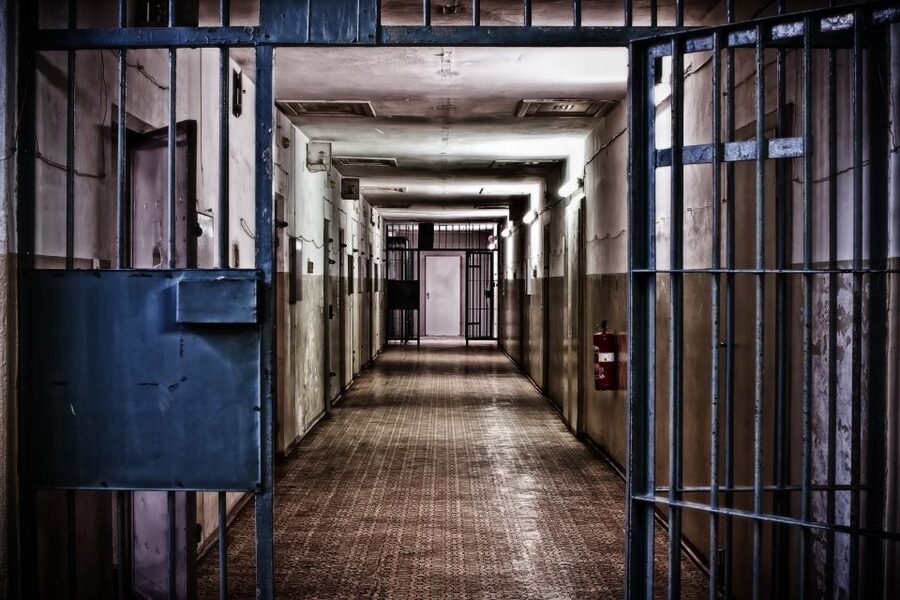
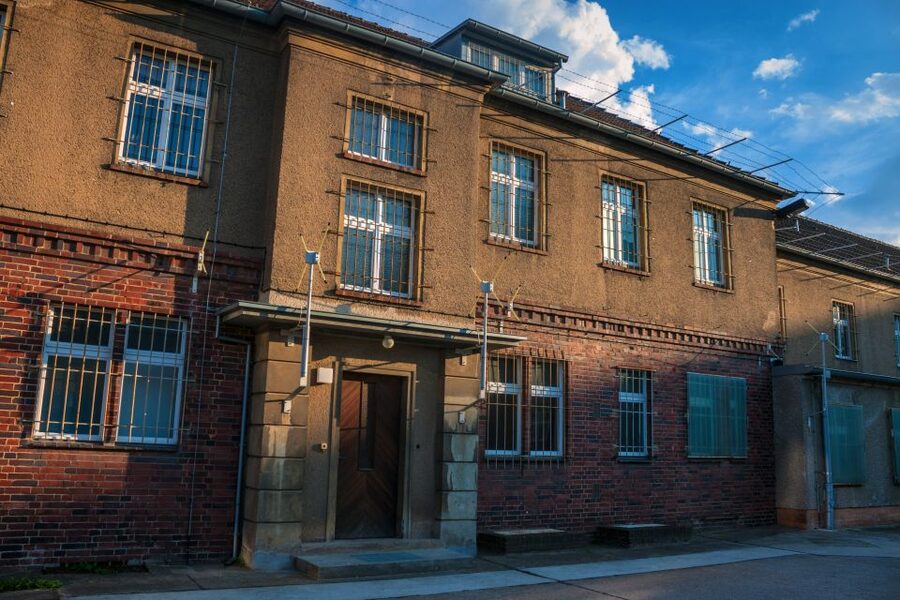
The Stasi Museum occupies the former headquarters of East Germany’s secret police, so you are not just looking at displays about surveillance. You are walking through the offices where that system was planned and managed. The red briefcase in Erich Mielke’s office is a small but memorable detail in a place built around big political fears.
I like the private format, which gives you room to ask about propaganda, informants, and ordinary life behind the Wall. I also like that the tour begins at Alexanderplatz, linking the museum to the 1989 demonstrations before you ride out to the former headquarters. The main consideration is price: at $257 per person, this is a serious spend for a three-hour museum visit, even with transport and a private guide included.
Key points to know before you book

- Original Stasi headquarters: Visit the Ministry of State Security building, not a reconstructed exhibit.
- Alexanderplatz opening: Begin where the largest demonstration in GDR history took place in 1989.
- Actual surveillance equipment: See bugs, hidden cameras, and other tools used by the Stasi.
- Mielke’s office: View the office of Erich Mielke, including his famous red briefcase.
- Private English or German guide: Ask questions freely and set the pace within the three-hour schedule.
- Pre-booked museum entry: Your timed ticket saves waiting, but arriving late can disrupt the visit.
Why the former headquarters matters
Berlin offers several Cold War sites, but the Stasi Museum gives you a close look at the machinery of East Germany’s internal control. The museum, officially the Forschungs- und Gedenkstätte Normannenstraße, is in the original building used by the Ministry of State Security.
That setting changes the mood. You are not only learning that the Stasi watched people. You are seeing the offices from which officials organized that watching. The plain administrative surroundings help explain how repression could become part of daily government work.
The Stasi was East Germany’s secret police and intelligence service. Its job reached well beyond catching spies. It monitored citizens, gathered reports, recruited informants, and helped protect the communist state from dissent.
Your guide’s job is important here because the exhibits can otherwise feel technical or scattered. The tour connects objects to the larger system of political control, propaganda, and fear. You can ask how surveillance affected families, workplaces, churches, and friendships, though the exact conversation will depend on your guide and your questions.
This is especially useful if you know the broad outline of the Cold War but want to understand how dictatorship worked at street level. You will hear about the division of Germany, life in the GDR, and the way citizens were controlled without every person being arrested or openly threatened.
More Wall and Cold War walks:
- Berlin: Third Reich and Cold War 2 Hour Walking Tour
★ 4.9 · 6,830 reviews - Berlin’s Best: 2 Hour Walking Tour Third Reich and the Cold War
★ 5.0 · 5,486 reviews - Berlin: DDR Museum Tickets
★ 4.3 · 3,443 reviews
Starting at Alexanderplatz in 1989
The meeting point is in front of the DM drugstore at Alexanderplatz, 1, 10178 Berlin. Alexanderplatz is a practical place to meet, with a large public square and central transport links, but the tour uses it for more than convenience.
In the GDR, Alexanderplatz was a major public space in East Berlin. In 1989, it became the site of the largest demonstration in the history of East Germany. That protest helped show that public opposition to the government was no longer confined to private conversations.
Starting here gives you a useful before-and-after frame. First, you stand in a place associated with public protest. Then you travel to the office complex associated with the state system that tried to prevent such protest from spreading.
Your guide will take you to the museum using public transport. Two-way transport tickets are included, which removes one small but annoying Berlin task from the day. Since the museum sits outside the central sightseeing area, this transfer matters more than it might seem.
Allow enough time to find the exact meeting point. The ticket is tied to a pre-booked entry slot, so this is not a tour where you can casually wander up twenty minutes late and expect everything to work out.
Riding from central Berlin to Normannenstraße

The journey from Alexanderplatz to the Stasi Museum is part of the tour, not dead time. It gives your guide a chance to explain the physical division between central East Berlin and the former government and security districts.
The transport ride is included in both directions. You do not need to arrange a separate ticket, though you should still check the meeting instructions sent before the tour. The exact route and timing can depend on the starting time and Berlin’s transport schedule.
I like this arrangement because it keeps the experience together. You begin with the public face of East Berlin and then move toward the behind-the-scenes offices of state surveillance. It also saves you from navigating to Normannenstraße alone.
The tradeoff is that part of the three-hour duration includes transfers. You are not spending all three hours inside the museum. That is not a flaw, but it is worth knowing when comparing this private tour with a self-guided museum visit.
Inside the Stasi Museum

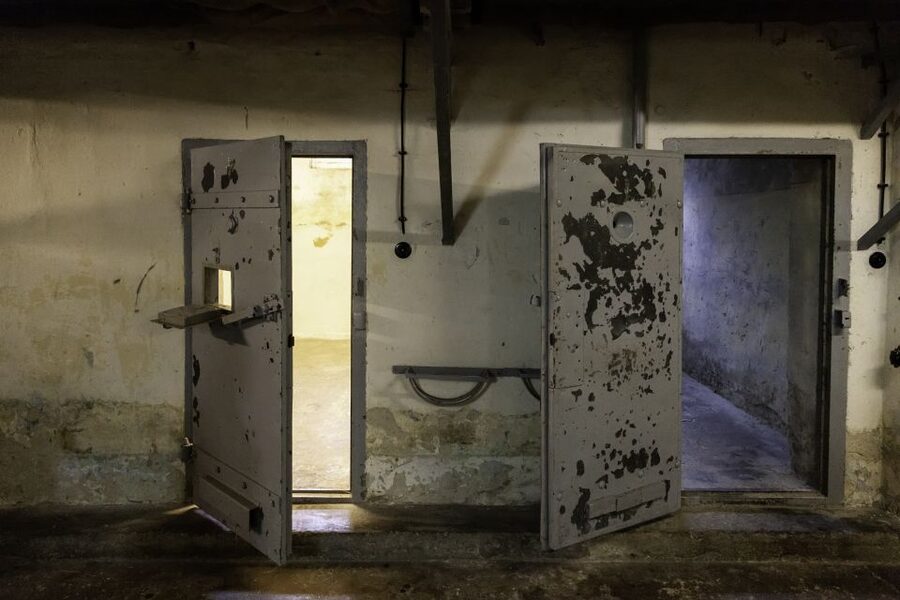
The first major part of the visit is the museum itself. Because the building was the former headquarters of the Ministry of State Security, the rooms carry a practical, institutional feel. This is where the tour is strongest for visitors who want more than a general Cold War introduction.
You will see original spy technology, including bugs and hidden cameras. These objects make the Stasi’s methods easier to grasp. A short explanation of surveillance can remain abstract, while a concealed camera or listening device shows how privacy was invaded in ordinary spaces.
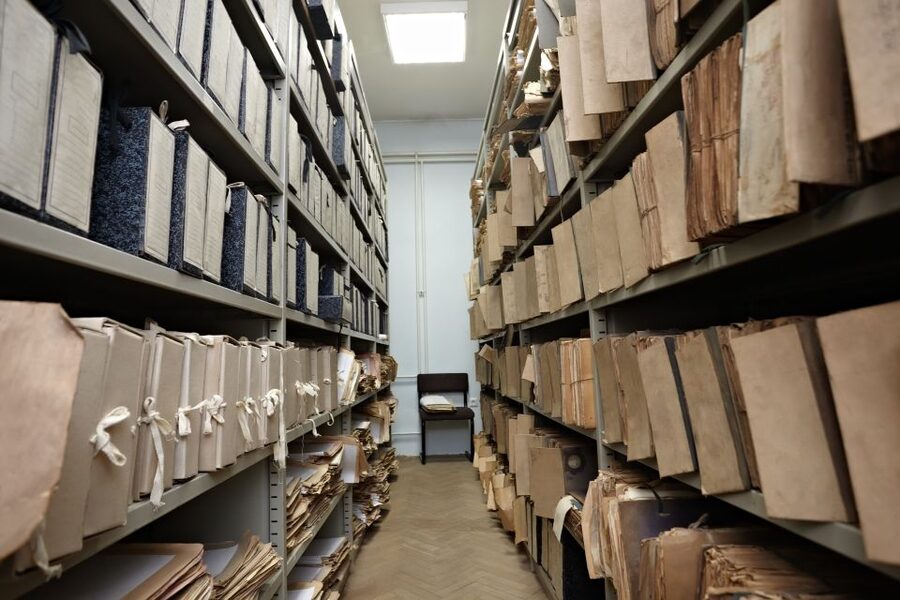
The equipment also helps explain the scale of the system. The Stasi did not rely on one dramatic spy operation. It used records, reports, informants, technical devices, and official pressure to build a network of control.
Your guide can place those tools in context. Who was being watched? How were informants recruited? What happened when citizens were reported? How did propaganda support the government’s version of events? These questions make the museum relevant to anyone interested in authoritarian politics, not only specialists in German history.
The displays also address daily life in the GDR. You should not expect a cheerful social history museum, but you will gain a clearer picture of how political control affected people who were simply trying to work, study, travel, or maintain relationships.
More museums and galleries in Berlin:
- Berlin: Jewish Museum Berlin Entrance Ticket
★ 4.5 · 8,393 reviews - Berlin: Natural History Museum Entrance Ticket
★ 4.6 · 3,382 reviews - Berlin: Neues Museum Entry Ticket
★ 4.6 · 3,261 reviews - Skip-the-Line: Berlin Wall Museum at Checkpoint Charlie
★ 4.1 · 2,041 reviews
Erich Mielke’s office and the red briefcase
One of the most specific stops is the office of Erich Mielke, the longtime head of the Stasi. The room includes his famous red briefcase, used for sensitive information.
The briefcase is a striking object because it makes a powerful official seem briefly ordinary. Behind the paperwork and surveillance files was a person carrying documents from one meeting to another. At the same time, the object points to the serious consequences of the decisions made in that office.
The ministerial offices help you see the chain of command. The Stasi was not an informal band of secret agents working in isolation. It was a state institution with offices, senior officials, procedures, and a large administrative structure.
A private guide can slow down here if you are interested in leadership, bureaucracy, or the difference between official propaganda and internal practice. If your main interest is spy gadgets, you can still keep the visit moving. The benefit of a private booking is that you do not have to follow a fixed group conversation.
How the guided format changes the visit
The museum contains material that rewards explanation. Names, offices, devices, and political events can blur together if you read everything alone. An expert guide gives you a thread to follow.
The guide is described as a five-star licensed guide, with tours available in English or German. The strongest praise in the supplied feedback focuses on clear explanations, personal stories, punctuality, and an ability to make the subject engaging. One guide named Silvia was praised for adding personal accounts, and another booking included a guide who could speak Danish even though the tour was booked in English.
You should treat those details as possible guide strengths, not guarantees that Silvia will lead your tour or that Danish will be available. Your booking language is English or German, and the guide assigned to you may vary.
Personal experience can make a difficult subject easier to understand, especially when discussing life in East Germany. Still, personal stories should add context rather than replace the historical record. A good question to ask is how an individual example fits into the wider Stasi system.
The private format also suits different levels of background knowledge. If you already know the Cold War story, you can ask about surveillance methods, political institutions, or the fall of the GDR. If the subject is new to you, ask your guide to explain the basic timeline before the details pile up.
What the three-hour schedule feels like
Three hours is enough time for a focused visit, but it is not a full day of Cold War sites. You meet at Alexanderplatz, travel by public transport to Normannenstraße, tour the museum, and return by public transport.
That schedule works best when you arrive ready to concentrate. The material is serious, and the value comes from connecting individual objects to the political system behind them. You may not want to add another demanding history museum immediately afterward.
The timed admission helps the day run on schedule. You avoid the normal ticket line because entry is pre-booked. The price of that convenience is strict timing, so check your email the day before and arrive at the meeting point early enough to locate your guide.
The tour is listed as wheelchair accessible. Since the experience includes public transport and a museum visit, you may still want to confirm any personal mobility needs when booking. The supplied information does not detail the exact transport route or every accessible feature.
Is $257 per person fair value?
At $257 per person, this tour is not a bargain museum outing. You are paying for a private guide, a timed museum ticket, two-way public transport, and three hours of focused attention.
The value improves if you are traveling with a small private party and want the guide to adapt to your interests. A private explanation can save you from sorting through a complicated subject alone, and the included transport makes the trip to Normannenstraße simple.
The value is weaker if you are happy to read museum panels at your own pace or if your main goal is simply to see the building and spy equipment. In that case, the private guiding fee may feel high compared with visiting independently.
There is also a notable price range in the booking information: one earlier booking recorded a total of $435 and called the cost too high, while the current advertised price is $257 per person. Prices can depend on the date, party setup, and booking conditions, so check the final total before paying.
I would consider this a specialist tour rather than a standard Berlin sightseeing purchase. If the Stasi, communism, and daily life behind the Wall are central to your plans, the guide may justify the cost. If you have only a passing interest, spend your money on a broader Berlin tour or visit the museum without private guiding.
Who should book this Stasi tour?
I recommend it most strongly to history buffs, students of communism, and visitors who want to understand how an authoritarian state monitored its own population. It also suits anyone who has seen the Berlin Wall sites and wants to move beyond the familiar story of borders, escape attempts, and reunification.
The tour is a good fit for first-time visitors who want a clear introduction to East German politics. You do not need expert background, and the guide can explain the basic setting before moving into more specialized details.
Families with older teenagers may find the subject useful, though the serious content may not suit young children. The private format lets you ask for explanations at an appropriate level, but the experience is still about dictatorship, surveillance, and fear rather than entertainment.
It may not suit you if you want a relaxed museum morning, a broad overview of Berlin, or a tour filled with architecture and scenic stops. The museum is focused, the subject is heavy, and the journey takes you outside central Berlin.
Practical advice for a smoother visit
Meet in front of the DM drugstore at Alexanderplatz rather than treating Alexanderplatz as one small, obvious spot. The square is large, and a precise meeting point saves time.
Read the message sent the day before. The tour depends on a timed entry, and the provider specifically asks you to follow the schedule. Bring the booking details with you in case your guide needs to confirm the reservation.
Choose your language carefully when booking. English and German are listed, and the guide is expected to speak the language selected for your reservation.
Plan your questions before you arrive. I would ask how informants were recruited, how the Stasi used technical surveillance, and how the 1989 protests changed the government’s ability to control public life. These questions help turn the museum’s objects into a coherent story.
Finally, keep the separate Berlin-Hohenschönhausen Memorial in mind. That former Stasi prison is a different site. This tour visits the Stasi Museum in the former headquarters at Normannenstraße, so do not assume you are booking the prison memorial.
Should you book it?
Book this private Stasi Museum tour if you want a guided explanation of East German surveillance and prefer a personal conversation to a self-guided museum visit. The Alexanderplatz opening, included transport, original offices, spy equipment, and Mielke’s red briefcase give the three-hour experience a clear shape.
I would skip it if $257 per person feels uncomfortable or if you only want a quick look at Cold War objects. The museum can be visited for less without a private guide, but you would give up the organized transfer and tailored commentary.
For the right person, this is a serious, useful Berlin history experience. Go in ready to ask questions, arrive on time, and remember that the most important exhibits are not the gadgets. They are the evidence of how fear and paperwork became tools of government.
FAQ
Where does the tour meet?
You meet your guide in front of the DM drugstore at Alexanderplatz, 1, 10178 Berlin.
How long does the tour last?
The tour lasts three hours, including the public transport journey to and from the Stasi Museum.
Is public transport included?
Yes. Two-way public transport tickets are included for the journey between Alexanderplatz and the Stasi Museum.
Which museum does this tour visit?
It visits the Stasi Museum, also called Forschungs- und Gedenkstätte Normannenstraße, in the former headquarters of the Ministry of State Security. It does not visit the former Stasi prison at Berlin-Hohenschönhausen Memorial.
Is the tour available in English?
Yes. Live guiding is available in English and German. Select your preferred language when booking.
Can I cancel the tour?
You can cancel up to 24 hours in advance for a full refund. The reserve now and pay later option is also available.
Just added around Berlin
- From Berlin: Gardens & Palaces of Potsdam Bike Tour★ 5.0 · 61 reviews
- Berlin: Battle for Seelow Heights WW2 tour -Clash of Titans★ 5.0 · 27 reviews
- From Berlin: Historical Gems of Potsdam Private Day Trip★ 4.4 · 4 reviews
- Berlin: Französischer Dom 360° Panorama & Crémant to go★ 3.9 · 5 reviews
- Explore Berlin Tour: History and Highlights★ 4.7 · 5 reviews
- Berlin: Evening Yacht Cruise with Aperitif & Dinner Upgrade★ 4.6 · 178 reviews
- Berlin: Expats in Berlin Comedy Show Ticket★ 4.7 · 182 reviews
- Berlin: The Epic Comedy Club Friday Night Showcase★ 4.8 · 28 reviews
Berlin Tours, compared.

Reichstag, Dome and Government District Guided Tour
Read our review →
1-Hour City Tour by Boat with Guaranteed Seating
Read our review →

Reichstag, Plenary Chamber, Cupola & Government Tour
Read our review →
Browse the lists this tour appears in