
Review · BERLIN TOURS
Stasi Museum GDR History Skip-the-line Private Tour Berlin
The most striking part of this Berlin tour is that the Stasi Museum occupies the former headquarters of East Germany’s secret police. You’ll see original surveillance equipment, ministerial offices, and Erich Mielke’s office, including the famous red briefcase used for sensitive information. This is not a museum built from scratch. It is the actual workplace of the agency that watched millions of East Germans.
I like the private format, since you can ask questions and move at a sensible pace. I also like that the tour begins at Alexanderplatz, a useful place to connect the Stasi story with the huge 1989 demonstration that helped bring the GDR system down. Included public-transport tickets remove the fuss of reaching the museum outside central Berlin.
The main drawback is the price: $258.59 per person is a serious outlay for three hours, especially if you are booking for a family. The value depends on how much you want personal explanation. The museum can be visited without this tour, but a guide with personal experience of growing up in East Germany can add context that labels alone cannot provide.
Key points at a glance
- Original Stasi headquarters: Visit the former Ministry of State Security building, including Erich Mielke’s office.
- Private English-language tour: Your group participates alone, giving you room to ask questions.
- Alexanderplatz starting point: Begin where the GDR’s largest 1989 demonstration took place.
- Transport included: Two-way public-transport tickets are provided for the trip to Normannenstraße.
- Real surveillance technology: See bugs, hidden cameras, and other tools used to watch citizens.
- Important museum distinction: This is the Stasi Museum, not the former Stasi prison at Hohenschönhausen.
Why the original headquarters changes the visit
The Stasi Museum is officially the Forschungs- und Gedenkstätte Normannenstraße. That long German name matters less than the setting: you are entering the former headquarters of the Ministry of State Security, commonly called the Stasi.
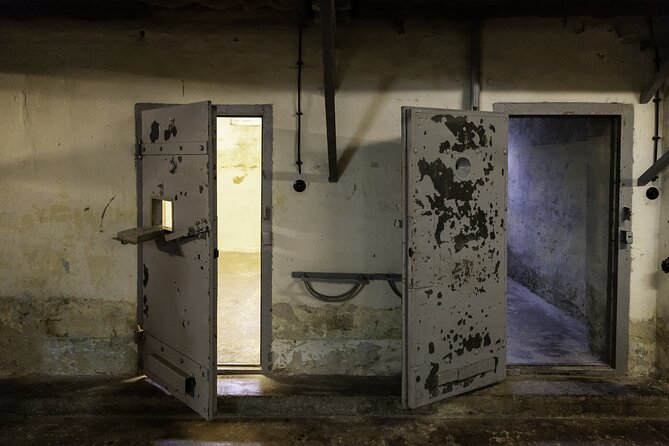
The building gives the subject a practical, unsettling quality. You are not simply reading about secret police work in a modern gallery. You are walking through offices where officials planned surveillance, handled reports, and managed a large system of informants.
The museum focuses on how the Stasi operated and how ordinary life in East Berlin was affected. You’ll see equipment used to spy on people, including hidden cameras and bugs. These objects help explain the mechanics of control, while the offices show the bureaucracy behind it.
I find this combination more useful than a visit built only around dramatic stories. You get the large political picture, but you also see the desks, tools, and rooms that made the system function day after day.
More Wall and Cold War walks:
- Berlin: Third Reich and Cold War 2 Hour Walking Tour
★ 4.9 · 6,830 reviews - Berlin’s Best: 2 Hour Walking Tour Third Reich and the Cold War
★ 5.0 · 5,486 reviews - Berlin: DDR Museum Tickets
★ 4.3 · 3,443 reviews
Starting at Alexanderplatz and setting the GDR scene
The meeting point is in front of the Park Inn by Radisson Berlin Alexanderplatz, at Alexanderplatz 5-7. Look for the area between Burger King and the T-Mobile store, and wait outside at the entrance. Do not go into the building, since its staff are not informed about the tour.
That instruction is worth taking seriously. Arrive early enough to find the exact spot without rushing. The reserved museum entry time means the group needs to keep to schedule, and a late start could affect the planned visit.
Alexanderplatz is a fitting place to begin. During the GDR period, it was a major public square in East Berlin. In 1989, it became the site of the largest demonstration in the history of the German Democratic Republic, when large numbers of people gathered to call for political change.
Your first portion of the tour lasts about 10 minutes at the meeting area, followed by roughly 50 minutes connected with the trip to the museum and the introduction to the subject. The exact balance may depend on transport and the guide’s approach, but the point is clear: the tour sets the political scene before taking you to the Stasi’s former workplace.
That order works well. If you go straight to surveillance equipment without understanding the GDR setting, the objects can feel disconnected. Alexanderplatz gives you a physical link to the public protests that helped shape the final months of East Germany.
Reaching Normannenstraße by public transport
The museum is outside central Berlin, so you will travel from Alexanderplatz by public transportation. Two-way tickets are included, which is helpful for visitors who do not want to work out the fare system or route on their own.
The transport ride is also part of the story. You move from a central public square to the former headquarters of the state security service. The change in setting helps you see that the Stasi was not an abstract force in a distant capital. It operated through offices spread across the city and maintained close watch over daily life.
The supplied time for this section is about 50 minutes, including the movement from the meeting point. That makes the full three-hour experience feel less like three hours inside one building and more like a guided visit with a city connection.
You should still wear comfortable shoes and allow time to get to Alexanderplatz. No special transport planning is needed once you meet the guide, but finding the correct meeting spot is your responsibility. Check your email the day before for the operator’s latest instructions.
Inside the museum: tools of surveillance
The main museum visit lasts about two hours. This is where the tour earns its appeal for anyone interested in Cold War politics, communism, secret police systems, or ordinary life behind the Berlin Wall.
The exhibits include original spying technology such as bugs and hidden cameras. These objects make the Stasi’s methods easier to understand. Instead of treating surveillance as a vague idea, you can see the small, practical devices used to collect information.
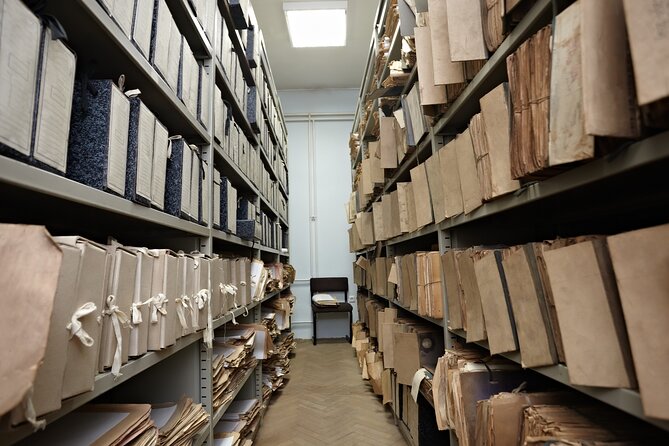
The museum also explains how informants were recruited. That is one of the hardest parts of the subject, because Stasi control did not depend only on visible officers. It relied on a network of people who passed along reports about colleagues, friends, neighbors, and sometimes relatives.
A private guide can help you connect these pieces. You can ask how recruitment worked, what the Stasi wanted to know, and how citizens were controlled. You can also pause when a particular object or story raises a question, rather than following the fixed rhythm of a large group.
The tour is suitable for history buffs, but you do not need specialist knowledge. If you know only that the Stasi was East Germany’s secret police, the guide can help you build the rest of the picture. If you already know the Cold War story, you can use the private format to ask more pointed questions.
More museums and galleries in Berlin:
- Berlin: Jewish Museum Berlin Entrance Ticket
★ 4.5 · 8,393 reviews - Berlin: Natural History Museum Entrance Ticket
★ 4.6 · 3,382 reviews - Berlin: Neues Museum Entry Ticket
★ 4.6 · 3,261 reviews - Skip-the-Line: Berlin Wall Museum at Checkpoint Charlie
★ 4.1 · 2,041 reviews
Erich Mielke’s office and the red briefcase
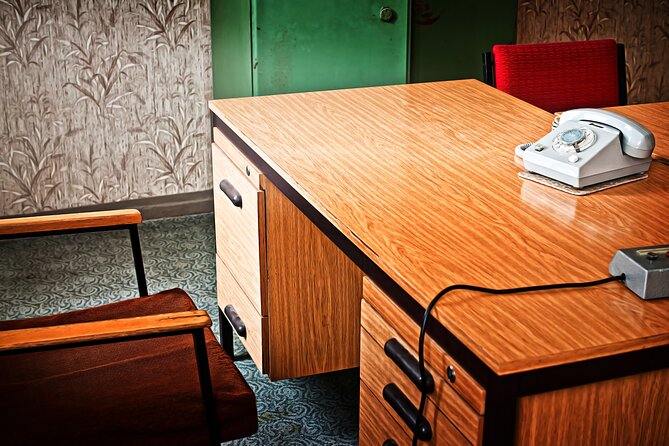
One of the most specific stops is the office of Erich Mielke, the Stasi minister. The room includes his famous red briefcase, used to keep highly sensitive information.
Small details like this give the museum a human scale. The Stasi was a huge state institution, yet it was also directed through offices, files, phones, meetings, and personal decisions. Seeing the ministerial setting can help you understand how the machinery of surveillance was managed at the top.
You should not expect the office alone to explain the entire system. Its value comes from the surrounding exhibits and the guide’s interpretation. The red briefcase is a memorable object, but the larger point is what it represents: secrecy, hierarchy, and the careful handling of information about citizens.
A guide who grew up in East Germany can add a personal frame to this material. One especially valuable detail from the experience is the presence of lived knowledge about life under Stasi rule. That does not replace the museum’s evidence, but it can make the difference between hearing a list of facts and understanding how the system felt in daily life.
What a private guide adds

The strongest reason to pay for this tour is the guide, not the ticket alone. The museum entry and public transport are included, but you can think of the extra cost as payment for time, interpretation, and conversation.
A private tour means only your group takes part. That gives you control over the questions and usually makes the visit feel less rushed, although the scheduled entry still sets the basic pace. You can ask for clarification about communism, East Berlin, the Berlin Wall, informants, or the Stasi’s methods without worrying about holding up strangers.
The guide’s personal connection to East Germany is especially important. A guide who actually grew up in the East may explain the difference between official GDR language and the reality people experienced. That kind of context is difficult to reproduce with display panels.
Still, I would keep expectations realistic. No three-hour tour can cover every part of East German society, and the supplied experience does not promise a full walking tour of Berlin or a visit to former prisons and detention sites. Its focus is the Stasi and the museum at Normannenstraße.
Stasi Museum or Hohenschönhausen Memorial?

Berlin has more than one major site connected with the Stasi, and the distinction matters. This tour visits the Stasi Museum in the former headquarters at Normannenstraße.
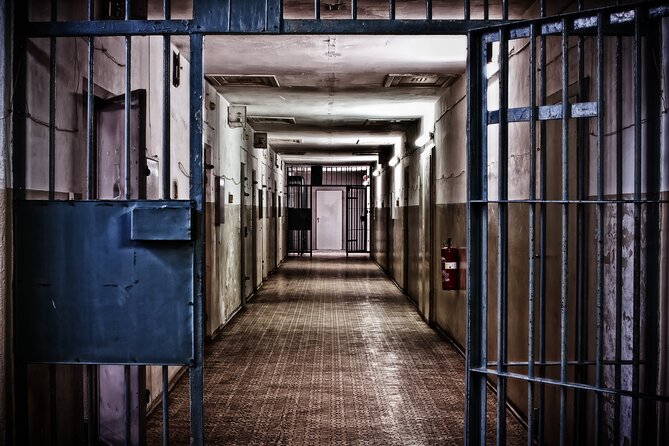
It does not visit the Berlin-Hohenschönhausen Memorial, the former Stasi prison. Hohenschönhausen focuses on detention and interrogation, while the Stasi Museum focuses on the agency’s headquarters, administration, surveillance tools, offices, and methods of control.
If you want to see where people were held and interrogated, this is not the correct tour. If you want to understand how the Stasi organization worked from inside its own offices, Normannenstraße is the better match.
Read the attraction name carefully when booking. Confusing the two sites is an easy mistake in Berlin, particularly if you are planning several Cold War museums and memorials during the same trip.
Is $258.59 per person good value?
At $258.59 per person, this is not a budget museum visit. The cost makes the most sense for couples, families, or small groups who place a high value on a private guide and want the day organized from start to finish.
Group discounts may improve the price for larger parties, but the listed individual rate is still high compared with visiting a museum independently. You should compare the cost with your priorities rather than assuming that skip-the-line access alone justifies it.
The price includes museum admission and two-way public-transport tickets. It also includes the guide’s time for roughly three hours, with the museum portion lasting about two hours. The reserved entry slot can save waiting, though the practical benefit depends on how busy the museum is when you visit.
For a history-focused visit, the value is stronger. A guide can connect Alexanderplatz, the fall of the GDR, the Stasi headquarters, surveillance equipment, informant networks, and Mielke’s office into one clear story.
For a visitor with only a passing interest in Cold War history, the price may be harder to defend. You may prefer to visit the museum on your own and spend the savings elsewhere in Berlin. The private format is the reason to book, not simply the promise of entry.
Who will get the most from this tour?
I would recommend it most strongly to people who want context, not just exhibits. It suits history buffs, visitors studying communism or the Cold War, and anyone curious about what daily life in East Berlin was like before the Berlin Wall fell.
It is also a good choice for visitors who prefer asking questions as they go. The private setting works well when your group has a particular interest, such as surveillance technology, informants, political opposition, or the final years of the GDR.
Most participants can take part, and the tour is near public transportation. The available information does not provide detailed accessibility specifications, so you should ask the operator directly if your group has specific mobility needs.
The experience may be less suitable for children who find political history difficult or upsetting. The subject involves spying, control, and the invasion of private life. The tour is educational, but it is not a light sightseeing stop.
Timing, meeting instructions, and cancellation
Plan to be at Alexanderplatz on time, with enough margin to locate the guide between the Burger King and T-Mobile store. Wait at the Park Inn entrance, but do not enter the hotel building.
You receive confirmation at booking, and the operator asks you to check your email the day before for important information. The activity returns to the original meeting point, so you do not need to arrange a separate way back from the museum.
Free cancellation is available if you cancel at least 24 hours before the local start time. Cancellations or changes inside that window are not accepted for a refund.
Should you book the Stasi Museum private tour?
Book this tour if you want the former Stasi headquarters explained by a guide, value a private group, and are willing to pay for personal context. The original offices, surveillance devices, informant system, and Mielke’s red briefcase make the visit far more specific than a general Cold War overview.
Think twice if your budget is tight or if you mainly want to look around independently. The museum itself can be the cheaper choice, and this tour’s premium rests on the guide, included transport, scheduled entry, and the chance to ask questions.
For the right audience, it is a focused and serious Berlin experience. The strongest version is a small private group with an English-speaking guide who can connect official history with lived experience of East Germany. That is the detail most likely to make the extra cost worthwhile.
FAQ
Where does the tour begin?
It begins at Alexanderpl. 5-7, in front of the Park Inn by Radisson Berlin Alexanderplatz. Meet between the Burger King and T-Mobile store, and wait at the entrance without entering the building.
How long does the experience last?
The tour lasts approximately three hours. About two hours are spent inside the Stasi Museum, with additional time for the meeting, introduction, and public-transport journey.
Is public transportation included?
Yes. Two-way public-transport tickets to and from the Stasi Museum are included because the museum is outside central Berlin.
Is this a private tour?
Yes. Only your group participates in the activity.
Is the tour offered in English?
Yes. The tour is offered in English.
Does the tour visit Hohenschönhausen Memorial?
No. It visits the Stasi Museum at the former headquarters in Normannenstraße. This is different from the former Stasi prison known as the Berlin-Hohenschönhausen Memorial.
What is the cancellation policy?
You can cancel for a full refund up to 24 hours before the experience begins. Cancellations or changes made less than 24 hours before the local start time are not accepted.
More Skip the Line in Berlin
- Berlin: Panoramapunkt Skip-the-Line Elevator Ticket
★ 4.4 · 1,219 reviews - Skip-the-line Charlottenburg Palace Private Tour & Transfers
★ 5.0 · 6 reviews - Skip-the-line Berlin Cathedral and Old Town Private Tour
★ 4.7 · 4 reviews - Hamburg: Hard Rock Cafe Skip-the-Line Meal
★ 4.0 · 945 reviews
More Historical Tours in Berlin
- Berlin: World Heritage Cruise to Potsdam
★ 4.5 · 1,435 reviews - Berlin Historical Highlights Walking Tour
★ 4.9 · 657 reviews - Berlin Private Complete History All Day Walking Tour
★ 5.0 · 474 reviews - Berlin: Historic Boat Sightseeing City Center Tour
★ 4.5 · 415 reviews
Just added around Berlin
- eSIM for Germany and 34 European Countries★ 4.5 · 16 reviews
- Your ticket to The Wall Museum Berlin★ 3.0 · 60 reviews
- Walking on the Wall: 3-Hour Tour in Berlin★ 4.5 · 34 reviews
- Rickshaw Tours Berlin – Groups of up to 16 people with several rickshaws★ 4.0 · 97 reviews
- Warnemuende Shore Excursion: Private Berlin Tour★ 4.5 · 27 reviews
- Love and War in Berlin: Self-Guided Story Puzzle Walk★ 5.0 · 7 reviews
- Warnemuende Shore Excursion: Berlin Private Sightseeing Tour from Rostock★ 5.0 · 4 reviews
- Cold War Berlin – Private Live Virtual Experience★ 5.0 · 4 reviews
Berlin Tours, compared.

Reichstag, Dome and Government District Guided Tour
Read our review →
1-Hour City Tour by Boat with Guaranteed Seating
Read our review →




Reichstag, Plenary Chamber, Cupola & Government Tour
Read our review →
Browse the lists this tour appears in