
Review · BERLIN TOURS
Berlin Sightseeing Musical-Historical Walking Tour
Berlin’s story comes with a soundtrack here. Over three hours, you walk from Museum Island toward the Reichstag while music links royal ceremony, war, division, protest, and modern city life. It is a fresh way to look at familiar sights, especially if you enjoy hearing how culture and politics affect each other.
I like the music-and-history format, which gives the route a clear theme instead of treating Berlin’s monuments as isolated photo stops. I also like the route itself: Museum Island, Gendarmenmarkt, Potsdamer Platz, the Holocaust Memorial, and Brandenburg Gate give you a strong first look at central Berlin.
The main caution is the audio-led format. A live guide is present, but the guide may function mainly as a route leader and signpost while you listen through headphones. A past technical problem also caused frustration, so this is not the best choice if you want a highly interactive walking conversation.
Key points at a glance
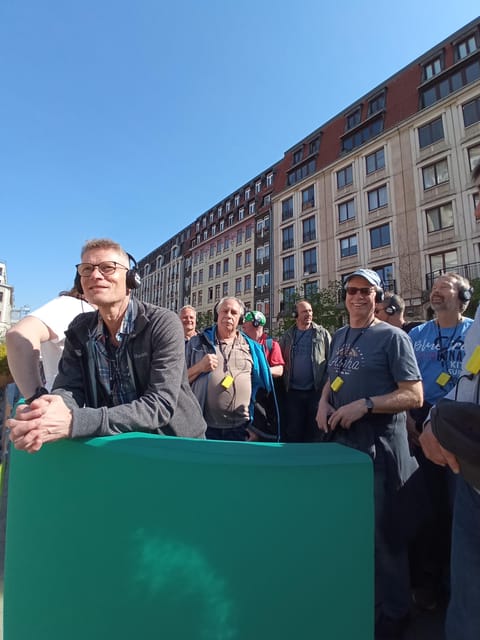
- Music is the main storytelling tool: Your headphones mix an audio guide with music from the 18th century through the 21st century.
- The route covers major central sights: You pass Museum Island, Humboldt University, Gendarmenmarkt, Checkpoint Charlie, Potsdamer Platz, the Holocaust Memorial, Brandenburg Gate, and the Reichstag.
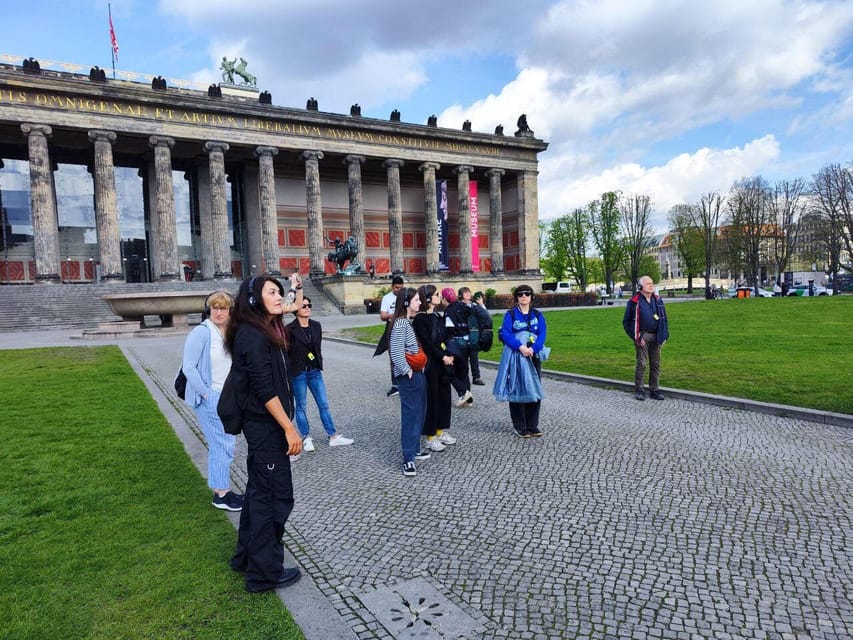
- The tour begins at the Alte Nationalgalerie: Meet in front of the entrance, with the guide holding a headphone sign.
- You walk for about three hours: Most stops include roughly 20 minutes of guided sightseeing, with a 30-minute visit at Gendarmenmarkt and a small break.
- Languages are flexible: Live guidance and audio content are offered in English, German, and Russian.
- Comfort matters: Wear good walking shoes and weather-ready clothing. The tour runs rain or shine and is not suitable for wheelchair users or people over 70.
Berlin through a musical lens
Many Berlin walking tours follow a familiar pattern: monument, date, photo, next monument. This one tries to give the city a voice. The headphones combine spoken commentary and music, so you are asked to hear Berlin as well as look at it.
The idea reaches from classical oratorios to hip-hop, covering the 18th through the 21st centuries. That broad span matters because Berlin has changed political and cultural character many times. Music can reflect those changes, support them, or push back against them.
You should know what this means in practical terms. This is not primarily a guide-led discussion with constant questions and conversation. The live guide leads the group along the route, but much of the information arrives through the headphones. One available assessment describes the human guide as mainly a signpost, with a technical problem adding some annoyance.
I would treat that as an important buying point, not a minor footnote. If you want a personal exchange with a local expert, you may find the format thin. If you like a structured audio presentation and want music to shape your walk, the setup may suit you well.
More history-led days in Berlin:
- Berlin: Natural History Museum Entrance Ticket
★ 4.6 · 3,382 reviews - Berlin: World Heritage Cruise to Potsdam
★ 4.5 · 1,435 reviews - Berlin Historical Highlights Walking Tour
★ 4.9 · 657 reviews
Starting at the Alte Nationalgalerie
Your meeting point is in front of the entrance to the Alte Nationalgalerie on Museum Island. Arrive 10 to 15 minutes early, and look for the guide holding a headphone sign. You can show your ticket on your phone or bring a printed copy.
The starting point is useful because you begin among Berlin’s major museums rather than at a remote transport stop. It also places the first part of the walk in one of the city’s most important cultural areas.
Bring comfortable clothes and shoes. The route includes repeated walking between outdoor sights, and the tour continues in wet weather. Some locations may be affected by weather, so you should not expect every stop to feel the same on a rainy day.
The supplied details say to prepare for a small break. That is welcome, but this remains a steady three-hour walk. There is no hotel pickup or drop-off, and food and drinks are not included.
Museum Island and the Berliner Dom
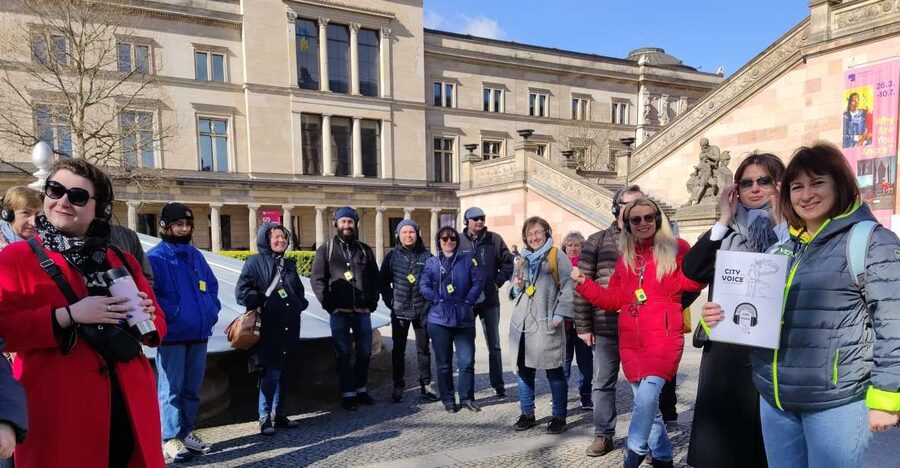
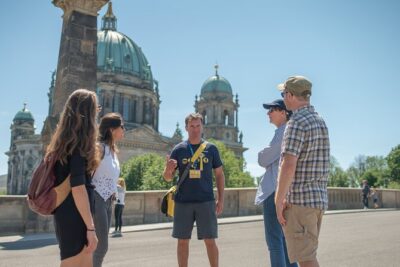
The first stop is Museum Island, with about 20 minutes for guided sightseeing and walking. This gives you an early look at Berlin’s museum district and the nearby Berliner Dom, one of the city’s most recognizable buildings.
The musical angle should work well here. Museum Island represents Berlin’s formal cultural identity: grand collections, public institutions, and the old center of power. The audio program can place that setting within a longer story about music, ceremony, and public life.
Do not expect a full museum visit during this walk. The schedule allows a short exterior-focused stop, so you will likely get orientation and context rather than time inside the museums. If you want to explore the collections, plan a separate visit.
Humboldt University and the intellectual city
The route continues to Humboldt University of Berlin for another 20-minute stop. This part of the walk shifts attention from royal buildings and museums to education, ideas, and public debate.
The university sits on Unter den Linden, one of central Berlin’s important avenues. Here, the tour’s theme can connect music with intellectual life and historical change. You are not simply looking at architecture. You are being asked to consider how places of learning fit into the city’s political story.
Again, the time is short. You will have enough for an outdoor explanation and a few photographs, but not a detailed campus visit. Keep your headphones on and stay close to the guide, since the group continues on foot soon after the stop.
More walking tours in Berlin:
- Discover Berlin Half-Day Walking Tour
★ 5.0 · 9,624 reviews - Berlin: Third Reich and Cold War 2 Hour Walking Tour
★ 4.9 · 6,830 reviews - Berlin: Discover Berlin Walking Tour
★ 4.9 · 5,998 reviews - Berlin’s Best: 2 Hour Walking Tour Third Reich and the Cold War
★ 5.0 · 5,486 reviews
Gendarmenmarkt and Checkpoint Charlie
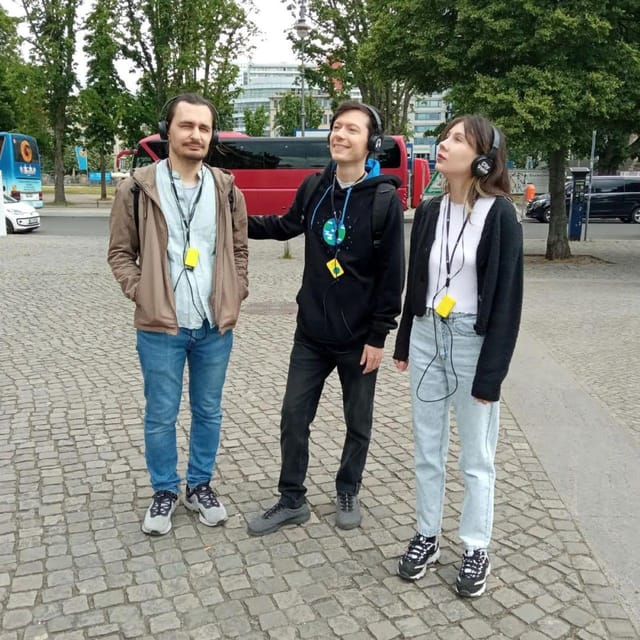
Gendarmenmarkt receives the longest listed stop, about 30 minutes. That extra time makes sense. The square is one of central Berlin’s most formal urban spaces, with grand architecture and a strong connection to the city’s changing identity.
This is a good point for the tour’s combination of music and architecture. Large public spaces can feel different when paired with sound. The music may encourage you to notice mood, ceremony, and scale rather than only architectural details.
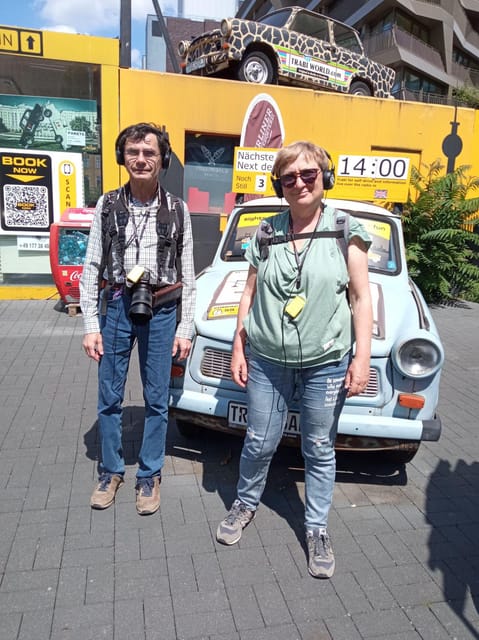
The route also includes the Trabi Museum and Checkpoint Charlie. These stops bring in more recent and more everyday aspects of Berlin’s past. The Trabi, associated with East Germany, offers a contrast to the monumental buildings around Museum Island and Gendarmenmarkt. Checkpoint Charlie points toward the city’s division during the Cold War.
You should keep your expectations realistic. The itinerary lists guided sightseeing and walking at these locations, but it does not promise an extended museum admission or a long indoor visit. The Trabi Museum stop is listed at about 20 minutes, so it functions as part of the wider route rather than a full museum session.
Potsdamer Platz and a changing Berlin
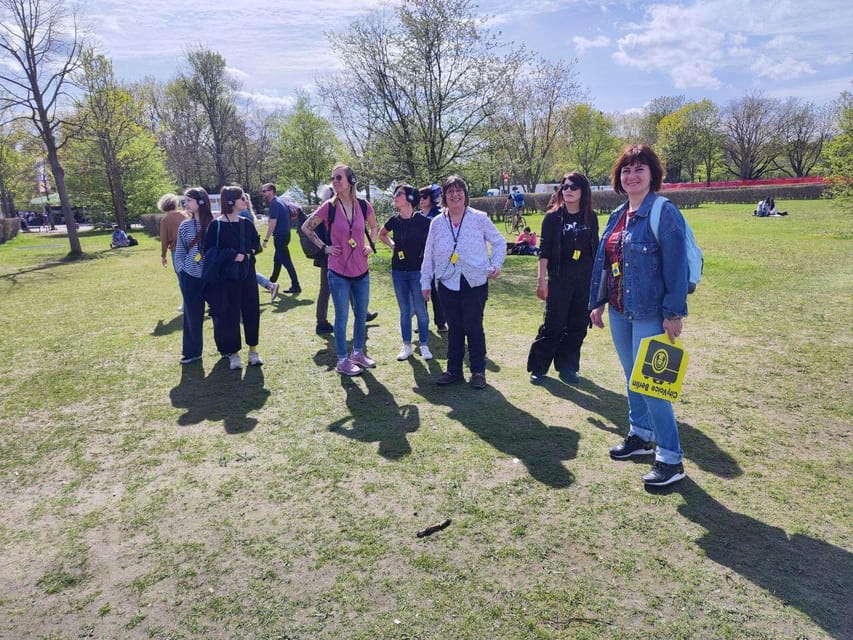
Potsdamer Platz is scheduled for about 20 minutes. It gives the walk a different visual rhythm, moving away from older monumental spaces and toward a modern part of central Berlin.
This contrast is one of the route’s useful features. Berlin is not one consistent architectural story. The walk lets you compare formal historic squares, Cold War reminders, and newer urban development within a single afternoon.
The exact musical connection will depend on the audio program and the guide’s presentation. The stated theme runs from classical music to hip-hop, so this is one place where the later part of the musical timeline may fit particularly well.
The stop is still brief. You will get a quick sense of the area, but you should not book this tour expecting detailed architecture commentary at every building. Its strength is the broad sequence of places and themes.
The Holocaust Memorial and Brandenburg Gate
The Memorial to the Murdered Jews of Europe, commonly called the Holocaust Memorial, is one of the most serious stops on the route. The listed visit lasts about 20 minutes. Give this section your full attention and keep the tone respectful.
The memorial is not a place for casual sightseeing. A music-based tour must handle this stop carefully, and you may find that the audio presentation changes the mood of the walk. The memorial’s presence also reminds you that Berlin’s cultural story cannot be separated from the crimes of the Nazi period and the destruction of European Jewish life.
The route then continues to Brandenburg Gate, also for about 20 minutes. The gate is one of Berlin’s most familiar symbols, but its meaning has changed over time. It can represent royal power, national division, Cold War separation, and reunification, depending on the period being discussed.
This pairing works well in the overall sequence. You move from remembrance to a symbol of political change. I like that the tour does not limit Berlin to attractive buildings and upbeat music. The difficult parts of the city’s past remain in view.
The Reichstag and White Crosses
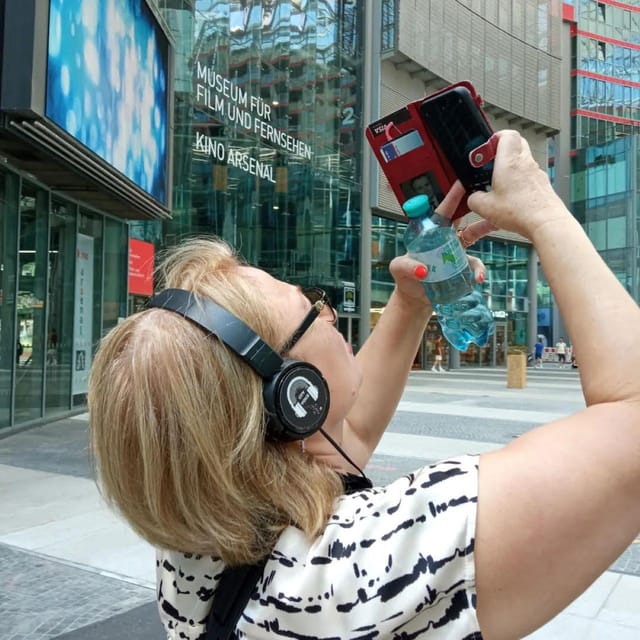
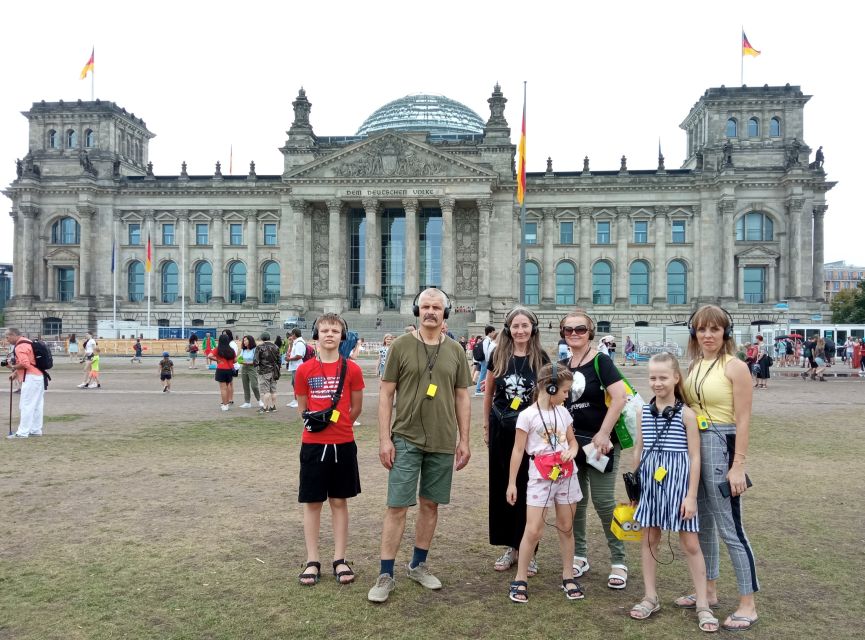
The final listed sightseeing stop is the Reichstag, with another 20 minutes. The building connects directly to Germany’s political story and gives the route a fitting ending near the center of national government.
The experience information lists the finish as White Crosses. Elsewhere, it says the activity ends back at the meeting point, so there is a small inconsistency in the end-point information. I would confirm the exact finishing location before booking, particularly if you have a restaurant reservation, train connection, or another timed activity afterward.
The White Crosses are associated with remembrance along the former Berlin Wall area. If that is indeed the final point, it gives the walk a solemn closing note after the Reichstag and Brandenburg Gate. Either way, you should allow a little flexibility after the three-hour duration rather than scheduling something immediately.
What the $40 price really buys you

At $40 per person, the tour sits in a reasonable range for a three-hour guided city walk, but value depends on what you want from the guide.
You are paying for a planned route through many of central Berlin’s key sights, a live guide, headphones, and audio content in English, German, or Russian. You also get a theme that sets the walk apart from a standard history tour. For a first visit, covering this much ground in one organized route can save you planning time.
The price is less attractive if you expect long visits inside museums, extensive personal commentary, or a private tour atmosphere. The listed stops are mostly short, and food, drinks, transportation, and pickup are not included. You should also remember that the route is built around outdoor sightseeing, not admissions to Berlin’s major museums.
I see the strongest value for someone who wants orientation on the first day in Berlin. You can learn how the main sights fit together, then return later to the places that deserve more time. The music adds a distinct flavor, but it does not replace a specialist museum guide or a detailed historical seminar.
Language, equipment, and the sound of the walk
The live tour guide and audio guide are available in English, German, and Russian. That is useful if you prefer to receive historical information in one of those languages, but the two parts should not be confused.
The audio guide is mixed with music and plays through the provided headphones. The live guide remains important for keeping the group together and indicating where to go, yet the experience may feel closer to a guided audio walk than to a traditional conversation-based tour.
Technical equipment can shape your enjoyment. A problem with the audio system has caused dissatisfaction on at least one occasion, so check that you can hear clearly at the start and tell the guide promptly if something is wrong. The free cancellation policy allows cancellation up to 24 hours before the activity for a full refund, and you can reserve now and pay later, which reduces some booking risk.
Who should book this Berlin walk?
I would recommend it to you if:
- You like music as much as dates and buildings.
- You want a broad introduction to central Berlin.
- You are comfortable walking for three hours with only a small break.
- You prefer listening through headphones to a constant live lecture.
- You can follow English, German, or Russian.
- You want to connect museums, monuments, politics, and popular culture in one route.
I would look elsewhere if you want to enter several museums, move at a slow pace, or ask your guide questions throughout the tour. It is also not suitable for wheelchair users or people over 70, according to the activity restrictions. The rain-or-shine policy makes weather planning important for anyone who dislikes outdoor sightseeing in poor conditions.
There is no guide name provided, so you cannot choose a particular host in advance. That matters if a personal guide relationship is a major part of your decision.
Practical verdict for your Berlin schedule
Book this tour if you want a music-centered overview of Berlin and can accept an audio-heavy format. The route covers an impressive set of central sights, and the progression from Museum Island to the Reichstag gives you a useful framework for the city.
Skip it if you want a slow, deeply personal history walk or a full visit to the Trabi Museum and other cultural sites. At $40, the tour earns its price through the route, headphones, and unusual soundtrack rather than through admissions or extensive one-to-one guiding.
For the best experience, arrive early at the Alte Nationalgalerie, wear reliable shoes, charge your phone for the ticket, and leave extra time after the official finish. If you see Berlin as more than stone and dates, this walk offers a thoughtful way to hear its past.
FAQ
Where does the tour start?
The tour starts in front of the entrance to the Alte Nationalgalerie in Berlin.
How early should I arrive?
Arrive 10 to 15 minutes before the activity begins. The guide will hold a headphone sign.
How long does the walking tour last?
The activity lasts three hours. Starting times depend on availability.
Which languages are available?
The live guide and audio guide are available in English, German, and Russian.
Are headphones included?
Yes. Headphones are included, and they play an audio guide mixed with music.
What sights are included?
The route includes Museum Island, Berliner Dom, Humboldt University, Gendarmenmarkt, the Trabi Museum, Checkpoint Charlie, Potsdamer Platz, the Holocaust Memorial, Brandenburg Gate, and the Reichstag.
Does the tour run in bad weather?
Yes. The tour takes place rain or shine, although some locations are weather-dependent.
Is the tour suitable for wheelchair users?
No. The activity is listed as not suitable for wheelchair users.
Can I cancel for a refund?
Yes. You can cancel up to 24 hours in advance for a full refund. You can also reserve now and pay later.
Just added around Berlin
- From Berlin: Gardens & Palaces of Potsdam Bike Tour★ 5.0 · 61 reviews
- Berlin: Battle for Seelow Heights WW2 tour -Clash of Titans★ 5.0 · 27 reviews
- From Berlin: Historical Gems of Potsdam Private Day Trip★ 4.4 · 4 reviews
- Berlin: Französischer Dom 360° Panorama & Crémant to go★ 3.9 · 5 reviews
- Explore Berlin Tour: History and Highlights★ 4.7 · 5 reviews
- Berlin: Evening Yacht Cruise with Aperitif & Dinner Upgrade★ 4.6 · 178 reviews
- Berlin: Expats in Berlin Comedy Show Ticket★ 4.7 · 182 reviews
- Berlin: The Epic Comedy Club Friday Night Showcase★ 4.8 · 28 reviews
Berlin Tours, compared.

Reichstag, Dome and Government District Guided Tour
Read our review →
1-Hour City Tour by Boat with Guaranteed Seating
Read our review →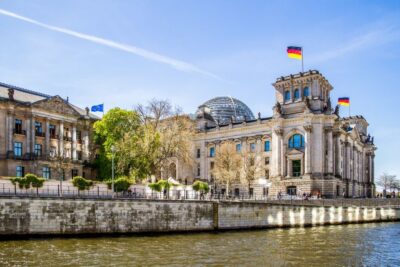


Reichstag, Plenary Chamber, Cupola & Government Tour
Read our review →
Browse the lists this tour appears in