
Review · BERLIN TOURS
Berlin: Historic Center Walking Tour with a Real Berliner
Berlin’s story comes together on this two-hour walk through Mitte, where a small area holds medieval beginnings, Prussian royal power, wartime destruction, division, and reunification. You begin at St. Nicholas’ Church Museum and finish at Brandenburg Gate, passing Berlin Cathedral, Museum Island, Unter den Linden, and the rebuilt City Palace along the way. I like the broad sweep of the route, and I like that guides such as Carlo explain more than just Berlin’s Second World War years.
The $44 price is fair if you want a clear introduction soon after arrival, especially since guides have continued with very small groups, including a tour with only one participant. The main tradeoff is pace: two hours covers a lot of ground, so you will see major landmarks from outside rather than spend time inside museums or churches. Wear good shoes, and confirm the exact end point when booking because the route description finishes at Brandenburg Gate while the meeting information also refers to returning to the starting point.
Key points at a glance
- A compact route with a long story: Follow Berlin from a Spree-side trading settlement to the capital of a reunited Germany.
- Major sights in one walk: See the Television Tower, Museum Island, Berlin Cathedral, Humboldt Forum, Unter den Linden, and Brandenburg Gate.
- Strong guide-led history: Carlo is repeatedly praised for clear explanations, friendly manner, and thoughtful answers.
- A useful first-day activity: The route helps you understand Berlin’s layout and can give you a practical sense of direction.
- Outdoor in every season: The walk runs in all weather and on public holidays, so bring clothing suited to the forecast.
- Accessible format: The activity is listed as wheelchair accessible and includes a professional guide.
Why this Berlin walking tour works as an introduction
Berlin can feel confusing at first. Its important sights are spread across a broad city, and its story is broken into different eras: medieval Berlin, Prussian Berlin, Nazi Berlin, divided Berlin, and the present-day capital. This walk gives you a framework before you visit museums on your own.
The route stays in Mitte, the central district where many of the city’s best-known landmarks sit close together. You are not asked to spend two hours on a bus or follow a guide through a single museum. Instead, you move through streets and public spaces while the guide links what you see to Berlin’s changing role.
I especially like this approach for a first or second day in the city. One person who took the walk on arrival found that it helped with both history and direction. That is an important benefit in Berlin, where learning the position of the Spree, Museum Island, Unter den Linden, and Brandenburg Gate makes later sightseeing easier.
The tour is conducted with a live English-speaking guide. The activity describes the guide as multilingual, but English is the language specifically listed for this departure. Guides named Carlo, Karlo, and Carlos appear in the supplied feedback, with Carlo receiving especially strong praise for his warmth, clarity, and ability to answer questions.
More history-led days in Berlin:
- Berlin: Natural History Museum Entrance Ticket
★ 4.6 · 3,382 reviews - Berlin: World Heritage Cruise to Potsdam
★ 4.5 · 1,435 reviews - Berlin Historical Highlights Walking Tour
★ 4.9 · 657 reviews
Starting at St. Nicholas’ Church Museum and Nikolaiviertel
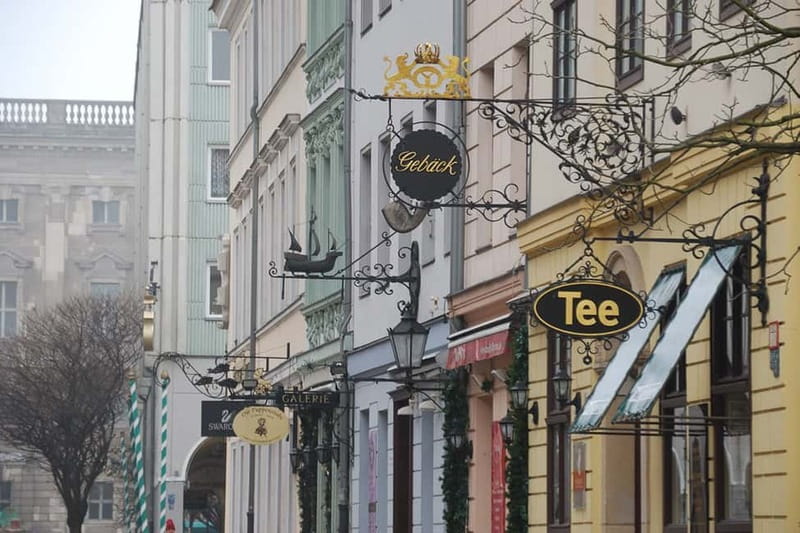
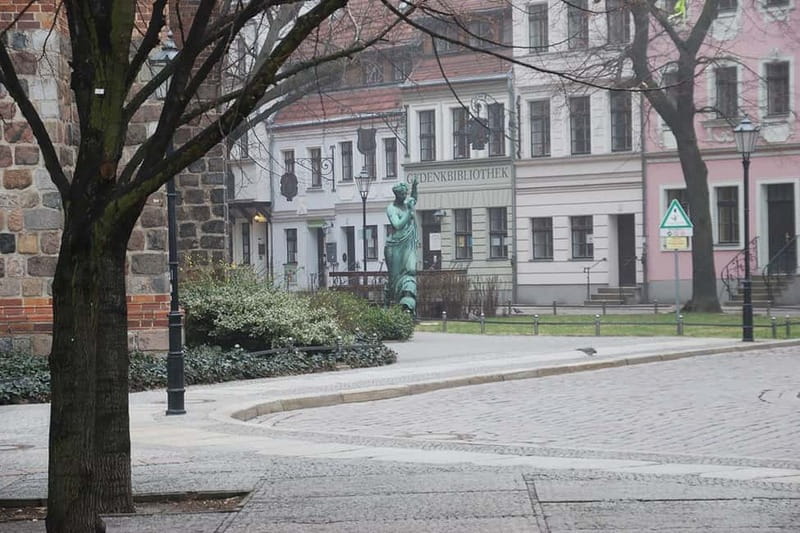
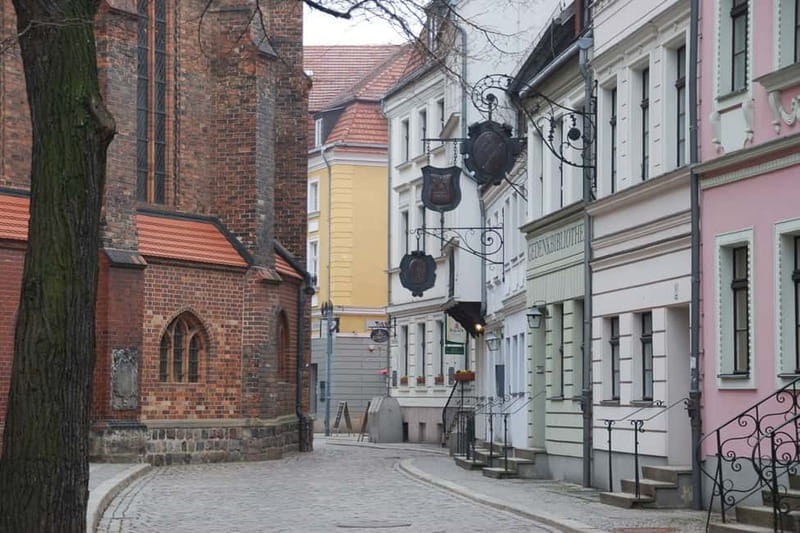
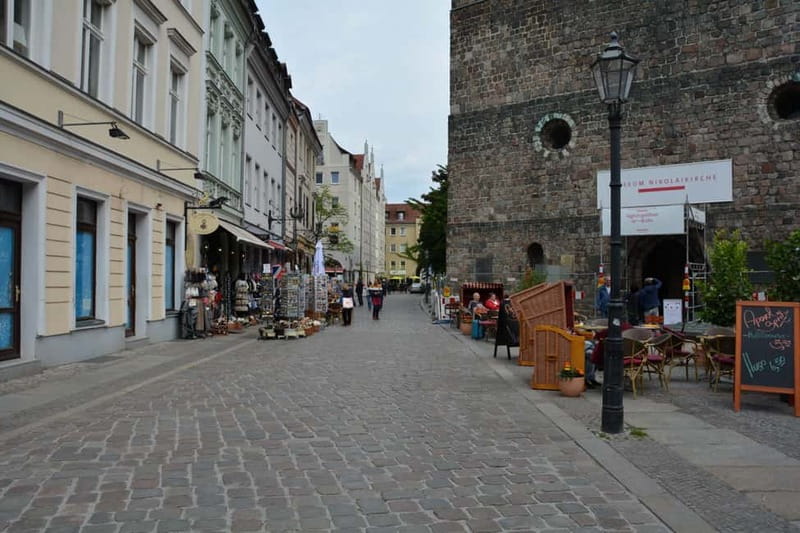
Meet in front of the main entrance to the Nikolaikirche Museum, also called St. Nicholas’ Church Museum. Look for the guide holding the Get Your Guide, You in Berlin flag. The church sits in Nikolaiviertel, one of the most useful places in Berlin for understanding the city’s earliest roots.
Nikolaiviertel is tied to the original settlement on the River Spree. Berlin did not begin as the grand imperial capital you see in photographs. It grew from small communities connected to trade and the river, and the guide uses this first stop to explain how that modest beginning developed into a major European capital.
This opening also puts you close to Berlin’s oldest central quarter before the route moves toward the monumental buildings of later centuries. That contrast matters. You are not simply ticking off famous sights. You are watching the city change from a trading community into a royal residence and then a modern capital.
The church museum itself is a starting point rather than a scheduled indoor visit, so do not expect time for a full museum tour. The value here is the location and the explanation. If you want to go inside, plan a separate visit.
Along the Spree to Museum Island
From Nikolaiviertel, the walk heads toward the Spree and Museum Island. The river gives the route a natural line, while the buildings ahead show how much cultural and political weight Berlin placed in this small central area.
Museum Island is one of Berlin’s most important cultural districts. This tour treats it as part of the city’s story rather than as a stand-alone museum visit. You will hear about the institutions around you and see the grand setting that helped make Berlin a major European cultural center.
The route includes the Berlin Cathedral, with its large dome and commanding position beside the river. You also see the Old Museum, one of the major buildings facing the central museum area. The guide’s role is especially useful here because the architecture can otherwise seem like a collection of impressive facades without a clear connection.
Keep your expectations practical. The walk does not include museum admission, food, or drinks, and the schedule is too short for extended indoor visits. If you want to tour the Pergamon Museum or another institution on Museum Island, set aside a separate block of time and book it independently.
Humboldt Forum and the rebuilt Berlin City Palace
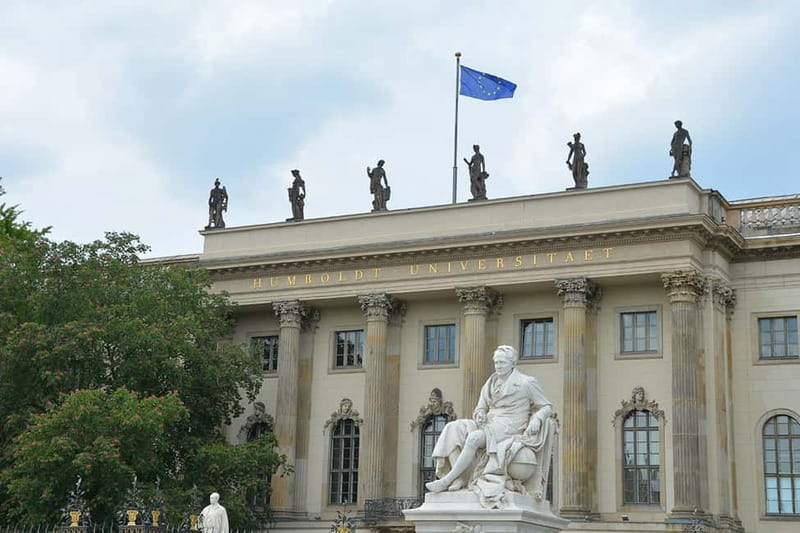
The Humboldt Forum adds one of the route’s most interesting modern layers. It occupies the site associated with the Berlin City Palace, a former royal residence that was reconstructed in a new form after the destruction and changes of the twentieth century.
Here you can consider a question that runs through much of central Berlin: how should a city rebuild after war, political upheaval, and division? The reconstructed exterior recalls the former palace, while the present institution serves new cultural purposes. A guide can explain why this site matters without reducing it to a simple before-and-after story.
This stop is valuable because it shows that Berlin’s past is not safely finished. The city still makes choices about what to restore, what to preserve, and how to present difficult chapters. You see history being interpreted in the present, not just displayed behind glass.
Across the Palace Bridge, the route enters the historic center more fully. The bridge provides a useful change in mood, from the river and museum quarter to the formal spaces shaped by kings and emperors.
More walking tours in Berlin:
- Discover Berlin Half-Day Walking Tour
★ 5.0 · 9,624 reviews - Berlin: Third Reich and Cold War 2 Hour Walking Tour
★ 4.9 · 6,830 reviews - Berlin: Discover Berlin Walking Tour
★ 4.9 · 5,998 reviews - Berlin’s Best: 2 Hour Walking Tour Third Reich and the Cold War
★ 5.0 · 5,486 reviews
Royal Berlin along Unter den Linden
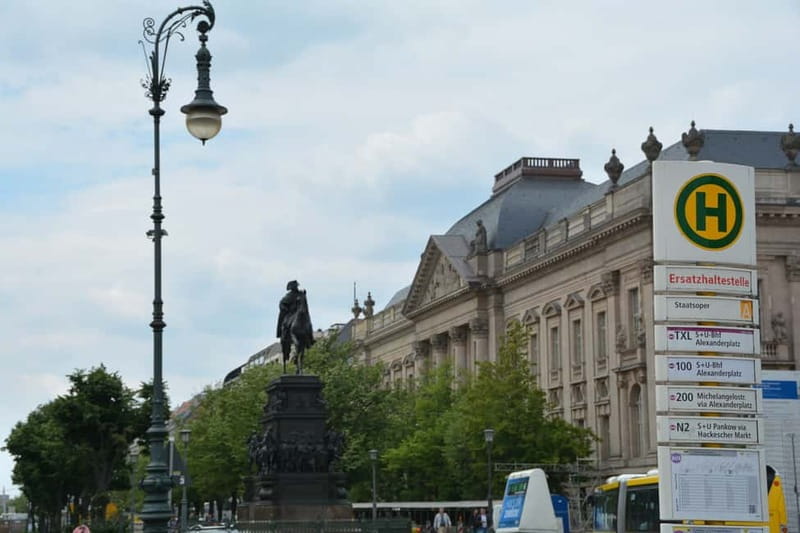
Unter den Linden is Berlin’s oldest boulevard and one of the central stretches of the tour. It leads west through a series of grand buildings and monuments connected with Prussia, the kingdom that helped shape Berlin into a seat of power.
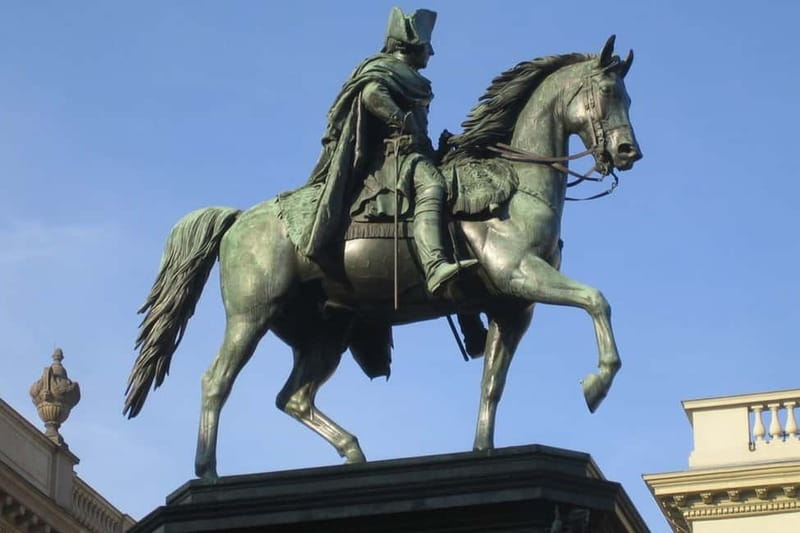
You will see the Equestrian Statue of Frederick the Great, a large monument to the Prussian king. The guide can place Frederick and Prussia in the wider development of the city, helping you understand why Berlin’s center has so many formal buildings, state institutions, and royal references.
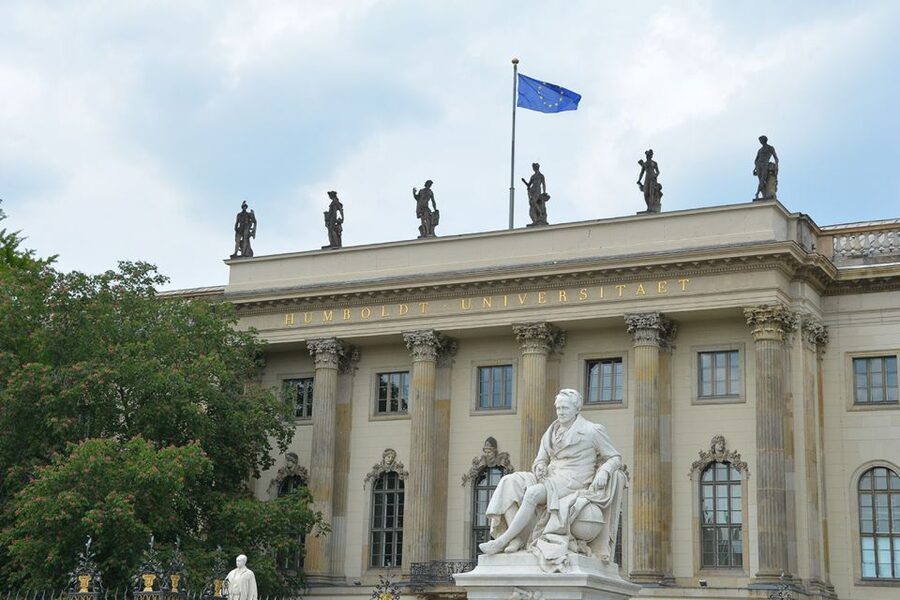
The route also passes the Berlin State Opera and Humboldt University. These are not random stops. Together, they show the connection between political power, music, scholarship, and public life in the capital.
Humboldt University is particularly useful as a visual marker on Unter den Linden. You can look at the building while hearing how Berlin’s intellectual and cultural identity developed alongside its political importance. The tour does not promise an interior visit, so treat this as an architectural and historical stop.
St. Hedwig’s Cathedral is also part of the Unter den Linden stretch. It adds a religious landmark to a route otherwise filled with royal, academic, and state buildings. These changing building types make the boulevard more interesting than a simple parade of monuments.
The pace here can be brisk. You will stop for explanations, but the tour needs to cover several landmarks before reaching Brandenburg Gate. If you have mobility concerns, the activity is listed as wheelchair accessible, though it is still sensible to ask the provider about the day’s exact route and stopping points.
The Television Tower and Berlin’s changing skyline
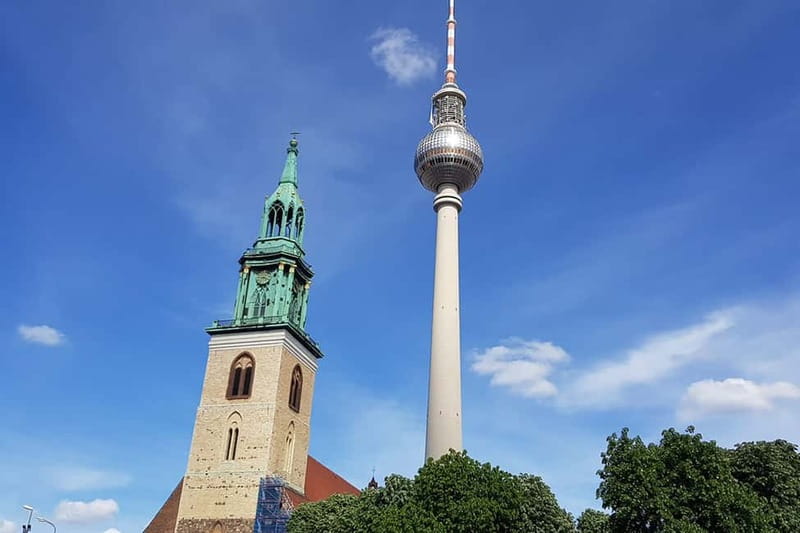
The Television Tower is Berlin’s highest building and one of the clearest modern markers in the city. It rises above Alexanderplatz and helps you understand the scale and direction of the former East Berlin.
Seeing the tower early in the route gives you a useful point of reference. Berlin’s center does not have one single historic core in the way some compact European cities do. The tower, the Spree, the cathedral, and Unter den Linden help you build a mental map as you walk.
The tower also widens the tour’s story beyond kings and emperors. Berlin’s twentieth-century division changed the appearance and meaning of the city, and the Television Tower became a major symbol of East Berlin. You do not need to go up the tower for this walking tour, and entry is not included.
Brandenburg Gate and the road to reunification
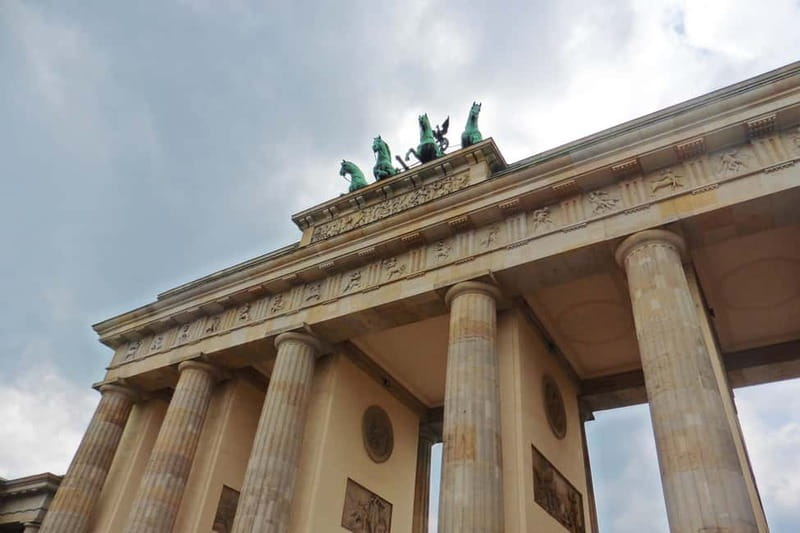
The tour reaches Brandenburg Gate, Berlin’s best-known landmark and the listed finishing point. This is where the walk’s major themes meet: royal Berlin, war, division, political protest, and reunification.
The gate was built as a royal entrance, but its modern meaning comes from the years when Berlin was divided. It stood near the border between East and West Berlin, turning an elegant neoclassical monument into a powerful symbol of separation.
The guide explains the gate’s importance before, during, and after division, including its role in the reunification story of 1990. That context makes the sight more meaningful than a quick photograph. You begin to understand why Brandenburg Gate appears so often in images of modern Germany.
The route description ends here, but the meeting information says the activity ends back at the original meeting point. Since those details do not fully match, confirm the precise finish location before setting out. If your schedule depends on reaching Brandenburg Gate at a certain time, allow a little flexibility.
What the guide adds to the walk
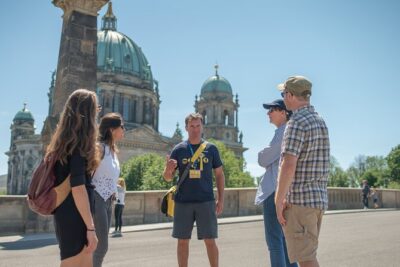
A central Berlin route can be done independently with a map, but the guide is what turns separate monuments into a connected story. The strongest praise for this activity focuses on Carlo’s explanations, friendly manner, and willingness to answer questions.
One notable detail is that the guide has continued even when only one person or one small pair had booked. That matters if you dislike tours that feel dependent on a large crowd. A tiny group can also make it easier to ask about a building, a date, or a confusing part of Berlin’s past.
The guide has also helped participants find their bus after the walk. That is not a guaranteed service or an advertised transfer, but it shows the practical value of having a local person nearby at the end of your first orientation walk.
You should expect a serious history lesson delivered in an approachable way. The tour covers Berlin’s origins, Prussian rule, cultural institutions, the city’s division, and reunification. It is not limited to the Nazi period or the Second World War, which makes it a better fit if you want a wider view of Berlin.
Price, duration, and what you receive for $44
At $44 per person, this is not the cheapest way to see Berlin’s center. You are paying for a professional guide and a focused two-hour walking route, not transport or admission to attractions.
The value is strongest when you want orientation and context. A guide can save you time by explaining the city as you move, and the route covers many headline sights in one outing. If you are visiting Berlin for the first time, that foundation can help you choose which museums and memorials deserve more of your independent time.
The value is weaker if you prefer to explore slowly, enter every building, or take long photo stops. Two hours is enough for an overview, but not enough for detailed visits to Museum Island, the Humboldt Forum, Berlin Cathedral, or the State Opera.
There are no food or drink inclusions, and hotel pickup and drop-off are not provided. Plan to reach the meeting point yourself and carry water, especially on a warm day. Comfortable shoes and weather-ready clothing are essential because the walk operates in all weather and on public holidays.
Free cancellation is available up to 24 hours in advance for a full refund. You can also reserve now and pay later, which is useful if your plans are still shifting.
Who should book this Mitte walking tour
I would choose this tour for a first-time visitor who wants a sensible introduction before tackling Berlin’s museums and memorials. It also suits anyone who enjoys political and architectural history but does not want a tour focused on only one era.
It works well for solo visitors and pairs. The guide’s willingness to run the activity for very small bookings makes it appealing if you want personal attention rather than a large crowd.
Families with older children may also find the compact route manageable, provided everyone is ready to walk and listen for two hours. The activity is wheelchair accessible, but the walk still takes place outdoors in all weather, so ask about the exact route if surface conditions or rest stops are important to you.
I would skip it if your main goal is interior access. This is a sight-and-story tour. You will see the key buildings, hear why they matter, and then need separate time for museum visits.
A practical plan for using the tour well
Book it near the start of your Berlin stay if you want help with orientation. Afterward, you will know where Museum Island, Unter den Linden, Brandenburg Gate, and the Spree fit together.
Bring comfortable shoes, a coat or rain layer, and a small amount of water. Since the tour runs in all weather and on public holidays, do not assume poor conditions will cancel it.
Keep your schedule open enough to ask questions. The guide’s greatest value comes from explanation, and rushing away immediately after the final stop means losing part of what you paid for.
If you plan to visit the Berlin Cathedral, Humboldt Forum, or a museum on Museum Island inside, treat the walk as a preview. Reserve separate time rather than expecting this two-hour experience to include admission.
Should you book it?
Book this Berlin historic center walking tour if you want a clear, wide-ranging introduction to Mitte and prefer learning from a live guide. The route covers an impressive number of landmarks, and the strongest guide feedback points to careful explanations, friendly service, and a full view of Berlin’s past rather than a narrow focus on wartime history.
The $44 cost makes the most sense on your first day or two, when a well-led orientation can shape the rest of your visit. Skip it if you want long museum visits or a slow photographic walk. For a focused overview with a personal feel, especially with a guide such as Carlo, it is a solid use of two hours.
FAQ
How long does the Berlin historic center walking tour last?
The tour lasts two hours. Starting times vary, so check availability when booking.
Where does the tour begin?
Meet in front of the main entrance to the Nikolaikirche Museum, or St. Nicholas’ Church Museum. Look for the guide holding the Get Your Guide, You in Berlin flag.
Where does the tour finish?
The route description lists Brandenburg Gate as the final stop. The meeting information also says the activity ends back at the meeting point, so confirm the exact finishing location before the tour.
What language is the tour conducted in?
The live tour guide is listed as English-speaking. The activity also describes the city guide as multilingual.
Is the walking tour wheelchair accessible?
Yes. The activity is listed as wheelchair accessible.
What should I bring?
Bring comfortable shoes and comfortable clothing. The tour runs in all weather conditions and on public holidays, so dress for the forecast.
Just added around Berlin
- From Berlin: Gardens & Palaces of Potsdam Bike Tour★ 5.0 · 61 reviews
- Berlin: Battle for Seelow Heights WW2 tour -Clash of Titans★ 5.0 · 27 reviews
- From Berlin: Historical Gems of Potsdam Private Day Trip★ 4.4 · 4 reviews
- Berlin: Französischer Dom 360° Panorama & Crémant to go★ 3.9 · 5 reviews
- Explore Berlin Tour: History and Highlights★ 4.7 · 5 reviews
- Berlin: Evening Yacht Cruise with Aperitif & Dinner Upgrade★ 4.6 · 178 reviews
- Berlin: Expats in Berlin Comedy Show Ticket★ 4.7 · 182 reviews
- Berlin: The Epic Comedy Club Friday Night Showcase★ 4.8 · 28 reviews
Berlin Tours, compared.

Reichstag, Dome and Government District Guided Tour
Read our review →
1-Hour City Tour by Boat with Guaranteed Seating
Read our review →
Reichstag, Plenary Chamber, Cupola & Government Tour
Read our review →
Browse the lists this tour appears in