
Review · BERLIN TOURS
Berlin: Disgusting Food Museum Entry Ticket and Tasting
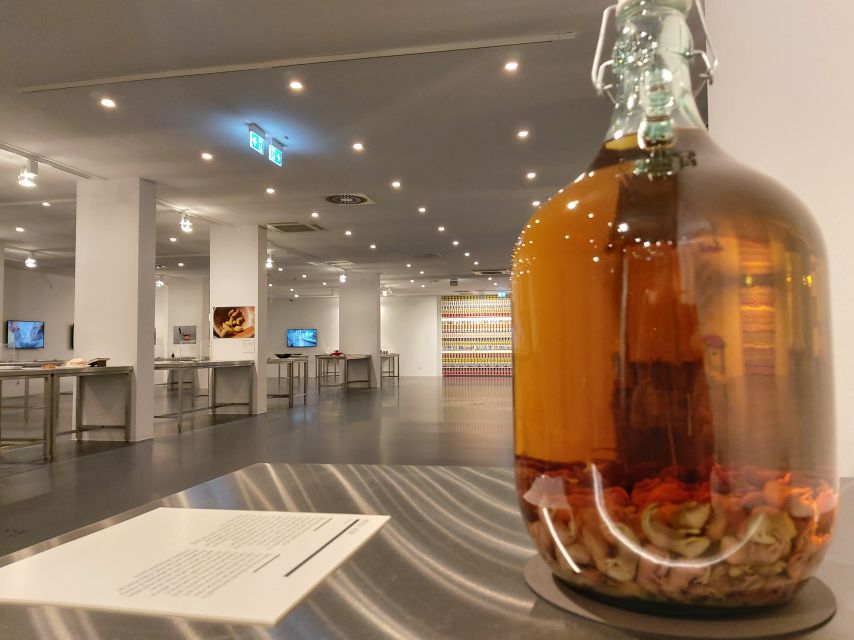
Mouse wine, mite cheese, stinky fish, and worms set the tone at Berlin’s Disgusting Food Museum. You’ll examine more than 90 foods from around the world, then decide how brave you feel at the Tasting Bar. The point is not just to shock you. It is to ask why one person’s favorite food can be another person’s nightmare.
I like the museum’s mix of odd food displays and serious questions about nutrition. I also like the small tasting samples, since they turn a quiet museum visit into a personal challenge. The main drawback is clear: strong smells and uncomfortable content are part of the deal, and the museum is not especially large.
Key points to know before you go
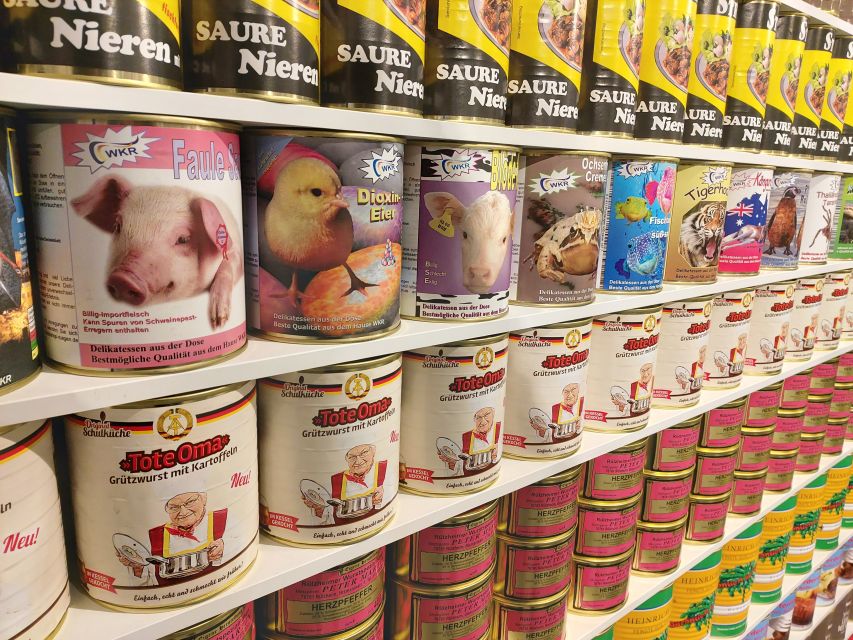
- More than 90 food exhibits: See unusual foods from many parts of the world, including mouse wine, mite cheese, stinky fish, and worms.
- Tasting Bar included: Your admission covers small samples, so you can test your reaction instead of only looking at pictures and displays.
- A thoughtful subject: The museum connects strange foods with food production, personal preference, nutrition, and the future of what we eat.
- The Hall of Fame is a challenge: A visit can include a particularly difficult tasting test for anyone keen to push their limits.
- Plan around strong smells: Some exhibits are intentionally unpleasant, and the content may not suit every visitor.
- Good practical setup: Admission costs $20 per person, the ticket is valid on the booked date and time, and the museum is wheelchair accessible.
Why Berlin’s food museum is more than a gross-out display
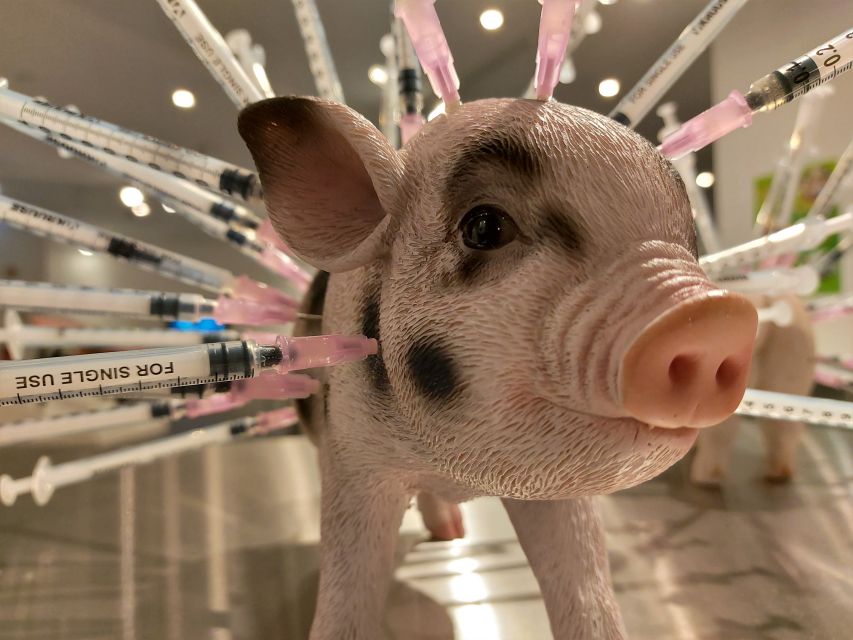
The first surprise is that this is not simply a room full of rotten food jokes. The museum uses unusual foods to make you question your own habits.
Food disgust is often cultural. A dish that seems shocking to you may be prized elsewhere, while foods you eat without thought may appear strange to someone from another country. That idea gives the exhibits a purpose beyond getting a reaction. You are asked to think about taste, custom, scarcity, tradition, and the way food is made.
The displays cover more than one type of strange food. Some are unusual because of their ingredients. Others raise questions about smell, texture, preparation, or the setting in which they are eaten. You may see foods linked to animals, fermentation, insects, or ingredients that many people in Europe do not normally encounter.
The museum also asks you to consider the future. What will people eat as populations grow and resources change? Which foods are rejected because of habit rather than genuine danger? These questions give the visit some weight, though the presentation still keeps a playful edge.
More food tours in Berlin:
- Berlin Center Food Tour with 8+ Authentic Local Tastings
★ 5.0 · 1,227 reviews - Berlin City Bike Tour with Beer Garden Stop
★ 5.0 · 917 reviews - Kreuzberg: Culinary Food Tour
★ 4.5 · 770 reviews
Starting with 90 foods from around the world
Your visit begins with the exhibition itself. There is no transportation component, and no separate sightseeing route to follow. You simply start at the Disgusting Food Museum in Berlin and work through the displays at your own pace.
The collection includes around 90 examples. That number gives you plenty to inspect without turning the visit into an all-day museum marathon. One useful point is that the museum is not huge. If you want a major institution with several large galleries, you may find the scale modest. If you prefer a focused stop that fits neatly into a Berlin day, the size works in its favor.
I would take time to read the information rather than rushing from one shocking object to the next. The value is in the comparison. Ask yourself why one food seems revolting. Is it the smell? The idea of the ingredient? The way it is preserved? Or simply the fact that it is unfamiliar?
Mouse wine, mite cheese, stinky fish, and worms provide an immediate sense of the range. They are memorable examples, but they also show how varied the idea of disgusting food can be. Some foods are difficult because of scent. Others are difficult because you know what they contain. A few may be less alarming once you understand how they are prepared.
The display style is appealing because it does not rely only on one big shock. You move between individual foods and wider topics. That helps keep the visit interesting even if you decide not to taste anything.
The Tasting Bar turns looking into a test
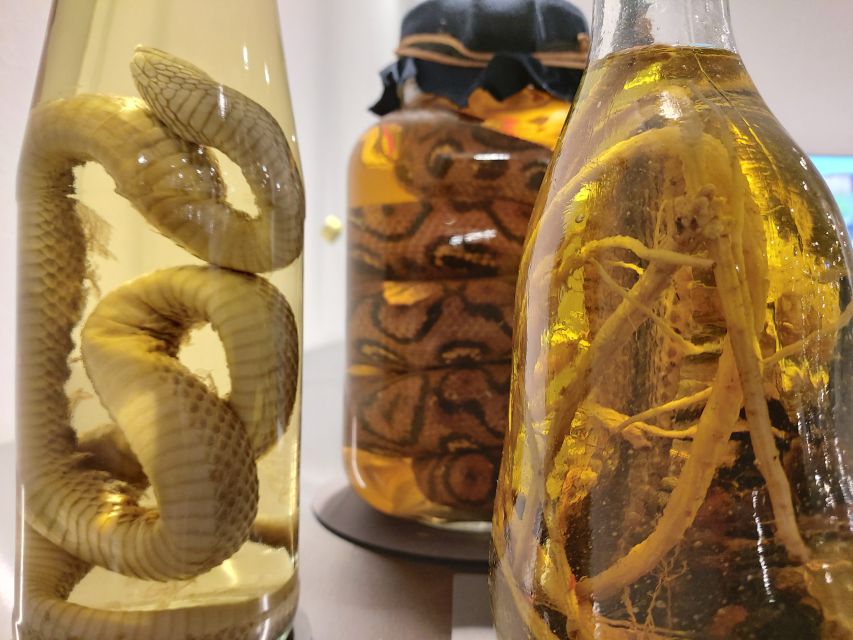
The Tasting Bar is the part that makes this ticket different from a standard museum admission. Small disgusting samples are included, so you can choose to put your taste buds to work.
You should treat the tasting as optional in spirit, even though it is one of the main attractions. The museum’s subject is designed to provoke a reaction, and not every sample will appeal to every person. You can enjoy the exhibition without trying the foods, but the tasting adds a memorable personal element.
I like this format because it gives you control. You are not signing up for a full meal of strange ingredients. You are sampling small portions, asking yourself what you can handle, and moving on. That makes the activity easier to approach for families, couples, and mixed groups where one person is curious and another is cautious.
A credit card is listed as something to bring, so pack one for the visit. The ticket includes the museum and the small samples at the Tasting Bar. Transportation is not included, so you need to make your own way to the museum.
One practical tip: avoid treating the tasting as a contest unless everyone in your group wants that. A small sample can be more interesting when you pay attention to its smell, texture, and aftertaste instead of simply trying to swallow it quickly.
The Hall of Fame for brave tasters
The museum includes a Hall of Fame challenge that can push the tasting experience further. Completing it is not necessary for enjoying the exhibition, but it gives competitive visitors a clear goal.
This is best for people who enjoy dares and unusual food challenges. It can also make the visit more lively for a family with older children or a group of friends. At the same time, do not feel that you have failed if you stop early. The museum is about examining your reaction, not proving that you have no limits.
The Hall of Fame idea also fits the museum’s humor. The subject can be serious, but the experience does not need to feel solemn. You can learn about food systems and cultural habits, then laugh at your own response to a particularly forceful smell.
Be aware that the smell is part of the challenge. One description of the visit calls the experience highly smell-intensive, which is useful advice for anyone sensitive to strong odors. If you dislike fermented, fishy, or animal-based scents, you may prefer to look first and taste later, if at all.
Same city, a completely different sort of afternoon:
- Berlin: Reichstag, Dome and Government District Guided Tour
★ 4.7 · 18,288 reviews - Berlin: 1-Hour City Tour by Boat with Guaranteed Seating
★ 4.3 · 16,993 reviews - Berlin: Boat Tour Along the River Spree
★ 4.4 · 11,252 reviews - Discover Berlin Half-Day Walking Tour
★ 5.0 · 9,624 reviews
How the museum handles food and nutrition
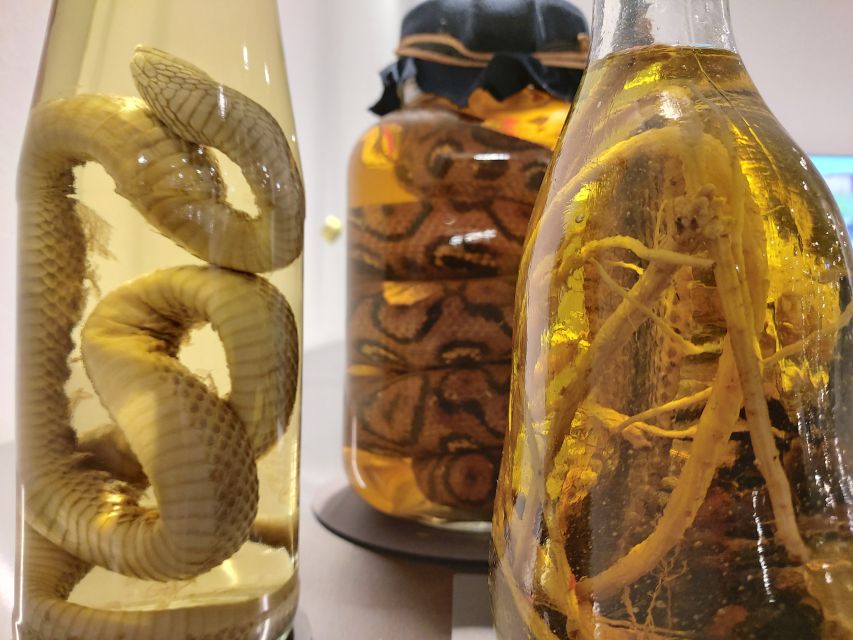
The strongest part of the visit is the way the exhibits lead into larger questions. The museum asks you to consider how food is produced, why certain preferences form, and what the future of nutrition may look like.
That makes the experience useful for more than a quick novelty stop. You might leave thinking about waste, sustainability, animal products, unfamiliar sources of protein, or the way advertising shapes your idea of an acceptable meal. The displays create an easy starting point for those conversations.
You will not get a conventional cooking class or a sit-down meal. This is an exhibition with tasting samples. Keep that distinction in mind when comparing it with food tours, market visits, or restaurant experiences. The museum is better at changing your assumptions than at filling your stomach.
The open questions are part of the appeal. You can ask yourself how much disgust comes from biology and how much comes from culture. You can also consider whether a food becomes acceptable once you know its history and preparation, or if some reactions are simply too strong to overcome.
Who will enjoy this Berlin stop
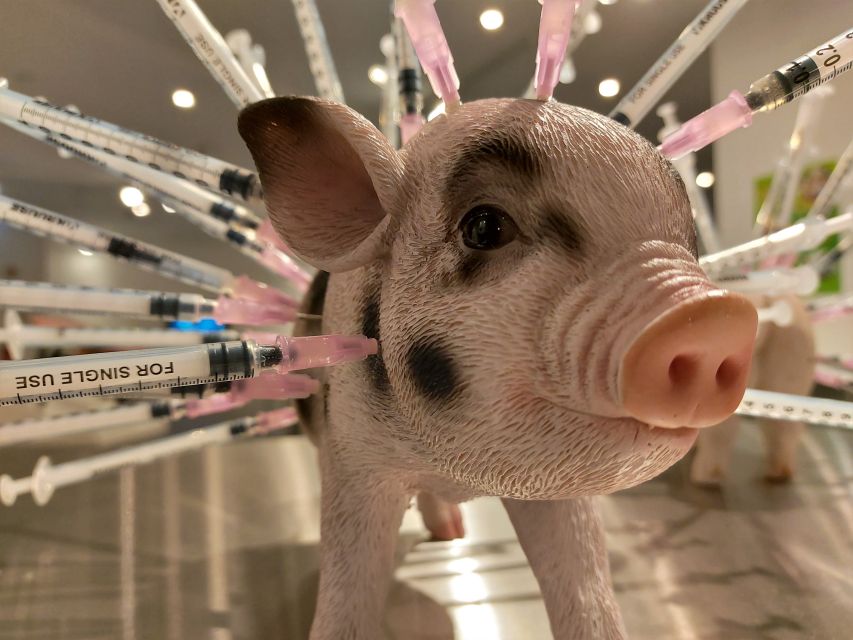
This museum suits curious people who like unusual subjects and do not mind a little discomfort. It is a good fit for adults, older children, families, and friends who enjoy discussing food rather than simply eating it.
It can also work well as a short addition to a Berlin itinerary. Since the ticket is valid for one day at the booked date and time, you can place it alongside other plans in the same part of the city. The supplied details do not give a fixed visit length, so check the available starting times when booking and leave enough room to read the displays and use the Tasting Bar without rushing.
I would be more cautious about taking very young children or anyone who is sensitive to unpleasant images and smells. The museum clearly warns that some content may be uncomfortable. That warning should be taken seriously, especially if your group includes people who dislike animal-related food displays.
The museum is wheelchair accessible, which makes it a practical option for visitors looking for an accessible indoor activity. Transportation is not part of the ticket, so check your route before setting out.
Is the $20 ticket good value?
At $20 per person, the ticket is reasonably priced if you want an unusual museum visit with an interactive element. You are paying for more than a collection of objects behind glass. The admission includes the exhibition and small samples at the Tasting Bar, which gives you something to do as well as something to see.
The value depends on your interest. If you are fascinated by food culture, the ticket offers a thoughtful subject and a chance to compare your own habits with those of other societies. If you only want a quick photo opportunity, the museum may feel expensive once the initial shock wears off.
The modest size cuts both ways. It means you should not expect a full day of galleries. It also means the museum can be easier to fit into a packed Berlin schedule. You can focus on the displays, try a few samples, and leave with plenty of time for another activity.
For the strongest value, go with someone who will discuss the exhibits with you. The museum raises questions that work better as conversation than as a silent checklist. A shared tasting challenge can also make the $20 feel more worthwhile.
Booking, timing, and what to bring
Your entry and tasting are valid on the date and time you book. Starting times depend on availability, so check the calendar before making firm plans.
You do not need to arrange transportation through the activity. The ticket is for the museum itself, and you start at the Disgusting Food Museum Berlin.
Bring a credit card. You should also wear whatever makes you comfortable in an indoor setting where strong smells may be present. The supplied information does not list a required dress code or a guided tour, and no guide names are provided.
Free cancellation is available up to 24 hours in advance for a full refund. You can also reserve now and pay later, which helps if your Berlin schedule is still changing.
My practical verdict
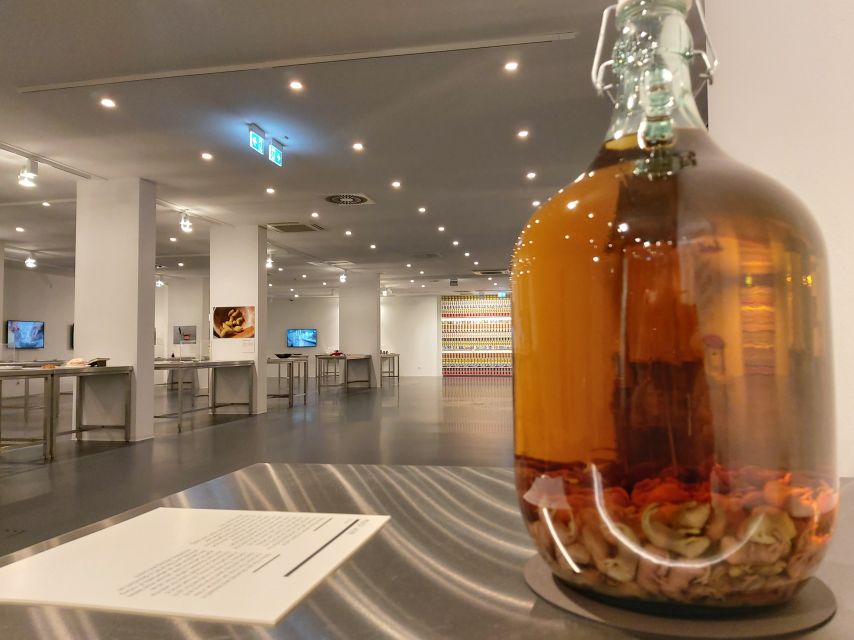
Book this if you want a compact, unusual Berlin activity that mixes humor, food culture, and small tasting challenges. The best parts are the range of 90 exhibits, the chance to try samples at the Tasting Bar, and the questions about how food habits are formed.
Skip it if strong smells, uncomfortable exhibition content, or animal-related foods are likely to ruin your day. The museum is not enormous, so it should not be your main activity if you want hours of gallery time.
For curious visitors, I think the $20 price is fair. Go with an open mind, taste only what you want, and treat the Hall of Fame as an optional dare rather than the whole point of the visit.
FAQ
What does the Disgusting Food Museum ticket include?
The ticket includes admission to the museum and small disgusting samples at the Tasting Bar.
How many food exhibits can I see?
The museum has more than 90 food exhibits from around the world.
What foods might I learn about?
The displays include examples such as mouse wine, mite cheese, stinky fish, and worms.
Is the tasting included in the $20 price?
Yes. Small samples at the Tasting Bar are included with museum admission.
Is the museum wheelchair accessible?
Yes, the museum is wheelchair accessible.
What should I bring?
Bring a credit card.
Can I cancel my booking?
Yes. You can cancel up to 24 hours in advance for a full refund.
More Museums in Berlin
- Berlin: Jewish Museum Berlin Entrance Ticket
★ 4.5 · 8,393 reviews - Berlin: DDR Museum Tickets
★ 4.3 · 3,443 reviews - Berlin: Natural History Museum Entrance Ticket
★ 4.6 · 3,382 reviews - Berlin: Neues Museum Entry Ticket
★ 4.6 · 3,261 reviews
Just added around Berlin
- From Berlin: Gardens & Palaces of Potsdam Bike Tour★ 5.0 · 61 reviews
- Berlin: Battle for Seelow Heights WW2 tour -Clash of Titans★ 5.0 · 27 reviews
- From Berlin: Historical Gems of Potsdam Private Day Trip★ 4.4 · 4 reviews
- Berlin: Französischer Dom 360° Panorama & Crémant to go★ 3.9 · 5 reviews
- Explore Berlin Tour: History and Highlights★ 4.7 · 5 reviews
- Berlin: Evening Yacht Cruise with Aperitif & Dinner Upgrade★ 4.6 · 178 reviews
- Berlin: Expats in Berlin Comedy Show Ticket★ 4.7 · 182 reviews
- Berlin: The Epic Comedy Club Friday Night Showcase★ 4.8 · 28 reviews
Berlin Tours, compared.

Reichstag, Dome and Government District Guided Tour
Read our review →
1-Hour City Tour by Boat with Guaranteed Seating
Read our review →




Reichstag, Plenary Chamber, Cupola & Government Tour
Read our review →
Browse the lists this tour appears in