
Review · BERLIN TOURS
Kreuzberg: Culinary Food Tour
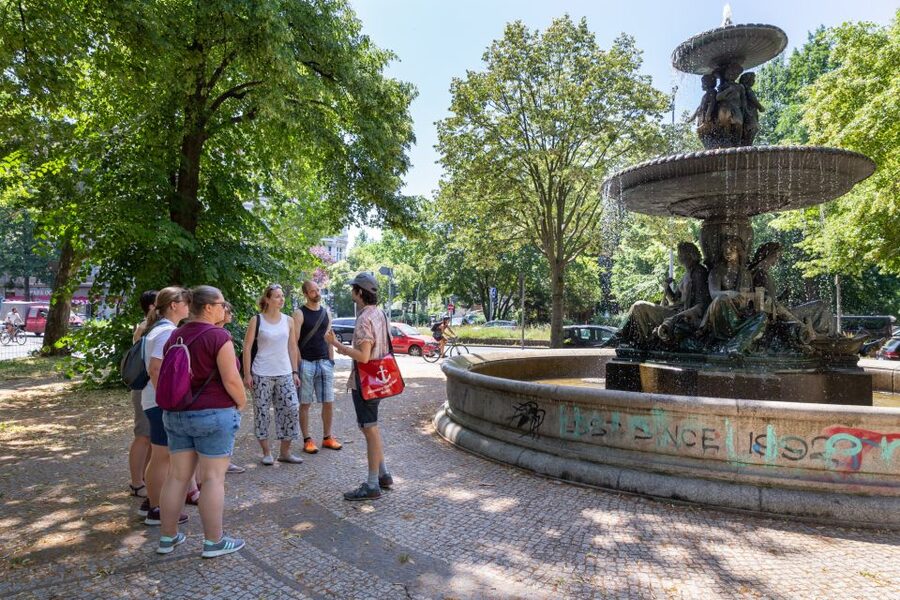
Kreuzberg is best understood with both feet on the pavement and something tasty in your hand. This three-hour walk links five food stops with stories about workers, protest culture, divided Berlin, immigration, music, and the neighborhood’s modern mix of people and lifestyles. You may try döner, currywurst, flammkuchen, baklava, vegetarian sushi, or roasted nuts, depending on the day.
I like the way the tour uses food as a doorway into local life, rather than treating Kreuzberg as a backdrop for a standard sightseeing walk. I also like the route’s variety: Oranienstraße, SO36, backyards, old working-class streets, and lesser-known corners all receive attention.
The main thing to consider is the uneven nature of the tour. The guide’s stories can be entertaining and full of detail, but one recent account found some information less clear than expected. Food may also need to be eaten standing up in exceptional cases, and vegan visitors will need another plan.
Key points at a glance

- Five food tastings across Kreuzberg: You sample several small dishes instead of sitting down for one large meal.
- A walk through SO36 and Oranienstraße: The route connects everyday streets with Kreuzberg’s working-class and protest past.
- Berlin food with an international accent: Expect local recipes, intercultural dishes, and international delicatessen.
- Stories that reach beyond food: Topics include GDR escape attempts, the former East German traffic-light men, May Day demonstrations, Martin Luther King’s 1964 visit, and Berlin’s version of Jack the Ripper.
- Private groups of up to 10: The $589 group price works best when shared by a full party.
- Vegetarian food is available: Vegan substitutions are not offered, and drinks cost extra.
Why food is the right way to see Kreuzberg
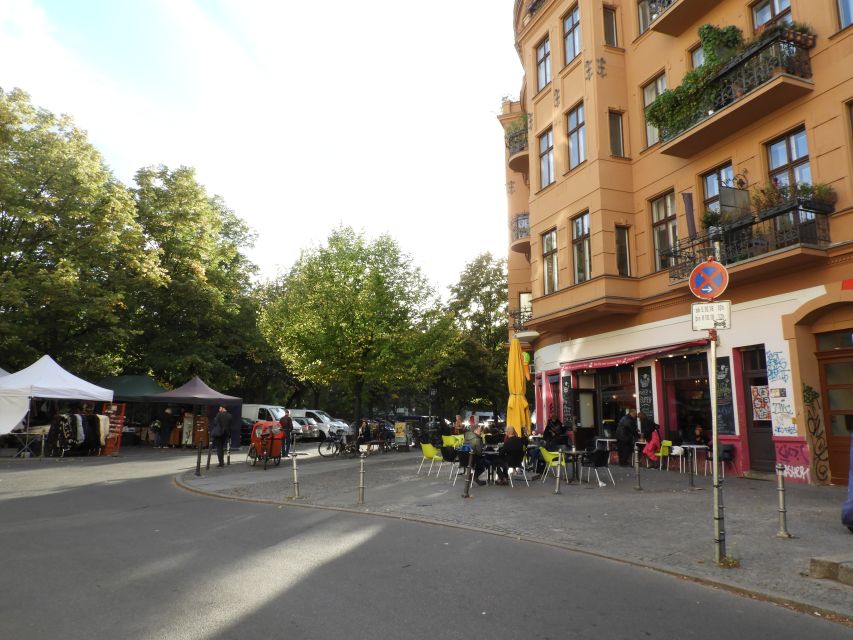
Kreuzberg is not a neighborhood you understand by ticking off a short list of monuments. Its story lives in tenement streets, public squares, restaurants, political meeting places, and the constant exchange between old Berlin and newer communities.
That makes a food walk a sensible format. You stop often, reset your attention, and get a small taste of the area’s mixed character. One dish may be a familiar Berlin classic. The next may come from another food tradition or combine several influences. You are not simply eating lunch. You are using the local menu to read the neighborhood.
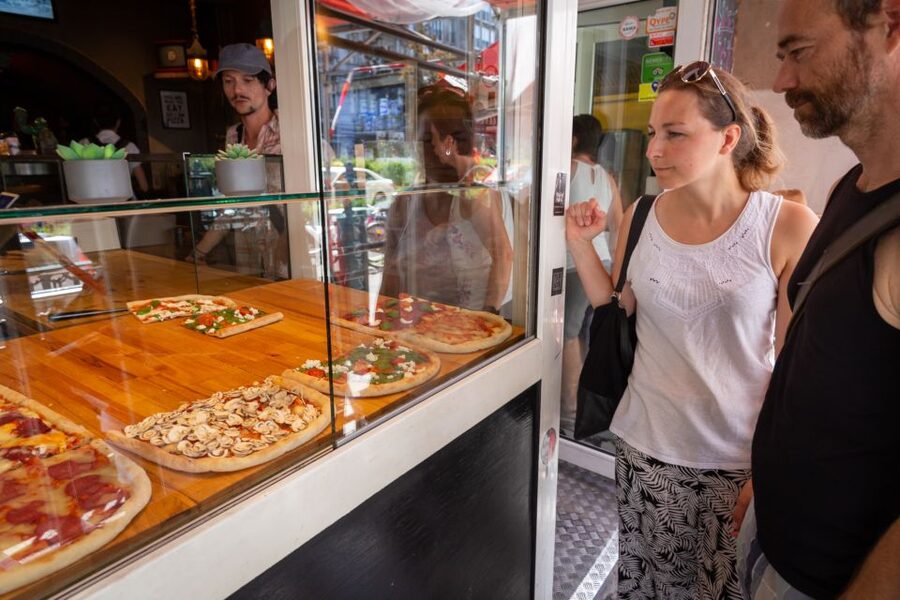
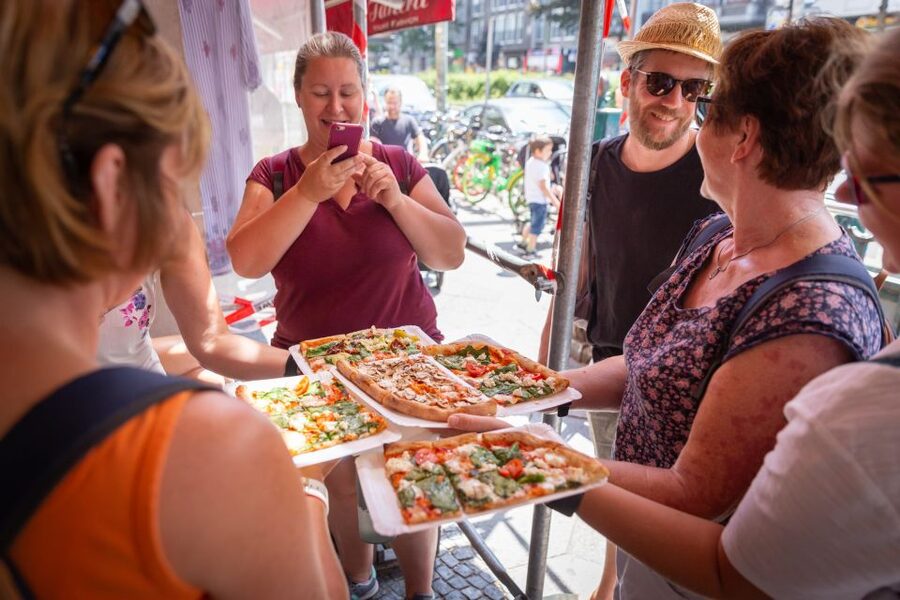
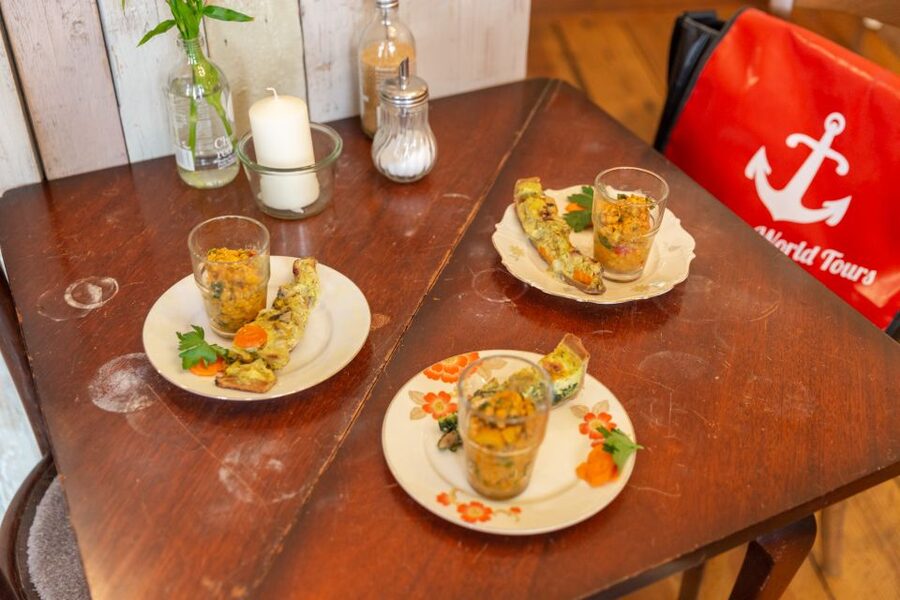
The food is served at five distinct restaurants, with examples including döner or dürüm, currywurst, flammkuchen, baklava, vegetarian sushi, and roasted nuts in sweet and savory forms. The exact selection may change, so you should book this for variety rather than for one guaranteed signature dish.
The portions are designed as tastings, not as a single oversized meal. That is useful if you want to keep moving and still have room for dinner. It also means hungry eaters may want to budget for an additional snack later, especially since drinks are not included.
More food tours in Berlin:
- Berlin Center Food Tour with 8+ Authentic Local Tastings
★ 5.0 · 1,227 reviews - Berlin City Bike Tour with Beer Garden Stop
★ 5.0 · 917 reviews - Berlin: BRLO BRWHOUSE Tour and Craft Beer Tasting
★ 4.4 · 654 reviews
Starting at Kotti and the Neues Kreuzberger Zentrum
The walk begins at Kotti, short for Kottbusser Tor, one of Kreuzberg’s key meeting points. The exact meeting place can vary with the option you book, and FightClub Casino is listed as a possible starting location, so check your confirmation carefully before setting out.
The opening section introduces Kreuzberg as a working-class district founded in the middle of the 19th century. That background matters because the neighborhood’s later reputation did not appear from nowhere. Its social character grew from dense housing, modest incomes, political tension, and a constant flow of people.
At the Neues Kreuzberger Zentrum, you get an early look at the built environment that shaped daily life. This portion includes a photo stop, guided sightseeing, and a food tasting, with about 40 minutes allocated to the area.
I would pay close attention here rather than treating the first tasting as the main event. The guide is setting up the reasons Kreuzberg became a place of strong opinions, organized protest, and many different communities living close together.
Oranienstraße and the cost of old city life

The longest stop comes around Oranienstraße, with roughly an hour for walking, sightseeing, stories, and food. This is where the tour’s social history becomes especially direct.
You hear about the hard living conditions of the old working-class quarter. A striking detail concerns people who once rented not a full apartment or even a private room, but an eight-hour stay on a mattress. It is a small fact with a large effect: it helps you picture overcrowding and the limits of ordinary life in earlier Kreuzberg.
The guide also discusses the area’s left-wing traditions and its demonstrations. That gives the streets a second layer. What looks like a restaurant row or shopping street today has also been a place where residents challenged authority and claimed public space.
Food breaks up the walking and keeps this section from becoming a lecture. You might encounter a Berlin dish such as currywurst, a döner or dürüm, or a cross-cultural plate that reflects the area today. The point is not to declare one dish the best in Berlin. It is to show how food from different backgrounds became part of daily Kreuzberg.
The drawback is that Oranienstraße can be busy and crowded. The tour is about street life, not a quiet museum visit. If you prefer slow dining at a table, remember that the food stops are short tastings within a walking route.
Rio-Reiser-Platz and Kreuzberg’s cultural side
The route continues to Rio-Reiser-Platz for about 15 minutes. This is a brief stop, but it adds a cultural note to the tour’s political and social story.
The name connects the square with Rio Reiser, a German musician associated with protest music and the left-wing cultural scene. The visit includes a photo stop, guiding, sightseeing, walking, and another food tasting.
Because the stop is short, do not expect a long presentation or a full meal here. Think of it as a compact piece of the neighborhood’s cultural identity, paired with another bite. The changing rhythm works well: listen, look, taste, then move on.
Same city, a completely different sort of afternoon:
- Berlin: Reichstag, Dome and Government District Guided Tour
★ 4.7 · 18,288 reviews - Berlin: 1-Hour City Tour by Boat with Guaranteed Seating
★ 4.3 · 16,993 reviews - Berlin: Boat Tour Along the River Spree
★ 4.4 · 11,252 reviews - Discover Berlin Half-Day Walking Tour
★ 5.0 · 9,624 reviews
Mariannenstraße, SO36, and the sound of protest
Mariannenstraße receives around 20 minutes. The tour uses this part of the route to connect the neighborhood’s streets with its reputation for demonstrations, music, and alternative politics.
SO36 is one of the key names you encounter. The area became especially associated with May Day marches and clashes, and the guide places those events within Kreuzberg’s broader story. This is useful context if you have heard the name SO36 but only know it as a nightlife or music reference.
The tour does not present Kreuzberg as a polished historic quarter. It presents a place shaped by disagreement, protest, and changes in who lives and works there. That is a more honest way to see it.
Food remains part of the route. Flammkuchen, baklava, vegetarian sushi, or roasted nuts are among the dishes that may appear across the tasting stops. You get a sense of how local and international foods sit side by side in the neighborhood.
Oranienplatz, Dresdener Straße, and divided Berlin
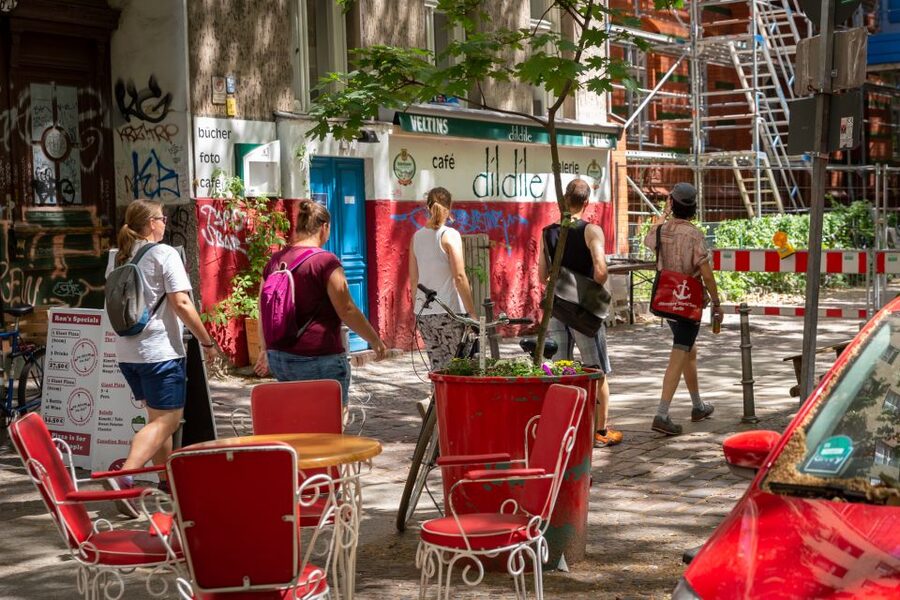
Oranienplatz is a quick five-minute photo and sightseeing stop. Dresdener Straße follows with about 10 minutes of guided walking.
These short sections help stitch the route together. The guide may discuss the former GDR traffic-light men, recognizable symbols from East Berlin, and dramatic attempts to escape from East Germany. The subject matter gives the walk a Berlin-wide frame, but it remains tied to Kreuzberg’s location near the former border.
You also hear about Martin Luther King’s visit to Berlin in 1964. The tour’s stories move quickly across decades, from 19th-century housing to Cold War division and the political life of modern Kreuzberg.
That range is a strength if you enjoy connections between places and events. It can be a weakness if you want a tightly focused food tour with only short historical comments. The guide’s personality matters here. Guides named Niclas and Nike have led recent departures, and the experience can feel more like an animated neighborhood walk than a formal academic history lesson.
Admiralstraße and the final food stretch
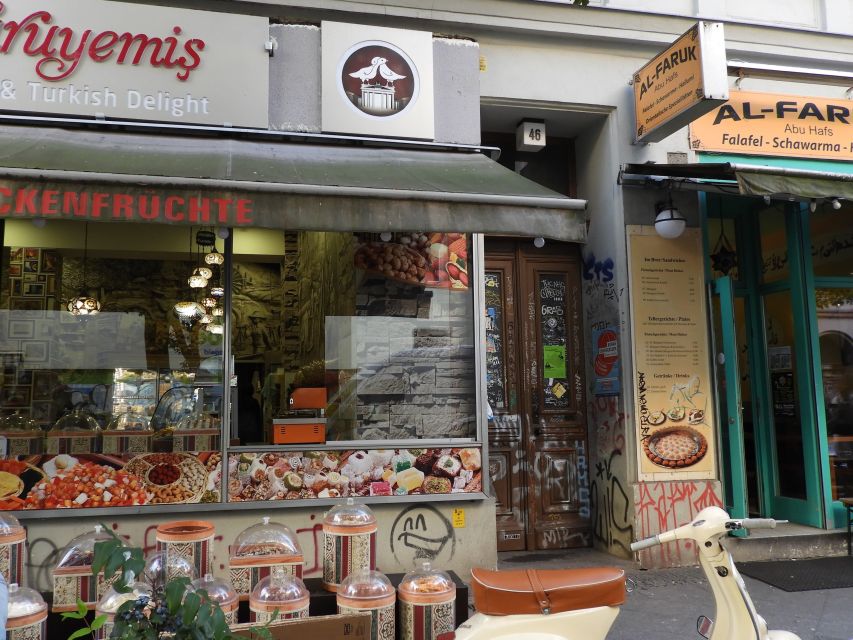
Admiralstraße is given roughly 40 minutes, making it one of the more substantial parts of the route. You have another chance to stop for photographs, hear local stories, and taste food.
The route finishes at Grimmstraße 23, 10967 Berlin. Since the start and end points are different, you should allow time to orient yourself after the tour. The finish is not at Kotti, so this matters if you have a dinner reservation or another timed activity.
The final portion also helps prepare you for Kreuzberg after dark. The tour points toward the neighborhood’s nightlife without becoming a nightlife tour itself. If you want to continue exploring bars, clubs, or late food afterward, the subject fits naturally. Just do not expect admission, drinks, or a guided evening outing to be included.
What the food tells you
The best part of the tasting format is its range. A Berlin recipe such as currywurst gives you a recognizable local reference. Döner and dürüm point to the city’s Turkish influence. Baklava, sushi, flammkuchen, and roasted nuts show how the neighborhood’s food culture keeps crossing borders.
You may find the vegetarian options particularly useful. The tour specifically offers vegetarian food, and one food selection includes excellent vegetarian sushi. A vegetarian in your group can take part without treating the meal as an afterthought.
The limits are clear. Vegan food is not available as an option, and drinks are excluded. If you are vegan, this is not a good choice unless you have confirmed a workable arrangement before booking. If you want beer, wine, soft drinks, or water beyond what you bring yourself, plan to pay separately.
There is also a practical eating note: in exceptional cases, food may be served outside a restaurant and eaten standing up. I would wear comfortable shoes and avoid carrying anything that makes walking and balancing a plate difficult. This is a street-based tasting experience, not a restaurant crawl with a seat at every stop.
The guide makes the difference
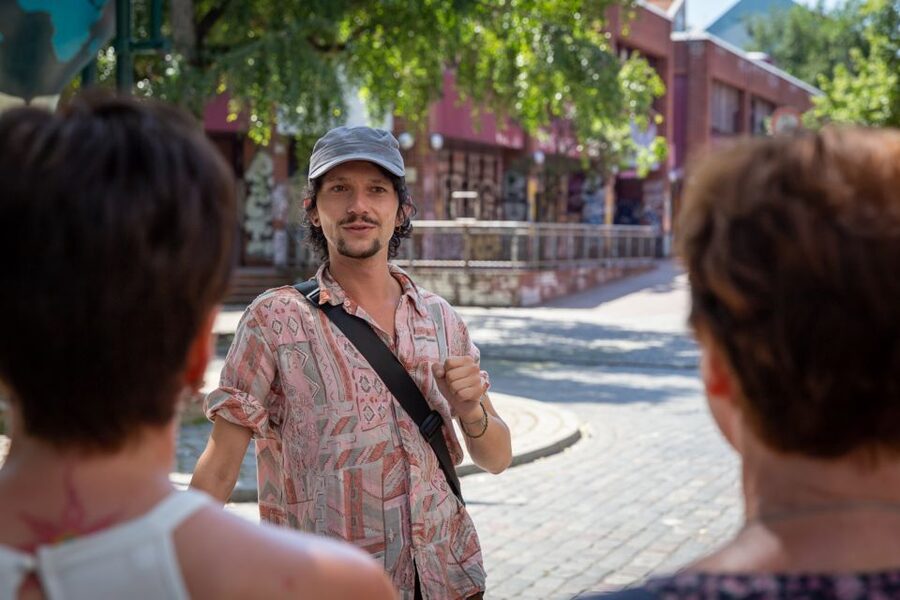
The guide is central to the experience. You get a professional, cheerful guide in English or German, and the tour is built around stories as much as food.
The strongest material covers Kreuzberg’s formation, working-class housing, protest movements, the GDR border, SO36, Martin Luther King’s visit, and the unusual story of Berlin’s Jack the Ripper. Those subjects give the route plenty of character.
You should also keep your expectations realistic. A three-hour walk covering many stops cannot explain every topic in equal depth. Some stories may be lively and memorable, while others may feel compressed or less fully connected. One recent assessment found the guide entertaining and hardworking but not always fully consistent in the information.
That is not a reason to dismiss the tour. It is a reason to book it for a mix of food, place, and storytelling rather than for a scholarly history lesson. Guides such as Niclas and Nike have been singled out by name in tour feedback, with praise for preparation, friendliness, and the number of anecdotes they bring.
Is $589 a fair price?
The price is $589 per group of up to 10 people, not per person. With a full group, that works out to $58.90 per person before drinks. For a private group, that can be reasonable because you receive three hours of guiding and five food tastings while moving through one of Berlin’s most distinctive districts.
For two people, the calculation is much less attractive. You would effectively pay $294.50 each, before any drinks or extra food. The value improves sharply as your party grows.
A group of friends, a family, or a small private gathering will get the most from the format. You are paying for the guide’s time, the food, and a tailored group setting, not simply for transportation or entry to a single attraction.
The booking terms also reduce some planning risk. You can cancel up to 24 hours before the start for a full refund, and a reserve-now, pay-later option is available. Starting times depend on availability.
Who should book this Kreuzberg walk?
I would recommend it if you want to combine local food with social history and do not mind walking between stops. It is especially suited to first-time Berlin visitors who want a clearer sense of what makes Kreuzberg different from the city’s grand museum and monument areas.
It also works well for people who have already seen central Berlin and want a neighborhood-focused afternoon. The route includes famous places and less obvious corners, with enough food to make the history feel grounded in everyday life.
Vegetarians can book with confidence that food is available. Vegans should skip it unless the operator confirms a solution. People who dislike standing while eating, need a quiet sit-down meal, or want drinks included should choose another experience.
For a full private group, the price is easier to justify. For a couple, I would compare it with a smaller shared food tour or simply eat independently while exploring Kreuzberg. The tour’s real value comes from the guide’s stories and the way the stops connect, so it makes the most sense when you want both food and interpretation.
FAQ
Where does the Kreuzberg culinary tour start?
The meeting point may vary depending on the option booked. FightClub Casino is listed as one possible starting location, and the route begins at Kotti, in the center of Kreuzberg.
Where does the tour finish?
The tour finishes at Grimmstraße 23, 10967 Berlin, Germany.
How long does the experience last?
The guided walking tour lasts three hours.
How many food tastings are included?
You receive five different food tastings at five distinct restaurants.
Are drinks included?
No. Drinks are not included in the tour price.
Is vegetarian food available?
Yes. A vegetarian option is available.
Is a vegan option available?
No. The experience does not offer a vegan option.
What languages does the guide speak?
The tour is available in English and German.
Is this a private tour?
A private group option is available. The listed price covers a group of up to 10 people.
Can I cancel for a full refund?
Yes. You can cancel up to 24 hours in advance for a full refund. A reserve-now, pay-later option is also available.
Should you book it?
Book this tour if you want Kreuzberg explained through its food, streets, protests, and complicated past. A full group will get the strongest value from the $589 price, and vegetarians are well served. Skip it if you need vegan food, want a seated meal with drinks, or prefer a tightly academic history tour. For everyone else, it is a lively way to meet Kreuzberg one bite and one story at a time.
Just added around Berlin
- From Berlin: Gardens & Palaces of Potsdam Bike Tour★ 5.0 · 61 reviews
- Berlin: Battle for Seelow Heights WW2 tour -Clash of Titans★ 5.0 · 27 reviews
- From Berlin: Historical Gems of Potsdam Private Day Trip★ 4.4 · 4 reviews
- Berlin: Französischer Dom 360° Panorama & Crémant to go★ 3.9 · 5 reviews
- Explore Berlin Tour: History and Highlights★ 4.7 · 5 reviews
- Berlin: Evening Yacht Cruise with Aperitif & Dinner Upgrade★ 4.6 · 178 reviews
- Berlin: Expats in Berlin Comedy Show Ticket★ 4.7 · 182 reviews
- Berlin: The Epic Comedy Club Friday Night Showcase★ 4.8 · 28 reviews
Berlin Tours, compared.

Reichstag, Dome and Government District Guided Tour
Read our review →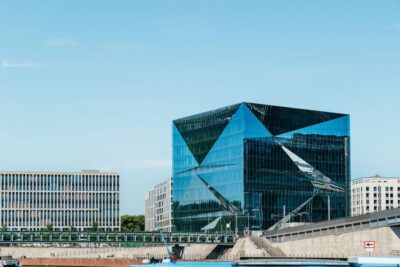
1-Hour City Tour by Boat with Guaranteed Seating
Read our review →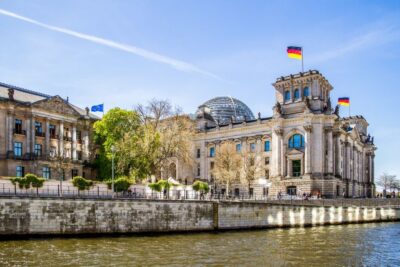
Reichstag, Plenary Chamber, Cupola & Government Tour
Read our review →
Browse the lists this tour appears in