
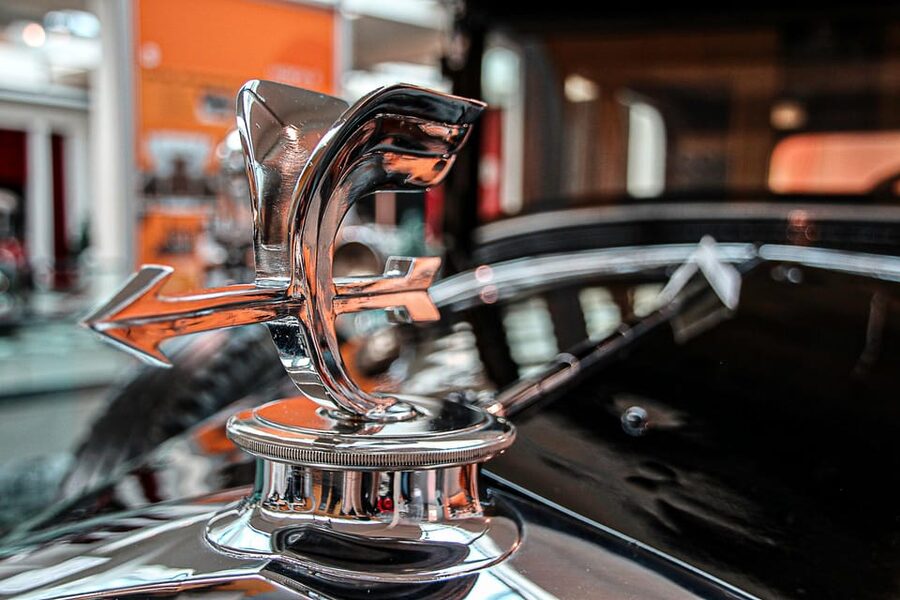
Review · MUSEUMS
August Horch Museum Entrance Ticket
The August Horch Museum takes you to the actual birthplace of Audi, where the same halls later produced DKW and Trabant cars. You can see more than 160 vehicles and exhibits covering over 120 years of car production in Zwickau, including rare luxury cars and a Trabant body production line.
I like the clear link between the museum and the factory site, and I like that the displays reach beyond famous brands to show how ordinary East German cars were made. The main consideration is that this is a self-guided visit, so you need to read and explore at your own pace rather than follow a guide.
- Original factory setting: Visit the ground where the first Audi factory operated.
- 160 large exhibits: See cars from early Horch and Audi models through the present day.
- Trabant production: Learn how the famous East German car was built, including its Duroplast body.
- Six thousand five hundred square metres: The exhibition has enough room for a substantial museum visit.
- A full Zwickau story: Follow car production from luxury vehicles to DKW, Trabant, and Volkswagen.
- Good value at $17: The ticket covers a full day of museum admission, though food, transport, and guiding cost extra.
Entering Audi’s birthplace in Zwickau
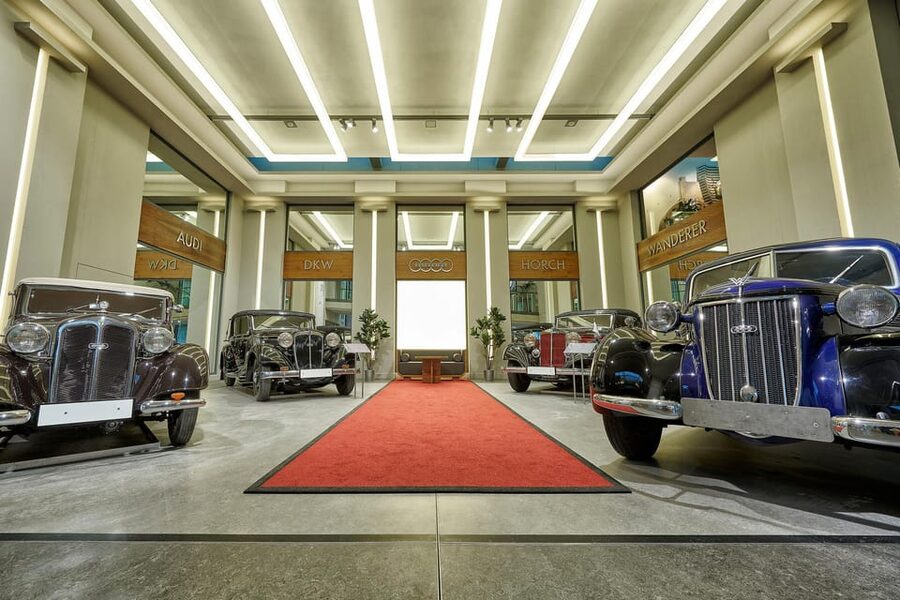
The August Horch Museum is not simply a collection of cars placed in a modern gallery. It sits on the site of the first Audi factory, giving the visit a useful sense of place from the start. You are looking at the ground where more than a century of vehicle production took shape.
That setting matters because Zwickau’s motor story changed with the politics and economy of the region. The factory is tied to Audi, Horch, DKW, Trabant, and Volkswagen, so the museum is about more than individual cars. It shows how one industrial site adapted over time.
You begin with the early years of production. The collection includes an Audi and a Horch from 1904, along with vehicles dating from 1911 onward. These early cars help you see how different motoring was before streamlined bodies, mass production, and modern safety equipment became normal.
The museum covers more than 120 years of automotive history, while the exhibition text also describes over 115 years of vehicle production in Zwickau. Either way, you are following a long industrial story rather than a short brand display.
From Horch luxury to practical motoring
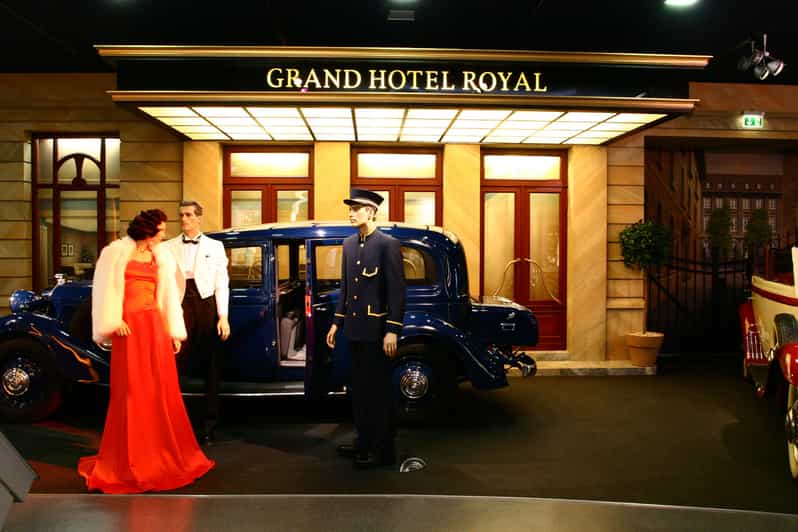
Horch is an important part of the museum’s identity. The company became known for high-end cars, and the exhibition includes luxurious vehicles from the 1920s. These cars offer a sharp contrast with the small, practical Trabant that appears later in the story.
I like this change in scale. You can move from elegant prewar automobiles to the everyday vehicles of East Germany and see how the meaning of a car depends on its time and place. One car represents status and craftsmanship. Another represents affordable mobility in a planned economy.
The early cars also give the museum a useful starting point for understanding Audi’s roots. The museum does not treat Audi as a brand that appeared fully formed. Instead, you see the earlier companies and production traditions connected to the name.
You should allow time to look at the small exhibits as well as the full-sized vehicles. About 160 large exhibits are presented alongside numerous smaller items across roughly 6,500 square metres. That is a sizable display, so a quick stop may leave you rushing past parts of the story.
More museums and galleries in Germany:
- Berlin: Jewish Museum Berlin Entrance Ticket
★ 4.5 · 8,393 reviews - Berlin: DDR Museum Tickets
★ 4.3 · 3,443 reviews - Berlin: Natural History Museum Entrance Ticket
★ 4.6 · 3,382 reviews
The DKW and Trabant years
The museum’s most distinctive subject for many people will be the Trabant. The car is closely linked with daily life in East Germany, and its familiar shape is only one part of the story. Here, you can learn about how it was produced and why its body material was different from the steel used on many other cars.
A special feature is the production line for Duroplast, the patented material used for the Trabant’s body. This is more useful than seeing a finished car alone. The body material helps explain the car’s construction and gives you a look at the manufacturing choices behind one of Europe’s most recognizable small cars.
The Trabant section also gives the museum an honest human scale. A luxury Horch may catch your eye, but the Trabant connects the factory to ordinary families and everyday transport. If you have seen photographs of East Germany, you may recognize the car at once. The museum adds the industrial background that photographs cannot provide.
The DKW connection fills in another part of the timeline. The halls did not only produce Audi and Trabant vehicles. DKW was also made here, and that fact helps you follow the changes in ownership, technology, and public life across the decades.
Reaching the modern Volkswagen factory
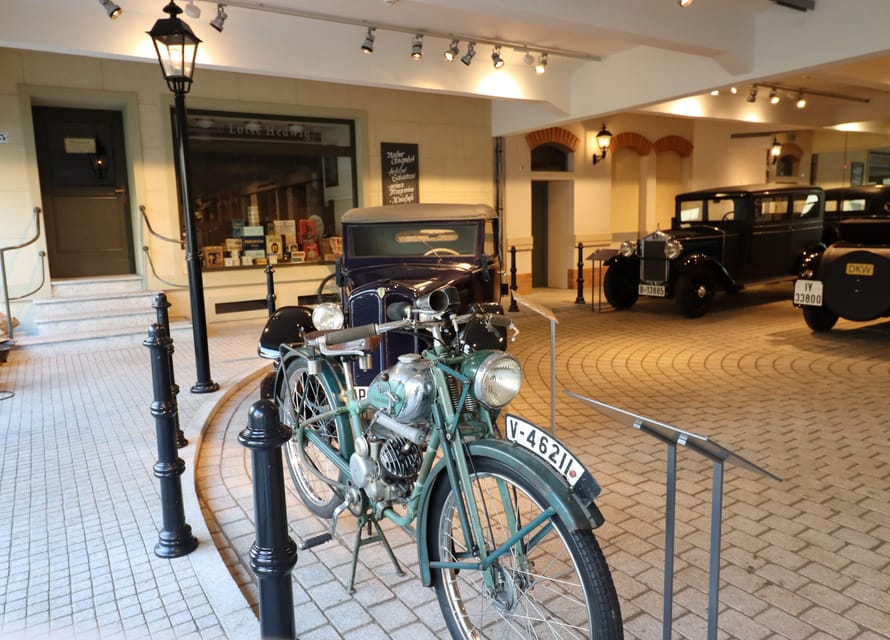
The exhibition continues into the present day, when Volkswagen remains active in Zwickau. This gives the museum an ending that is connected to current production rather than stopping with a historic car.
I appreciate that the final chapter stays tied to the same city and factory tradition. You are not only looking backward at preserved machines. You are seeing how Zwickau remains part of the German car industry.
The modern section also helps place the older exhibits in context. The early Audi and Horch cars were products of a young industry. The Trabant belonged to a very different economic system. Volkswagen represents another stage in Zwickau’s working life. The sequence gives you a practical way to compare technology and production over time.
Do not expect the whole visit to focus only on polished prestige cars. The museum’s strength is the range of vehicles and the way it connects cars to factory work, local industry, and social change. That broader approach makes it useful even if you are more interested in history than in engines.
How long should you plan?
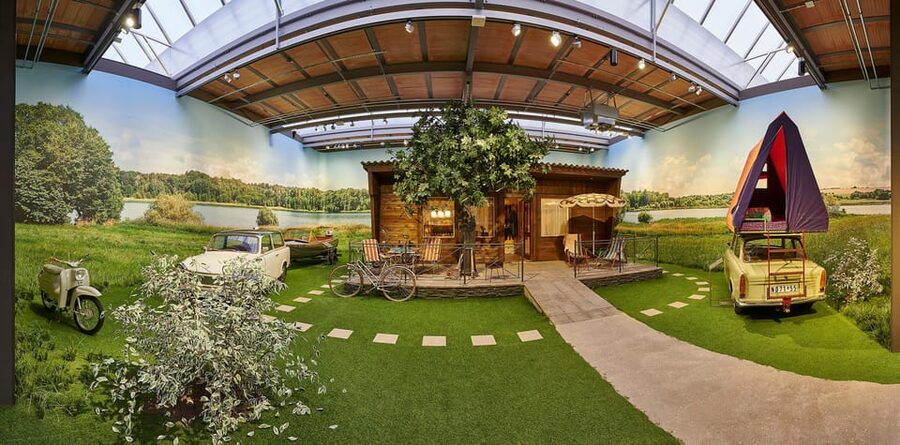
Your ticket is valid for one day, so you are not forced into a short timed visit. Starting times depend on availability, and you should check the available option when booking.
The exhibition covers about 6,500 square metres, with large vehicles and smaller objects spread through the museum. I would plan at least two hours if you want to read the displays and give the cars proper attention. The supplied visitor feedback includes a visit lasting more than two hours without feeling dull, which fits the size and subject of the museum.
You can make the visit shorter if you mainly want to see the major cars. But the best reason to come is the full sequence, from early Audi and Horch vehicles through the 1920s luxury models, DKW, Trabant, and Volkswagen. If you have an interest in industrial history, plan extra time for the production displays.
There is no included guided tour. That keeps the $17 ticket simple, but it also means you are responsible for setting your pace and working through the information yourself. If you prefer a guide to explain the collection, this ticket does not provide one.
A few more Germany half-days to weigh up
- Dresden: Semperoper Tickets and Guided Tour
★ 4.7 · 12,102 reviews - Berlin: Berlin Story Bunker Entry Ticket
★ 4.6 · 6,759 reviews - Hamburg: Hamburg Dungeon Admission Ticket
★ 4.7 · 5,745 reviews - Munich Hop-On Hop-Off Tour: 1-Day or 2-Day Ticket
★ 4.3 · 4,161 reviews
Is the $17 ticket good value?
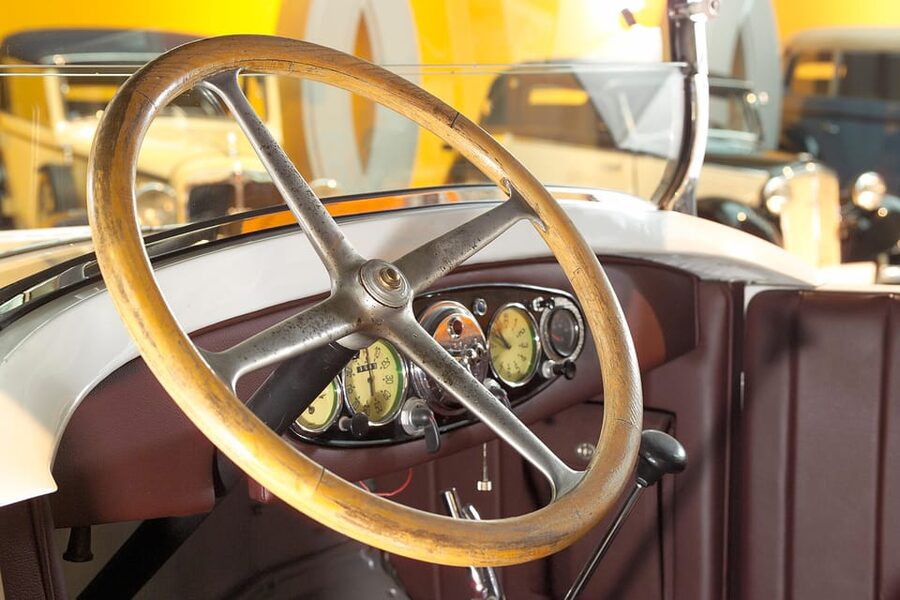
At $17 per person, admission is a solid value for the amount of material on display. You get access to a large exhibition, around 160 major exhibits, more than a century of car production, and the unusual Duroplast production line.
The value is strongest if you like one of three things: historic cars, the story of Audi and related companies, or East German daily life. You do not need to be an expert mechanic. The collection has enough visual appeal for a casual car enthusiast, while the factory setting and production story give it substance.
The price is less compelling if you only want a quick look at a few famous Audi models. This is not a small showroom. You are paying for a broad museum visit, and the experience makes more sense when you give it time.
Food and drinks are not included, and neither is transport to the museum. The ticket covers museum entrance only. You should treat it as a self-contained cultural stop in Zwickau, not as a package with transfers or a meal.
The reserve-now, pay-later option can help if your route through Saxony is still changing. You can reserve without paying immediately, and cancellation is free up to 24 hours before the visit for a full refund. A printed voucher is required, so plan ahead rather than relying only on a phone confirmation.
Access, groups, and practical limits
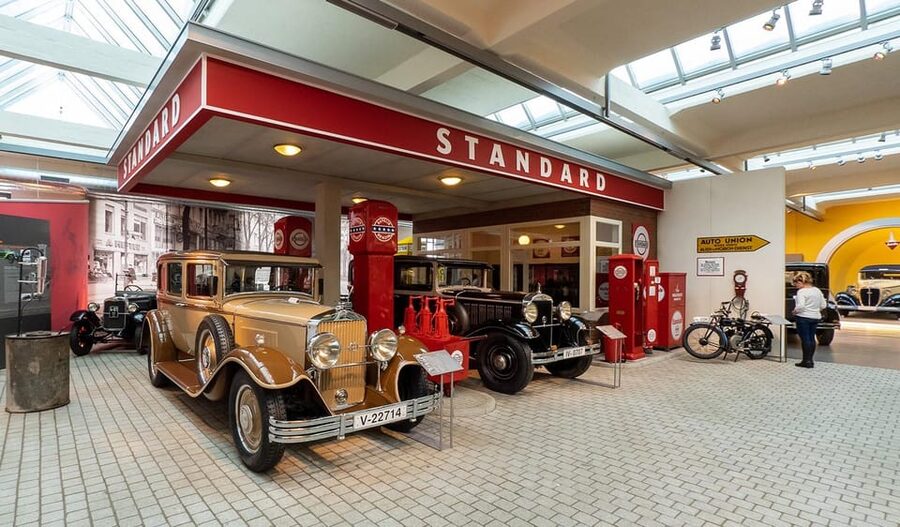
The exhibition is wheelchair accessible except for the August Horch Mansion. That distinction is important if full access is a priority. You can reach most of the exhibition, but one part of the site has a stated limitation.
The booking information describes the experience as a small group, limited to 10 participants. Since the ticket itself does not include a guided tour, this appears to keep the admission arrangement small rather than create a scheduled lecture. Check the exact booking details for your selected time.
Pets are not allowed, although assistance dogs are permitted. This is worth knowing before you set out, especially if you are visiting Zwickau as part of a longer day trip.
There is no transfer included. You need to make your own way to the museum in Zwickau, Saxony. The supplied information does not specify a transfer service or a pickup point, so do not assume one is part of the booking.
Who will enjoy this museum most?
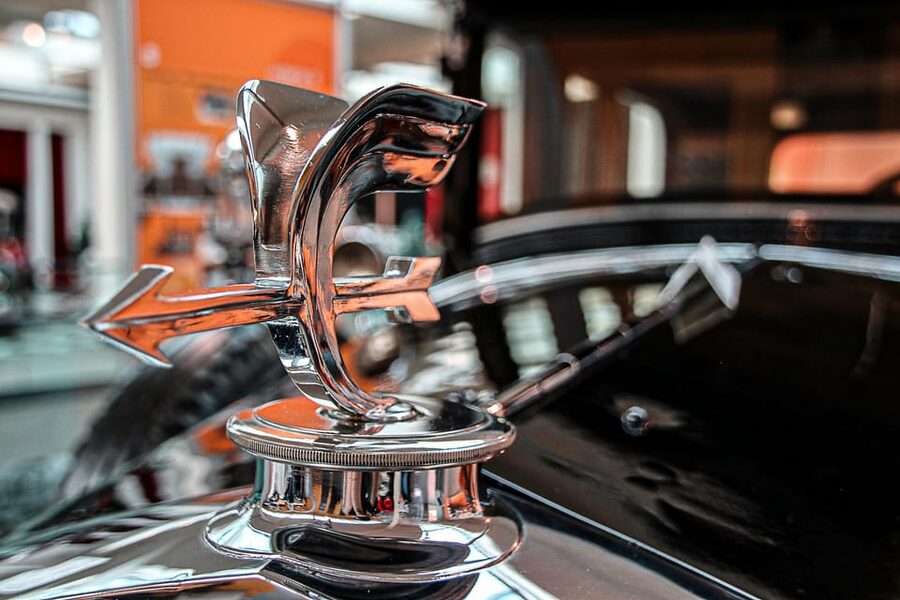
I would recommend the August Horch Museum to anyone who wants more than a row of expensive cars. The exhibition works particularly well for:
- Car enthusiasts interested in Audi, Horch, DKW, Trabant, or Volkswagen
- Visitors curious about East German industry and everyday transport
- Families with older children who enjoy machines and production displays
- Anyone already visiting Zwickau and looking for a substantial indoor attraction
- People interested in how technology changes across political and economic eras
The museum should also suit you if you like comparing extremes. The move from 1920s luxury cars to the mass-produced Trabant creates an easy visual contrast. You can see how design, materials, and purpose changed over time.
It may be less suitable if you want an active tour with demonstrations or a live guide. The admission is for the exhibition, not for a guided program. You will get the most from it if you are comfortable reading displays and following the story independently.
The details that make the visit worthwhile
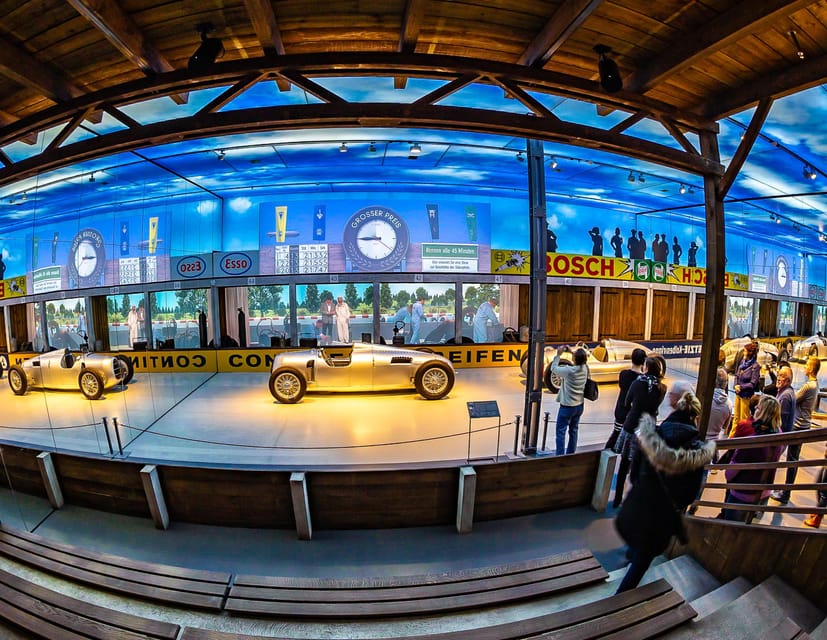
Three parts deserve special attention.
First, look closely at the earliest Audi and Horch examples. They establish the beginning of the Zwickau story and show how far automobile design had to travel before reaching the familiar modern form.
Second, give the 1920s luxury cars time. They provide some of the museum’s most striking visual material and show the prestige side of the Horch tradition.
Third, do not hurry past the Trabant production display. The Duroplast line is one of the museum’s most unusual features because it shows a manufacturing process, not only a finished vehicle. It explains why the Trabant looked and felt different from cars built with conventional steel bodies.
The exhibition’s power comes from putting these parts together. If you only focus on the most beautiful cars, you miss the industrial story. If you only focus on the Trabant, you miss the earlier Audi and Horch achievements. The complete visit gives you both.
Should you book the August Horch Museum?
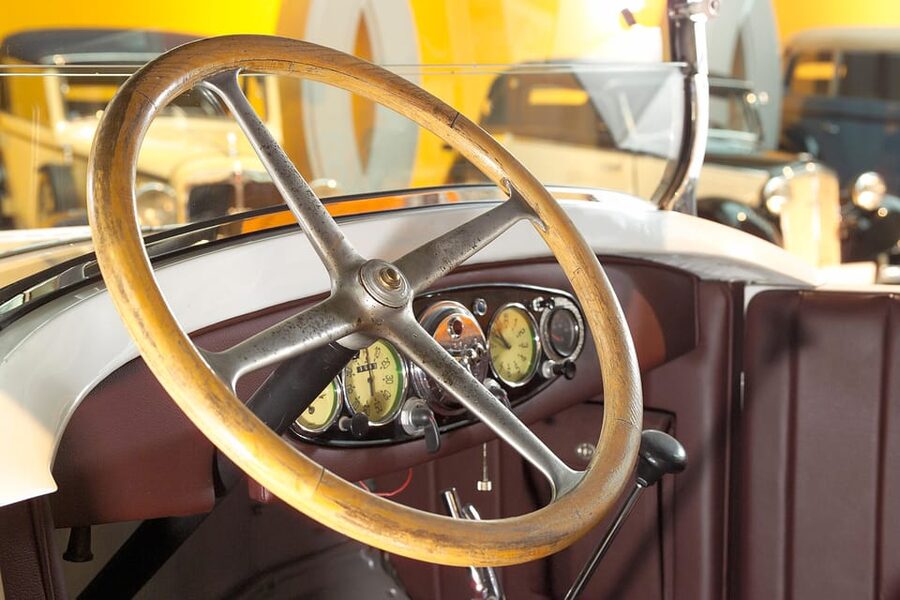
Book it if you want a substantial museum visit in Zwickau and have an interest in the people, materials, and factories behind famous cars. The original factory site, the broad collection, and the Duroplast production line make this more useful than a standard brand display.
At $17, it offers good value for a full day of admission, especially if you plan to spend two hours or more with the exhibits. I would be less quick to recommend it if you want a guided tour, included transport, or a short highlights-only experience.
Bring the printed voucher, check the available starting time, and allow enough time to follow the story from 1904 to the present. For car lovers and anyone curious about Zwickau’s industrial past, this is one of the city’s most worthwhile stops.
FAQ
Where is the August Horch Museum located?
The museum is in Zwickau, in Saxony, Germany. It occupies the site of the first Audi factory.
What does the admission ticket include?
The ticket includes entrance to the August Horch Museum.
How much does the ticket cost?
The listed price is $17 per person.
How long is the ticket valid?
The ticket is valid for one day. Available starting times should be checked when booking.
Is a guided tour included?
No. A guided tour of the museum is not included with this ticket.
How many exhibits are in the museum?
The museum presents about 160 large exhibits, along with numerous smaller objects, across roughly 6,500 square metres.
Is the museum wheelchair accessible?
The exhibition is wheelchair accessible except for the August Horch Mansion.
Are pets allowed?
Pets are not allowed. Assistance dogs are permitted.
Can I cancel the booking?
Yes. You can cancel up to 24 hours in advance for a full refund. A reserve-now, pay-later option is also available.
Just added around Germany
- From Berlin: Gardens & Palaces of Potsdam Bike Tour★ 5.0 · 61 reviews
- Berlin: Battle for Seelow Heights WW2 tour -Clash of Titans★ 5.0 · 27 reviews
- From Amsterdam: Cologne Private Sightseeing Tour★ 5.0 · 4 reviews
- From Berlin: Historical Gems of Potsdam Private Day Trip★ 4.4 · 4 reviews
- Freiburg: Veni, vidi, vino – wine hike and tasting★ 4.5 · 144 reviews
- From Alken: Return Day Trip by Boat to Cochem★ 4.6 · 141 reviews
- Fritz Haarmann – Die Mördertour★ 4.6 · 41 reviews
- Friedrichshafen: Zeppelin Museum Entry Ticket★ 4.1 · 83 reviews
Museums, compared.


Skip-the-Line: Berlin Wall Museum at Checkpoint Charlie
Read our review →
Browse the lists this tour appears in