
Review · COLOGNE TOURS
Cologne: Chocolate Museum Entrance Ticket
The best part of Cologne’s Chocolate Museum is that it treats chocolate as both food and culture. You move from cocoa trees and pre-Columbian Central America to Baroque porcelain and silver, then watch modern machines turn cocoa into finished sweets. The 3-meter-high chocolate fountain, fed by 200 kilograms of warm chocolate, is the showstopper, and tasting is encouraged.
I like the mix of real machinery and hands-on treats. I also like that you can set your own pace, spending about an hour on a quick visit or more than two hours with careful reading, café time, and a custom chocolate bar. The main drawback is that this is an entrance ticket, not a guided tour, and the production areas close before the museum itself.
Key points
- The glass factory shows the full process: Watch chocolate move from roasted cocoa and liquid chocolate toward molded sweets and pralines.
- The fountain comes with a tasting: A staff member serves chocolate on a wafer, making this more than a display behind glass.
- The story begins 5,000 years ago: Exhibits connect cocoa to Central American cultures, European court life, trade, and industrial production.
- The visit works well for families: Children and teenagers have machines, samples, cocoa trees, and optional chocolate-making activities to keep them involved.
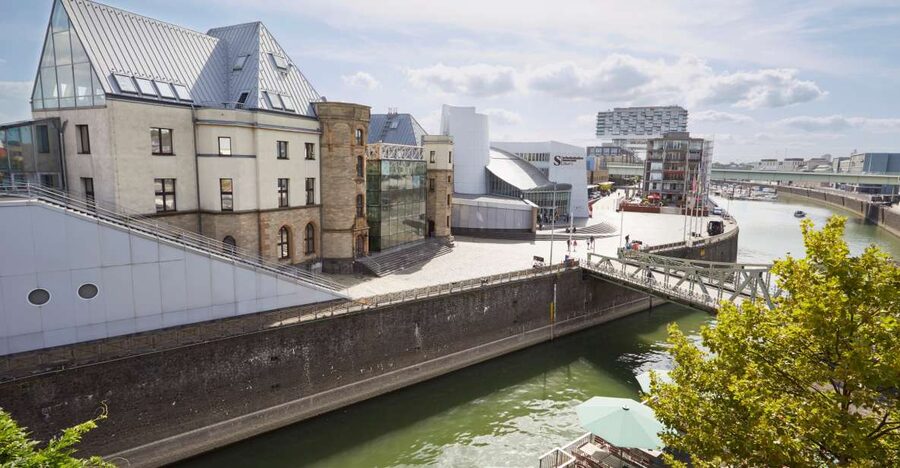
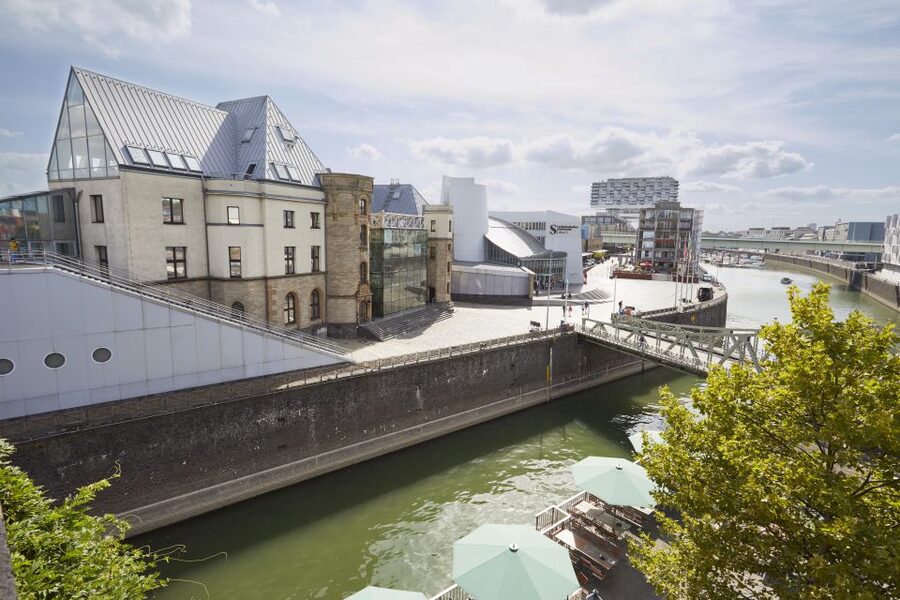
- The riverside setting adds appeal: The museum sits on the Rhine, making it easy to pair with a walk through Cologne.
- Arrive early on busy days: The museum can fill soon after opening, even though a mobile ticket lets you go directly to the entrance.
What the Cologne Chocolate Museum actually offers
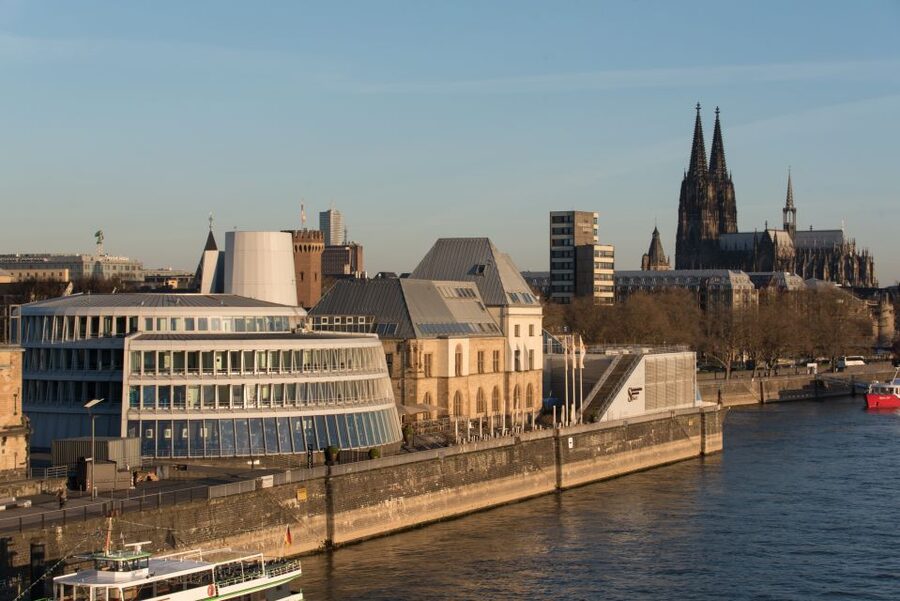
This is a self-guided museum visit in a glass building beside the Rhine. Your $19 ticket covers entry and an information booklet, but not a guide, tasting demonstration, café purchase, or custom chocolate activity.
The museum covers about 43,055 square feet, so it is larger than a quick gift-shop stop. You can walk through the exhibits in your own order, but the displays naturally lead you from cocoa’s origins to the finished chocolate bar.
I would allow one to one and a half hours for a normal visit. If you read most of the panels, stop for tastings, visit the café, or make your own bar, plan on two hours or more. One visitor spent roughly two and a half hours here, while others found that an hour was enough for the main route.
That flexibility is useful on a Cologne sightseeing day. You are not tied to a guide’s pace, and you can linger over the parts that interest you, whether that is colonial trade, old factory equipment, or the chocolate line.
A few more Cologne half-days to weigh up
- Cologne: Chocolate tasting Tour per Rickschaw
★ 5.0 · 5 reviews - Dresden: Guided Walking Tour and Chocolate Museum Ticket
★ 4.5 · 385 reviews - Biggesee: Boat Tour with All-inclusive cake buffet
★ 4.4 · 20 reviews
Start with cocoa trees in the tropical house
The visit begins with a walk-in tropical house. It gives you a chance to see where chocolate begins, rather than treating cocoa as a mysterious ingredient that simply appears in a supermarket wrapper.
Inside, you get natural history information about cocoa and the growing conditions connected with the plant. The sight of a real cocoa tree helps children understand that chocolate starts as an agricultural product, not as a ready-made sweet.
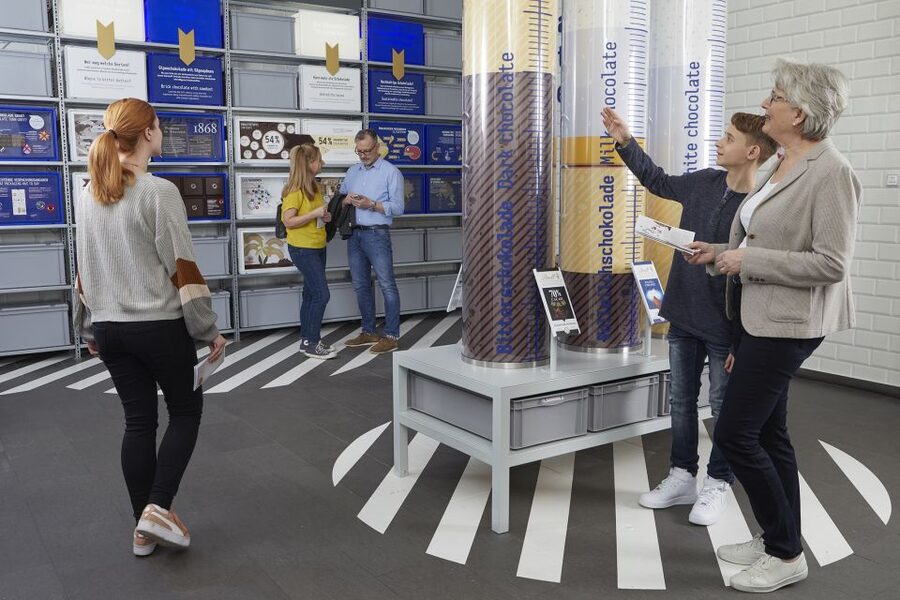
The early sections also look at chocolate culture over roughly 5,000 years. Displays about the pre-Columbian cultures of Central America explain how cocoa was used before it became a European luxury. This gives the museum a useful human story, not just a display of candy and machinery.
I appreciate this opening because it puts the modern product in context. You see cocoa as a crop, a traded commodity, and a food with a long cultural past. Some of the information is text-heavy, so younger children may need help picking out the main points.
From Central American cocoa to Baroque tableware
The historical portion moves beyond the plant itself. Exhibits cover the way cocoa and chocolate became part of European life, including a notable collection of porcelain and silver from the Baroque period.
This section is valuable if you want to understand how chocolate was served and presented when it was an expensive drink for wealthy households. The cups, vessels, and decorative objects show that chocolate once belonged to the world of courtly dining, not the everyday snack aisle.
The museum then moves toward industrialisation, with numerous old machines. These machines help bridge the gap between hand preparation and factory production. You can see why chocolate became more widely available once processing became mechanised.
The historical displays are well laid out, but this is not only a children’s attraction. Adults who enjoy design, trade history, food culture, or old technology will find plenty to read. If you are mainly interested in tasting, you can move through this part more quickly and spend your time at the factory.
Watch the glass factory turn cocoa into chocolate
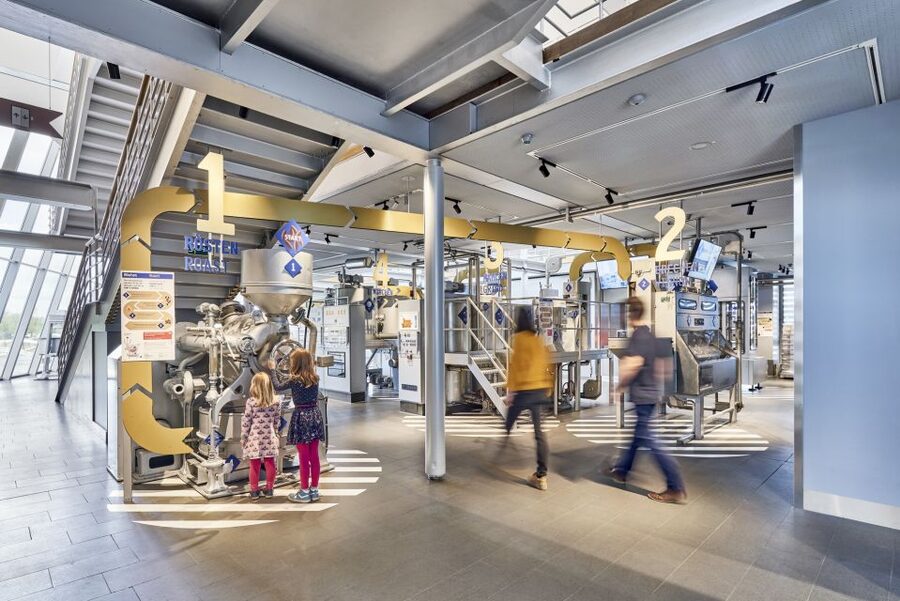
The glass chocolate factory is the heart of the visit. Here, you can watch modern production from cocoa bean to finished product, including stages such as roasting, mixing, molding, and the creation of pralines.
The clear layout matters. You are not merely looking at a static machine from behind a barrier. You can follow the process and see how separate ingredients become a smooth chocolate product. Several visitors particularly enjoyed watching the production line and the small factory equipment in motion.
This is the section I would not rush. The machines make the explanation concrete, especially for children who may lose interest in long historical panels. Teenagers also have something to watch and discuss, and adults get a better sense of the precision involved in producing a consistent chocolate bar.
Production does not necessarily run right up to closing. The facilities close about 30 minutes before the museum, and the last museum entry is one hour before closing. If the factory is your main reason for coming, arrive with time to spare rather than planning a late visit.
More museums and galleries in Cologne:
- Cologne: Ticket for the German Sport & Olympia Museum
★ 4.5 · 84 reviews - Cologne: HOUSE OF BATES // CONTENT GALLERY
★ 4.7 · 46 reviews - Berlin: Jewish Museum Berlin Entrance Ticket
★ 4.5 · 8,393 reviews - Berlin: DDR Museum Tickets
★ 4.3 · 3,443 reviews
The chocolate fountain is made for tasting
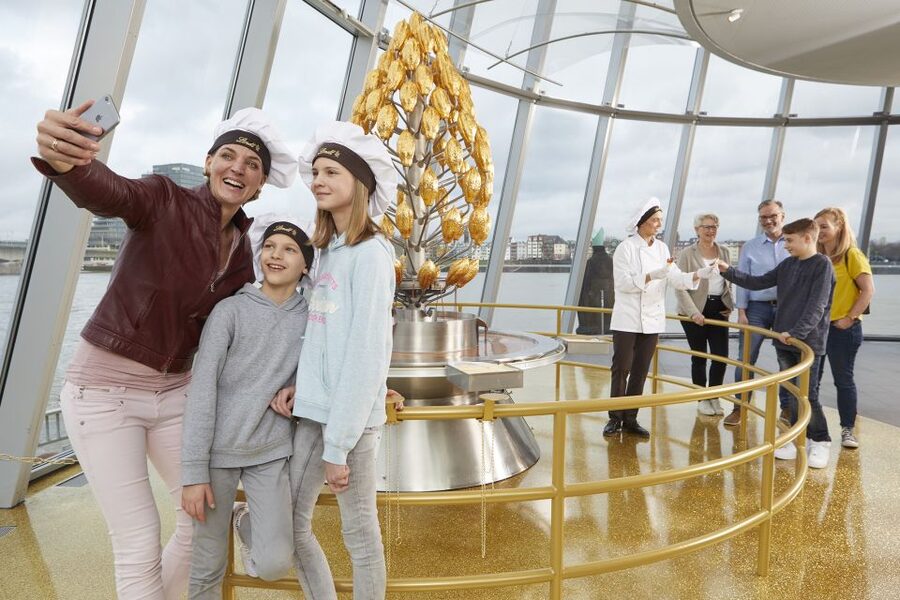
The 3-meter-high fountain is the museum’s most memorable visual feature. Around 200 kilograms of chocolate bubble through it continuously, creating a warm, sweet-smelling focal point that is hard to ignore.
This is not a look-only exhibit. Tasting is expressly encouraged, with chocolate served on a wafer. The samples are small, but they are spread through the experience, and the chance to taste as you go makes the museum feel more active.
The amount of chocolate is generous enough to keep children happy, though it is not a substitute for lunch. If you have a serious sweet tooth, save room for the café rather than assuming the samples will fill you up.
Expect the aroma to follow you through much of the museum. That is part of the pleasure, though it can feel like chocolate overload if you combine every sample with a large dessert afterward.
Make your own bar at extra cost
The museum also offers a chocolate atelier where you can see chocolate made by hand. This adds a personal touch to the factory process, showing how a chocolatier can work with the same basic material on a smaller scale.
An optional activity lets you create your own recipe bar and watch it being made. It costs extra, so it is not part of the $19 entrance price, but it can be a worthwhile addition for children, teenagers, or anyone who wants a souvenir with a personal story.
I would decide on this after entering rather than building your whole budget around it. The standard ticket already includes the museum, production displays, information booklet, and tastings. The custom bar is best treated as an optional extra, not a requirement for having a good visit.
It also makes a practical gift. A handmade bar is more memorable than another box from a museum shop, especially if you are traveling with children who want to make something rather than only look at it.
Save time for the café and shop
The café is worth planning for, not just using as an emergency coffee stop. It offers chocolate desserts, drinks, and savory food, and several dishes receive particular praise for their size and value.
Chocolate cake, waffles, soufflé, espresso, hot chocolate, and chocolate fondue are among the treats mentioned in the available information. The waffles are large, so I would not order one alongside a fondue unless you are sharing or arriving with a very strong appetite.
The café gives you a chance to sit down after the displays and continue the theme without rushing. Prices are described as reasonable by several visitors, which helps the overall value of the outing. Food and drinks are not included in the ticket, so plan for an additional purchase if you want the full experience.
The shop has plenty of chocolate gifts and souvenirs. It is useful for presents, though branded items may cost more than comparable chocolate at home. I would browse before buying and remember that the nicest souvenir may be the custom bar, if you choose to pay for that option.
Timing, queues, and how long to stay
The ticket is valid for one day, with available starting times shown when you check availability. You go directly to the museum entrance and scan your mobile ticket.
The ticket is advertised as allowing you to skip the ticket line. In practice, this is most useful when people are waiting to buy admission at the counter. On a busy weekend, you may still find a queue of people who already have online tickets, so do not assume the scan will always mean instant entry.
The best practical tip is to arrive near opening time, especially on weekends or during school holidays. The museum can become much busier soon after opening. An early start also gives you a better chance of seeing the production facilities before they close.
The museum is wheelchair accessible, and it also works with pushchairs. Children under 12 must be accompanied by a paying adult. Toilets are reported as limited, so families may want to use them when convenient rather than waiting until the last minute.
A small-group option is available, but the ticket described here is self-guided. If you want detailed explanations from a guide, confirm the format before booking or ask at the main counter about any separate demonstrations that may be running that day.
Is $19 good value?
At $19 per person, I consider this a fair price for a major indoor attraction, especially if you use the full visit. You get a large museum, a tropical house, historical collections, old machinery, a working factory, a chocolate fountain, tastings, and an information booklet.
The value improves for families because the experience offers several kinds of activity. One child may prefer the cocoa tree, another may watch the machines, and a teenager may enjoy designing a bar. You are not paying only for a series of text panels.
The price feels less attractive if you plan to spend just 30 minutes taking photos and leaving. It also does not include a guided tour, café food, shop purchases, or the custom chocolate activity. Those extras can increase the cost quickly.
Still, the combination of learning and tasting makes this stronger value than a basic confectionery shop visit. It is also a reliable rainy-day choice in Cologne, and the Rhine location lets you combine it with outdoor sightseeing without arranging separate transport.
Who will enjoy this most
I would recommend the museum to families, couples, chocolate fans, and anyone who likes food museums with a clear visual process. It is especially good for children old enough to follow a short explanation and enjoy several small tastings.
Adults who want serious historical detail should come prepared to read. The material ranges from cocoa’s cultural beginnings to trade and industrial production, so you can get more from it than a quick, sweet-themed attraction.
It is also a good choice for a mixed-age group. People who are not devoted to chocolate still have the machines, design objects, factory process, and Rhine setting. The café adds a comfortable finish for anyone who prefers sitting and eating to reading every display.
I would be less keen on it for a visitor with only a few hours in Cologne who has no interest in chocolate or food history. The museum is worthwhile, but the city has many competing sights, and the self-guided format will not suit someone seeking a formal guided tour.
My verdict on Cologne’s Chocolate Museum
Book this ticket if you want an easy, family-friendly Cologne activity with real content behind the sweets. The strongest parts are the working glass factory, the clear link between cocoa farming and finished chocolate, and the fountain tasting that gives the visit a playful payoff.
Go early, allow at least 90 minutes, and leave room in your budget for the café or a custom bar. If you only want a guide-led experience, this ticket is not the right product. For everyone else, $19 buys a well-paced indoor visit with plenty to see, a few samples along the way, and a pleasant riverside setting.
FAQ
How long does the Chocolate Museum visit take?
A quick visit can take about one to one and a half hours. If you read the displays carefully, stop at the café, or make a custom chocolate bar, you may spend two to two and a half hours.
Is a guided tour included?
No. The ticket includes museum admission and an information booklet, but it does not include a guided tour.
Are chocolate tastings included?
Yes. Tasting is encouraged at the 3-meter-high fountain, and small chocolate samples are provided during the visit. The exact number of samples can vary.
Can I make my own chocolate bar?
Yes. The museum offers an extra-cost activity where you create your own recipe bar and watch it being made. This is not included in the entrance ticket.
Is the museum wheelchair accessible?
Yes. The museum is wheelchair accessible, and the available information also indicates that it works for pushchairs.
When do the production facilities close?
The production facilities close about 30 minutes before the museum closes. Last entry to the museum is one hour before closing, so arrive early enough to see the factory in operation.
Just added around Cologne
- From Amsterdam: Cologne Private Sightseeing Tour★ 5.0 · 4 reviews
- Cologne: entertaining guided tour to old town highlights★ 4.8 · 22 reviews
- Cologne: WWII Sites with Optional EL-DE Haus Private Tour★ 4.9 · 22 reviews
- Cologne: Virtual escape game adventure at 7th Space★ 4.3 · 15 reviews
- Cologne Walking Tour: The essential and unmissable one★ 4.3 · 10 reviews
- Cologne: The Dark Side of the City Walking Tour★ 4.8 · 142 reviews
- Cologne: Ehrenfeld District Street Art Walking Tour★ 4.9 · 202 reviews
- Cologne: Street Art Walking Tour in the Ehrenfeld District★ 4.9 · 45 reviews
Cologne Tours, compared.



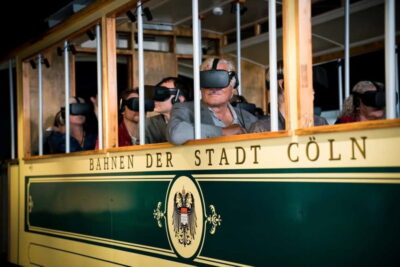
Virtual Reality Time Travel Experience Ticket
Read our review →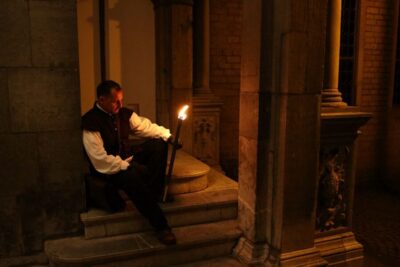
The Night Watchman Old Town Walking Tour in German
Read our review →
Browse the lists this tour appears in