
Review · MUNICH TOURS
Munich: Nazi History 2-Hour Small Group Walking Tour
Munich’s Nazi past is not locked away in a distant museum. It sits along familiar streets, beside famous beer halls, grand squares, and royal buildings. This two-hour walk follows the rise of the Nazi party through the city where Hitler arrived in 1913 as a young man with no prospects.
I like the small group format, which gives guide Alun Evans room to answer questions and adjust his explanations. I also like the route’s mix of famous Munich sights and difficult history, especially Hofbräuhaus and the site of the failed Beer Hall Putsch.
The main drawback is the tight running time. Two hours is enough for a clear introduction, but not enough for every detail of Munich’s Nazi period. You’ll also be outdoors in all weather, so sturdy shoes and suitable clothing matter.
Key points to know before booking
- Alun Evans leads the English-language walk: His calm, personal style and clear explanations are a major part of the experience.
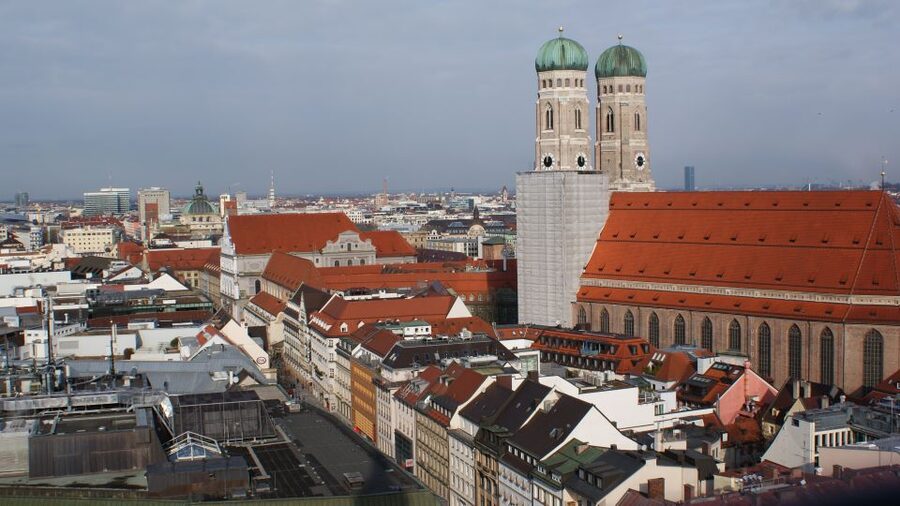
- Marienplatz is both the meeting point and return point: You meet outside the Tourist Information Center, then walk through central Munich.
- Hofbräuhaus adds a striking setting: The famous beer hall was used for Nazi party meetings and Hitler’s speeches.
- Odeonsplatz connects politics, power, and architecture: You’ll see the Bavarian State Opera and Residenz while discussing key events.
- The group stays small: Booking information lists a maximum of 10 participants, while the tour description also refers to groups of up to 15.
- This is a serious history tour: It is best for visitors ready to think about how extremism gained ground, not for anyone seeking a light sightseeing stroll.
Why Munich makes a strong classroom for Nazi history
Munich played a major role in the early Nazi movement. Hitler arrived in the city in 1913, before the political career that would bring him to power. The tour uses places you might otherwise pass without much thought to show how meetings, speeches, rallies, and political violence unfolded in everyday city spaces.
That setting gives the tour its force. You are not only hearing dates and names. You are looking at the buildings and squares connected with the Nazi party and the SS, then considering how public places were used to attract support and stage political theater.
I appreciate this approach because it keeps the story rooted in place. A general museum visit can explain ideology and war. A walking tour can show you how that ideology entered public life, used well-known institutions, and took over spaces already central to Munich.
The subject is also handled as a historical study rather than a celebration of Nazi spectacle. The supplied tour details describe a focus on the party’s rise, key locations, the failed putsch, and the later rally grounds. That makes the experience educational and sober.
More WWII History Tours in Munich
- Munich: Third Reich & WWII Walking Tour
★ 4.6 · 6,181 reviews - Dachau Concentration Camp Memorial Site Tour from Munich by Train
★ 4.5 · 5,637 reviews - Third Reich Walking Tour Munich
★ 4.5 · 4,291 reviews
Starting at Marienplatz and setting the scene
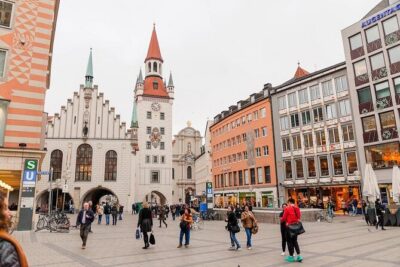
You meet in front of the Tourist Information Center on Marienplatz in central Munich. Look for the guide holding a sign with the local tour operator’s name. This fixed meeting point is easy to understand, but you should allow enough time to reach the square because central Munich can be busy with pedestrians.
Marienplatz is a natural place to begin. It is one of Munich’s best-known public spaces, yet this tour asks you to see it through a political lens. The opening section lasts about 30 minutes and sets up Hitler’s arrival in the city and the conditions that helped the Nazi party take root.
That first segment matters. Without it, the later stops could become a string of grim addresses. Alun Evans can connect the physical route to the people and events behind it, making the tour easier to follow even if you have only a basic understanding of German history.
I would treat the introduction as your chance to ask for context. If you already read widely about the Third Reich, you may want more detail on specific people or events. If your background is limited, the opening should help organize the story before you reach the more famous sites.
Hofbräuhaus and the power of a public speech
The walk continues to Hofbräuhaus, one of Munich’s best-known beer halls. The stop lasts about 10 minutes, but its importance is much larger than the clock suggests. The Nazi party held meetings there, and Hitler gave speeches in the building.
This is one of the tour’s most memorable contrasts. Hofbräuhaus is now associated with Bavarian food, beer, and tourist photographs. The tour reminds you that the same building also served as a political meeting place during the movement’s early years.
That does not mean the building alone explains the rise of Nazism. It does show how political movements use familiar public rooms to gather supporters and create a sense of belonging. A beer hall could be social, local, and politically charged at the same time.
The stop is especially useful for people who know Hitler mainly from wartime images. Here, the focus shifts to his early public speaking and the party’s efforts to build an audience. The setting helps explain why speeches and meetings mattered before the Nazi regime controlled the state.
You should expect a guided look rather than a long indoor visit with refreshments. The tour does not include drinks or hotel pick-up, and the experience remains a walking tour. If you want time for a beer at Hofbräuhaus, plan that separately before or after the two-hour route.
The Beer Hall Putsch and the road to political violence
One of the central subjects is the failed Beer Hall Putsch of 1923. The tour brings you to the site connected with this attempted seizure of power, using the location to explain a major early turning point.
This event deserves careful attention because it shows that the Nazi rise was not a simple march from obscurity to power. The movement tried to force its way forward, failed, and then changed its approach. The site gives Alun Evans a chance to explain how political ambition, public performance, and violence worked together.
A good guide can make this kind of event understandable without reducing it to a list of names. The feedback supplied for this tour repeatedly highlights Alun’s ability to connect facts with stories and broader meaning. One history-minded couple found the walk so absorbing that they wished it had lasted longer, a useful warning for anyone who wants an exhaustive account.
You will get an introduction to the event rather than a full seminar on the Weimar Republic. That is the tradeoff. The pace keeps the tour manageable, but you may want to continue your reading afterward if the subject catches your interest.
More wartime history tours in Munich:
- From Munich: Dachau Memorial Site Day Tour
★ 4.8 · 2,723 reviews - From Munich: Dachau Memorial Site Half-Day Trip
★ 4.7 · 2,526 reviews - From Munich: Dachau Memorial Site Full-Day Tour
★ 4.9 · 1,406 reviews - Dachau Concentration Camp Memorial Tour with Train from Munich
★ 4.5 · 955 reviews
Odeonsplatz, the Residenz, and the Bavarian State Opera
Odeonsplatz is another major stop, with about 15 minutes of guided explanation. The route takes in the area around the Bavarian State Opera and the Residenz, placing Nazi history beside some of Munich’s most imposing cultural and royal buildings.
This section helps show how the movement operated within an established city. The Nazis did not create a new Munich from scratch. They used existing streets, institutions, monuments, and public spaces to project authority and stage events.
For me, that connection between architecture and politics is one of the most useful parts of the walk. A building can look grand and permanent, but its meaning changes with the people who use it and the ceremonies held around it. Odeonsplatz offers a clear setting for that discussion.
The stop also breaks up the route with a change in atmosphere. After the beer hall, you move into a more formal part of central Munich. That contrast helps you see the range of places involved in the Nazi story, from popular meeting rooms to state-linked cultural spaces.
Because the tour runs in all weather, Odeonsplatz may feel very different on a sunny afternoon than on a cold, wet day. The experience does not stop for poor conditions, so bring a coat, rain protection, and shoes suited to walking on city streets.
Königsplatz and the public face of the regime
The route description includes Königsplatz as the place where the Nazis held rallies. This gives the tour a strong closing image: a grand public square used for mass political display.
Rallies were not simply meetings. They were carefully staged events designed to make the movement appear powerful, disciplined, and inevitable. Standing in the space helps you consider how architecture, crowds, symbols, and ceremony can shape political feeling.
The available route details are slightly inconsistent about the ending. The overview places Königsplatz near the end, while the listed itinerary names Marienplatz as the final arrival point. The activity information says the tour starts and ends at Marienplatz, and you can return there with the guide on request. Confirm the exact route and final stop when you meet Alun.
That small uncertainty does not change the main value of the square, but it affects planning. If you have a museum reservation, meal booking, or train to catch, leave extra time after the two-hour duration rather than scheduling something immediately.
How Alun Evans shapes the experience
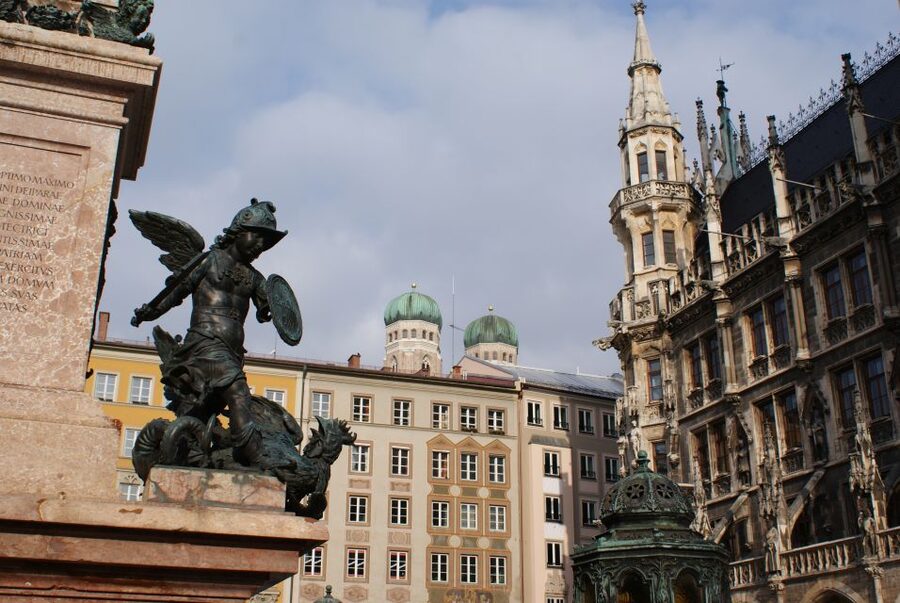
The guide is Alun Evans, a native English speaker and the named provider behind the personal guiding service. The strongest praise centers on his manner as much as his command of the subject. He is described as caring, humble, respectful, patient, engaging, and clear.
Those qualities matter on a tour about mass violence and dictatorship. The guide needs to explain disturbing events without turning them into entertainment. He also needs to make room for questions while keeping the group moving. Alun’s reported style appears to do that by combining factual explanation with personal commentary and stories.
The small group supports this approach. Booking information lists the group as limited to 10 participants, while the promotional details also refer to a maximum of 15. Either way, this is much more personal than a large city walk. You can hear the guide more easily, ask questions, and stay engaged with the discussion.
On one particularly cold and snowy outing, the group was only four people. The weather made the walk harder, but the guide kept the discussion active and thoughtful. That detail tells you something practical: bad weather will not cancel the historical subject, but it can affect your comfort and attention.
What two hours can and cannot cover
The two-hour length is sensible for a walking introduction. It gives you enough time to visit several central locations without turning the experience into an all-day commitment. You can fit it into a busy Munich schedule, perhaps before a museum or an evening meal.
Still, you should set your expectations correctly. Munich’s Nazi history is much too large for a complete treatment in two hours. The tour focuses on the party’s early growth, meeting places, the 1923 putsch, political sites, and rally spaces.
I like the stated level of detail described by one participant as the right amount. That is likely the sweet spot for many visitors. You receive a coherent story rather than a flood of dates, but people with a serious academic interest may want a longer specialist program.
The walk also works best if you pay attention to the guide’s interpretation of place. The buildings are not the whole experience. The value comes from understanding why each location mattered and how the Nazi movement used it.
Price, group size, and practical value
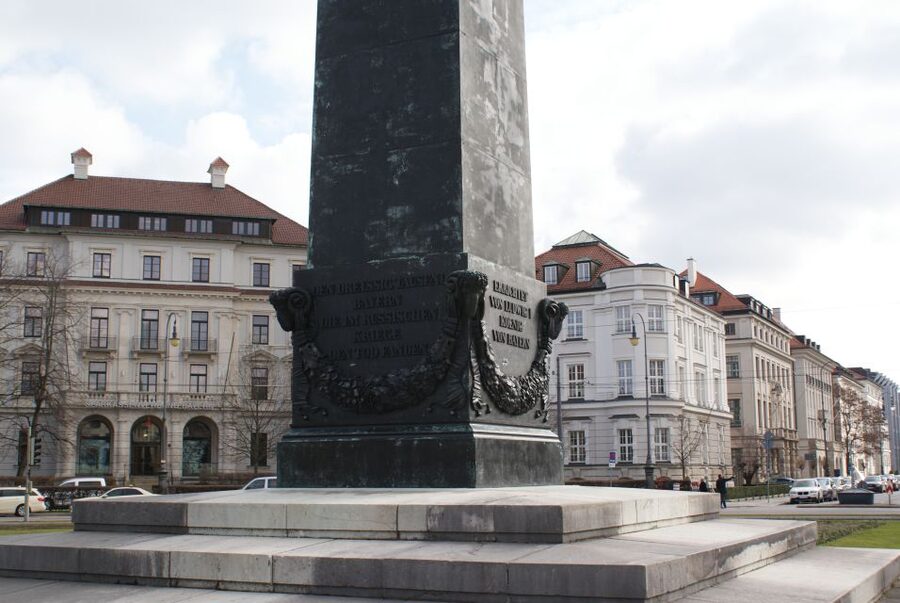
At $58 per person, this is not the cheapest way to see central Munich. You are paying for a specialist subject, a live English-speaking guide, and a small group rather than a self-guided walk or general city tour.
I think the price makes sense if you want structure and discussion. A book or audio guide may cost less, but it will not answer your questions or adjust the explanation to your interests. A large group tour may also be cheaper, but the small capacity should make it easier to follow the guide in busy streets.
The value is strongest for history-focused visitors who want to understand the early Nazi movement in Munich. It is less compelling if you mainly want general sightseeing, interior visits, or a broad introduction to Bavarian culture.
There are no refreshments or hotel transfers included. You meet in central Munich and walk from there, so the fixed meeting point keeps the arrangement simple. You can cancel without charge up to 24 hours before the start, and the reserve-now, pay-later option is useful when your schedule may change.
Who should book this walk
I would recommend this tour to:
- Visitors with a serious interest in 20th-century European history.
- People who want a focused alternative to a general Munich city tour.
- First-time visitors who prefer learning through real locations.
- Families with older teenagers who can handle a sober subject.
- Travelers who value small groups and the chance to ask questions.
- Anyone who has read about the Third Reich and wants to connect events with actual places.
I would hesitate to recommend it to young children or anyone looking for a cheerful introduction to Munich. The topic is disturbing, and the value depends on your willingness to listen carefully.
It also suits visitors who have only a short stay. Starting and ending in central Munich makes it easy to combine with other plans, though you should not pack your schedule too tightly because the exact final stop may vary.
Weather, clothing, and a few smart tips
The walk operates in all weather. That is not a minor note in Munich, where rain, snow, and cold can change your experience quickly. Wear comfortable shoes and bring clothing suited to the forecast.
Arrive at Marienplatz with the guide’s meeting point clear: outside the Tourist Information Center. Look for the sign with the operator’s name, and keep your phone available in case you need to clarify the meeting spot.
Because the tour is only two hours, eat beforehand if you need a full meal. Refreshments are not included, and the brief stop at Hofbräuhaus is part of the historical route rather than a scheduled drinking break.
If you want to discuss a particular event, tell Alun early in the walk. A small group gives you a better chance to ask questions, but the route still has several stops to cover. The guide can then judge how much detail fits the time.
Should you book the Munich Nazi History walk?
Book it if you want a thoughtful, place-based look at how Munich became an early center of the Nazi movement. The combination of Marienplatz, Hofbräuhaus, the Beer Hall Putsch site, Odeonsplatz, and Königsplatz gives the two hours a clear shape.
The biggest reason to choose it is Alun Evans. His respectful, patient delivery appears particularly well suited to a difficult subject, and the small group allows real conversation. The main limitation is simple: two hours can introduce the story, but it cannot cover every part of Munich’s wartime past.
For a serious history lesson with practical sightseeing value, $58 is a fair price. Go prepared for cold or rain, leave room in your schedule after the walk, and book this instead of a general city tour if the darker chapters of Munich’s past are central to your plans.
FAQ
Where does the tour start?
The tour starts in front of the Tourist Information Center on Marienplatz in central Munich. The guide will hold a sign with the local tour operator’s name.
Where does the tour end?
The activity is described as starting and ending at Marienplatz. You can also return to Marienplatz with the guide on request. The route description includes Königsplatz near the end, so confirm the exact final stop with the guide.
How long is the walking tour?
The tour lasts two hours.
What language is the tour in?
The tour is conducted in English by a live, native English-speaking guide.
Who guides the tour?
The named guide and experience provider is Alun Evans of Alun Evans Personal Tour Guiding Munich.
How large is the group?
The booking information lists a small group limited to 10 participants. The tour description also refers to a maximum group size of 15, so group capacity may depend on the booking details for your date.
Which locations are included?
The route begins at Marienplatz and includes Hofbräuhaus, Odeonsplatz, and locations connected with the Nazi party, the SS, the failed Beer Hall Putsch of 1923, and Nazi rallies at Königsplatz.
Is hotel pick-up included?
No. Hotel pick-up is not included. You must make your own way to the meeting point at Marienplatz.
Does the tour operate in bad weather?
Yes. The tour operates in all weather conditions, so dress appropriately and wear comfortable walking shoes.
More Walking Tours in Munich
- Munich: Old Town & Viktualienmarkt City Walk in German
★ 4.7 · 2,304 reviews - Munich: Night Watchman Walking Tour
★ 4.7 · 2,092 reviews - Munich Ghosts and Spirits Evening Walking Tour
★ 5.0 · 1,900 reviews - Munich Old Town Walking Tour
★ 4.5 · 1,287 reviews
More Historical Tours in Munich
- Munich: Guided Tour of the historic Town Hall on Marienplatz
★ 4.8 · 63 reviews - Munich and Nazi History Combination Day Tour Small Group
★ 5.0 · 31 reviews - Munich: Historical Walking Tour on the Rise of Hitler
★ 5.0 · 13 reviews - Munich: Private Walking Tour of the Historical City Center
★ 4.8 · 7 reviews
Just added around Munich
- Pub crawl incl. Oktoberfest museum guided tour with beer tasting (private)★ 5.0 · 5 reviews
- South Tyrolean specialties and wine tasting★ 5.0 · 5 reviews
- Size Matters Beer Tour Munich★ 4.6 · 105 reviews
- Secret Food Tours Munich★ 4.8 · 5 reviews
- Short & sweet: Tasting the Viktualienmarkt★ 4.8 · 37 reviews
- Residence of Munich private tour with skip the line ticket★ 5.0 · 4 reviews
- Munich: Romantic Wine Experience for Two at Viktualienmarkt★ 4.2 · 14 reviews
- Munich: Resistance against Hitler – Historical Walking Tour★ 5.0 · 5 reviews
Munich Tours, compared.

Neuschwanstein & Linderhof Castle-Fairytale Day Tour from Munich
Read our review →
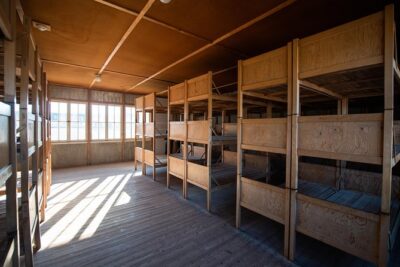
Dachau Concentration Camp Memorial Site Tour from Munich by Train
Read our review →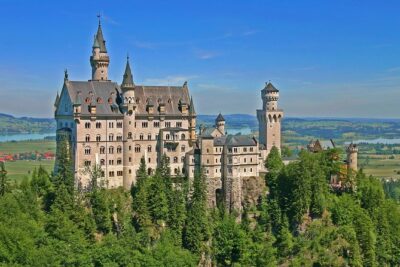
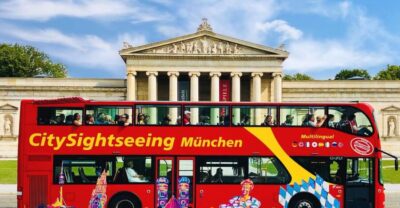
Munich Hop-On Hop-Off Tour: 1-Day or 2-Day Ticket
Read our review →Browse the lists this tour appears in