

Review · MUNICH TOURS
Munich: Resistance against Hitler – Historical Walking Tour
Munich was the birthplace of National Socialism, but this two-hour walk shows that the city also produced brave opposition. With local guide Alex, you follow the White Rose, a daring lone bomber, young resisters, and a military plot against Hitler at the places where these events unfolded.
I like the use of original sites, especially the University of Munich and Odeonsplatz. I also like the balance of famous stories and lesser-known acts of courage. The main drawback is that the tour is conducted in German, so you need strong German skills to get the full value from Alex’s detailed explanations.
Key points from the Munich resistance walk

- White Rose history at LMU: Begin at the University of Munich, where Germany’s best-known student resistance group took action.
- A lonely assassination plan: Hear how one determined man built a bomb intended for Hitler.
- The setting of a military coup: Visit the original place linked to a dramatic attempt to overthrow the Nazi regime.
- Resistance beyond the famous names: Learn about young people and lesser-known figures who refused to stay silent.
- Historic Munich in a new light: Walk from Geschwister-Scholl-Platz to Odeonsplatz and connect city landmarks with difficult choices.
- Practical two-hour format: Meet at the LMU fountain, wear comfortable shoes, and expect the walk to go ahead in rain or shine.
Why Munich is the right place for this story
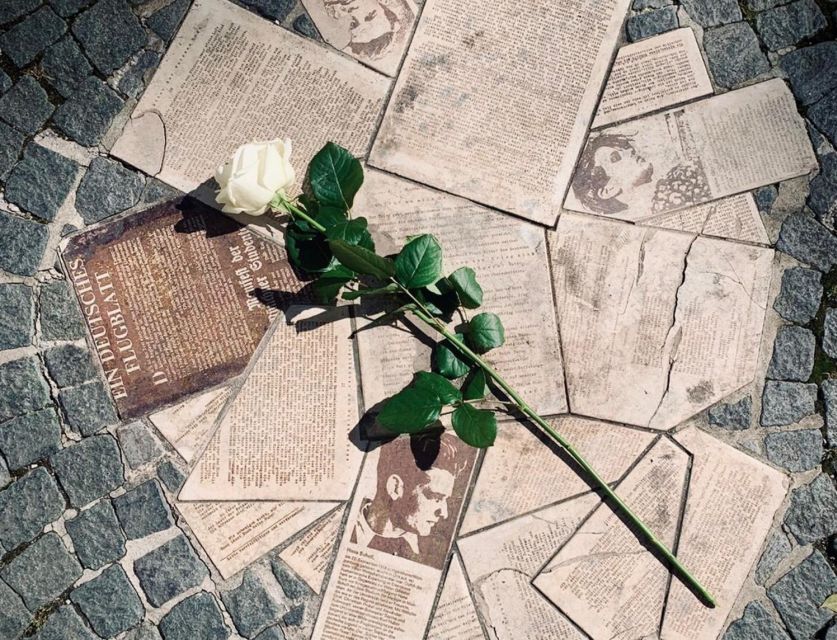
Munich is often sold through grand palaces, beer halls, and picture-book streets. This tour asks you to look at a harder layer of the city. Hitler gave early speeches here, the Nazi Party was founded here, and Munich remained central to Nazi propaganda until the end of the regime.
That background matters. The resistance stories are not floating tales from a distant past. They took place in the same public spaces you pass while sightseeing in central Munich. A university entrance, a ministry building, and a grand square become places where real people had to decide how much risk they were willing to accept.
I appreciate that the walk does not present Munich as simply a city of villains or heroes. It focuses on people who resisted while many others endured the regime in silence or deliberately looked away. That makes the subject more troubling, but also more honest.
The tour covers several forms of resistance. You hear about organized groups, individual assassination attempts, military opposition, and young people who took action. Some stories are widely known. Others have nearly slipped from public memory. That range gives you a better sense of how resistance worked under a dictatorship, and how rare and dangerous it was.
More history-led days in Munich:
- Munich: Guided Tour of the historic Town Hall on Marienplatz
★ 4.8 · 63 reviews - Munich and Nazi History Combination Day Tour Small Group
★ 5.0 · 31 reviews - Munich: Nazi History 2-Hour Small Group Walking Tour
★ 5.0 · 30 reviews
Starting at the LMU fountain on Geschwister-Scholl-Platz
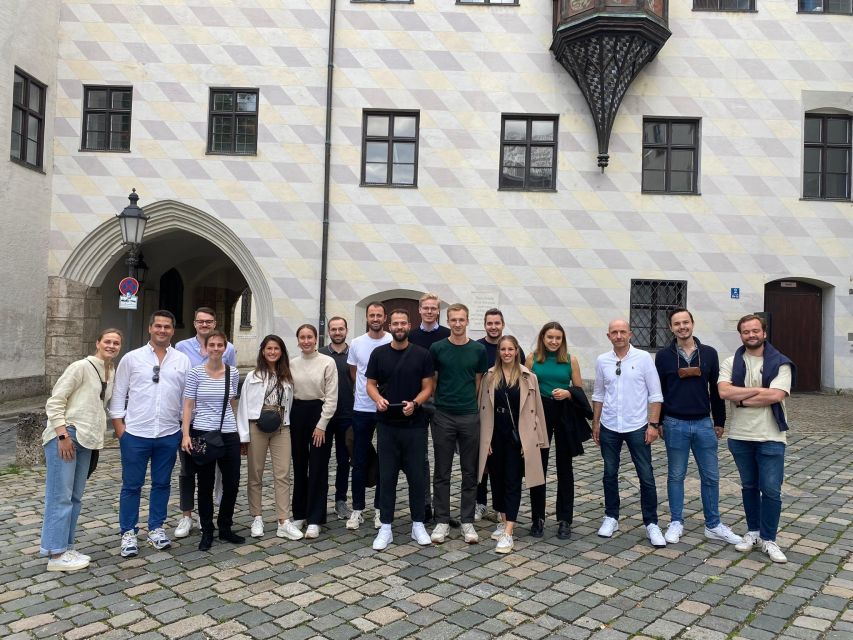
The meeting point is the large fountain in front of the main entrance to the University of Munich, at Geschwister-Scholl-Platz 1. This is a useful starting place because the university is not just a convenient landmark. It is one of the central settings for the story of the White Rose.
You begin outside the university’s main entrance, then continue toward the main building. The setting helps you picture how students could use an ordinary academic institution to spread ideas the government wanted to silence. The contrast is sharp: a place associated with study and debate became a site of political danger.
Alex leads the walk in German and brings a local connection to the subject. He is described as a Munich local with a strong interest in history, and the tour is built around his explanations rather than a set of audio recordings or a self-guided route. That matters when the subject is complex. You can ask questions and have the story explained in context.
The university stop is especially useful if you know only the name White Rose. You will hear about the group as part of a wider resistance story, rather than treating it as a single isolated episode. The tour also makes clear that young people were willing to resist at a time when many older people chose caution or silence.
The White Rose and the risk of student resistance
The White Rose is Germany’s most famous resistance group, and it is the best-known part of this Munich story. Its connection with the university gives the first section of the walk an immediate sense of place.
Alex uses historical images to support the stories at the locations you visit. This is a practical touch. A photograph or document can help you connect the present-day building with the people who stood there and the actions they took. The images also give the tour something more concrete than a string of dates and names.
You should expect a serious account. This is not a light city walk with a few historical facts added along the way. The subject includes fear, moral pressure, and the cost of speaking against the Nazis. Still, the guide’s approachable manner helps keep the walk from becoming stiff or overly academic.
One of the strongest features is the focus on choices. The White Rose story is not only about what happened to a famous group. It raises a question you will see throughout the tour: what could an ordinary person do when the state controlled public life, information, and punishment?
The university section also helps explain why the tour feels different from a museum visit. At a museum, you look at objects behind glass. Here, you stand in the city where the actions took place. That does not replace a museum or a book, but it gives the material a physical setting.
A former ministry and the machinery of power
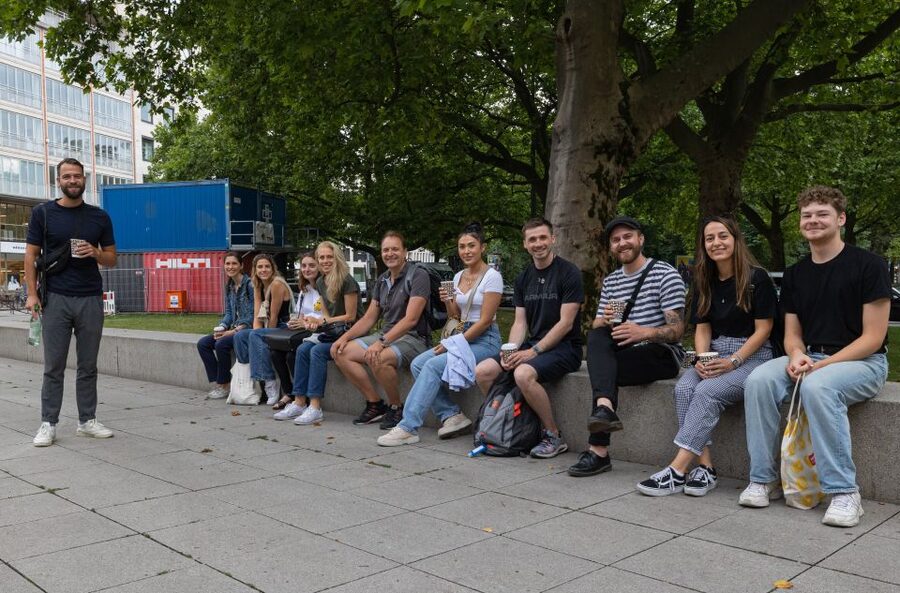
The route continues to other original locations, including the site of the former Central Ministry. The exact presentation depends on Alex’s guiding, but the stop adds an important counterpoint to the resistance stories.
You are not looking only at brave individuals. You are also tracing the official structures that supported Nazi rule. A ministry building represents the machinery of government, while the resistance stories show people trying to challenge that machinery with limited resources and enormous personal risk.
This part of the walk helps prevent a common misunderstanding. Resistance was not a neat contest between equal sides. The regime had authority, propaganda, and the ability to punish. Those who resisted faced a system designed to isolate them and frighten others into obedience.
I like this movement between people and places. The walk does not stay at the university and repeat the White Rose story for two hours. It moves through different kinds of resistance and links them to the city’s political center. That broadens the subject without requiring a long museum visit.
If you have already read a lot about the White Rose, this section may be where you gain the most. The tour includes stories that are less familiar, and the guide places them beside the famous examples. You get a fuller picture of opposition in Munich instead of hearing the same well-worn account.
More walking tours in Munich:
- Munich: Third Reich & WWII Walking Tour
★ 4.6 · 6,181 reviews - Third Reich Walking Tour Munich
★ 4.5 · 4,291 reviews - Munich: Old Town & Viktualienmarkt City Walk in German
★ 4.7 · 2,304 reviews - Munich: Night Watchman Walking Tour
★ 4.7 · 2,092 reviews
The lone bomber’s plan to kill Hitler
One of the tour’s most striking stories concerns a single courageous man who built a bomb to kill Hitler. The tour takes you to the place associated with this assassination plan and explains the attempt as part of the larger resistance story.
The power of this episode comes from its isolation. Organized resistance can suggest a network, shared protection, or a larger plan. A lone person working toward an assassination attempt presents a different picture: private conviction, careful preparation, and the burden of acting without the safety of a visible group.
The location gives the story weight. You are not hearing about an abstract plan in a textbook. You are standing at an original site tied to the attempt. That physical connection is one reason I would choose this walk over a general overview of Nazi Munich if your main interest is resistance.
The tour does not treat resistance as a simple story of success. Some plans failed. Some people were unable to change the course of events. Their actions still matter because they show that opposition existed even when the odds were poor.
This is also a good example of why the tour is best suited to visitors who want more than famous names. The emphasis is on how different people tried to act, not just on the final outcome. Alex’s use of unusual images and carefully prepared stories adds detail without turning the walk into a lecture hall.
The military coup at its original site
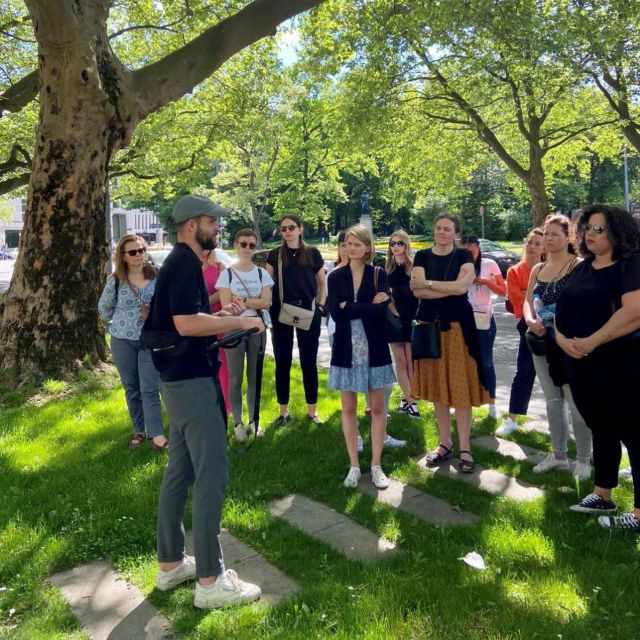
Another major section covers a secret military plot and a dramatic coup attempt against the Nazis. The walk visits the original place connected with that event, giving you a chance to understand the setting rather than treating it as a remote political episode.
A military plot raises difficult questions about opposition inside a dictatorship. The people involved were not all students or outsiders. Some came from within the structures of power they were trying to challenge. That makes the story more complicated than a simple division between the regime and its opponents.
Alex’s job here is to explain the plan clearly. Military conspiracies can become confusing when they involve several steps, locations, and decisions. A good guide needs to show what the plotters hoped to do, why the plan was dangerous, and how the site fits into the events.
The stop also adds scale to the walk. The White Rose shows student resistance. The lone bomber shows individual action. The military coup introduces an attempt to change the government from within its own power structure. Together, these episodes show that opposition took more than one form.
You should not expect a reenactment or theatrical performance. The strength of the stop is the combination of place, explanation, and historical images. The tone remains respectful and factual, which suits the subject.
Munich’s young people and the choice to resist
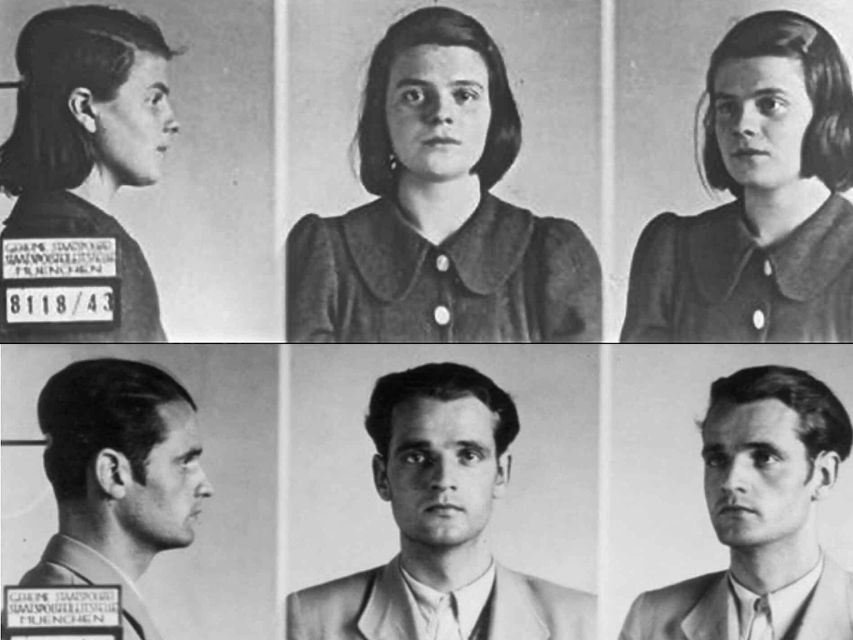
The tour returns often to the role of youth. That focus gives the walk a human scale. You learn that Munich’s younger generation was not simply passive, even though many people around them looked away.
The White Rose is the obvious example, but the wider theme is just as important. Young people faced propaganda and pressure at school, in public life, and in their own communities. Their decision to resist was not a safe expression of opinion. It could bring severe consequences.
I find this section especially useful for families with older teenagers or for students interested in modern European history. The tour does not reduce young resisters to symbols. It shows them as people who made difficult decisions in a dangerous time.
The subject can be emotionally heavy, so the guide’s style matters. Alex is described as sympathetic and relaxed while keeping the material serious. That is a good combination. You need enough warmth to ask questions, but not so much cheerfulness that the topic feels softened.
The German language is the key limitation here. The tour is listed with a German-speaking guide, and the reviews indicate that Alex gives detailed answers and explains lesser-known events well. If you are comfortable discussing history in German, this could be a strong local experience. If not, you may miss the careful distinctions that make the tour worthwhile.
Ending at Odeonsplatz
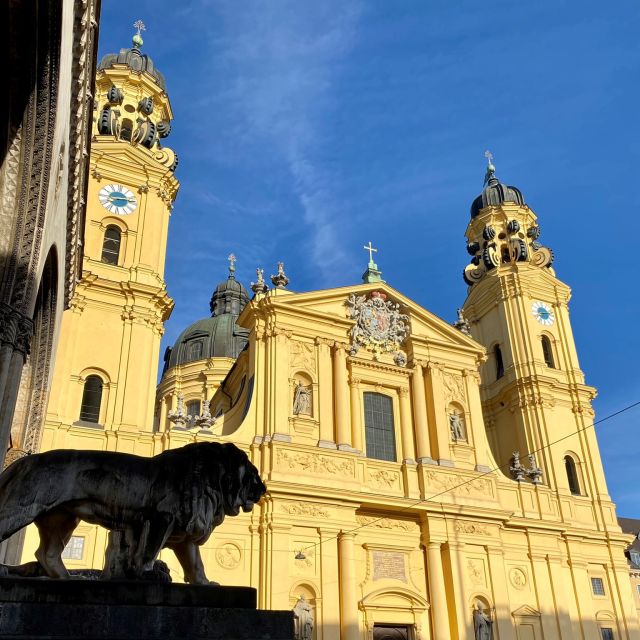
The final stop is Odeonsplatz, one of Munich’s most impressive public squares. It gives the walk a natural ending and places the final resistance story in a grand civic setting.
Odeonsplatz is visually beautiful, but the tour uses it for more than scenery. The square carries political meaning, and ending here leaves you with the contrast between Munich’s elegant public face and its role in Nazi power and resistance.
The route from the university to Odeonsplatz takes about two hours in total. You should wear comfortable shoes, since this is a walking tour rather than a talk held in one location. The experience goes ahead in rain or shine, so check the forecast and bring suitable weather protection.
Because hotel pickup is not included, you need to reach the LMU meeting point yourself. The fountain in front of the university’s main entrance is a clear landmark, and the central location makes it practical to combine the tour with other sightseeing in Munich.
The endpoint is also useful for continuing your day. The tour provides personal recommendations for exploring Munich like a local, so you can ask Alex for ideas after the formal walk ends. Those suggestions are included as part of the guided experience, not as a separate paid service.
What the $28 price buys you
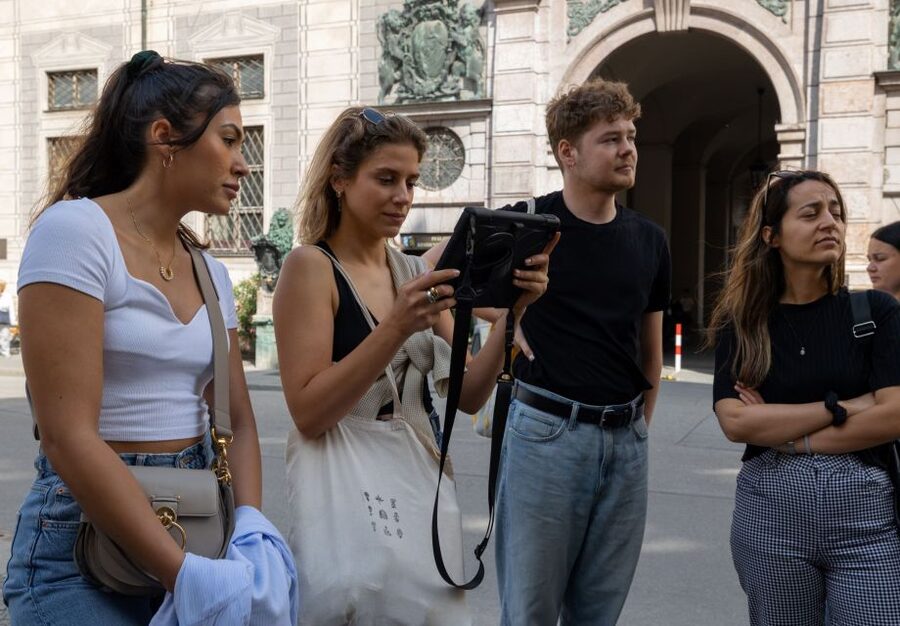
At $28 per person, this is a modestly priced two-hour tour. The value depends mainly on your interest in the subject and your ability to follow German, but the format makes sense for a focused history walk.
You are paying for a live guide, a carefully connected route, original historical sites, and personal explanations. You also receive context that can be hard to get by simply walking past the buildings alone. The price is reasonable if you want a short, specific introduction to Munich’s resistance movements rather than a broad city tour.
The strongest value comes from Alex’s preparation. He uses unusual historical material and answers questions in detail. That helps the tour go beyond the White Rose, which is often the only resistance story many people know.
The main limit is duration. Two hours is enough for a clear overview, but not enough to cover every group, person, and event in detail. You should see this as a focused introduction, not a complete study of German resistance.
The booking terms also reduce some practical risk. You can reserve and pay later, and cancellation is allowed up to 24 hours before the start for a full refund. Wheelchair access is listed, though you may still want to confirm the route details if mobility needs are important to you.
Who should book this Munich history tour?
I would choose this walk if you want to understand Munich’s Nazi past through the people who opposed it. It suits visitors who already know the basic story of Hitler but want to learn about the White Rose, the military plot, and lesser-known acts of resistance.
It is also a good choice if you prefer a local guide to a large standard sightseeing tour. Alex’s local connection and personal recommendations add an everyday Munich perspective, while the original sites keep the focus firmly on history.
The tour may suit you particularly well if you enjoy asking questions. The detailed answers and image material are part of the appeal, so you will gain more than someone who simply wants to listen quietly and take photographs.
I would pause before booking if you do not understand German well. The available tour language is German, and the subject depends on precise explanations. A language barrier could turn a thoughtful historical walk into a frustrating one.
You should also be ready for serious material. The tour deals with dictatorship, propaganda, assassination attempts, silence, and sacrifice. It is not a cheerful introduction to Munich, but it can change how you see the city’s central streets.
Should you book the Resistance against Hitler walking tour?
Book it if you want a focused, place-based account of resistance in Munich and can follow German comfortably. The combination of LMU, White Rose history, the lone bomber’s plan, the military coup site, and Odeonsplatz gives you a strong two-hour route for $28.
I especially recommend it to repeat visitors who have already seen Munich’s main sights. You will walk familiar central areas with a different purpose and come away with stories that general sightseeing rarely covers.
Skip it if you want an English-language tour, a broad introduction to all of Munich, or a relaxed stroll with only light history. For the right audience, though, Alex’s serious but approachable guiding makes this a valuable way to face Munich’s past without turning away from its most difficult questions.
FAQ
Where does the tour begin?
The tour begins at the large fountain in front of the main entrance to the University of Munich, at Geschwister-Scholl-Platz 1.
Where does the tour end?
The final stop is Odeonsplatz in central Munich.
How long does the walking tour last?
The tour lasts about two hours.
What language is the tour conducted in?
The live tour guide is German-speaking, and the listed tour language is German.
Is the tour wheelchair accessible?
Yes, the activity is listed as wheelchair accessible.
What should I bring?
Bring comfortable shoes. The tour takes place outdoors and runs in rain or shine, so weather-appropriate clothing is also sensible.
Is hotel pickup included?
No. You must make your own way to the meeting point at the University of Munich.
Just added around Munich
- Pub crawl incl. Oktoberfest museum guided tour with beer tasting (private)★ 5.0 · 5 reviews
- South Tyrolean specialties and wine tasting★ 5.0 · 5 reviews
- Size Matters Beer Tour Munich★ 4.6 · 105 reviews
- Secret Food Tours Munich★ 4.8 · 5 reviews
- Short & sweet: Tasting the Viktualienmarkt★ 4.8 · 37 reviews
- Residence of Munich private tour with skip the line ticket★ 5.0 · 4 reviews
- Munich: Romantic Wine Experience for Two at Viktualienmarkt★ 4.2 · 14 reviews
- Quatsch Comedy Club München: Die Live Show★ 4.6 · 56 reviews
Munich Tours, compared.


Neuschwanstein & Linderhof Castle-Fairytale Day Tour from Munich
Read our review →
Dachau Concentration Camp Memorial Site Tour from Munich by Train
Read our review →
Munich Hop-On Hop-Off Tour: 1-Day or 2-Day Ticket
Read our review →Browse the lists this tour appears in