
Review · MUNICH TOURS
From Munich: Dachau Memorial Site Day Tour
Dachau is not a sightseeing stop in the usual sense. It is a place of remembrance, education, and difficult truth. This five-hour tour takes you from central Munich to the former concentration camp by public transport, then guides you through the barracks, cells, memorial grounds, museum, and former gas chambers.
I like two things right away: the guide handles the train and bus connections, so you are not puzzling over Munich’s transport system, and the history is explained in human terms, using prisoner accounts, photographs, and stories rather than only dates and labels. Guides including Thomas, Aileen, Alex, Michael, Mat, and Stephanie are praised for clear, sensitive presentations.
The main drawback is time. Five hours covers the key parts of the memorial, but the museum exhibition contains more material than you can read in one visit. Public transport can also be delayed or crowded, and a full bus can make the return journey uncomfortable.
Key points to know before you book
- A five-hour journey from Marienplatz: Meet in front of Munich Tourist Information at the Gothic Town Hall, then travel by public train and bus.
- A serious guided visit: The tour explains Dachau’s place in National Socialist Germany and the Holocaust, with prisoner reports and historical context.
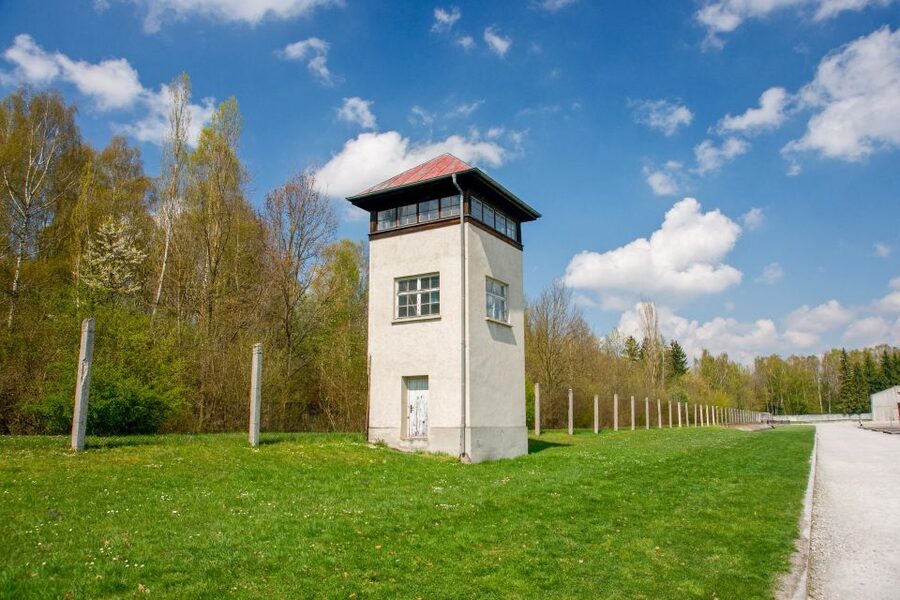
- Former camp buildings and memorial spaces: You see the barracks, cells, memorial grounds, museum displays, and former gas chambers.
- The 1:10 PM departure is usually quieter: Fewer school classes and organized groups are often on site in the afternoon.
- Guides set the tone: Thomas, Aileen, Alex, Michael, Mat, Jessie, Conni, and Stephanie are praised for being clear, respectful, and attentive.
- Good value for $49: Transport tickets and a live English guide are included, which matters when the site is emotionally and logistically demanding.
Starting at Marienplatz with a guide in yellow
The tour begins in front of the Tourist Information office at Munich’s Gothic Town Hall in Marienplatz. Look for the guide holding a yellow sign marked Dachau Memorial Tour in red letters.
This is a sensible meeting point. Marienplatz is easy to find in central Munich, and you are not asked to make your own way to the memorial site. Be there before the stated departure time. The group leaves on schedule, and the tour cannot wait for late arrivals.
From Marienplatz, you travel on public transport rather than in a private coach. That means the route is part of ordinary Munich life: railway platforms, local passengers, changing trains or buses, and countryside views between the city and Dachau. I like this approach because it keeps the visit grounded in the present. You are not sealed away in a tour bus before arriving at a historic site.
The tradeoff is comfort and control. A Sunday bus can be very full, and delays have affected some departures. Guides have had to adjust the order of their explanations while waiting for transport, but the practical advantage is that you follow someone who knows where to go and which stop to use.
More WWII History Tours in Munich
- Munich: Third Reich & WWII Walking Tour
★ 4.6 · 6,181 reviews - Dachau Concentration Camp Memorial Site Tour from Munich by Train
★ 4.5 · 5,637 reviews - Third Reich Walking Tour Munich
★ 4.5 · 4,291 reviews
The journey from Munich to the memorial
The transport portion is not simply dead time. A good guide begins setting the historical frame before you reach the grounds. You may hear about the political climate that led to the camp’s opening, the development of the Nazi camp system, and Dachau’s place in the wider story of persecution and war.
The countryside outside Munich offers a quiet contrast to the subject at hand. That contrast can feel unsettling, but it helps you understand that Dachau was not an isolated ruin in a remote wilderness. It operated near a living town and a major German city.
You are responsible for keeping up with the group during transfers. This is not a difficult route when you are with the guide, but it is still a public journey, not a private transfer. Comfortable shoes and a bottle of water are useful. Smoking and pets are not permitted on the tour.
If you use a wheelchair or have difficulty walking, contact the practical arrangements before departure. The tour is wheelchair accessible, but you must have a carer and arrive 10 minutes early because you will use a different platform entrance and train access route.
Arriving at Dachau Memorial Site
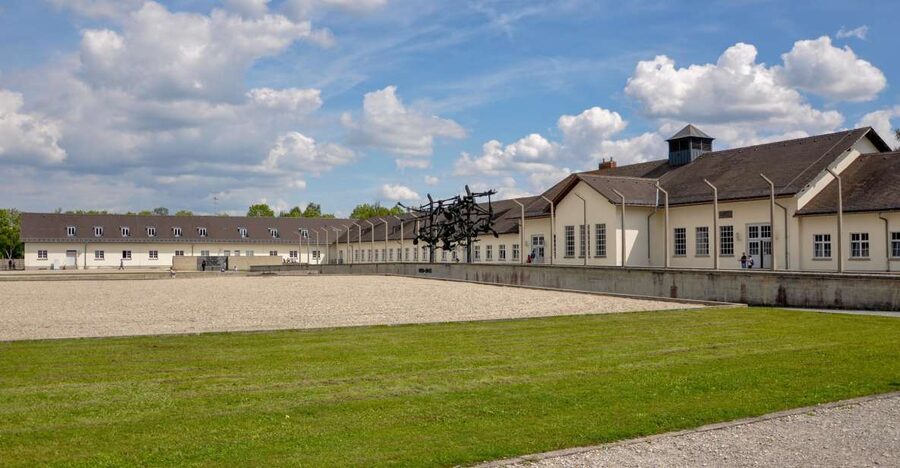
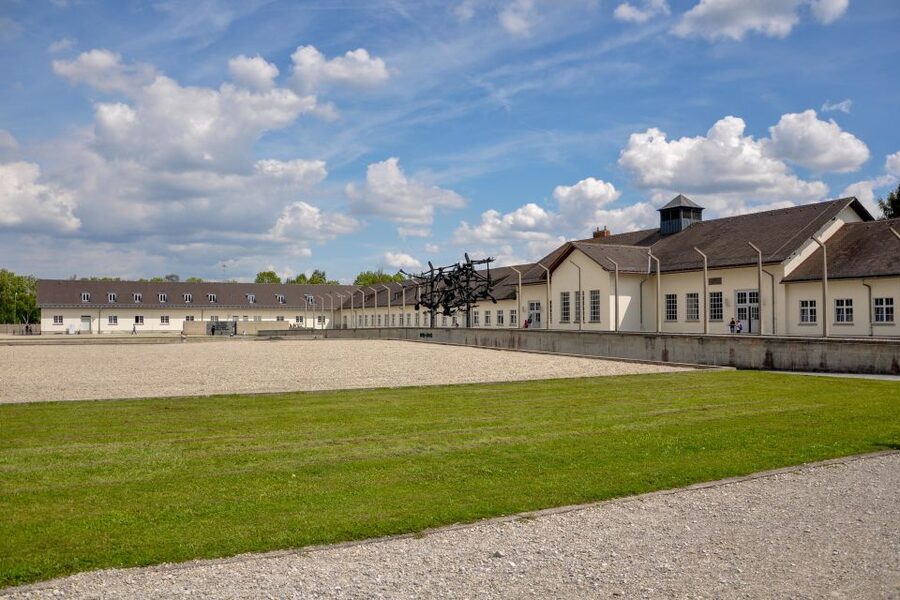
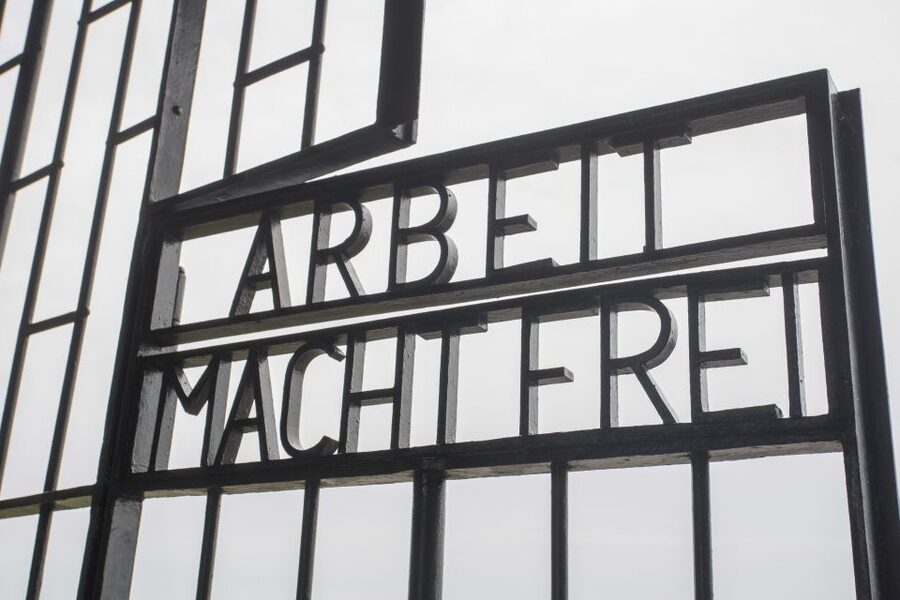
The Dachau concentration camp opened outside Munich in 1933. It was the first German concentration camp, and its system of imprisonment, forced labor, punishment, and terror later influenced the organization of other camps under National Socialist rule.
Since 1965, the site has served as a memorial and place of education. The purpose is not to recreate the camp as a theme park or offer a tidy historical story. The grounds are arranged to help you confront what happened, understand the machinery behind it, and remember the people imprisoned there.
Your guide leads you through the main areas and explains how the site functioned. This is where the tour becomes far more useful than wandering alone with a map. The buildings and open spaces can look spare at first, and without context it is easy to miss what each area meant.
Guides such as Aileen and Alex have been praised for managing the group carefully and making room for questions. Thomas has led groups of about 30 people while keeping everyone together. That matters here. The memorial is large enough for a group to become scattered, especially when other school groups are present.
Barracks, cells, and the physical reality of camp life
The former barracks make the camp’s scale easier to grasp. You see where prisoners were housed and hear about everyday life under brutal conditions. Prisoner reports and photographs put individual experience into a place that might otherwise feel abstract.
The cells offer another view of the camp system. They are not just rooms behind doors. They represent isolation, punishment, and the control imposed on prisoners. Your guide explains the purpose of these spaces and connects them to the camp’s broader structure.
The original and reconstructed elements need to be understood together. Parts of Dachau are well preserved, while other areas have been reconstructed or arranged as memorial spaces. A skilled guide makes that distinction clear rather than letting you assume every visible feature remains exactly as it was in 1945.
The former gas chambers are among the most difficult areas to visit. They are included in the route, but the presentation is generally factual and restrained. This is not a place for sensational storytelling. Guides are praised for recognizing the emotional weight of the subject while still explaining the historical evidence directly.
You should expect a sobering experience. Some people may want a quiet pause after the most disturbing sections. The tour is structured, but guides also allow some time for reflection and questions.
More wartime history tours in Munich:
- From Munich: Dachau Memorial Site Half-Day Trip
★ 4.7 · 2,526 reviews - From Munich: Dachau Memorial Site Full-Day Tour
★ 4.9 · 1,406 reviews - Dachau Concentration Camp Memorial Tour with Train from Munich
★ 4.5 · 955 reviews - Early-Start Dachau Memorial Half-Day Tour from Munich
★ 5.0 · 942 reviews
The museum exhibition and prisoner testimony
The Dachau Memorial Museum contains photographs, documents, and reports describing prisoner life from the camp’s opening through liberation by the Allies in 1945. This is one of the most valuable parts of the visit because it gives names, faces, and testimony to the larger historical account.
I especially value the use of prisoner voices. A list of dates can tell you when Dachau opened and when it was liberated. Personal reports help explain what daily life felt like inside the camp, including fear, hunger, punishment, forced work, illness, and the constant loss of dignity.
The museum deserves more time than the five-hour schedule can provide. One guide, Alex, was praised for managing the clock well while still showing the group as much as possible. Other visitors wanted longer to read the photographs and documents. That is a fair limitation, not a failure of the tour.
If you already know a lot about the Holocaust, you may not find new information at every turn. One experienced history enthusiast still found that guide Aileen added several unexpected details. The greater value may be the structure: she helps connect what you already know to this particular place and its victims.
Why the guide matters at Dachau
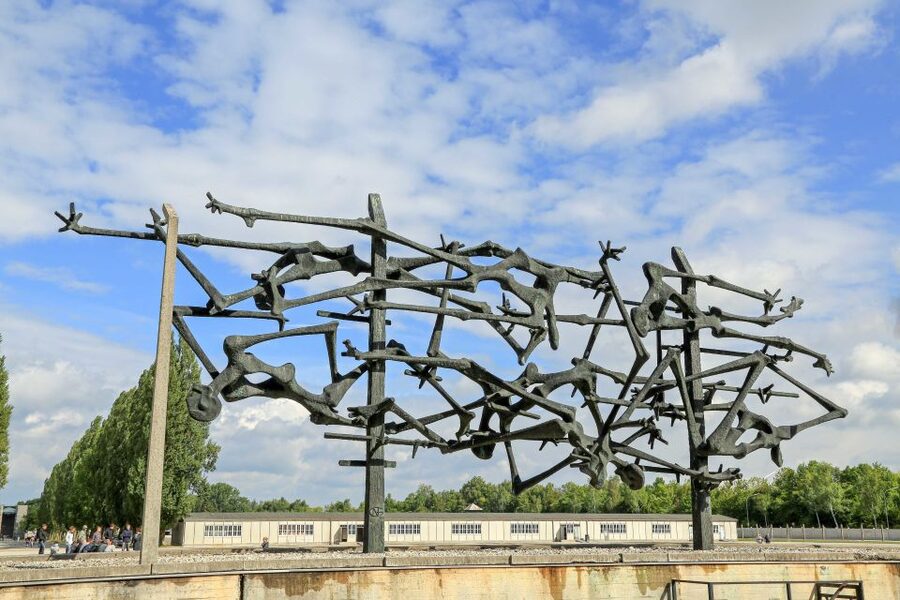
At an ordinary city attraction, a guide can be a pleasant extra. At Dachau, a good guide changes the entire experience.
The strongest guides combine accurate historical detail with emotional care. Michael is praised for presenting a difficult subject with grace and kindness. Mat is described as thoughtful and well informed about the history and society of the period. Conni is praised for explaining the camp through both facts and real stories of people who suffered there.
The best approach is neither cold nor theatrical. You need enough detail to understand the camp, but not a performance designed to shock you. The guides named above are repeatedly praised for being respectful, clear, and open to questions.
There is also a practical side to their work. Aileen has kept groups together, explained meeting points clearly, and adapted when transport was delayed. Jessie has handled bus problems while making sure the group knew where to get off. Stephanie has guided very small groups, including a tour with only two participants, without canceling it.
Guide quality can vary by departure, of course, and you cannot select a specific person when booking. Still, the range of praise for Thomas, Aileen, Alex, Michael, Mat, Jessie, Conni, Stephanie, and others suggests that the operator places real weight on preparation and presentation.
Morning or afternoon: choosing the better departure
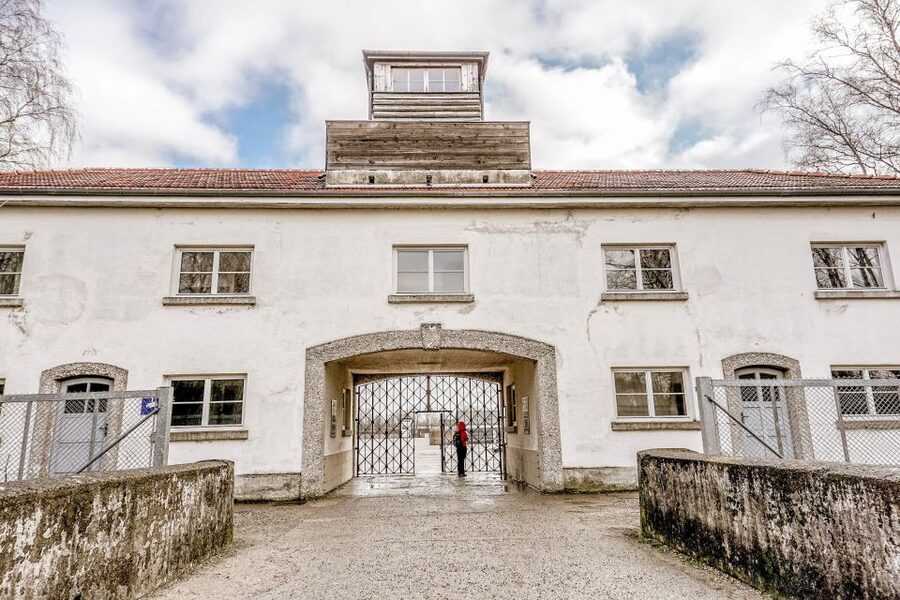
The afternoon departure at 1:10 PM is recommended if you want fewer crowds. School classes and organized groups are often more common earlier in the day, while the afternoon can feel calmer.
That does not guarantee an empty memorial. Dachau remains an important educational site, and public transport may still be crowded. But fewer large groups can make it easier to hear the guide and spend a little more time looking at displays without a noisy cluster nearby.
The afternoon option also shapes your day in Munich. You lose much of the middle of the day, but the schedule leaves time for breakfast and an evening meal in the city. If you have only one day in Munich and are trying to fit in several major sights, the five-hour commitment is significant.
I would choose the afternoon departure for a quieter visit, especially if your schedule allows it. If you prefer to finish serious sightseeing early and have the evening free, choose the earlier available departure instead.
How much does the $49 price include?
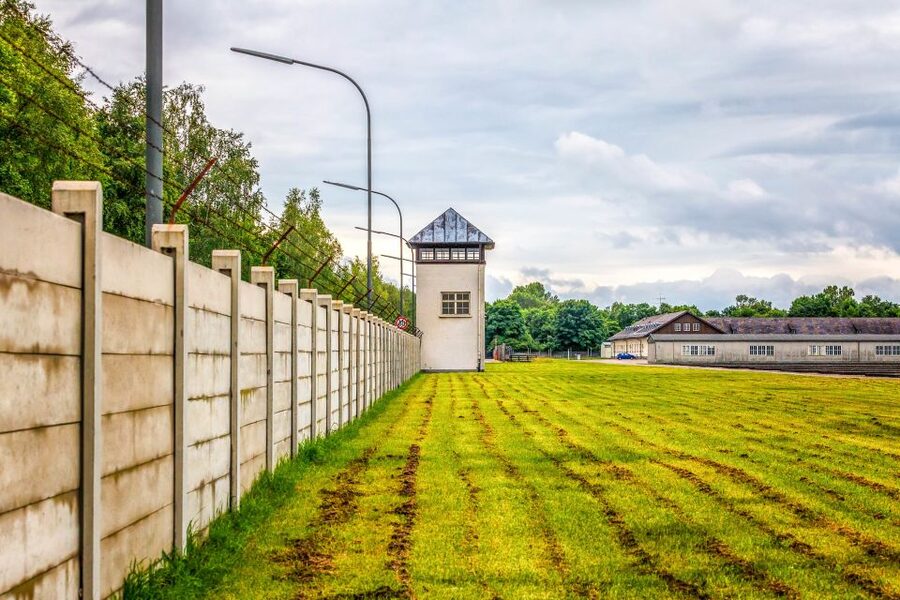
At $49 per person, the tour is priced fairly for a five-hour guided excursion. The fee includes the live English guide, public transport tickets, and transfers by public transport.
You can reach Dachau on your own for less than the full tour price, but the saving comes with extra work. You would need to plan the route, buy the correct ticket, find the bus connection, locate the memorial entrance, manage the return journey, and study the exhibition without a guide’s interpretation.
The guide is the main value. Transport is helpful, but it is not the reason to book. The reason is having someone explain the camp’s development, point out what you are seeing, connect the buildings to prisoner testimony, and keep the visit moving across a large site.
I would not choose this tour if you want unlimited museum time or a private experience. I would choose it if you want a well-organized first visit and prefer learning through spoken explanation rather than reading every panel alone.
The booking terms also reduce the risk of committing too early. You can reserve now and pay later, and cancellation is free up to 24 hours before departure. Check the available start times before booking, since the full outing lasts five hours.
Who will get the most from this tour?
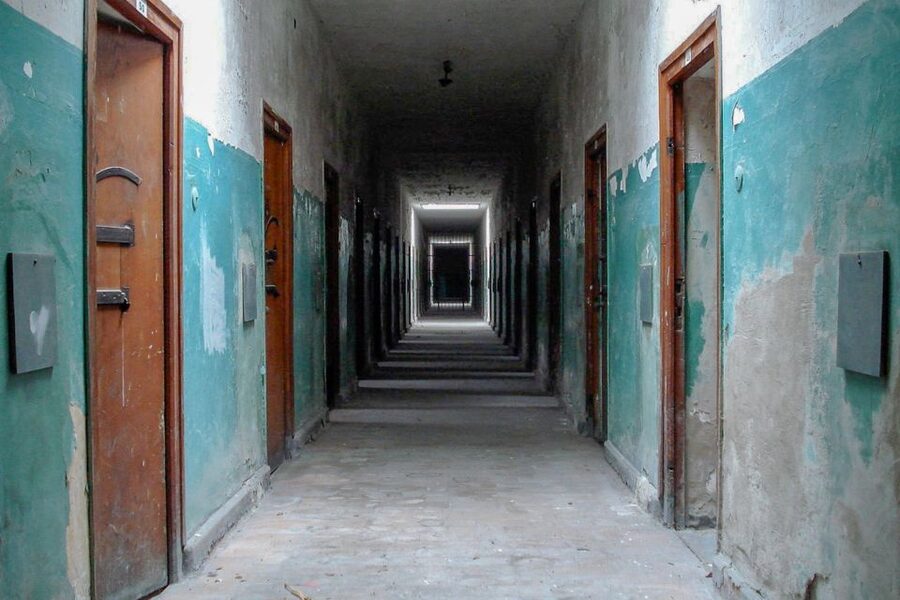
This tour suits anyone with a serious interest in German history, National Socialism, the Holocaust, or the way memorial sites teach difficult subjects. It is also a strong choice for first-time visitors who would find the public transport route or the scale of the memorial intimidating alone.
Teenagers and older children may benefit if they are ready for the subject. One guide successfully explained the material to a group that included a 17-year-old, while keeping the content direct and respectful. Parents should use their own judgment, since the visit includes descriptions and locations connected with imprisonment, abuse, death, and mass murder.
People who prefer a quiet, self-guided visit should think carefully. You will spend much of the day moving with the group and listening to the guide. There is some time for your own viewing, but not enough to study every display at length.
The tour can also suit solo visitors. The guide handles the logistics, and the group format gives you a clear structure without requiring you to arrange a private guide.
Practical advice for a difficult day
Wear comfortable shoes. The site requires walking, and the tour involves public transport, platforms, and transfers. Bring water, since the day lasts about five hours.
Keep your schedule flexible around the transport. Delays are possible, and the return bus may be packed, especially at busy times. This is not the guide’s fault, but it is part of choosing a public transport tour.
Listen closely to instructions about meeting points and departure times. The guide must keep the group together through stations, buses, and the memorial grounds. If you become separated, clear instructions about the return stop are especially useful.
Give yourself emotional space after the visit. Dachau is not a quick attraction to tick off before lunch. You may want a quiet café, a walk, or an unplanned hour afterward rather than another demanding museum.
Should you book the Dachau Memorial Site tour?
Book it if you want context, careful guidance, and simple transport from central Munich. The strongest part of this experience is not the train ticket. It is the way a well-prepared guide turns the barracks, cells, museum, and memorial grounds into a coherent account of what happened.
Do not book it expecting light sightseeing, a flexible private schedule, or enough time to read every museum panel. The visit is serious, sometimes painful, and occasionally affected by crowded buses or school groups.
For most first-time visitors to Dachau, I think the $49 cost is justified. Choose the 1:10 PM departure if you want the best chance of a less crowded visit, arrive early at Marienplatz, wear good shoes, and approach the memorial with the time and respect it deserves.
FAQ
Where does the Dachau Memorial Site tour meet in Munich?
The meeting point is in front of the Tourist Information office at Munich’s Gothic Town Hall in Marienplatz. The guide holds a yellow sign with Dachau Memorial Tour written in red letters.
How long does the tour last?
The tour lasts five hours, including the public transport journey between Munich and the Dachau Memorial Site.
Is transportation included?
Yes. The price includes a public transport ticket and transfers by public train and bus.
What language is the tour offered in?
The tour is offered in English with a live tour guide.
Is the Dachau tour wheelchair accessible?
Yes, the tour is wheelchair accessible. If you use a wheelchair or have difficulty walking, you need a carer and must arrive 10 minutes before departure because you will use a different entrance for the platform and train.
What should I bring to the tour?
Bring comfortable shoes and water. Pets and smoking are not allowed.
Just added around Munich
- Munich: Express Walk with a Local in 90 minutes★ 5.0 · 7 reviews
- Exploring Munich in a Rikscha★ 4.9 · 33 reviews
- Exploring Munich by Pedicab: Premium Two Hour Tour★ 5.0 · 10 reviews
- Erding: 1-Day Spa Ticket at Therme Erding★ 4.5 · 50 reviews
- Munich: KUNSTLABOR 2 Entry Ticket★ 4.2 · 89 reviews
- Private Van Tour to the Royal Palace of Herrenchiemsee★ 5.0 · 6 reviews
- From Munich: Königssee Day Trip with Boat Ride and Salt Mine★ 4.5 · 93 reviews
- Culinary Haidhausen – The Food Tour★ 4.3 · 4 reviews
Munich Tours, compared.
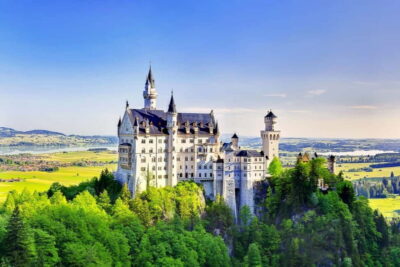

Neuschwanstein & Linderhof Castle-Fairytale Day Tour from Munich
Read our review →
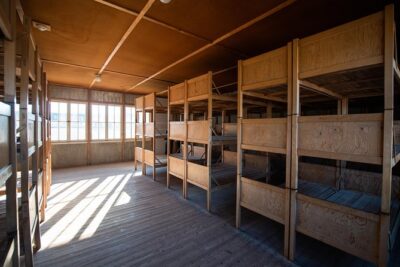
Dachau Concentration Camp Memorial Site Tour from Munich by Train
Read our review →
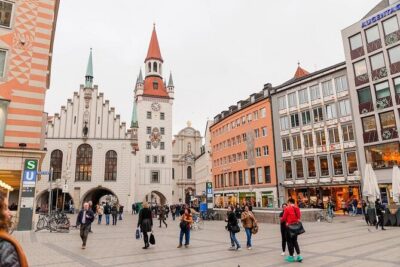
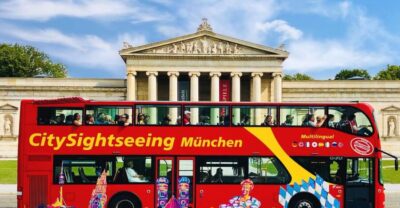
Munich Hop-On Hop-Off Tour: 1-Day or 2-Day Ticket
Read our review →Browse the lists this tour appears in