
Review · BERLIN TOURS
Berlin: Tickets to the Computer Games Museum
Berlin’s Computer Games Museum turns gaming history into something you can touch, play, and occasionally lose at. You’ll find more than 300 exhibits, from the early Nimrod computer and legendary Pong machine to Game & Watch, Commodore, PlayStation, 3D games, and the unusual PainStation.
I like the museum’s hands-on approach, especially the small arcade with coin-operated classics and the Wall of Hardware, which neatly links each machine to a different era. I also like that children and adults can enjoy it together. The main drawback is size: some people finish in 30 minutes, while serious fans may want several hours.
Key points
- Playable classics: Try Pacman, Donkey Kong, Space Invaders, Mario, Pong, and other older games.
- Seven decades of hardware: See machines ranging from Nimrod and Commodore systems to handheld consoles and PlayStation.
- Unusual interactive exhibits: Test the Giant Controller, PainStation, movement games, and 3D displays.
- Family-friendly nostalgia: Parents can show children the games they grew up with, while younger players meet early systems such as Atari and Nintendo DS.
- Permanent and special exhibitions: Your ticket covers both areas for one day.
- Easy, flexible visit: The museum is self-guided, wheelchair accessible, and offers free cancellation up to 24 hours before the visit.
Start with the Wall of Hardware on Karl-Marx-Allee
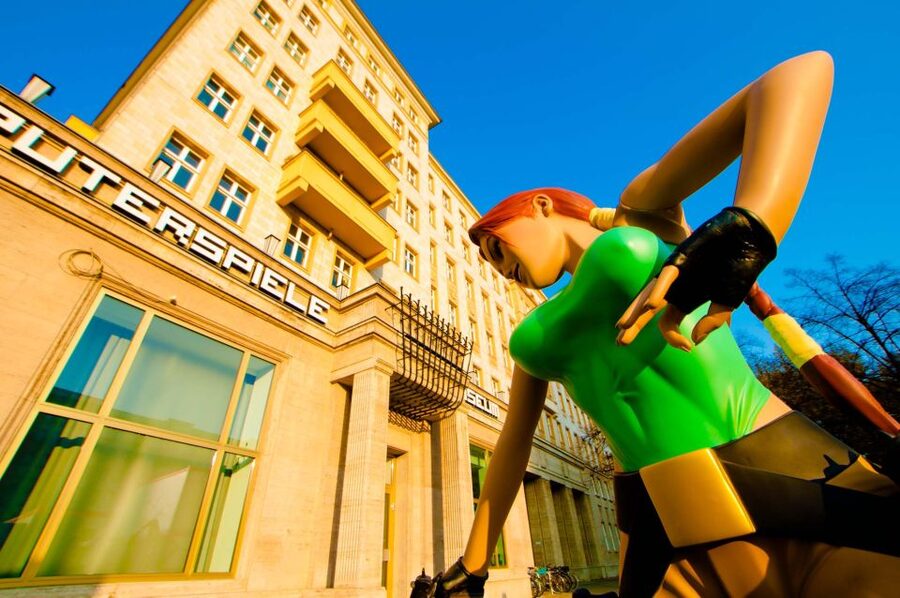
The museum is at Karl-Marx-Allee 93a in Berlin, a location that makes sense for a collection focused on technology, design, and social change. You enter the Computerspielemuseum and set your own pace. There is no guide included, so you are free to linger at the machines that matter most to you.
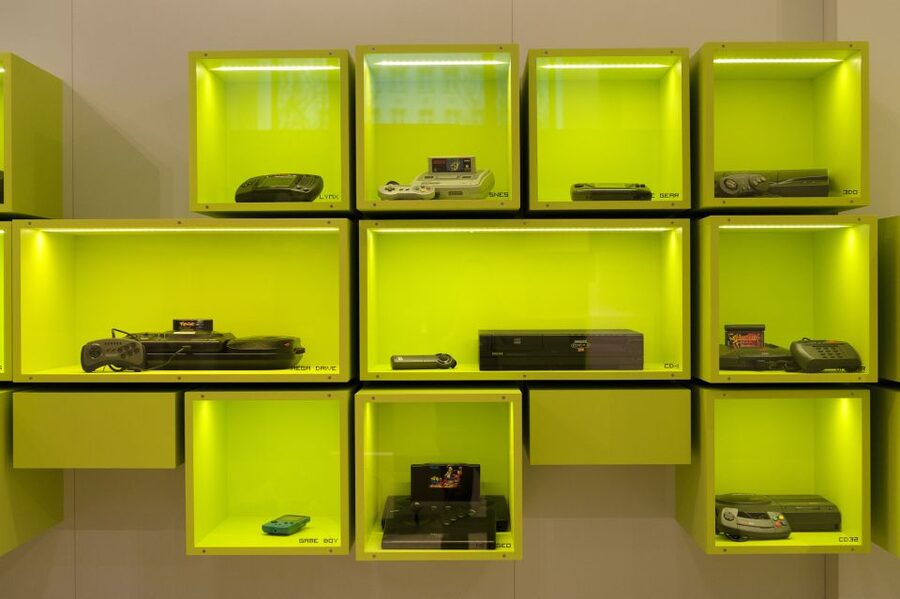
I recommend beginning with the Wall of Hardware rather than rushing straight to the arcade. It gives you a useful visual map of gaming history, showing how home systems, handhelds, computers, and consoles changed over time.
You might recognize an Atari system, Commodore computer, Game & Watch handheld, Sega machine, PlayStation, Xbox, or Nintendo DS. The point is not simply to display old electronics. The collection shows how gaming moved from a specialist hobby into an everyday part of home life.
For parents, this section can be a gentle reminder that the hardware they once considered modern now belongs in a museum. For children, it offers a good lesson in how limited screens and controls once were. A 12-year-old may be surprised by how basic and slow some older games feel compared with modern titles.
More museums and galleries in Berlin:
- Berlin: Jewish Museum Berlin Entrance Ticket
★ 4.5 · 8,393 reviews - Berlin: DDR Museum Tickets
★ 4.3 · 3,443 reviews - Berlin: Natural History Museum Entrance Ticket
★ 4.6 · 3,382 reviews
The first gaming machines explain where it began
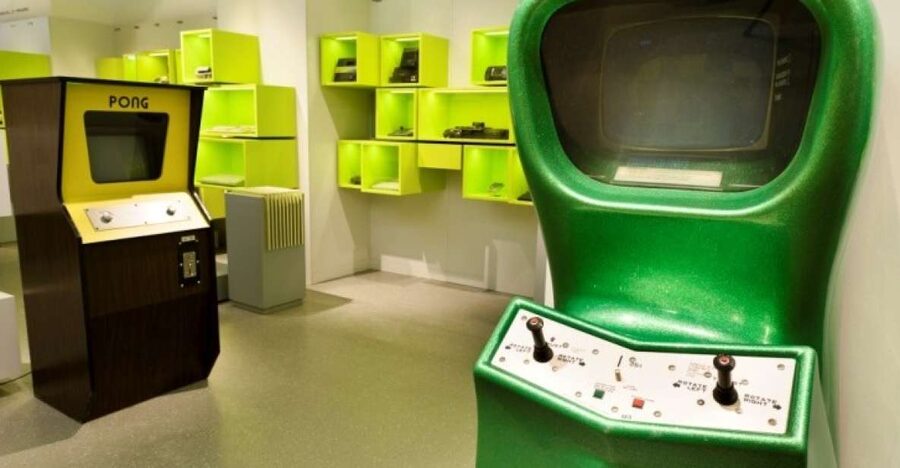
The museum covers about 60 to 70 years of computer gaming history, depending on how the period is counted. Among the early highlights is Nimrod, an important example of the first generation of computer game technology.
You do not need to know the technical background to appreciate this section. The displays explain the steps from early computing experiments to home consoles, arcade cabinets, handheld systems, and modern 3D play.
The historical layout works best when you take time to read a few labels instead of treating the museum as a room full of old machines. The famous titles are familiar, but the hardware tells the larger story. A game is shaped by its controller, screen, memory, and processing power, and this collection lets you see those limits directly.
Step into the small arcade for Pacman and Space Invaders
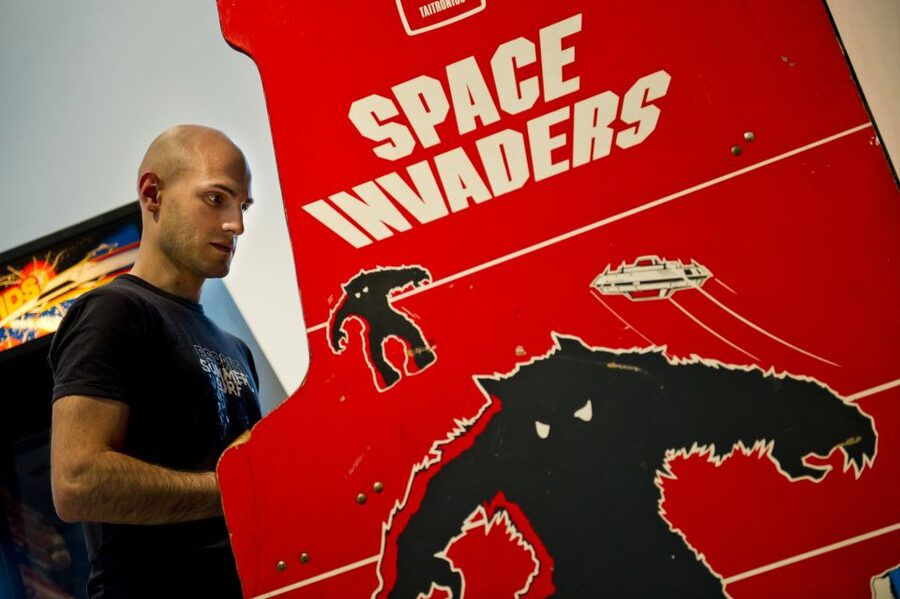
The amusement arcade is one of the museum’s biggest draws. It includes coin-operated machines such as Donkey Kong and Space Invaders, along with other classic cabinets.
This is where the museum becomes less like a display and more like a shared activity. You can take a turn, watch someone else play, and compare the simple controls with the complicated systems used today.
Pacman is a highlight for many people, as are Mario and the older arcade favorites. The selection leans more toward retro games than current releases. That is good news if you want childhood classics, but it may feel limited if you are looking for a large collection of modern games.
The arcade can become crowded, especially around popular machines. You may need to wait for a turn, so do not plan your entire visit around playing one particular title. The museum includes many other interactive displays, and moving on for a while usually makes better use of your time.
Test Pong, the Giant Controller, and PainStation
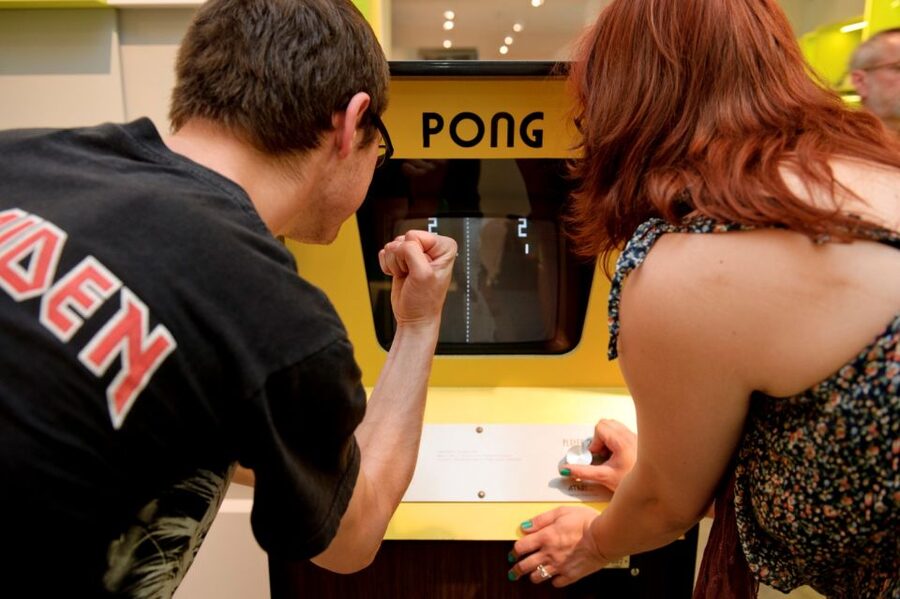
The museum’s interactive exhibits are more varied than a standard row of arcade cabinets. Pong is presented as a physical experience, with the simple black-and-white game showing how much excitement could come from very little technology.
The Giant Controller turns the act of playing into a physical challenge. It is a playful way to show that controllers do not have to be small plastic devices held in your hands.
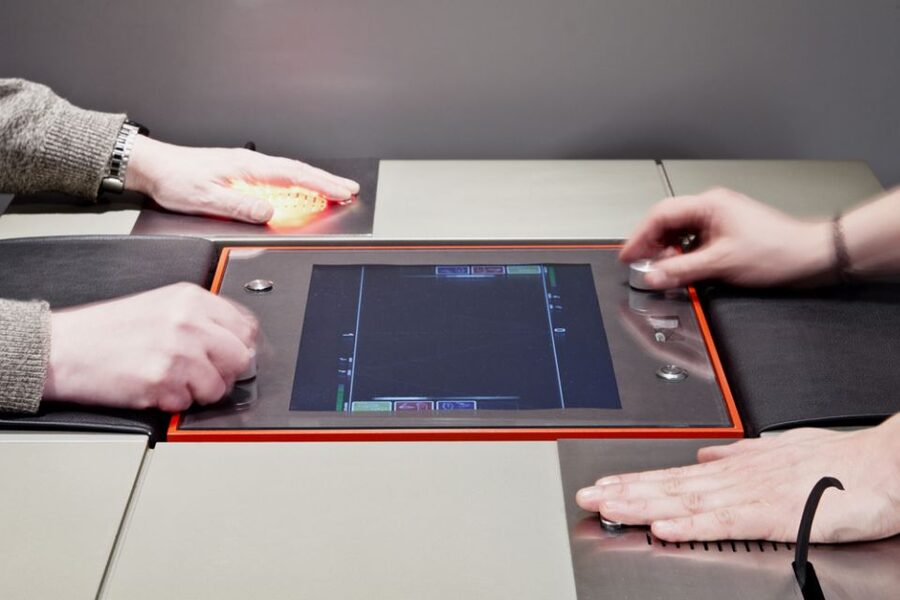
PainStation is the museum’s most talked-about oddity. It links Pong-style play with a physical response when you miss the ball. The experience is intended for adults who are comfortable with the idea, and the museum information specifically points to it as a courage test. If you dislike shocks or physical penalties, simply enjoy watching rather than taking a turn.
These displays matter because they ask what a game can be. It can be a competition, a social ritual, an art piece, or a full-body activity. You are not only looking at the past. You are being asked to interact with it.
A few more Berlin half-days to weigh up
- Berlin: Reichstag, Dome and Government District Guided Tour
★ 4.7 · 18,288 reviews - Berlin: 1-Hour City Tour by Boat with Guaranteed Seating
★ 4.3 · 16,993 reviews - Berlin: Boat Tour Along the River Spree
★ 4.4 · 11,252 reviews - Discover Berlin Half-Day Walking Tour
★ 5.0 · 9,624 reviews
Follow 52 game milestones from Pacman to Grand Theft Auto IV
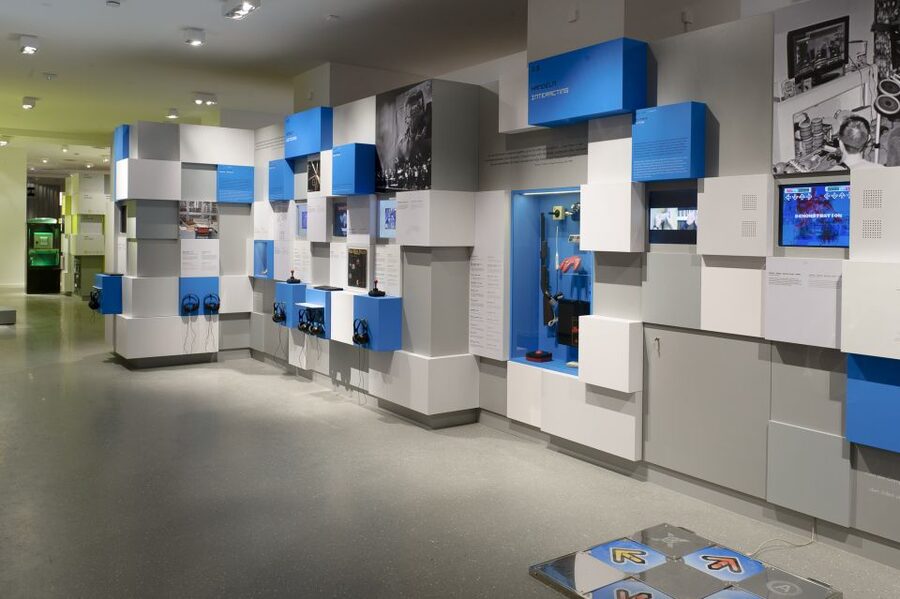
A separate part of the museum presents 52 important games, including Pacman, Bomb Jack, and Grand Theft Auto IV. This section helps you connect the machines with the games people actually played.
The selection covers different styles and eras, so you can see how games changed in speed, story, graphics, controls, and subject matter. The museum does not treat gaming history as one straight march toward better graphics. Early games can be hard, strange, and inventive in ways that newer games are not.
You may want to spend extra time with titles you know. A familiar game becomes more interesting when you see its place among other milestones. If you arrive with children, this is also an easy place to explain why a game that looks crude today was once a major step forward.
Try the 3D and movement-game displays
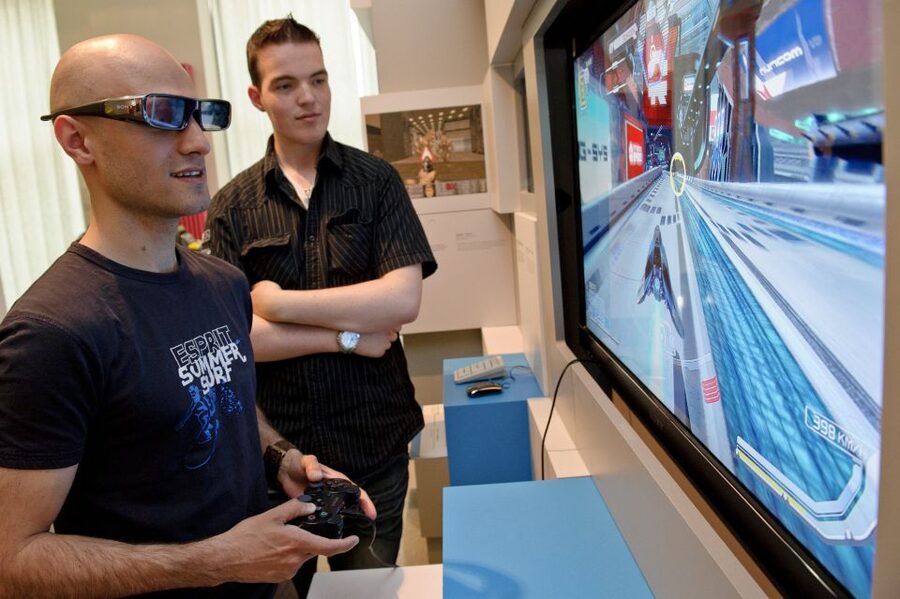
The museum includes 3D games on a 3D television and with the handheld 3DS. These displays show another stage in the effort to make games feel more immediate and physical.
You can also find dance and movement games. They broaden the collection beyond traditional sitting-at-a-screen play and show how game design began to use body movement, balance, and coordination.
The 3D section is valuable even if you are mainly interested in old consoles. It prevents the museum from becoming a simple nostalgia trip. You can compare the limits of early arcade systems with later attempts to create depth, motion, and a more active player experience.
Specific access to some demonstrations may depend on museum arrangements. One past visitor noted that a free timed ticket was available from reception for certain virtual reality demonstrations, including a 1994 example. Ask at the front desk when you arrive if any timed demonstrations are running during your visit.
Expect a self-guided visit with plenty of hands-on play
Your admission covers the permanent exhibition and special exhibitions. The ticket is valid for one day, so you can take your time rather than racing through every screen.
There is no guide included. That suits most people here because the machines invite you to stop wherever your interest takes you. A guided tour was available as an extra in earlier visits, but you should not assume it is included with the standard admission.
I would allow at least an hour if you want a quick look and a few games. Half an hour may be enough for a fast circuit, but it will leave little time for reading or waiting at popular machines. Fans can easily spend several hours, especially if they play rather than simply inspect the displays.
The museum is compact enough to manage in one visit, though that also explains why some people wish there were more floors. The collection is broad, but the physical space is not enormous.
Why the $22 ticket can be good value
At about $22 per person, this is not the cheapest short museum visit in Berlin. The value depends on how you use it.
If you only walk through the displays, you may feel the price is high, particularly if you finish in 30 minutes. If you play several games, read the historical material, and spend time with both the permanent and special exhibitions, the ticket makes more sense.
The admission covers a full day, which helps. You can also reserve now and pay later, and cancellation is free up to 24 hours before the visit. Those terms are useful if you are arranging a busy Berlin schedule and do not yet know which day will work best.
For a family, the ticket can be worthwhile because the museum gives different age groups something to do. Parents get the nostalgia of Atari, Sega, Commodore, and early Nintendo systems. Children can try the machines and handhelds that make their parents’ favorite games look surprisingly primitive.
The strongest value comes from the interactive side. This is not a museum where you simply look through glass at obsolete equipment. Still, you should be realistic about the scale and book it because you like games, not because you expect a huge modern gaming hall.
The best time for a calmer visit
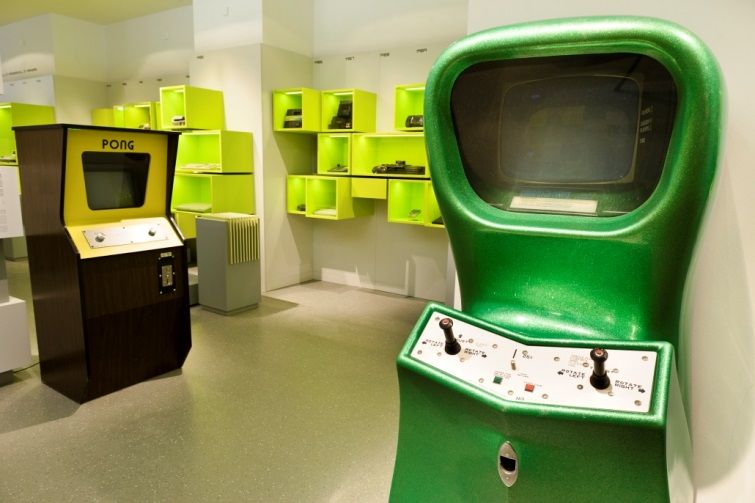
Crowding can change the experience. The arcade area is small and popular, and a busy period may mean waiting for Pacman, Space Invaders, or another well-known machine.
A quieter visit gives you more time with the interactive displays and makes it easier to read the explanations. The museum has also been described as relatively uncrowded at times, so conditions are not always busy.
If your schedule allows, avoid building a tight plan around a fixed playing time. Give yourself room to circle back to a machine later. This is especially helpful for families, since children may want to try everything at once.
The museum is wheelchair accessible. Transfers are not included, so you will need to arrange your own way to Karl-Marx-Allee 93a.
Who will enjoy this museum most
I would recommend it first to people who grew up with arcade games, home computers, and early consoles. The collection can feel like a walk through your own living room history, especially if you remember Atari, Sega, Commodore, PlayStation, or the first Nintendo DS.
It also works well for families. Parents can explain the machines they used, while children can try the controls and decide if older games are charming or impossibly difficult. The museum is hands-on enough to keep younger children involved, though crowded arcade machines may require patience.
Dedicated gaming fans should give it more time than casual sightseers. The collection includes unusual pieces such as Nimrod, PainStation, the Giant Controller, and early 3D technology, not just the familiar commercial consoles.
If you are not interested in games, the museum may feel small and specialized. Its strength is its focus. You are here to understand computer gaming through hardware, software, design, and play.
A few practical cautions before you go
Bring patience for the popular machines. The arcade is small, and some displays may attract a line.
Do not expect a modern gaming convention. The collection leans toward older systems, with the greatest pleasure coming from retro cabinets and historical hardware. One useful way to approach the visit is to see the newer material as a later chapter, not the main event.
If you are visiting with children, explain that the older machines may look simple and respond differently from modern consoles. That difference is part of the point, but it can surprise anyone used to current graphics and controls.
Ask the reception desk about any timed 3D or virtual reality demonstrations. Availability may vary, and the museum’s staff can tell you what is running that day.
The museum does not include transfers or a guide, so plan the route and interpretation yourself. That keeps the visit flexible, but people who prefer a structured tour may want to ask about any optional guided offering at the desk.
Should you book the Computer Games Museum?
Book it if you want a playable history of gaming rather than a quiet display of old machines. The best parts are the arcade cabinets, Wall of Hardware, Pong setup, unusual interactive art, and the chance to compare several generations of games in one place.
I would be more cautious if you want a large modern gaming collection or a full-day attraction with many floors. Some people will finish quickly, and crowded machines can limit play time.
For families, nostalgic adults, and serious retro fans, the $22 ticket is reasonable when you allow at least an hour or two and make use of the interactive exhibits. Reserve it for a flexible day, ask about timed demonstrations on arrival, and treat the museum as a place to play as well as look.
FAQ
Where is the Computer Games Museum in Berlin?
It is located at Karl-Marx-Allee 93a, 10243 Berlin.
How much does admission cost?
The listed price is $22 per person.
How long is the ticket valid?
The ticket is valid for one day.
What does the ticket include?
Admission includes the permanent exhibition and special exhibitions.
Is a guide included?
No. A guide is not included with the ticket.
Can I play the games?
Yes. The museum has numerous interactive exhibits, arcade machines, and playable games, including Pong, Pacman, Donkey Kong, Space Invaders, and Mario.
Is the museum wheelchair accessible?
Yes, the activity is wheelchair accessible.
Are transfers included?
No. Transfers are not included.
Can I cancel my booking?
Yes. You can cancel up to 24 hours in advance for a full refund. You can also reserve now and pay later, according to the available booking terms.
Just added around Berlin
- From Berlin: Gardens & Palaces of Potsdam Bike Tour★ 5.0 · 61 reviews
- Berlin: Battle for Seelow Heights WW2 tour -Clash of Titans★ 5.0 · 27 reviews
- From Berlin: Historical Gems of Potsdam Private Day Trip★ 4.4 · 4 reviews
- Berlin: Französischer Dom 360° Panorama & Crémant to go★ 3.9 · 5 reviews
- Explore Berlin Tour: History and Highlights★ 4.7 · 5 reviews
- Berlin: Evening Yacht Cruise with Aperitif & Dinner Upgrade★ 4.6 · 178 reviews
- Berlin: Expats in Berlin Comedy Show Ticket★ 4.7 · 182 reviews
- Berlin: The Epic Comedy Club Friday Night Showcase★ 4.8 · 28 reviews
Berlin Tours, compared.

Reichstag, Dome and Government District Guided Tour
Read our review →
1-Hour City Tour by Boat with Guaranteed Seating
Read our review →




Reichstag, Plenary Chamber, Cupola & Government Tour
Read our review →
Browse the lists this tour appears in