

Review · BERLIN TOURS
Berlin: Prussian History Walking Tour with Geo Epoche
Berlin’s Prussian story is written into the streets around the Lustgarten. On this two-hour walk, you follow the footsteps of electors, kings, and emperors while seeing how grand buildings, royal power, and ordinary city life fit together. I like the route’s mix of famous sights and overlooked corners, plus the way the guide adds small facts you could easily miss on your own.
I also like the central meeting point, since the Lustgarten sits close to several major Berlin sights, and the included illustrated brochure gives you something useful to keep after the walk. The main consideration is language: the tour is entirely in German, and the steady outdoor walk takes place rain or shine.
Key points to know before booking
- The granite bowl in the Lustgarten is the meeting point: Find your guide at this clear landmark in the open space beside Berlin’s Dome.
- The route links major Prussian-era sights: Expect the City Palace area, the Brandenburg Gate vicinity, the Old Reich Chancellery area, Friedrichswerdersche Church, and Gendarmenmarkt.
- The focus is on stories, not just buildings: Your guide explains surprising details, notable personalities, and the lives of people who shaped Berlin.
- Friedrichswerder adds quieter streets: This part of the walk offers a change from Berlin’s best-known monuments and brings attention to less obvious traces of the past.
- German is the only tour language: You should be comfortable following a live two-hour explanation in German.
- The price is $29 per person: That is fair for a focused walking tour with a live guide, especially if Prussian Berlin is a main interest.
Why Prussian Berlin makes a good walking theme
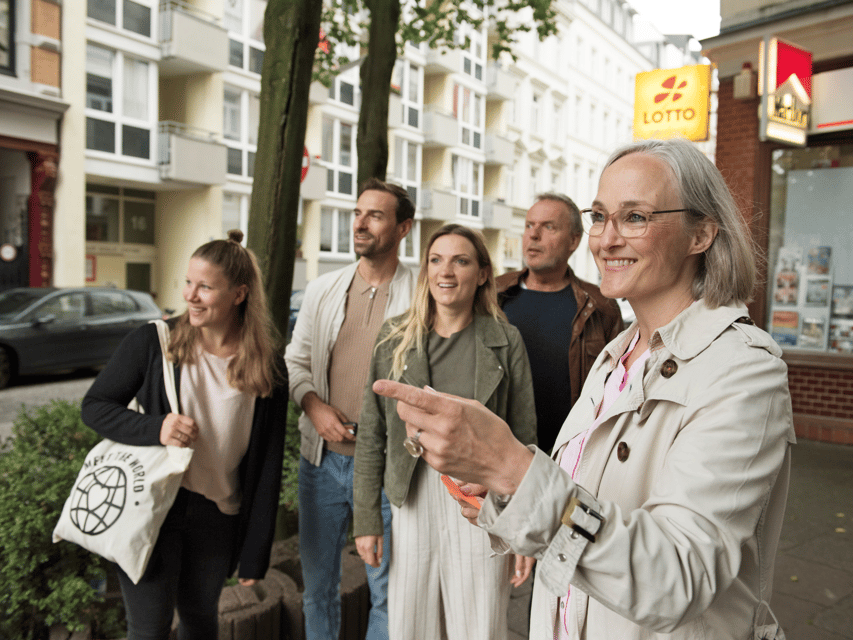
Berlin can feel like a city built in layers, with royal buildings, wartime damage, modern reconstruction, and everyday city life sharing the same few blocks. A Prussian-focused tour gives you a clear thread through that mixture.
The Prussian era shaped Berlin’s role as a capital. This walk looks at the city through the people who governed it, the buildings that expressed their power, and the streets where residents lived and worked. You are not simply ticking off monuments. You are connecting them to the growth of Berlin as a political center.
That focus is useful because central Berlin can otherwise become a parade of impressive façades. You may recognize the Dome or Gendarmenmarkt but know little about why the buildings matter. A guide can point out details that are easy to pass without noticing, then explain how a place fitted into the city’s older story.
The tour also brings human scale to a subject that can sound grand and distant. Along with electors, kings, and emperors, you hear about the people who lived in Berlin during the Prussian period. That balance is one of the strongest reasons to choose a guided walk instead of simply following a map.
More history-led days in Berlin:
- Berlin: Natural History Museum Entrance Ticket
★ 4.6 · 3,382 reviews - Berlin: World Heritage Cruise to Potsdam
★ 4.5 · 1,435 reviews - Berlin Historical Highlights Walking Tour
★ 4.9 · 657 reviews
Starting at the Lustgarten and the Berlin Dome
Meet at the granite bowl in the Lustgarten. This detail matters. The square is broad and surrounded by major buildings, so knowing the exact meeting point saves time and reduces the usual first-day confusion.
The Lustgarten places you directly in the historic center. From here, the tour introduces the area between the City Palace, the Brandenburg Gate, and the Old Reich Chancellery. These names signal the political heart of old Berlin, but the guide’s job is to make the setting readable rather than merely impressive.
The Dome is one of the first major sights connected with this central area. You can expect the guide to use the building and its surroundings as a way into Prussian Berlin’s religious and royal story. The point is not only to look upward at a large landmark. It is to understand how prominent buildings helped express the importance of the capital.
The Lustgarten is also a practical place to begin because it helps you get your bearings before the route moves into smaller streets. Wear shoes with good support. The walk is described as leisurely, but it still involves being outdoors and moving between several sites for two hours.
The City Palace area and royal Berlin
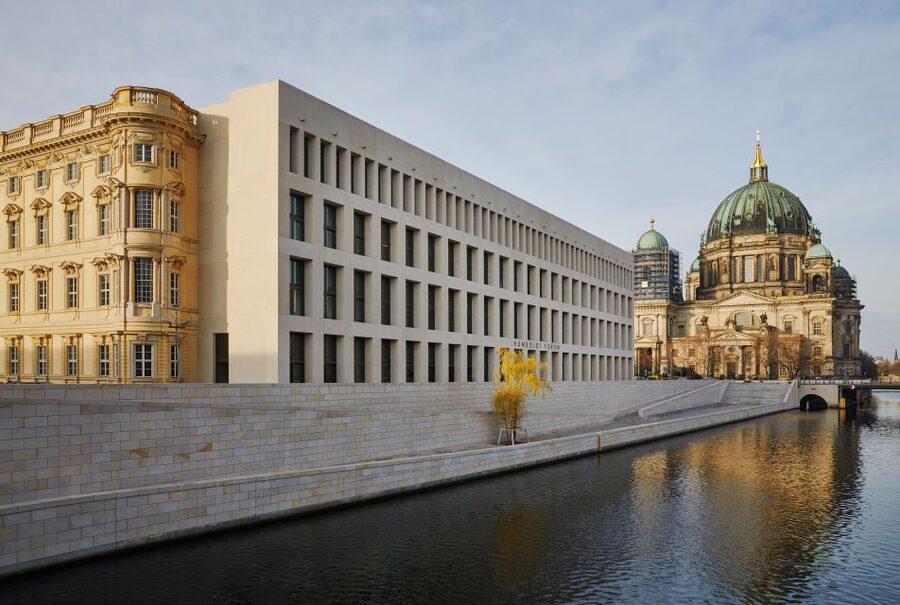
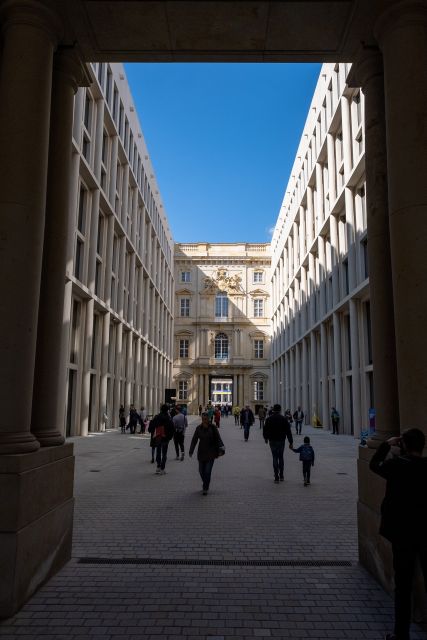
The City Palace area gives the tour a strong sense of royal Berlin. Here, the guide follows the connection between architecture and authority, showing how the capital was shaped around the people who ruled Prussia.
Expect the discussion to include more than dates and names. The tour is designed to share anecdotes and surprising facts, so you get a better sense of how power worked in the city and how Berlin developed around its ruling institutions.
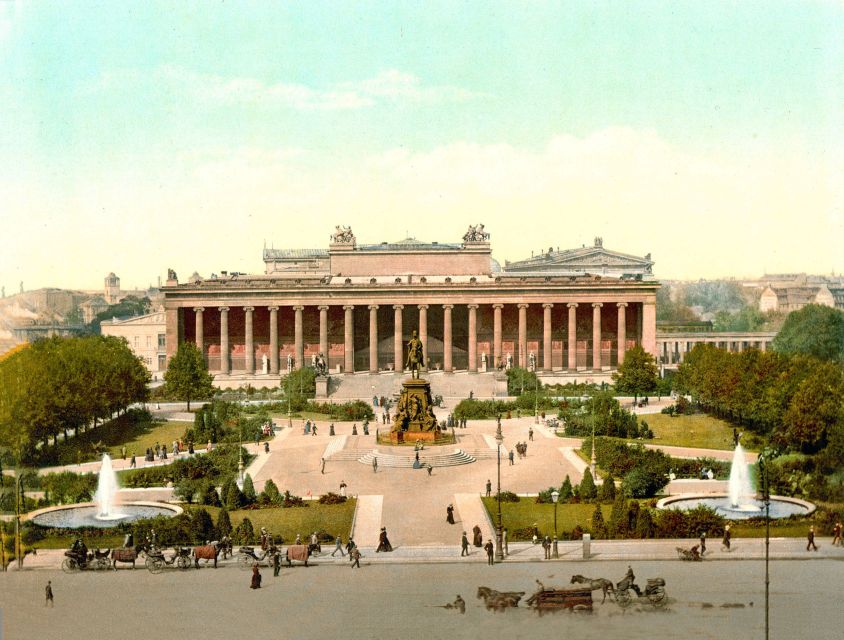
This part of the route is especially helpful if you are new to Prussian history. The subject includes many titles, rulers, and political changes, and a live guide can organize those details as you walk. The supplied brochure, with illustrative pictures, should also help you match the present-day view with visual references from the past.
One practical limit is that the tour is not a palace interior visit. The value comes from the street-level setting, the guide’s explanations, and the relationship between nearby landmarks. If you want room-by-room access to royal buildings, you will need a separate museum or palace visit.
Friedrichswerdersche Church and the quieter side of the route
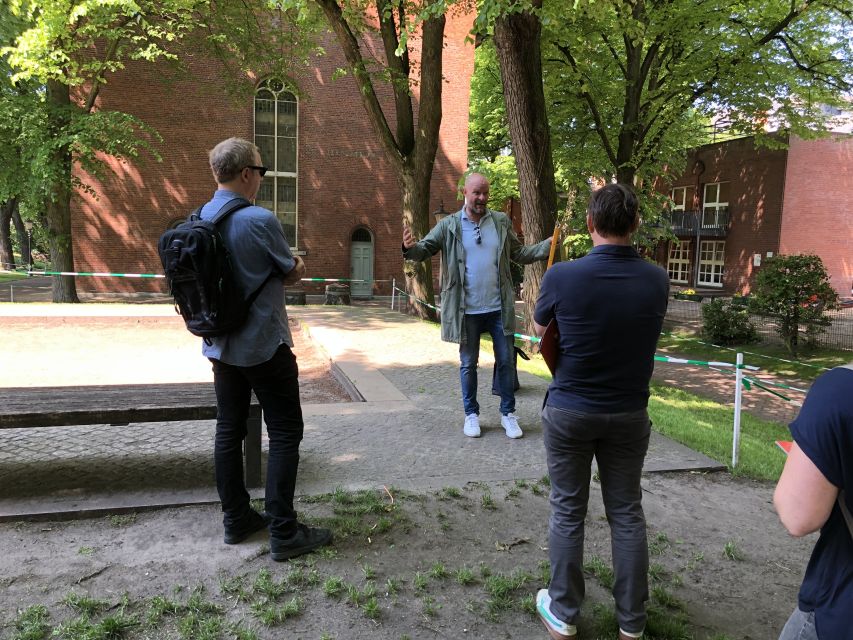
The route includes Friedrichswerdersche Church and the Friedrichswerder neighborhood. This is where the walk shifts from the biggest central landmarks to a more intimate view of Berlin’s past.
Friedrichswerder is important for the tour because it gives you a chance to notice the city’s smaller details. The guide points out traces that may not announce themselves as major attractions. These less obvious places can help you picture how the area changed and how people experienced the capital beyond its grand official buildings.
The church adds another layer to the story. It is not treated as an isolated stop, but as part of the wider Prussian setting. You can expect the guide to connect its architecture and location with the people and forces that helped shape Berlin.
I like this section because it keeps the outing from becoming a simple list of famous monuments. The quieter streets give the historical explanation room to breathe. They also reward attentive walking. Look closely, listen for the small anecdotes, and use the brochure’s pictures to compare what you see with earlier views.
The exact sequence and length of time at each stop are not specified, so you should think of the tour as a guided route through the district rather than a series of formal site visits. The guide controls the pace and chooses where to pause.
More walking tours in Berlin:
- Discover Berlin Half-Day Walking Tour
★ 5.0 · 9,624 reviews - Berlin: Third Reich and Cold War 2 Hour Walking Tour
★ 4.9 · 6,830 reviews - Berlin: Discover Berlin Walking Tour
★ 4.9 · 5,998 reviews - Berlin’s Best: 2 Hour Walking Tour Third Reich and the Cold War
★ 5.0 · 5,486 reviews
Gendarmenmarkt and the city’s grand public face
Gendarmenmarkt is another major stop. Its scale and architectural setting suit a tour about the public image of Prussian Berlin. Here, the guide can show how an urban square functioned as part of the capital’s identity, not just as a pleasant open space.
This is a good place to pay attention to the contrast between grand planning and personal stories. Prussian Berlin was shaped by rulers and institutions, but it was also a lived-in city. The tour’s promise to discuss notable personalities and local residents helps keep the square connected to human experience.
Gendarmenmarkt is also a familiar stop for many people visiting Berlin. That makes the guide’s added detail especially useful. You may already know the view, but a new anecdote or overlooked architectural clue can change how you read it.
Because the tour includes several well-known central sites, the route works well for a first introduction to Berlin’s historic core. It is less suited to someone who wants an extended, specialist examination of one building. The two-hour format favors range, connection, and clear storytelling.
Brandenburg Gate and the Old Reich Chancellery area
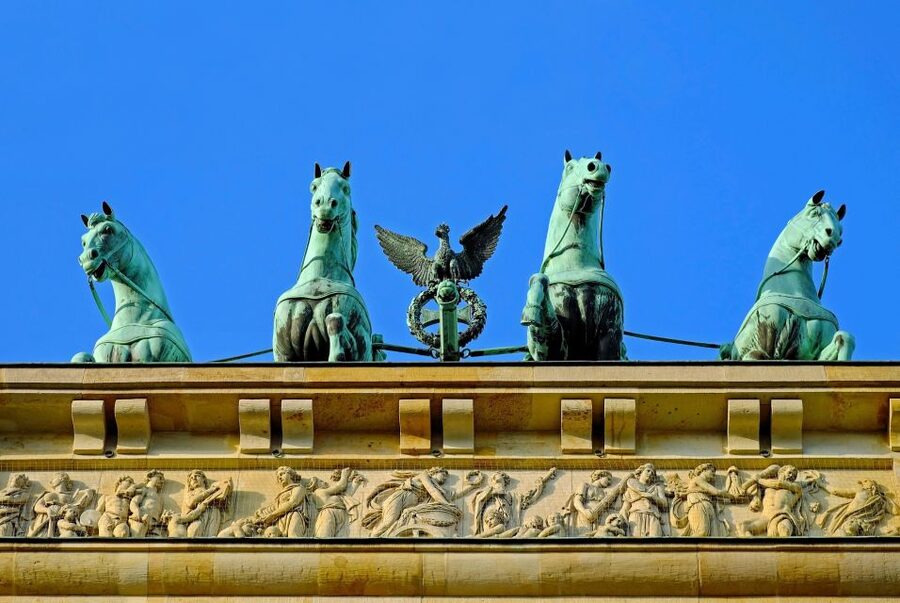
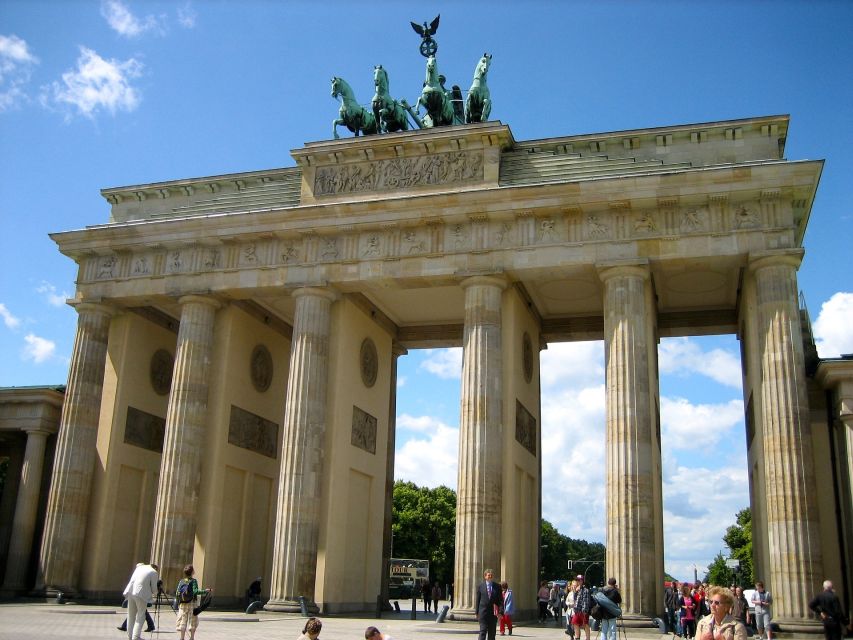
The walk also covers the wider area around the Brandenburg Gate and the Old Reich Chancellery. These places bring the story toward Berlin’s role as a seat of political power.
The Brandenburg Gate is one of the city’s most recognizable landmarks, but its importance becomes clearer when placed within the old capital. The guide links the site to the larger Prussian setting rather than treating it as a stand-alone photo stop.
The Old Reich Chancellery area adds a political layer to the route. You hear about the institutions and personalities that played a role in Berlin’s development as Prussia’s capital. Since the tour concentrates on history visible from public streets, do not expect a long indoor visit or an extensive treatment of every later period of Berlin’s past.
For me, the strength of this part is the sense of sequence. The route begins around the royal center, moves through streets and religious architecture, then connects the city’s public spaces with its political life. A guide helps you see those places as parts of one evolving capital.
What the guide adds to the walk
A history walk succeeds or fails on explanation. Here, the emphasis is on surprising facts, anecdotes, and notable people. That is more useful than a string of dates, especially in a city where many buildings have changed purpose or appearance over time.
The guide also helps with details you would probably miss alone. One German-language comment about the tour noted that many interesting things would have gone unnoticed without the guide’s hints. That is exactly the value of this format: you are not only shown the obvious monument, you are directed toward the small clue beside it.
The tour provider is Eat the World GmbH, and the guide is live rather than recorded. No guide names are supplied, so you should not expect to reserve a particular named guide. The phone number connected with the booking can be useful if you have trouble finding the meeting point. On one occasion, a helpful man answered a call and helped a participant join the walk after a meeting-point mix-up.
There is one warning here. Confusion can arise from several company names appearing in booking information. Double-check the meeting details before you arrive, and go straight to the granite bowl in the Lustgarten. That small bit of preparation can prevent a rushed start.
German language, walking pace, and weather
This tour is entirely in German. That is not a minor footnote. You need to follow a live explanation for two hours, often while standing outdoors and looking at buildings. If your German is basic, you may miss the anecdotes that make the tour worthwhile.
The tour is scheduled for two hours, with starting times depending on availability. It involves leisure walking rather than a strenuous hike, but the route is outdoors and includes several stops. People with mobility impairments may find it unsuitable.
The tour runs rain or shine. Bring comfortable shoes and clothing suited to the forecast. There is no stated indoor backup, so rain can affect your comfort even if it does not cancel the walk.
Food and drinks are not included, and there is no hotel pickup or drop-off. That is normal for a central walking tour, but plan your own refreshment before or after the route. Since the meeting point is in central Berlin, you can pair the activity with nearby sightseeing, though the tour itself is focused on the Prussian story.
Pets are not allowed.
Is $29 a fair price for two hours?
At $29 per person, this is a reasonable price for a live, specialist walking tour in central Berlin. You are paying for a guide who supplies context, points out details, and ties several landmarks into one historical story. The illustrated brochure adds a small but useful extra.
The value depends heavily on your language and interest. If you understand German and want more than a quick look at Berlin’s famous buildings, the price is easy to justify. You get two hours of focused interpretation without paying for transport or a large attraction ticket.
If you already know Prussian history well, the route may feel broad rather than deeply academic. Likewise, if you prefer self-guided sightseeing, you can see many of the same public areas without paying. The difference is the guide’s selection of anecdotes and the ability to ask questions as you walk.
Flexible booking also helps. You can reserve now and pay later, and cancellation is free up to 24 hours before the start for a full refund. Those terms reduce the risk of booking around uncertain plans.
Who should book this Berlin walk?
I would choose this tour if you have a real interest in Berlin’s royal and political past, or if you want a clear introduction to the historic center before exploring on your own.
It suits:
- German-speaking visitors who enjoy history told through places
- First-time visitors who want context for central Berlin landmarks
- Repeat visitors looking for smaller details in familiar districts
- People who prefer a relaxed walking route to a bus tour
- Anyone curious about both rulers and ordinary residents of Prussian Berlin
I would skip it if you need an English-language tour, dislike walking in poor weather, or require step-free access. It is also not the best match if your main goal is entering museums, palaces, or churches. The experience is about streets, buildings, stories, and connections.
Should you book the Prussian History Walking Tour?
Book it if you can follow German and want Berlin’s central monuments explained as part of the Prussian capital. The mix of the Lustgarten, Dome, City Palace area, Friedrichswerder, Gendarmenmarkt, Brandenburg Gate, and Old Reich Chancellery area gives you a solid two-hour framework.
The strongest reason to go is the guide’s attention to details you could miss alone. The main caution is the meeting-point confusion reported by one participant, so confirm the company information and head for the granite bowl. With comfortable shoes, weather-ready clothing, and realistic expectations about an outdoor route, this is a good-value history walk for the right audience.
FAQ
Where does the tour meet?
Meet your guide at the granite bowl in the Lustgarten.
How long does the walking tour last?
The tour lasts two hours.
What language is the tour in?
The tour is conducted entirely in German with a live German-speaking guide.
Which landmarks are included?
The route includes the Dome, the City Palace area, Friedrichswerdersche Church, Gendarmenmarkt, the Brandenburg Gate area, and the Old Reich Chancellery area.
Is the tour suitable for people with mobility impairments?
No. The activity is listed as unsuitable for people with mobility impairments and involves leisure walking.
What should I bring?
Bring comfortable shoes and clothing suitable for the weather. The tour operates rain or shine.
What does the price include?
The $29 price includes the tour guide, the walking tour, and a brochure with illustrative pictures. Food, drinks, hotel pickup, and hotel drop-off are not included.
Just added around Berlin
- From Berlin: Gardens & Palaces of Potsdam Bike Tour★ 5.0 · 61 reviews
- Berlin: Battle for Seelow Heights WW2 tour -Clash of Titans★ 5.0 · 27 reviews
- From Berlin: Historical Gems of Potsdam Private Day Trip★ 4.4 · 4 reviews
- Berlin: Französischer Dom 360° Panorama & Crémant to go★ 3.9 · 5 reviews
- Explore Berlin Tour: History and Highlights★ 4.7 · 5 reviews
- Berlin: Evening Yacht Cruise with Aperitif & Dinner Upgrade★ 4.6 · 178 reviews
- Berlin: Expats in Berlin Comedy Show Ticket★ 4.7 · 182 reviews
- Berlin: The Epic Comedy Club Friday Night Showcase★ 4.8 · 28 reviews
Berlin Tours, compared.
Reichstag, Dome and Government District Guided Tour
Read our review →
1-Hour City Tour by Boat with Guaranteed Seating
Read our review →
Reichstag, Plenary Chamber, Cupola & Government Tour
Read our review →
Browse the lists this tour appears in