
Review · BERLIN TOURS
Berlin: Museum Europäischer Kulturen Entry Ticket
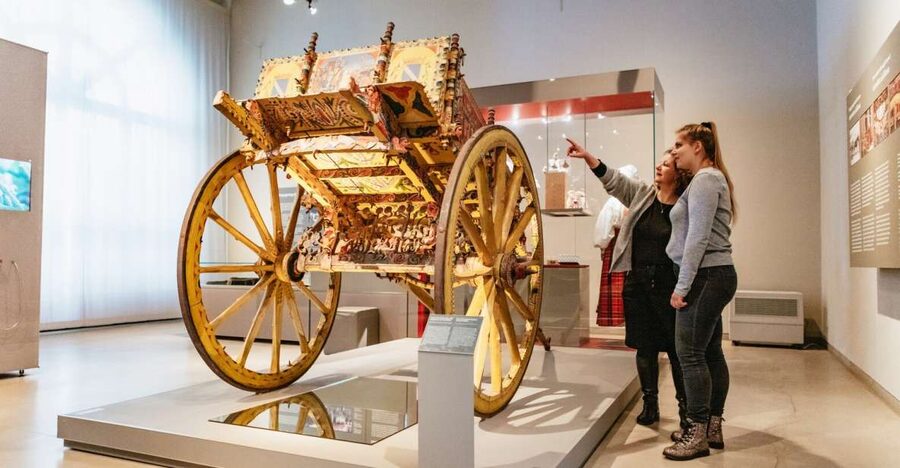
Europe is easiest to understand through ordinary things, and that is the Museum Europäischer Kulturen’s great idea. You’ll see objects tied to daily life, from older arts and crafts to modern cultural expressions. I like the way the museum crosses borders without treating Europe as one single culture, and I like that it connects historical objects with current questions.
The permanent exhibition offers plenty to think about, while temporary displays can add a fresh angle, such as the well-received exhibition on fast versus slow fashion. The main drawback is practical: backpacks are not allowed, the museum is not suitable for wheelchair users, and the ticket information does not clearly confirm access to temporary exhibitions.
Key Points
- European life through ordinary objects: Explore cultural items dating from the 18th century to today.
- Cultural Contacts: Living in Europe: The permanent exhibition links museum collections with present-day research and public life.
- Art, crafts, music, and food: The collection reaches beyond paintings to the ways people make, use, and share things.
- One-day flexibility: Your ticket is valid for one day, so you can choose a time that fits your Berlin plans.
- Temporary exhibitions may add interest: Past displays have included a thoughtful look at fast fashion and slow fashion.
- Plan around access rules: Leave your backpack behind, note the closing time, and check accessibility before booking.
Why Everyday Culture Tells Europe’s Story
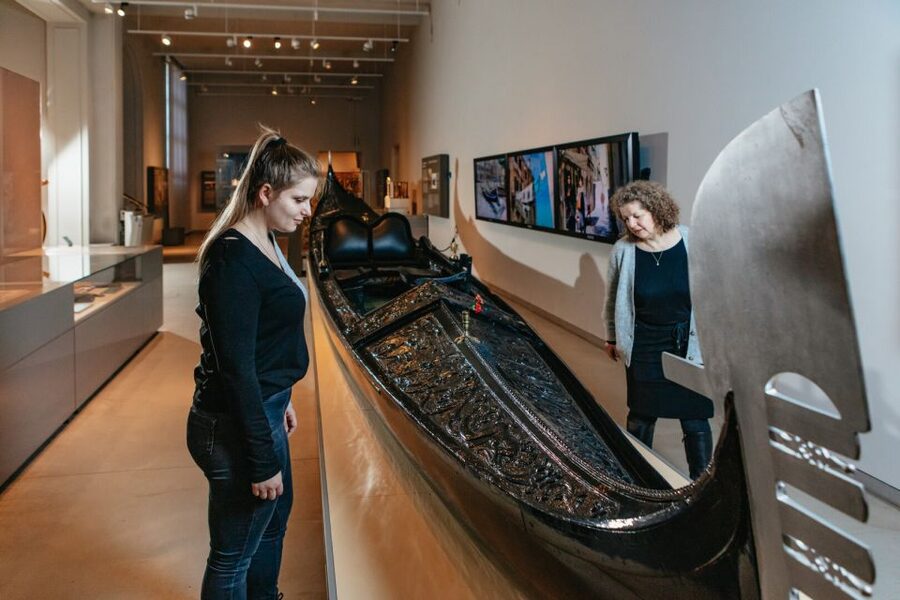
The Museum Europäischer Kulturen takes a broad view of what belongs in a museum. Instead of focusing only on famous artists, major rulers, or grand monuments, it looks at the objects people use, make, eat, hear, and pass along.
That approach gives you a more personal way to think about Europe. A craft object may reveal local skill. A musical item may point to shared traditions or changing borders. A culinary object can show how habits travel from one community to another.
The collection covers the 18th century through the present day. That time span matters because it lets you compare older customs with modern life rather than placing European culture in a sealed historical box.
I especially like the museum’s attention to cultural contact. Europe has never been a collection of isolated cultures. People moved, traded, married, fought, worked, migrated, and borrowed from one another. The museum uses its objects to show those connections.
You should not expect a single grand route through European history. This is more of a series of cultural encounters, with objects and displays asking you to notice similarities, differences, and changes over time.
More museums and galleries in Berlin:
- Berlin: Jewish Museum Berlin Entrance Ticket
★ 4.5 · 8,393 reviews - Berlin: DDR Museum Tickets
★ 4.3 · 3,443 reviews - Berlin: Natural History Museum Entrance Ticket
★ 4.6 · 3,382 reviews
Inside Cultural Contacts: Living in Europe
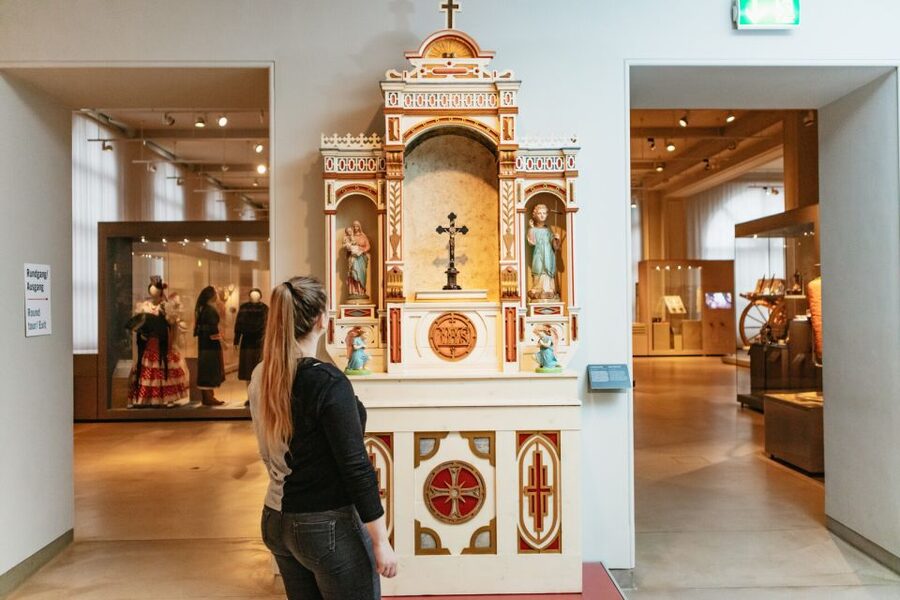
The permanent exhibition, Cultural Contacts: Living in Europe, is the main reason to choose this ticket. It presents sections of the museum’s collection and research, including material connected with a public study called the Contemporary Showcase.
The title gives you a useful guide to the exhibition. The focus is not simply on where an object came from. It is also on how people live together, how traditions shift, and how cultural identity changes through contact with others.
You can expect the exhibition to move between historical material and objects from the present day. That contrast is one of its strengths. An older object may carry a clear regional identity, while a modern object may show how European habits now overlap.
The museum’s subject is large, so you may find the displays work best when you take your time. Rather than trying to memorize every date or country, look for connections. Ask what an object was used for, who made it, how it traveled, and what it says about the people who handled it.
The Contemporary Showcase is also important because it brings public research into the museum setting. This gives the permanent exhibition a current edge. You are not only looking back at Europe. You are also being asked to consider how Europeans describe their own lives now.
From Arts and Crafts to Music and Food
The collection reaches across several parts of cultural life. Arts and crafts form one visible strand, but the experience is not limited to decorative objects. Music and culinary traditions are also part of the story.
That range gives the museum a different feel from an art museum built around paintings and sculpture. Here, usefulness matters. The question is not only whether an object is beautiful, but also what it did in a household, a community, or a tradition.
The culinary material can help make the exhibition feel close to home. Food traditions often reveal movement and exchange more clearly than official borders do. A dish, utensil, or cooking custom may belong to one place, but its ingredients and methods can point elsewhere.
Music offers another way into cultural identity. Musical traditions can be local, religious, social, or shared across several countries. Even if you are not familiar with every tradition represented, the subject helps explain why culture is heard and practiced, not simply displayed.
The arts and crafts sections may appeal most to visitors who enjoy close visual detail. You can look at materials, technique, decoration, and use. I find this kind of display rewarding because it gives you a physical sense of how people expressed identity before modern mass production changed daily life.
Comparing the 18th Century With Modern Europe
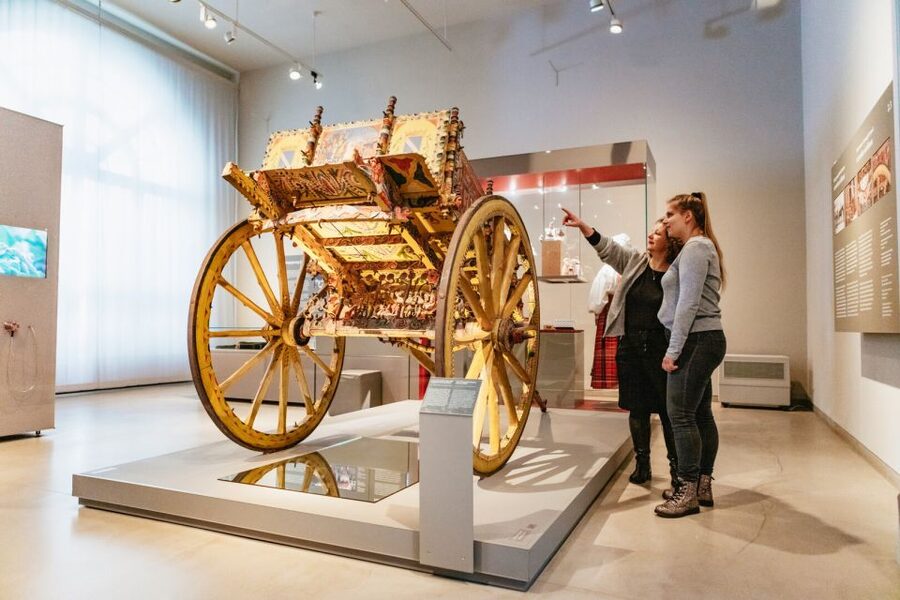
The historical range is one of the ticket’s best values. You can begin with objects from the 18th century and then move toward more recent examples, making change part of the visit rather than an afterthought.
This comparison helps you avoid a common museum problem: seeing the past as something separate from the present. At this museum, older cultural forms can be placed beside current issues and objects. That makes the visit more useful for anyone curious about how traditions survive, adapt, or fade.
You might notice that some customs remain recognizable while their setting changes. An object may have started as a practical household item and later become a symbol of regional identity. Another may show how industrial production or migration altered familiar habits.
The museum does not present Europe as a fixed group of national categories. Its material points to overlap. That is especially valuable in Berlin, a city shaped by movement and contact, although the supplied information does not promise a Berlin-specific tour or guided commentary.
Plan to spend enough time with the comparisons. You can move quickly through a display of objects, but the real value comes from considering why an item belongs in a European cultural collection and what its presence says about shared life.
A few more Berlin half-days to weigh up
- Berlin: Reichstag, Dome and Government District Guided Tour
★ 4.7 · 18,288 reviews - Berlin: 1-Hour City Tour by Boat with Guaranteed Seating
★ 4.3 · 16,993 reviews - Berlin: Boat Tour Along the River Spree
★ 4.4 · 11,252 reviews - Discover Berlin Half-Day Walking Tour
★ 5.0 · 9,624 reviews
Temporary Exhibitions and the Fast Versus Slow Fashion Question
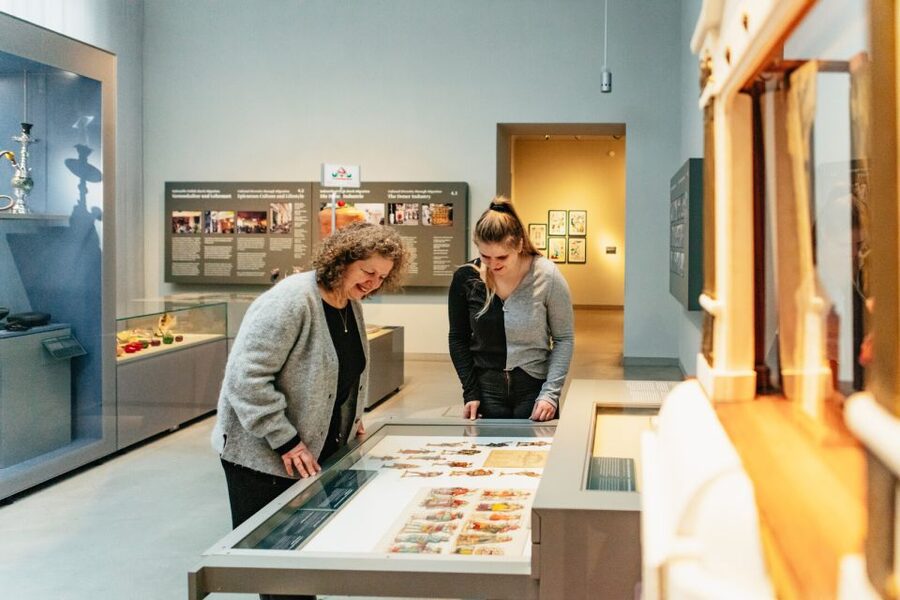
The ticket includes entrance to the museum and its permanent exhibitions. The museum also presents temporary exhibitions, but you should check the current admission details before booking if a temporary show is your main reason for going.
A past temporary exhibition about fast fashion and slow fashion drew particular attention. That subject fits the museum well because clothing connects craft, trade, identity, labor, consumption, and environmental concerns. It also shows how the museum can use a current issue to examine older cultural habits.
Temporary displays may be the most timely part of your visit. The permanent exhibition gives you the broad framework, while a temporary show can focus closely on one question. If both are available under your admission, allow extra time rather than treating the temporary display as a quick add-on.
The quality of the exhibitions has been praised, with both permanent and temporary displays described as interesting and well planned. That matches the museum’s central strength: it turns broad cultural subjects into objects and examples you can examine directly.
Still, temporary exhibitions change. Do not assume that the fashion display, or any other past show, will be running on your visit. Check the current program and ticket terms before you count on it.
How Long to Stay During the One-Day Visit
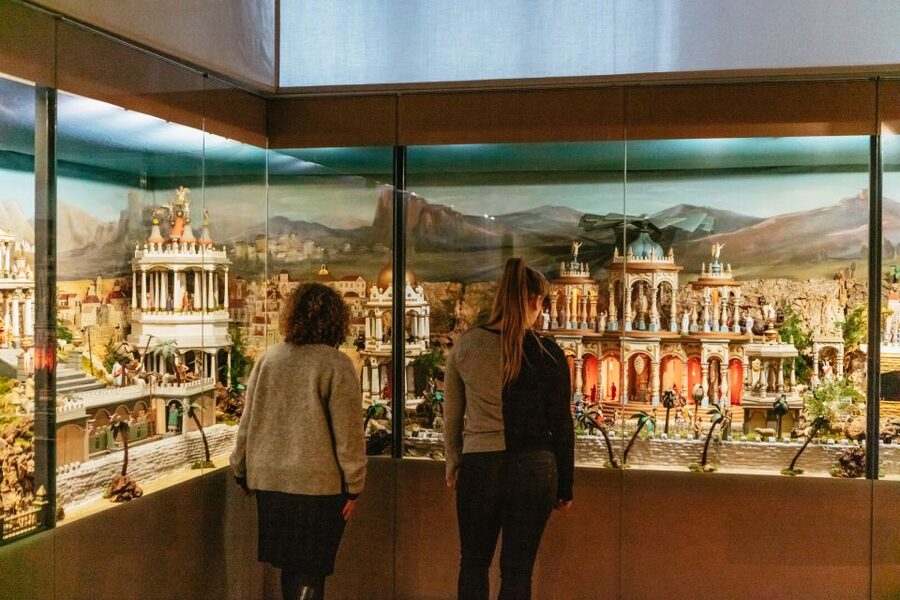
The ticket is valid for one day, not for a fixed tour with a guide. That gives you freedom to fit the museum around other Berlin plans, though the available starting times should be checked when you select your visit.
The museum closes at 5:00 PM from Tuesday through Friday. On Saturday and Sunday, it closes at 6:00 PM. Those hours make an early or midafternoon arrival sensible, especially if you want to read display text and compare several sections.
A short visit can work if you focus on Cultural Contacts: Living in Europe. A longer visit makes more sense if you want to examine the arts and crafts, music, food-related material, historical collections, and any temporary exhibition on display.
I would avoid arriving near closing time. The subject rewards attention, and rushing through cultural objects turns an interesting museum into a checklist. Since the ticket is valid for one day, use the flexibility to choose a time when you have enough energy and daylight for the rest of your plans.
There is no guide named in the activity information, and no guided commentary is promised. You should therefore expect a self-guided museum visit rather than a tour led by a specialist.
The $11 Ticket and What You Get
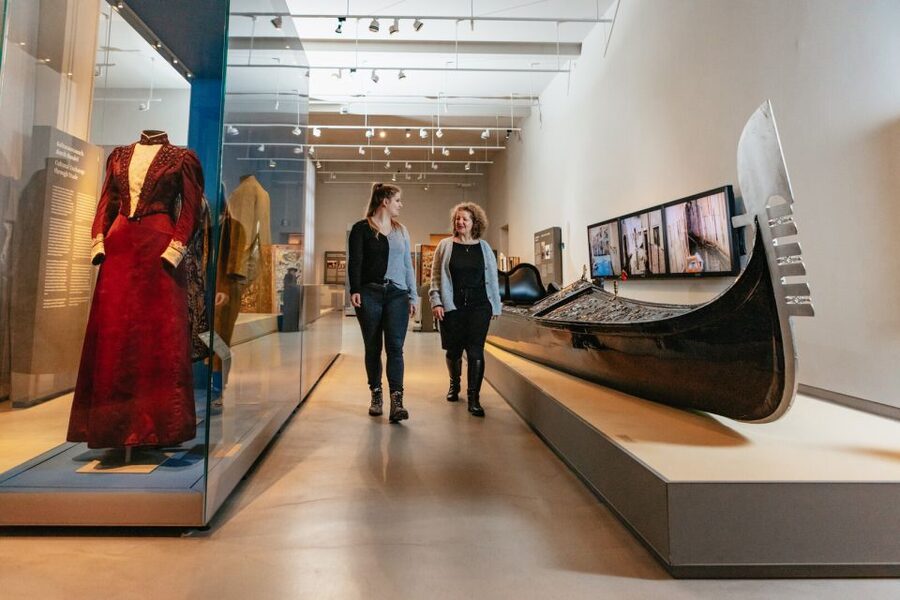
At $11 per person, the ticket is modestly priced for a full day of museum access. It includes entry to the museum and the permanent exhibitions, which makes it a reasonable choice if you want a focused cultural visit rather than a large museum complex with many separate ticketed sections.
The strongest value comes from the subject’s range. You are paying to see European cultural objects across several centuries and several forms of expression, not just one narrow collection. The permanent exhibition also connects objects with current cultural questions, which gives the visit more purpose than a simple display of old things.
The value is less clear if your main goal is a temporary exhibition. Since the included admission is specifically described as covering the museum and permanent exhibitions, check the current terms before assuming every temporary display is included.
The ticket is non-refundable. That matters if your Berlin schedule is uncertain, so choose your date and time with care. A mask is recommended, including a medical or FFP2 mask, but it is not mandatory.
Who Will Get the Most From This Museum
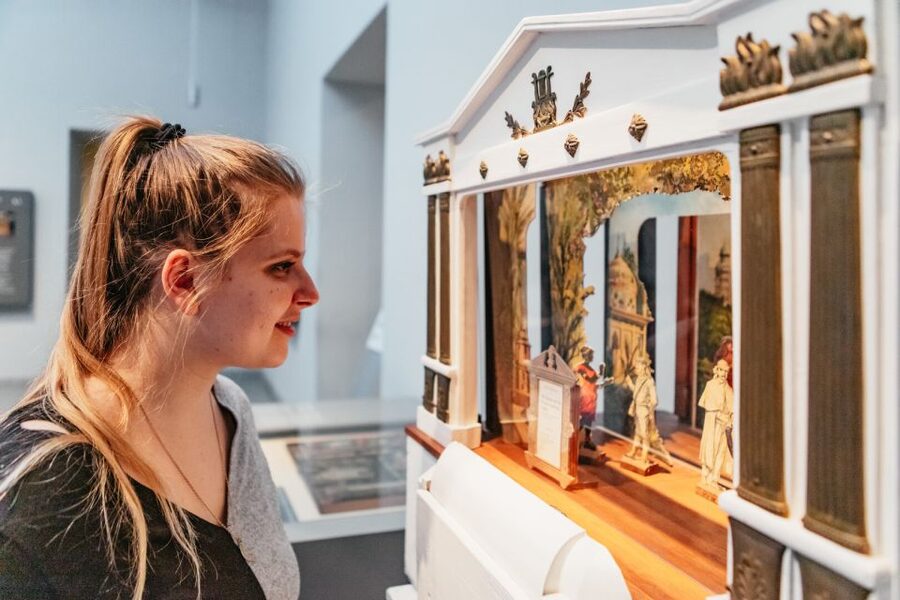
I would recommend this museum to you if you enjoy culture as something people practice, not just something famous people create. It suits visitors interested in crafts, social customs, food, music, migration, and the relationship between old traditions and current life.
It is also a good choice for a rainy or overheated Berlin day, when you want an indoor activity with more substance than a quick sightseeing stop. The one-day validity lets you fit it into a broader schedule without committing to a guided half-day program.
The museum may be less satisfying if you want a conventional art museum filled with famous names. The information provided does not suggest that the visit centers on iconic paintings or major individual artists.
Accessibility requires advance thought. The experience is listed as not suitable for wheelchair users, and backpacks are not allowed. If either point affects your visit, confirm the current arrangements before purchasing, since the ticket is non-refundable.
Practical Advice Before You Go
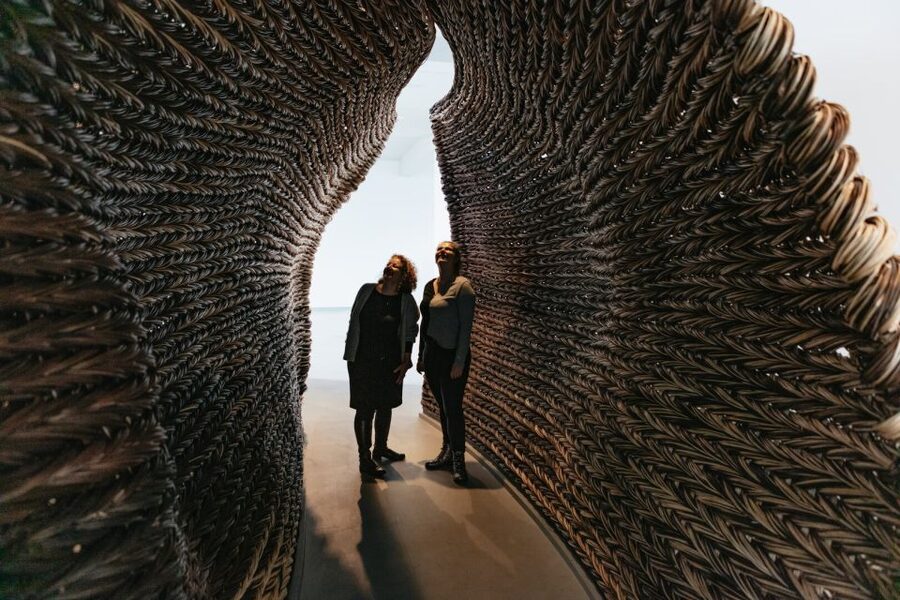
Pack light. Backpacks are not permitted, so use a small permitted bag only if the museum’s current rules allow it. The information provided does not specify storage arrangements, so do not assume you can simply leave a large bag at the entrance.
Wear something comfortable for a self-guided museum visit. You may want to spend more time than expected with objects that seem simple at first, especially in the sections dealing with daily life and cultural contact.
Check the day’s closing time before you set out. Tuesday through Friday gives you until 5:00 PM, while Saturday and Sunday gives you until 6:00 PM. Mask use is recommended but optional.
The experience has a 4.8 rating from seven verified bookings. The most consistent praise centers on the exhibitions themselves, especially the combination of permanent and temporary displays. That is a useful clue about where the museum earns its $11 price: in the quality and range of what is on display, not in a guide, special transport, or added activity.
Should You Book the Museum Europäischer Kulturen?
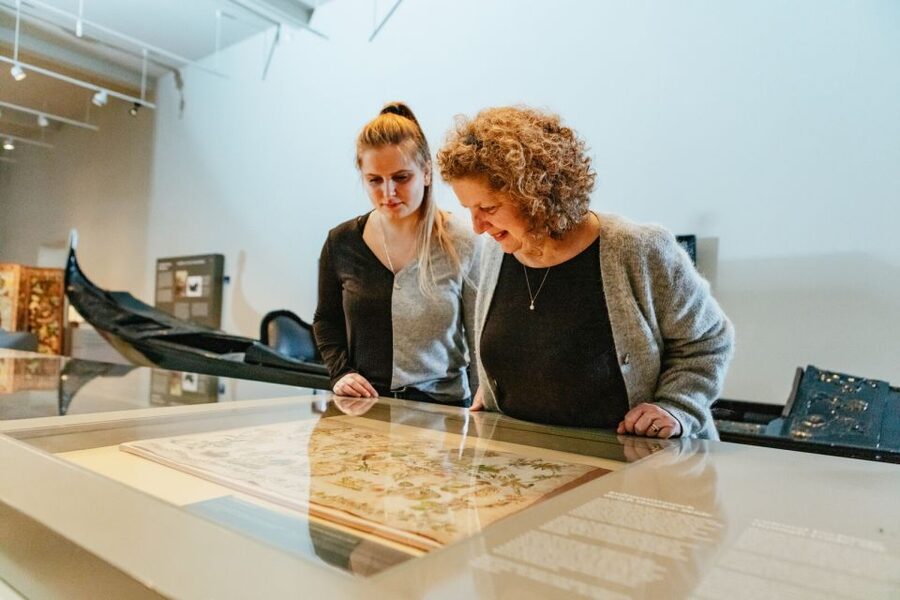
Book it if you want an affordable, thoughtful look at Europe through everyday culture. The permanent exhibition, Cultural Contacts: Living in Europe, gives you the clearest reason to go, and the mix of older and modern objects keeps the subject from feeling stuck in the past.
I would especially choose it if you enjoy museums about social life, craft, food, music, and changing identity. At $11, it is a sensible addition to a Berlin day, provided you are comfortable with a self-guided visit and the access limits.
Skip it if you need wheelchair access, must carry a backpack, or are booking mainly for a specific temporary exhibition without first checking whether that show is included. For everyone else, it offers a focused way to think about how European cultures meet, borrow, and change.
FAQ
How long is the Museum Europäischer Kulturen ticket valid?
The ticket is valid for one day. Check availability for the starting times offered for your visit.
What does the ticket include?
It includes entrance to the museum and the permanent exhibitions.
Does the ticket include temporary exhibitions?
The provided ticket information confirms admission to the permanent exhibitions but does not clearly confirm admission to temporary exhibitions. Check the current terms if a temporary show is important to your plans.
What is the museum’s permanent exhibition called?
The permanent exhibition is called Cultural Contacts: Living in Europe.
Are backpacks allowed inside the museum?
No. Backpacks are not allowed.
Is wheelchair access available?
The activity is listed as not suitable for wheelchair users.
What time does the museum close?
From Tuesday through Friday, the museum closes at 5:00 PM. On Saturday and Sunday, it closes at 6:00 PM.
Just added around Berlin
- From Berlin: Gardens & Palaces of Potsdam Bike Tour★ 5.0 · 61 reviews
- Berlin: Battle for Seelow Heights WW2 tour -Clash of Titans★ 5.0 · 27 reviews
- From Berlin: Historical Gems of Potsdam Private Day Trip★ 4.4 · 4 reviews
- Berlin: Französischer Dom 360° Panorama & Crémant to go★ 3.9 · 5 reviews
- Explore Berlin Tour: History and Highlights★ 4.7 · 5 reviews
- Berlin: Evening Yacht Cruise with Aperitif & Dinner Upgrade★ 4.6 · 178 reviews
- Berlin: Expats in Berlin Comedy Show Ticket★ 4.7 · 182 reviews
- Berlin: The Epic Comedy Club Friday Night Showcase★ 4.8 · 28 reviews
Berlin Tours, compared.

Reichstag, Dome and Government District Guided Tour
Read our review →
1-Hour City Tour by Boat with Guaranteed Seating
Read our review →




Reichstag, Plenary Chamber, Cupola & Government Tour
Read our review →
Browse the lists this tour appears in