
Review · NUREMBERG TOURS
Nuremberg: Historischer Kunstbunker WWII Art Bunker Tour
The most striking part of this Nuremberg tour is the setting: you walk below the Old Town through a real network of cellars that became an air-raid shelter for priceless art. Works connected with Albrecht Dürer, the Veit Stoss Altarpiece, the Frauenkirche’s automaton clock, and the Codex Manesse were protected here while bombs destroyed much of the city above.
I like the way the tour links art with ordinary city life, since these spaces once stored beer in medieval times. I also like the clear one-hour format and the guides, including Andreas, Michael, Marianne, and Ralf, who bring local stories and wartime facts together. The main drawback is comfort: the tunnels stay around 10 to 12°C, and a group of about 21 people can feel cramped in narrow sections.
Key points to know before you go
- Art saved below the Old Town: See where major Nuremberg treasures were sheltered during wartime bombing.
- A cellar with several lives: Learn how medieval beer storage became a World War II bunker.
- A direct look at wartime destruction: The tour explains how around 90 percent of the medieval Old Town was destroyed.
- Strong local guiding: English and German guides such as Andreas, Michael, Jana, and Marianne add history, humor, and personal links to Nuremberg.
- Cold and confined setting: Bring a warm layer, and skip this tour if you have serious claustrophobia or mobility limits.
- Easy to fit into a city day: The central location and one-hour length leave time for Nuremberg’s squares, churches, and museums.
Entering Nuremberg’s underground art bunker
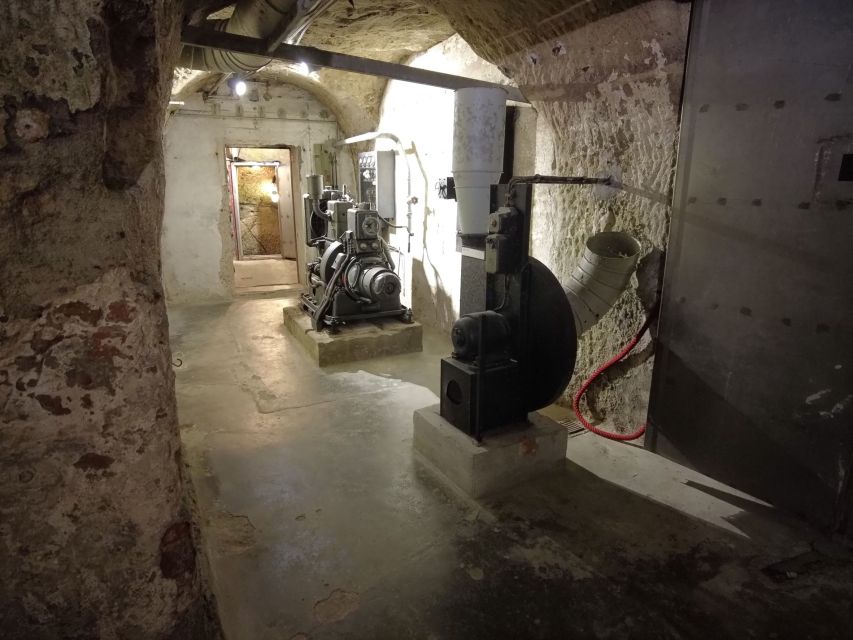
I find it hard to grasp wartime destruction from a postcard view of Nuremberg’s restored Old Town. The Kunstbunker helps close that gap. Instead of looking at photographs in a gallery, you move through the sort of underground chambers that made survival possible when the streets and buildings above were under attack.
The meeting point is at the entrance to the Historischer Kunstbunker in the Old Town. There is no transport included, so you make your own way there, but the central setting makes it easy to pair with a walking day in Nuremberg. Several people have found it useful to visit the surrounding square and nearby streets before or after the tour.
Your guide leads you inside and through the underground passages. This is not a large museum with rows of display cases. The bunker itself is the main exhibit, so the experience depends heavily on the explanation given along the way.
That is good news here. The strongest part of the tour is the guiding. Andreas has been praised for making the subject clear and for answering questions about both the bunker and the city. Michael is known for mixing humor with serious history, while Marianne has been noted for precise, easy-to-follow English and a lively presentation. Other guides named during the tours include Jana, Marc, Ralf, Stefan, Owen, and Adrian.
Guide quality can vary on any scheduled tour, of course, but this experience clearly calls for someone who can explain architecture, wartime planning, art, and local history in one small space. The feedback points strongly in that direction.
More WWII History Tours in Nuremberg
- Nuremberg: Walking Tour of Former Nazi Party Rally Grounds
★ 4.7 · 1,665 reviews - Nuremberg Old Town and Nazi Party Rally Grounds Walking Tour in English
★ 4.5 · 504 reviews - Nuremberg Old Town and Nazi Rally Grounds Walking Tour
★ 4.7 · 377 reviews
From medieval beer storage to wartime protection
The first useful surprise is that this underground space was not built only for World War II. Parts of the cellar had earlier been used to store beer, giving the bunker a longer connection to Nuremberg’s daily life.
That detail matters because it keeps the tour from becoming a simple military story. You see how old underground spaces could be given a new purpose when the city faced modern bombing. The same cool, sheltered conditions that once helped with storage also made the cellar suitable for safeguarding art.
Your guide explains how the Nazis used the bunker to protect major works during the war. The subject needs careful handling, and the tour connects the bunker to the larger system of wartime preparation in Nuremberg. You learn about the practical task of moving and shielding objects that could not simply be replaced after a direct hit.
The art named on the tour includes works by Albrecht Dürer, the Altarpiece of Veit Stoss, the automaton clock from the Frauenkirche, and the Codex Manesse. These references give you a concrete sense of what was at risk. The story is not only about anonymous crates hidden underground. It concerns objects tied to Nuremberg’s churches, artists, and cultural identity.
You should not expect to see every original masterpiece sitting in the bunker today. The value lies in understanding the protection system and seeing the actual rooms where such objects were stored. The underground walls, passages, and cramped layout make the logistics easier to picture than a standard display would.
Walking through the tunnels for one hour
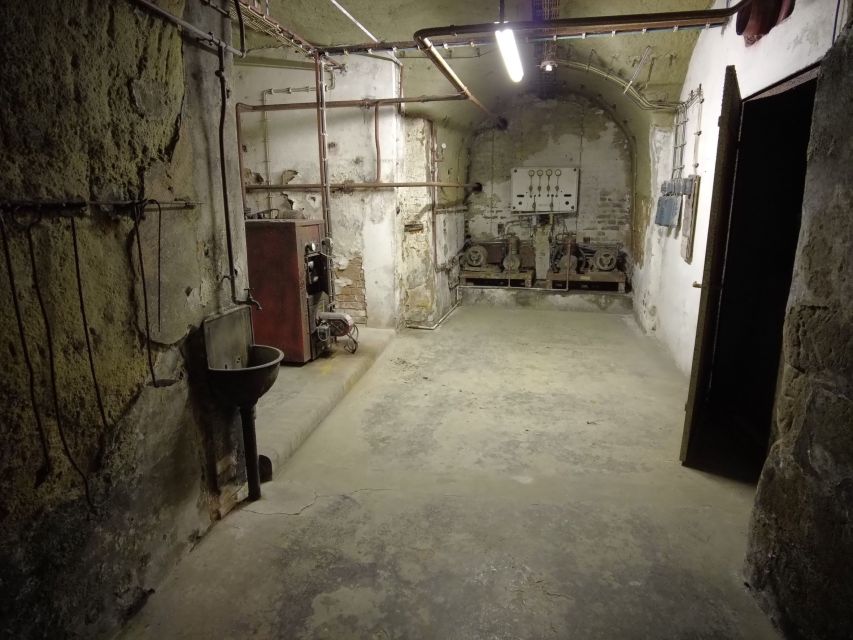
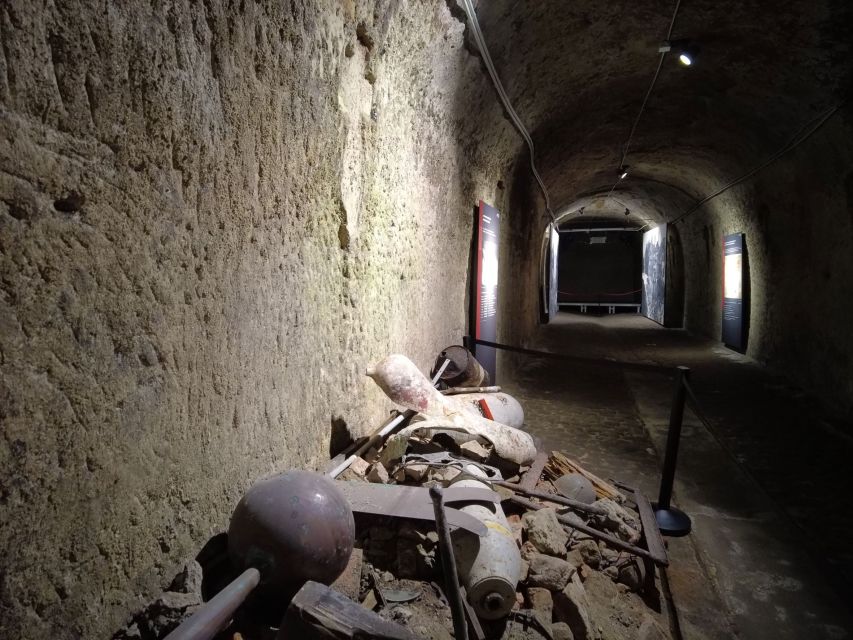
The route takes you through the bunker’s tunnel network with a guide setting the pace and explaining each part. The hour is short enough to fit into a busy sightseeing schedule, but long enough for a focused account of the cellar, the art, the air raids, and the rebuilding of Nuremberg.
I like this balance. A longer tour could become repetitive in a dark underground space, while a much shorter visit might leave you with only a few names and dates. At one hour, you get a concentrated history lesson without giving up half your day.
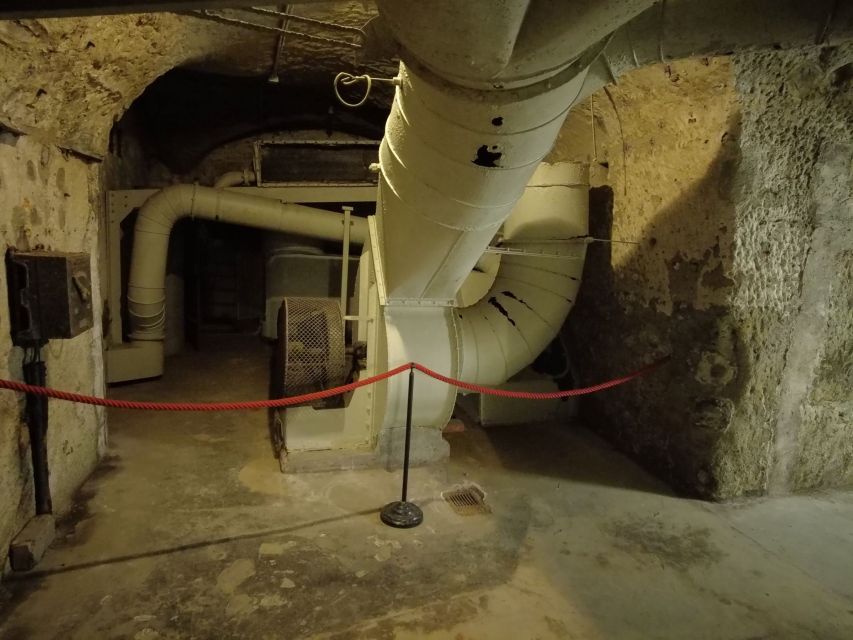
The physical setting shapes the experience. Expect a cellar rather than a polished modern attraction. You may walk through narrow areas and stop while the guide speaks. One group reached about 21 people, which made the space feel crowded. That does not ruin the tour, but it can make it harder to stand comfortably or hear every word if you are at the back.
If you want the best chance of hearing clearly, stay close to the guide and avoid drifting behind the group. The tour is built around spoken explanation, and the underground rooms do not offer much visual material to compensate if you miss a section.
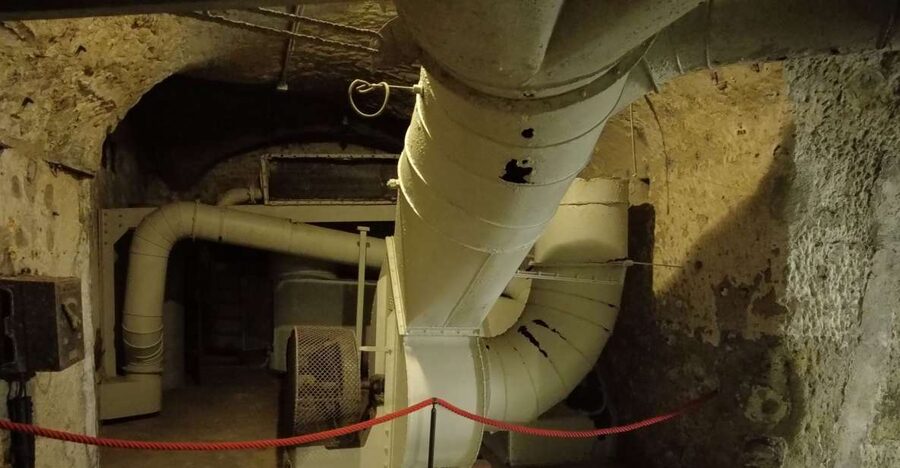
The bunker is also cold in every season. The stated temperature is around 10 to 12°C, and several people were caught off guard in summer. Bring a sweater, jacket, or other warm layer. The advice to bring warm clothing is not a formality. You will feel the chill during the full hour, especially if you stand still.
The tour runs rain or shine, which is hardly a problem once you are underground. It does mean you should plan your walk to the meeting point with the weather in mind.
How Nuremberg’s destruction changes the story
The bunker makes the bombing of Nuremberg personal and physical. The tour explains that around 90 percent of the medieval Old Town was destroyed during World War II. That figure can sound abstract when you hear it in a city history lecture, but it carries more weight when you are standing below the streets that were being defended and rebuilt.
Your guide also discusses how Nuremberg was reduced to rubble and reconstructed after the war. This part is important because the Old Town you see today is not simply an untouched medieval setting. The tour gives you a way to think about the relationship between surviving structures, restored buildings, and postwar rebuilding.
I especially like this city connection for visitors who have already walked around Nuremberg. The bunker adds meaning to the churches, squares, and old-looking streets above. One hour underground can change how you read the city once you step back into daylight.
The wartime story also reaches beyond the bunker itself. Nuremberg is closely linked with the Third Reich, and many people visit the rally grounds or the Documentation Center to study that period. The Kunstbunker offers a different angle. Its focus is not mainly on rallies, propaganda, or political spectacle. It looks at air raids, cultural preservation, underground engineering, and the effort to save objects from destruction.
That makes it a good companion to other Nuremberg history sites. If you already know a great deal about military events, you may recognize some of the broader context. Even then, the bunker’s physical setting and connection with specific works of art give the visit a different purpose.
More wartime history tours in Nuremberg:
- Nuremberg Third Reich Tour in Spanish
★ 5.0 · 355 reviews - Berlin: Third Reich and Cold War 2 Hour Walking Tour
★ 4.9 · 6,830 reviews - Munich: Third Reich & WWII Walking Tour
★ 4.6 · 6,181 reviews - Berlin: Sachsenhausen Concentration Camp Tour in English
★ 5.0 · 5,711 reviews
The guides make or break a confined tour
A good guide is especially important in a bunker because the rooms themselves cannot carry the entire experience. There are no broad city views, dramatic galleries, or long stretches where you can explore alone. You rely on the person leading you to connect the spaces with the story.
The guides named in the feedback have different strengths. Andreas has been praised for local knowledge and for answering questions at length. Michael has been described as friendly, humorous, and very well prepared. Marianne has kept groups focused while explaining the subject in clear English. Jana has handled questions about the tunnels and their changing uses, while other guides have been praised for calm, engaging presentations.
That mix of local detail and formal history is exactly what I want here. You learn what happened to the bunker, but you also get context about Nuremberg’s streets, buildings, and rebuilding. One guide even added personal insight about growing up in the area, which can make the city feel less like a collection of textbook dates.
English and German tours are available. If you book in English, the guide’s clarity matters more than speed, since the subject includes unfamiliar names such as Veit Stoss and Codex Manesse. The English guides have been described as easy to understand, but it is still wise to stay near the speaker in a crowded room.
The tour also works for older children and teenagers who have some interest in war history. A guide kept 12 and 13-year-olds engaged for the full visit, which suggests the hour can hold younger attention when the presentation is lively. Still, the subject concerns destruction and wartime danger, so parents should decide if that fits their child.
Is $14 a fair price?
At $14 per person, the tour is a good value if you care about Nuremberg’s wartime past, art, architecture, or underground spaces. The ticket includes entry to the Historischer Kunstbunker and a live guide. You are paying for access to a place that is not experienced in the same way through a self-guided walk, plus the explanation that ties the bunker to the city.
The one-hour length also helps the value. You can place it between other Old Town stops instead of committing to a half-day activity. Afterward, you still have time for churches, squares, museums, meals, and the city’s other World War II sites.
The value is less clear if you want to see a large collection of original paintings. This is primarily a place-based history tour. You will learn where important works were protected, but the cellar and the guide’s story are the central attractions.
For a visitor interested in art alone, the bunker may feel more architectural and historical than museum-like. For a visitor interested in how cultural objects survive war, it offers a useful link between the art itself and the practical work of protecting it.
The free cancellation option up to 24 hours before the tour and the reserve-now, pay-later choice make it easier to fit into a changing itinerary. Those policies are useful in a city where weather, train delays, and other bookings can shift your day.
Who should take this tour?
I would choose this tour for you if you enjoy:
- World War II and Third Reich history
- Nuremberg’s medieval and postwar architecture
- Albrecht Dürer and major German art
- Underground tunnels, cellars, and preserved historic spaces
- Short guided visits with room for questions
- Local guides who add personal context to a city’s past
It is also a smart choice if you have already visited the rally grounds or plan to visit the Documentation Center. The bunker shows another side of the same era, with more attention to civilian danger, air raids, cultural objects, and reconstruction.
I would be cautious if you have significant mobility impairments, use a wheelchair, or feel uneasy in confined spaces. The tour is specifically not suitable for wheelchair users, people with mobility impairments, or people with claustrophobia. A guide once brought a small folding chair for someone who could not stand for long, but you should not treat that as a guaranteed arrangement.
The cold is manageable if you dress for it. The tight spaces are a more important consideration. If standing close to a group in a cellar for an hour sounds stressful, choose a more open-air city tour instead.
Practical planning for your Nuremberg day
Because transportation is not included, plan to reach the museum entrance on your own. The central Old Town location makes it practical to combine with a walking route, and the surrounding streets provide an easy place to continue afterward.
I would schedule the bunker after seeing some of Nuremberg above ground. Walk through the Old Town first, look at the restored streets and churches, then go below them. The contrast makes the explanation of wartime destruction and rebuilding easier to understand.
You should arrive ready to listen. This is not a stop where you can wander at your own pace while reading short labels. The guide leads the group through the tunnels, and the spoken account supplies much of the meaning.
Wear shoes and clothing suitable for a cool cellar. The supplied information does not promise any special equipment, food, or drinks, so plan to handle those needs before or after the tour. The hour passes quickly, but the temperature does not change with the season.
The high overall rating of 4.8 from 921 bookings fits the strengths of the experience: the setting is unusual, the subject is important, and the guides receive repeated praise for clear explanations, humor, local insight, and patience with questions. The recurring concerns are also consistent: cold temperatures and crowding in a narrow space.
Should you book the Historischer Kunstbunker tour?
Yes, if you want a grounded look at Nuremberg during World War II and you like history that happens in real places. At $14, the one-hour visit gives you access to an unusual underground site and a strong explanation of how art, city life, and wartime survival came together.
I would book it as a partner to a day in the Old Town, not as a replacement for every other Nuremberg history site. Bring a warm layer, expect a close-quarters setting, and stay near the guide. If those conditions suit you, the bunker can add a lasting layer of meaning to the beautiful streets above.
FAQ
How long is the Historischer Kunstbunker tour?
The guided tour lasts one hour.
How much does the tour cost?
The listed price is $14 per person.
What languages are available?
The tour is offered with a live guide in English or German.
What does the ticket include?
The price includes entry to the Historischer Kunstbunker Museum and a guide. Transportation, food, and drinks are not included.
Where do I meet the guide?
You meet the guide at the entrance to the Historischer Kunstbunker Museum.
How cold is the bunker?
The cellar stays around 10 to 12°C, regardless of the weather outside. Bring warm clothing.
Is the tour suitable for wheelchair users or people with claustrophobia?
No. The tour is not suitable for wheelchair users, people with mobility impairments, or people with claustrophobia.
Just added around Nuremberg
- Nuremberg: The Old Town in Evening Light – IN GERMAN★ 4.7 · 353 reviews
- Nuremberg Third Reich Tour in Spanish★ 5.0 · 355 reviews
- Nuremberg Old Town and Nazi Rally Grounds Walking Tour★ 4.7 · 377 reviews
- Nuremberg Old Town and Nazi Party Rally Grounds Walking Tour in English★ 4.5 · 504 reviews
- Nuremberg: Hop-On Hop-Off Bus Tour★ 4.3 · 763 reviews
- Nuremberg: PLAYMOBIL®- FunPark★ 4.7 · 863 reviews
- Medieval Tour in Nuremberg in Spanish★ 5.0 · 1,374 reviews
- Nuremberg: Walking Tour of Former Nazi Party Rally Grounds★ 4.7 · 1,665 reviews
Nuremberg Tours, compared.
Tunnels and Secret Passages in the City Wall Tour
Read our review →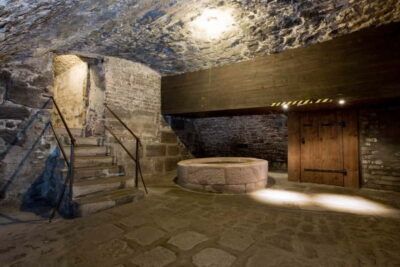
Walking Tour of Former Nazi Party Rally Grounds
Read our review →
Browse the lists this tour appears in