
Review · NUREMBERG TOURS
Nuremberg: Tunnels and Secret Passages in the City Wall Tour
Nuremberg’s most surprising sights may be below your feet. This one-hour walk takes you through narrow sandstone tunnels, vaulted chambers, and defensive corridors beneath the Imperial Castle, where soldiers once watched and fired on attackers crossing the moat. I like the direct link between the stonework and the city’s survival, and I like that the tour gets you into places you cannot see on an ordinary castle visit.
I also appreciate the price: at $14 per person, this is an inexpensive way to add real substance to a day in Nuremberg. Guides such as Andreas, Tom, Martin, Ralf, and Alan have been praised for clear explanations, humor, and patience with questions. The catch is physical. Expect steep, old stairs, ramps, wet or muddy sections, and some low passages. This is not suitable for wheelchair users, people with mobility impairments, or anyone uncomfortable in tight spaces.
Key points to know before you go
- The route goes beneath the Imperial Castle: You enter underground corridors and defensive passages tucked into Nuremberg’s sandstone walls.
- You learn how the defenses worked: The guide explains the moat, gun openings, hidden weapons, firing positions, and later bastions built to resist cannon fire.
- The tour lasts one hour: It is focused and affordable, but the short length means the guide has to keep moving.
- Expect a real physical challenge: There are many old stairs and ramps, with uneven, damp, and sometimes low sections.
- English and German tours are available: The guide leads the experience live and usually leaves room for questions.
- Wear warm, non-slip clothing and shoes: The underground spaces can feel cold, and sandals or flip-flops are not allowed.
Beneath Nuremberg’s castle walls
From the outside, the Imperial Castle is all towers, sandstone, and commanding views over the old city. The tour changes your view of it by taking you into the machinery that made the fortress work.
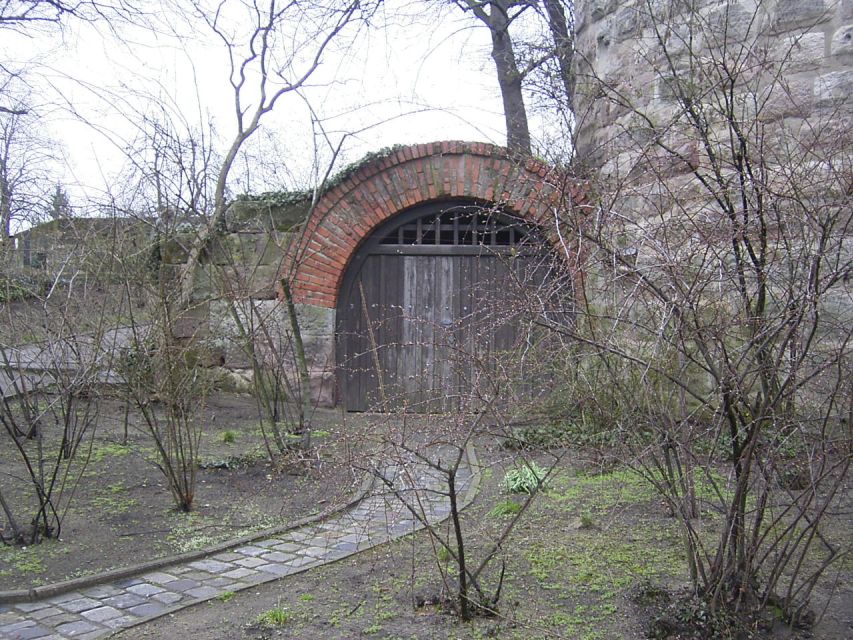
You meet in front of the entrance to the Historischer Kunstbunker at Obere Schmiedgasse 52. From there, the guide leads you toward the castle defenses and explains how Nuremberg was protected from attack. The opening section helps you understand the setting before you head below ground, which matters because the passages can otherwise feel like a string of dark rooms with no clear purpose.
I like this approach. You do not simply walk through an old tunnel and hear that it is medieval. You learn how the tunnels fit into the city wall, the castle, and the moat. The stone becomes part of a plan rather than just an atmospheric backdrop.
The exact guide varies. Andreas has been praised for making the subject easy to follow, while Tom, Martin, Ralf, Alan, and Robert have all been described as friendly and entertaining. Penny and Fiona have also received praise for humor and clear explanations. The experience depends partly on the individual guide, but the repeated strength is the same: history is explained in plain language, with questions welcomed.
A few more Nuremberg half-days to weigh up
- Nuremberg: City Tour with the Bimmelbahn Train
★ 4.4 · 2,475 reviews - Nuremberg: Old Town Guided Walking Tour
★ 4.6 · 2,416 reviews - Nuremberg: Medieval Dungeons Guided Tour
★ 4.8 · 1,726 reviews
Following the paths of the castle defenders
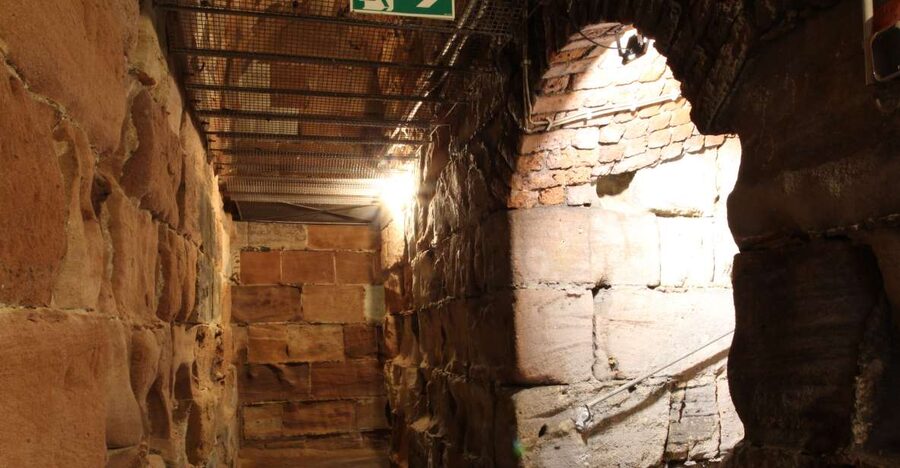
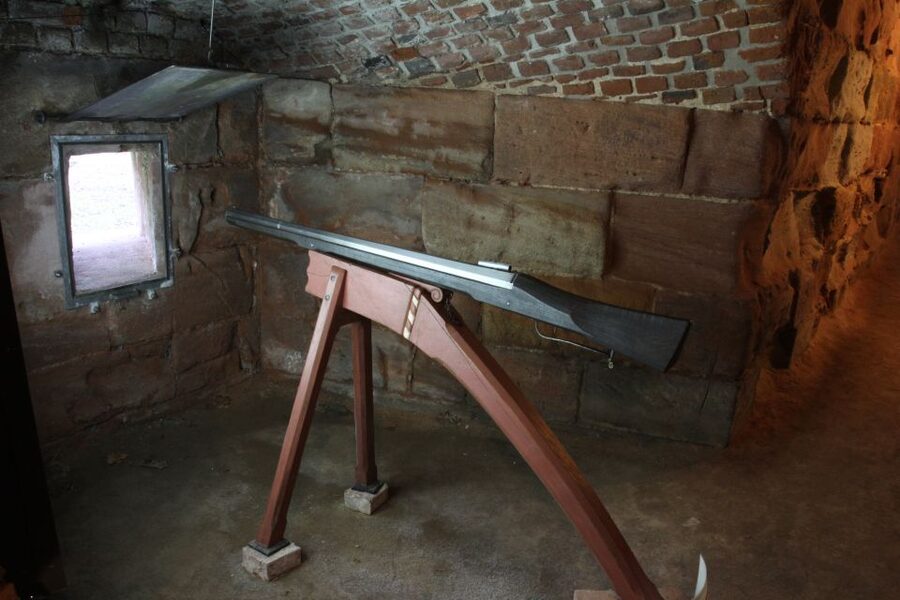
The most memorable part is the chance to walk along the same defensive routes used by the people protecting Nuremberg. You move through corridors cut into the sandstone and see how defenders could use the walls without exposing themselves in the open.
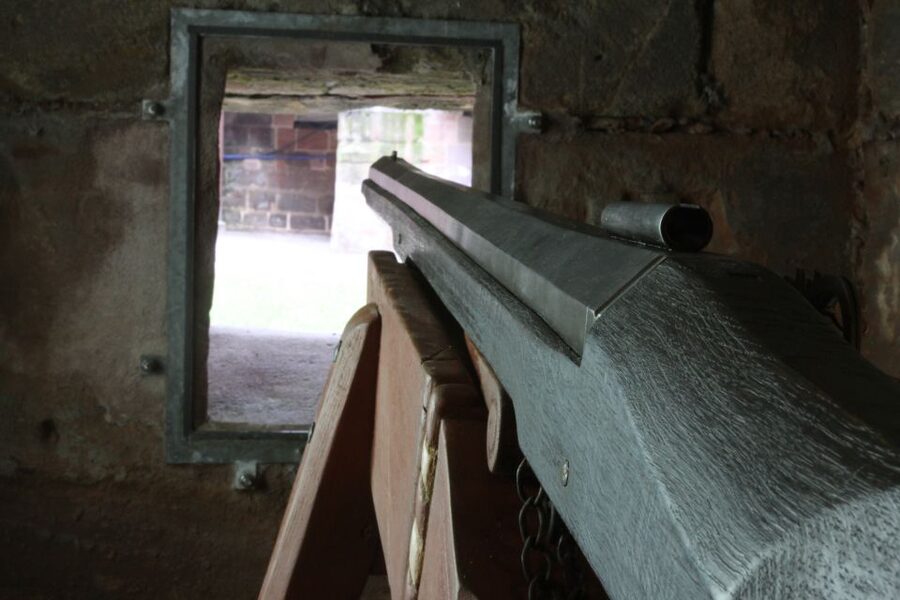
The passages were designed to give soldiers firing positions from several angles. As attackers tried to cross the moat, defenders could shoot through openings in the walls and work together from different points. The design shows that a fortress was not just a thick barrier. It was a network of protected routes, lookout points, chambers, and weapons positions.
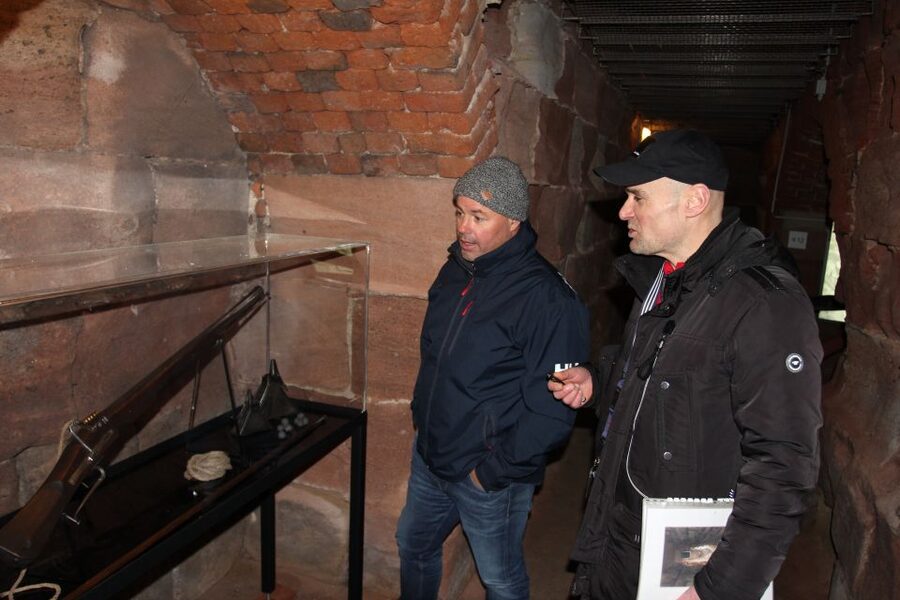
Your guide explains how medieval weapons hidden within the walls were used and how knights and other defenders coordinated their efforts. The tour does not turn you into a military expert in sixty minutes, but it gives you a useful sense of the practical problems they faced: how to see an enemy, how to fire safely, how to move supplies, and how to keep a defense operating under pressure.
Some guides use questions to involve the group. This can be fun, especially for children, and one guide adapted questions for adults and younger participants. It can also slow the pace if you prefer direct answers. If you are on a tight sightseeing schedule, keep this in mind. The tour is lively rather than a nonstop lecture, but some guides may ask you to guess what a feature was used for before explaining it.
Sandstone tunnels, vaulted chambers, and tight turns
The underground route is not polished like a modern museum. That is a large part of its appeal.
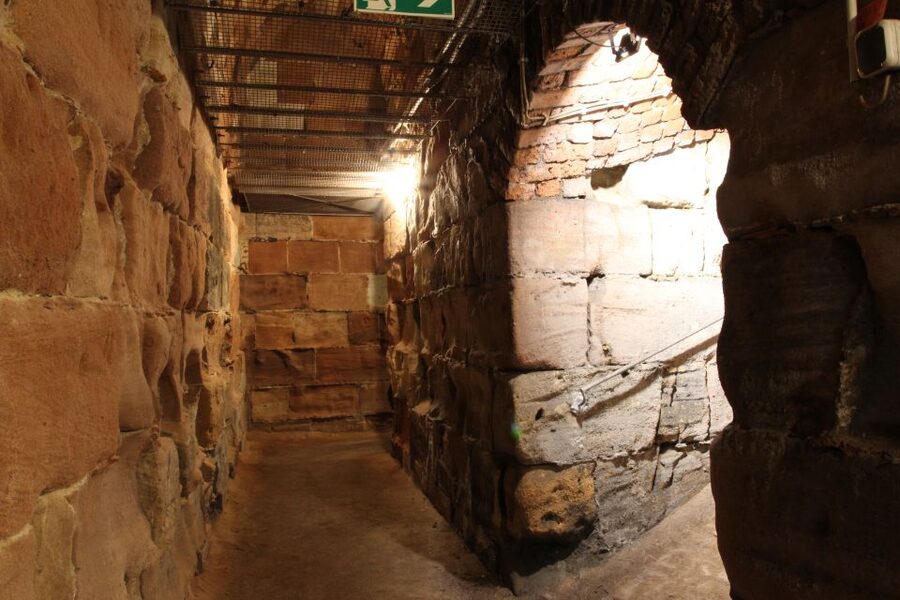
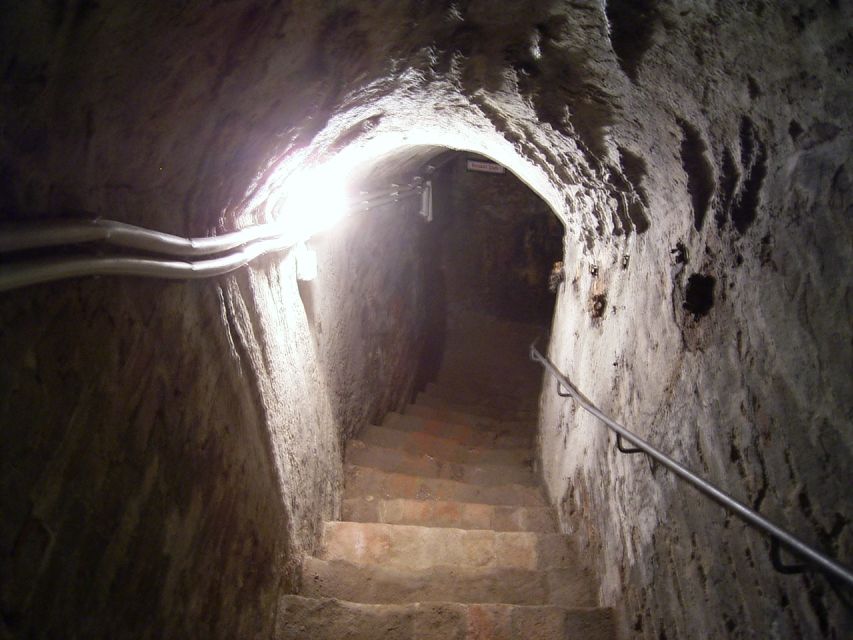
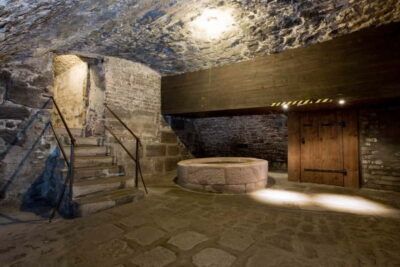
You see narrow tunnels and high-vaulted chambers cut into or beside the castle rock. Some areas are low, with one review noting sections under 1.5 meters in height. Conditions can be damp and muddy, and the stone steps are not always easy. Wear shoes with good grip, and bring warm clothing even in summer. One visitor found the passages a welcome cool break on a hot day, while in colder weather you will be glad to have an extra layer.
The route involves climbing down and back up old stairs and ramps. This is light exercise at minimum and a serious consideration for anyone with knee, balance, or breathing concerns. The tour is not suitable for wheelchair users or people with mobility impairments, and it is a poor choice if enclosed spaces make you anxious.
There are no toilet breaks during the tour. Since the experience lasts only an hour, this is manageable, but plan ahead before meeting the group. Food and drinks are not allowed inside, and pets cannot join, except for assistance dogs.
The physical setting also affects the sound. One person found the guide difficult to hear because he spoke softly. In a stone corridor, voices can echo and groups can spread out, so stay close enough to hear the explanation. English is generally described as understandable, but the quality of communication may vary with the guide and the size of the group.
How the moat and bastions changed the defense
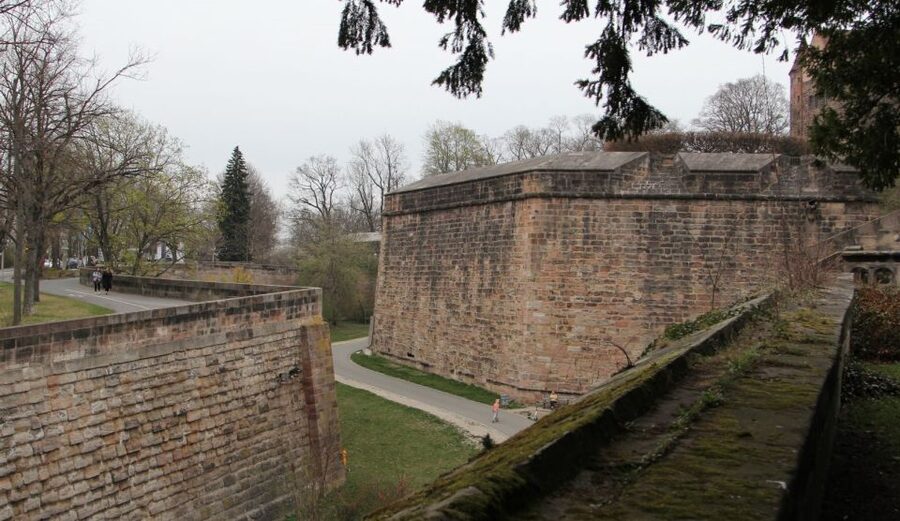
The tour is especially useful if you want to understand how castle defenses changed over time. The route is not limited to one medieval idea of warfare.
You learn about the moat and the corridors that allowed defenders to fire at attackers as they tried to cross it. The guide also points out the large bastions built in the sixteenth century. These modernized defenses were made to withstand cannon fire, a sign that fortification had to change as weapons became more powerful.
That shift gives the tour a wider reach than a simple walk through old ruins. You see how thick walls, protected firing points, and angular bastions answered different threats. A castle that worked well against ladders and arrows needed new answers when cannons entered the picture.
I find this sort of explanation more useful than a long list of dates. You can look at a wall and understand why it is shaped or placed as it is. The guide connects engineering to daily survival, showing that the city’s protection depended on stone, weapons, planning, and cooperation.
The tour also adds a below-street view of Nuremberg’s past. Above ground, you see a historic city with attractive walls and a famous castle. Below ground, you encounter the rough working spaces that supported that impressive public face. One long-time Nuremberg resident said the tunnels revealed a side of the city they had never known, which is a good reason to consider this even if you have already seen the main sights.
Same city, a completely different sort of afternoon:
- Nuremberg: Walking Tour of Former Nazi Party Rally Grounds
★ 4.7 · 1,665 reviews - Medieval Tour in Nuremberg in Spanish
★ 5.0 · 1,374 reviews - Nuremberg: Historischer Kunstbunker WWII Art Bunker Tour
★ 4.8 · 921 reviews - Nuremberg: PLAYMOBIL®- FunPark
★ 4.7 · 863 reviews
What the one-hour format does well
One hour is enough to give you a strong introduction without taking over your day. You can fit the tour between a castle visit, a walk through the old town, and a meal without losing half a morning or afternoon.
The short format also keeps the subject focused. The guide covers the defensive corridors, secret passages, weapons, moat, city walls, and castle fortifications. You come away with a clear picture of how Nuremberg defended itself rather than a long, scattered account of every period in the city’s past.
The limitation is depth. If you want a full study of Nuremberg’s political story, every stage of castle construction, or detailed military history, this tour will feel brief. One person wished it lasted longer, and I understand why. The tunnels invite more questions than an hour can answer.
The best use of the time is to treat this as a specialist addition to your sightseeing, not as your only history tour. It gives you the physical setting and the defense story. You can then use a city museum, castle exhibit, or general walking tour for other periods and subjects.
The experience can also work well for families. One guide kept two boys aged eight and ten interested, and another adjusted questions so adults and children could take part. Still, children need to manage stairs, low ceilings, and the enclosed setting. The tour is not an easy stroll with a stroller.
Is $14 a fair price?
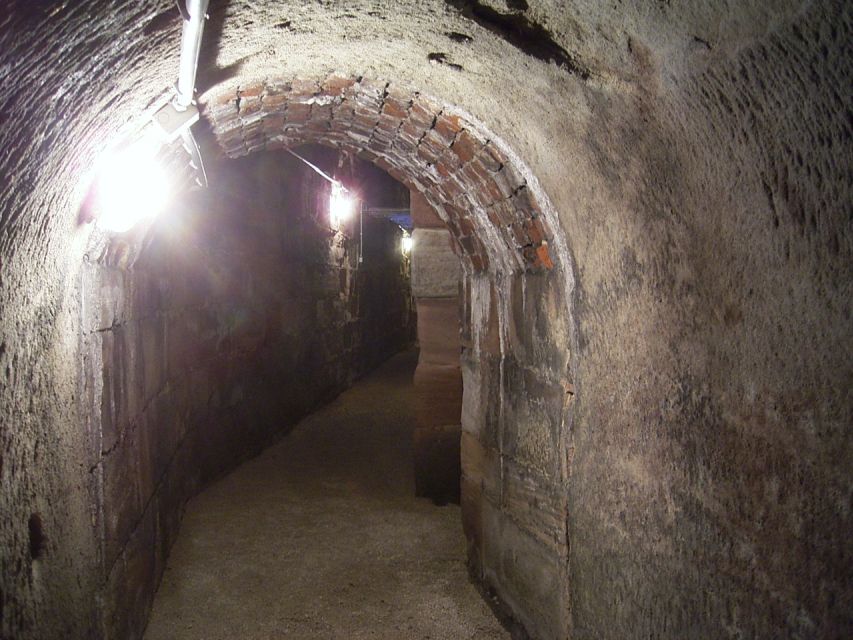
Yes, for most people interested in Nuremberg’s old defenses, $14 is strong value. The fee includes entry to the defensive corridors in the city walls and the secret passages beneath the Imperial Castle. You are paying for access to a part of the complex that is not part of a normal open-air walk, plus a live guide who explains what you are seeing.
The value comes from the combination. A city-wall walk alone can leave you looking at stone without knowing how it functioned. An underground visit without a guide can feel confusing. Here, the guide explains the purpose of the passages, how defenders used them, and why later bastions were built.
The price is also low enough that the physical demands become the main question, not the cost. If you reach the meeting point and decide the tunnels are not for you, the opportunity cost is small, but you should still read the conditions before booking. Free cancellation is available up to 24 hours ahead, and you can reserve now and pay later, which helps if your Nuremberg plans are still shifting.
Who will enjoy this tour most?
I would choose this experience for you if you like fortifications, medieval engineering, castle walls, or unusual city history. It is also a good pick if you have already visited Nuremberg’s main sights and want something less familiar.
You do not need to be a history specialist. The best guides explain the subject with stories, questions, and practical examples. Several guides have been praised for humor, clear English, and willingness to answer questions. That makes the tour accessible even if you normally skip military history.
Families with older children can enjoy it, especially when the guide keeps the group involved. You should judge your children by their ability to handle stairs and confined spaces rather than by age alone.
I would skip it if you need step-free access, dislike damp underground spaces, or want a relaxed walk with plenty of stops. I would also avoid sandals and smooth-soled shoes. Non-slip footwear is not a minor suggestion here. It is sensible preparation.
Practical advice for a smoother visit
Meet at the Historischer Kunstbunker, Obere Schmiedgasse 52, in front of the entrance. Check the available start times when booking, since the tour runs for one hour and times can vary.
Wear long trousers or other clothing suited to cool, rough spaces, and bring a warm layer. Sturdy shoes with a good sole will help on old stairs, ramps, and damp or muddy ground. Leave food and drinks behind, and use a toilet before the tour because there is no break.
Arrive on time. One guide was described as strict about punctuality, and underground tours cannot easily wait for late arrivals without disrupting the group. If you want to ask questions, stay near the guide and speak up if the acoustics make it hard to hear.
English and German are offered. If you book an English tour, do not expect every explanation to follow the same style. Some guides are more playful and use repeated guessing questions, while others give a tighter account. The strongest guides, including Andreas, Tom, Martin, Ralf, and Alan in various reported sessions, combine facts with humor and invite questions.
Should you book the Nuremberg tunnels tour?
Book it if you want to see the defensive side of Nuremberg rather than only admire the Imperial Castle from above. For $14, you get a focused hour inside sandstone corridors, castle passages, and city-wall defenses, with a guide who brings the engineering and human effort into view.
Skip it if stairs, low ceilings, damp conditions, or enclosed spaces will make the hour unpleasant. For everyone else, this is a smart addition to a Nuremberg visit: short, inexpensive, unusual, and full of details you will not get from simply walking around the castle walls.
FAQ
How long does the Nuremberg tunnels tour last?
The tour lasts one hour.
How much does the tour cost?
The listed price is $14 per person.
Where does the tour meet?
Meet in front of the entrance of the Historischer Kunstbunker at Obere Schmiedgasse 52.
Which languages are available?
The tour is available in English and German with a live guide.
What does the admission include?
Admission includes entry to the defensive corridors in the city walls and the secret passages beneath the Imperial Castle.
Do I need warm clothing?
Yes. Warm clothing is recommended because the underground passages can feel cold.
What shoes should I wear?
Wear sturdy, non-slip shoes. Sandals and flip-flops are not allowed, and the route includes old stairs, ramps, and potentially damp or muddy sections.
Are there toilet breaks during the tour?
No. There are no toilet breaks during the one-hour tour.
Is the tour suitable for wheelchair users or people with mobility impairments?
No. The tour involves many old stairways and ramps and is not suitable for wheelchair users or people with mobility impairments. It is also not suitable for people with claustrophobia.
Just added around Nuremberg
- Nuremberg: The Old Town in Evening Light – IN GERMAN★ 4.7 · 353 reviews
- Nuremberg Third Reich Tour in Spanish★ 5.0 · 355 reviews
- Nuremberg Old Town and Nazi Rally Grounds Walking Tour★ 4.7 · 377 reviews
- Nuremberg Old Town and Nazi Party Rally Grounds Walking Tour in English★ 4.5 · 504 reviews
- Nuremberg: Hop-On Hop-Off Bus Tour★ 4.3 · 763 reviews
- Nuremberg: PLAYMOBIL®- FunPark★ 4.7 · 863 reviews
- Nuremberg: Historischer Kunstbunker WWII Art Bunker Tour★ 4.8 · 921 reviews
- Medieval Tour in Nuremberg in Spanish★ 5.0 · 1,374 reviews
Nuremberg Tours, compared.



Walking Tour of Former Nazi Party Rally Grounds
Read our review →

Browse the lists this tour appears in