
Review · BERCHTESGADEN TOURS
Berchtesgaden-Obersalzberg Private Half Day WWII Historical Tour
The most striking part of this tour is how the Obersalzberg story comes together on the ground. You move from the underground bunker system to the wooded ruins of Hitler’s Berghof, then pass the former homes and offices of men such as Hermann Göring and Albert Speer.
I like the private format, which lets Tom Lewis adjust his explanations to your group and answer questions without a fixed script. I also like the mix of a short bunker visit, a driving tour, and a walk through the woods to the Berghof ruins, including the old mountain views.
The main drawback is practical: this is not a Salzburg or Munich pickup tour. You must reach Berchtesgaden yourself, and the €4.50 bunker admission per person is extra. The tour also depends on suitable weather.
Key points at a glance
- A private tour for up to six people: Your group travels together, with no strangers sharing the vehicle or guide.
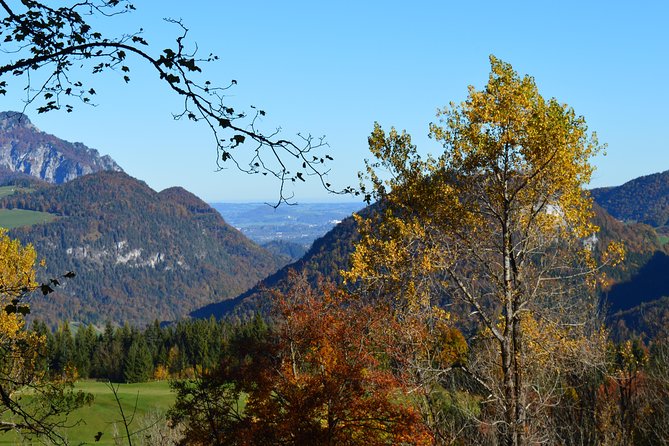
- The Berghof ruins are reached on foot: The remains sit in the woods, away from the main road, and the walk brings you to the former view from Hitler’s house.
- The bunker visit is brief but atmospheric: You have about 30 minutes to see an original section of the underground complex.
- Tom Lewis brings local perspective: His connection with former WWII housing and local documents adds personal context to the tour.
- You see more than one famous site: The route includes locations linked to Göring, Speer, the RSD, and SS officers.
- Berchtesgaden is both start and finish: Pickup is available at the station, bus station, or a local accommodation, but not in Salzburg or Munich.
Why Obersalzberg matters
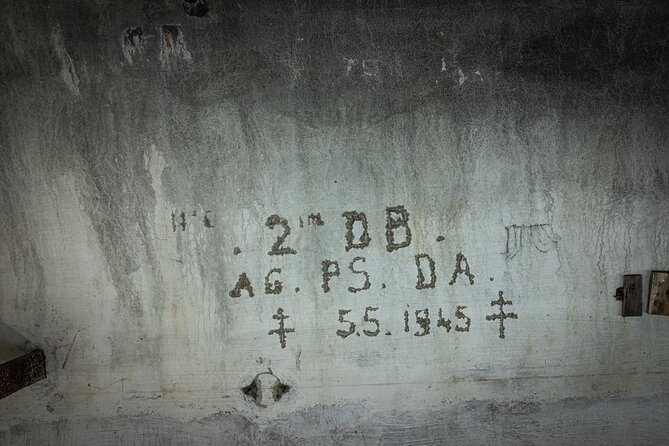
Obersalzberg was not simply a mountain retreat with a famous house. During the Nazi era, it became a major power center tied to Hitler and senior officials. The area combined private residences, offices, security facilities, military infrastructure, and underground shelters.
That makes this tour useful for anyone who wants to understand how political power was arranged in physical space. You are not just looking at a ruin and hearing a famous name. You are tracing the former compound, seeing where senior figures lived, and learning how the site functioned as a protected headquarters.
The setting can also be deceptive. Obersalzberg is wooded and mountainous, with broad views and quiet roads. That calm appearance is part of the value of a guided visit. Without historical explanation, it can be hard to understand what stood here or why this remote place mattered so much.
Tom Lewis is the named guide for this experience. His background is especially relevant to this subject because he lives in the area in former WWII housing and has personal connections involving former inhabitants, wartime visitors, documents, and photographs. That does not replace careful historical interpretation, but it can add local detail that a standard sightseeing drive may skip.
More wartime history tours in Germany:
- Berlin: Third Reich and Cold War 2 Hour Walking Tour
★ 4.9 · 6,830 reviews - Munich: Third Reich & WWII Walking Tour
★ 4.6 · 6,181 reviews - Berlin: Sachsenhausen Concentration Camp Tour in English
★ 5.0 · 5,711 reviews
Inside the original bunker tunnels
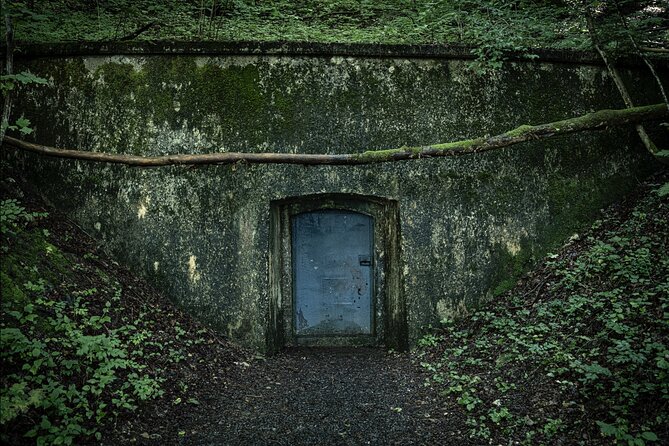
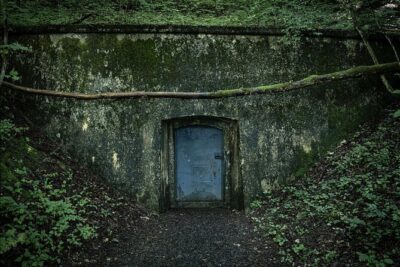
The tour begins, or includes, a visit to the Dokumentationszentrum Obersalzberg. The stated bunker portion lasts about 30 minutes and takes you into an original section of the large underground complex.
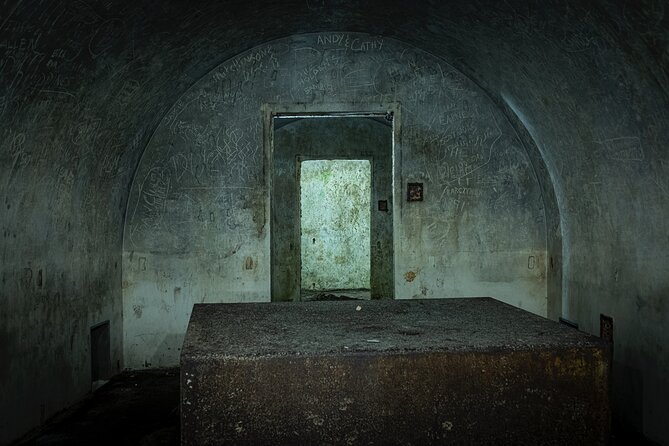
You can expect twisting passages, cavernous rooms, and a layout that feels more like a buried maze than a single shelter. The physical setting helps explain the scale of the compound and the need for protected underground facilities.
Admission to the bunker is not included. The extra charge is €4.50 per person, a small but important cost to remember when comparing the total price. The tour itself includes transport and guiding, but you pay the entrance fee separately.
Thirty minutes is enough for an introduction, though it is not a long museum visit. If you want extensive time with exhibits, displays, or broader documentation, this tour may feel brisk. Its purpose is to place you inside an original part of the bunker system, then use the rest of the half day to connect that space with the sites above ground.
The bunker is also a strong reason to choose a private tour rather than only driving around the mountain. Ruins in the woods can be difficult to read. Underground rooms are even harder to understand without someone explaining their purpose and connection to the wider compound.
The Obersalzberg drive and its former power centers
The largest part of the experience is a driving tour of the Obersalzberg mountainside. It lasts about two hours and includes historical commentary as you pass the most important locations.
The route points out the site of Hermann Göring’s former home. Göring was one of the most senior figures in the Nazi regime, so seeing the location of his residence helps show that Obersalzberg was not centered on one house alone. It was a compound occupied by a circle of powerful officials.
You also see the former home and studio of Albert Speer. The studio detail is useful because it suggests more than domestic life. Speer was an architect and a senior Nazi official, and the site connects the physical setting to the regime’s use of design, construction, and grand architectural plans.
The drive includes the former RSD Headquarters. The Reich Security Service was tied to the protection of the Nazi leadership, and its former headquarters help explain the security machinery surrounding the compound.
You also pass the former housing for SS officers. This adds another layer to the site. Obersalzberg was not only a place where leaders visited or worked. It required guards, staff, security personnel, and housing for the people who maintained the complex.
I like this portion because it builds a map in your mind. Instead of treating the Berghof as an isolated attraction, you see how residences, offices, security posts, and staff housing related to one another. Since the tour is private, you can stop to ask Tom about a location or return to a point that raises questions.
The exact amount of time spent at each site is not specified, so you should think of this as a guided historical drive rather than a series of long, independent visits. Some locations are former sites rather than intact buildings. The value comes from the explanation and the pattern of the whole area.
Walking to Hitler’s Berghof ruins
The most memorable part for many history-focused visitors is the walk into the woods to the lesser-known remains of Hitler’s Berghof home.
The house itself is gone, but the ruins remain. That distinction matters. You are not touring a preserved residence or entering an intact historic building. You are seeing what survives after the compound was destroyed and altered, while listening to an explanation of what once occupied the site.
The wooded setting makes the visit feel more direct than a display behind glass. You can stand where the house once stood and experience the panoramic outlook that was available from the residence. The view is not a side detail. It helps explain why this location was chosen and how the setting became part of the image and function of the compound.
The walk is also a reason to wear sensible shoes. The supplied information does not give a distance or detailed trail description, so you should not assume a long hike, but the site is reached on foot through the woods. If anyone in your group has mobility concerns, ask the operator before booking.
For me, this is where the tour moves beyond a list of names and dates. The former homes of Göring and Speer, the security headquarters, and the SS housing tell you who occupied the area. The Berghof ruins show the center of Hitler’s presence there, while the view gives physical context to the site.
The subject is serious, and the best way to approach it is with historical interest rather than fascination with Nazi personalities. A good guide keeps attention on the structure and consequences of the regime, not on turning the location into a shrine. Tom’s detailed explanations and use of old photographs help connect what you see now with what stood there before.
More history-led days in Germany:
- Leipzig: City History Canal Sightseeing Tour on a Motorboat
★ 4.7 · 6,232 reviews - Berlin: Natural History Museum Entrance Ticket
★ 4.6 · 3,382 reviews - Leipzig: 1.5-Hour Historical Walking Tour in German
★ 4.7 · 2,217 reviews - Berlin: World Heritage Cruise to Potsdam
★ 4.5 · 1,435 reviews
What a private vehicle adds
The tour costs $588.75 per group of up to six people. That is a high total for a half day if you are traveling alone or as a couple, but the calculation changes for a full group.
At six people, the price works out to about $98 per person before the bunker fee. At four people, it is about $147 per person. For two people, it is about $294 each. The private vehicle, private guide, local pickup, and focused historical route are built into the group price.
This format makes the most sense for families, friends, or small groups who want control over the pace and subject matter. You are not paying for a general sightseeing circuit with a large crowd. You are paying for a guide who can focus on your questions and drive your group between scattered historical sites.
The air-conditioned vehicle is useful in both practical and historical ways. Obersalzberg sites are spread over the mountainside, and driving lets you cover more ground in four hours than a walking-only visit. It also gives you a break between the bunker, the roadside locations, and the walk to the Berghof ruins.
The private setup has another advantage for mixed-age groups. Tom has guided families with children as young as nine and twelve, and the historical conversation held their attention. That does not mean every child will enjoy a WWII tour, but the personal style gives the guide more room to explain difficult subjects in a way that fits the group.
One detail from the experience is especially practical: Tom has met groups at the Berchtesgaden bus station and, on one occasion, dropped a group at a lunch location afterward. The official arrangement is pickup and return at the meeting point, with local accommodation pickup also available. Any extra stop should be confirmed in advance rather than assumed.
Who will get the most from this tour
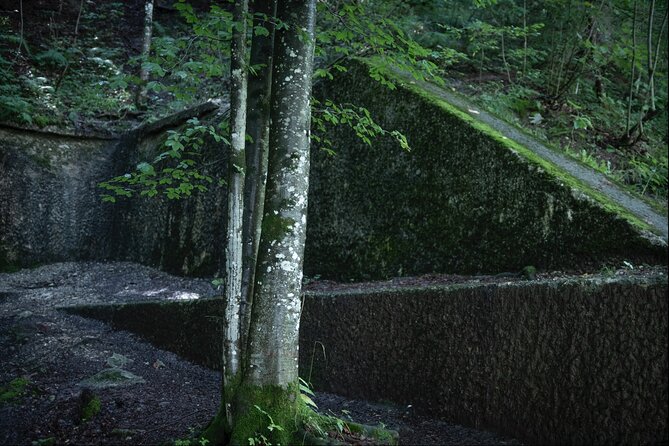
This is a strong choice if you have a serious interest in WWII, the Nazi leadership, or the physical sites connected with the Obersalzberg command complex.
It also suits you if you have already read about the area and want more than a quick photo stop. One history-focused participant, a retired teacher who had taught a Holocaust unit, found the combination of old photographs and actual locations especially useful. That pairing is the core strength of the tour: you see the place while the guide explains the events tied to it.
Families can also make good use of the private format, provided everyone is ready for a sober subject. The tour is not built around entertainment, though humor and a personable guide can make four hours easier to follow. Tom has been described as both humorous and able to answer detailed questions, which is helpful when the group includes different levels of historical interest.
You might choose another option if your priority is a long museum visit, a full day in the mountains, or a tour beginning in Salzburg or Munich. This experience starts and ends in Berchtesgaden, and the scheduled historical portion is about four hours.
You should also consider the weather. The tour requires good conditions, and poor weather can lead to a different date or a full refund. That policy is sensible for a route that includes mountain roads and a walk through the woods, but it means you should leave some flexibility in your schedule.
Timing, meeting point, and small costs
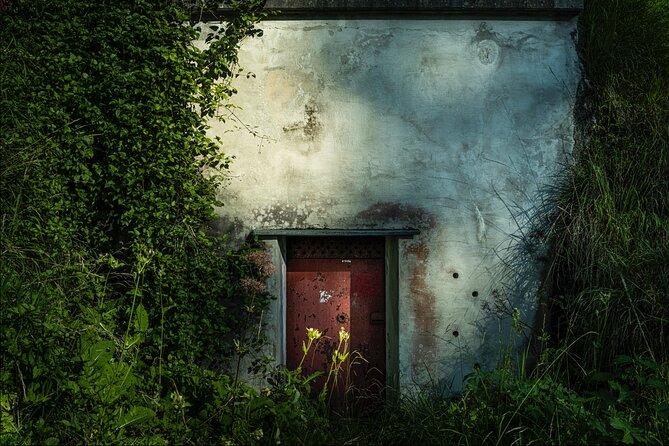
The official meeting point is Bahnhofpl. 2, 83471 Berchtesgaden, at the train and bus station. The guide can also meet you at accommodation in the local area. All tours begin and end in Berchtesgaden, not Salzburg or Munich.
That restriction is easy to miss and can affect your whole day. If you are staying in Salzburg, you need to arrange your own transport to Berchtesgaden and back. This tour is best treated as a Berchtesgaden activity, not as a door-to-door Salzburg excursion.
The advertised duration is approximately four hours. About 30 minutes are assigned to the bunker, and around two hours to the Obersalzberg drive and Berghof visit. The remaining time allows for transport and the movement between locations.
Food and drinks are not included. Plan around the tour rather than expecting a meal during it. Since the activity returns to the meeting point, you can arrange lunch before or after, and local accommodation pickup may make the timing easier.
Booking confirmation normally arrives at once, unless you book within one day of departure. In that case, confirmation comes as soon as possible and depends on availability. The activity is private, service animals are allowed, and it is near public transportation. Most people can take part, though the wooded walk is worth considering if mobility is an issue.
Free cancellation is available until 24 hours before the start time. Changes or cancellations inside that period are not accepted for a refund. The local time in Berchtesgaden controls the cutoff.
How this compares with a quick sightseeing stop
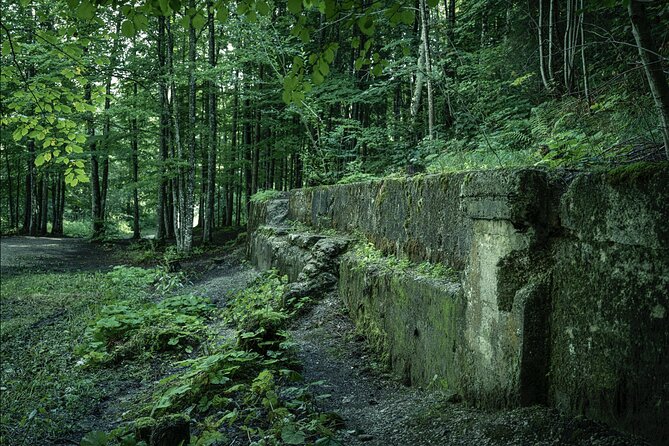
A short stop at Obersalzberg can give you a view and a few photographs. It may not tell you what the former buildings were, how the security system worked, or how the various residences related to one another.
This tour takes a more deliberate approach. The bunker supplies a physical sense of the underground complex. The drive shows the spread of the former compound. The Berghof walk brings you to the central site and its former outlook.
The tradeoff is that the experience is focused rather than broad. You are not getting every attraction in the Berchtesgaden area, and the tour does not include Salzburg or Munich transportation. You are spending half a day on one historical subject.
I would choose this tour over a general sightseeing outing if the Obersalzberg story is one of your main reasons for visiting the region. I would choose a broader local tour if you have only a short time in Berchtesgaden and want a mix of scenery, town sights, and history.
Should you book the Berchtesgaden WWII tour?
Book it if you can get to Berchtesgaden, have a group large enough to share the price, and want a serious, site-based look at Obersalzberg. The combination of bunker tunnels, former residences, security sites, and Berghof ruins gives you a fuller picture than a single famous-house visit.
Tom Lewis is likely to suit you especially well if you enjoy asking questions or already know something about WWII. His local connection, photographs, and detailed knowledge of the area add depth to places that might otherwise look like ordinary woods or empty foundations.
Think twice if you are traveling alone, watching every euro, or expecting a polished museum tour with extensive indoor exhibits. Also check the weather and confirm your route to Berchtesgaden before paying.
For a small group with a strong interest in 20th-century history, I would book this private half day. It offers a clear, personal way to read Obersalzberg, while keeping the focus on what happened there rather than turning the ruins into spectacle.
FAQ
Where does the tour start and end?
The tour starts and ends at Bahnhofpl. 2 in Berchtesgaden, Germany. The guide can also meet you at an accommodation in the local area.
Does the tour pick up in Salzburg or Munich?
No. All tours start and end in Berchtesgaden. Salzburg and Munich pickups are not offered.
How long does the tour last?
The experience lasts approximately four hours.
Is the tour private?
Yes. Only your group participates, with a maximum of six people per group.
Is transportation included?
Yes. The tour includes private transportation in an air-conditioned vehicle.
Is the bunker entrance fee included?
No. The entrance fee for the Dokumentationszentrum Obersalzberg bunkers is €4.50 per person.
Will I visit Hitler’s Berghof?
You will walk into the woods to see the lesser-known ruins of Hitler’s former Berghof home and experience the panoramic views that were once visible from the house.
What happens if the weather is poor?
The experience requires good weather. If it is canceled because of poor conditions, you will be offered another date or a full refund.
Just added around Germany
- From Berlin: Gardens & Palaces of Potsdam Bike Tour★ 5.0 · 61 reviews
- Berlin: Battle for Seelow Heights WW2 tour -Clash of Titans★ 5.0 · 27 reviews
- From Amsterdam: Cologne Private Sightseeing Tour★ 5.0 · 4 reviews
- From Berlin: Historical Gems of Potsdam Private Day Trip★ 4.4 · 4 reviews
- Freiburg: Veni, vidi, vino – wine hike and tasting★ 4.5 · 144 reviews
- From Alken: Return Day Trip by Boat to Cochem★ 4.6 · 141 reviews
- Fritz Haarmann – Die Mördertour★ 4.6 · 41 reviews
- Freiburg: Tour of the city with cathedral visit★ 4.7 · 167 reviews
Berchtesgaden Tours, compared.
Eagle’s Nest-Berchtesgaden-Obersalzberg Private Half Day WWII Historical Tour
Read our review →
Browse the lists this tour appears in