
Review · BERLIN TOURS
Berlin: Alternative Berlin Walking Tour
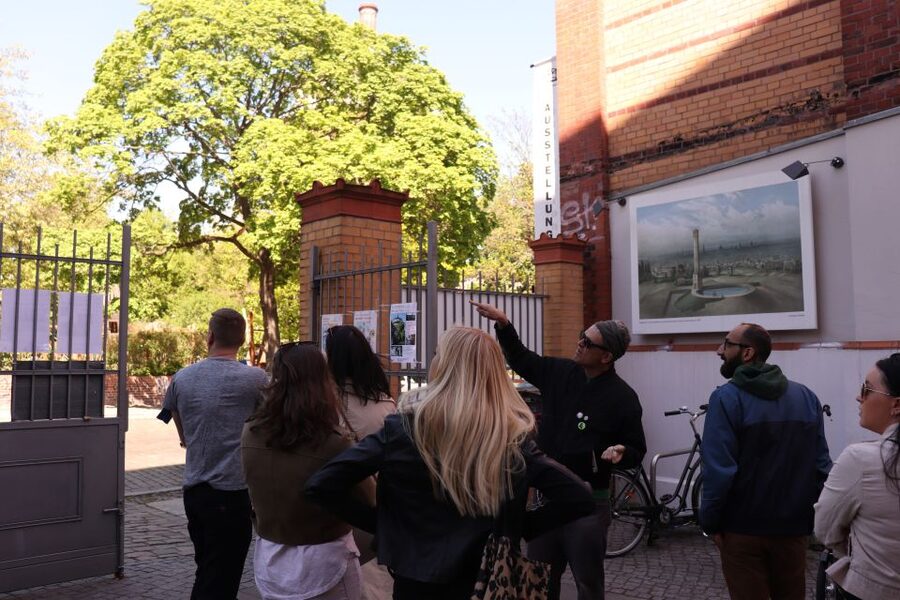
Berlin’s most revealing stories are often found away from grand monuments. This four-hour alternative walking tour follows street art, squats, cafés, migrant neighborhoods, music venues, canals, and community projects to explain how Berlin became such an open, unruly, creative city.
I like the way the tour connects everyday places with larger ideas, especially the origins of currywurst, döner, Berlin’s punk and graffiti scenes, and the city’s changing East and West neighborhoods. I also like that guides such as Rhys, Reece, Jake, Damien, and Jonathan bring personal energy and humor to the walk. The main drawback is pace: you cover a lot of ground, and one route may require several public transport rides. It is not a great fit if walking for four hours is difficult.
Key things to know before you go
- Berlin beyond the usual war-and-wall tour: Focus on counterculture, migration, music, art, politics, and social change.
- Three very different districts: See Mitte, Kreuzberg, and Friedrichshain, with the route ending in Friedrichshain.
- Stories behind ordinary places: Learn why cafés, beer gardens, street food stands, squats, and murals matter.
- Public transport may be part of the route: Bring an AB ticket, or book the option that includes BVG transport.
- A lively English-speaking guide matters: Rhys, Reece, Jake, Damien, Jonathan, Ben, Antonio, and A.D. have all led highly praised departures.
- Come ready for weather and walking: Tours run all year, in rain, cold, snow, and sun.
Why this Berlin walking tour feels different
Most first-time Berlin tours center on the Brandenburg Gate, the Reichstag, the Berlin Wall, Hitler’s bunker, or Checkpoint Charlie. Those places matter, but they do not explain everything about Berlin. This tour looks at the city through its people, habits, political movements, and creative scenes.
You begin at Alexanderplatz, in front of Vapiano beside the TV Tower. That is a useful meeting point because Alexanderplatz gives you an immediate sense of Berlin’s former East German center, with its broad spaces and unmistakable tower. From there, the route moves into neighborhoods where the city feels less formal and more local.
The central idea is change. You hear how Berlin’s divided past affected housing, art, music, migration, and public space. The guide compares East and West Berlin, then links older political movements with newer creative communities.
I would not choose this as your only Berlin tour if you want a detailed introduction to the Second World War or Cold War. I would choose it after a conventional city tour, or as a way to understand why Berlin today feels so different from other European capitals.
More walking tours in Berlin:
- Discover Berlin Half-Day Walking Tour
★ 5.0 · 9,624 reviews - Berlin: Third Reich and Cold War 2 Hour Walking Tour
★ 4.9 · 6,830 reviews - Berlin: Discover Berlin Walking Tour
★ 4.9 · 5,998 reviews
Mitte: from Alexanderplatz to alternative Berlin
The first major section takes place in Mitte and lasts about an hour. Mitte means center, but it is not one single type of neighborhood. You can find major museums, stylish shops, old courtyards, cafés, galleries, and traces of Berlin’s divided past within a short distance.
The guide uses this area to explain how Berlin’s creative identity developed. Instead of simply pointing out buildings, you learn to notice reused spaces, political murals, independent shops, and places where art and daily life overlap.
One strength of this part is the attention to details you could easily walk past. A wall covered in graffiti may reveal a local artist, a political dispute, or a changing attitude toward public space. An old building may tell you something about housing, migration, or the way Berliners adapted empty property after reunification.
The tour may include underground galleries, café districts, local shopping streets, and relaxing canals. Since the exact art and walking route can change, you should think of the itinerary as a guided reading of the city rather than a fixed checklist of famous sights.
Mitte is also where you begin to understand the tour’s tone. It is curious and informal, but it does not treat alternative culture as a collection of colorful photo stops. The best guides explain why a place matters, who used it, and what has changed around it.
Kreuzberg: migration, music, and street art
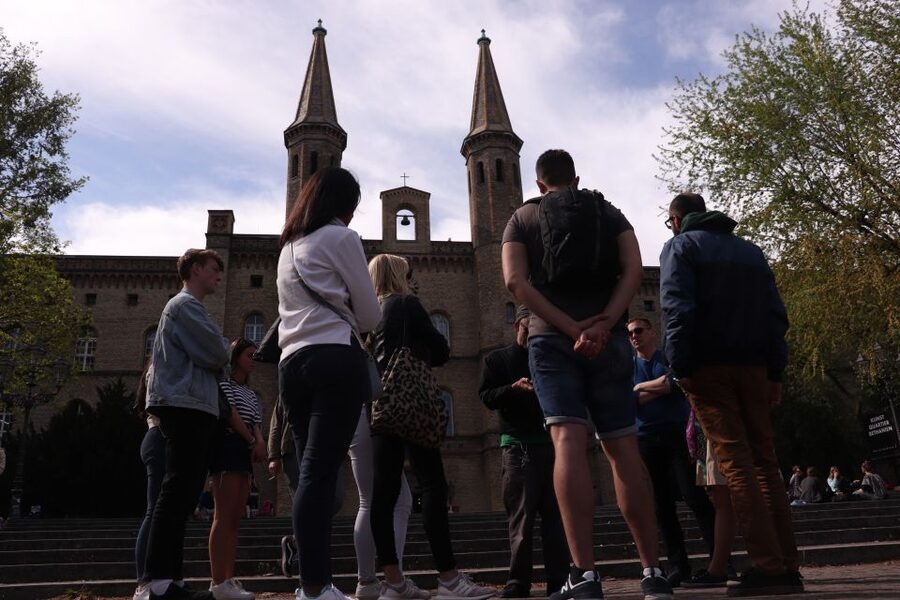
The longest section takes place in Kreuzberg, with about two hours devoted to the district. This is where the tour becomes especially strong for anyone interested in migration, music, street art, and social movements.
Kreuzberg is closely linked with Berlin’s Turkish community, and the route stops in Turkish neighborhoods. You learn about the people and businesses that helped shape the district, along with the tensions that can arise when a once-overlooked neighborhood becomes fashionable.
The tour also touches on Berlin’s African communities, former Jewish communities, and the city’s gay community. These subjects broaden the usual Berlin story. You are not only hearing about famous political leaders or artists. You are hearing how different groups made a life in the city and helped define its character.
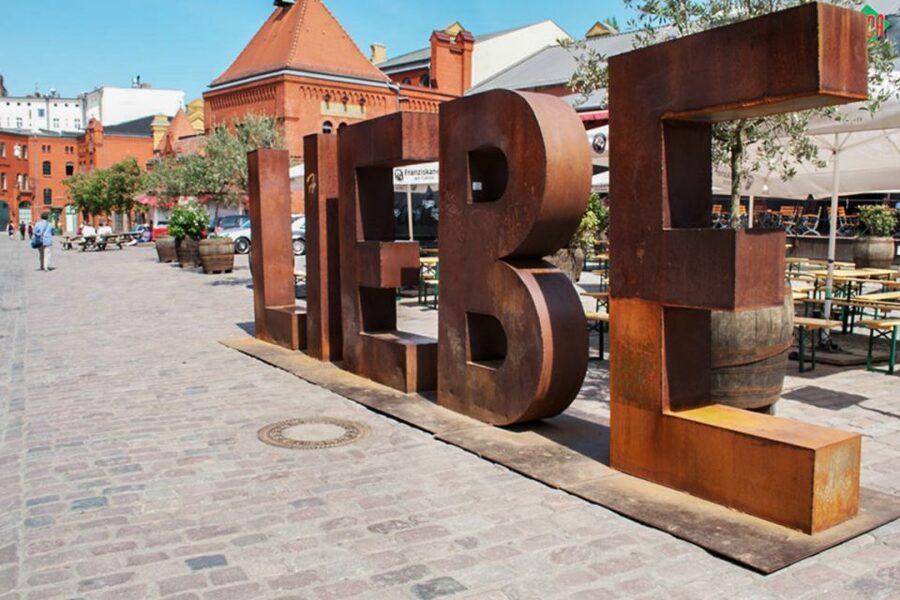
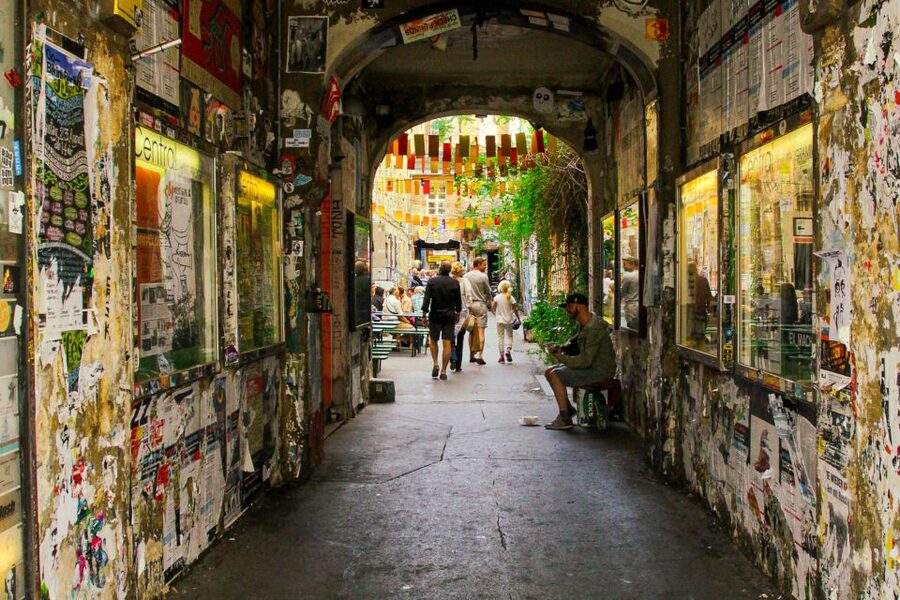
Street art and graffiti receive plenty of attention. You get close to murals and painted walls, with the guide explaining the artists, messages, and local context where that information is available. The city’s graffiti is not presented as simple decoration. It becomes part of a larger discussion about ownership, protest, freedom, and the ongoing argument over who gets to shape Berlin.
Music is another major thread. Berlin’s punk, club, and alternative scenes helped create the city’s international reputation, and the tour looks at the connection between music and politics. A stop at an African beach bar and market adds a lighter note, while also showing how music, food, and community can share the same public space.
This is the section where a good guide makes the greatest difference. Rhys has been praised for strong storytelling and comic timing. Reece is known for mixing cultural facts with practical local suggestions. Jake has been especially effective at adapting to bad weather while keeping the group engaged. Damien, Jonathan, Ben, Antonio, and A.D. have also led departures praised for clear explanations and personal insight.
Guide assignments vary, so do not book solely for one named guide. Still, the repeated praise for the guiding style is important. The experience depends less on entering a major attraction and more on how well someone explains what you are seeing.
Food stops and the stories behind Berlin’s fast food
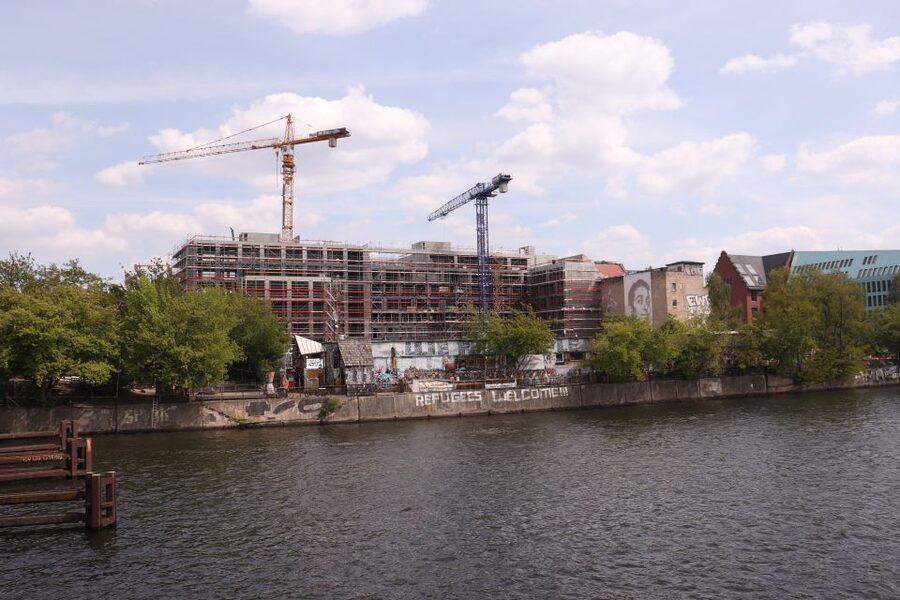
Food appears as part of the city story, not as a full meal tour. You may stop for a refreshment and learn about the origins of Berliner currywurst and döner. One departure included a currywurst stop at a local fast-food place.
That detail adds real value. Berlin’s food traditions reflect migration, postwar change, quick urban living, and the blending of cultures. A currywurst stand or döner shop may look like a casual snack stop, but the guide uses it to discuss how Berliners eat and how newcomers influenced the city.
The Prater Beer Garden also enters the story. It is associated with Berlin’s café and beer culture, and its history helps show how public gathering places shape neighborhood life. You should not expect a long sit-down meal or a series of included tastings. The supplied details promise refreshment breaks and selected stops, but food purchases are not listed as included.
A practical tip: eat something before the tour and carry water. The walk is long, and a refreshment break may not replace lunch. One person also noted that a planned bathroom and rest break midway would have helped. If you need regular stops, ask your guide early rather than waiting until the group is well into the route.
A few more Berlin half-days to weigh up
- Berlin: Reichstag, Dome and Government District Guided Tour
★ 4.7 · 18,288 reviews - Berlin: 1-Hour City Tour by Boat with Guaranteed Seating
★ 4.3 · 16,993 reviews - Berlin: Boat Tour Along the River Spree
★ 4.4 · 11,252 reviews - Berlin: Hop-on Hop-off Bus Tour with Live Commentary
★ 4.3 · 8,579 reviews
Community farms, canals, galleries, and reused spaces
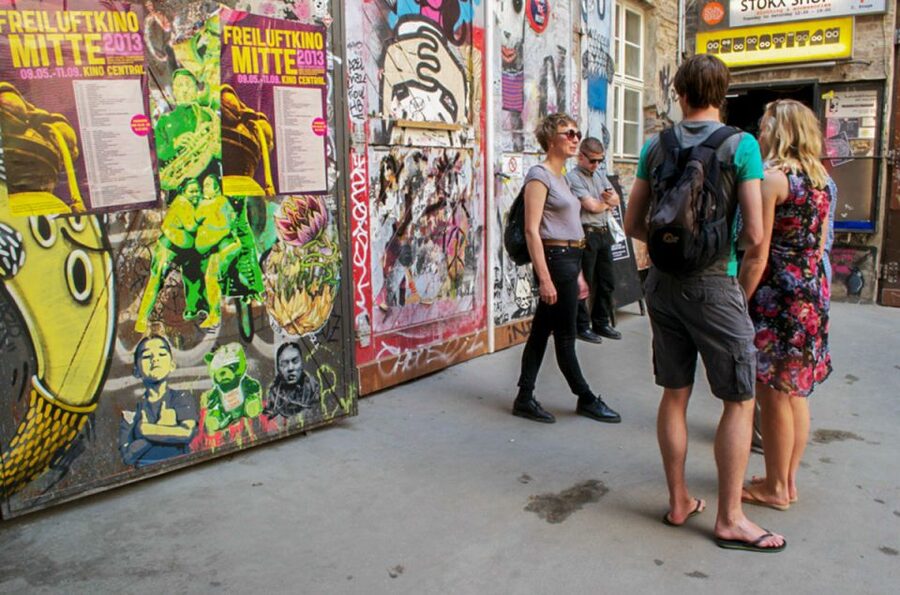
The tour’s strongest theme is repurposing. Berlin has many places where old industrial, residential, or institutional spaces have been given new uses. You might see community-funded urban farms, independent galleries, former squats, creative projects, or spaces shaped by local activism.
These places help explain why Berlin’s alternative identity is not just about nightlife. It also comes from residents deciding how buildings, empty lots, and public areas should be used. The guide links these examples to housing, politics, art, and community life.
The canals offer a change of pace. After crowded streets and painted walls, water and open space show another side of the city. Berlin can feel dense and loud, but it also has unexpected places to slow down.
The route may include former squats and long-running alternative housing projects. This subject needs context, and the best guides avoid turning it into a simple celebration. You hear about the ideals behind communal housing, the conflicts around property, and the way some alternative projects eventually became part of the city’s accepted identity.
That balance is one reason this tour works for people who normally dislike organized sightseeing. You are not asked to admire every mural or agree with every political position. You are given enough background to decide what you think.
Moving between neighborhoods and managing the four hours
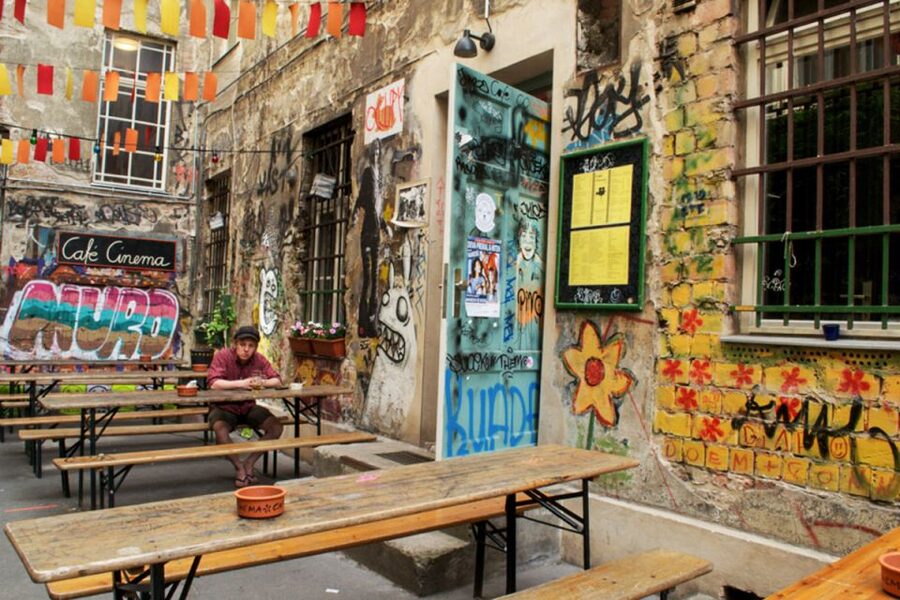
The walk begins at Alexanderplatz and finishes in Friedrichshain. Mitte and Kreuzberg make up the core of the advertised route, but the tour can include trains, trams, or other BVG transport depending on the current art and route choices.
An AB ticket is required if transport is needed. The information advises buying one before the tour through BVG or at a train station, or booking the option that includes BVG. One practical warning is worth noting: a single AB ticket may not cover every ride you need, so a day ticket can be simpler if the route involves several journeys. Check the current transport requirement when you book.
This movement is part of the experience. Berlin’s neighborhoods are spread out, and riding public transport lets you see how quickly the city changes. Still, transfers take time and can make the day feel less like a continuous stroll.
The pace is generally brisk. You should wear comfortable shoes and dress for the forecast, but also assume that the weather may turn. Tours operate all year and in all weather. Snow did not stop one winter departure, and guides have adapted routes and pauses to help groups stay comfortable.
Because the tour runs for four hours, you should also consider energy and mobility. A participant specifically described it as fast paced and unsuitable for some people with mobility issues. No formal accessibility details are provided, so contact the operator if you need a slower pace or specific assistance.
Is $29 a fair price for four hours?

At $29 per person, this is good value if you want interpretation rather than entry tickets. The fee includes a live English-speaking guide, local tips, photo opportunities, and selected refreshment breaks. It does not appear to include a full meal or every public transport cost unless you select the BVG-included option.
The value comes from the route and the explanation. You could walk through Kreuzberg alone and see murals, cafés, canals, and shops, but you would miss much of the story connecting them. The guide gives you a framework for understanding why these places developed as they did.
The price also compares well with the time commitment. Four hours is long enough to cross several districts and short enough to fit into a larger Berlin stay. I would book it early in your visit if you want practical ideas for cafés, neighborhoods, food, music, or later exploration.
The rating is 4.6 from 1,204 reviews, and the most consistent strength is the guide. People repeatedly praise the humor, energy, clear storytelling, and ability to answer questions. That matters here because the tour has no single blockbuster attraction carrying the experience.
Who should book this alternative Berlin tour?
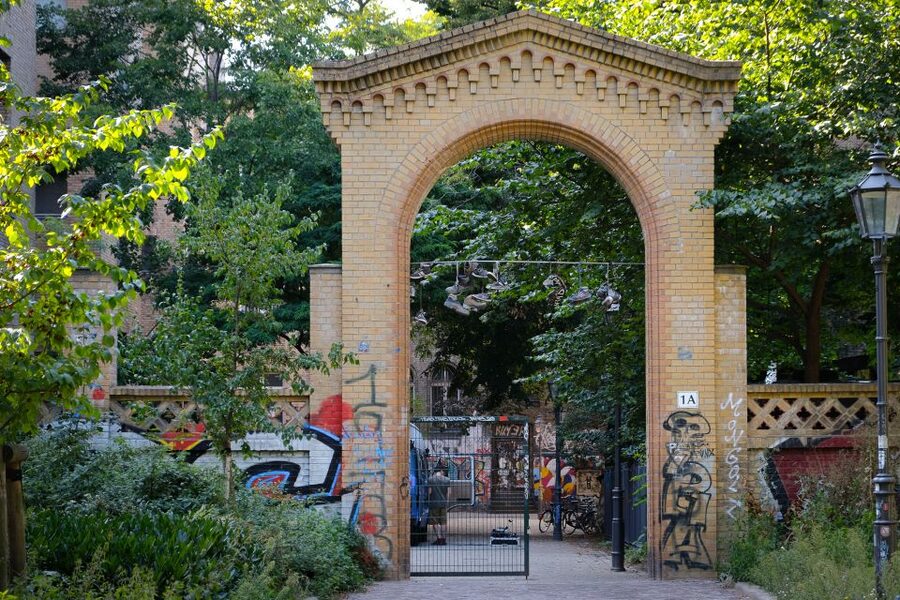
You are a good match if you want to:
- See Berlin beyond the standard wall and wartime narrative.
- Learn about migration, counterculture, punk, graffiti, music, and alternative housing.
- Walk through Mitte, Kreuzberg, and Friedrichshain with local context.
- Meet other people in an informal group setting.
- Find places you might return to after the tour.
- Hear stories from guides who speak with personal enthusiasm about Berlin.
I would be cautious if you want a relaxed sightseeing walk with lots of time for photographs. The route is active, and the group may use public transport. It may also disappoint you if you expect entry into a long list of underground clubs or private alternative spaces. The tour explores these subjects and public-facing places, but the exact route changes.
It suits solo visitors particularly well because the format makes it easy to meet people. The groups can be fairly large, with one departure numbering 15 people, but guides have been praised for keeping everyone involved.
My verdict: book it for Berlin’s living culture
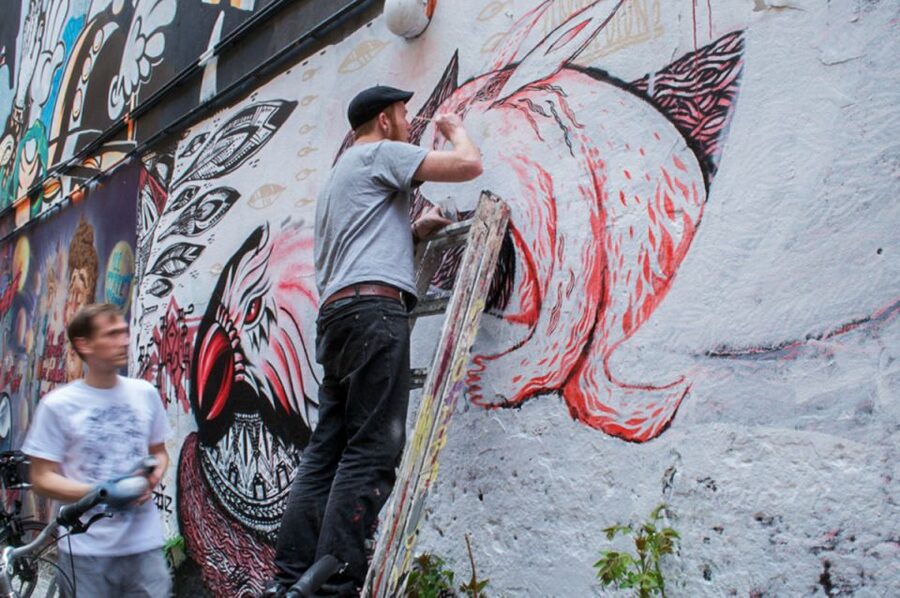
I would book this tour if you already know the famous Berlin sights, or if you want a first look at the city’s social and creative side. It explains why Berlin’s identity comes from more than monuments. Food stands, murals, migrant neighborhoods, community farms, beer gardens, canals, and old squats all become part of the same story.
The tour is worth the $29 when you value context and a strong guide. Bring a valid BVG ticket if required, wear shoes suited to four hours of walking, and leave room in your schedule afterward to revisit a neighborhood or follow a guide’s local tip.
Skip it if you need a gentle pace, a tightly fixed route, or a traditional history lecture. Choose it if you want Berlin to feel less like a museum and more like a city still arguing with itself.
FAQ
Where does the Berlin Alternative Walking Tour begin?
It begins at the Alexanderplatz TV Tower, in front of Vapiano.
Where does the tour finish?
The tour finishes in Friedrichshain, Berlin.
How long does the experience last?
The walking tour lasts four hours.
What language is the tour conducted in?
The live tour guide speaks English.
Which Berlin neighborhoods does the tour cover?
The route includes guided sections in Mitte and Kreuzberg and finishes in Friedrichshain. The current art and walking route can affect the exact path.
Is public transportation used during the tour?
Public transportation may be required depending on the current route. An AB metro ticket is needed when transport is used.
Can I book a ticket that includes BVG transport?
Yes. If you do not want to buy the required ticket separately, book the option marked BVG included.
Does the tour run in bad weather?
Yes. Tours operate all year and in all weather.
Are food and drinks included?
The experience includes refreshment breaks and selected stops, but a full meal is not listed as included. Food purchases, such as currywurst, may be additional.
Can I cancel for a full refund?
You can cancel up to 24 hours in advance for a full refund.
Just added around Berlin
- From Berlin: Gardens & Palaces of Potsdam Bike Tour★ 5.0 · 61 reviews
- Berlin: Battle for Seelow Heights WW2 tour -Clash of Titans★ 5.0 · 27 reviews
- From Berlin: Historical Gems of Potsdam Private Day Trip★ 4.4 · 4 reviews
- Berlin: Französischer Dom 360° Panorama & Crémant to go★ 3.9 · 5 reviews
- Explore Berlin Tour: History and Highlights★ 4.7 · 5 reviews
- Berlin: Expats in Berlin Comedy Show Ticket★ 4.7 · 182 reviews
- Berlin: Evening Yacht Cruise with Aperitif & Dinner Upgrade★ 4.6 · 178 reviews
- Berlin: The Epic Comedy Club Friday Night Showcase★ 4.8 · 28 reviews
Berlin Tours, compared.
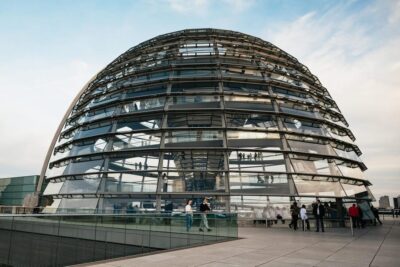
Reichstag, Dome and Government District Guided Tour
Read our review →
1-Hour City Tour by Boat with Guaranteed Seating
Read our review →
Reichstag, Plenary Chamber, Cupola & Government Tour
Read our review →
Browse the lists this tour appears in