
Review · BERLIN TOURS
Berlin: David Bowie & 1970s Berlin Guided Walking Tour
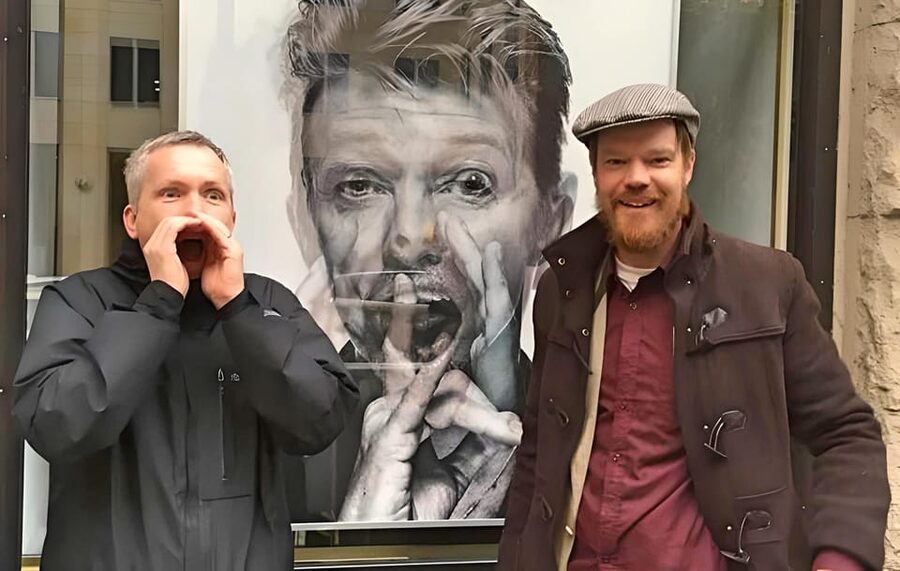
Berlin shaped David Bowie’s music in ways you can still feel on this three-hour tour. From Zoo Station and the old club district to Hansa Studios, you follow the city that fed Low, Heroes, and Lodger. I love the way the tour pairs Bowie’s story with Cold War Berlin, and I like that guides use music clips, photos, and video to make places feel connected to the albums.
The main drawback is practical: this is not a three-hour stroll in one neighborhood. You will walk, ride public transport, and cover a good slice of Berlin, so bring sturdy shoes and buy a day transit pass ahead of time. At $135 per person, it makes the most sense for serious Bowie fans or visitors who want a private or small-group experience led by a historian, journalist, professor, or other subject specialist.
What makes this Bowie tour worth your time
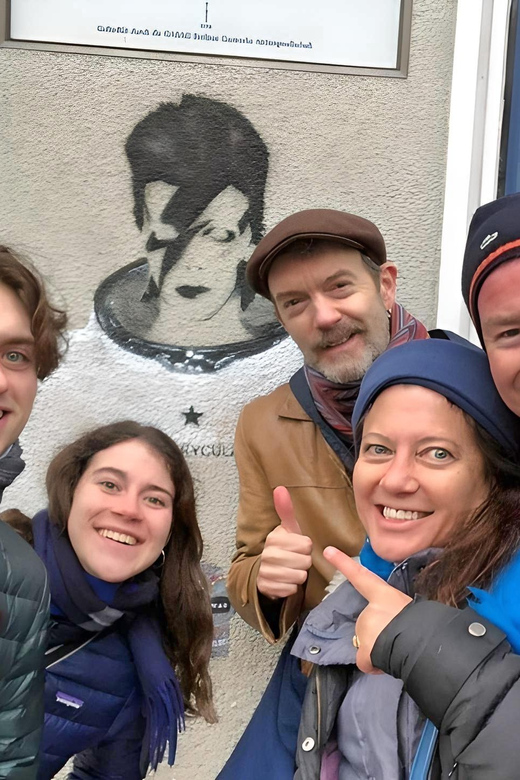
- Hansa Studios and the Berlin Wall: See the recording area linked to Bowie’s most important Berlin work, close to Cold War landmarks.
- Bowie and Iggy Pop’s former flat: Follow the trail to the home they shared during this intense creative period.
- Music in the streets: Guides may play excerpts from Heroes and Low while explaining how the places and events fit together.
- A citywide route: Travel between central Berlin, Potsdamer Platz, Schöneberg, KaDeWe, Zoo Station, and other key locations by foot, bus, and train.
- More than a fan pilgrimage: You also get a useful introduction to 1970s Berlin culture, politics, art, nightlife, and daily life.
- Flexible guiding: The tour is offered privately or in a small group, with English-speaking guides who bring academic and professional experience.
Starting at Schiffbauerdamm with Berlin in the background
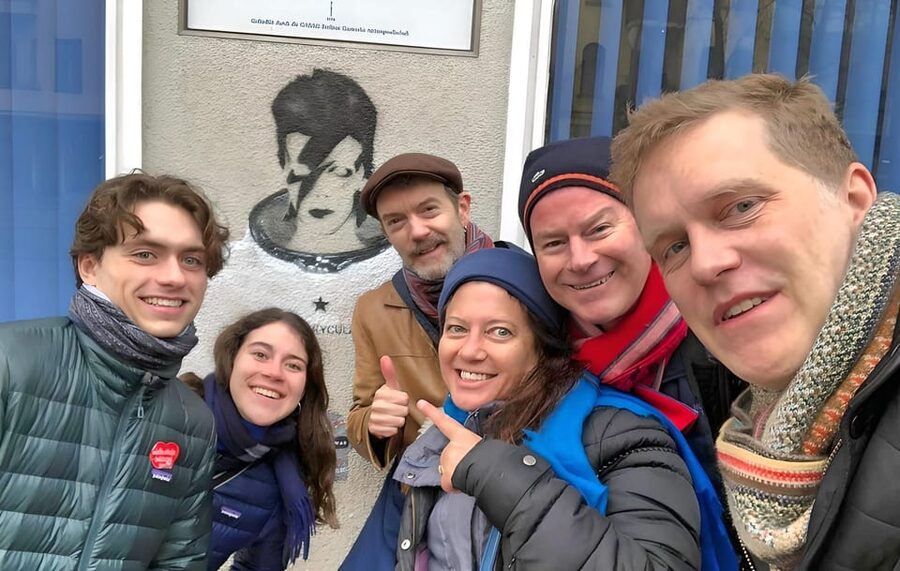
The meeting point is Ständige Vertretung, a memorabilia-filled cafe at Schiffbauerdamm 8. This gives you a pleasant place to begin, but you should check the exact starting arrangement when booking because the pickup point can depend on the option you choose.
The route includes Bertolt-Brecht-Platz and the Tränenpalast, two stops that widen the story beyond Bowie himself. You begin to see why Berlin in the 1970s was such a strange and forceful place for an artist seeking a change. It was divided, politically tense, and culturally restless, yet West Berlin also offered room for outsiders and musicians to work away from the expectations of mainstream Britain or America.
I like this opening because it gives the tour some weight. You are not simply ticking off addresses connected to a famous singer. You are placing Bowie’s Berlin years inside a city shaped by borders, surveillance, nightlife, and artistic freedom.
The Tränenpalast adds a direct reminder of division. Its name, Palace of Tears, refers to the emotional farewells that took place at the former border crossing. You should expect the guide to connect this kind of Cold War pressure with the mood surrounding Bowie’s Berlin recordings.
More walking tours in Berlin:
- Discover Berlin Half-Day Walking Tour
★ 5.0 · 9,624 reviews - Berlin: Third Reich and Cold War 2 Hour Walking Tour
★ 4.9 · 6,830 reviews - Berlin: Discover Berlin Walking Tour
★ 4.9 · 5,998 reviews
Anhalter Bahnhof and the scars of divided Berlin
Anhalter Bahnhof is one of the more atmospheric stops. The former railway station points to the damage and disruption caused by war and division, while the nearby Martin-Gropius-Bau and Topography of Terror place you among major sites of Berlin’s 20th-century political story.
The Topography of Terror is especially useful for context. The tour does not treat Bowie’s time in Berlin as a sealed-off music story. Instead, you see how the city’s past and its 1970s political climate formed the setting for clubs, studios, galleries, and everyday life.
The itinerary names several museums and historic sites, but this is not presented as a museum admission tour. You may look into or pass by locations rather than spend long periods inside exhibitions. That matters if you want a full museum visit, but it also allows the group to cover more ground and keep the focus on Bowie.
For me, this is one of the tour’s strongest features. Bowie’s Berlin music is often described through sound alone: cold synths, uneasy rhythms, and a sense of distance. Seeing the divided city helps explain why that music feels the way it does.
Hansa Studios, where the music becomes physical
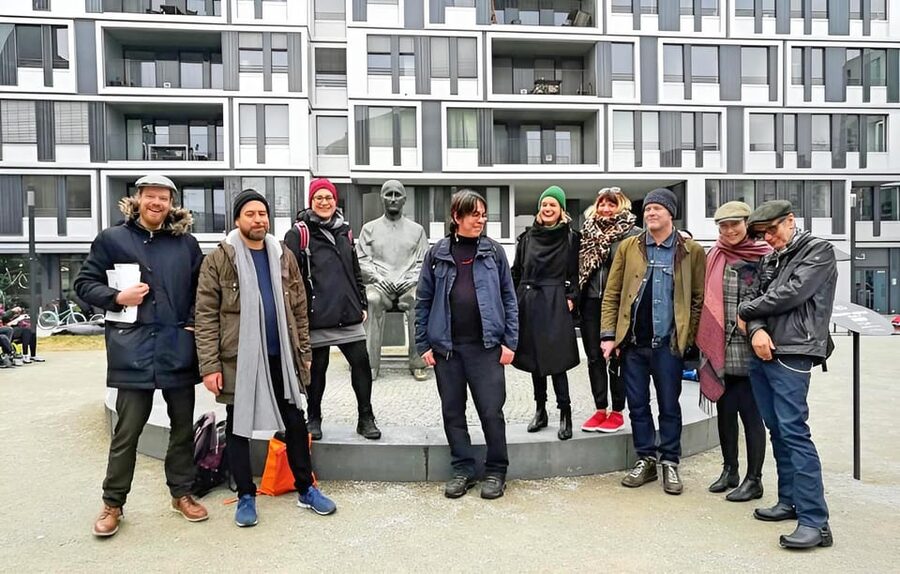
Hansa Studios is the central music stop. This is the place many Bowie fans are waiting for, and the tour takes you near the recording studios associated with his Berlin work. The site connects directly with Heroes, the album most strongly tied to the city.
You should not expect a standard studio tour with access to every room. The value comes from standing near the location, hearing the story, and understanding how the building sits beside the former Wall area. The guide explains the setting and the creative work rather than simply pointing at a facade.
The guides add a useful soundtrack. Dan, Lee, and Ronen are among the guides praised for using excerpts from Bowie’s music, while photos and video help link the sound to the place. Hearing part of Heroes or Low while you are near the studio gives the stop an emotional charge without needing a theatrical presentation.
The route also includes Potsdamer Platz and the Berlin Wall. Potsdamer Platz has changed greatly since Bowie’s day, so you get a clear lesson in how quickly Berlin can reinvent itself. A good guide helps you separate the modern city from the rougher, more fragmented place Bowie knew.
This is also where the tour can feel most moving. You are not only visiting a recording address. You are considering how music made in a divided city later became part of the story of Berlin itself.
KaDeWe, Zoo Station, and the old West Berlin pulse

KaDeWe, Berlin’s famous department store, gives the route a different tone. It represents the commercial and social side of West Berlin, far removed from the studio’s serious creative atmosphere. The contrast helps you picture the city as Bowie encountered it, with grand consumer spaces, shabby streets, cafes, clubs, and underground culture all close together.
From there, the tour takes you toward Zoologischer Garten Station, commonly known as Zoo Station. This was a major gateway into West Berlin and the starting point for the tour’s story of the city’s decadent 1970s center.
Zoo Station is more than a transport stop in this context. It helps establish the area where Bowie, Iggy Pop, musicians, artists, and night owls moved through the city. The nearby former Dschungel Club is another important stop on the Bowie trail, even though the club itself no longer operates in its old form.
You should expect some comparison between past and present here. Berlin has changed, and not every club or cafe looks as it did in the 1970s. The tour works best when you use your imagination, guided by archival images and stories, rather than expecting a perfectly preserved Bowie-era setting.
A few more Berlin half-days to weigh up
- Berlin: Reichstag, Dome and Government District Guided Tour
★ 4.7 · 18,288 reviews - Berlin: 1-Hour City Tour by Boat with Guaranteed Seating
★ 4.3 · 16,993 reviews - Berlin: Boat Tour Along the River Spree
★ 4.4 · 11,252 reviews - Berlin: Hop-on Hop-off Bus Tour with Live Commentary
★ 4.3 · 8,579 reviews
Bowie’s home, Iggy Pop, and Neues Ufer Café
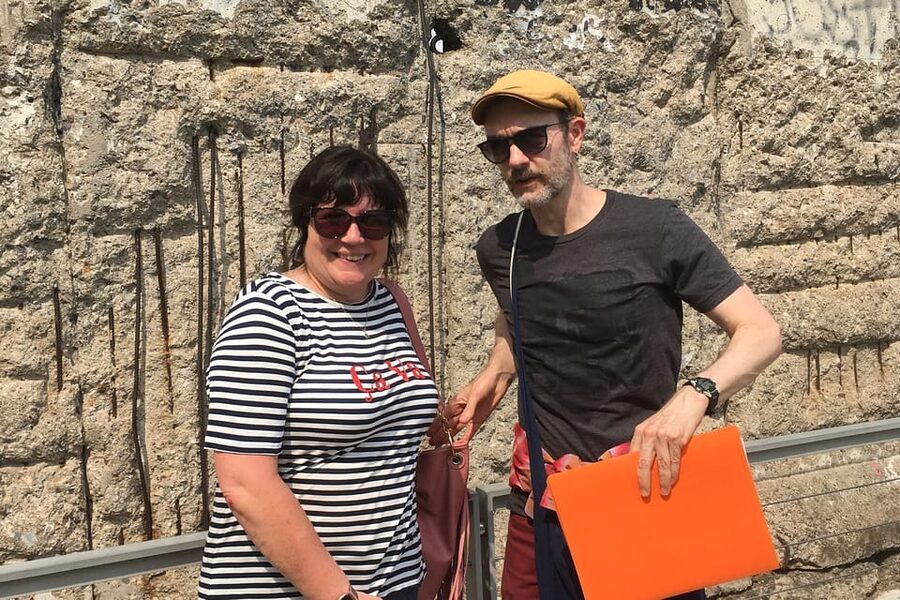
The tour follows Bowie’s trail to the flat he shared with Iggy Pop. This is one of the most personal stops because it shifts the story away from public landmarks and into ordinary residential Berlin.
A former home can be easy to over-romanticize, so the guide’s context matters. You learn about Bowie’s day-to-day connection with the city and his relationship with Iggy Pop, rather than treating the address as a shrine. The route makes clear that Bowie’s Berlin period was also shaped by friendship, collaboration, recovery, and routine.
Neues Ufer Café adds another personal touch. It was one of Bowie’s favorite Berlin cafes, and the stop helps you picture the social world around him. You may not spend time dining there as part of the tour, since food and drinks are not included, but you can note it as a place to revisit afterward.
The route can also appeal to fans of Christopher Isherwood. One guide, Dan, took time to show a participant the apartment where Isherwood lived. That detail reflects the wider cultural reach of the tour: Bowie’s Berlin is connected to earlier writers, artists, musicians, and outsiders who shaped the city’s reputation.
How the three hours really feel
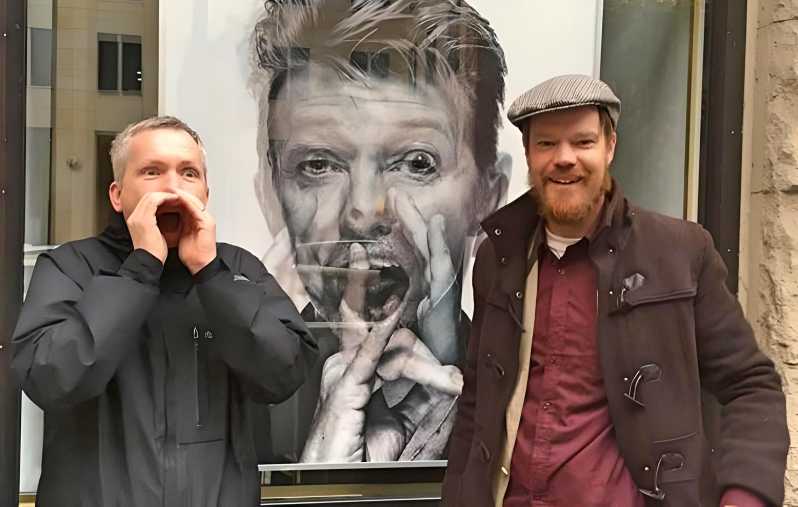
The advertised duration is three hours, but the experience is active. You walk between some sites, then use Berlin’s trains and buses when the distances become too great. This keeps the route wide-ranging, but it also means you should not think of it as a gentle neighborhood walk.
The practical preparation is simple:
- Buy a Berlin day metro pass before the tour if possible.
- If you do not have one, the guide can help you purchase a ticket at the first station.
- Arrive about 10 minutes early.
- Wear supportive shoes.
- Dress for changeable Berlin weather.
- Leave room in your schedule after the tour, since the exact finishing point is important for planning your next meal or activity.
The public transport element is useful in its own right. Several people found that the tour gave them confidence to use Berlin’s buses and trains on their own afterward. You get a moving view of the city instead of seeing only the streets between nearby attractions.
Still, the transportation adds a little uncertainty. A delayed train or a crowded platform can interrupt the rhythm. If you prefer a slow walk with long stops, this may feel rushed. If you like connecting distant places into one story, the route is a good fit.
The guides make or break the experience
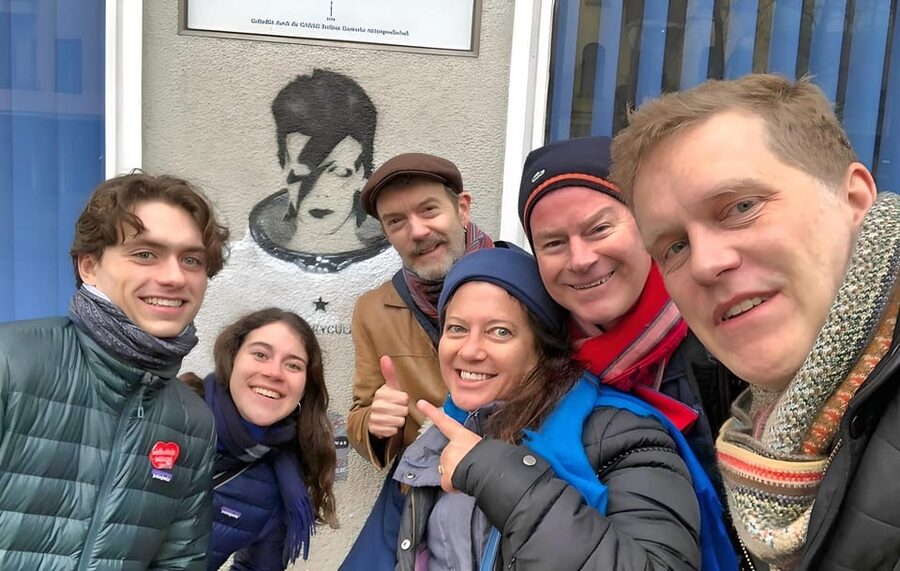
The guides are a major reason this tour earns such strong feedback. Dan is repeatedly described as warm, funny, well prepared, and able to explain both Bowie and German history. Lee is praised for his passion, photos, video clips, and willingness to share an opinion. Ronen is known for building a strong narrative around the music and the city.
Martin has also led the tour, bringing a friendly and patient manner, while other guides include Klaus, Rachel, Nadav, and Jim. The provider describes its guides as professors, doctoral students, historians, journalists, art critics, and published authors. That tells you to expect more than a memorized script.
You cannot assume a particular guide unless your booking arrangement confirms one, but the overall approach is clear. Guides use music, images, questions, humor, and local history to keep the group involved. One guide even gave extra time when the discussion ran long.
The best guides do not assume you already know every Bowie fact. They can satisfy a committed fan while still giving parents, partners, or curious companions a way into the story. Several people who arrived mainly for Berlin’s history found the Bowie angle added a fresh lens.
Who gets the best value from $135
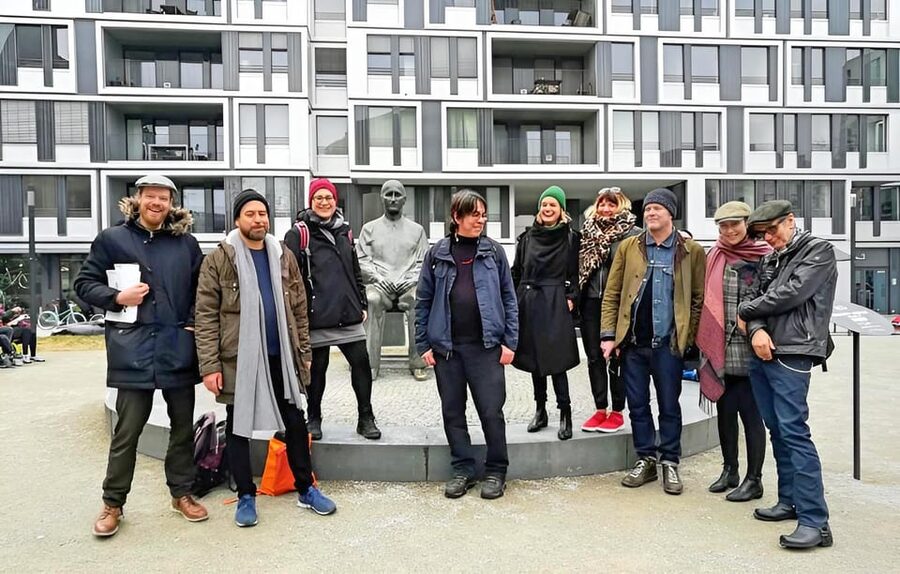
At $135 per person, this is a costly walking tour. Public transport, food, drinks, and hotel transfers are not included, so you need to add a transit ticket and perhaps a cafe stop to your budget.
The price becomes easier to justify if you book a private or small-group option and care about the guide’s subject expertise. A standard sightseeing walk may cost less, but it will not connect Hansa Studios, Bowie’s flat, the former Dschungel Club, the Wall, KaDeWe, and Neues Ufer in one focused story.
I see the strongest value for:
- Dedicated Bowie fans who want places beyond the usual biography.
- Music lovers interested in how a city shapes an artist.
- Visitors who already know the main Berlin Wall story and want another angle.
- Couples or families with one enthusiastic Bowie fan and several people who want broader Berlin context.
- People who appreciate live music clips, archival images, and discussion rather than a simple address-by-address walk.
If you only want a quick photo at Hansa Studios, $135 is too much. If you want a guided afternoon that links Bowie, Iggy Pop, Cold War Berlin, nightlife, art, and public transport, the cost is more defensible.
What the tour does especially well
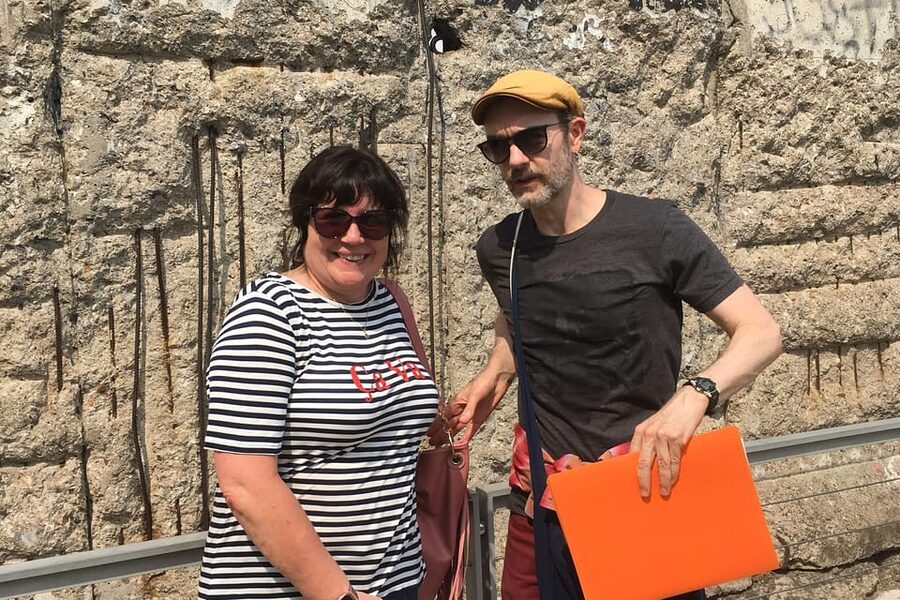
The route’s greatest strength is its sense of connection. One stop explains the political setting, another reveals the nightlife, another points to Bowie’s home, and Hansa Studios brings the music into focus. You leave with a better idea of how the albums and the city relate.
I also like that the tour does not pretend Berlin has frozen since the 1970s. Modern buildings and changed neighborhoods are part of the experience. The guide helps you read what remains and imagine what has disappeared.
The music clips are another smart touch. They prevent the tour from becoming a dry lecture. You hear a song in relation to a street, a studio, or a historical moment, which can change the way you listen later.
The experience is also flexible in mood. It can be a joyful fan outing, a serious Cold War lesson, or a cultural walk through West Berlin. That range explains why it works for both devoted Bowie listeners and people who simply want a fresh way to see Berlin.
Should you book the David Bowie Berlin tour?
I would book it if Bowie’s Berlin albums matter to you, especially Low and Heroes, or if you want a history tour with a strong musical thread. The route covers a lot, the guides bring research and personality, and the combination of walking, public transport, images, and music gives the afternoon real shape.
I would skip it if you want a short, relaxed walk with no transit or if $135 feels high for a location-based tour. You should also be ready for outdoor weather, changing neighborhoods, and some stops where the original club or building no longer survives in its old form.
For the right person, this is more than a celebrity-address tour. It shows you how Bowie used Berlin, and how Berlin became part of Bowie’s sound.
FAQ
How long is the David Bowie Berlin tour?
The tour lasts three hours.
How much does the tour cost?
The listed price is $135 per person.
What language is the tour conducted in?
The tour is conducted in English.
Where does the tour meet?
The meeting point is Ständige Vertretung, a memorabilia-filled cafe at Schiffbauerdamm 8, 10117 Berlin. The starting location can depend on the selected option, so check your booking details.
Is public transportation included?
No. You need to pay for your own public transport ticket. A Berlin day metro pass is advised, and the guide can help you buy one at the first metro station if needed.
Which David Bowie locations are included?
The route includes Hansa Studios, Bowie’s former home, the former Dschungel Club, Neues Ufer Café, Zoo Station, KaDeWe, Potsdamer Platz, and the Berlin Wall area.
Does the tour include food or drinks?
No. Food and drinks are not included.
Who leads the tour?
Guides include professors, doctoral students, historians, journalists, art critics, and published authors. Guides named in tour feedback include Dan, Lee, Ronen, Martin, Klaus, Rachel, Nadav, and Jim.
Can I cancel or pay later?
You can cancel up to 24 hours before the tour for a full refund. A reserve-now, pay-later option is also available.
Just added around Berlin
- From Berlin: Gardens & Palaces of Potsdam Bike Tour★ 5.0 · 61 reviews
- Berlin: Battle for Seelow Heights WW2 tour -Clash of Titans★ 5.0 · 27 reviews
- From Berlin: Historical Gems of Potsdam Private Day Trip★ 4.4 · 4 reviews
- Berlin: Französischer Dom 360° Panorama & Crémant to go★ 3.9 · 5 reviews
- Explore Berlin Tour: History and Highlights★ 4.7 · 5 reviews
- Berlin: Evening Yacht Cruise with Aperitif & Dinner Upgrade★ 4.6 · 178 reviews
- Berlin: Expats in Berlin Comedy Show Ticket★ 4.7 · 182 reviews
- Berlin: The Epic Comedy Club Friday Night Showcase★ 4.8 · 28 reviews
Berlin Tours, compared.

Reichstag, Dome and Government District Guided Tour
Read our review →
1-Hour City Tour by Boat with Guaranteed Seating
Read our review →


Reichstag, Plenary Chamber, Cupola & Government Tour
Read our review →
Browse the lists this tour appears in