
Review · BERLIN TOURS
Potsdam: Museum Barberini Entry Ticket
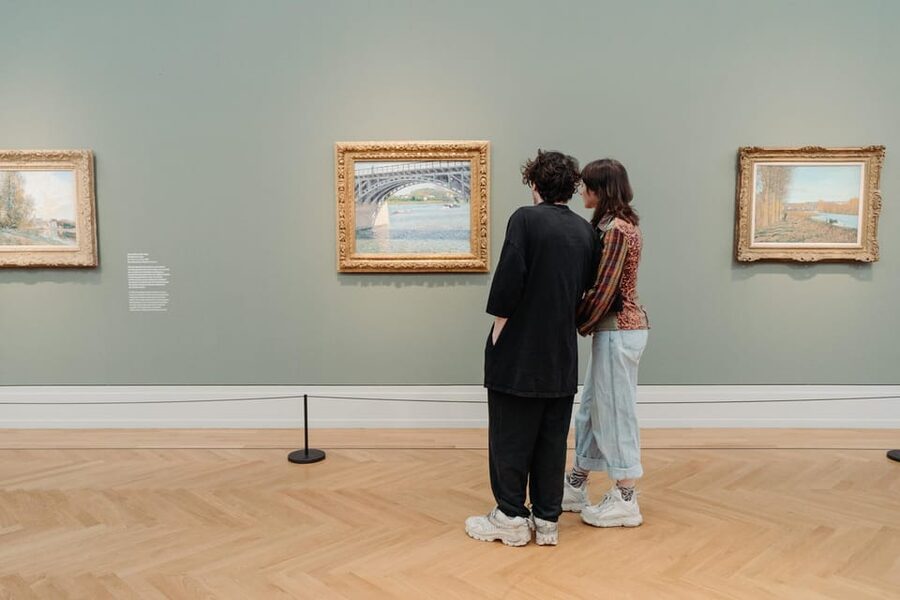
Museum Barberini gives you a remarkably concentrated look at Impressionist painting, with more than 100 works by Monet, Renoir, Morisot, Cézanne, Caillebotte, Signac, and others. I like the second-largest Monet collection in Europe and the chance to study how careful observation turned changing light and ordinary views into bold, almost abstract art. I also like that the $11 ticket includes a special exhibition as well as the main collection.
The main drawback is the two-hour time frame, which is enough for a focused visit but not for lingering over every painting, reading every label, and taking part in an event. You must also leave food, drinks, bags, backpacks, bicycles, and pets outside, except for assistance dogs.
Key points to know before you go
- More than 100 Impressionist paintings: See works by Claude Monet, Pierre-Auguste Renoir, Berthe Morisot, Gustave Caillebotte, Paul Cézanne, and Paul Signac.
- A major Monet collection: The museum holds the second-largest collection of Claude Monet paintings in Europe.
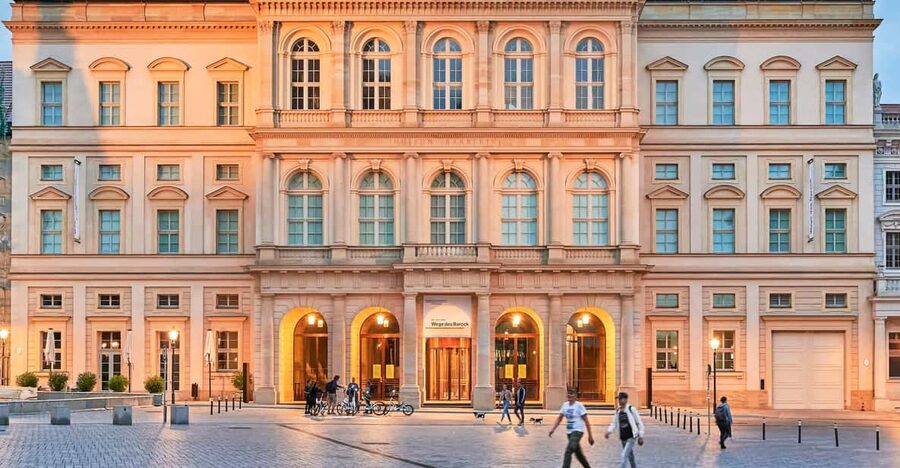
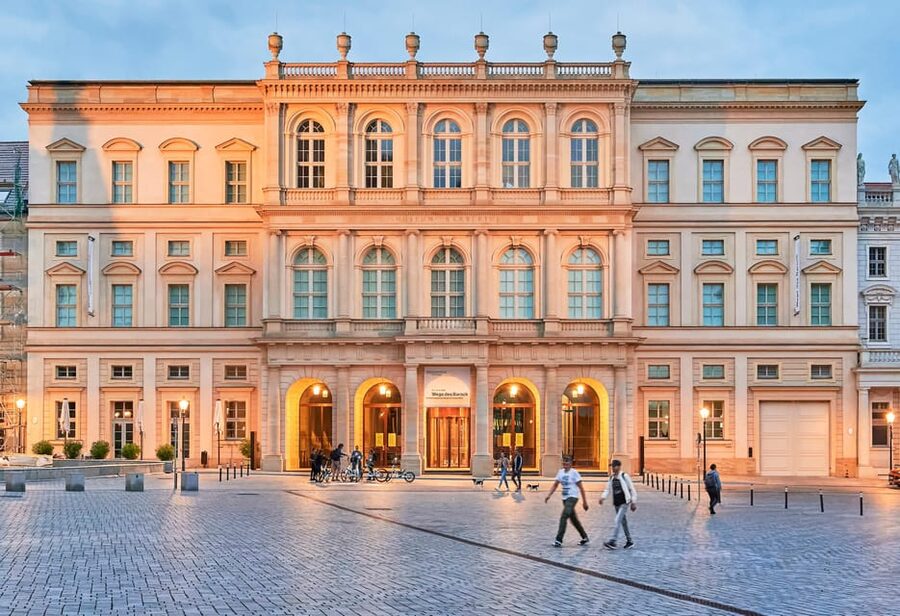
- A reconstructed palace setting: Museum Barberini sits in Potsdam’s historic center, giving the art a memorable architectural setting.
- Your ticket includes more than the permanent collection: Admission also covers the current special exhibition.
- A free digital guide: Download the Barberini app to use an audio guide during your visit.
- Events cost extra: Workshops, educational programs, concerts, readings, film evenings, guided tours, and symposia are not included in the basic ticket.
Why the Monet collection is the main draw
If Monet is your painter, this museum deserves serious attention. The collection is described as the second-largest group of Monet paintings in Europe, so you are not simply stopping in to see one famous canvas among unrelated works. You get a chance to compare his treatment of light, weather, color, and changing views across several paintings.
That comparison matters. One Monet can look like a pleasant scene; several together show the method behind the impression. You begin to notice how a solid object can be built from short strokes, how color replaces hard outlines, and how an apparently simple view depends on close looking.
I especially like the museum’s focus on observation. Impressionism is often reduced to pretty colors and soft brushwork. Here, you can pay attention to the discipline beneath that effect. The artists were not avoiding reality. They were finding a different way to record what the eye sees in a particular moment.
The collection also puts Monet alongside Renoir, Morisot, Cézanne, Caillebotte, and Signac. That wider view helps you see that Impressionism was not one fixed style. Morisot offers her own handling of light and domestic scenes, Caillebotte brings a sharper sense of structure, and Cézanne points toward later abstraction through his careful arrangement of form.
More museums and galleries in Berlin:
- Berlin: Jewish Museum Berlin Entrance Ticket
★ 4.5 · 8,393 reviews - Berlin: DDR Museum Tickets
★ 4.3 · 3,443 reviews - Berlin: Natural History Museum Entrance Ticket
★ 4.6 · 3,382 reviews
Entering the reconstructed palace in Potsdam
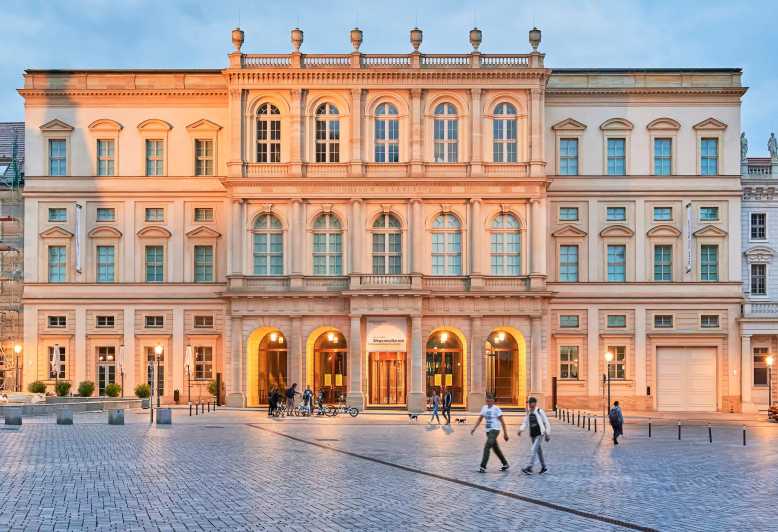
The museum is located in a reconstructed palace in Potsdam’s historic center. That setting gives your visit a clear sense of place before you even begin looking closely at the art. You are not entering a plain gallery box, but a museum housed in a building tied to the look and identity of central Potsdam.
The palace setting is also part of the visit’s rhythm. The art is the reason to come, yet the rooms provide a formal frame for the collection. I would allow a few minutes to notice the building rather than rushing straight from the entrance to the first painting.
Your admission covers both the permanent Impressionist collection and the special exhibition on display during your visit. This is an important value point. You are not paying $11 for a single narrow room or one temporary show. The ticket gives you a broader museum visit, although the size and subject of the special exhibition will change during the year.
Museum Barberini presents three special exhibitions annually, using loans from international museums and private collections. That means a return visit can feel different, even if the permanent collection remains familiar. It also means you should check the current exhibition before booking if a particular artist or theme matters to you.
A practical two-hour route through the museum
The stated duration is two hours, and I think that is a sensible target for a first visit. It gives you enough time to see the main collection and the special exhibition without turning the museum into an endurance test.
Start with a quick orientation. Identify the permanent collection and the temporary exhibition, then decide how much time you want to give each. If Monet is your priority, make that clear at the beginning rather than assuming you will find every key work naturally as you move through the rooms.
Next, spend time with the Impressionist paintings as a group. Look first from a short distance to take in the whole image. Then move closer, where permitted, to examine brushwork, edges, and color. The best use of this collection is not simply to count famous names. It is to compare what each painter does with the same basic problem: how to make a convincing image from paint.
Give particular attention to the links between observation and abstraction. A painting can remain tied to a real scene while using broken color, simplified shapes, and loose marks. You might find that the most interesting works are not the ones that look most photographic, but those that make you aware of the act of seeing.
After the permanent collection, turn to the special exhibition. Since its contents change, I cannot promise a particular artist, period, or number of rooms. What you can count on is a second part of the visit that extends beyond the core Impressionist display and adds value to the basic admission.
Keep the final 10 or 15 minutes for any paintings you want to revisit. Art museums reward a second look, especially after you have seen how several artists approach similar subjects. If you rush out immediately after the last room, you may miss the connections that make the collection worthwhile.
What the digital guide adds
A free digital audio guide is available through the Barberini app. You download it to your phone, so bring a charged device if you want to use it. The information provided does not specify whether headphones are supplied, so plan to use your own if that is your preference.
The app is useful for a self-guided visit because you can control the pace. You are not tied to a scheduled group or a named guide, and you can pause when a painting catches your eye. I would not try to listen to every available entry if you have only two hours. Pick a few key works, then spend the rest of your time looking rather than listening.
A digital guide also helps if you want context for artists whose work you know less well. Monet may be the headline, but Morisot, Caillebotte, Cézanne, and Signac give the visit its wider meaning. The guide can help you connect those names without turning the museum into a lecture.
The free app is included, but educational programs and workshops are not. Guided tours, symposia, readings, concerts, film evenings, and workshops are part of the museum’s wider events program and require an extra ticket. If structured interpretation is important to you, check the event calendar separately rather than assuming the basic admission includes it.
A few more Berlin half-days to weigh up
- Berlin: Reichstag, Dome and Government District Guided Tour
★ 4.7 · 18,288 reviews - Berlin: 1-Hour City Tour by Boat with Guaranteed Seating
★ 4.3 · 16,993 reviews - Berlin: Boat Tour Along the River Spree
★ 4.4 · 11,252 reviews - Discover Berlin Half-Day Walking Tour
★ 5.0 · 9,624 reviews
Is $11 good value?
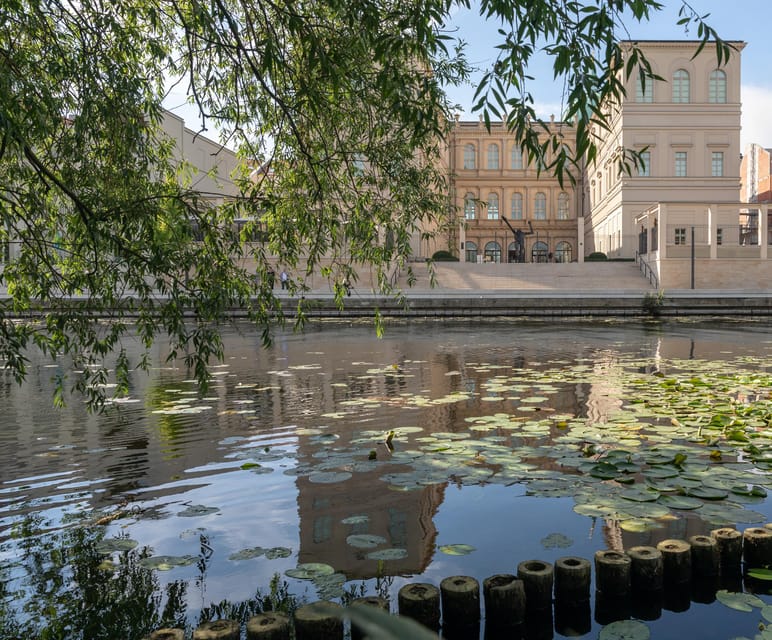
At $11 per person, this is a strong-value museum ticket if you care about Impressionism. The price includes entry to the permanent collection, access to the current special exhibition, and the digital guide. Those inclusions make the cost easier to justify than a ticket limited to one display.
The value depends on how you use the two hours. If you walk through quickly and spend little time with the paintings, the ticket may feel less worthwhile. If you compare artists, listen to selected guide entries, and give the special exhibition proper attention, you get a solid art visit for a modest price.
The ticket is also useful for a short Potsdam itinerary. You do not need a full day to see the museum, and the central location makes it practical to pair with other time in Potsdam. The information supplied does not specify transport arrangements or nearby sights, so you should plan those separately.
Free cancellation up to 24 hours before the visit and the option to reserve now and pay later make the booking less rigid. Those policies are helpful if your Potsdam plans may change. Starting times vary, so check availability when choosing your slot.
Rules that shape your visit
Museum rules are straightforward but worth taking seriously. Food and drinks are not allowed, and neither are bags or backpacks. Bicycles, pets, littering, climbing, touching exhibits, and making fire are also prohibited. Assistance dogs are allowed.
The bag restriction is the rule most likely to affect your planning. Do not arrive assuming you can carry a large daypack through the galleries. The supplied information does not explain storage or cloakroom arrangements, so bring only what the museum permits and check current instructions before setting out.
The no-touching rule is standard, but it matters especially in a collection where brushwork and surface texture are central to the experience. You will get more from the paintings by looking closely while keeping a respectful distance.
The museum is wheelchair accessible. That makes the visit practical for many people with mobility needs, although the supplied information does not give further details about entrances, lifts, or seating. If you require a specific facility, confirm it with the museum before your visit.
The café, shop, and wider program
Once you finish the galleries, you can round off the visit at the Barberini Café or museum store. These are optional extras, not part of the $11 admission, but they give you a natural place to pause after two hours of concentrated looking.
The store can be useful if you want a book or exhibition-related item tied to the collection. The café provides a break, though the admission rules mean you cannot bring food or drinks into the galleries. Treat this part as an add-on rather than a reason to buy the ticket.
Museum Barberini also runs a broad program of events, including concerts, readings, film evenings, symposia, guided tours, and workshops. This gives the museum a life beyond its walls and permanent displays. It is especially useful if you enjoy hearing artists, scholars, or performers approach art from different angles.
Those programs require extra tickets, so keep the distinction clear. The standard admission gives you the collection, special exhibition, and app guide. It does not automatically include a workshop, class, or evening program.
Who will enjoy Museum Barberini most?
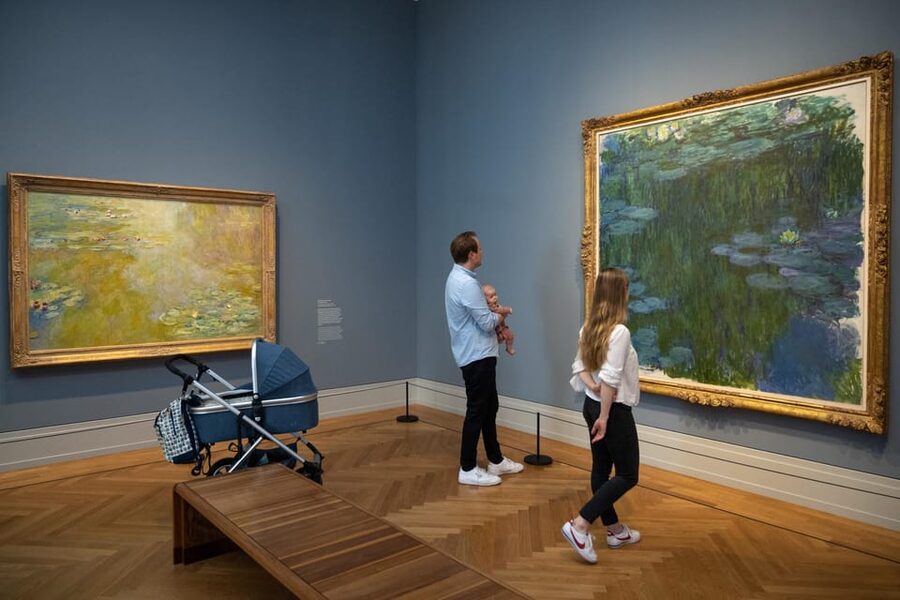
I would recommend this visit to anyone who has a real interest in Monet or Impressionist painting. The scale of the collection gives you more than a quick encounter with one familiar name, and the surrounding artists make the visit more rewarding for anyone who likes to compare styles.
It also suits first-time museum visitors who want a focused introduction. You can learn how Impressionist painters used color, light, and brushwork without needing an art-history background. The app gives you added help, but you can also simply look and form your own response.
Families and mixed-interest groups may find the two-hour length manageable, though the no-food and no-drink rule requires some planning. People who want a hands-on workshop or a scheduled guided tour should budget extra and check the events program.
This may be less suitable if you want a large general art museum covering many centuries and regions. Museum Barberini has a clear emphasis on Impressionist painting, with changing special exhibitions. Its strength is focus, not variety across every period of art.
Should you book the Museum Barberini ticket?
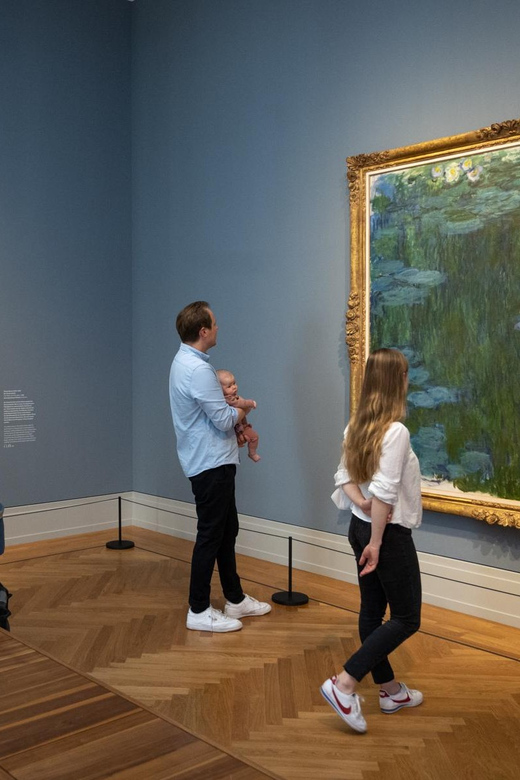
Book it if you want a concentrated Impressionist collection in Potsdam and especially if Monet is high on your list. The second-largest Monet collection in Europe, more than 100 paintings in the main display, a changing special exhibition, and a free app guide make $11 a fair price.
Plan for two focused hours, leave bags and food behind, and check the current special exhibition before you commit. If you want an event, workshop, or guided program, purchase that separately. For a short Potsdam visit with a serious art stop, this is an easy choice. For a broad all-period museum, choose something else.
FAQ
Where is Museum Barberini located?
Museum Barberini is in Potsdam’s historic center in northern Germany. It is housed in a reconstructed palace.
How much does admission cost?
The listed price is $11 per person.
How long does the museum visit take?
The stated duration is two hours. You should check available starting times when booking.
What does the ticket include?
The ticket includes entrance to Museum Barberini, the permanent Impressionist collection, the current special exhibition, and a digital audio guide through the Barberini app.
Is the special exhibition included?
Yes. Admission includes access to the special exhibition on display during your visit.
Is the digital guide free?
Yes. You can download the free digital guide through the Barberini app and use it on your phone.
Which artists can I see?
The collection includes Claude Monet, Pierre-Auguste Renoir, Berthe Morisot, Gustave Caillebotte, Paul Cézanne, Paul Signac, and other Impressionist painters.
Does the museum have a large Monet collection?
Yes. Museum Barberini has the second-largest collection of Claude Monet paintings in Europe.
Are workshops and guided events included?
No. Educational programs, workshops, symposia, readings, guided tours, concerts, and film evenings require an extra ticket.
Is the museum wheelchair accessible?
Yes. Museum Barberini is wheelchair accessible. Specific information about entrances, lifts, or seating is not provided, so contact the museum directly if you need those details.
Just added around Berlin
- Berlin: Battle for Seelow Heights WW2 tour -Clash of Titans★ 5.0 · 27 reviews
- From Berlin: Gardens & Palaces of Potsdam Bike Tour★ 5.0 · 61 reviews
- From Berlin: Historical Gems of Potsdam Private Day Trip★ 4.4 · 4 reviews
- Berlin: Französischer Dom 360° Panorama & Crémant to go★ 3.9 · 5 reviews
- Explore Berlin Tour: History and Highlights★ 4.7 · 5 reviews
- Berlin: Evening Yacht Cruise with Aperitif & Dinner Upgrade★ 4.6 · 178 reviews
- Berlin: Expats in Berlin Comedy Show Ticket★ 4.7 · 182 reviews
- Berlin: The Epic Comedy Club Friday Night Showcase★ 4.8 · 28 reviews
Berlin Tours, compared.
Reichstag, Dome and Government District Guided Tour
Read our review →
1-Hour City Tour by Boat with Guaranteed Seating
Read our review →
Reichstag, Plenary Chamber, Cupola & Government Tour
Read our review →
Browse the lists this tour appears in