Review · BERLIN TOURS
Potsdam: Entry to DAS MINSK Kunsthaus in Potsdam
DAS MINSK Kunsthaus gives you two experiences in one: modern art inside a former GDR building, and a close look at how Potsdam’s urban story continues to change. The building itself is part of the visit, not just a box for the exhibitions.
I like the way the museum places works from the former GDR in fresh settings, and I like the spacious terraces, which offer a fine view over Potsdam in the warmer months. The main thing to consider is that some displays can feel dark or emotionally heavy, and the short visit works best if you take time with the audio accompaniment when it is available.
Key points to know before you go
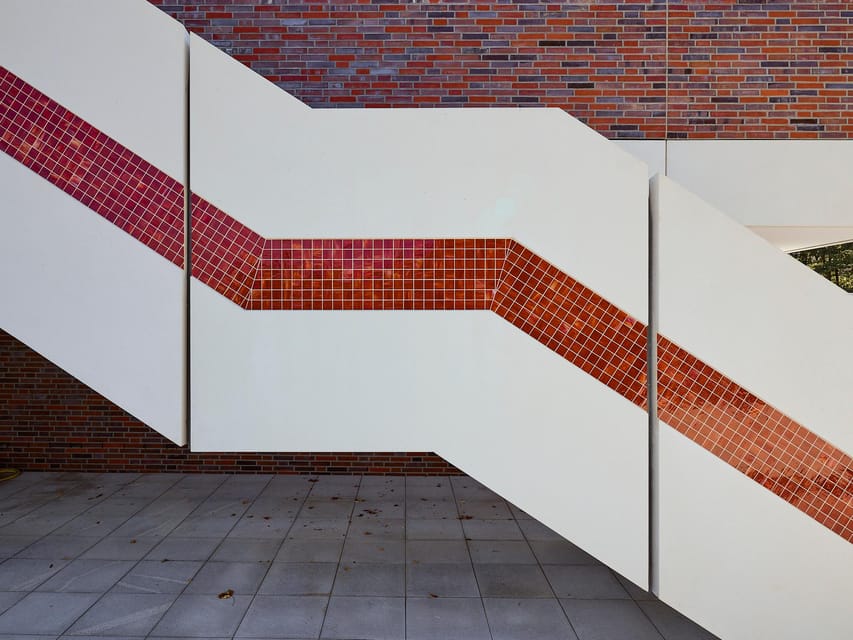
- A 1970s GDR building is part of the exhibit: The former Minsk terrace restaurant uses modernist architecture to frame the art.
- Changing exhibitions keep the visit different: Shows focus on modern and contemporary art rather than one permanent collection.
- Former GDR works get new context: Pieces from the Hasso Plattner Collection are shown alongside newer ideas and themes.
- Soft Power centers on textiles: The exhibition examines textile design as a way to question power relations.
- Café HEDWIG adds a useful break: You can stop for lunch, cake, or coffee after the galleries.
- Two hours is a sensible plan: The ticket includes exhibition entry, while tours, events, and workshops cost extra or require separate arrangements.
Why DAS MINSK is more than an art museum
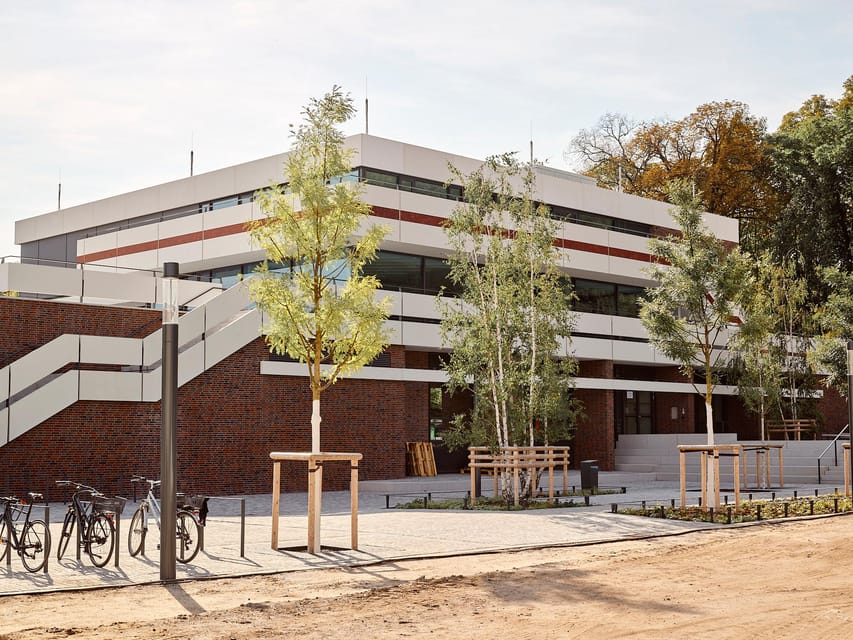
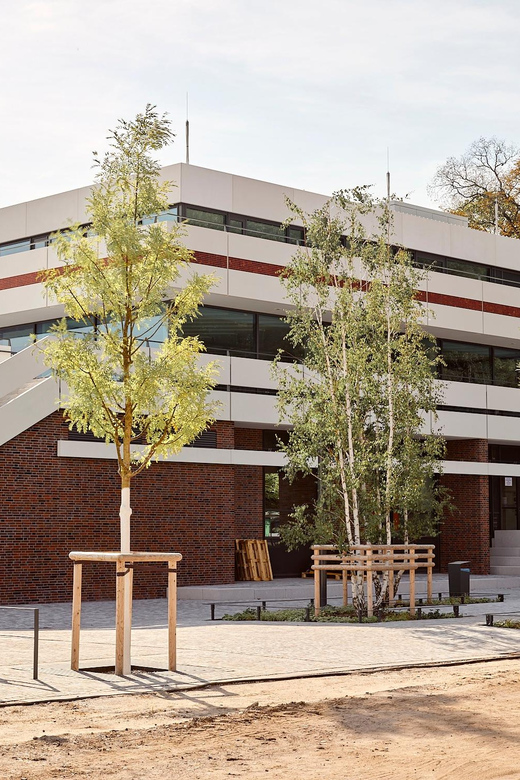
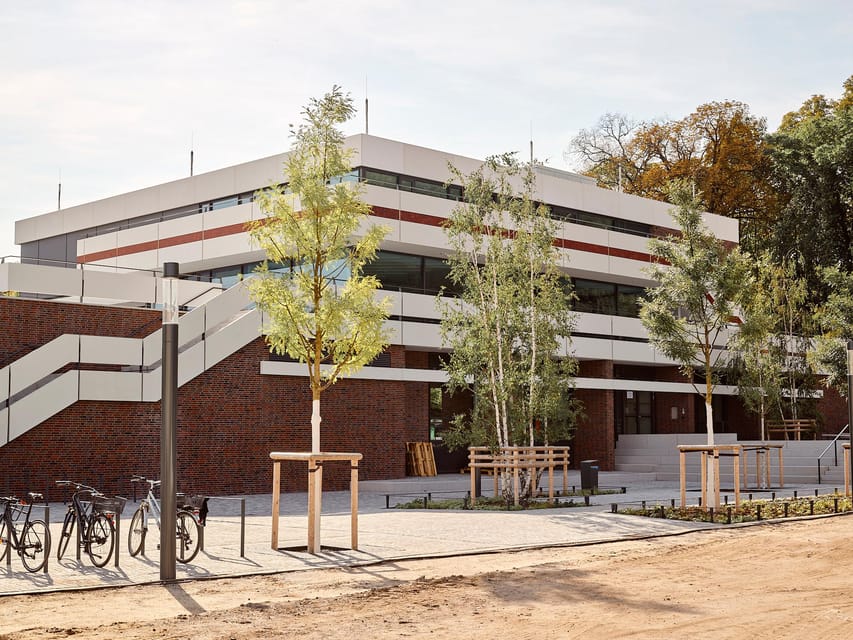
DAS MINSK is not housed in a neutral gallery building. It occupies a former terrace restaurant built in the 1970s, during the period of the German Democratic Republic. Its modernist design tells part of Potsdam’s story before you have even looked at a painting.
That matters because the museum links art, architecture, and urban change. You are not simply moving from white room to white room. The building recalls a particular social and political period, while the exhibitions ask how art from that period should be seen today.
I find that setup especially useful for anyone visiting Potsdam who wants more than palaces and landscaped parks. The city is famous for its royal Prussian past, but DAS MINSK points to a later chapter. It gives you a way to think about daily life, design, public buildings, and cultural identity in the former GDR.
The building was once a place for people to eat, meet, and enjoy the view. Now it is again a place of encounter, this time between older artworks, present-day artists, and the people walking through the galleries. That change of use gives the visit a clear sense of place.
A few more Berlin half-days to weigh up
- Berlin: Reichstag, Dome and Government District Guided Tour
★ 4.7 · 18,288 reviews - Berlin: 1-Hour City Tour by Boat with Guaranteed Seating
★ 4.3 · 16,993 reviews - Berlin: Boat Tour Along the River Spree
★ 4.4 · 11,252 reviews
What your two-hour visit looks like
Plan on roughly two hours for the exhibitions and building. Your ticket covers entry to the current shows, but not guided tours, workshops, or special events. That makes this a flexible stop rather than a fixed-length tour.
Start by taking a moment with the structure itself. The former terrace restaurant was built in a modernist style typical of the 1970s GDR. You might find that the building’s lines, terraces, and broad outlook prepare you for the museum’s interest in design and public life.
Inside, the exact route depends on the exhibition schedule. DAS MINSK presents changing shows of modern and contemporary art, so the content will not remain fixed from one season to the next. That is useful if you return to Potsdam, but it also means you should check the current exhibition before booking if a particular subject matters to you.
The exhibition Soft Power, presented in spring, looks at textile design as an artistic tool. It is arranged in three chapters and considers how textiles can question power relations. This is a more serious subject than the familiar image of fabric as decoration or craft.
Give yourself time to look at how materials carry meaning. Textiles can suggest domestic life, labor, fashion, national identity, and political messaging. The exhibition’s central idea asks you to consider who makes design, who controls its use, and how soft materials can express hard questions.
The museum also presents works from the former GDR that belong to the Hasso Plattner Collection. Their value here is not only that they come from a particular time and place. They are shown in new contexts, which can change how you read them.
That approach is helpful if you know little about GDR art. You do not need a detailed background in East German cultural history to begin. The surrounding exhibition can give older works a new frame, while the building itself adds another layer of meaning.
Seeing GDR art in a new setting
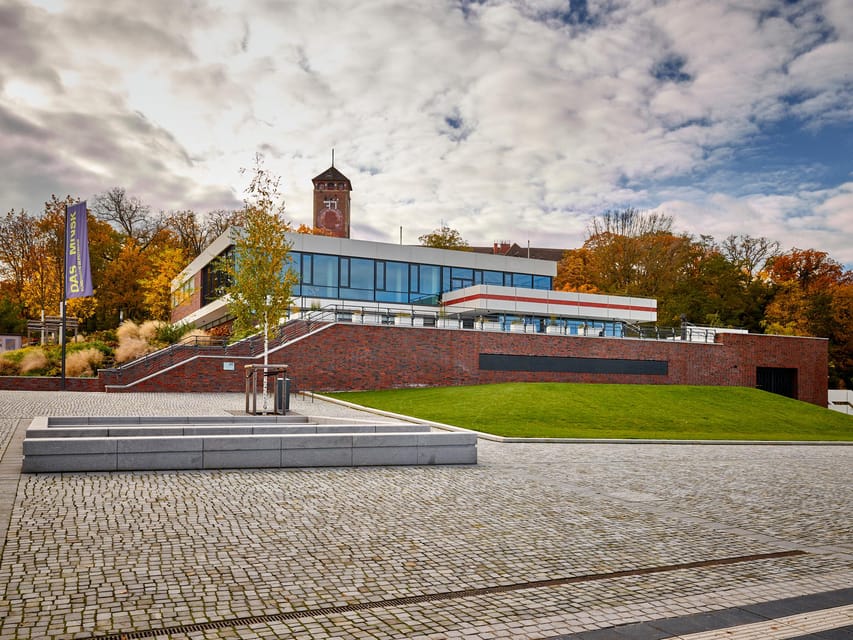
The former GDR material is one of the strongest reasons to choose this museum. Potsdam has plenty of historic sights, but far fewer places that deal directly with the country’s socialist-era past through art and architecture.
The museum does not treat the building as a simple relic. Instead, it places the past in conversation with modern and contemporary work. That choice can make familiar subjects feel less settled. A painting or design object may first look like a document from its time, then raise questions about memory, politics, taste, and who decides what deserves to be preserved.
I would allow more time for the pieces that catch you off guard. One practical criticism is that the display can feel negative, gloomy, or emotionally demanding. That tone will appeal to some people, especially if you want art that asks difficult questions. If you prefer light, decorative exhibitions, you may find parts of the visit burdensome.
An audio accompaniment can help you get your bearings and understand the intended context. A visitor found the visit much better with audio support and felt that the initial explanation was limited until they asked for help. For that reason, ask about available audio material at the start instead of waiting until you feel lost.
The ticket is for self-guided exhibition entry. Do not assume that a personal guide, workshop, or event is part of the $11 admission. Those are listed separately, so check what is scheduled if you want a more structured visit.
Soft Power and the language of textiles
The Soft Power exhibition gives the museum a timely focus. Textile design may sound gentle or domestic, but the subject is much wider. Fabric can carry symbols, define uniforms, mark social roles, or reveal the labor behind everyday objects.
The exhibition’s three chapters give the material a clear progression, though the exact works and arrangement can change. You may find yourself looking at textile design less as decoration and more as a visual language. That makes the show a good choice for anyone interested in fashion, applied art, politics, design, or social history.
I also like the contrast between the soft material and the firm architecture. The building’s concrete-era modernism provides a strong setting for work made from cloth, thread, pattern, and surface. The contrast is part of the experience.
Do not rush through this section because the objects seem familiar. Textile art often rewards close attention to repetition, texture, scale, and pattern. If you enjoy exhibitions that connect ordinary materials to larger questions, this should be one of the most worthwhile parts of your visit.
At the same time, the show may not suit you if you want a traditional survey of paintings and sculpture. Its focus is conceptual and thematic. The pleasure comes from making connections, not from checking off famous masterpieces.
Same city, a completely different sort of afternoon:
- Discover Berlin Half-Day Walking Tour
★ 5.0 · 9,624 reviews - Berlin: Hop-on Hop-off Bus Tour with Live Commentary
★ 4.3 · 8,579 reviews - Berlin: Government District around the Reichstag Guided Tour
★ 4.7 · 8,447 reviews - Berlin: Reichstag, Plenary Chamber, Cupola & Government Tour
★ 4.6 · 8,422 reviews
Café HEDWIG and the best city views
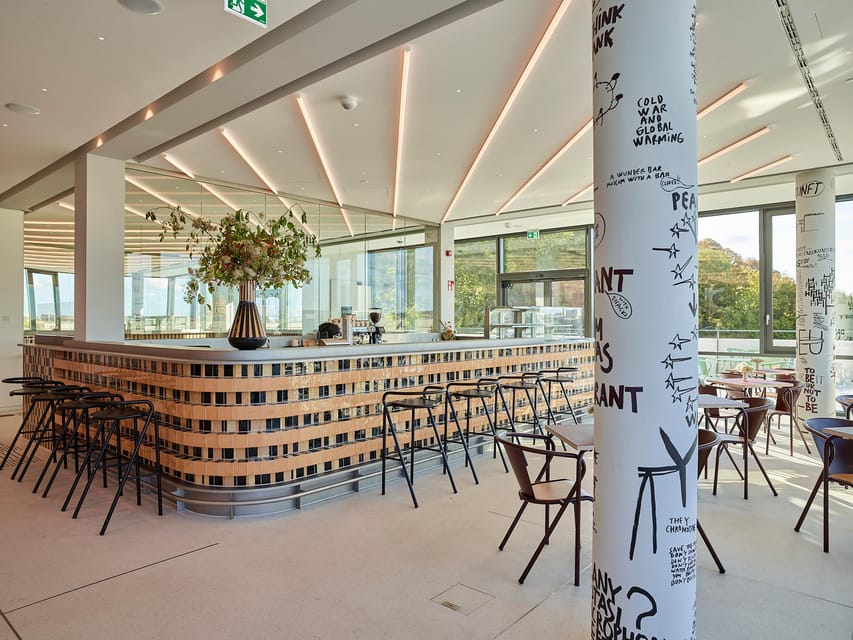
Café HEDWIG is a practical reason to place DAS MINSK into a relaxed Potsdam afternoon. It offers lunch, cakes, and coffee, so you can make the museum a complete stop rather than a quick gallery visit squeezed between larger sights.
The café also helps balance the serious tone of some of the art. After an exhibition dealing with political memory or power relations, a coffee and cake break gives you space to think without immediately rushing onward.
In summer, the building’s spacious terraces offer a good view over the city. This is one of the most appealing details for anyone who likes architecture and urban views as much as indoor displays. You can see the building from another angle and understand its original terrace design more clearly.
The terrace experience is seasonal, so do not book the museum solely for outdoor seating if you are visiting in colder weather. The café remains useful, but the wide city outlook is best treated as a warm-weather bonus.
The café received especially positive attention for its setting, so I would keep it in your plan even if you are not a dedicated art visitor. You can visit for the museum, then linger for refreshments, or use the café and view to make the building part of a broader Potsdam outing.
The toilets are gender-inclusive, a small but notable detail for visitors who value clear, welcoming facilities. The museum is also wheelchair accessible.
Is $11 good value for Potsdam?
At $11 per person, DAS MINSK is reasonably priced for a two-hour cultural stop. The value depends on how much time you give the exhibitions. If you rush through in 30 minutes, the admission will feel less worthwhile. If you spend time with the art, building, and café, the price is easier to justify.
You are paying for more than a single themed exhibition. The admission includes access to changing modern and contemporary shows, works from the Hasso Plattner Collection, and a building with its own architectural and urban story.
The price is also lower-risk than a full-day commitment. You can visit for a couple of hours, then continue to another Potsdam sight. That makes the museum a good choice when your schedule is already full but you want to understand a side of the city beyond its royal monuments.
The limitation is that the ticket does not include guided tours, workshops, or events. If those extras are important to you, the basic admission is only the starting point. For a self-guided art visit, though, the cost is fair.
The option to reserve now and pay later gives you some flexibility, and cancellation is allowed up to 24 hours before the visit for a full refund. That is useful when your Potsdam plans depend on weather or changing schedules.
Who will enjoy this museum most?
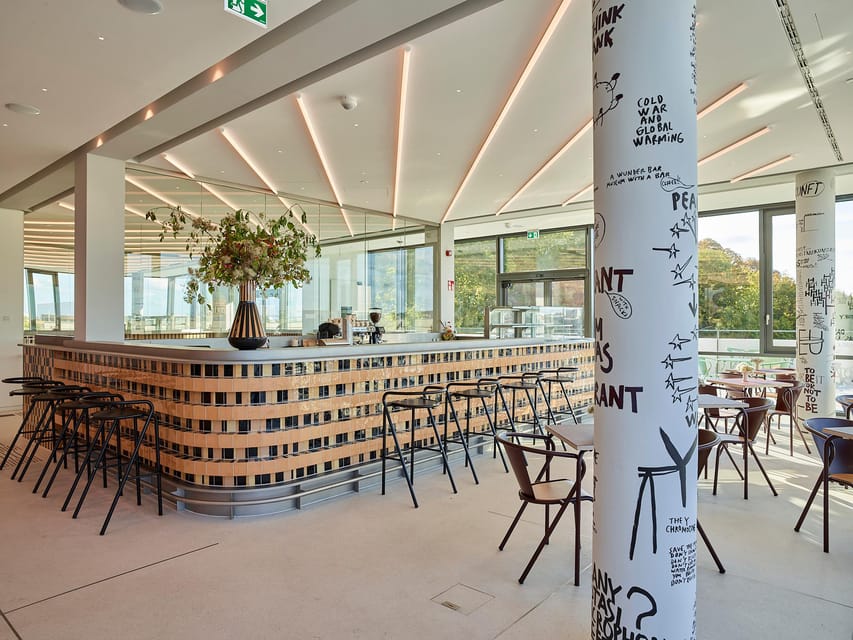
I would recommend DAS MINSK to visitors who enjoy modern architecture, contemporary art, German history, and exhibitions that connect design to politics. It is also a good choice if you have already seen Potsdam’s best-known royal sights and want a different angle on the city.
Students, design fans, and people interested in the former GDR should find plenty to think about. The combination of an original 1970s building and art from the former GDR gives the museum a focus that is hard to duplicate elsewhere.
Families may enjoy the building and café, but the tone of Soft Power can be serious. If you are bringing children, consider their interest in textiles, design, or visual art rather than expecting a hands-on attraction.
This is less suitable for someone seeking a quick list of famous paintings. It is also not ideal if you want a guide to explain every room, since tours are not part of the entry ticket. Ask about audio support when you arrive, especially if you want more background.
Because the displays change, repeat visitors have a reason to return. The museum’s basic setting remains familiar, but a new exhibition can alter how you understand the rooms and the building.
Practical advice for a smoother visit
Book enough time for the full two hours. The museum may be compact compared with a major national gallery, but the subjects call for thought rather than speed.
Check the current exhibition before you go. Soft Power is a spring presentation, and future shows may focus on different themes. Since the museum has changing exhibitions, the title and mood matter when deciding if it fits your day.
Ask about audio accompaniment at entry. One weak point is that the initial introduction may not be clear unless you request help. A short explanation can make the displays easier to follow, particularly if you are unfamiliar with GDR art.
Do not leave the café until you have checked the terrace view if the weather is good. The outdoor space is one of the museum’s best extras, and it helps you appreciate the building as an urban place rather than only an art venue.
Wheelchair access makes the museum suitable for visitors with mobility needs. Guided tours, events, and workshops are not included, so confirm separate arrangements if you want one of those formats.
Should you book DAS MINSK Kunsthaus?
Book it if you want a thoughtful two-hour stop that combines GDR architecture with modern art. The $11 price is fair, the café and summer terraces add real value, and the changing program gives the museum a clear reason to visit even if you are already familiar with Potsdam.
Skip it if your priority is only royal architecture, outdoor scenery, or light entertainment. Some of the art can feel gloomy, and the self-guided format requires you to bring a little patience.
My best advice is to pair the museum with a café break, allow the full two hours, and ask about audio support as soon as you arrive. That approach gives you the clearest view of what makes DAS MINSK worthwhile: a former public building, art from a complicated past, and a modern exhibition program that keeps asking new questions.
FAQ
Where is DAS MINSK Kunsthaus located?
DAS MINSK Kunsthaus is in Potsdam, in northern Germany.
How long should I plan for the visit?
The stated duration is about two hours. This gives you time for the exhibitions and the building, with the option to add time at Café HEDWIG.
What does the $11 ticket include?
The ticket includes entry to the exhibitions at DAS MINSK Kunsthaus.
Are guided tours, workshops, and events included?
No. Guided tours, events, and workshops are not included in the entry ticket.
Is DAS MINSK Kunsthaus wheelchair accessible?
Yes. The museum is wheelchair accessible.
Can I cancel the booking?
Yes. You can cancel up to 24 hours in advance for a full refund. You can also reserve now and pay later.
Just added around Berlin
- From Berlin: Gardens & Palaces of Potsdam Bike Tour★ 5.0 · 61 reviews
- Berlin: Battle for Seelow Heights WW2 tour -Clash of Titans★ 5.0 · 27 reviews
- From Berlin: Historical Gems of Potsdam Private Day Trip★ 4.4 · 4 reviews
- Berlin: Französischer Dom 360° Panorama & Crémant to go★ 3.9 · 5 reviews
- Explore Berlin Tour: History and Highlights★ 4.7 · 5 reviews
- Berlin: Evening Yacht Cruise with Aperitif & Dinner Upgrade★ 4.6 · 178 reviews
- Berlin: Expats in Berlin Comedy Show Ticket★ 4.7 · 182 reviews
- Berlin: The Epic Comedy Club Friday Night Showcase★ 4.8 · 28 reviews
Berlin Tours, compared.
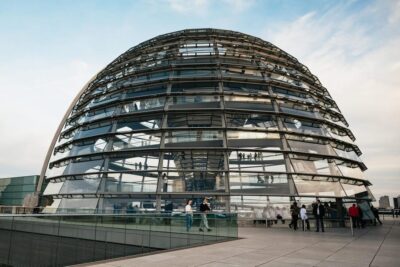
Reichstag, Dome and Government District Guided Tour
Read our review →
1-Hour City Tour by Boat with Guaranteed Seating
Read our review →
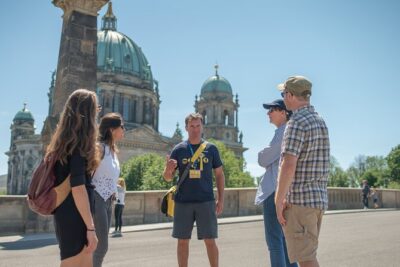
Reichstag, Plenary Chamber, Cupola & Government Tour
Read our review →