
Review · TRIER TOURS
Luxembourg to Trier: Tour of Germany’s Oldest City.
Trier gives you a rare two-country day out with very little travel fuss. In about an hour by train, you go from Luxembourg’s central station to Germany’s oldest city, where Roman monuments, medieval churches, and colorful market streets sit close together.
I like the mix of a guided two-hour walk and two hours to yourself. I also like that the round-trip train ticket is included, and that the small group is limited to 15 people. The main thing to consider is time: 330 minutes is enough for a strong introduction, but not enough for every museum and monument in Trier.
Key points
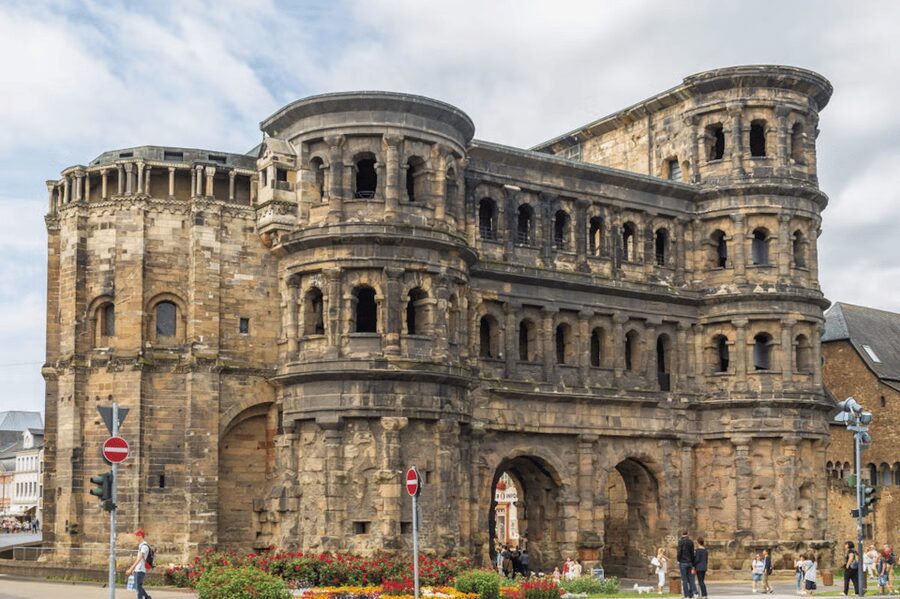
- Porta Nigra opens the tour: Start at Trier’s enormous Roman city gate and learn why its stone turned dark.
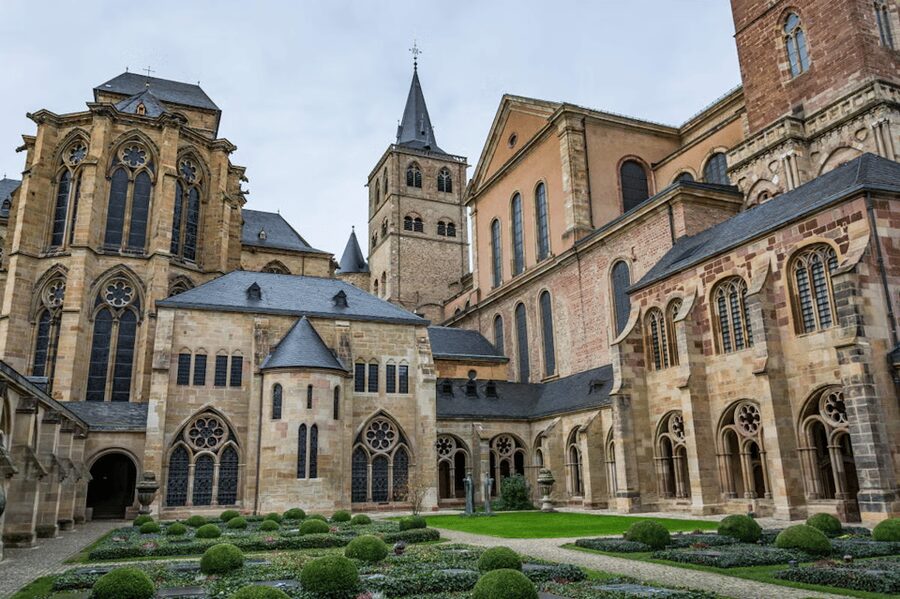
- Roman and Christian history meet: See the Basilica of Constantine and Trier Cathedral, with Roman walls, imperial connections, tombs, and altars.
- The train makes the border crossing easy: Your return ticket is included, so you avoid arranging a separate international day trip.
- Karl Marx House adds a modern chapter: The museum connects Trier’s old streets with the political ideas associated with Marx.
- Two hours are left for your own plans: Shop, pause at Market Square, visit another museum, or simply walk without a guide.
- Small groups and two languages: The tour is offered in English or Spanish, with no more than 15 people.
Why Trier makes a smart day trip from Luxembourg
Trier is close enough to visit without losing a full day to transport. The train from Luxembourg’s Gare Centrale takes about one hour, which gives you a simple change of country and a clear sense of place without hiring a car or working out a cross-border route yourself.
The appeal is the contrast. Luxembourg is polished and compact, while Trier puts Roman remains right beside later churches, town squares, and everyday city life. You are not visiting an isolated archaeological park. You are walking through a living city where the old stones still shape the streets.
At $129 per person, the cost is not bargain-basement, but the price includes the round-trip train and a guided tour of the main route. That matters most if you want historical context instead of simply taking photographs and moving on. If you already know Trier well and prefer to spend the whole day alone, you may find the price harder to justify.
A few more Germany half-days to weigh up
- Trier: Guided City Walk with Wine Tasting
★ 4.8 · 979 reviews - Trier: Guided Old Town Highlights and History Walking Tour
★ 4.7 · 687 reviews - Trier: Discovery Tour – Germany’s Oldest Wine Cellar
★ 4.7 · 218 reviews
Meeting at Luxembourg Gare Centrale
You meet at the entrance to Luxembourg’s central train station, next to the Oberweis café. This is a useful arrangement because the station is the natural starting point for the trip, and the café gives you a clear landmark.
Bring your passport or national identity card. You are crossing an international border, even though the journey is short. Pets are not allowed on the activity.
The train ride takes about one hour. Since the ticket is included, you do not need to buy separate outbound and return fares. The ride also protects you from one of the common problems with independent day trips: spending too much time handling transport instead of seeing the destination.
Porta Nigra, Trier’s dark Roman gateway
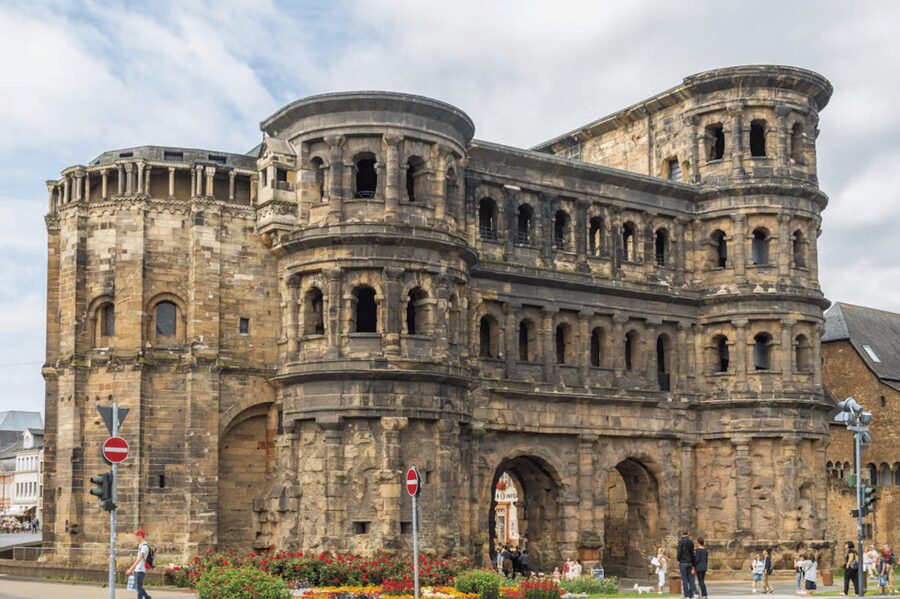
The walk begins at Porta Nigra, Trier’s most famous Roman monument. This huge city gate dates from the Roman period and is described as the largest Roman-style entrance in the world.
The name means Black Gate. The dark appearance comes from the way the stone has weathered over time, and the guide explains the reason as you approach the entrance. That small detail is exactly the sort of information that helps you see the building properly. Without it, you might simply think the color is original.
Allow about 30 minutes here with the guide. You will get the setting, the purpose of the gate, and the first clear sense of Trier as a Roman city. The stop is short, so you should not expect an exhaustive visit to every level or chamber. Think of it as a strong opening lesson and a chance to understand the scale of the monument.
The Basilica of Constantine and imperial Trier
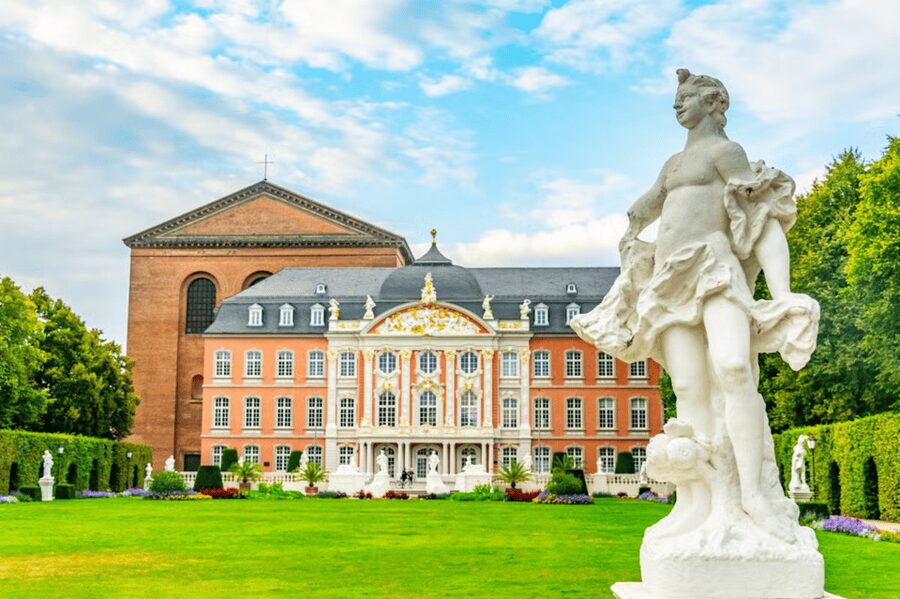
Next comes the Aula Palatina, better known as the Basilica of Constantine. The building was completed around the year 310, when Trier was tied closely to the Roman imperial world.
The long interior is especially striking because the apse once held the emperor’s throne. That gives the space a political weight that is easy to miss if you only see it as a large church-like hall. Its original purpose was connected to imperial power, not Christian worship.
The guided visit lasts about 25 minutes. That is enough to explain why the building matters and to point out its main features. It is not a full architectural study, so listen closely and ask questions while the group is there.
This is one of the tour’s best stops for understanding Trier’s Roman identity. Porta Nigra shows the city’s defenses and public face. The Basilica shows how important the city could be within the empire.
Same city, a completely different sort of afternoon:
- Berlin: Reichstag, Dome and Government District Guided Tour
★ 4.7 · 18,288 reviews - Berlin: 1-Hour City Tour by Boat with Guaranteed Seating
★ 4.3 · 16,993 reviews - Hamburg: Sex and Crime in St. Pauli Tour for Ages 18+
★ 4.7 · 15,447 reviews - Hamburg: 1.5-Hour Harbor and Speicherstadt Day Cruise
★ 4.6 · 14,200 reviews
Roman ruins beyond the city gate
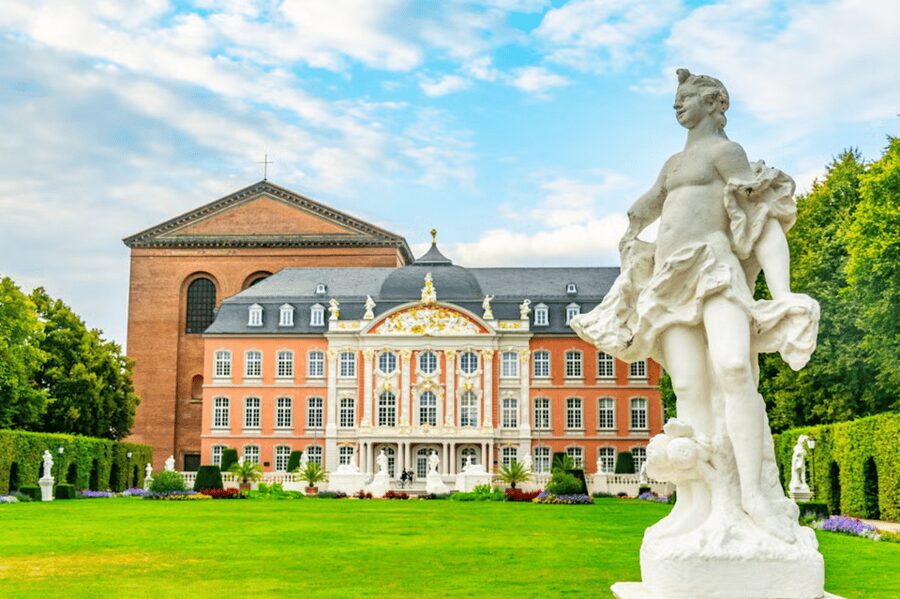
The route also introduces the Roman Amphitheater and the St. Barbara Roman Baths, both connected to Trier’s UNESCO World Heritage sites. These remains help fill out the picture of daily Roman life.
The amphitheater brings the public side of the city into view. The baths show how much space and planning went into Roman leisure and public facilities. You can understand Trier better when you see more than one grand monument. A gate and basilica tell you about power, but an amphitheater and bath complex hint at the routines of ordinary public life.
The published timing gives the clearest detail for Porta Nigra and the Basilica, while the overall description includes these Roman sites as part of the walking route. Because the visit is compact, the exact amount of time at each ruin may vary. If one of these sites matters most to you, ask the guide how much of it you will see before the walk moves on.
Karl Marx House and a change of subject
The tour then shifts from ancient Rome to modern political thought at Karl Marx House. The building dates from 1727 and now contains a museum about Marx, socialism, and communism.
This stop is useful because it prevents the day from becoming a procession of old stones. Trier is not only a Roman and ecclesiastical city. It is also the birthplace of one of the most influential political thinkers of the modern era.
You receive about 20 minutes of guided attention here. That is enough for an introduction, but probably not enough to read every display in detail. If the subject interests you, use part of your two-hour free period to return for a longer museum visit, assuming opening arrangements allow it. The tour gives you the background, then lets you decide how far to follow the subject.
Trier Cathedral and its layered interior
St. Peter’s Cathedral is another major stop, with about 20 minutes set aside for the guided visit. The cathedral is one of Trier’s key landmarks and contains altars, tombs, and original walls dating back to the 10th century.
The important point is that the cathedral is not a single-period building. Its interior carries several layers of Trier’s past, from early Christian and Roman connections to medieval construction and later additions. The guide can help you notice those changes rather than seeing the space as one enormous, solemn room.
The cathedral also has a mysterious guardian below, according to the tour description. Keep an eye out if the route takes you downstairs. With only 20 minutes here, you may need to move at a steady pace, and the stop is better for orientation than quiet, unhurried study.
For many people, this will be the emotional center of the walk. Porta Nigra is the most immediately recognizable monument, but the cathedral shows how Trier continued to matter long after the Roman period.
Market Square and two hours of freedom
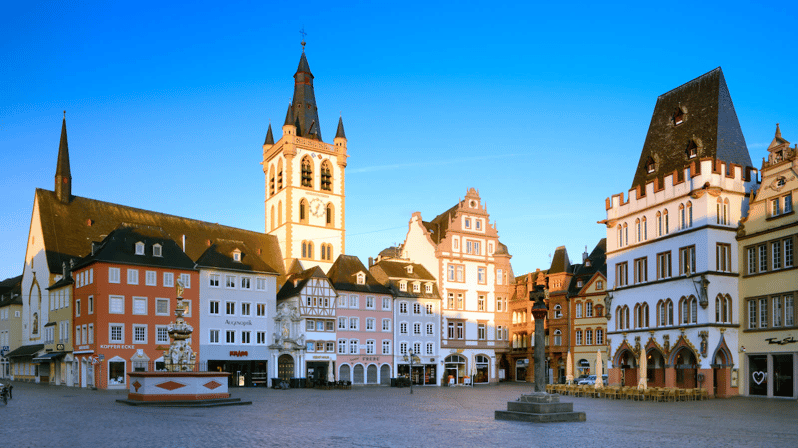
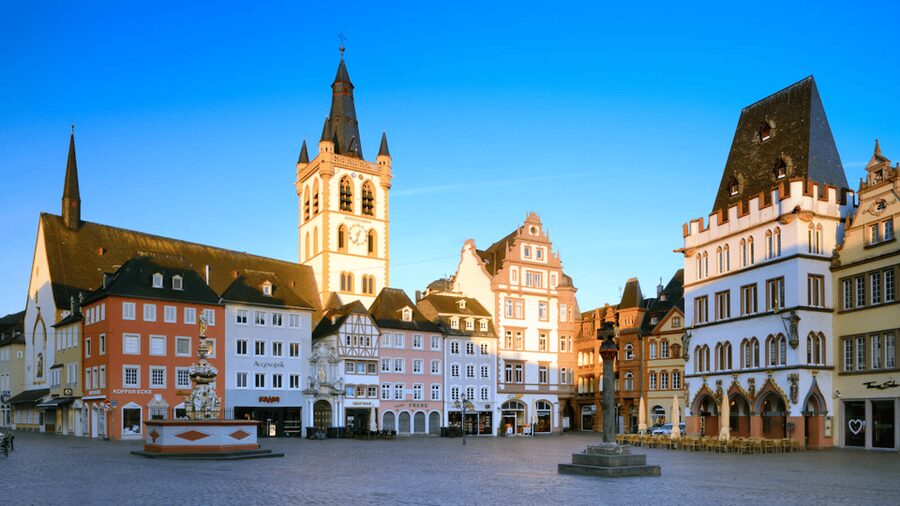
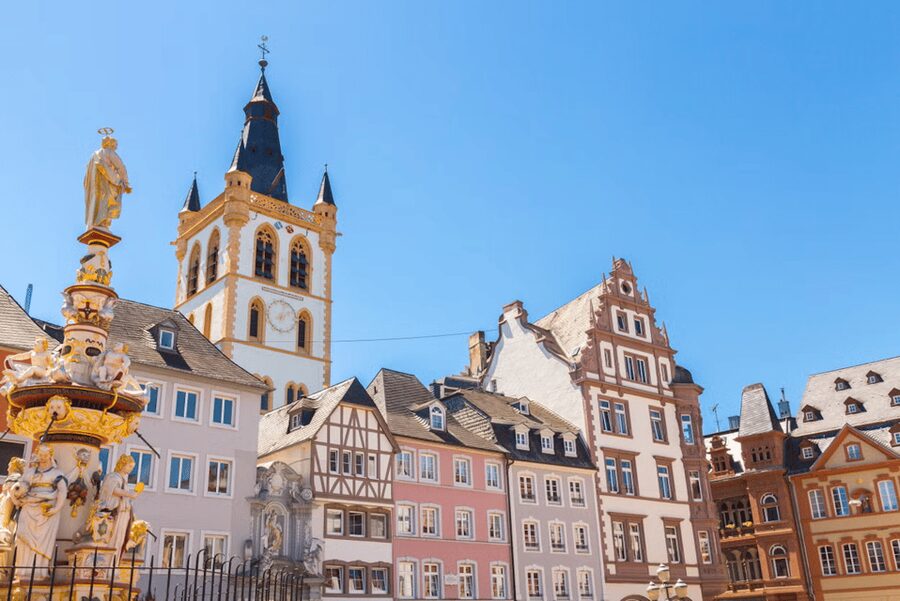
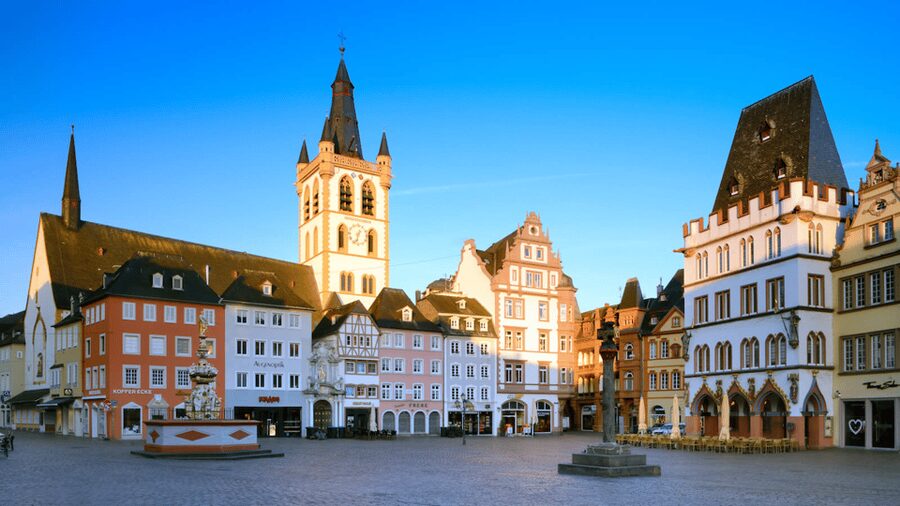
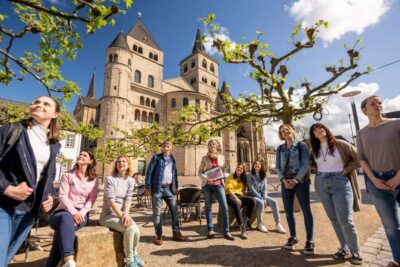
The guided portion ends around Market Square, one of the most pleasant places to pause in central Trier. Colorful façades surround the square, while flower and fruit stalls add everyday activity. The St. Peter Fountain provides a natural photo stop.
You then have two hours to explore on your own. This free period is a major strength because it gives you room to set your own pace after the structured walk.
You could use the time to:
- Return to a monument that received only a short explanation.
- Spend longer at Karl Marx House.
- Sit near the market and have a drink or meal.
- Walk through the old town without keeping up with a group.
- Take photographs of the façades, fountain, and cathedral area.
- Browse museums or shops that interest you.
The free time also makes the tour less tiring than a full-day guided schedule. You are not listening continuously from arrival to departure. After two hours with the guide, you can choose a slower afternoon.
The limitation is that two hours can disappear quickly. If you want a long museum visit, a relaxed meal, and extra sightseeing, you will need to choose carefully. Trier offers more than this route can cover in a short day.
What the guides add
This experience depends heavily on the guide because the walk covers several periods and subjects in a short space. Guides such as Anna and Paulina have led the tour in English and Spanish. Anna is described as warm and informative, while Paulina brings a clear historian’s approach and willingly shares her understanding of the city.
Those qualities matter here. Trier’s monuments are impressive, but the connections between them are not always obvious. A good explanation links the Roman gate to the basilica, the basilica to imperial power, the cathedral to later religious life, and Karl Marx House to the city’s modern identity.
The group limit of 15 people is another practical advantage. It is small enough for questions and easier movement through the streets than a large coach group. It does not guarantee a private-feeling walk, but it should make the experience more personal than a mass tour.
The guide language is either English or Spanish. Confirm the language you need when booking, especially if you are planning around a particular departure.
Timing, comfort, and what to bring
The full activity lasts 330 minutes, or five and a half hours. That includes the train ride, the guided sightseeing, free time in Trier, and the return trip to Luxembourg.
You should expect a day built around walking and city exploration. The supplied schedule gives short guided stops of about 20 to 30 minutes, followed by a longer independent period. Wear comfortable shoes and keep your passport or ID card easy to reach.
The timetable is compact enough for a half-day style visit, but it leaves little room for delays. You should not plan another fixed appointment immediately after returning to Luxembourg. The train makes the route manageable, yet international day trips always work best when you leave some breathing room.
Free cancellation is available up to 24 hours before departure for a full refund. You can also reserve and pay later, which is useful if your Luxembourg plans are not settled yet.
Who should book this Trier trip
I would choose this tour if you are staying in Luxembourg and want a simple first look at Trier without planning train tickets, monuments, and city directions yourself. It suits history-minded visitors who want Roman sites, a major cathedral, and a modern museum in one outing.
It is also a good fit if you like a balance of explanation and independence. The guide handles the orientation, while the two-hour break lets you eat, browse, or revisit a subject that caught your attention.
Families and mixed-interest groups may appreciate the range of stops. Roman ruins can appeal to one person, Karl Marx House to another, and Market Square to everyone who needs a pause.
I would think twice if your priority is a slow, detailed museum day. The guided visits are brief, and the overall schedule is fixed. Independent visitors who are comfortable with German trains and city maps may prefer to arrange their own visit and spend more time at fewer sites.
Should you book it?
Book this trip if you want efficient transport, strong historical orientation, and free time in the center of Trier. The included train ticket and small group make the $129 price easier to defend, particularly for a first visit from Luxembourg.
Skip it if you already know Trier or want to study its museums at length. For most first-time visitors, though, this is a sensible way to cross the border, see the city’s biggest Roman and religious landmarks, hear useful context from guides such as Anna or Paulina, and still have two hours to make the afternoon your own.
FAQ
Where does the tour begin?
You meet at the entrance to Luxembourg’s Gare Centrale, next to the Oberweis café.
How long does the train ride to Trier take?
The train journey from Luxembourg to Trier takes about one hour.
Is the return train ticket included?
Yes. The activity includes a round-trip train ticket.
How long does the entire experience last?
The stated duration is 330 minutes, or five and a half hours.
What languages are available?
The live guide is available in English or Spanish.
How large is the group?
The tour is limited to 15 participants.
What identification should I bring?
Bring your passport or identity card because the tour crosses from Luxembourg into Germany.
Are pets allowed?
No. Pets are not allowed on this activity.
Can I cancel for a refund?
Yes. You can cancel up to 24 hours in advance for a full refund. You can also reserve now and pay later.
Just added around Germany
- Konstanz Scavenger Hunt and Sights Self-Guided Tour★ 4.5 · 14 reviews
- e-Scavenger hunt Koblenz: Explore the city at your own pace★ 4.0 · 20 reviews
- Private city tour in Constance★ 4.0 · 5 reviews
- Koblenz Guided tour of the Ehrenbreitstein Fortress★ 4.5 · 7 reviews
- Koblenz – Old Town with the Ehrenbreitstein Fortress★ 4.0 · 7 reviews
- Koblenz – Old Town including the Deutsches Eck★ 4.5 · 16 reviews
- Kiel – Private Historic Walking Tour★ 5.0 · 4 reviews
- Lubeck Private Walking Tour With A Professional Guide★ 4.5 · 10 reviews
Trier Tours, compared.
Guided Old Town Highlights and History Walking Tour
Read our review →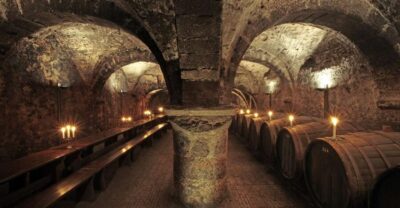
Browse the lists this tour appears in