

Review · BREMEN TOURS
Bremen: Historic old town tour with Geo Epoche
Bremen’s old town is more than handsome squares and brick facades. This two-hour walk uses real places to explain how a small settlement near a wooden church became a powerful Hanseatic trading city, then follows the rebellious streak that shaped Bremen’s politics and streets.
I like the focus on specific people and turning points, especially the merchants’ fight with the medieval archbishop and the grim story of poisoner Gesche Gottfried. I also like the brochure, which gives you something to keep after the walk. The main concern is consistency: feedback ranges from highly positive to reports of a monotone or unprepared guide, and one group found no guide at all.
Key points at a glance
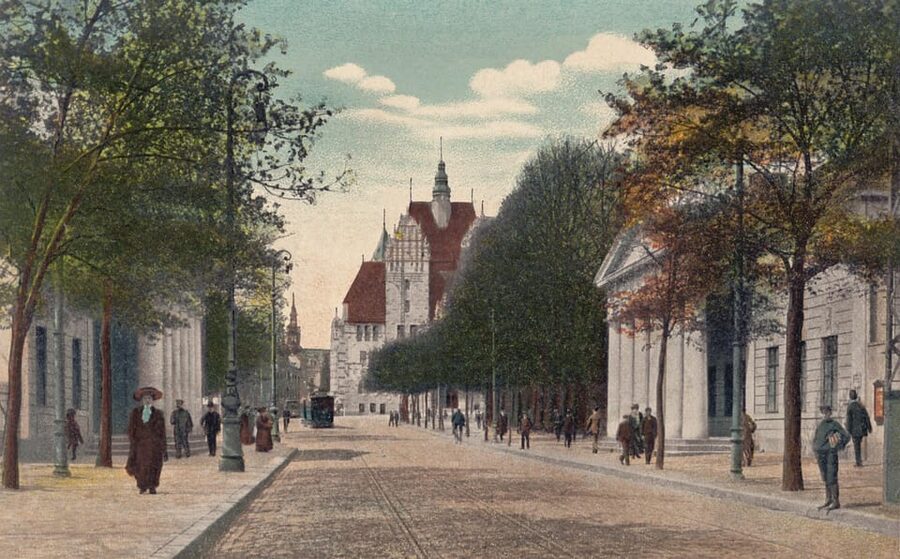
- Meet beside Bremen Cathedral: The tour begins at the Bismarck monument in front of St. Peter’s Cathedral on Domshof.
- Follow Bremen’s rise: You trace the change from a modest settlement to a major Hanseatic trading city.
- Connect history to real streets: The walk uses locations tied to medieval conflict, Böttcherstraße, and later civic movements.
- Hear about striking figures: The tour includes the merchants, archbishop, and poisoner Gesche Gottfried.
- Plan for German only: The live guide speaks German, with some content presented in its original language.
- Expect an outdoor walk: Comfortable shoes, weather-ready clothing, and a water bottle matter because the tour runs in all weather.
A two-hour walk through Bremen’s turning points
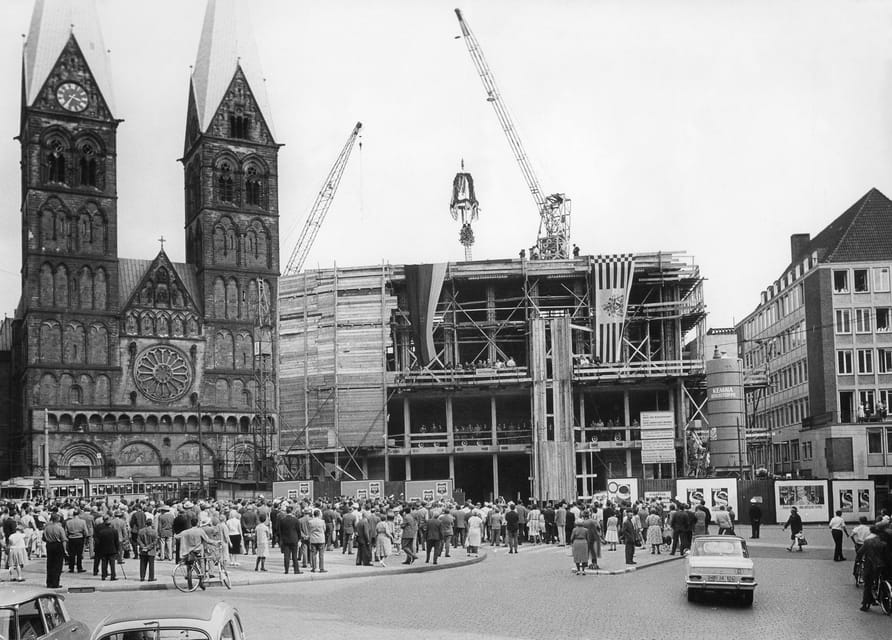
This is a history walk rather than a general orientation tour. You are not simply shown a row of pretty buildings and given dates. The central idea is that Bremen’s identity grew from arguments over power, trade, religion, and civic freedom.
The tour asks how a small settlement around a wooden church developed into a proud Hanseatic city. That question gives the walk a clear thread. You follow Bremen as merchants gained influence, challenged the archbishop, and helped shape a city where citizens expected a voice.
That approach suits you if you like history tied to place. Instead of hearing that Bremen was important during the Middle Ages and moving on, you look at the locations where power was exercised and contested. The details are selected rather than exhaustive, so this is a focused two-hour introduction, not a full survey of every century.
The guide leads in German, and the material is aimed at people who can follow a spoken historical explanation. Some material is shown in its original language, so you should not book this walk expecting an English translation or multilingual commentary.
More old town walks in Bremen:
- Bremen: Old Town Tour with Costumed Performer & Tour Guide
★ 4.3 · 257 reviews - Bremen: Outdoor Escape Game in the Old Town
★ 4.4 · 41 reviews - Dresden: Semperoper and Old Town Tour
★ 4.8 · 5,735 reviews
Starting at the Bismarck monument and St. Peter’s Cathedral
The meeting point is the Bismarck monument in front of St. Peter’s Cathedral, at Domshof 1. This is a practical place to begin because the cathedral and surrounding square put Bremen’s religious and civic power in the same frame.
You can use the cathedral as your first clue to the city’s past. Bremen did not grow only through merchants and shipping. Church authority mattered greatly, and the tour examines the struggle between the city’s merchants and the powerful archbishop during the Middle Ages.
The meeting point is listed near the Dormsheide bus stop. Check the exact starting time when you book, since the activity lasts two hours and departure times vary by availability.
Arrive with enough time to find the monument. A large city square can feel confusing when you are watching the clock, especially if you have just arrived in Bremen. The booking details identify the Bismarck monument, not simply the cathedral, so use that more precise landmark.
How a small settlement became a Hanseatic power
The most useful part of the tour is the explanation of Bremen’s rise. You begin with the modest settlement around a wooden church, then follow the changes that turned it into a trading metropolis.
The Hanseatic connection matters because it explains why Bremen became more than a local religious center. Trade brought money, influence, and contact with other northern European cities. It also created tension. Merchants wanted room to run civic affairs, while older authorities, including the archbishop, held religious and political power.
I like this part because it gives you a reason to look at Bremen’s old town differently. Streets and squares are not just backdrops. They reflect who controlled commerce, who collected authority, and how citizens pushed back when those interests collided.
The tour’s theme of resistance continues beyond the Middle Ages. Bremen is presented as a city with a rebellious side beneath its respectable bourgeois appearance. The examples reach from medieval uprisings to citizens’ initiatives in more recent times.
Do not expect a long list of Hanseatic ports or a detailed account of every trade route. The value here is the connection between Bremen’s economic strength and its political character. If you want a specialist lecture on the Hanseatic League, you may find the treatment too selective. If you want a clear explanation of why Bremen developed its particular civic identity, the focus is useful.
Böttcherstraße and the city’s more unusual character
Böttcherstraße is one of the named highlights, and its inclusion adds a different mood to the walk. The street is associated with a distinctive vision of Bremen and offers a chance to discuss how the city’s past was interpreted and reshaped.
The tour asks how Böttcherstraße came about, rather than treating it as a quick photo stop. That question is worthwhile because streets can tell you as much about later ideas of history as they do about the Middle Ages. You may hear how Bremen’s image was deliberately formed and why this narrow passage became such a notable part of the old town.
The supplied details do not give a precise stop-by-stop route or promise entry into particular buildings. Plan on an exterior walking experience. The emphasis is on stories told at the places connected with them, not on museum admission or interior visits.
Böttcherstraße also helps break up the political story. After hearing about merchants, archbishops, and civic struggles, you get a more visual look at the way Bremen presents itself. I would keep your attention on the explanation rather than rushing ahead for photographs. The point is not only what the street looks like, but what its creation says about the city’s ideas of tradition and identity.
More history-led days in Bremen:
- Bremen: Walking Tour of Historic Schnoor District
★ 4.8 · 429 reviews - Leipzig: City History Canal Sightseeing Tour on a Motorboat
★ 4.7 · 6,232 reviews - Berlin: Natural History Museum Entrance Ticket
★ 4.6 · 3,382 reviews - Leipzig: 1.5-Hour Historical Walking Tour in German
★ 4.7 · 2,217 reviews
The disturbing story of Gesche Gottfried
The tour includes Gesche Gottfried, a Bremen poisoner whose story gives the walk a darker edge. Her name is not included as a casual bit of local gossip. It is part of the tour’s larger aim: to introduce the people who shaped, or scarred, Bremen’s past.
This section will appeal to you if you prefer history with human drama. A city’s story is not only made by rulers and merchants. It also includes crimes, public fear, and the way later generations remember them.
The available information does not specify every detail of the case or the exact location used during the explanation. That is worth keeping in mind if you are hoping for a full crime-history tour. Here, Gottfried’s story is one episode within a wider walk through Bremen’s political and social past.
The subject may not suit young children or anyone looking for a light sightseeing stroll. The tour covers conflict, rebellion, and a notorious poisoning case. Its tone is historical, but the material is not purely cheerful.
What the guide can add to the streets
A good guide is especially important on this kind of tour. The buildings alone cannot explain the contest between merchants and archbishop, the causes of civic unrest, or the meaning of Böttcherstraße. The guide has to link those subjects without losing you in names and dates.
The best response recorded for the experience praised a top guide during heavy rain, when the group was very small. That detail matters. A small group can make it easier to hear, ask questions, and keep the walking pace comfortable.
Other feedback points to uneven delivery. One participant found the guide too monotone, while another described the tour as somewhat uncoordinated and the guide as unprepared. A city demonstration also created enough noise to interfere with the walk. These issues may be occasional, but they are relevant when you are paying for a history-focused experience.
One serious problem was also reported: a guide did not appear for one scheduled departure. Because of that, I would keep your booking confirmation and meeting details handy, and allow time to contact the provider if the guide is not at the Bismarck monument. The activity offers free cancellation up to 24 hours before the start, with a full refund, which gives you some flexibility before the day arrives.
A practical look at pace, weather, and access
The duration is two hours. That is long enough for a meaningful old-town story without taking over your entire day. You can pair it with your own sightseeing before or afterward, but leave room for the walking pace and any pauses at historical locations.
Wear comfortable shoes. The tour is outdoors and takes place in all weather, so rain can change the experience quickly. A reusable water bottle is also recommended. Comfortable clothes are more than a packing suggestion here, since you may be outside for the full two hours.
There is no hotel pickup or arrival service. You make your own way to the cathedral area, and meals and drinks are not included. Pets are not allowed.
The tour is not suitable for people with mobility impairments. The information provided does not describe the route in enough detail to assess individual access needs, so contact the provider before booking if walking or standing for two hours may be difficult.
Is $29 a fair price?
At $29 per person, this walk sits in a reasonable range for a two-hour guided city experience, provided the guide delivers the promised historical context. You are paying for a live guide, a planned route, and a brochure, not for transportation, food, or entry to attractions.
The value depends heavily on your interest in interpretation. If you would happily walk from the cathedral to Böttcherstraße with a guidebook, you may decide to save the money. One piece of feedback made exactly that point after finding the organization weak and the information limited.
If the guide is prepared and engaging, the price makes more sense. You get a focused explanation of Bremen’s development, a set of historical characters, and a way to connect the old town’s appearance with its political past. A small group, such as the one reported during a rainy June tour, can add value because the guide’s attention is less divided.
The overall rating is 3.3 from five ratings, with scores ranging from one to five. That small sample does not give you a firm prediction, but it does signal that guide quality can make or break the experience. I would book it for the subject matter, while keeping expectations realistic about consistency.
Who will get the most from this Bremen walk?
I would choose this tour if you:
- Want a short introduction to Bremen before exploring alone
- Enjoy medieval trade, civic power, and local political stories
- Prefer a guide to connect buildings with events
- Can follow a two-hour tour in German
- Do not mind walking outdoors in uncertain weather
- Like unusual local figures, including the story of Gesche Gottfried
I would look elsewhere if you need English commentary, guaranteed accessibility, a relaxed photo walk, or a polished tour with no risk of uneven guiding. The German-only format is the clearest limitation for international visitors.
It may also be a poor fit if you want extensive interior visits. The experience is described as a journey through selected episodes at the places where events took place, so the focus is on streets, squares, and explanation.
Before you book, know these details
The meeting point is the Bismarck monument in front of St. Peter’s Cathedral, Domshof 1, 28195 Bremen. The nearby bus stop is Dormsheide.
The tour is conducted in German. Some material is shown in its original language, and no other guide language is listed.
You should bring comfortable shoes, comfortable clothing, and a reusable water bottle. The tour runs in all weather, so a rain layer is sensible even though weather-specific equipment is not listed.
The price is $29 per person. A guide and brochure are included, while meals, drinks, hotel pickup, and gratuity are not.
You can cancel up to 24 hours before the start for a full refund, and the reserve-now, pay-later option lets you hold a place without paying immediately.
Should you book this Bremen old town tour?
Book it if you want Bremen explained through its struggles and characters rather than presented as a set of postcard views. The Hanseatic rise, the conflict with the archbishop, Böttcherstraße, and Gesche Gottfried give the walk a clear personality.
I would be more cautious if your schedule is tight or you require dependable, polished guiding. The mixed feedback includes a very positive small-group experience in the rain, but also complaints about monotone delivery, poor preparation, disruption from a demonstration, and one missed departure.
My call: this is a worthwhile choice for German-speaking visitors who value local history and can accept some uncertainty in delivery. For everyone else, especially those needing English or step-free access, the limitations are strong enough to choose another old-town option.
FAQ
Where does the Bremen old town tour meet?
It meets at the Bismarck monument in front of St. Peter’s Cathedral, at Domshof 1, 28195 Bremen. The nearby bus stop is Dormsheide.
How long does the tour last?
The tour lasts two hours.
What language is the tour in?
The live tour guide speaks German. Some content is shown in its original language.
What does the price include?
The $29 price includes the tour guide and a brochure.
Are meals and drinks included?
No. Drinks and meals are not included.
Is hotel pickup provided?
No. Arrival at the meeting point and hotel pickup are not included.
What should I bring?
Bring comfortable shoes, comfortable clothing, and a reusable water bottle.
Does the tour run in bad weather?
Yes. The tour takes place in all weather.
Are pets allowed?
No. Pets are not allowed.
Can I cancel the booking?
Yes. You can cancel up to 24 hours in advance for a full refund.
Is the tour suitable for people with mobility impairments?
No. The tour is listed as unsuitable for people with mobility impairments.
Just added around Bremen
- Bremerhaven: Fish Bite Guided Walking Tour★ 4.8 · 13 reviews
- Bremen: Public Tour of the Town Hall in English★ 4.6 · 207 reviews
- Bremerhaven: Sailor’s yarn, legends and sea walking tour★ 4.7 · 33 reviews
- Bremen: Übersee Museum Entrance Ticket★ 4.3 · 59 reviews
- Bremen Schwachhausen: Crime Mystery Tour★ 3.6 · 4 reviews
- Bremen Tour: Full-Day Canoe Rental on the Wümme River★ 4.8 · 4 reviews
- Bremen: Night Watchman Guided Tour for Children (in German)★ 4.7 · 77 reviews
- Bremen: Full-Day Kayak Rental on the Wümme River★ 4.8 · 14 reviews
Bremen Tours, compared.

Bremerhaven: German Emigration Center Entrance Ticket
Read our review →

Browse the lists this tour appears in