
Review · BREMEN TOURS
Bremerhaven: German Emigration Center Entrance Ticket
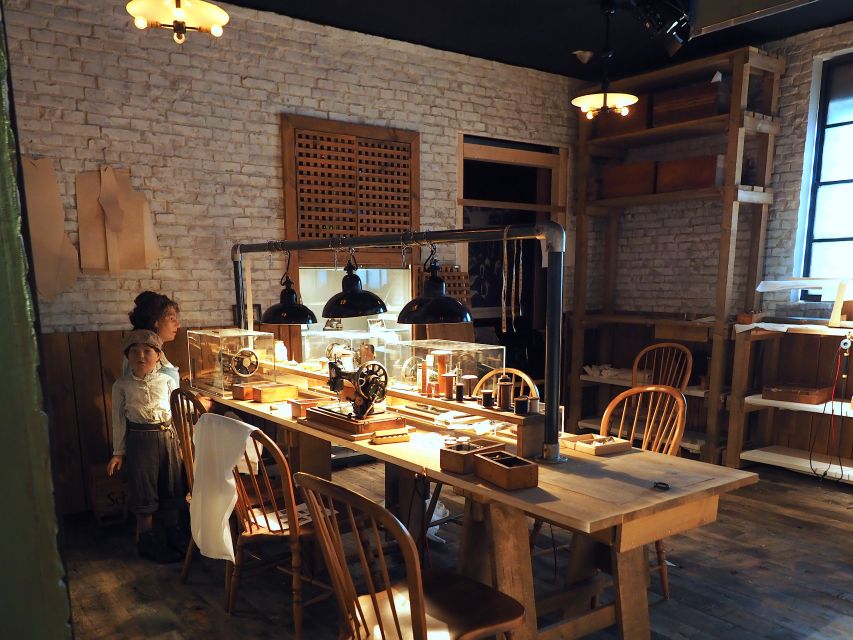
The German Emigration Center turns a museum visit into a personal journey. Your electronic iCard gives you the story of one emigrant, then activates audio stations and displays as you follow that person from a farewell at the quay to shipboard life, Ellis Island, and New York. The result is history you can hear, see, and act out, not just read on a wall.
I like two things in particular: the chance to trace your own family through the museum’s free Family Research room, and the way the exhibits make large migration numbers feel personal. The main consideration is time. You should arrive at least two hours before closing, and the narrow lower decks of the old ships can require careful wheelchair maneuvering.
Key things to know before you go

- Your iCard follows one emigrant: Choose an individual story and use the electronic card to activate audio points and interactive displays throughout the museum.
- The route covers 300 years: The exhibits explain both emigration from Europe and immigration into the New World.
- Shipboard scenes are central: You pass through settings from several eras of passenger travel, including the ocean liner Columbus in 1929.
- Ellis Island becomes part of the story: The route includes an immigration test, an entry permit, and the move onward to Grand Central in New York.
- Family research costs nothing extra: A trained assistant can help you search for emigrated ancestors in the dedicated research room.
- Plan several hours, not a quick stop: The ticket is valid for one day, but you need to reach the museum at least two hours before closing.
Starting at Columbusstraße 65 in Bremerhaven

Your visit begins at the main entrance at Columbusstraße 65. The attraction is in Bremerhaven, in the German state of Bremen, and this ticket covers admission rather than food, drinks, transport, or a guided tour with a named guide.
The museum works best when you treat it as a self-guided experience. Your electronic boarding pass, called an iCard, is the key. It carries the account of one person who left Europe for the New World and activates parts of the exhibition as you move through it.
That personal thread matters. Migration can become an abstract subject when reduced to dates and totals. Here, you follow a single person through decisions, farewells, travel, official checks, and the uncertain first steps in a new country. The individual story gives you a human scale before the museum widens the view to millions of people.
The ticket costs about $23 per person. That is fair value if you spend much of the day here, especially since the admission includes the interactive route and access to the Family Research room. It is less compelling if you only have time for a brief visit, so check the museum’s closing time before booking and arrive early enough to see the full exhibition.
A few more Bremen half-days to weigh up
- Bremen: Walking Tour in German with Night Guard
★ 4.7 · 2,922 reviews - Bremen: City Center Guided Walking Tour
★ 4.5 · 2,709 reviews - Bremen: Underground Guided Tour
★ 4.1 · 1,408 reviews
The quay and the emotional departure
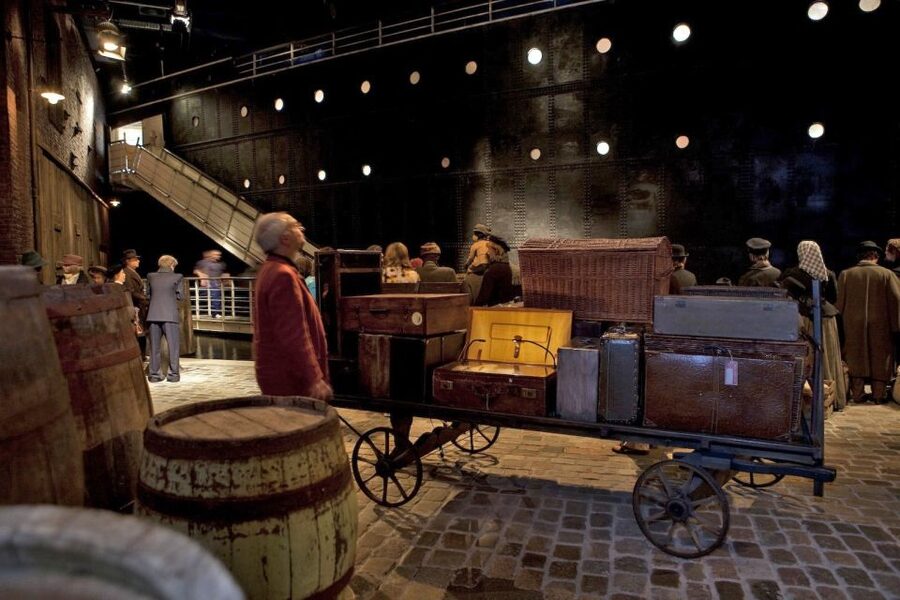
The first major section places you at the port, where European emigrants said goodbye before leaving for an unknown future. This is an important opening because the museum does not begin with a ship schedule or a list of immigration laws. It begins with the human cost of leaving home.
You meet emigrants from different European countries and follow the emotions of departure. The setting helps you picture the port as a place of hope, fear, family separation, and practical planning. Millions passed through Bremerhaven on their way to the New World, but the port was never just a number on a map. It was the last familiar point before a very long journey.
Use your iCard as you go. Audio stations and interactive displays add detail to the person whose story you are following. I like this approach because it gives you a reason to pay attention to the small details rather than trying to absorb every panel in order.
This section may be especially effective for families. Children can follow the card-based route and listen for each new part of the story, while adults can connect it with family movement, work, war, poverty, or hopes for a better life. The tone is serious, but the interactive format keeps the visit from feeling like a silent history lecture.
Three eras of passenger travel aboard ship

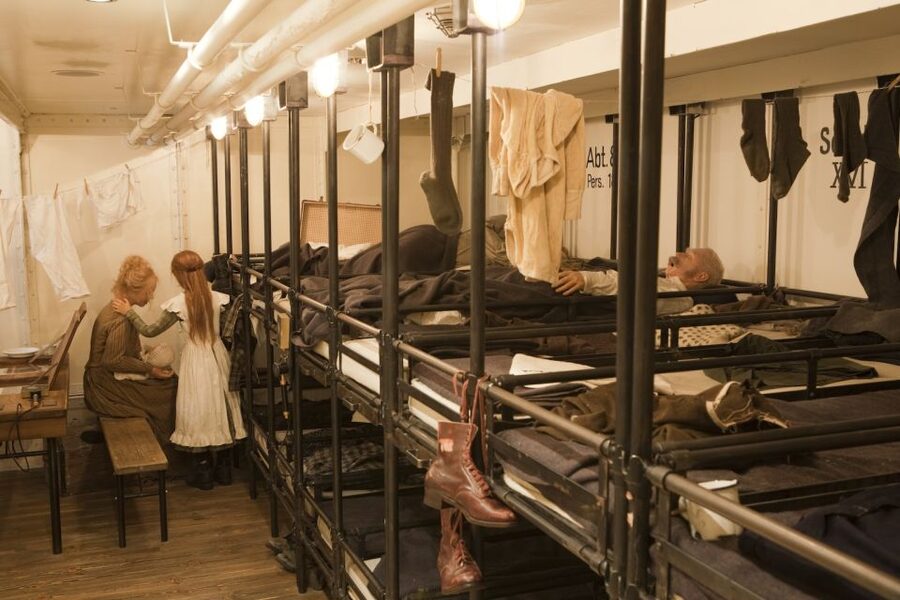
From the quay, the route takes you aboard ships representing three eras of passenger shipping. One featured example is the ocean liner Columbus in 1929. The ship sections let you see how the journey changed over time and what passengers faced once they left the port.
The appeal here is physical. You are not only reading that the crossing was difficult or crowded. You move through shipboard settings and get a sense of the limited space available to people traveling below the luxurious areas associated with ocean liners.
That physical design also creates the visit’s main accessibility concern. The lower decks of the old emigrant ships are tight, and a wheelchair user may need to maneuver carefully. The museum is wheelchair accessible, but the narrow passages can still require skill and patience. If this applies to you, allow extra time and expect some sections to feel cramped.
The ship scenes also make a useful point about class and comfort without requiring you to know much in advance. Passenger travel was not one shared experience. Conditions varied according to the era, the ship, and the passenger’s position aboard it. The museum’s three periods help you compare those changes as you proceed.
Take your time here. The museum is not designed as a fast walk-through attraction. The ticket is valid for one day, and the best value comes from listening to the iCard story, stopping at the audio points, and giving the ship sections room to work on you.
Ellis Island and the immigration test
After the sea crossing, the story moves to the immigration station on Ellis Island. This is where the emotional journey meets official procedure. You face an immigration test at the legal desk and receive an entry permit before continuing.
The staging shows that arrival did not mean immediate freedom to begin a new life. Newcomers still had to meet legal requirements and answer questions. The museum uses the process to explain how immigration decisions shaped the lives of people who had already endured the difficult voyage.
This part should appeal to anyone interested in family history. If an ancestor entered the United States through Ellis Island or another immigration station, the paperwork and inspection process may be as important as the ship itself. A family story about arriving in America often leaves out this moment of uncertainty, but the museum puts it near the center of the route.
The iCard keeps this section connected to the person you met at the quay. You can see how an individual story fits into a larger system of immigration rules and movement. That balance between personal experience and public policy is one of the museum’s strongest features.
Same city, a completely different sort of afternoon:
- Bremen: 3-Hour Beck’s Brewery Tour
★ 4.6 · 1,091 reviews - Bremen: Walking Tour of Historic Schnoor District
★ 4.8 · 429 reviews - Bremerhaven: Harbor Bus Tour
★ 4.8 · 418 reviews - Bremen: Universum Science Center Entrance Ticket
★ 4.6 · 324 reviews
Grand Central and life in New York
Once you have your entry permit, the route continues to Grand Central in New York. This marks the shift from getting into the country to trying to build a life there.
The New York section helps you think beyond the port of arrival. Emigrants needed work, housing, community, and a way to manage unfamiliar customs and language. The museum places these questions within the wider story of life in the New World.
I appreciate this change of focus. Many migration exhibits stop at the border, as if arrival completes the story. Here, arrival is only a turning point. You continue into exhibition halls that examine the forces behind migration and the realities faced after departure.
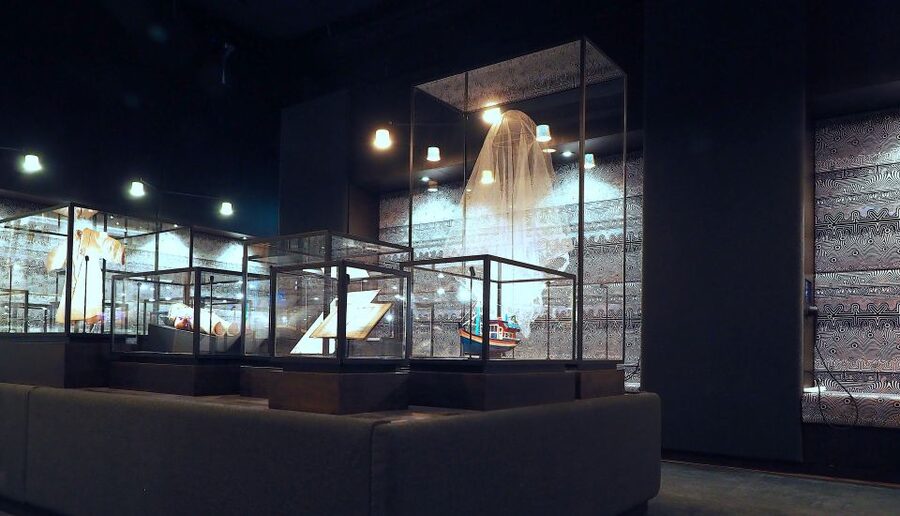
The museum also connects historic movement with immigration and emigration across roughly 300 years. You are not limited to one ship, one nationality, or one decade. The collection covers 19th and 20th-century migration within a broader account of how people moved between Europe and the New World.
Do not rush through the later halls just because you have completed the dramatic ship section. The port and ship settings may be the most memorable, but the later displays explain why people left and what happened afterward. Those sections give the visit its wider meaning.
Searching for your own family at no extra charge
The Family Research room is one of the best reasons to plan more time than the basic museum route requires. After you have followed the general migration process, you can search for ancestors who emigrated from Europe.
This service is free with the museum visit, and a trained assistant is available to guide you. That help matters because family research can quickly become confusing. Names may appear in different forms, dates may be uncertain, and several people can share the same surname.
You should arrive with as much information as you already have, such as a full name, a birthplace, an approximate departure date, or the name of a destination. The supplied details do not promise that every search will produce a result, so treat this as a useful starting point rather than a guaranteed family discovery.
Give yourself enough time for the research room. One practical issue is that the computer stations can be occupied, especially when the museum is busy. If the research room is a major reason for your visit, do not leave it until the final minutes before closing.
Even without finding a specific ancestor, the research service adds value. It shows you how personal records connect to the larger patterns presented throughout the museum. You may leave with better questions, a clearer family timeline, or a stronger idea of where to continue searching.
How long should you allow?
The ticket is valid for one day, but the museum does not publish a fixed tour length in the information provided. In practical terms, I would set aside several hours if you want to use the iCard properly, listen at the audio stations, read the exhibition material, and try the Family Research room.
You must arrive at least two hours before closing to have enough time for the exhibition. That is a firm planning tip, not a suggestion for squeezing in a last-minute visit.
A short visit can still give you the main sequence: quay, ship, Ellis Island, and New York. But you will miss some of the museum’s value if you rush. The stories are layered, and the research room needs time of its own.
Because the ticket is valid for the day, check the available starting times and the museum’s closing schedule before you set out. The experience ends back at the main meeting point, so you do not need to arrange a separate finish location.
Who will appreciate this museum most?
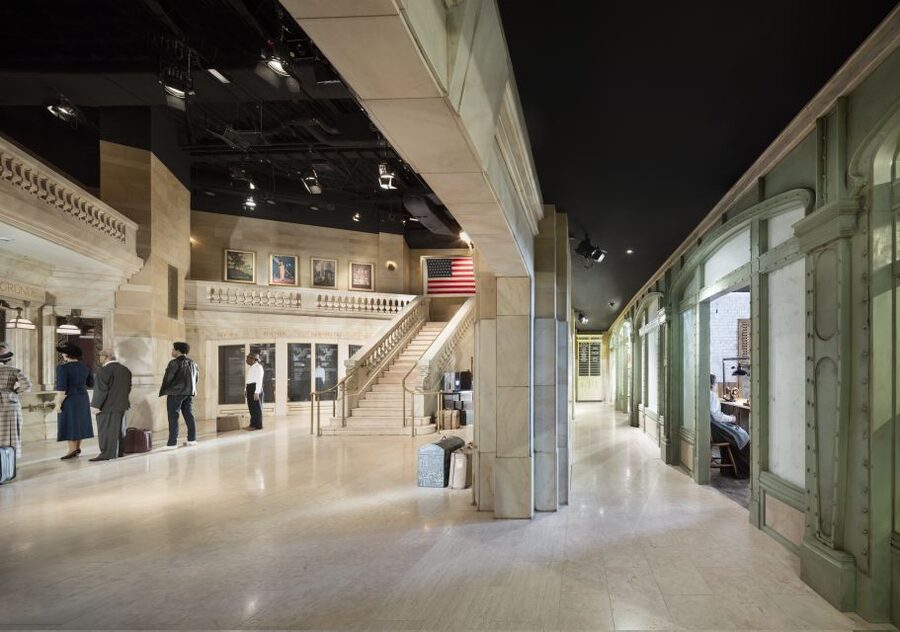
I would recommend the German Emigration Center to you if you enjoy history told through personal stories rather than only dates and objects. It is also a strong choice for anyone researching European ancestry, since the visit gives context to the journey before you start looking through records.
Families can get a lot from the interactive structure. The iCard gives younger visitors a clear thread to follow, while the ship and Ellis Island sections provide concrete settings for adults to discuss migration, family separation, and starting over.
The museum also suits visitors who want a thoughtful indoor activity in Bremerhaven. You can move at your own pace, and wheelchair access is provided. Still, the tight shipboard passages deserve attention, particularly for wheelchair users who may find it difficult to turn or position themselves on the lower decks.
You may want to choose another activity if you have only a short amount of time, dislike interactive museum formats, or want a visit focused mainly on Bremerhaven’s maritime technology rather than human migration. Food and drinks are not included, so plan those separately.
Pets are not allowed inside, although assistance dogs are permitted.
Is the $23 ticket good value?
At around $23 per person, the ticket is good value for a serious museum visit rather than a quick attraction stop. You receive access for one day, a personal iCard route, audio and interactive displays, the full migration exhibition, and the Family Research service at no additional charge.
The strongest value comes from using the museum’s full range. If you only follow the main path and leave after the ship scenes, the price may feel high compared with a small local museum. If you spend time with the 300-year story, compare the three eras of passenger travel, complete the Ellis Island section, and try the family search, the cost is easier to justify.
The free research help is especially useful. Similar ancestry support can be difficult to navigate on your own, so having a trained assistant available adds practical value even if you do not find a direct ancestor.
The ticket also offers flexible planning because you can reserve now and pay later, and cancellation is free up to 24 hours in advance. Those terms are helpful if your Bremerhaven schedule depends on weather, rail connections, or a changing port itinerary.
My recommendation for the German Emigration Center
Book this experience if you want more than a collection of objects behind glass. The museum gives you a clear route through departure, shipboard travel, immigration control, and life after arrival, then lets you connect that broad story with your own family.
I especially recommend it to visitors with European ancestors, families who enjoy interactive history, and anyone willing to spend several hours indoors. Arrive early, save time for the Family Research room, and do not assume the ship sections are easy for every wheelchair user.
Skip it only if your schedule allows less than two hours or if you prefer a brief, traditional museum visit. For everyone else, the combination of personal storytelling, realistic travel settings, and free ancestry research makes the $23 admission a worthwhile Bremerhaven stop.
FAQ
Where does the German Emigration Center experience begin?
Enter through the main entrance at Columbusstraße 65 in Bremerhaven, in the German state of Bremen.
How long is the ticket valid?
The ticket is valid for one day. Check availability for the starting times offered when you book.
What does the entrance ticket include?
The ticket includes admission to the German Emigration Center. It also allows you to use the electronic iCard route, the audio stations, interactive displays, exhibition halls, and the Family Research room.
Can I research my own ancestors?
Yes. The Family Research room offers a free service, and a trained assistant can help you search for ancestors who emigrated.
How early should I arrive?
You should reach the museum at least two hours before closing so you have enough time to see the exhibition.
Is the museum wheelchair accessible?
Yes, the museum is wheelchair accessible. Some lower decks of the old emigrant ships are very narrow, so wheelchair users should be prepared to maneuver carefully.
Are pets allowed inside?
Pets are not allowed. Assistance dogs are permitted.
Can I cancel the booking?
You can cancel up to 24 hours in advance for a full refund. You can also reserve now and pay later.
Just added around Bremen
- Bremerhaven: Fish Bite Guided Walking Tour★ 4.8 · 13 reviews
- Bremen: Public Tour of the Town Hall in English★ 4.6 · 207 reviews
- Bremerhaven: Sailor’s yarn, legends and sea walking tour★ 4.7 · 33 reviews
- Bremen: Übersee Museum Entrance Ticket★ 4.3 · 59 reviews
- Bremen Schwachhausen: Crime Mystery Tour★ 3.6 · 4 reviews
- Bremen Tour: Full-Day Canoe Rental on the Wümme River★ 4.8 · 4 reviews
- Bremen: Historic old town tour with Geo Epoche★ 3.3 · 5 reviews
- Bremen: Night Watchman Guided Tour for Children (in German)★ 4.7 · 77 reviews
Bremen Tours, compared.





Old Town Tour with Costumed Performer & Tour Guide
Read our review →Browse the lists this tour appears in