
Review · BREMEN TOURS
Bremen: Underground Guided Tour
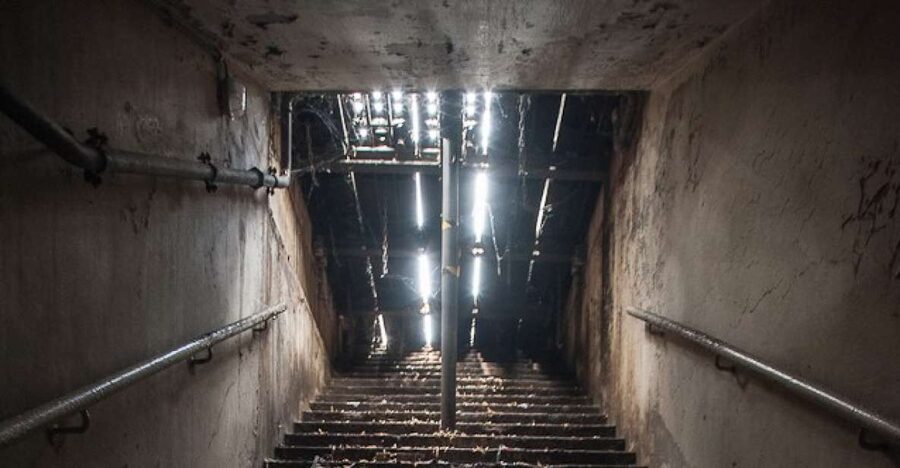
Bremen’s past is not all market squares and Hanseatic brick. Beneath the city, you can enter a Cold War ABC bunker, a medieval crypt, and forgotten spaces that most people pass without noticing. The two-hour tour makes the hidden side of Bremen feel close and physical.
I like the choice between two routes, and I like the mix of medieval church history with 20th-century air-raid protection. Recent tours led by Thomas and Peter were praised for being informative and engaging. The main catch is practical: this is a walking tour through several underground sites, so it suits people who are comfortable on their feet.
Key points to know before booking
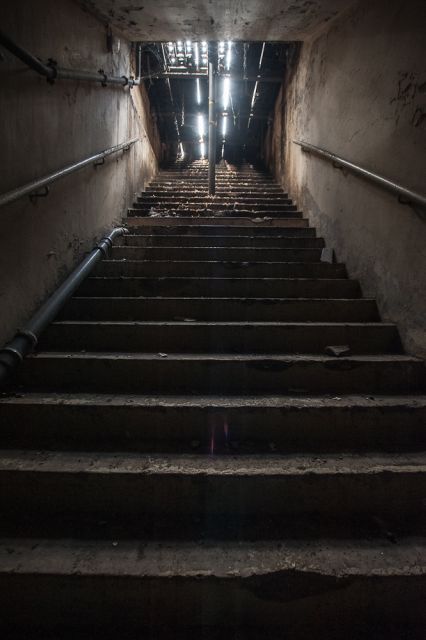
- Two different underground routes: Choose Unterwelten 1 for crypts, bunkers, and the city ramparts, or Unterwelten 2 for a supply street, railway history, fruit-storage halls, and an ABC high-rise bunker.
- The Central Station bunker is a major stop: One route visits the large shelter beneath the station forecourt, later converted for Cold War chemical, biological, and nuclear protection.
- Bremen Cathedral adds a medieval layer: The vaulted crypt was used for burials in the Middle Ages and remains one of the tour’s most atmospheric spaces.
- The second route reaches unusual railway sites: Old banana-ripening halls and the former underground supply street show Bremen’s commercial past from an unexpected angle.
- The tour is in German: This matters if you need detailed explanations in another language.
- Plan for steady walking: A recent booking specifically noted that the walking demands were not made clear, so ask the operator about current conditions before you go.
Bremen below the postcard city
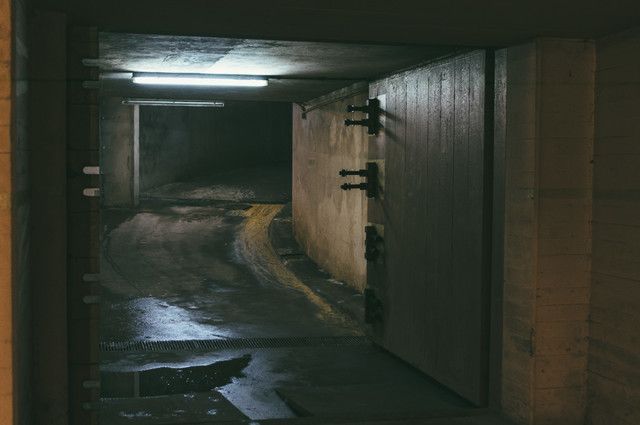
Most first visits to Bremen stay above ground. You see the cathedral, the Town Hall, the riverfront, and the narrow lanes of the old center. This tour asks you to read the city from underneath.
That means passing through places built for very different reasons. A crypt served religious and funeral needs. A supply passage kept shops stocked. An air-raid shelter protected civilians during war. Later, some bunkers were altered for the Cold War, when the fear was not only bombs but also chemical, biological, and nuclear attack.
I like that range. You are not simply touring one old cellar dressed up as a mystery attraction. The two routes connect several layers of Bremen’s past, from the Middle Ages to the 20th century.
The price is about $18 per person, which is fair for a two-hour guided experience that includes entry to all the places on your selected route. It offers better value if you are curious about architecture, wartime history, and places normally closed to the public. If you want only a general introduction to Bremen, a standard city walk may cover more familiar sights for your time.
A few more Bremen half-days to weigh up
- Bremen: Walking Tour in German with Night Guard
★ 4.7 · 2,922 reviews - Bremen: City Center Guided Walking Tour
★ 4.5 · 2,709 reviews - Bremen: 3-Hour Beck’s Brewery Tour
★ 4.6 · 1,091 reviews
Choose between Unterwelten 1 and Unterwelten 2
The choice of route is important. These are not two minor variations of the same walk.
Unterwelten 1 is the better fit if you want a broad historical sweep. It combines the crypt beneath the elephant statue, the bunker at Central Station, Bremen’s ramparts, the Church of Our Lady, and another medieval crypt.
Unterwelten 2 leans more toward trade, transport, and wartime infrastructure. It begins at Bremen’s first and only underground street, continues to the Central Station area and the former freight yard, then ends at the large ABC high-rise bunker on Admiralstraße.
Both routes involve places that are difficult to visit independently. The operator provides a guide and access to the sites included in the route you book. The meeting point changes according to your choice, so check the exact starting location rather than assuming both options begin at the same place.
Unterwelten 1: from the elephant statue to the Church of Our Lady
Unterwelten 1 begins at the elephant statue, a location tied to Bremen’s colonial-era past. From there, you descend into a crypt and hear about its earlier purpose and present-day use.
The crypt provides a strong opening because it changes your sense of scale right away. Above ground, Bremen’s center can feel open and monumental. Below ground, the city becomes close, enclosed, and harder to read at a glance. The guide’s explanation matters here, since the space itself cannot tell you how it has changed over time.
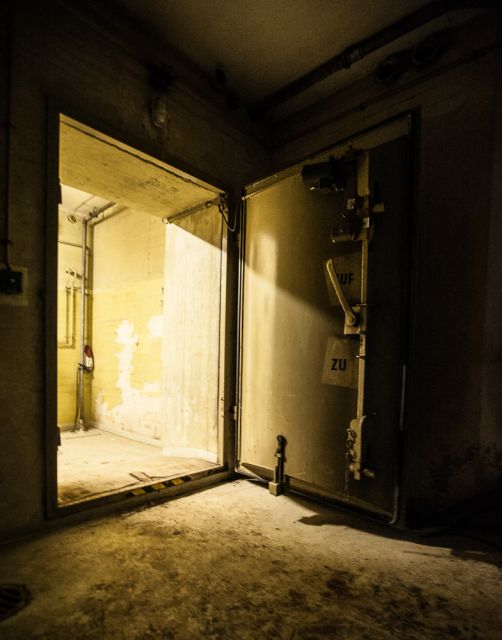
The route then goes to the large ground-level air-raid shelter beneath the forecourt of Bremen Central Station. It was built in the 1940s and later converted into an ABC bunker during the Cold War.
ABC refers to atomic, biological, and chemical threats. That conversion tells you how civil defense changed after the Second World War. The site is not simply a wartime relic. It also reflects the later fear that a major conflict could bring dangers beyond conventional bombing.
For me, this is one of the strongest stops on the route because the building’s location is so ordinary. You may use the station area as a transport hub, yet underneath it sits a purpose-built shelter with a later Cold War role. Historical photos help connect the current site with its earlier appearance and function.
From the station, you cross Bremen’s ramparts on the way to the Church of Our Lady. This outdoor stretch gives the tour a little breathing room between enclosed spaces. It also helps you understand that Bremen’s defenses and shelters were not isolated points. They formed part of a city shaped by protection, movement, and limited space.
The route notes that at least eight bunkers are located around the Church of Our Lady. Historical photos are used to show what these structures looked like. This is useful because many bunker sites are easy to overlook once their entrances have been altered, covered, or absorbed into later construction.
Inside the church, you visit a crypt that served as a medieval tomb. The stop brings the tour back to an earlier period and gives Unterwelten 1 a clear arc: religious burial space, modern shelter, military protection, and urban change.
This route is likely the better pick for you if you want the most balanced combination of church history and 20th-century bunker history. It also suits anyone who wants to understand how hidden structures can survive beneath a city that appears thoroughly modern above street level.
Unterwelten 2: supply tunnels, railway trade, and fruit
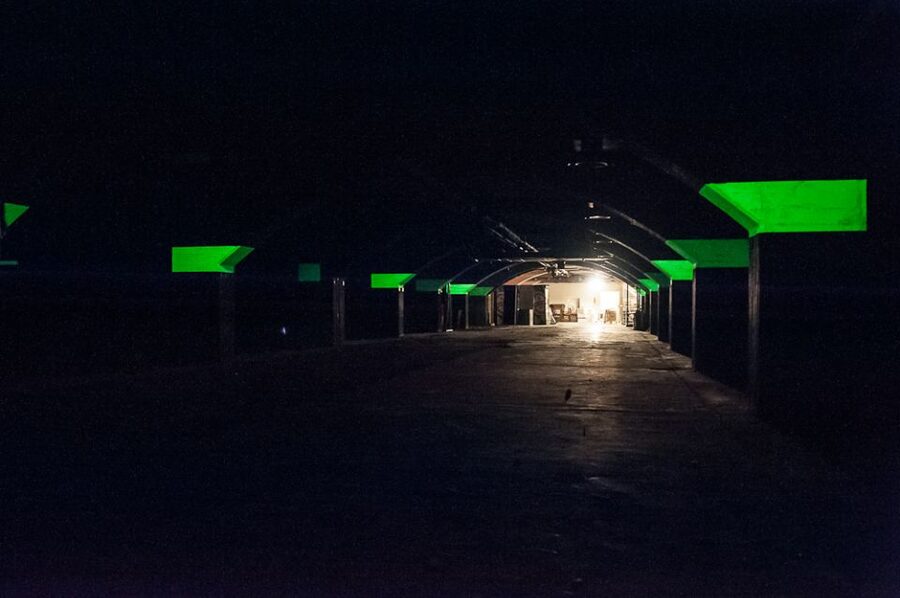
Unterwelten 2 opens with a particularly unusual claim: Bremen’s first and only underground street. It was used to supply the shops above it and remained unknown to Bremen police for a long time.
That detail gives the route a different flavor. This is not just a passage built for defense or worship. It was working infrastructure, created to move goods through the city without relying on the visible streets above.
The route then reaches Central Station. Here, historical photographs show what once lay beneath the green forecourt of the Overseas Museum. You also learn why the Central Station was not destroyed during the Second World War.
The photos are important because the tour is not limited to spaces you can enter today. Some of its value comes from comparing the present view with earlier arrangements that have disappeared. If you enjoy old city plans and before-and-after images, this part should reward your attention.
From the station area, the group continues to Bremen’s freight yard and a depot containing former banana-ripening halls. Before the First World War, these facilities handled exotic fruit for Bremen residents.
This is one of the route’s more surprising subjects. A fruit-ripening hall may sound less dramatic than a bunker, but it tells you how trade shaped everyday life. Bremen was a port and commercial center, and the facilities used to handle imported goods reveal that history in a practical way.
The route ends at the large ABC high-rise bunker on Admiralstraße. You descend into the bunker to examine the development of air-raid shelters across the 20th century, from the Second World War into the Cold War period.
Unterwelten 2 is the better choice if you are more interested in transport, supply systems, commerce, and civil defense than in medieval church spaces. It also offers a useful contrast between hidden spaces built to keep goods moving and those built to keep people alive.
Same city, a completely different sort of afternoon:
- Bremerhaven: German Emigration Center Entrance Ticket
★ 4.8 · 447 reviews - Bremen: Walking Tour of Historic Schnoor District
★ 4.8 · 429 reviews - Bremerhaven: Harbor Bus Tour
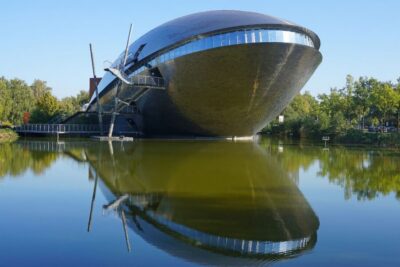
★ 4.8 · 418 reviews - Bremen: Universum Science Center Entrance Ticket
★ 4.6 · 324 reviews
Why the bunker stops matter
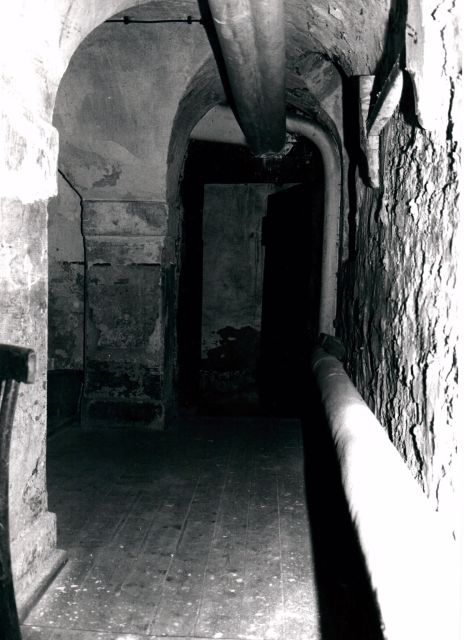
Bunkers can become repetitive on a city tour if the guide treats them only as concrete rooms. Here, the value comes from the changes in purpose and design.
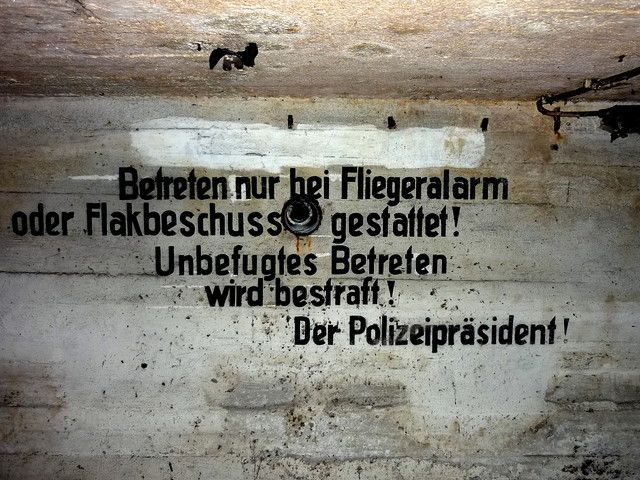
The Central Station shelter began as a 1940s air-raid shelter. Later, it became an ABC bunker. The Admiralstraße bunker adds another setting and a longer look at how shelter design developed through the 20th century.
You should expect a serious historical tour rather than a theatrical scare attraction. The supplied details point to photographs, construction history, and changing public-safety needs. The eerie mood comes from the spaces themselves: enclosed rooms, heavy protective structures, and a city continuing above you.
The tour also makes clear that not every underground site is guaranteed on every date. Organizational issues can lead to program changes, but the operator says there will be a good alternative if a location closes. If one particular bunker or crypt is the main reason you want to book, contact the operator shortly before the date to check its availability.
Cathedral crypts and the value of quiet spaces
The crypt stops balance the bunker material. They ask you to think about Bremen as a medieval religious center, not only as a wartime or commercial city.
In the Church of Our Lady, the crypt was used as a tomb in the Middle Ages. The earlier crypt visited near the elephant statue also has a history that reaches into the present, since the guide explains its current use as well as its past.
These are spaces where details matter. You will get more from them if you listen closely to how the rooms were used, changed, and maintained. The guide turns an otherwise brief visit into a lesson about burial customs, church buildings, and the way old spaces survive inside a working city.
The contrast with the bunkers is the point. One set of spaces reflects faith and burial. The other reflects military danger and public shelter. Together they show how different generations used the same limited ground beneath Bremen.
The guide, language, and tour style
The live guide speaks German. That is the single biggest consideration for international visitors. If you do not understand German well, you may still appreciate the architecture and photographs, but you will miss much of the explanation that gives the stops their meaning.
Recent tours were led by guides including Thomas and Peter. Thomas was praised for his presentation and friendly manner, while Peter was thanked for an informative tour. Guide quality can vary by departure, but these names are useful if you are checking the current schedule.
The overall format is guided and explanatory. You are not simply handed access to a bunker and left to wander. The guide links each location to Bremen’s past, explains what the structures were used for, and helps you compare what you see with historical photographs.
Allow the full two hours. The duration includes movement between sites as well as time inside them, and the walking is part of the experience rather than a minor detail.
Walking, comfort, and who should think twice
The route requires walking between locations and entering underground premises. A recent booking raised an important warning: the tour is not clearly presented as suitable only for people who are good on foot.
That does not provide enough information to judge every step, stair, or surface. Conditions may differ between the two options and may change if the program changes. If you have limited mobility, ask the operator directly before booking. Do not rely on the two-hour duration as proof that the tour will be easy.
You should also expect enclosed historic spaces rather than polished museum rooms. The appeal lies partly in their age and original function. If you prefer broad, open sightseeing with frequent places to sit, this may not be the right fit.
For people who enjoy physical history, the walking adds value. You move from the visible city into places that were built for burial, supply, shelter, or storage. The route feels more memorable because the sites are connected by the streets and buildings above them.
Is $18 a fair price?
At $18, the tour is reasonably priced for two hours, a live German-speaking guide, and access to several restricted locations. You are paying for entry into spaces that are not part of a normal self-guided visit, as well as for the background that makes them understandable.
The value is strongest on Unterwelten 1 if you want several different types of historic site in one outing. Unterwelten 2 may feel especially worthwhile if railway trade, supply routes, imported fruit, and civil defense are subjects you rarely encounter on ordinary city walks.
The price is less attractive if you cannot follow German or if you expect a conventional sightseeing tour in English. It is also less suitable if walking or enclosed spaces are a concern. Check those points first, then compare the cost with what you actually want from Bremen.
Who should book the Bremen Underground Tour?
I would book it if you have already seen Bremen’s main surface sights and want a different way to understand the city. It is also a good choice for history-minded visitors who like wartime sites, old photographs, churches, railway facilities, and the practical systems that keep a city running.
Choose Unterwelten 1 for the most varied route, with the elephant statue crypt, Central Station bunker, ramparts, and Church of Our Lady. Choose Unterwelten 2 for the underground supply street, Overseas Museum area, freight yard, banana-ripening halls, and Admiralstraße bunker.
I would skip it if you need an English-language guide, cannot walk comfortably for two hours, or want a light and conventional introduction to Bremen. For everyone else, this is a reasonably priced way to see a less polished but more revealing side of the city. Check the exact meeting point, confirm the route’s current stops, and ask about walking conditions before you pay.
FAQ
How long does the Bremen Underground Guided Tour last?
The tour lasts two hours.
How much does the tour cost?
The listed price is $18 per person.
Is the tour available in English?
The live tour guide and listed tour language are German.
Can I choose between different routes?
Yes. You can choose between Unterwelten 1 and Unterwelten 2.
What does Unterwelten 1 include?
Unterwelten 1 includes a crypt near the elephant statue, the large shelter beneath the forecourt of Bremen Central Station, a walk across the Bremen ramparts, and the Church of Our Lady with its medieval crypt. Historical photographs are also used to show former bunker structures.
What does Unterwelten 2 include?
Unterwelten 2 begins at Bremen’s first and only underground street. It continues through the Central Station area, the freight yard, former banana-ripening halls, and the ABC high-rise bunker on Admiralstraße.
Does the tour include access to the visited sites?
Yes. A guide and access to all locations visited on the selected route are included.
Is hotel pickup included?
No. Pickup and drop-off are not included.
Can the program change?
Yes. Organizational constraints may require changes. The operator says an alternative will be provided if a location is closed, and you can ask shortly before your tour date whether a particular site is available.
Just added around Bremen
- Bremerhaven: Fish Bite Guided Walking Tour★ 4.8 · 13 reviews
- Bremen: Public Tour of the Town Hall in English★ 4.6 · 207 reviews
- Bremerhaven: Sailor’s yarn, legends and sea walking tour★ 4.7 · 33 reviews
- Bremen: Übersee Museum Entrance Ticket★ 4.3 · 59 reviews
- Bremen Schwachhausen: Crime Mystery Tour★ 3.6 · 4 reviews
- Bremen Tour: Full-Day Canoe Rental on the Wümme River★ 4.8 · 4 reviews
- Bremen: Night Watchman Guided Tour for Children (in German)★ 4.7 · 77 reviews
- Bremen: Historic old town tour with Geo Epoche★ 3.3 · 5 reviews
Bremen Tours, compared.

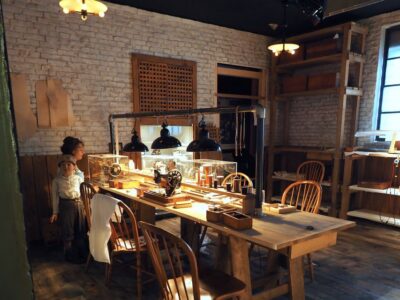
Bremerhaven: German Emigration Center Entrance Ticket
Read our review →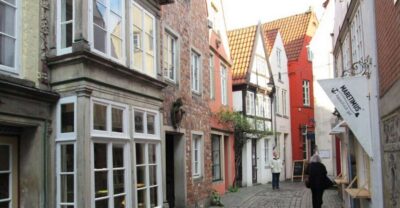

Old Town Tour with Costumed Performer & Tour Guide
Read our review →Browse the lists this tour appears in