
Review · BERLIN TOURS
Berlin: Street Art and Alternative Tour
Berlin’s street art makes the city’s modern history easy to see. On this three-hour walk, murals, pasted pieces, and Wall paintings become clues to the Cold War, the 1989 reunification, the underground culture of the 1990s, and the gentrification shaping Berlin now. I like the way the tour connects art with real social issues, and I like that it explores Kreuzberg and the East Side Gallery rather than staying on the usual sightseeing route.
The main consideration is transport. You need to buy your own 24-hour AB public transport ticket, and the meeting point can change depending on the option you book. The French- and Italian-speaking guides, including Martin, Marie, Antonella, and Iacopo, have been praised for making complicated history clear, but check the language and meeting details carefully before setting out.
Key points to know before you book
- Kreuzberg is the heart of the walk: Expect an alternative quarter where street art is tied to local politics, migration, economics, and neighborhood change.
- The East Side Gallery adds Cold War context: Wall paintings here connect Berlin’s divided past with its later artistic revival.
- This is a history tour as much as an art tour: You’ll look at who made the art, why it appeared, and what it says about the city.
- French and Italian are the available languages: Guides named in feedback include Martin, Marie, Antonella, and Iacopo.
- Your transport ticket is separate: Bring comfortable shoes and purchase a 24-hour AB ticket for public transport.
- Three hours gives the subject room to breathe: It is long enough for context without turning into an all-day commitment.
Why Berlin’s street art tells a political story
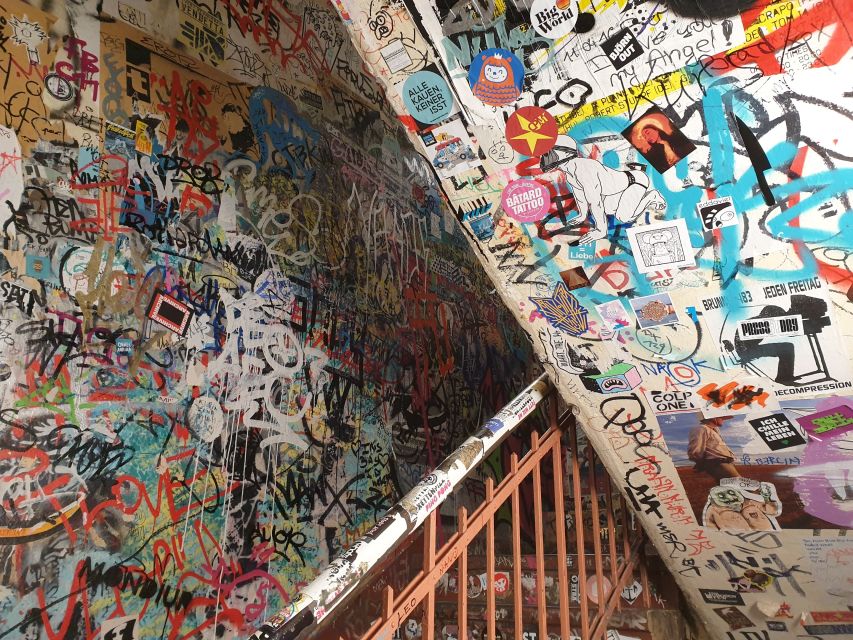
Berlin did not become a major street art center simply because artists liked large blank walls. The city’s unusual past created space for alternative culture to grow.
During the Cold War, Berlin sat on the fault line between East and West. The Wall cut through neighborhoods, separated families, and left physical scars across the city. After the Wall fell in 1989, many buildings and open spaces were available for new uses. Artists, musicians, political groups, and squatters helped shape a new Berlin culture in the years that followed.
That background matters on this tour. You are not just stopping to take pictures of colorful walls. You are learning why public art became such a useful way for Berliners to make claims about identity, freedom, inequality, and memory.
The tour also reaches beyond nostalgia for the 1990s. The city has changed sharply since then. Rising rents and redevelopment have altered many alternative districts, including Kreuzberg and Friedrichshain. Street art can celebrate a neighborhood, but it can also become part of the image used to market that neighborhood.
I appreciate that this experience treats those changes as part of the story. It does not present alternative Berlin as a museum piece frozen in time.
More street art walks in Berlin:
- Berlin: City Street Art Guided Walking Tour
★ 4.8 · 886 reviews - Berlin: 3-Hour Street Art Tour
★ 4.7 · 778 reviews - Berlin: Private Kreuzberg Street Art Walking Tour
★ 4.8 · 57 reviews
Walking through Kreuzberg’s alternative quarter
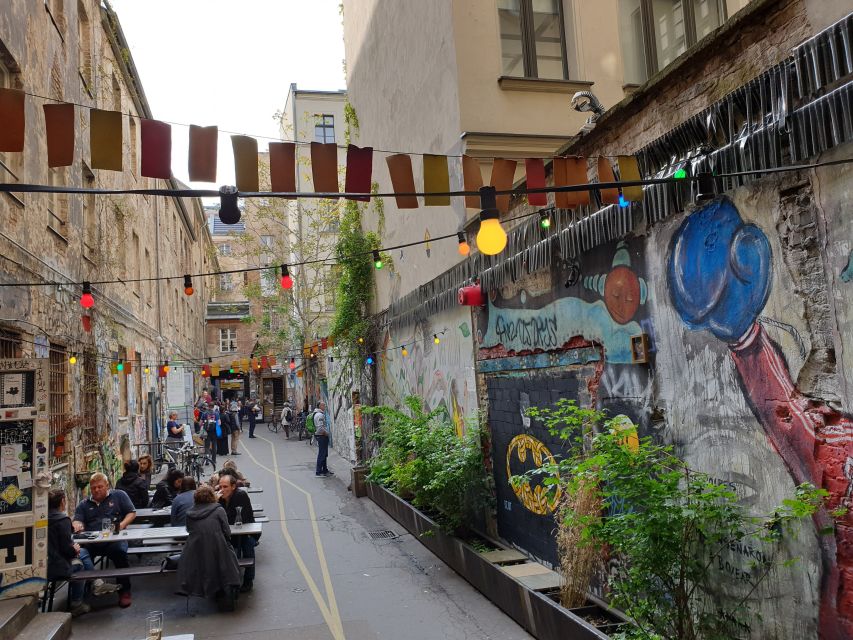
Kreuzberg is the main setting for the tour, and it is a good choice. The district has long been associated with working-class communities, immigration, political activism, nightlife, and alternative culture. Its walls show several layers of Berlin at once.
You might see large murals that dominate a building, smaller pieces tucked into corners, and works that are easy to miss unless someone points them out. The guide’s job is especially useful here. Without context, a small painted symbol may look like decoration. With an explanation, it can reveal a political message, a local conflict, or a reference to Berlin’s divided past.
The area also helps you understand the difference between street art and public decoration. Some works are polished and monumental. Others are quick, rough, or temporary. Their short life is part of the point. They may respond to a current issue, challenge private ownership of public space, or mark a neighborhood identity that official signs do not show.
Kreuzberg is not only an open-air gallery. It is a working district, so you should expect ordinary streets, shops, apartment buildings, and traffic between the art stops. That is a benefit if you want to see how the art fits daily life. It can be less satisfying if you expect one continuous display of large murals.
The route may begin near Kotbusser Tor, but the exact meeting point depends on the option booked. One useful piece of planning advice comes from a participant who wondered why the meeting place was not fixed directly at Kotbusser Tor when the walk began there. Check the final instructions instead of assuming the start point.
Reading the walls instead of just photographing them
The strongest part of this experience is the explanation between the stops. A street art tour can easily become a series of photo opportunities, but the stated focus here is wider: historical, economic, and social change.
You’ll consider how the fall of the Wall affected Berlin’s buildings and streets. You’ll also look at the 1990s revival, when alternative culture helped give the city a new identity. The art becomes evidence of that period, not just a backdrop for selfies.
A good guide can also help you notice scale. A giant work painted between buildings tells one kind of story. A small piece hidden in a courtyard tells another. The tour description points to both types, including major works in Kreuzberg and Friedrichshain and smaller works that may appear around Mitte.
That range is valuable because Berlin street art has no single style or purpose. Some work is playful. Some is angry. Some comments on politics, housing, or commercial development. Some may simply be an artist’s mark. The guide supplies the background that helps you decide what deserves closer attention.
The French and Italian language option is another practical strength. The experience is designed for a small group, so the guide can explain ideas and answer questions rather than deliver a hurried speech to a large crowd. Marie is described as welcoming and ready to answer questions, while Martin is noted for explaining Berlin’s history in an accessible way. Antonella and Iacopo are praised for guiding their group with energy and strong preparation.
Those details matter because this subject can become academic if explained poorly. You want a guide who can discuss architecture, art, and politics without losing the people walking beside them.
From Friedrichshain to the East Side Gallery
The East Side Gallery is the best-known art stop associated with the Berlin Wall. It is a long preserved section of Wall covered with murals, and it links the tour’s art theme directly to the city’s Cold War division.
Here, the physical structure matters as much as the paintings. The Wall was built to divide a city, but the surviving section now carries messages from artists around the world. That change in purpose is central to Berlin’s story: a symbol of control became a public place for expression and remembrance.
The East Side Gallery can feel more formal than the smaller works in Kreuzberg. It is a recognized destination, and many people visit it independently. The value of arriving with a guide is the connection between this famous site and the less obvious works you see elsewhere.
Rather than treating the gallery as an isolated attraction, the tour places it within the wider development of Friedrichshain and Berlin’s eastern districts. You can better understand how spaces near the former Wall changed after reunification and how art helped shape the city’s new public image.
There is also a useful contrast between the large Wall paintings and the quick, changing pieces found around city streets. The gallery preserves a major chapter of Berlin’s art history. Smaller works show that street art remains an active, changing form rather than a finished collection.
Do not expect every painting to be equally fresh or easy to view. Outdoor art changes, fades, and can be covered. The experience is about the ideas and setting as much as any single image.
A few more Berlin half-days to weigh up
- Berlin: Reichstag, Dome and Government District Guided Tour
★ 4.7 · 18,288 reviews - Berlin: 1-Hour City Tour by Boat with Guaranteed Seating
★ 4.3 · 16,993 reviews - Berlin: Boat Tour Along the River Spree
★ 4.4 · 11,252 reviews - Discover Berlin Half-Day Walking Tour
★ 5.0 · 9,624 reviews
The difficult link between alternative culture and gentrification
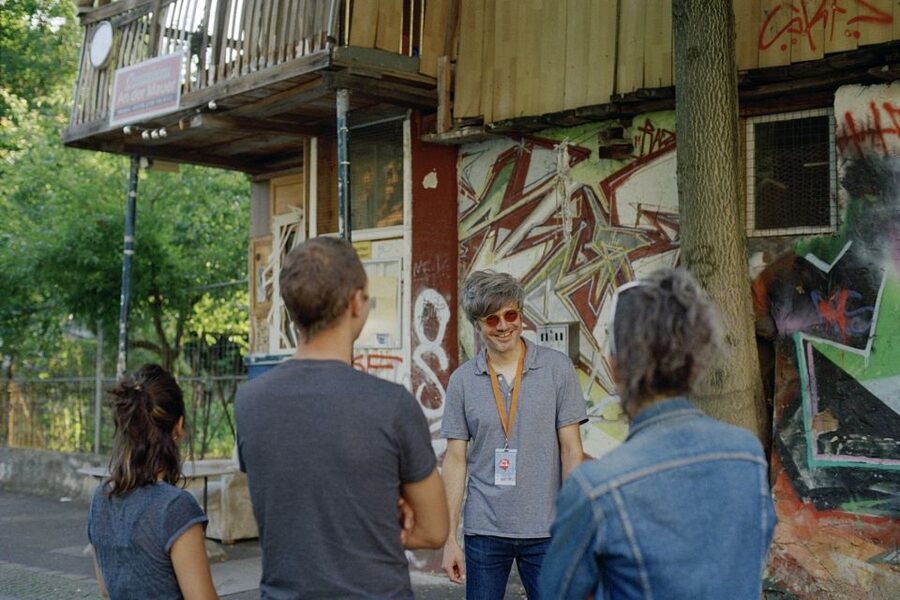
One of the more useful parts of the tour is its attention to gentrification. Berlin’s alternative culture helped draw people to districts that were once less expensive and less fashionable. That attention contributed to the city’s creative reputation, but it also formed part of the pressure that changed those districts.
This is not a simple story of good artists and bad developers. Street art can criticize commercial change while also making an area more attractive to visitors and investors. A famous mural may express local resistance, yet it can become a symbol used to sell the neighborhood.
Kreuzberg offers a strong setting for discussing that tension. The district’s art, architecture, and public spaces show how a community can preserve an alternative identity while dealing with new rents, new businesses, and new expectations.
I like this part of the subject because it keeps the tour connected to present-day Berlin. You are not only looking backward at the Wall. You are considering why the city still feels politically charged and why its cultural image has real economic effects.
The guide’s language and style will shape how well this comes across. The best reports on this experience point to clear explanations, personal warmth, current anecdotes, and a strong feel for the subject. That combination is especially helpful when the tour moves from art history into housing and social change.
What the three-hour format feels like
Three hours is a sensible length for this topic. A shorter walk might show you a few murals but leave out the reasons they matter. A much longer program could become tiring, especially when you are walking outdoors and stopping often.
The pace should allow time to examine works, hear background, and ask questions. You should still plan for a genuine walking outing rather than a quick city-center stroll. Comfortable shoes are specifically recommended, and that advice is worth following.
Because public transport is part of the experience, the 24-hour AB ticket adds an extra step and cost. The ticket is not included in the $31 tour price. Its use makes practical sense for a route linking parts of Kreuzberg and Friedrichshain, but you need to arrange it before the tour.
At $31 per person, I see reasonable value if you care about Berlin’s art and history. You are paying for a small-group walk, a live French- or Italian-speaking guide, and interpretation that would be difficult to get from simply visiting the East Side Gallery alone. The value is weaker if you only want a list of mural locations or a short photo walk.
The free cancellation option up to 24 hours before the start also helps if your schedule is uncertain. You can reserve and pay later, which is useful when planning a Berlin visit around changing weather or other timed attractions.
Who will get the most from this walk
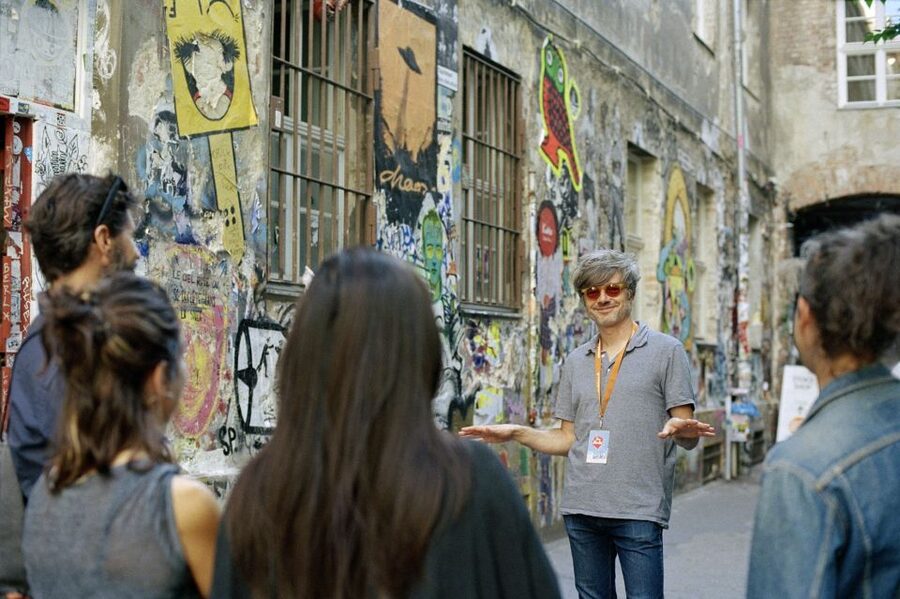
This tour suits you if you enjoy cities through their neighborhoods rather than only through major monuments. It is especially useful if you want to understand why Berlin feels politically alert, artistically open, and shaped by its divided past.
It is a good match for:
- First-time visitors who want a different view of Berlin after seeing the main historic sights
- People interested in urban art, architecture, or public space
- Visitors who want context for the East Side Gallery
- French- and Italian-speaking visitors who prefer a live guide in one of those languages
- Anyone curious about the connection between the Wall, the 1990s, and present-day gentrification
It may be less suitable if you want a seated activity, a tightly scheduled list of famous landmarks, or a tour entirely focused on art technique. The art is the entry point, but the real subject is Berlin’s social and political change.
You should also be comfortable with a meeting point that may vary by booking option. Confirm the location, language, starting time, and transport needs before you leave your hotel.
Guide style can make or break the experience
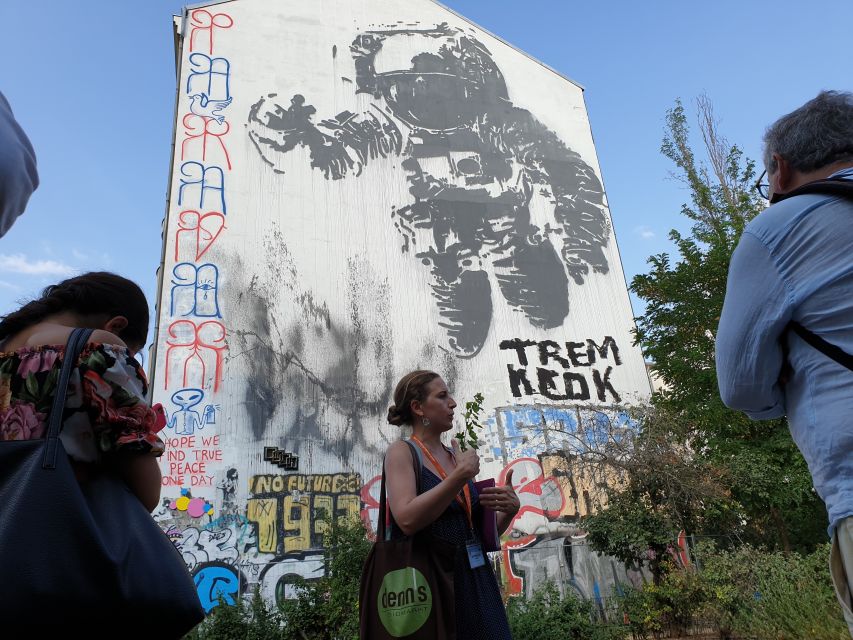
The feedback attached to this experience points to a clear pattern: the guides are valued for their personal approach and ability to explain Berlin in plain language.
Martin is praised for sharing his affection for Berlin while keeping the historical material accessible. Marie is singled out for her warmth, current anecdotes, and willingness to answer questions in Kreuzberg. Antonella and Iacopo are described as well prepared and deeply engaged with the city’s story.
That does not guarantee the same person will lead your walk. It does tell you what to look for in the experience: a guide who can move between street art, architecture, history, and neighborhood life without treating each subject separately.
The strongest moments should come when a piece of art opens a wider question. Why was this wall available for painting? Who wanted the message seen? What happened to the district afterward? Those questions turn a pleasant walk into a useful way to understand Berlin.
Should you book the Berlin Street Art and Alternative Tour?
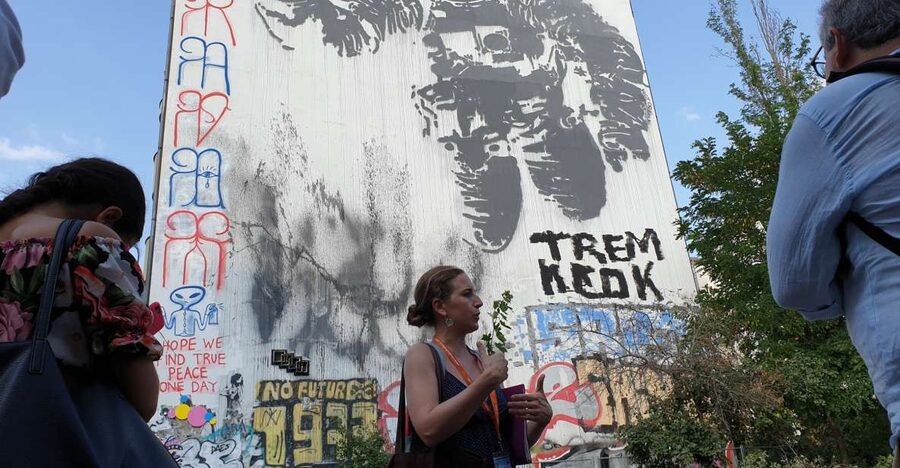
Book it if you want more than colorful walls. The tour gives you a clear way to connect Kreuzberg’s alternative culture, Friedrichshain’s former Wall zone, the East Side Gallery, and Berlin’s changing social life.
At $31, the price is fair for three hours with a small group and a live French- or Italian-speaking guide. Add the cost of the 24-hour AB ticket, wear comfortable shoes, and confirm the meeting point carefully.
Skip it if street art is not a real interest, or if you prefer a tour built around Berlin’s traditional landmarks. But if you want to see how a divided city turned its scars into public art, this is a practical and thoughtful choice.
FAQ
How long does the Berlin Street Art and Alternative Tour last?
The tour lasts three hours.
What languages are available?
The live tour guide is available in French or Italian.
Which Berlin neighborhoods does the tour visit?
The tour focuses on Kreuzberg and Friedrichshain, including the East Side Gallery. The information also refers to smaller works around Mitte.
Is public transportation included?
No. You need to purchase your own 24-hour AB public transport ticket for the tour.
What should I bring?
Bring comfortable shoes for the walking route.
How much does the tour cost?
The listed price is $31 per person.
Can I cancel the booking?
Yes. You can cancel up to 24 hours in advance for a full refund. You can also reserve now and pay later.
Just added around Berlin
- From Berlin: Gardens & Palaces of Potsdam Bike Tour★ 5.0 · 61 reviews
- Berlin: Battle for Seelow Heights WW2 tour -Clash of Titans★ 5.0 · 27 reviews
- From Berlin: Historical Gems of Potsdam Private Day Trip★ 4.4 · 4 reviews
- Berlin: Französischer Dom 360° Panorama & Crémant to go★ 3.9 · 5 reviews
- Explore Berlin Tour: History and Highlights★ 4.7 · 5 reviews
- Berlin: Evening Yacht Cruise with Aperitif & Dinner Upgrade★ 4.6 · 178 reviews
- Berlin: Expats in Berlin Comedy Show Ticket★ 4.7 · 182 reviews
- Berlin: The Epic Comedy Club Friday Night Showcase★ 4.8 · 28 reviews
Berlin Tours, compared.
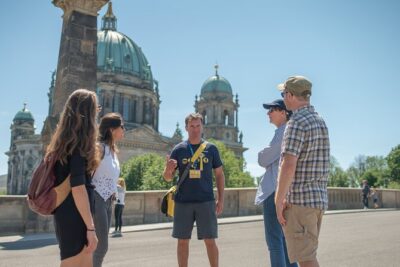
Reichstag, Dome and Government District Guided Tour
Read our review →
1-Hour City Tour by Boat with Guaranteed Seating
Read our review →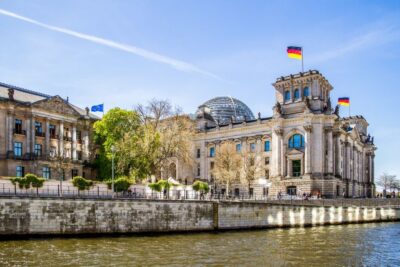
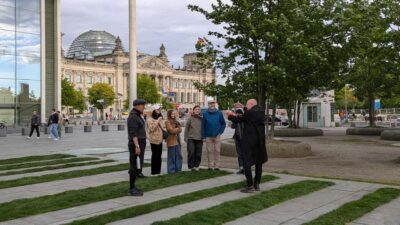
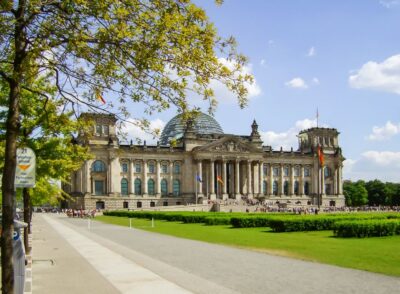
Reichstag, Plenary Chamber, Cupola & Government Tour
Read our review →
Browse the lists this tour appears in