
Review · BERLIN TOURS
Berlin: Prenzlauer Berg District Guided Walking Tour
Prenzlauer Berg is best understood on foot, one street and courtyard at a time. This 2.5-hour walk connects the district’s Jewish past, East Berlin years, artistic period, and polished present, with stops at the Jewish Cemetery on Schönhauser Allee, the Wasserturm, Mauerpark, and the grand synagogue on Rykestraße. I like the route because it gives you history and everyday neighborhood life in the same outing. I also like that the guide discusses current changes instead of treating Prenzlauer Berg as a frozen postcard. The main drawback is simple: you need to be ready to walk for two and a half hours, and the meeting point can vary by booking option.
Key points at a glance

- See several sides of Prenzlauer Berg: The route goes east and west of Schönhauser Allee, the district’s main artery.
- Connect Berlin history with daily life: Expect discussion of Jewish heritage, East Berlin, urban planning, politics, and the area’s recent prosperity.
- Visit Mauerpark beyond the Sunday market: The park is known for its flea market and live music shows, but its position along the former Wall route gives it added meaning.
- Look inside the neighborhood’s architecture: The walk includes the Wasserturm, Kollwitzplatz, Messel House, Rykestraße Synagogue, and Oderberger Straße public pool.
- A guide-led, conversational format: Guides speak German or English, and past tours led by Tobias were especially valued for their humor, museum background, and willingness to answer questions.
- Good value at $23: The price covers the walking tour and guide, with no food or drinks included.
Why Prenzlauer Berg works so well as a walking tour
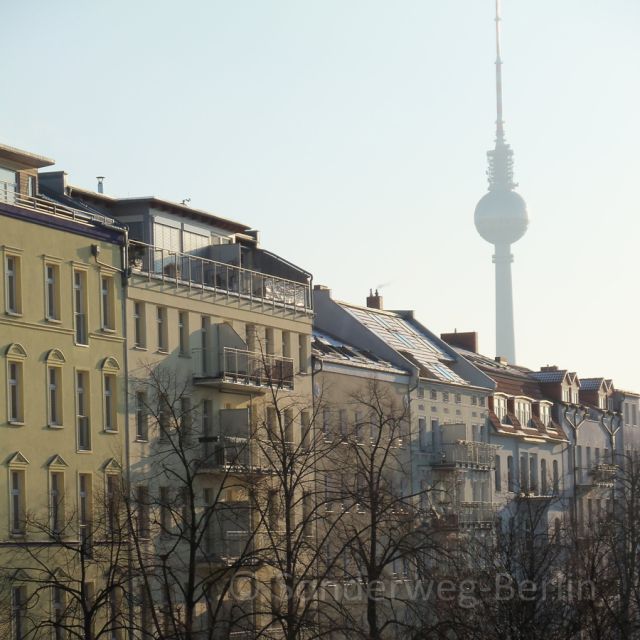
Prenzlauer Berg can look easy to understand at first. You see handsome apartment blocks, cafés, renovated buildings, leafy squares, and streets filled with daily life. But the district’s present character makes more sense when you know what came before.
This part of Berlin has passed through several very different phases. Its past includes Jewish life, industrial development, wartime damage, East German rule, alternative culture, reunification, and rapid economic change. A good walking tour lets you see those layers beside one another instead of sorting them into separate museum displays.
I like the way this outing uses Schönhauser Allee as a dividing line. You move through areas east and west of the street, so the route does not reduce Prenzlauer Berg to one polished strip. The walk shows you important landmarks, but it also leaves room for less obvious details and conversation.
At $23 per person, the tour is priced below many major sightseeing activities in Berlin. You are paying for a guide’s interpretation rather than admission to a monument or a meal. That makes the value depend heavily on your interest in urban history, architecture, and local change. If you want a quick list of famous sights, another Berlin tour may suit you better. If you want to understand why this district looks and feels the way it does, the price is sensible.
More walking tours in Berlin:
- Discover Berlin Half-Day Walking Tour
★ 5.0 · 9,624 reviews - Berlin: Third Reich and Cold War 2 Hour Walking Tour
★ 4.9 · 6,830 reviews - Berlin: Discover Berlin Walking Tour
★ 4.9 · 5,998 reviews
Starting near Schönhauser Allee
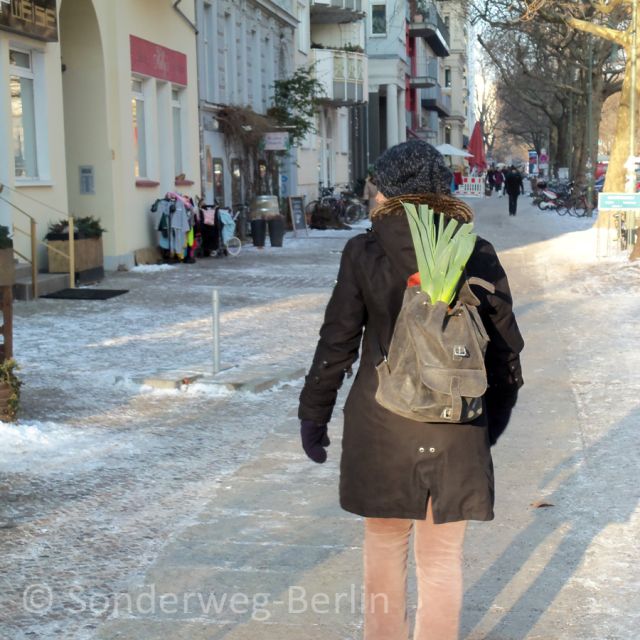
You meet your guide in the heart of Prenzlauer Berg, though the exact meeting place depends on the option you book. From there, the walk moves into the neighborhood rather than beginning with a broad city overview.
Schönhauser Allee is a useful starting point because it helps you get your bearings. It is one of the area’s most important streets, and the route uses it to reach several major stops. You will see how the main road connects different sections of the district while the nearby side streets offer a quieter view of local life.
The format is relaxed rather than rushed. The guide stops at buildings and public spaces, explains what you are seeing, and takes questions. That matters in Prenzlauer Berg, where a plain-looking building may tell you more about the district than a famous photo spot.
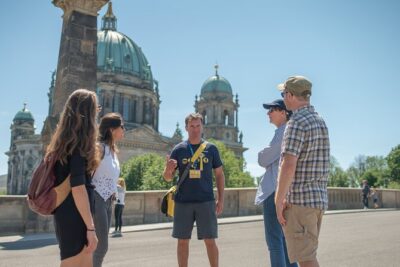
Several past tours were led by Tobias, whose background in museums and history shaped the experience. He was also praised for humor and for answering questions about Berlin’s residents, urban planning, and politics. The specific guide for your departure may differ, but the activity is designed around a live guide speaking German or English.
The Jewish Cemetery on Schönhauser Allee
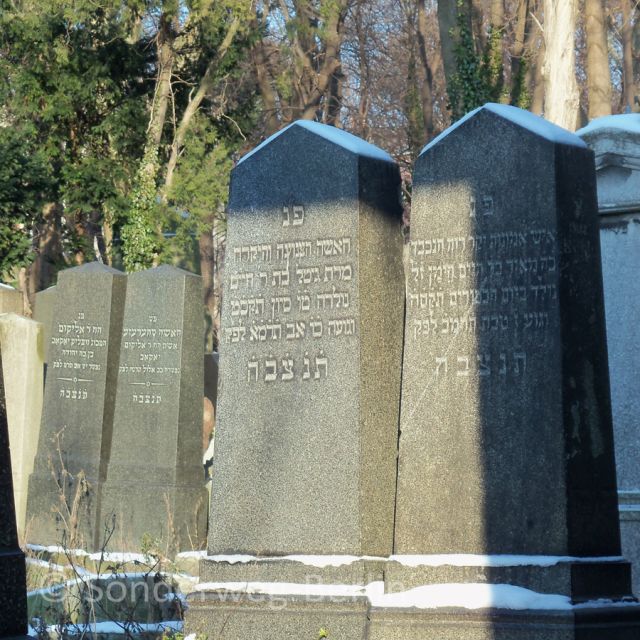
The Jewish Cemetery on Schönhauser Allee gives the tour one of its most serious and important stops. It shifts your attention away from the district’s cafés and renovated façades and toward the Jewish community that helped shape Berlin.
A cemetery is not a place to rush through with a camera. You will want to listen carefully and give the site the respect it requires. The guide can provide context that helps you understand why this place matters within Prenzlauer Berg and Berlin as a whole.
This stop also shows why a neighborhood walk can add something that a general city tour may miss. You are not only hearing about major events. You are connecting those events with one specific place in the city, surrounded by streets where people now live, shop, and work.
The cemetery may be especially valuable if you have already seen Berlin’s major memorials and want a more local point of reference. It is not presented as a detached historical stop. Instead, it forms part of the district’s larger story and helps explain the layers beneath its modern image.
The Wasserturm and Prenzlauer Berg’s older character
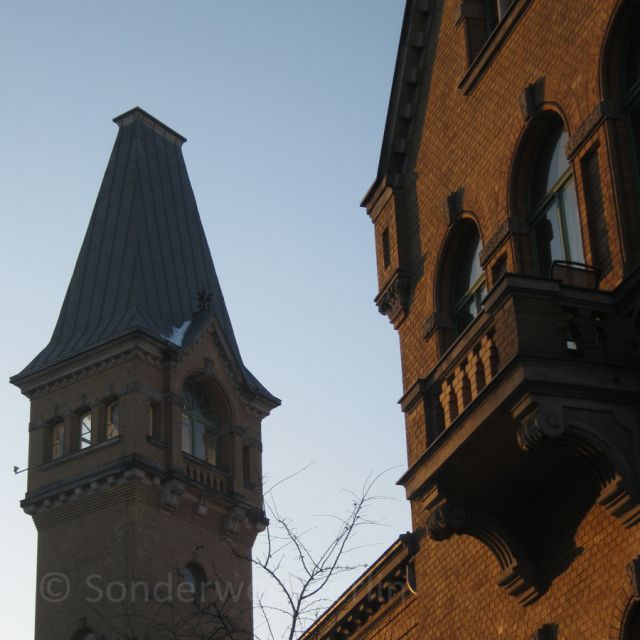
The Wasserturm, or Water Tower, is another central landmark on the route. Its shape and purpose reflect the district’s earlier development, when infrastructure was a visible part of a growing urban area.
You will not simply pass the tower and tick it off a list. The guide uses it to explain how Prenzlauer Berg developed and how practical city systems affected the neighborhood. The stop also gives you a chance to compare the older district with the more polished version you see today.
I find this kind of explanation more useful than a string of dates. You learn to read the built environment. A tower, apartment block, square, or public facility becomes evidence of how Berlin expanded and how its residents used the area.
The Wasserturm also helps break up the walk. Prenzlauer Berg is full of visual detail, and the route has enough variety to keep the outing from becoming a long march along similar streets.
A few more Berlin half-days to weigh up
- Berlin: Reichstag, Dome and Government District Guided Tour
★ 4.7 · 18,288 reviews - Berlin: 1-Hour City Tour by Boat with Guaranteed Seating
★ 4.3 · 16,993 reviews - Berlin: Boat Tour Along the River Spree
★ 4.4 · 11,252 reviews - Berlin: Hop-on Hop-off Bus Tour with Live Commentary
★ 4.3 · 8,579 reviews
Kollwitzplatz and the district’s creative reputation
Kollwitzplatz brings you into one of Prenzlauer Berg’s best-known public spaces. It is associated with the district’s creative side and offers a useful setting for talking about how the area became so popular.
This is where the tour’s discussion of change becomes especially useful. Prenzlauer Berg is often described as trendy, but that word leaves out the tension between its earlier alternative culture and its newer prosperity. The guide explains how those different identities overlap and sometimes pull against one another.
You can expect the conversation to reach beyond architecture. Past tours have included discussion of residents, politics, and urban planning, which gives the district a human and civic dimension. You are encouraged to ask questions, so this is a good moment to bring up anything you have noticed about Berlin’s housing, neighborhoods, or redevelopment.
Kollwitzplatz may feel more polished than other parts of the route. That contrast is part of the point. The tour does not pretend that Prenzlauer Berg has one single personality.
Mauerpark, the Sunday flea market, and the Berlin Wall
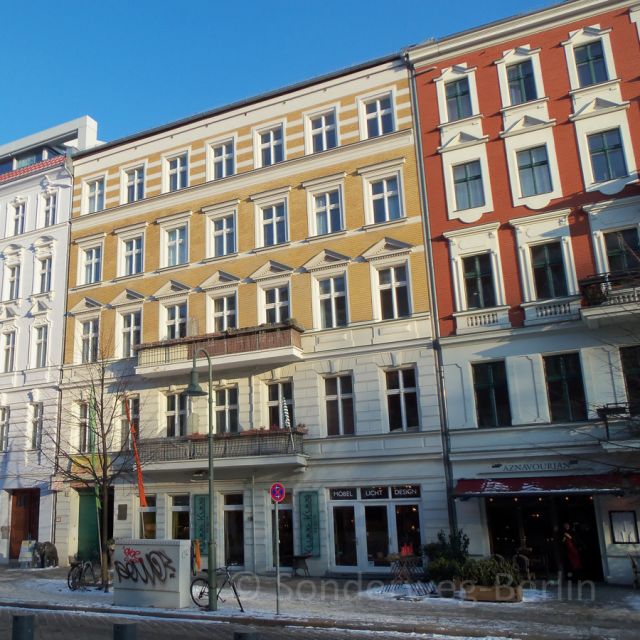
Mauerpark is likely the most familiar name on the itinerary. It is famous for its Sunday flea market and live music shows, giving it a social, informal feel. If your walk takes place on a Sunday, the market may add extra activity, but the park remains worthwhile outside market hours because of its location and history.
The name Mauerpark means Wall Park, and the route along Bernauer Straße places the park within Berlin’s divided past. The area is not just a recreation space. It helps you understand how former border land has been given a new public use.
I like this stop because it connects serious history with ordinary city life. You may hear music, see people browsing stalls, or watch residents crossing the park, while the guide explains the political and physical divisions that once shaped this part of Berlin.
There is one practical point to keep in mind. Mauerpark can be more crowded and noisy when the Sunday flea market and live performances are taking place. That may be a plus if you want to see the park at its most social. If you prefer quiet conditions for listening, another day may be easier.
Bernauer Straße and the Messel House
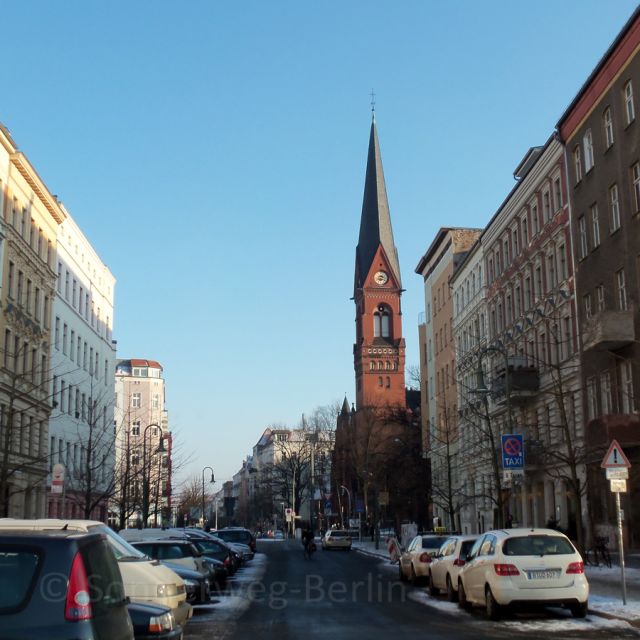
The walk continues along Bernauer Straße to see the Messel House. This section adds another architectural and historical marker to the route.
The value of the Messel House is not simply its appearance. It gives the guide another chance to explain how individual buildings fit into the district’s wider story. Prenzlauer Berg is not made up only of grand landmarks. Its character comes from the relationship between residential streets, public buildings, former industrial functions, and open spaces.
A guide can point out details that are easy to miss when you explore alone. You may notice a building’s design or location, but the explanation tells you why it belongs in the story of the neighborhood.
If you have spent your first Berlin days visiting large museums and famous monuments, this quieter architectural stop provides a useful change of pace. It asks you to pay attention to the city itself.
Rykestraße Synagogue and Oderberger Straße pool
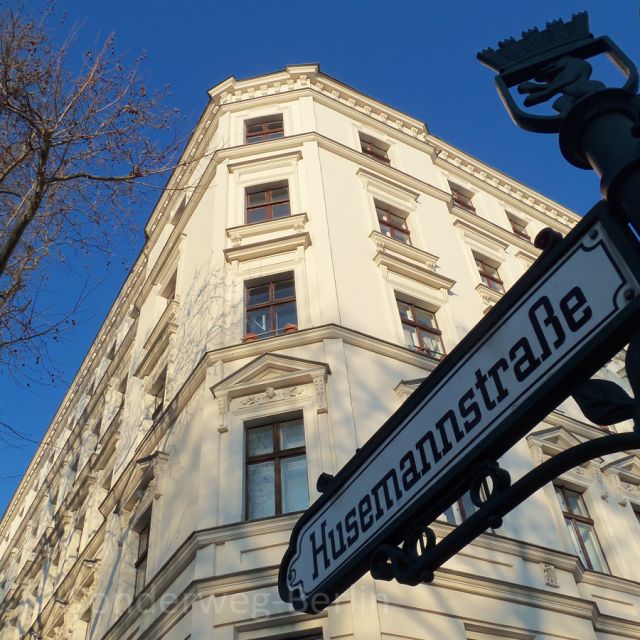
The grand synagogue on Rykestraße is one of the route’s most striking buildings. It adds another important Jewish site to the walk and gives you a chance to consider religious life, community, and the changing fortunes of Berlin’s Jewish population.
The synagogue is also a strong visual stop. Its scale and presence make it easy to understand why architecture matters on this tour. You are not only hearing about people and events. You are seeing the places that carry those stories.
The public pool on Oderberger Straße offers a different kind of landmark. A swimming pool may sound less important than a synagogue or cemetery, but public facilities reveal how a neighborhood served its residents. The stop broadens the tour beyond monuments and memorials.
Together, these two sites show the range of the experience. One points toward Jewish heritage and religious life. The other speaks to public space and local services. That variety keeps the route grounded in ordinary Berlin, not only major historical events.
The best part is the discussion of change
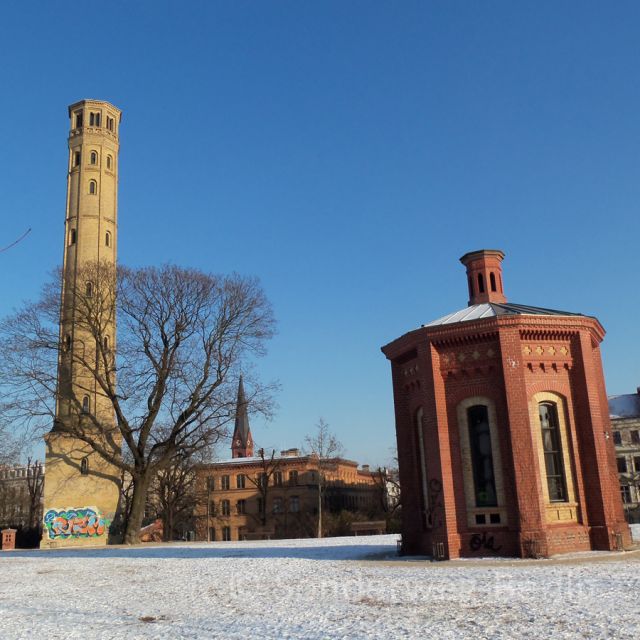
The most useful thread running through the walk is the contrast between Prenzlauer Berg’s former character and its rapidly changing future. You hear about the district’s difficult periods, its creative identity, and its newfound prosperity.
That balance matters. It is easy to romanticize an old neighborhood as more authentic before redevelopment, or to celebrate new cafés and renovated buildings without asking what was lost. This tour addresses both sides of the story.
You can expect the guide to explain how diversity and prosperity have shaped modern Prenzlauer Berg. The conversation may be particularly helpful if you are curious about Berlin beyond sightseeing, since it touches on residents, politics, and urban planning.
Past tours with Tobias were praised for making these subjects entertaining as well as informative. That combination is important on a 2.5-hour walk. You want substance, but you also want a guide who can keep the group engaged and make room for questions.
Pace, group feel, and practical planning
The tour lasts 2.5 hours, so wear comfortable shoes and plan for a steady amount of walking. Food and drinks are not included, which is not a problem if you eat before the start or plan a café stop afterward.
The meeting point varies by the option booked, so check your confirmation rather than assuming the walk begins at one particular landmark. Since the route covers several parts of Prenzlauer Berg, knowing the exact starting place will help you arrive without a rushed crossing of the city.
The tour is available in English or German. The guide-led format can work well for solo visitors, couples, and families with older children who can manage the walking time and enjoy historical discussion.
Group size can affect the feel of any walking tour. One past departure had around 40 people, and the guide managed to involve the group. Other departures were small enough to feel almost private, with only two participants. You cannot count on a particular group size, but the activity has worked in both settings.
Free cancellation is available up to 24 hours before the start for a full refund. You can also reserve now and pay later, which is useful if your Berlin plans are still shifting.
Who should book this Prenzlauer Berg walk?
I would choose this tour if you have already seen Berlin’s headline sights and want to understand one district in detail. It is also a smart early activity if you want local context before exploring Prenzlauer Berg on your own.
You will get the most from it if you enjoy:
- Architecture and urban design
- Jewish Berlin and local history
- East Berlin and reunification-era change
- Public spaces, neighborhood life, and current politics
- Asking questions rather than only taking photos
I would be more cautious if your main goal is a fast sightseeing circuit or indoor attractions. This is a walking conversation, not a transport tour, and there is no food, drink, or admission package included.
The tour also suits repeat visitors. One past participant had visited Berlin many times and wanted something more focused than a river trip or museum. That is exactly where this activity earns its place: it shows you a neighborhood through context, not just through a list of sights.
Should you book it?
Book this Prenzlauer Berg tour if you want Berlin explained at street level. For $23, you get a 2.5-hour guided route through major landmarks, public spaces, and less obvious corners, with history and current change discussed together.
The strongest reason to go is the range of stops. You move from the Jewish Cemetery and Rykestraße Synagogue to the Wasserturm, Kollwitzplatz, Mauerpark, Messel House, and Oderberger Straße pool. The second reason is the guide’s role. Past departures led by Tobias were especially strong in history, humor, and open conversation.
Skip it only if you dislike long walks or want a tour focused on central Berlin’s best-known monuments. For everyone else, this is a practical way to see why Prenzlauer Berg has become one of Berlin’s most talked-about districts, and why its older identity still matters.
FAQ
How long is the Prenzlauer Berg walking tour?
The tour lasts 2.5 hours.
How much does the tour cost?
The listed price is $23 per person.
What language is the tour offered in?
The live tour guide speaks German or English.
What sights are included on the route?
The route includes the Jewish Cemetery on Schönhauser Allee, the Wasserturm, Kollwitzplatz, Mauerpark, Bernauer Straße, the Messel House, Rykestraße Synagogue, and the public pool on Oderberger Straße.
Does the tour visit Mauerpark?
Yes. The walk includes Mauerpark, which is known for its Sunday flea market and live music shows.
Is food included?
No. Food and drinks are not included in the activity.
Is a guide included?
Yes. The booking includes the walking tour and a guide.
Where does the tour meet?
The meeting point may vary depending on the option you book. Check the details for your selected departure.
Can I cancel for a refund?
Yes. You can cancel up to 24 hours in advance for a full refund.
Do I have to pay when I book?
You can reserve now and pay later, so payment is not required immediately when booking.
Just added around Berlin
- From Berlin: Gardens & Palaces of Potsdam Bike Tour★ 5.0 · 61 reviews
- Berlin: Battle for Seelow Heights WW2 tour -Clash of Titans★ 5.0 · 27 reviews
- From Berlin: Historical Gems of Potsdam Private Day Trip★ 4.4 · 4 reviews
- Berlin: Französischer Dom 360° Panorama & Crémant to go★ 3.9 · 5 reviews
- Explore Berlin Tour: History and Highlights★ 4.7 · 5 reviews
- Berlin: Evening Yacht Cruise with Aperitif & Dinner Upgrade★ 4.6 · 178 reviews
- Berlin: Expats in Berlin Comedy Show Ticket★ 4.7 · 182 reviews
- Berlin: The Epic Comedy Club Friday Night Showcase★ 4.8 · 28 reviews
Berlin Tours, compared.
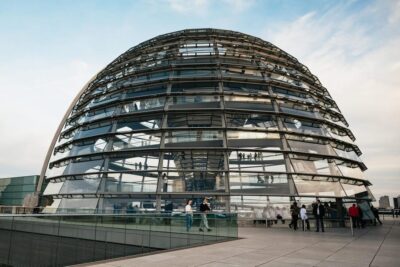
Reichstag, Dome and Government District Guided Tour
Read our review →
1-Hour City Tour by Boat with Guaranteed Seating
Read our review →
Reichstag, Plenary Chamber, Cupola & Government Tour
Read our review →
Browse the lists this tour appears in