Review · BERLIN TOURS
Berlin: Entry to Alte Nationalgalerie
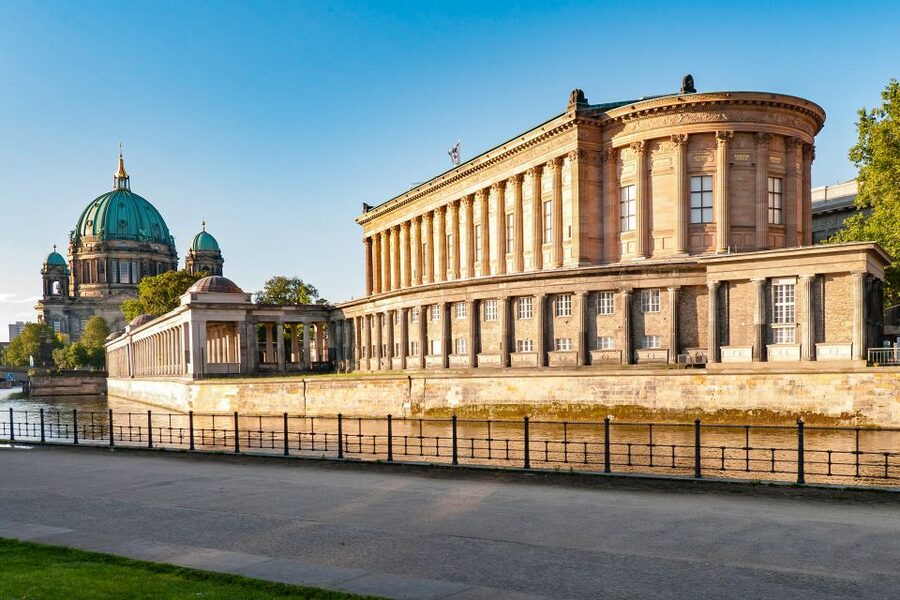
Berlin’s Alte Nationalgalerie gives you a compact tour through the art of the 19th century, from severe Classicism to dreamy Romanticism, bright Impressionism, and the first steps toward modern art. The building itself is part of Museum Island, so your visit begins with one of Berlin’s grandest cultural settings before you even reach the galleries.
I like the mix of famous works and less familiar surprises, especially Caspar David Friedrich’s The Monk by the Sea and Adolf Menzel’s Eisenwalzwerk. I also like that the $14 ticket includes an audio guide and lets you enter without waiting in the regular ticket line.
The main caution is that gallery access can vary. A floor with Impressionist works or the third floor may be closed during your visit, and that matters if you are coming mainly for Monet, Manet, or Renoir. Check the current display before booking, since this ticket is non-refundable.
Key Points
- Friedrich’s The Monk by the Sea gives you one of German Romanticism’s most powerful images of solitude and nature.
- Menzel’s Eisenwalzwerk brings industrial work and social change into the museum’s grand artistic story.
- French Impressionism includes works associated with Manet, Monet, and Renoir.
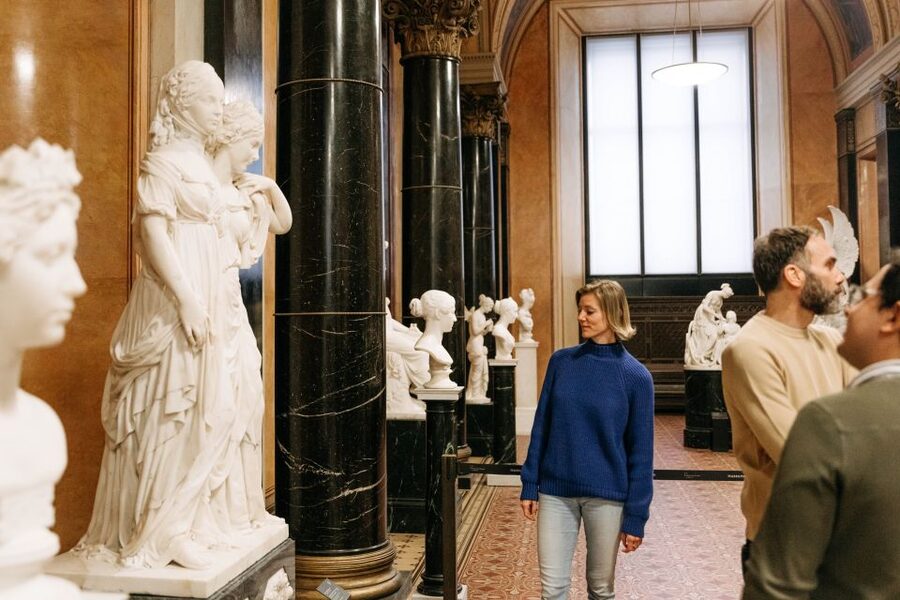
- The Group of Princesses offers a graceful look at courtly portraiture in the age of Goethe.
- Schadow’s marble tomb for Count Alexander von der Mark, made in 1790, is an arresting early highlight.
- Timed admission and an audio guide make this a simple one-day museum visit, but you must arrive within 15 minutes of your booked slot.
A Grand Start on Berlin’s Museum Island
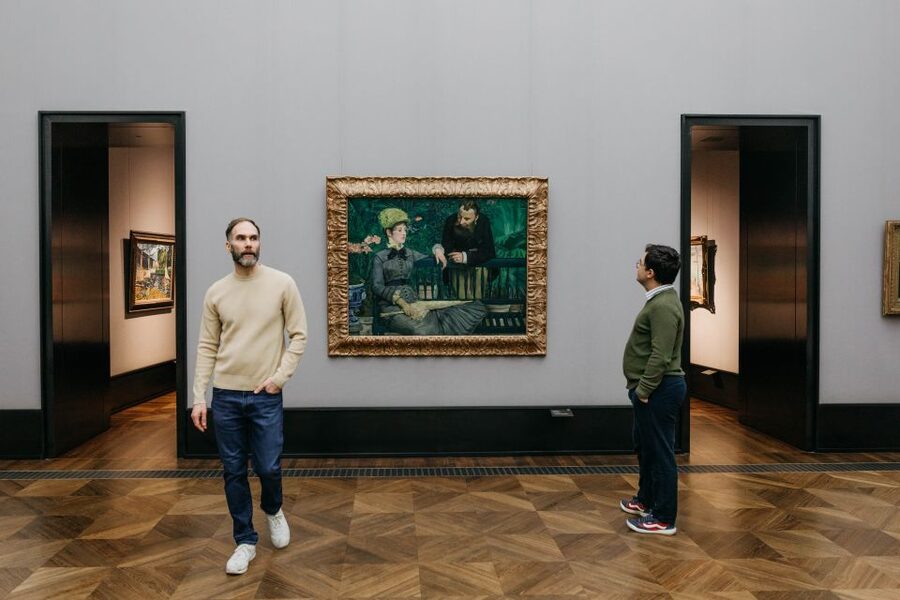
The Alte Nationalgalerie sits on Museum Island, the UNESCO World Heritage Site in the center of Berlin. You enter at the visitor entrance on Bodestraße, then climb into a building designed to feel more like a civic temple than an ordinary gallery.
That idea was intentional. Friedrich Wilhelm IV imagined the museum as a sanctuary for art and science, and the architecture still gives the collection a strong sense of occasion. You are not entering a plain white box. The setting tells you that art, education, and public life mattered to the people who built modern Berlin.
The museum opened in 1876 as the third museum on the Spree Island. Its collection began with a donation from banker Joachim Heinrich Wilhelm Wagener, who gave the Prussian state paintings linked to the Düsseldorf school and Belgian history painting.
That starting point helps explain the museum’s range. The Alte Nationalgalerie is not devoted to one painter, one movement, or one narrow period. Instead, it follows a broad arc through the 19th century, showing how German artists moved from classical ideals to Romantic feeling, bourgeois portraiture, industrial subjects, Impressionist light, and early modern experimentation.
A few more Berlin half-days to weigh up
- Berlin: Reichstag, Dome and Government District Guided Tour
★ 4.7 · 18,288 reviews - Berlin: 1-Hour City Tour by Boat with Guaranteed Seating
★ 4.3 · 16,993 reviews - Berlin: Boat Tour Along the River Spree
★ 4.4 · 11,252 reviews
Moving From Classicism to Romanticism
Your visit is arranged as a journey through changing artistic ideas. Early works reflect the discipline of Classicism, with an interest in order, ideal beauty, and subjects drawn from history or mythology.
The mood shifts as you reach Romanticism. Here, art becomes more personal and inward. Caspar David Friedrich’s The Monk by the Sea is the key work for many people. A small human figure faces a broad, nearly empty expanse, and the painting leaves you with a sense of quiet uncertainty rather than a clear story.
I would give Friedrich’s painting time instead of treating it as a quick stop for a photograph. Its power comes from the open space, the restrained colors, and the imbalance between the tiny monk and the huge natural world around him. The painting is easy to understand at first glance, but it rewards a slower look.
Another important Romantic work is The Gothic Cathedral at the Water. It carries the period’s interest in ruins, faith, medieval architecture, and the emotional pull of the past. If Friedrich’s monk feels alone in nature, this scene links human belief to an imagined medieval world.
The so-called Group of Princesses adds a different side of the same period. Rather than showing a dramatic scene, it presents aristocratic figures with elegance and social polish. You get a useful contrast here: Romanticism was not only about misty landscapes and lonely figures. It also included portraiture, fashion, status, and the carefully managed image of court life.
Sculptures That Reward a Slower Look
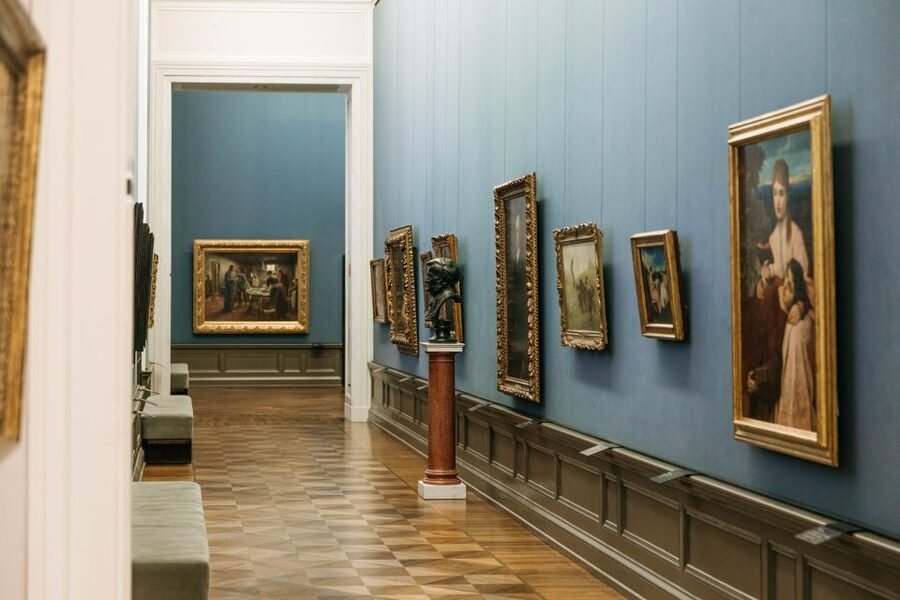
The Alte Nationalgalerie is well known for paintings, but the sculpture collection adds weight and variety to the visit. One of the most memorable pieces is the marble tomb for Count Alexander von der Mark by Johann Gottfried Schadow, made in 1790.
The tomb is an early highlight because it combines tenderness, ceremony, and technical skill. Marble can make a memorial feel distant, but this work has a human quality that encourages you to stop. Look at the treatment of the figures and the contrast between the cold material and the subject of mourning.
The museum also presents sculpture such as Sleeping Beauty, a work that has a very different mood. Where the tomb invites reflection on death and memory, Sleeping Beauty draws attention to the body, softness, and the sculptor’s ability to suggest a living presence in stone.
These works also help you pace your visit. After several rooms of paintings, sculpture changes the scale of what you are looking at. You move from framed surfaces to objects that occupy the room, and the shift can refresh your attention.
Friedrich and Menzel, Two Essential Stops
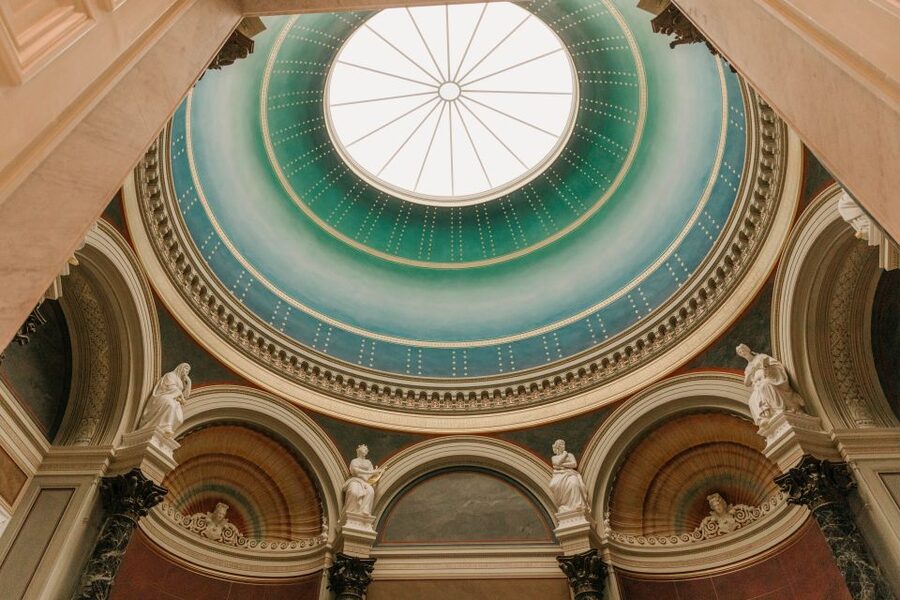
If you have limited time, plan around Friedrich and Menzel. They represent two very different ways of seeing 19th-century Germany.
Friedrich looks inward and outward at once. His art uses nature, architecture, and distance to create a reflective mood. The Monk by the Sea is the best-known example in this collection, but the surrounding Romantic works help you understand why the painting matters. You are seeing an era that treated art as a way to express feelings that words could not easily explain.
Adolf Menzel’s Eisenwalzwerk brings you into a far less serene world. The painting shows the heat, strength, and strain of industrial labor. It is a major work because it takes the modern factory seriously as an artistic subject.
The contrast is useful. Friedrich gives you stillness and vast space. Menzel gives you machinery, workers, and physical effort. Together, they show how quickly the concerns of art changed during the 19th century, as Germany moved toward industrial modernity.
I would not rush past the Menzel. It is easy to focus only on famous Romantic images, but Eisenwalzwerk gives the museum social and economic substance. The painting connects the gallery to the factories and working lives that transformed Europe.
Same city, a completely different sort of afternoon:
- Discover Berlin Half-Day Walking Tour
★ 5.0 · 9,624 reviews - Berlin: Hop-on Hop-off Bus Tour with Live Commentary
★ 4.3 · 8,579 reviews - Berlin: Government District around the Reichstag Guided Tour
★ 4.7 · 8,447 reviews - Berlin: Reichstag, Plenary Chamber, Cupola & Government Tour
★ 4.6 · 8,422 reviews
French Impressionism and the Light-Filled Rooms
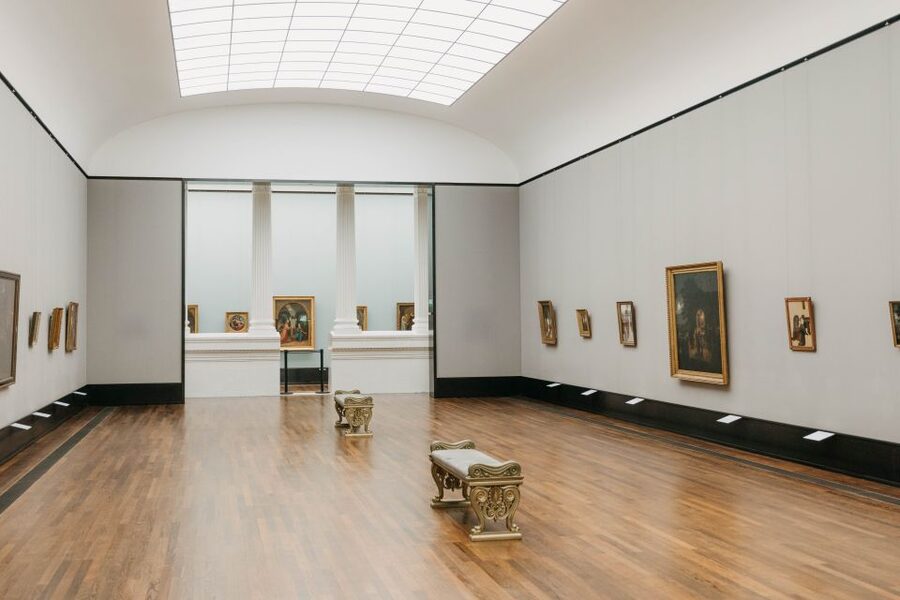
French Impressionism is one of the biggest reasons people choose this museum. The collection includes works connected with Édouard Manet, Claude Monet, and Pierre-Auguste Renoir.
These paintings bring a noticeable change in mood. Instead of carefully polished historical scenes, you get greater interest in modern life, changing light, quick impressions, and the visual effect of a particular moment.
I like this part of the collection because it gives you a chance to compare French approaches with the German works nearby. The change is not simply one of country. It is also a change in attitude. Artists are less concerned with making every detail look fixed and permanent. They are more interested in what the eye sees in passing.
The practical issue is important: access to the Impressionist rooms has not always been guaranteed. One visit had the second floor closed even though Impressionist paintings were the main reason for booking, and another found the third floor unavailable. This is the clearest weakness of the experience.
If Impressionism is your priority, check the current museum information before paying. A timed ticket is convenient, but it cannot compensate for a closed gallery. Since the activity is non-refundable, this small bit of preparation matters.
The Collection’s Later Turn Toward Modern Art
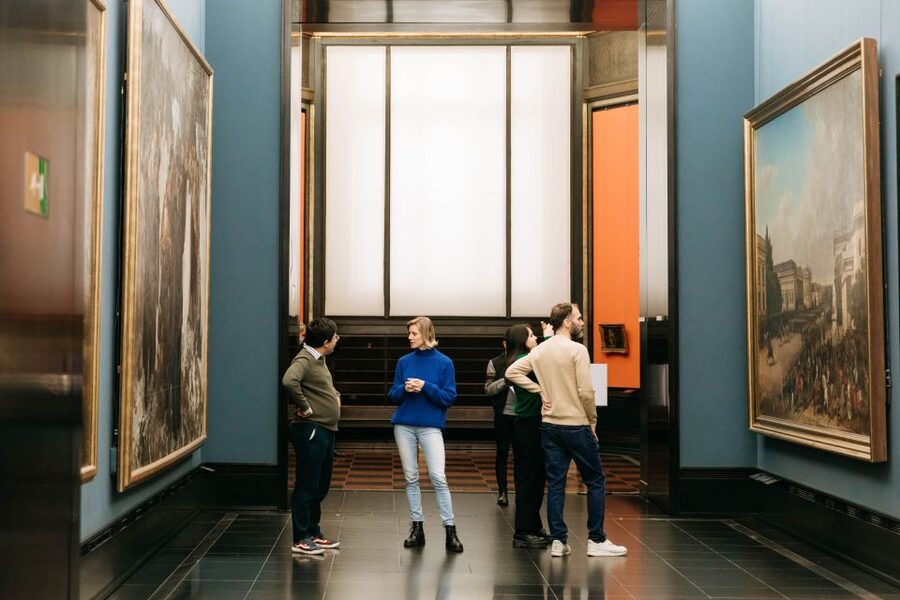
The museum does not stop with the early 19th century. It also follows art toward the period of the Secession, roughly from 1880 to 1920, and into early Modernity.
This section can include works by artists such as Max Liebermann, Franz von Stuck, and Gustav Klimt, along with drawings, sculptures, and paintings by other artists of the period. The result is a useful ending to the museum’s story. You begin with classical rules and Romantic feeling, then finish in a period when artists were questioning old rules and looking for new forms.
The closing displays can have a satisfying sense of artistic credits. A series of self-portraits near the end has been especially memorable for its theatrical effect, as if the artists are taking their final bows. Posters for past art exhibitions add another unusual touch and show how museums and exhibitions became part of modern cultural life.
This final section also gives you a reason to look beyond the single famous painting. If you have already seen Friedrich or the Impressionists elsewhere in Berlin, the late 19th-century and early 20th-century rooms may become the most rewarding part of your visit.
How Much Time Should You Allow?
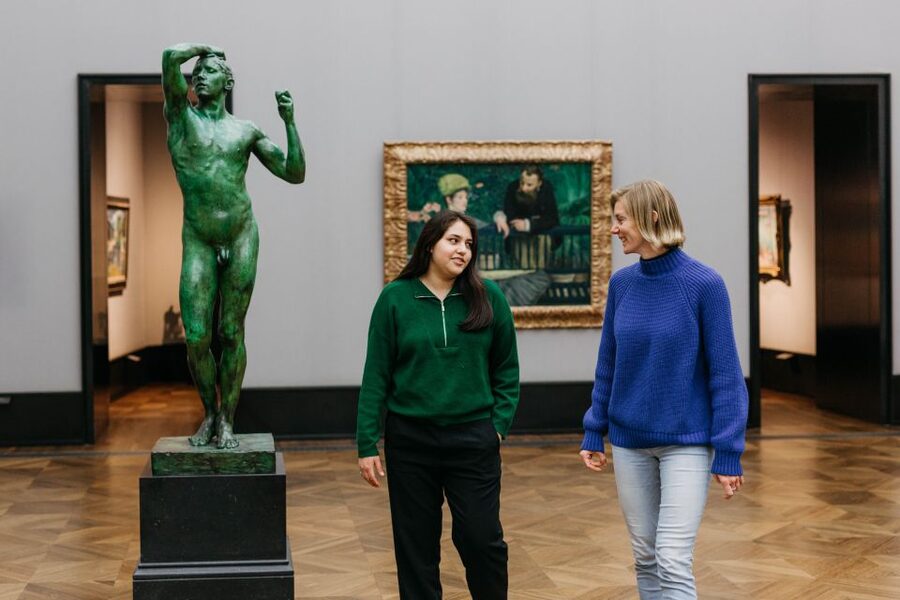
The ticket is valid for one day, but it is not an all-day guided tour. You choose a starting timeslot, enter within 15 minutes of that time, and then explore the museum at your own pace.
The information provided does not set a required visit length. I would plan enough time to see the main rooms without rushing, especially if you want to use the audio guide. The collection covers several movements, and the building itself deserves attention.
A short visit can focus on Friedrich, Menzel, the sculpture highlights, and the Impressionists. A longer visit lets you follow the full development from Classicism through early Modernity.
The audio guide is included, which adds value for anyone who wants context without joining a scheduled group. It can help explain why a work matters, identify artistic periods, and make connections between rooms. You can also check for exhibition talks and guided tours with themes for both children and adults, although those programs are separate from the basic entry experience.
What the $14 Ticket Includes
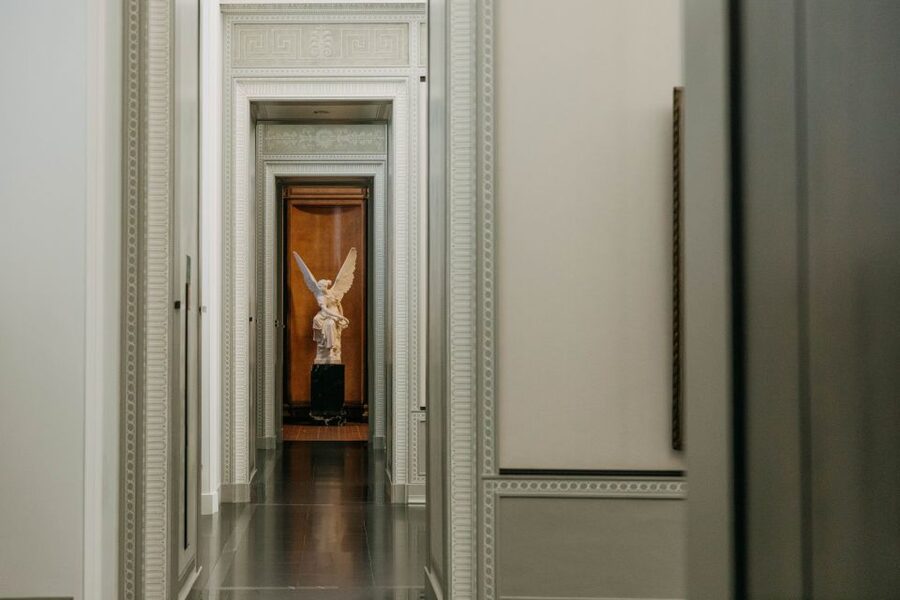
At $14 per person, the ticket is fairly priced for access to one of Berlin’s major art museums, particularly because the audio guide is included and you can skip the regular ticket line.
The strongest value comes from the collection’s range. You are not paying for only one temporary display. The ticket covers a substantial permanent collection that moves through several major artistic periods.
There are limits. Transportation is not included, and the ticket does not cover Berlin’s other museums on Museum Island. If you want to visit several museums, you need separate admission arrangements and should compare the total cost before booking.
The skip-the-line feature is most useful when the entrance is busy. It does not mean you can ignore the booked time. You still need to arrive at the Alte Nationalgalerie entrance within the required 15-minute window.
Practical Details Before You Go
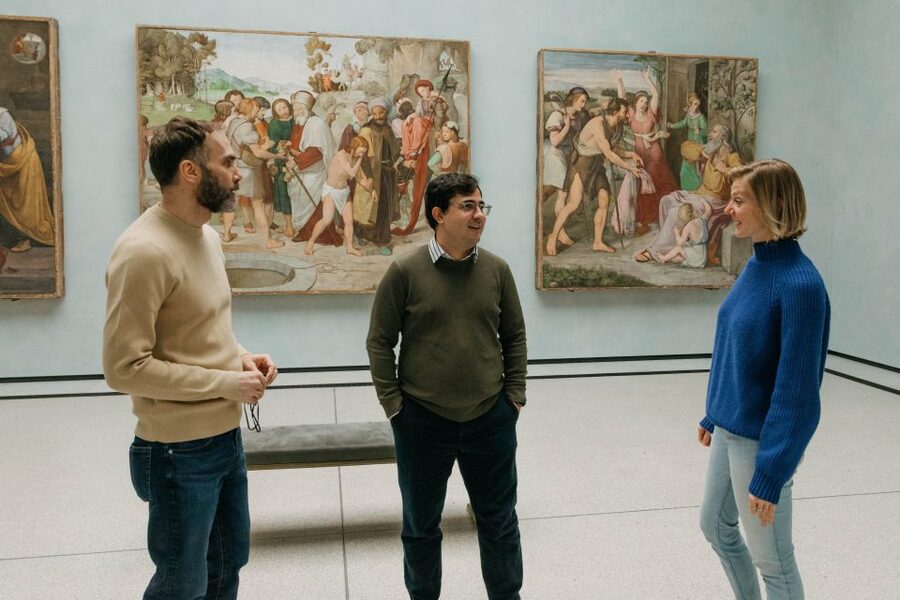
The meeting point is the visitor entrance of the Alte Nationalgalerie on Bodestraße, 10178 Berlin. The activity ends at the same point, so you can continue exploring Museum Island afterward.
Do not bring a backpack. This is the most important access rule to remember because it can affect your plans before you even reach the entrance.
The entire building is wheelchair accessible. Transportation is not provided, so you arrange your own way to Museum Island. Discounted tickets require suitable identification, so bring the correct proof if you are booking at a reduced rate.
The ticket is non-refundable. That makes checking the booked date, entry time, current room access, and ticket type especially worthwhile before you complete the purchase.
Who Will Enjoy This Museum Most?
I would recommend the Alte Nationalgalerie to anyone who likes seeing art movements placed next to one another. It works especially well if you want German Romanticism, 19th-century sculpture, French Impressionism, and early Modernity in one visit.
It is also a good choice for a first art museum in Berlin because the collection has a clear historical rhythm. You can see how artistic priorities changed without needing to visit several separate institutions.
Families can use the audio guide and look for contrasts between quiet Romantic scenes, grand portraits, sculptures, and industrial painting. Exhibition talks and guided tours may add more structure for children and adults, depending on the schedule.
I would be more cautious if you are booking only for one specific floor or painting. Temporary closures have affected the Impressionist rooms and the third floor, and the basic ticket does not protect you from that disappointment.
Should You Book the Alte Nationalgalerie?
Book this experience if you want a focused, affordable visit to 19th-century art in a remarkable Berlin building. Friedrich’s The Monk by the Sea, Menzel’s Eisenwalzwerk, Schadow’s marble tomb, French Impressionist works, and the late 19th-century galleries give you plenty to see for $14.
Before booking, check which floors and galleries are open, especially if Monet, Manet, or Renoir is your main goal. If those rooms are accessible, the ticket offers strong value. If they are closed, you can still enjoy an impressive collection, but the visit may not match your original plan.
FAQ
Where does the Alte Nationalgalerie visit begin?
The visit begins at the visitor entrance of the Alte Nationalgalerie on Bodestraße, 10178 Berlin.
How long is the ticket valid?
The ticket is valid for one day. You must enter the museum within 15 minutes of your booked timeslot.
Is an audio guide included?
Yes. The ticket includes an audio guide.
Does the ticket include Berlin’s other museums?
No. The ticket covers the Alte Nationalgalerie only. Admission to other museums on Museum Island is not included.
Can I bring a backpack?
No. Backpacks are not allowed inside.
Is the museum wheelchair accessible?
Yes. The entire building is wheelchair accessible.
Just added around Berlin
- From Berlin: Gardens & Palaces of Potsdam Bike Tour★ 5.0 · 61 reviews
- Berlin: Battle for Seelow Heights WW2 tour -Clash of Titans★ 5.0 · 27 reviews
- From Berlin: Historical Gems of Potsdam Private Day Trip★ 4.4 · 4 reviews
- Berlin: Französischer Dom 360° Panorama & Crémant to go★ 3.9 · 5 reviews
- Explore Berlin Tour: History and Highlights★ 4.7 · 5 reviews
- Berlin: Evening Yacht Cruise with Aperitif & Dinner Upgrade★ 4.6 · 178 reviews
- Berlin: Expats in Berlin Comedy Show Ticket★ 4.7 · 182 reviews
- Berlin: The Epic Comedy Club Friday Night Showcase★ 4.8 · 28 reviews
Berlin Tours, compared.
Reichstag, Dome and Government District Guided Tour
Read our review →
1-Hour City Tour by Boat with Guaranteed Seating
Read our review →
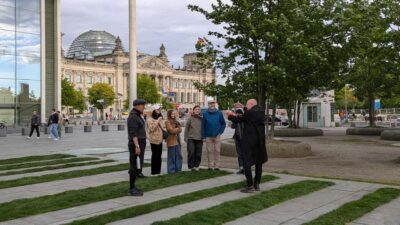
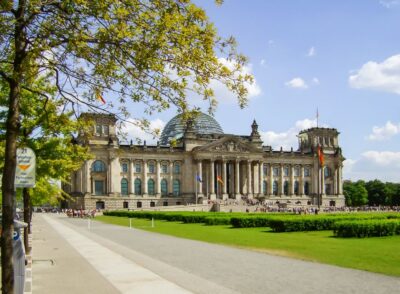
Reichstag, Plenary Chamber, Cupola & Government Tour
Read our review →