Review · BERLIN TOURS
Berlin: Entry Ticket To The Kunstgewerbemuseum
The most striking part of Berlin’s Kunstgewerbemuseum is the range. In one visit, you can move from medieval goldwork and jeweled reliquaries to embroidered clothing, porcelain, glass, furniture, and modern industrial design. This is not a museum built around one famous painter. It is a close look at how people made useful objects beautiful.
I like the excellent $11 price, especially for a full day of access, and I like the way the collection reaches across centuries instead of stopping at one period. The spacious rooms, open staircase, and planted design also give the museum a different feel from a traditional cabinet of treasures. The drawback is that parts of the display can feel dark, and the fashion section may seem too limited if that is your main interest.
Key points to know before you go
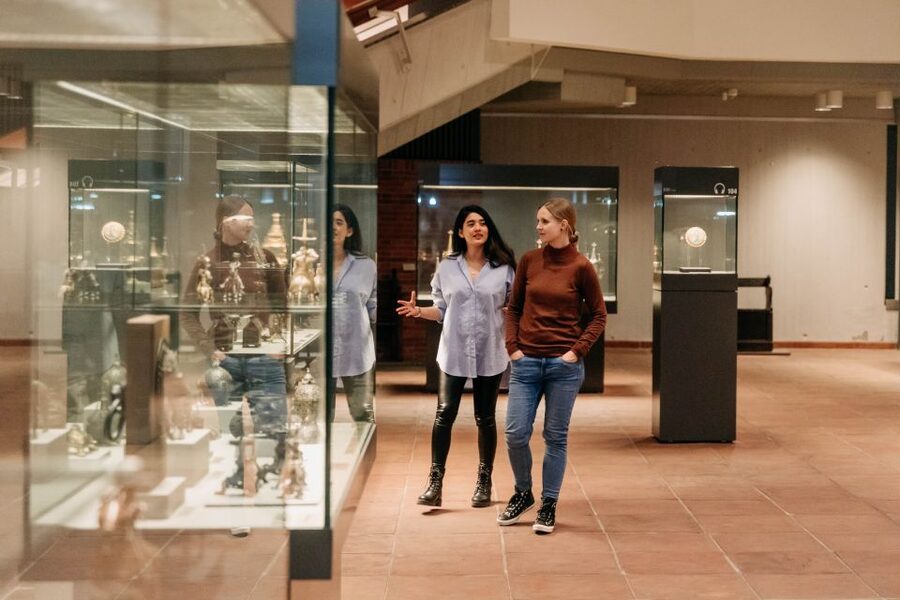
- Medieval treasures lead the way: See reliquaries made with gold and precious stones, along with finely worked objects from later centuries.
- The collection covers many crafts: Expect woodwork, ceramics, silver, goldsmithing, glass, furniture, fashion, and modern industrial design.
- Two Berlin settings: The museum’s displays are found at the Kulturforum near Potsdamer Platz and at Köpenick Castle on a peninsula in the Dahme.
- A self-guided visit: Your ticket includes admission only. An audio guide and tour guide cost extra, if available.
- One-day value: At $11 per person, the ticket suits a flexible museum day rather than a tightly timed guided tour.
- A useful practical detail: The museum is wheelchair accessible, and wearing a medical or FFP2 mask is recommended but not required.
Why the Kunstgewerbemuseum is different
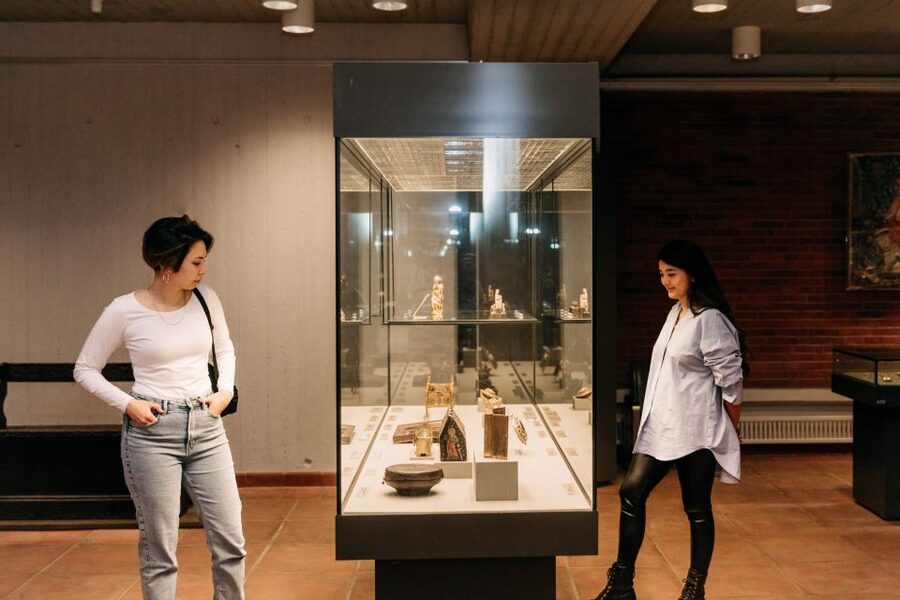
Berlin has no shortage of major museums, but the Kunstgewerbemuseum asks a more practical question: how did people make the things around them? The collection treats furniture, clothing, tableware, religious objects, and design pieces as serious art.
That approach gives you a fuller picture of European craftsmanship. A reliquary shows skill, wealth, and religious devotion. A dress reveals fabric work, taste, and social status. A chair or vase shows how design can serve daily life while still becoming a work of art.
I find this kind of museum rewarding because it changes how you look at ordinary objects. You may leave noticing the shape of a glass, the stitching on a sleeve, or the joinery in a wooden piece. The museum does not depend on one celebrated name to carry the visit.
The collection is also unusually broad in time. The oldest objects reach back more than 1,500 years, while the displays continue into modern industrial design. That span helps you see changes in materials and technique without needing a specialist background.
A few more Berlin half-days to weigh up
- Berlin: Reichstag, Dome and Government District Guided Tour
★ 4.7 · 18,288 reviews - Berlin: 1-Hour City Tour by Boat with Guaranteed Seating
★ 4.3 · 16,993 reviews - Berlin: Boat Tour Along the River Spree
★ 4.4 · 11,252 reviews
Starting at the Kulturforum near Potsdamer Platz
The main address is the Kunstgewerbemuseum at Matthäikirchplatz, 10785 Berlin, near Potsdamer Platz. This puts the museum in one of Berlin’s major cultural areas, so it can fit neatly into a day that includes other nearby sights.
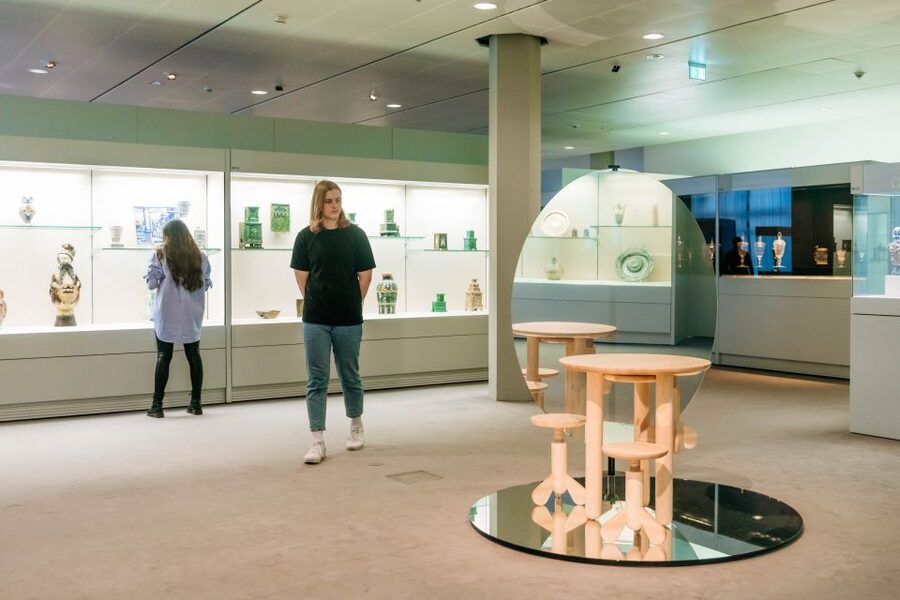
The building itself is part of the experience. Its rooms are spacious, and an open staircase helps connect the different sections. The design was planned as a built landscape, with greenery that reflects the nearby Tiergarten. That planting softens the large modern interior and gives you a more open setting than the usual sequence of closed gallery rooms.
I recommend entering without rushing straight to a favorite category. Start by getting your bearings, then let the collection’s mixture guide you. The arrangement is useful for comparison: a historic object may sit within a larger story about materials, production, or design rather than being treated as an isolated treasure.
The open layout also makes this a comfortable place for a self-guided visit. You can spend longer with a small gold object, move quickly through furniture, or pause at the fashion displays without keeping pace with a group.
Do keep your expectations measured. This is not described as a vast encyclopedic museum with endless rooms. One careful visit can cover a good amount, but the collection feels modest in some areas. At the same time, that smaller scale is part of the value. You can look closely without turning the day into an exhausting march.
Gold, precious stones, and medieval craftsmanship
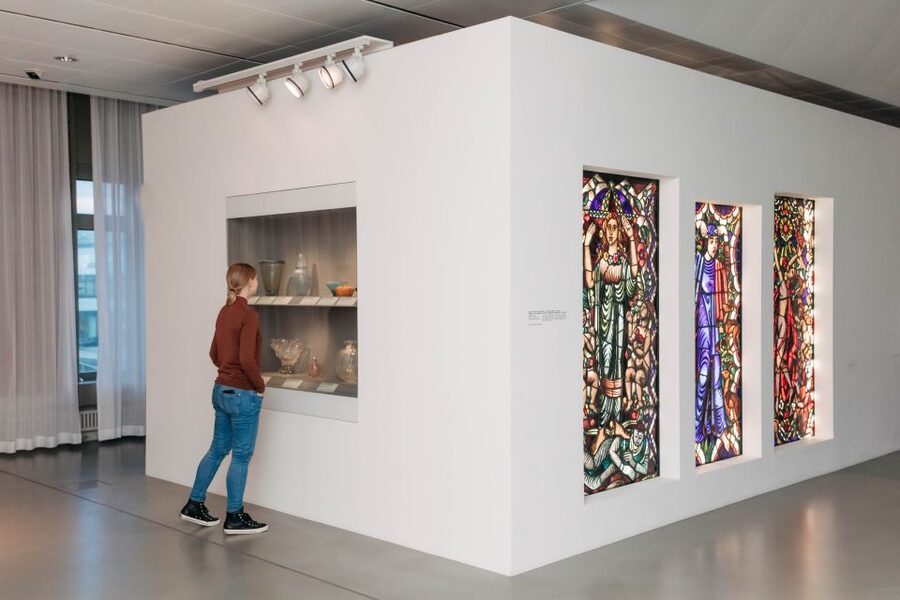
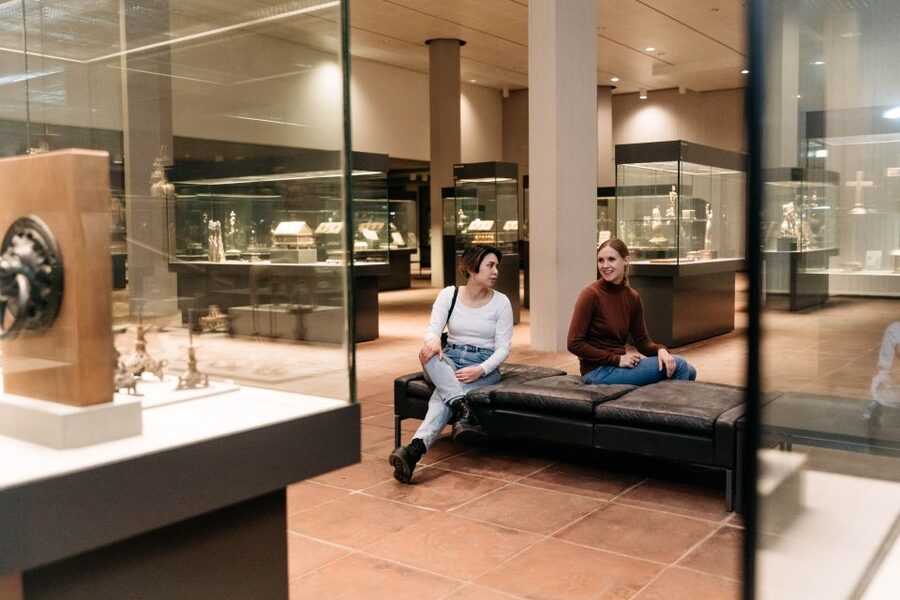
The early decorative arts provide some of the museum’s strongest moments. Ornate reliquaries made from gold and precious stones show how craftsmanship could serve religious purposes while also displaying status and wealth.
These pieces deserve slow looking. Notice the relationship between the overall shape and the tiny details. The materials matter, but so does the labor: cutting, setting, polishing, joining, and decorating all had to work together.
The collection also includes objects that show how skilled makers were long before modern tools. If you enjoy seeing exactly how something was constructed, this section may become the highlight of your visit.
Wooden artworks are another strong point. Particularly memorable are the wooden pictures, which give you a chance to look at carving, surface treatment, and fine detail from close range. They offer a different experience from gold and jewels, with warmth and texture replacing shine.
The historical objects also give the museum its sense of purpose. You are not only looking at expensive materials. You are seeing evidence of technical ability from periods when making a single object could require years of training.
Ceramics, glass, silver, and furniture
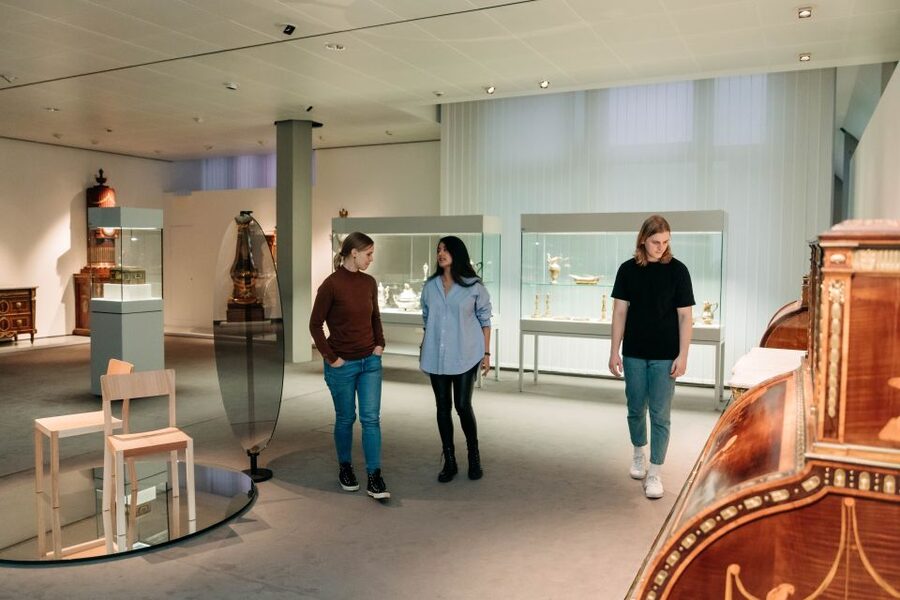
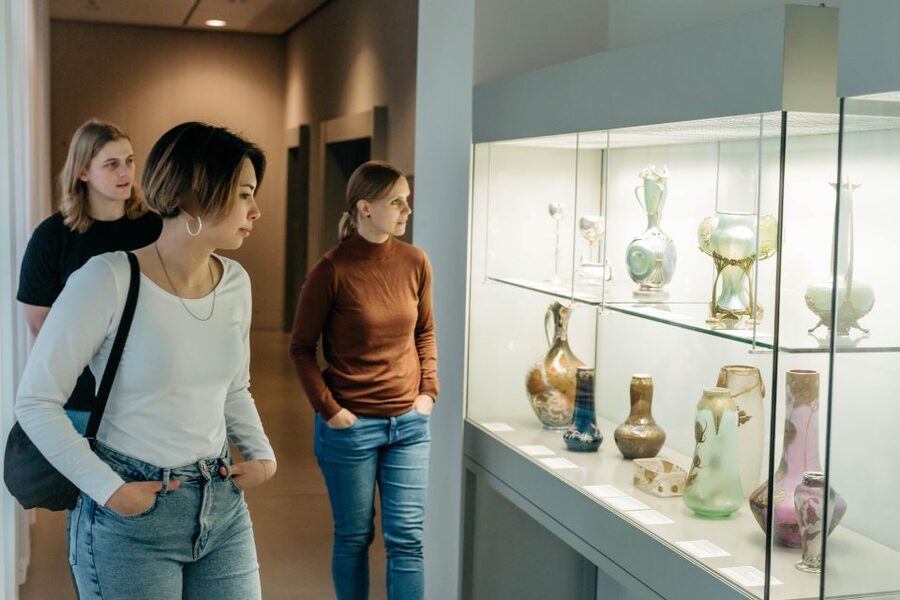
After the early treasures, give yourself time with the more familiar materials. The museum includes vases in glass and porcelain, along with ceramics, silver, furniture, and goldsmithing.
These sections work well for anyone who enjoys comparing materials. Porcelain can look delicate and precise, glass can appear almost weightless, and silver depends on both surface and form. Furniture brings the scale back to the human body, showing how design affects the way you sit, store, eat, or work.
I especially like that the collection does not treat decorative arts as minor objects. A vase is not only a container. A piece of furniture is not only something functional. Each object can show taste, technology, trade, and the habits of the society that produced it.
The displays may also appeal to families and mixed-interest groups because the objects vary so much. One person can focus on metalwork while another studies dress or furniture. You do not need to share one narrow interest to find something worth your time.
Lighting is worth noting. Some areas may feel quite dark, and that can make small details harder to see. The low light may protect sensitive objects, but it is a real consideration if you want to examine intricate work or take in every surface at a glance.
Same city, a completely different sort of afternoon:
- Discover Berlin Half-Day Walking Tour
★ 5.0 · 9,624 reviews - Berlin: Hop-on Hop-off Bus Tour with Live Commentary
★ 4.3 · 8,579 reviews - Berlin: Government District around the Reichstag Guided Tour
★ 4.7 · 8,447 reviews - Berlin: Reichstag, Plenary Chamber, Cupola & Government Tour
★ 4.6 · 8,422 reviews
Fashion and the limits of the clothing displays
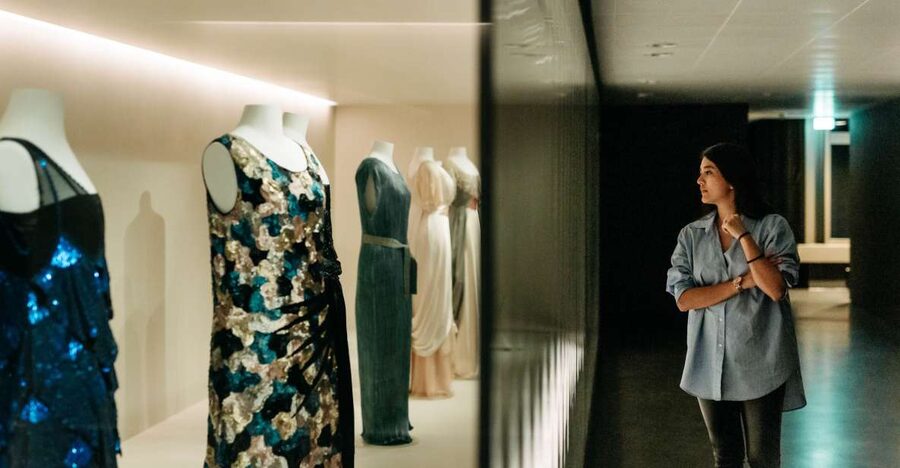
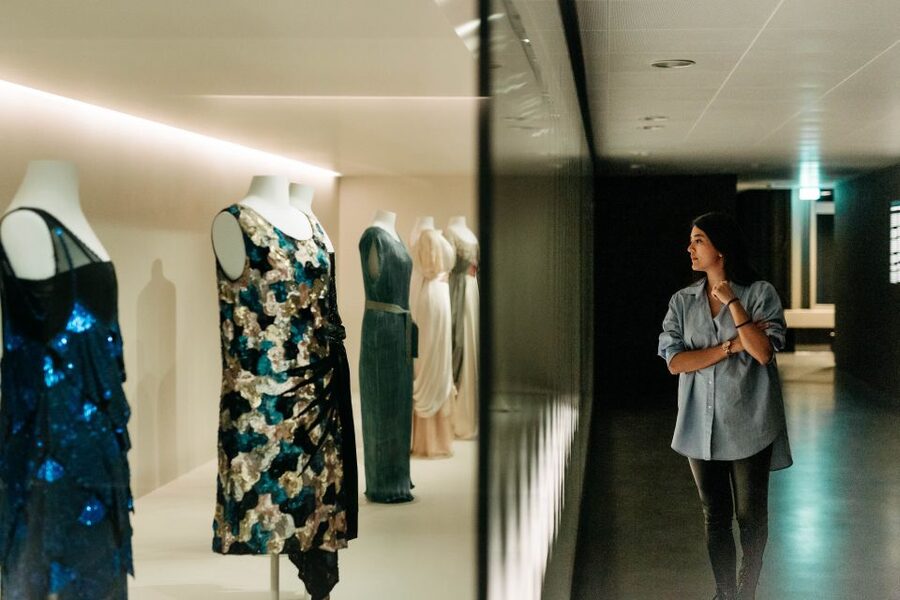
The fashion collection adds a human scale to the museum. Historic garments and embroidered dresses show how clothing carried signs of rank, taste, ceremony, and changing design.
I find clothing especially useful in a decorative arts museum because it puts technique on the body. Embroidery, fabric, cut, and decoration are not abstract here. They were made to move, fit, and communicate something about the person wearing them.
Still, fashion should not be the sole reason you book this ticket. The clothing displays may feel limited compared with the museum’s historical decorative arts. If you want a large, dedicated costume collection, you may finish this section sooner than expected.
For a balanced visit, treat fashion as one chapter in the larger collection. Pair it with furniture, textiles, glass, and metalwork, and you get a better sense of how design shaped both public ceremony and daily life.
Modern industrial design joins the old crafts
The museum does not stop with medieval and early modern objects. It also includes classics of modern industrial design, creating a useful link between handcraft and mass production.
This shift matters because modern design often aims to make good form available to more people. The older pieces may depend on rare materials and highly trained specialists. Industrial design raises different questions about function, production, standardization, and the look of everyday objects.
You can use this part of the visit to compare approaches. How does a machine-made object differ from a hand-worked one? When does a useful object become beautiful? Which details survive when an item must be produced for a wider market?
The museum does not force you to choose between old and new. Instead, it shows decorative arts as a continuing story. Skilled making changes with technology, but attention to shape, material, and use remains important.
Köpenick Castle and the second museum setting
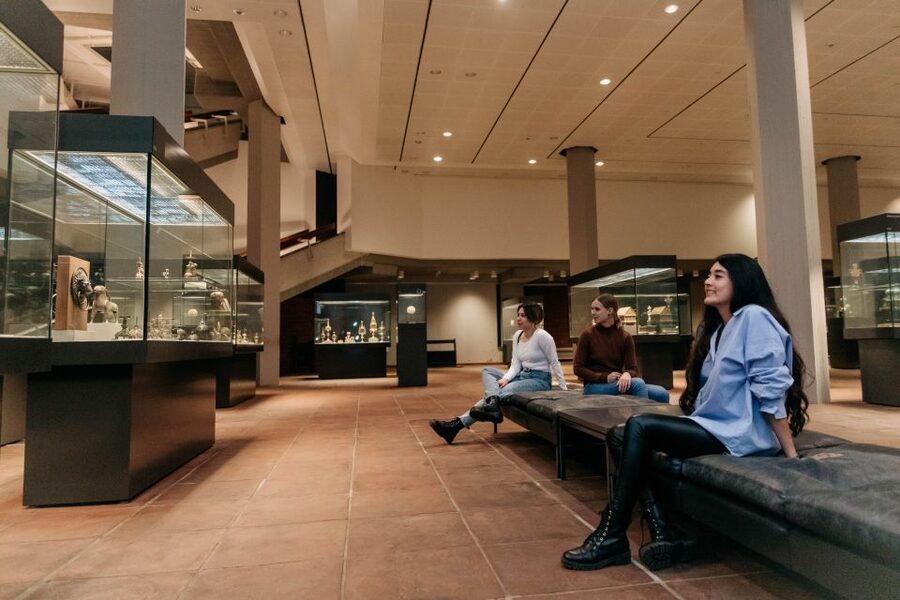
The Kunstgewerbemuseum’s exhibitions can also be seen at Köpenick Castle, located on a peninsula in the Dahme. This is a very different setting from the Kulturforum near Potsdamer Platz.
Köpenick Castle displays masterpieces of the art of space from the 16th to the 18th century. The setting gives these works a historic backdrop and changes the rhythm of your museum day. Instead of a modern cultural complex, you are looking at period pieces in a castle environment.
The supplied information does not specify the exact transport arrangements, opening times, or whether every ticket condition is identical at both locations. Check the current availability details before planning a separate trip to Köpenick Castle.
That second setting is best treated as an extra part of the museum experience, not something to assume you can fit in casually without checking. If you have only a short time in Berlin, concentrate on the Kulturforum address. If you have more flexibility, the castle location can add a different sense of place to the collection.
How much time should you allow?
The ticket is valid for one day, and that is helpful because you can set your own pace. No tour guide leads you from room to room, and no audio guide is included, so the timing is yours.
For a focused visit, I would plan enough time to see the major material groups without hurrying. A longer visit makes sense if you enjoy close study of craft details or want to include both the Kulturforum and Köpenick Castle after checking the practical arrangements.
Do not feel obliged to inspect every object equally. Pick a few pieces in each section and look at them carefully. Ask yourself what the object was for, which materials were used, how it was made, and what its design says about the people who owned or used it.
The lack of a guide is both a benefit and a limitation. You get freedom and quiet control over the visit, but you also need to supply your own structure. If you prefer a story-led museum tour, the included ticket may feel basic.
What the $11 ticket is really worth
At $11 per person, this is an easy museum purchase to justify if you already plan to spend time near the Kulturforum. The price is modest for access to a collection that covers religious art, historic craft, clothing, furniture, and modern design.
The value comes from variety rather than sheer size. You are paying for a wide range of objects and a full day of validity, not for a long guided program or a single blockbuster display.
An audio guide and tour guide are not included. That keeps the entry price low, but you should know what you are buying: admission and the freedom to explore, without built-in commentary.
For many people, that is enough. I like setting my own pace, especially in a museum where one tiny reliquary or piece of woodwork can deserve more attention than an entire room of larger objects.
The price is less compelling if you want a dedicated fashion museum, a highly guided experience, or a very large collection that takes most of a day to cover. In that case, the museum may feel modest even though the ticket remains inexpensive.
Access and practical notes
The museum is wheelchair accessible, which makes the spacious rooms and open staircase important practical features. If you need specific details about routes or facilities, confirm them before arriving, since the supplied information does not list individual access arrangements.
The meeting point is the Kunstgewerbemuseum at Matthäikirchplatz, 10785 Berlin. The activity is listed as valid for one day, with starting times shown through availability information.
A medical or FFP2 mask is recommended but not mandatory. Audio guides are not part of the admission price, and no tour guide is included.
The ticket is non-refundable, so check your plans before booking. That condition matters less for a flexible museum day than for a timed tour, but it is still worth remembering.
Who should book this museum ticket?
I would choose this experience if you enjoy design, historic objects, clothing, furniture, or the details of how things are made. It also works well for a mixed group because the collection moves between many kinds of objects.
It is a particularly good choice for a visitor who wants an affordable, self-guided museum stop near Potsdamer Platz. The one-day validity gives you room to adjust your schedule rather than committing to a long guided activity.
I would think twice if your main goal is a large fashion exhibition or a museum packed with famous paintings. The collection’s strength is decorative arts, and its best moments come from craftsmanship, material, and close observation.
Should you book it?
Book it if $11, a broad collection, and a self-guided pace sound right to you. The medieval reliquaries, wooden pictures, glass, porcelain, furniture, clothing, and modern design give you plenty of variety for a modest fee.
Go with realistic expectations. Some displays may be dark, the fashion section may feel smaller than hoped, and the ticket does not include commentary. But if you want to see how European makers turned useful and ceremonial objects into art, the Kunstgewerbemuseum offers a thoughtful and good-value stop in Berlin.
FAQ
Where is the Kunstgewerbemuseum located?
The listed meeting point is Kunstgewerbemuseum, Matthäikirchplatz, 10785 Berlin, Germany.
How much does entry cost?
The ticket costs $11 per person.
How long is the ticket valid?
The ticket is valid for one day.
Does the ticket include an audio guide?
No. An audio guide is not included in the price.
Is a tour guide included?
No. The activity includes an entrance ticket only, with no tour guide.
What can I see at the museum?
You can see European decorative arts, including reliquaries, gold and precious stones, glass and porcelain vases, embroidered dresses, furniture, woodwork, ceramics, silver, goldsmithing, fashion, and modern industrial design.
Does the museum have more than one location?
Yes. The exhibitions can be seen at the Kulturforum near Potsdamer Platz and at Köpenick Castle on a peninsula in the Dahme.
What is shown at Köpenick Castle?
Köpenick Castle displays masterpieces of the art of space from the 16th to the 18th century.
Is the museum wheelchair accessible?
Yes. The activity is listed as wheelchair accessible.
Is mask use required?
No. Wearing a medical or FFP2 mask is recommended but not mandatory.
Just added around Berlin
- From Berlin: Gardens & Palaces of Potsdam Bike Tour★ 5.0 · 61 reviews
- Berlin: Battle for Seelow Heights WW2 tour -Clash of Titans★ 5.0 · 27 reviews
- From Berlin: Historical Gems of Potsdam Private Day Trip★ 4.4 · 4 reviews
- Berlin: Französischer Dom 360° Panorama & Crémant to go★ 3.9 · 5 reviews
- Explore Berlin Tour: History and Highlights★ 4.7 · 5 reviews
- Berlin: Evening Yacht Cruise with Aperitif & Dinner Upgrade★ 4.6 · 178 reviews
- Berlin: Expats in Berlin Comedy Show Ticket★ 4.7 · 182 reviews
- Berlin: The Epic Comedy Club Friday Night Showcase★ 4.8 · 28 reviews
Berlin Tours, compared.
Reichstag, Dome and Government District Guided Tour
Read our review →
1-Hour City Tour by Boat with Guaranteed Seating
Read our review →
Reichstag, Plenary Chamber, Cupola & Government Tour
Read our review →