Review · BERLIN TOURS
Berlin: 2.5-Hour Neighborhood Tour of Neukölln
Neukölln is far more than Berlin’s current reputation for nightlife and international food. This 2.5-hour walk follows the district from Bohemian Rixdorf and its Protestant refugees to the workers’ housing of Rollberg and the crowded urban center around Karl-Marx-Strasse. I like the way it shows several different Berlins in one neighborhood, and I like the focus on buildings you could easily pass without understanding.
The guide adds real value here. Tobias is named in recent bookings, and his style comes across as relaxed, personal, and full of small facts about the city crest and urban growth. The main consideration is pace: two and a half hours covers a lot, so you will see façades and districts rather than enter every building. The meeting point can also vary by booking option, so check it carefully.
Key points to know before you go
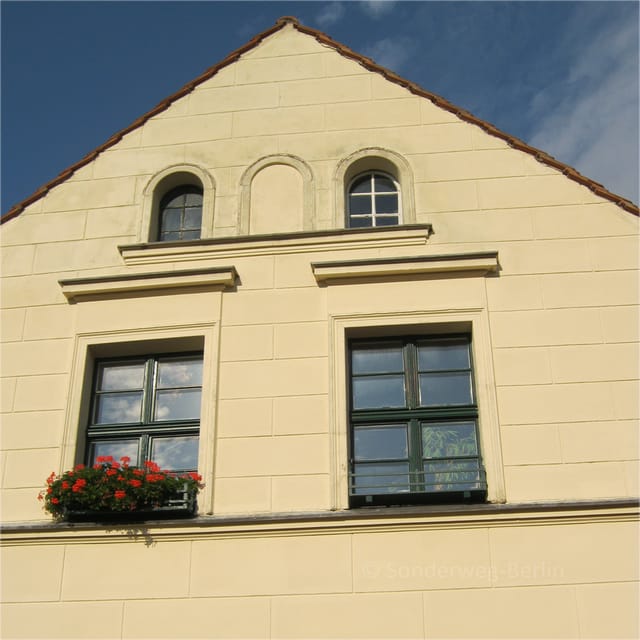
- Richardplatz and Bethlehem Church: Begin with the village-like heart of old Rixdorf and the story of Bohemian Protestant exiles.
- Neukölln Town Hall and former prison: See civic architecture alongside reminders of the district’s less polished past.
- Rollberg housing history: Learn how a proletarian residence district was planned and how its architecture shaped daily life.
- Innstrasse housing complex: Look closely at an outstanding example of residential design, not just the better-known landmarks.
- Karl-Marx-Strasse and Saalbau: Follow Neukölln’s public, commercial, and cultural life through arcades and historic façades.
- Flexible, small-group feel: A private arrangement may be possible on request, and Tobias has led tours with very small groups.
Why Neukölln makes such a good walking subject
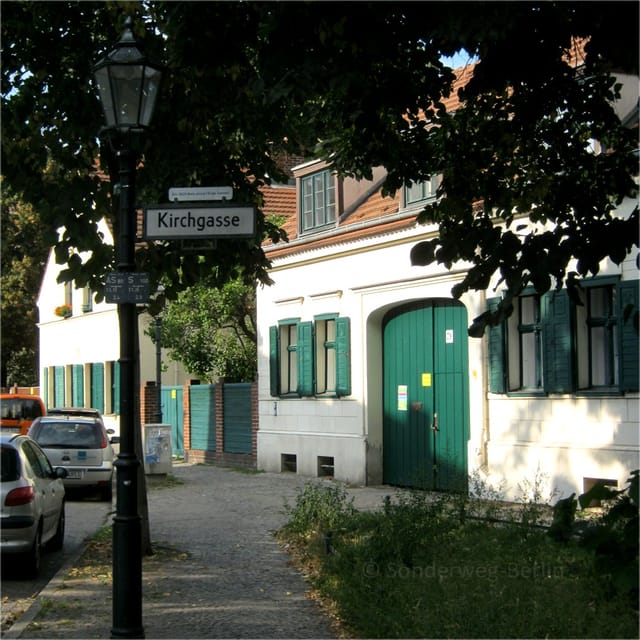
I like tours that explain a district instead of simply ticking off monuments. Neukölln works well for this because its identity changed sharply over time. The area once carried the name Rixdorf, a place associated with carefree entertainment and a poor public image. In 1912, with the approval of Wilhelm II, it became Neukölln, a name meant to give the city a cleaner reputation.
That name change is more than a curious footnote. It tells you that Neukölln has long been shaped by outsiders’ opinions, civic ambition, and social change. The walk shows how an old settlement south of Berlin became a dense urban district and, later, a multicultural part of the capital.
You also get a useful contrast between private life and public power. Richardplatz gives you a small-scale village setting. The Town Hall presents civic confidence. Rollberg brings in working-class housing. Karl-Marx-Strasse adds commerce, entertainment, and movement. I find that range more useful than a tour devoted to one period alone.
The route is best for you if you have already seen Berlin’s central sights and want to understand how a real neighborhood developed. It also suits first-time visitors who want a different side of the city, though you should not expect the polished imperial center or a parade of famous attractions.
A few more Berlin half-days to weigh up
- Berlin: Reichstag, Dome and Government District Guided Tour
★ 4.7 · 18,288 reviews - Berlin: 1-Hour City Tour by Boat with Guaranteed Seating
★ 4.3 · 16,993 reviews - Berlin: Boat Tour Along the River Spree
★ 4.4 · 11,252 reviews
Richardplatz and the Bohemian exile community
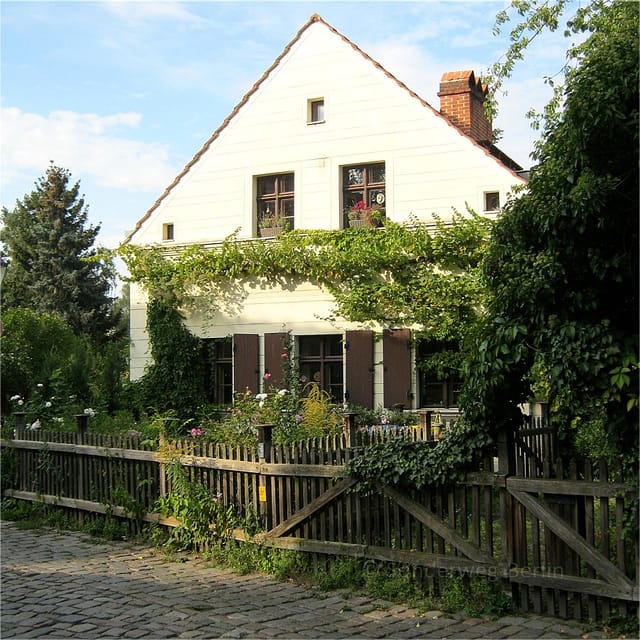
Richardplatz is the emotional center of the walk. It still has a village-like feel, which can surprise you in a district otherwise known for traffic, apartment blocks, and busy streets. Here, the tour reaches back to the Middle Ages and then focuses on the Bohemian Exulanten, Protestant refugees who settled alongside the German population in the 18th century.
Their faith and strict way of life shaped daily routines. That background helps explain why old Rixdorf was not simply a place of amusement, despite the later reputation that led to the 1912 renaming. You get a more balanced picture of the district, one that includes both religious discipline and popular entertainment.
The exile houses in Bohemian Rixdorf are an important stop because they make migration history visible at street level. You are not just hearing that refugees arrived; you are seeing the kind of setting connected with their community. The story also gives the rest of the tour a useful starting point. Neukölln’s multicultural character did not appear overnight. Different groups have helped shape the area for centuries.
Bethlehem Church on Richardplatz adds a clear focal point. The supplied details do not promise an interior visit, so I would plan to admire its setting and architecture from the route rather than assume a full church tour. Still, the church anchors the district’s religious past and helps you picture Richardplatz as a community center, not merely an attractive square.
This is the part of the walk where a good guide matters most. Tobias has been praised for explaining the city crest and making urban history feel personal. Expect the information to come through conversation, with room for questions, rather than as a long formal lecture.
The Town Hall and Neukölln’s civic ambitions
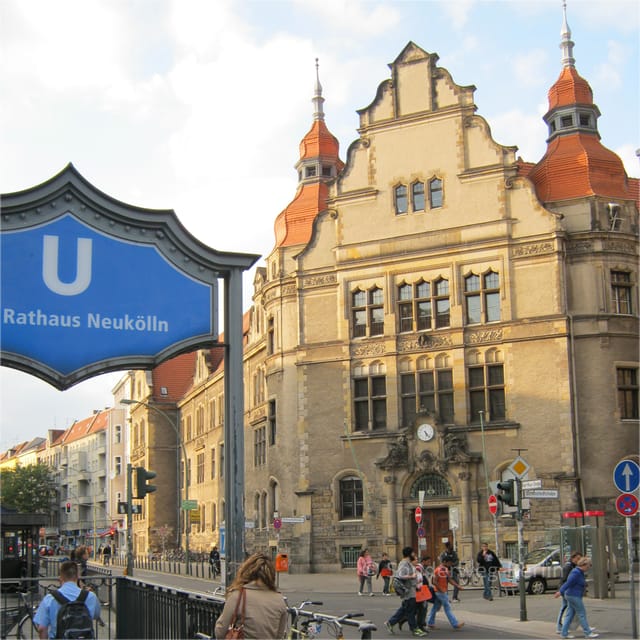
From the older village setting, the tour moves into the larger civic story of Neukölln. The Town Hall is singled out for its magnificent architecture, and it gives you a strong visual change from Richardplatz. Its scale and formal design show a city that wanted to present itself as important, organized, and worthy of attention.
I would pay attention here to the contrast between the building and the district’s old image. Renaming Rixdorf was an attempt to change public perception. A grand civic building fits that effort: it projects order and status, even as the streets around it remain socially mixed and constantly changing.
The old district court and former prison add another layer. These buildings connect Neukölln with the machinery of law and government. They are not just attractive façades. Together with the Town Hall, they show how the growing city managed administration, justice, and public order.
The tour does not appear to include an extended interior program at these sites. That is both a limit and a benefit. You can cover more of Neukölln without spending the whole morning inside one institution, but you will need to enjoy architecture and storytelling from the street.
If you are interested in how cities function, this section may be more rewarding than it first sounds. The court, prison, and Town Hall place everyday neighborhood life beside the formal systems that governed it.
Rollberg and the story of proletarian housing
The stop at Rollberg is one of the tour’s strongest features. You learn about the history of a proletarian residence district, then see the housing complex on Innstrasse and the atrium houses connected with the area. This brings social history down to the level of courtyards, entrances, and apartment blocks.
Housing tells you how a city treated ordinary people. Grand monuments can explain political power, but residential design shows what planners thought families needed, what space they considered acceptable, and how they expected neighbors to live together. The Rollberg section gives you that practical view.
The Innstrasse complex is described as having outstanding architecture. That wording points to the value of looking closely rather than rushing past. I would notice the arrangement of the buildings, the relationship between homes and shared space, and the way the complex fits into its surroundings. The available information does not specify the exact architectural period or interior access, so the guide’s explanation will be important.
A past stop mentioned by Tobias includes the former brewing room of the Kindl brewery. That detail is useful because it shows how the tour can connect housing with local industry. The brewery reference also helps explain why working-class districts developed where they did: homes, jobs, and daily services were tied closely together.
Do not expect Rollberg to feel like a museum district. Its value is in seeing a lived-in part of Berlin and learning to read its design. If you care about architecture, housing policy, or social history, this may be the most rewarding stretch of the tour.
Same city, a completely different sort of afternoon:
- Discover Berlin Half-Day Walking Tour
★ 5.0 · 9,624 reviews - Berlin: Hop-on Hop-off Bus Tour with Live Commentary
★ 4.3 · 8,579 reviews - Berlin: Government District around the Reichstag Guided Tour
★ 4.7 · 8,447 reviews - Berlin: Reichstag, Plenary Chamber, Cupola & Government Tour
★ 4.6 · 8,422 reviews
The old public pool and Saalbau Neukölln
The façade of the old Neukölln public pool is another reminder that urban history is not limited to palaces and churches. A public pool speaks to municipal services and the idea that a city should provide facilities for ordinary residents. Even if you only see the exterior, it gives the guide a chance to talk about public life, health, and changing expectations.
Saalbau Neukölln shifts the focus toward culture. The building represents the district’s role as a place for performances, meetings, and community events. Its inclusion keeps the tour from becoming only a story about government offices and housing.
I appreciate this mix of destinations. You see places linked to religion, justice, housing, recreation, and culture. That variety helps you understand a neighborhood as a complete system. It also keeps the walk visually changing, which matters during a 2.5-hour route.
The available details do not state that you will attend a performance or enter the pool or Saalbau. Treat these as architectural and historical stops. You are there to understand what the buildings mean, not to use their facilities.
Karl-Marx-Strasse and the arcade
Karl-Marx-Strasse brings the walk into a more commercial part of Neukölln. The arcade is a useful stop because arcades reveal how people moved, shopped, and gathered in the city. You get a look at the district’s retail side and a sense of how public space changes when commerce takes over.
This is also where the tour’s image of Neukölln as a multicultural hub becomes easier to grasp. The route does not reduce that identity to restaurants or nightlife. Instead, it places modern urban life beside older institutions and historic communities.
The street may feel busier and less peaceful than Richardplatz. That contrast is part of the point, but it can affect your enjoyment. If you prefer quiet lanes and old façades, the commercial section may seem less atmospheric. If you want to see how the neighborhood functions now, it is essential.
The route appears to cover the arcade from the outside or as part of a walking passage, with no promise of shopping time. Wear comfortable shoes and keep your attention on the guide, since a busy commercial street can make conversation harder than a calm square.
Guide style, group size, and the value of Tobias
The guide is included, and the tour is offered in German or English. Tobias has led the experience for groups as small as two people, including a private Christmas Day walk. That does not guarantee a private tour every time, but it shows that the format can work well with a small group.
His approach seems especially suited to people who enjoy context, questions, and a little humor. One booking describes him as relaxed and friendly, with a way of explaining history through a light touch. Another notes that he kept the walk lively with information about the city crest and urban development.
That matters in Neukölln because many of the stops are not instantly famous. A guide must explain why a housing complex, court façade, or public pool deserves your attention. The strongest part of the experience is likely to be the connection between places, not any one building.
You can request a meeting point, date, and time for your group when booking. Since the meeting point may vary with the option you choose, do not assume the walk begins at Richardplatz. Confirm the exact starting place before setting out.
Is $23 a fair price for two and a half hours?
At $23 per person, the price is modest for a 2.5-hour guided walk in Berlin. You are paying for a live guide and a focused route through a district that is harder to understand through casual wandering. There are no included meals, drinks, or personal expenses, so the cost is easy to assess.
The value is strongest if you would otherwise walk past these places without knowing their stories. The old court, former prison, housing complexes, public pool, Saalbau, and Bohemian Rixdorf are not presented as isolated sights. The guide links them into a long account of migration, class, civic image, and city growth.
The price is less compelling if you only want major postcard sights or a fast introduction to Berlin. This is a neighborhood study, not a substitute for a central Berlin highlights tour. You are paying for interpretation and local detail.
The reserve-now, pay-later option and free cancellation up to 24 hours before the start give you some useful flexibility. Those terms are practical, but the main question remains simple: do you want a thoughtful walk through Neukölln rather than another pass through the historic center?
Who should book this Neukölln walk?
I would choose this tour if you enjoy urban history, architecture, migration stories, and the small clues that explain how a district works. It is also a good pick for repeat visitors to Berlin, including people who have already taken several city tours but still know little about Neukölln.
It suits couples, families with older children, and small private groups who like to ask questions. The tour is wheelchair accessible, which makes it available to a wider range of visitors, though the exact meeting point and route details should still be confirmed before booking.
You may want something else if you need a food-focused tour, extensive interior visits, or a nightlife experience. Food and drinks are not included, and the route is built around architecture and history.
Practical details before you book
Plan for two and a half hours on foot. The information provided does not state a walking distance, so comfortable footwear remains the sensible choice. Bring water if you need it, since food and drinks are not part of the experience.
English and German are available. The meeting point depends on the selected option, and a custom meeting point, date, and time can be arranged for a group upon request. Make that request during booking rather than assuming the standard schedule will fit.
The tour carries a 4.9 rating from 119 recorded bookings, and the strongest praise centers on the guide’s personal manner, historical explanations, and ability to point out less obvious places. I would treat that as a sign that the human guide is central to the experience. If Tobias is available for your date, his style may be a good match for you, especially if you prefer an informal walk over a scripted presentation.
Should you book the Neukölln neighborhood tour?
Book it if you want to understand why Neukölln became Neukölln. The route gives you a rare combination: Bohemian Protestant refugees at Richardplatz, civic ambition at the Town Hall, justice at the old court and prison, working-class housing at Rollberg, public services at the old pool, culture at Saalbau, and commerce along Karl-Marx-Strasse.
I especially like the way the walk treats ordinary buildings as evidence. You get more than a list of sights, yet the route remains manageable at $23 and two and a half hours. The only real caution is that many stops are exterior and the pace covers a lot of ground. If that sounds like your kind of sightseeing, this is a smart, fairly priced way to meet a less familiar side of Berlin.
FAQ
How long does the Neukölln neighborhood tour last?
The walking tour lasts 2.5 hours.
How much does the tour cost?
The listed price is $23 per person.
What languages are available?
The live tour guide is available in German and English.
Who guides the tour?
Tobias has led this Neukölln tour. Guide availability can depend on the date and booking arrangement.
Where does the tour meet?
The meeting point may vary according to the option booked. A meeting point of your choice can be arranged for you and your group upon request.
Can I request a private tour?
You can request a date, time, and meeting point for your group. The supplied information does not guarantee that every booking will be private.
Is the tour wheelchair accessible?
Yes, the activity is described as wheelchair accessible.
What places does the tour visit?
The route includes the old district court and former prison, Neukölln Town Hall, Rollberg, the housing complex on Innstrasse, the old Neukölln public pool, Saalbau Neukölln, the arcade on Karl-Marx-Strasse, Bohemian Rixdorf, Richardplatz, and Bethlehem Church.
Are food and drinks included?
No. Food, drinks, and personal expenses are not included.
Can I cancel for a full refund?
Yes. You can cancel up to 24 hours in advance for a full refund.
Just added around Berlin
- From Berlin: Gardens & Palaces of Potsdam Bike Tour★ 5.0 · 61 reviews
- Berlin: Battle for Seelow Heights WW2 tour -Clash of Titans★ 5.0 · 27 reviews
- From Berlin: Historical Gems of Potsdam Private Day Trip★ 4.4 · 4 reviews
- Berlin: Französischer Dom 360° Panorama & Crémant to go★ 3.9 · 5 reviews
- Explore Berlin Tour: History and Highlights★ 4.7 · 5 reviews
- Berlin: Evening Yacht Cruise with Aperitif & Dinner Upgrade★ 4.6 · 178 reviews
- Berlin: Expats in Berlin Comedy Show Ticket★ 4.7 · 182 reviews
- Berlin: The Epic Comedy Club Friday Night Showcase★ 4.8 · 28 reviews
Berlin Tours, compared.
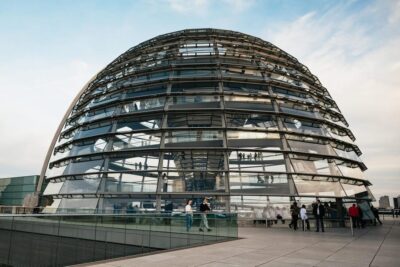
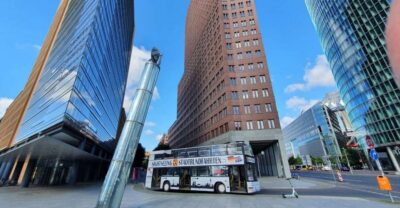
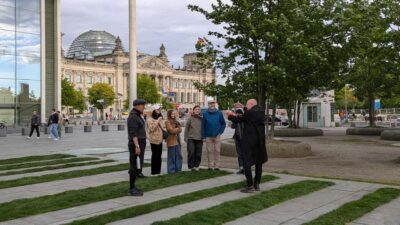
Reichstag, Dome and Government District Guided Tour
Read our review →
1-Hour City Tour by Boat with Guaranteed Seating
Read our review →
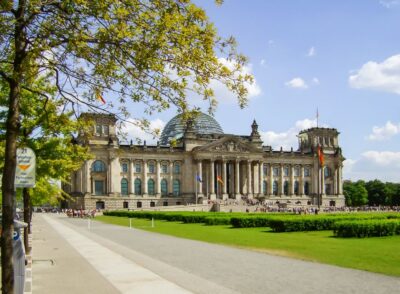
Reichstag, Plenary Chamber, Cupola & Government Tour
Read our review →