Review · BERLIN TOURS
Berlin: The Feuerle Collection Meditation Experience
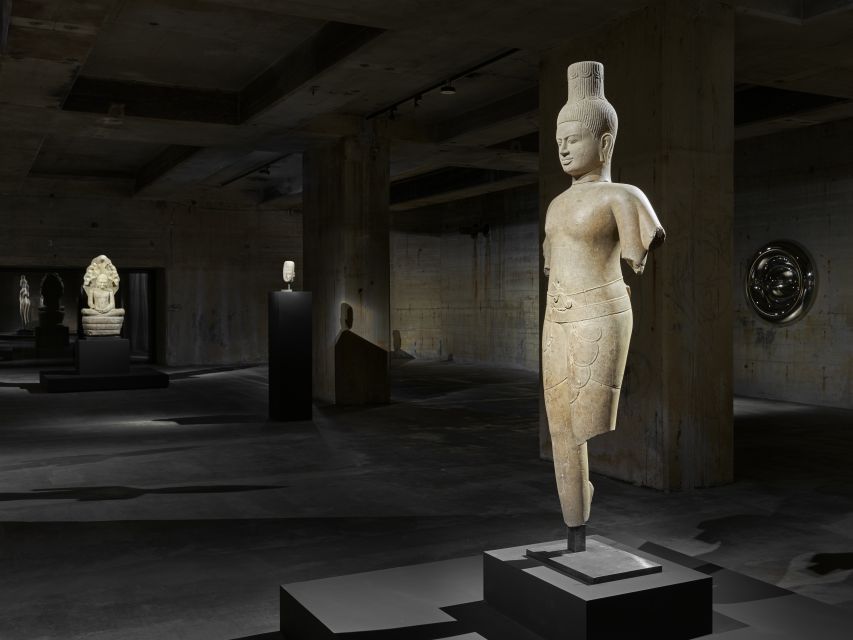
The most unusual thing about this Berlin experience is its silence. At The Feuerle Collection, you do not follow a guide or hurry from label to label. You move through a dark, carefully arranged world of Khmer sculpture, Imperial Chinese furniture, and contemporary art, then stop to meditate or simply look.
I like the mobile detox and the chance to see art without the usual museum chatter. I also like the sharp contrast between ancient objects and modern pieces by artists such as Anish Kapoor and Cristina Iglesias. The main drawback is simple: this is not a guided museum visit. If you want explanations, dates, or lively discussion, the quiet format may feel limiting.
Key points to know before booking
- One hour of complete quiet: The collection opens only for meditation and silent contemplation during this experience.
- A striking art mix: Early Khmer sculptures sit alongside Chinese furniture and contemporary works by Anish Kapoor, Adam Fuss, Zeng Fanzhi, James Lee Byars, Nobuyoshi Araki, and Cristina Iglesias.
- A passage through unusual rooms: You walk through the Sound Room and the underground Lake Room as part of the visit.
- Meditation is optional: You can use the yoga mat and blanket, sit quietly, or walk around and look at the art.
- A small, focused experience: The setting is intended for deep concentration rather than a standard museum crowd.
- Practical age limit: The experience is not suitable for children under 16.
Why this Berlin visit feels unlike a normal museum hour
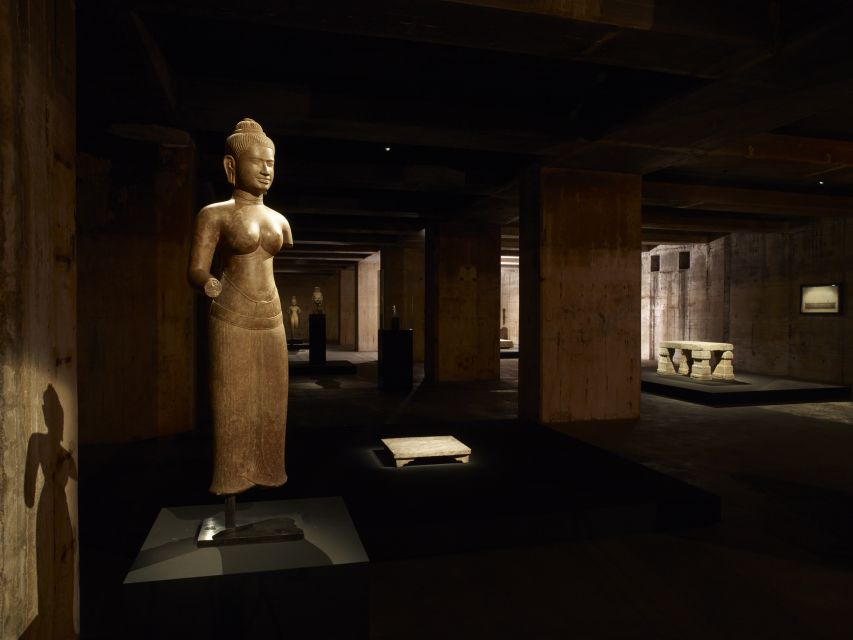
Most museum visits ask you to move, read, compare, and gather facts. The Feuerle Collection asks you to slow down. Its one-hour meditation experience treats the collection less like a series of exhibits and more like a sequence of rooms for quiet attention.
That change matters. You are not trying to see every object or remember every artist. Instead, you can stay with one sculpture, one piece of furniture, or one patch of darkness and let your eyes adjust. The experience places value on stillness, which is rare in a city sightseeing schedule.
You should know the ground rules before you arrive. This is an open meditation experience, not a guided tour. The collection is open only for meditation during this booking, so you should not expect a lecture, personal commentary, or a staff member walking you through the works.
That limitation is also the point. I like the fact that you are given permission to put your phone away and stop collecting information for an hour. The experience is particularly well suited to anyone who has spent the day moving between Berlin’s major museums and wants something quieter.
A few more Berlin half-days to weigh up
- Berlin: Reichstag, Dome and Government District Guided Tour
★ 4.7 · 18,288 reviews - Berlin: 1-Hour City Tour by Boat with Guaranteed Seating
★ 4.3 · 16,993 reviews - Berlin: Boat Tour Along the River Spree
★ 4.4 · 11,252 reviews
Entering a collection built on contrasts
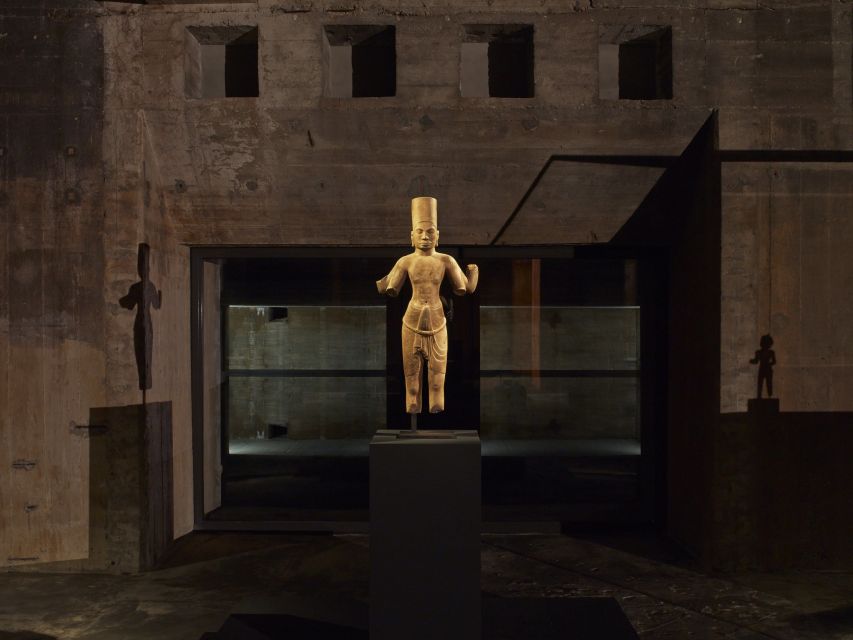
The Feuerle Collection brings together objects from very different periods and cultures. Early Khmer sculptures date from the 7th to the 13th century A.D., while the Imperial and Scholar Chinese furniture spans from the 2nd century B.C. to the 17th century A.D.
Those dates are useful, but you are not there for a history lesson. The value comes from seeing these objects in relation to one another. A Khmer sculpture has a different visual weight and cultural setting from a refined Chinese piece of furniture. Placed near contemporary art, both can feel newly strange and freshly visible.
The collection also includes modern and contemporary works by Anish Kapoor, Cristina Iglesias, Adam Fuss, Zeng Fanzhi, James Lee Byars, and Nobuyoshi Araki. This broad mix can challenge the way you normally sort art into neat categories.
You might recognize Kapoor’s name, or you may know little about the other artists. That is fine. You do not need an art background to take part. The experience is designed around direct looking, not prior study.
Some of the collection includes erotic art, so this may not suit everyone. It is worth keeping that in mind if you prefer a conventional display of historical objects or are visiting with someone who may be uncomfortable with adult themes.
Walking through the Sound Room
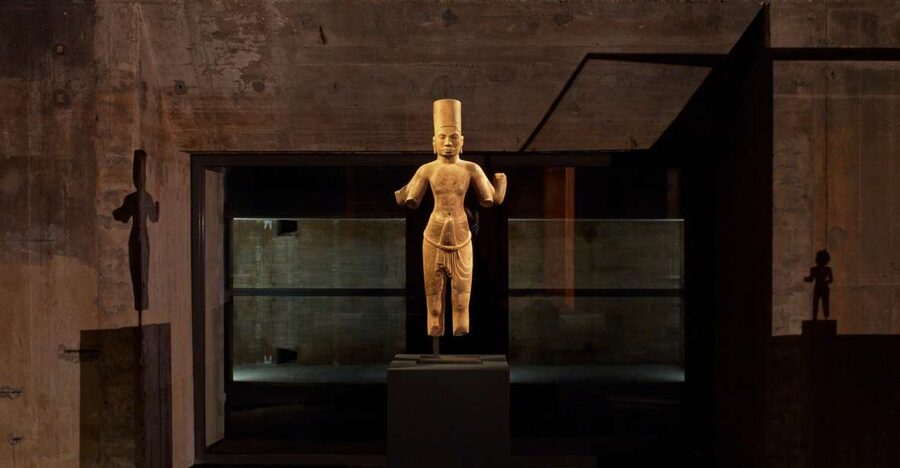
The route includes passage through the Sound Room. The title gives the room a particular mood, but the important fact for you is that it forms part of the transition into the collection’s quieter spaces.
This is not presented as a conventional gallery stop with a long explanation. You pass through it as part of the movement toward the underground Lake Room and the art arranged beyond it. The effect is less about ticking off a room and more about changing your pace.
I would treat this part of the visit as a reset. Put your phone away before entering, and resist the urge to fill the silence with conversation. The experience works best when you allow the setting to set the tempo.
Because there is no guide, you are responsible for your own attention. That can feel freeing, but it also means you should not expect someone to point out the most important object or explain why one work has been placed beside another.
The underground Lake Room
The underground Lake Room is one of the experience’s most distinctive spaces. You walk into this room as part of the route, stopping among the artworks rather than simply passing through a standard white-walled gallery.
An underground room naturally changes your sense of time and separation from the city. The experience uses that feeling to support contemplation. You may find yourself paying closer attention to texture, shape, shadow, and the space around an object.
This is where the visit can feel most different from ordinary sightseeing. You are not being asked to rush toward the next landmark. You can sit on the provided mat, use the blanket, and give yourself permission to remain still.
The Lake Room may not be the right setting if you want a large, bright exhibition with abundant written information. Its appeal is restrained and atmospheric. You get more from it if you enjoy art that leaves room for your own response.
Same city, a completely different sort of afternoon:
- Discover Berlin Half-Day Walking Tour
★ 5.0 · 9,624 reviews - Berlin: Hop-on Hop-off Bus Tour with Live Commentary
★ 4.3 · 8,579 reviews - Berlin: Government District around the Reichstag Guided Tour
★ 4.7 · 8,447 reviews - Berlin: Reichstag, Plenary Chamber, Cupola & Government Tour
★ 4.6 · 8,422 reviews
Meditation is optional, and that matters
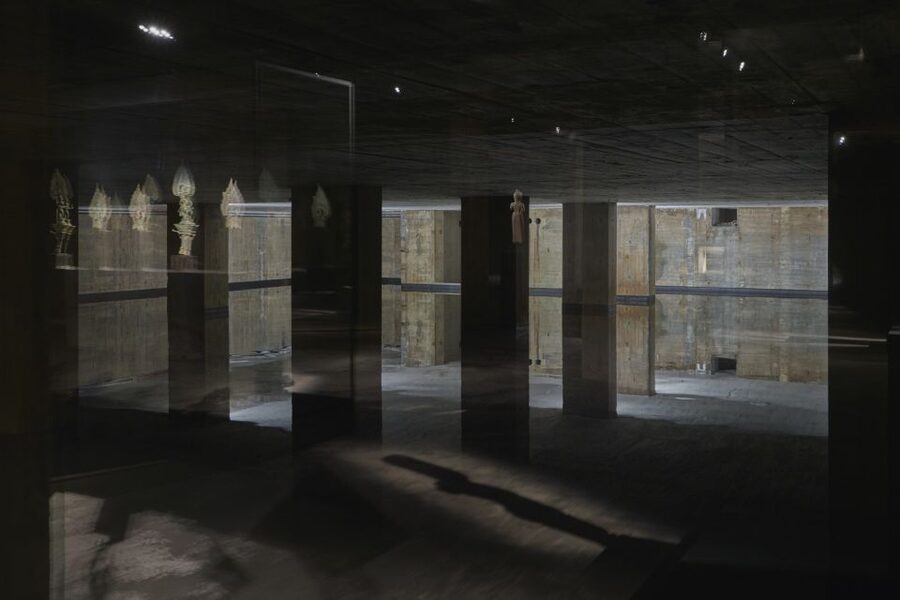
You do not have to meditate. The collection allows you to walk around quietly, sit, or simply look at the works without taking part in a formal practice.
This makes the experience more accessible than the word meditation might suggest. You do not need to be experienced at yoga or mindfulness. You only need to accept the quiet and follow the setting’s rules.
If you want to meditate, a yoga mat and blanket are included. Those small details make the hour more comfortable and mean you do not need to bring your own equipment. If you would rather stand or walk, you can still take in the collection respectfully.
I like this flexibility. Some people want a focused meditation session, while others want a silent art visit. The format gives room for both without turning the experience into a class.
Do not book it expecting instruction. No meditation teacher or museum guide is included in the information provided for this experience. You are given the setting, the objects, and the quiet. The rest is up to you.
Ancient Khmer sculpture beside Chinese furniture
The historical works provide the collection’s foundation. Early Khmer sculptures, made between the 7th and 13th centuries A.D., bring a long Southeast Asian artistic tradition into the room. Their age alone is striking, but the experience asks you to consider their form rather than race through a timeline.
The Imperial and Scholar Chinese furniture covers an even wider period, from the 2nd century B.C. to the 17th century A.D. Furniture can be easy to overlook in a museum, especially when compared with sculpture or painting. Here, its presence gives you a different way to think about craftsmanship, use, status, and space.
The juxtaposition is the key. You are not visiting a Khmer museum followed by a Chinese furniture museum. The works share a setting with contemporary pieces, so you can compare materials and shapes across centuries without a standard chronological path.
That approach will appeal to you if you like making your own connections. It may frustrate you if you want a clear historical sequence or detailed object labels. Since there is no guided tour, you should be ready to accept unanswered questions.
Contemporary works by six major artists
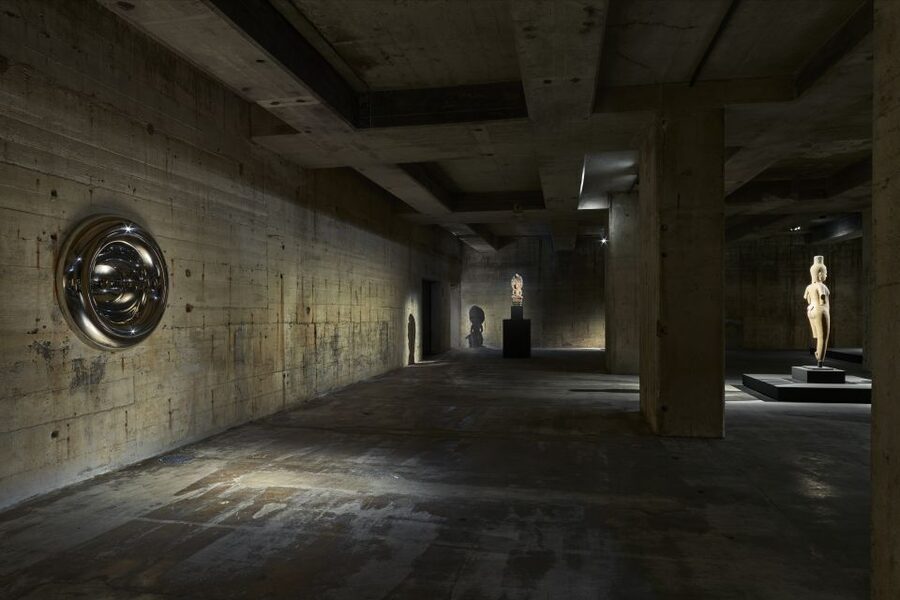
The modern section adds another layer to the hour. The listed artists include Anish Kapoor, Cristina Iglesias, Adam Fuss, Zeng Fanzhi, James Lee Byars, and Nobuyoshi Araki.
Their work gives the collection a present-day counterpoint to the Khmer sculptures and Chinese furniture. You may recognize Kapoor’s name from his large-scale sculptural work, but this experience is not built around a single star attraction. The point is the conversation among periods and styles.
The contemporary works may also make the older objects feel less distant. Instead of treating historical art as something sealed in the past, the collection places it in a setting where modern artistic ideas can alter the way you see it.
Since the experience is quiet, you have time to notice your own response. You might prefer one contemporary work to a centuries-old sculpture, or the reverse. There is no guide directing your opinion, and no need to produce one.
What the one-hour format means for you
One hour is short enough to fit into a Berlin itinerary but long enough to create a real break from ordinary sightseeing. You will not have time for a full museum-style examination of every item, especially if you want to meditate for part of the session.
That is not a flaw, but you should choose your priority before you arrive. If meditation comes first, expect to see fewer works in detail. If art comes first, spend more of the hour walking slowly and looking.
The compact schedule also makes the $25 price easier to assess. You are paying not only for entry to a collection, but for a specific quiet format, a controlled environment, and the chance to use a mat and blanket. I see fair value here if you want a calm, unusual activity rather than a conventional museum ticket.
The value is weaker if you mainly want information. A standard museum visit may give you more objects, labels, and interpretation for your time. This experience charges for the mood and the permission to stop, not for a guided account of the collection.
Who will enjoy this experience most
I would recommend it to adults and older teenagers who like art, silence, or unusual cultural settings. It can work well after a busy day in Berlin, when your attention needs a rest from trains, streets, queues, and crowded rooms.
It is also a good choice for people interested in Chinese art, Khmer sculpture, and contemporary work, especially when those subjects are presented together. You do not need specialist knowledge, but you should enjoy forming your own impressions.
The experience is not suitable for children under 16. It may also be a poor match for anyone who dislikes quiet activities, wants a social group outing, or expects a detailed explanation of each piece.
If you are traveling with a companion, agree in advance that this is a silent hour. That avoids disappointment and respects the purpose of the visit. It is better suited to quiet company than to a lively museum date.
Practical details that shape the visit
The experience lasts one hour, with starting times that vary according to availability. Check the schedule when you book so it fits neatly with the rest of your Berlin plans.
The price is $25 per person. Yoga mats and blankets are included, while a guided tour is not. That distinction is important enough to repeat: you are booking access to a meditation-only visit, not a standard exhibition tour.
The collection is wheelchair accessible. The experience has free cancellation up to 24 hours in advance, and you can reserve now and pay later. Those policies are useful if your Berlin schedule is still changing.
The entry is reported as easy to find, but you should still allow enough time to arrive calmly. A rushed arrival works against the whole idea of the hour. Have your phone on silent or put away before the experience begins.
Should you book The Feuerle Collection meditation experience?
Book it if you want a quiet hour with unusual art, especially if you are happy to make your own connections between Khmer sculpture, Chinese furniture, and contemporary work. The Sound Room and underground Lake Room give the visit a strong sense of place, while the mobile detox helps it feel like more than a quick gallery stop.
Skip it if you need a guide, object labels, lively conversation, or a broad museum visit. The collection does not promise those things.
At $25, the experience makes the most sense for a visitor who values atmosphere, silence, and concentration as much as information. Bring an open mind, leave your phone alone, and decide whether you want to meditate or simply look. Either way, you will get a rare chance to experience Berlin art at a slower pace.
FAQ
How long does the Feuerle Collection meditation experience last?
The experience lasts one hour.
Is this a guided tour?
No. A guided tour is not included, and the collection is open only for meditation during this experience.
Do I have to meditate?
No. Meditation is optional. You may also walk around quietly or simply enjoy the art.
What artworks can I see?
You can see early Khmer sculptures from the 7th to the 13th century A.D., Imperial and Scholar Chinese furniture from the 2nd century B.C. to the 17th century A.D., and contemporary works by Anish Kapoor, Cristina Iglesias, Adam Fuss, Zeng Fanzhi, James Lee Byars, and Nobuyoshi Araki.
Which rooms are included?
The experience includes passage through the Sound Room and a walk in the underground Lake Room.
Are meditation supplies provided?
Yes. A yoga mat and blanket are included.
Is the experience wheelchair accessible?
Yes. The activity is wheelchair accessible.
Can children attend?
No. The experience is not suitable for children under 16.
How much does it cost?
The price is $25 per person. You can reserve now and pay later, and cancellation is free up to 24 hours in advance.
Just added around Berlin
- From Berlin: Gardens & Palaces of Potsdam Bike Tour★ 5.0 · 61 reviews
- Berlin: Battle for Seelow Heights WW2 tour -Clash of Titans★ 5.0 · 27 reviews
- From Berlin: Historical Gems of Potsdam Private Day Trip★ 4.4 · 4 reviews
- Berlin: Französischer Dom 360° Panorama & Crémant to go★ 3.9 · 5 reviews
- Explore Berlin Tour: History and Highlights★ 4.7 · 5 reviews
- Berlin: Evening Yacht Cruise with Aperitif & Dinner Upgrade★ 4.6 · 178 reviews
- Berlin: Expats in Berlin Comedy Show Ticket★ 4.7 · 182 reviews
- Berlin: The Epic Comedy Club Friday Night Showcase★ 4.8 · 28 reviews
Berlin Tours, compared.

Reichstag, Dome and Government District Guided Tour
Read our review →
1-Hour City Tour by Boat with Guaranteed Seating
Read our review →


Reichstag, Plenary Chamber, Cupola & Government Tour
Read our review →