
Review · BERLIN TOURS
Berlin: Classical concerts in Köpenick Palace – Aurora Hall
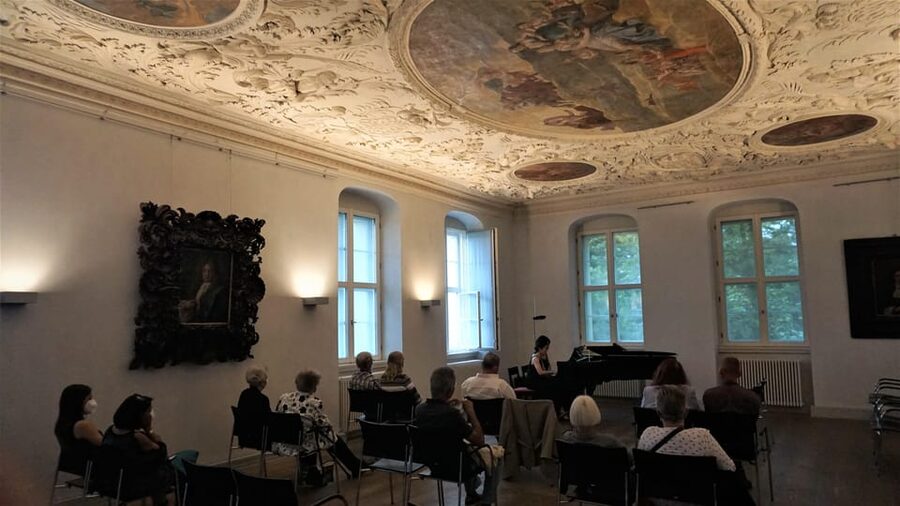
Köpenick Palace gives classical music a fine setting: the Aurora Hall, a historic room where a 90-minute program feels more personal than a large concert-hall performance. The 2026 calendar covers Mozart, Bach, Schubert, opera, violin sonatas, recorder music, and guitar.
I like the wide choice of programs, from Mozart’s complete piano works to four-hand piano music and romantic duets. I also like that museum admission is included, so your $33 ticket buys both a concert and a little cultural time at the palace.
The main caution is comfort. One verified booking review praised the music but reported excessive heat because the hall had no cooling. A separate booking problem involved a paid event that did not take place and no prompt response, so check the date and event status before setting out.
Key details about the Aurora Hall concerts
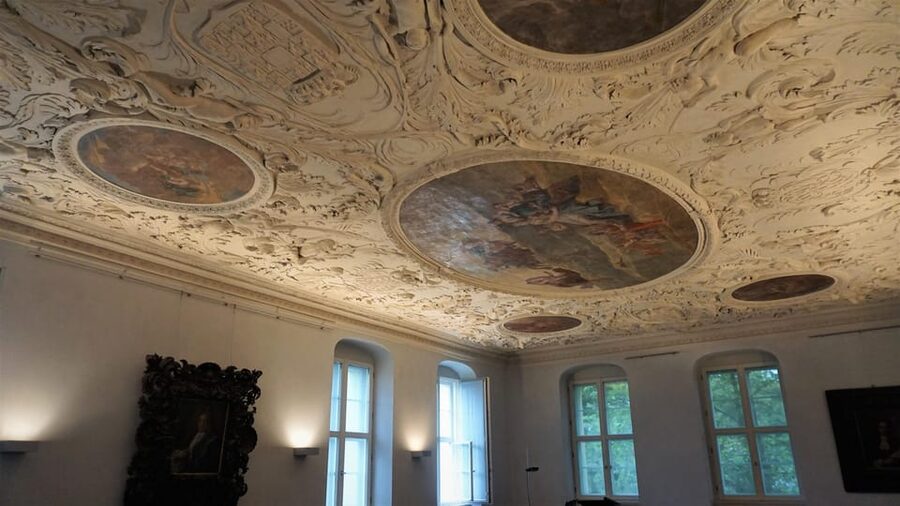
- Historic palace setting: Each concert takes place in Aurora Hall at Köpenick Palace.
- Ninety-minute format: The concert length fits neatly into an evening or a compact cultural outing.
- Strong Mozart selection: Several dates focus on Mozart piano works, songs, arias, duets, or sacred music.
- Different artists for each program: Performers include Inês Pinto, Marianne Boettcher, Naoko Fukumoto, Stephen Barchi, and the Mozart Ensemble Berlin.
- Museum admission included: Your ticket covers entry to the museum as well as the concert.
- Flexible booking terms: You can cancel up to 24 hours before the event for a full refund, and reserve now while paying later.
Why the palace setting changes the concert
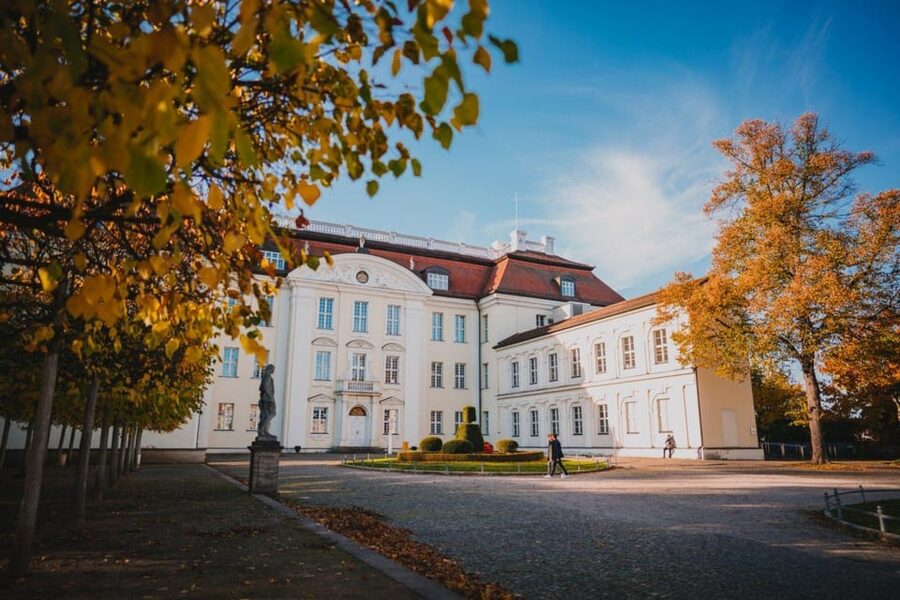
A classical concert in a palace has a different feel from a performance in a modern auditorium. At Köpenick Palace, you enter through a historic cultural site and attend the performance in Aurora Hall. The room itself is part of the evening, not simply a container for the music.
That matters most if you enjoy the connection between music, art, and architecture. The experience gives you a reason to pay attention to the setting between pieces. You are not only buying a seat for a familiar work by Mozart or Bach. You are also spending time in one of Berlin’s palace museums.
The information provided does not specify the seating layout, stage design, or acoustics, so I would not promise a particular view or sound profile. Still, the smaller historic-room format should appeal to you if you prefer a cultural event with a sense of place rather than a large-scale production.
The concerts are presented by Berliner Schlosskonzerte. The program description also points to internationally renowned artists, though the appeal here is less about spectacle and more about hearing carefully chosen classical works in an intimate historic setting.
More live music in Berlin:
- Berlin: Classical Concert at Kaiser Wilhelm Memorial Church
★ 4.6 · 387 reviews - Berlin: Classical concerts at the Bode Museum Berlin
★ 4.3 · 26 reviews - Dresden: Gala Concert in the Dresden Zwinger
★ 4.7 · 1,510 reviews
What the 90-minute format means for your day
Ninety minutes is a sensible length for this type of event. You get a proper concert without committing your entire evening to a long opera production or a multi-part festival program.
You can pair the concert with the included museum admission and make the palace your main cultural stop. The exact order of museum access and concert attendance is not specified, so check the event instructions for the date you choose.
The short format also makes the experience easier to fit into a Berlin itinerary. You do not need to plan around a full afternoon, and the concert can work for an evening when you want something quieter than nightlife.
Some content is presented in its original language. That is especially relevant for the vocal programs, including the romantic duets and Mozart songs, arias, and duets. You should expect the music to remain central, rather than a translated, explained performance for visitors unfamiliar with opera.
Choosing among the 2026 programs
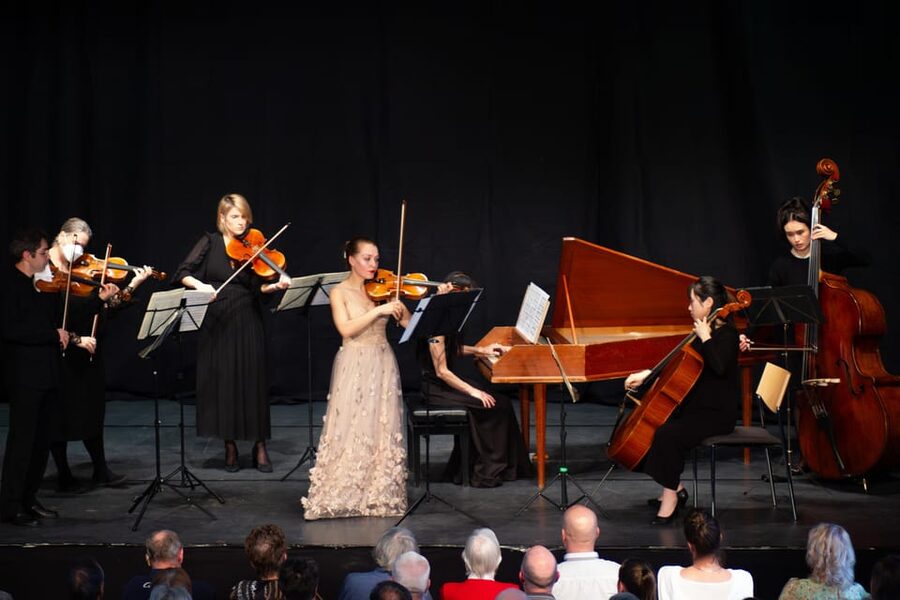
The best part of this series is the variety. The dates are not interchangeable, and your choice should depend on the kind of classical music you want to hear.
February 15: Pure Romance, Romantic Duets
Inês Pinto sings soprano, Kristina Naudé performs alto, and Beatrice Wehner-Schaller plays piano. This is the clearest choice if you want a vocal evening shaped around romantic duets.
Two voices can create a more dramatic contrast than a solo recital, while the piano provides the accompaniment without a full orchestra. If you like opera and lyrical singing but prefer a shorter concert, this program should fit well.
A few more Berlin half-days to weigh up
- Berlin: Reichstag, Dome and Government District Guided Tour
★ 4.7 · 18,288 reviews - Berlin: 1-Hour City Tour by Boat with Guaranteed Seating
★ 4.3 · 16,993 reviews - Berlin: Boat Tour Along the River Spree
★ 4.4 · 11,252 reviews - Discover Berlin Half-Day Walking Tour
★ 5.0 · 9,624 reviews
March 8: Mozart Piano Works, Complete Performance 2
Maria-Magdalena Pitu-Jokisch performs the second program in the Mozart piano works series. The title suggests a focused recital rather than a mixed program of many composers.
You do not need to attend the other Mozart piano dates to enjoy this one, but the series format may appeal to you if you want to follow a larger collection of Mozart’s piano music. Check the exact works listed for the date, since the supplied information names the program but not individual pieces.
March 22: Mozart Songs, Arias, and Duets
Yuri Mizobuchi is the mezzo-soprano, Stephen Barchi the baritone, and Graham Cox the pianist. This is the strongest pick for you if you want Mozart’s vocal writing in several forms.
Songs offer a more intimate mood, arias bring the operatic element, and duets add interaction between the two singers. Because some material is in its original language, this date is best for someone comfortable listening to vocal music without relying on an English-language presentation.
March 29: The Seven Last Words of the Savior on the Cross
The Mozart Ensemble Berlin performs this program. The title points to a serious, reflective work, so this is not the date to choose if you want a light collection of familiar tunes.
The program may suit you if you appreciate sacred or contemplative classical music. The supplied information does not name the individual ensemble members or provide a spoken introduction, so you should choose it for the work and mood rather than for a particular performer.
April 3: The Music Book of Frederick the Great
Susanne Ehrhardt plays recorders and Yuko Tomeda performs on harpsichord. This pairing gives the program a clear early-music character.
The recorder and harpsichord combination offers a very different sound from piano, opera, or string music. I would choose this concert if you want to hear less commonly featured instruments and are curious about courtly music associated with Frederick the Great.
April 4: Mozart Piano Works, Complete Performance 3
Naoko Fukumoto performs the third Mozart piano program. As with the March date, the attraction is a concentrated recital built around one composer and one instrument.
This date makes sense if you enjoy the piano as a solo voice. It may also suit you if you have already attended the second program and want another chapter in the series. The listing does not provide the program order or exact works, so confirm those details before booking if your choice depends on a particular sonata or piece.
April 5: Piano Magic for Four Hands
Naoko Fukumoto and Maria-Magdalena Pitu-Jokisch share the piano. Four-hand music is a good choice if you want something social and visually distinctive within a classical recital.
Two pianists playing together create a different performance dynamic from a solo program. This is likely the most approachable date for someone who wants piano music with a lively exchange between performers.
April 6: Classical Violin Sonatas
Annegret Pieske plays violin and Victoria Litsoukova plays piano. The program focuses on the classic violin and piano partnership, with the two instruments sharing the musical conversation.
I would choose this date if chamber music appeals to you. It offers more instrumental contrast than a solo piano recital, but remains smaller in scale than an orchestral concert.
May 1: Schubert Potpourri
Stephen Barchi sings baritone, accompanied by Maria-Magdalena Pitu-Jokisch on piano. The word potpourri indicates a varied selection rather than a single large work.
This should appeal to you if you like Schubert’s vocal music and want a mixed program. The baritone and piano combination can provide a direct, intimate style, though the specific songs are not listed.
May 10: Bach Violin Sonatas 2
Marianne Boettcher plays violin and Yuko Tomeda harpsichord. This is another focused early-music date, with the violin paired with the crisp, distinctive sound of the harpsichord.
The number 2 suggests a continuing Bach sonata program. You can book it on its own, but it may be especially appealing if you enjoy hearing a series develop across different dates.
May 17: Piano Music to Dream To
Maria-Magdalena Pitu-Jokisch performs a solo piano program. The title promises a calm, reflective mood rather than theatrical drama.
This date could work well for you after a busy day in Berlin, provided you want quiet concentration. It is also the simplest program to understand at a glance: one pianist, one instrument, and music selected for a restful atmosphere.
May 31: Iberian Sounds
Inês Pinto sings soprano and Márcio Silva plays guitar. This is the most unusual pairing in the calendar and a strong choice if you want a program that moves beyond the standard Mozart, Bach, and Schubert selection.
The soprano and guitar combination should create a lighter, more intimate sound than piano-accompanied opera. The title points toward music from the Iberian world, but the exact composers and languages are not supplied. Some content may be presented in its original language.
The artists and what they add
The series changes performers from date to date, which gives you a reason to return. Maria-Magdalena Pitu-Jokisch appears in several programs, including Mozart piano works, four-hand piano, Schubert, and dream-themed piano music. If you enjoy her playing, the schedule offers several ways to hear her.
Stephen Barchi appears in both the Mozart vocal program and the Schubert event. In the Mozart program, his baritone is paired with Yuri Mizobuchi’s mezzo-soprano. In the Schubert program, he works with piano alone, giving you a chance to hear a different kind of vocal recital.
Yuko Tomeda appears on harpsichord for both the Frederick the Great program and Bach’s violin sonatas. That makes those dates useful choices if the instrument itself interests you.
The names matter because this is not one fixed ensemble repeating the same show. You are choosing a specific artist lineup and musical theme, so read the date carefully before booking.
Price, museum admission, and overall value
At $33 per person, the ticket is reasonably priced for a 90-minute classical concert in a palace setting, especially since museum admission is included. The value is strongest when you plan to use both parts of the ticket rather than attending only for the music.
For a serious classical music fan, $33 also buys access to specialized programs that are not always easy to find during a short city visit. The Mozart piano series, Bach violin sonatas, recorder and harpsichord program, and Iberian vocal recital each offer a clear artistic focus.
The value is less certain if you want a major orchestral event, lavish opera staging, or a full translation and explanation of the music. This experience is a chamber-style cultural outing, and the supplied details do not promise costumes, scenery, a narrator, or subtitles.
I would also treat the museum admission as part of the value calculation, not an automatic bonus. Plan enough time to appreciate it, but check the precise access arrangements for your concert date.
Comfort, accessibility, and practical cautions
The event is listed as wheelchair accessible. That is useful if step-free access is important to you, though the details of routes, seating, and facilities are not provided. Contact the provider if you need a specific arrangement.
The main comfort concern comes from the hall temperature. A verified booking review dated September 2, 2025 praised the music as formidable but reported excessive heat because the room had no refrigeration. In plain terms, cooling may be limited, especially on a warm day. Dress in layers and avoid assuming the hall will be climate-controlled.
Audio recording is not allowed, and alcohol and drugs are prohibited. You should plan to listen without recording the performance. No rule is given about photography, so check the instructions at the venue if that matters to you.
The rating supplied for the experience is 4.1 from five reviews. That is a small sample, so I would give more weight to the specific comments than to the number alone. One comment praised the actual music, while another reported that a prepaid event did not take place and that no response had arrived by the time of writing. The cancellation terms offer a full refund when you cancel at least 24 hours ahead, but you should still verify the event status if you receive unclear information.
Who should book this concert?
I would recommend the Aurora Hall series to you if you enjoy classical music, opera, chamber performance, or historic cultural sites. It is particularly useful for a Berlin itinerary that needs a compact evening activity with a clear artistic focus.
Choose the date according to your taste:
- Pick February 15 for romantic vocal duets.
- Choose March 22 for Mozart songs, arias, and two voices.
- Choose April 5 for a lively four-hand piano program.
- Pick April 6 for violin and piano chamber music.
- Choose May 10 for Bach with violin and harpsichord.
- Pick May 31 for soprano and guitar with Iberian material.
I would be more cautious if you are sensitive to heat, need a detailed English-language explanation, or expect a large production. The hall may not have cooling, some content is presented in its original language, and the available information does not describe subtitles or spoken interpretation.
Should you book the Aurora Hall concert?
Yes, if the setting and program matter as much to you as the headline composer. The combination of Köpenick Palace, museum admission, named performers, and a 90-minute program makes $33 a fair cultural buy.
My advice is to pick the music first, then the date. Read the artist lineup carefully, allow time for the museum, and prepare for a potentially warm hall. If you do that, this can be a graceful change of pace from Berlin’s bigger sights, with the music doing most of the work.
FAQ
Where does the concert take place?
The concert takes place in the Aurora Hall at Köpenick Palace in Berlin.
How long is the concert?
The stated duration is 90 minutes.
How much does the experience cost?
The listed price is $33 per person.
Is museum admission included?
Yes. Free museum admission is included with the concert experience.
Can I cancel my booking?
You can cancel up to 24 hours in advance for a full refund.
Is the concert wheelchair accessible?
Yes, the experience is listed as wheelchair accessible. Specific access arrangements are not provided, so contact the provider if you need detailed assistance.
Just added around Berlin
- From Berlin: Gardens & Palaces of Potsdam Bike Tour★ 5.0 · 61 reviews
- Berlin: Battle for Seelow Heights WW2 tour -Clash of Titans★ 5.0 · 27 reviews
- From Berlin: Historical Gems of Potsdam Private Day Trip★ 4.4 · 4 reviews
- Berlin: Französischer Dom 360° Panorama & Crémant to go★ 3.9 · 5 reviews
- Explore Berlin Tour: History and Highlights★ 4.7 · 5 reviews
- Berlin: Evening Yacht Cruise with Aperitif & Dinner Upgrade★ 4.6 · 178 reviews
- Berlin: Expats in Berlin Comedy Show Ticket★ 4.7 · 182 reviews
- Berlin: The Epic Comedy Club Friday Night Showcase★ 4.8 · 28 reviews
Berlin Tours, compared.

Reichstag, Dome and Government District Guided Tour
Read our review →
1-Hour City Tour by Boat with Guaranteed Seating
Read our review →


Reichstag, Plenary Chamber, Cupola & Government Tour
Read our review →
Browse the lists this tour appears in