Review · BERLIN TOURS
Potsdam Tour from Berlin With Guided Sanssouci Palace Visit
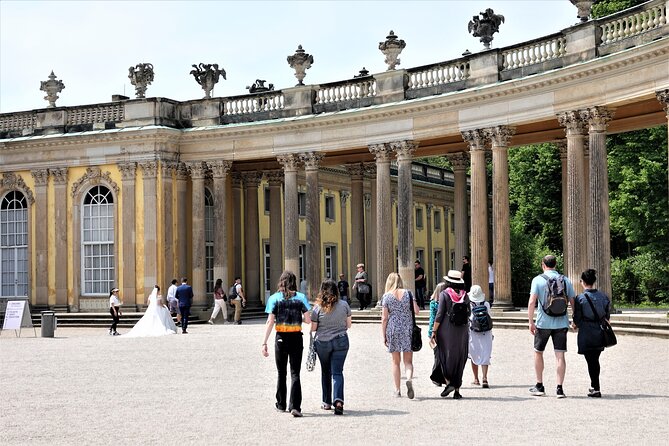
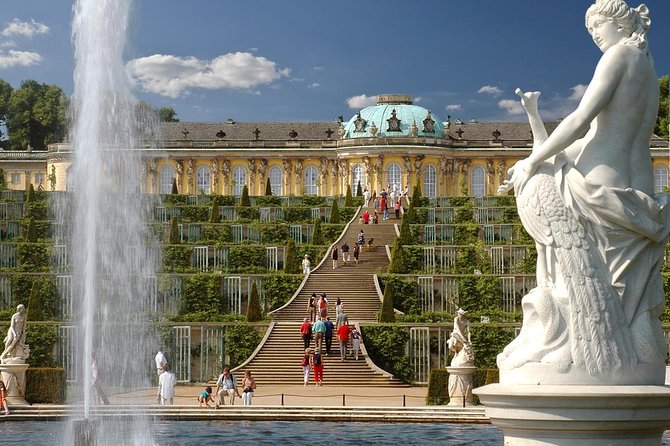
Potsdam’s Sanssouci Palace is the star of this four-hour outing, but the setting around it gives the visit real weight. Frederick the Great built the palace as a private retreat from court life, and the nearby parks, temples, and terraces explain why Potsdam feels so different from Berlin.
I like two things especially: the comfortable coach removes the fuss of getting to Potsdam, and the guide adds useful background before you reach the palace. I also like the mix of places, from the Bridge of Spies to the Dutch Quarter and Russian colony Alexandrovka. The tradeoff is time. Four hours lets you sample Potsdam, but not explore it at a slow pace.
Key points at a glance
- Sanssouci Palace takes center stage: Skip the long entry line and spend about two hours around the palace visit and grounds.
- The Bridge of Spies adds Cold War drama: See the Havel crossing where captured spies were exchanged between East and West.
- The coach makes a half-day practical: Depart Berlin at 10 a.m. from Kurfürstendamm 216 and return to the same meeting point.
- Guides bring the history to life: Susan, Karin, Jasmin, Jasmine, Stefanie, and Bridget are among the guides praised for clear and engaging commentary.
- Potsdam offers more than a palace: The route includes the Dutch Quarter, Alexandrovka, Old Market Square, and St. Nicholas Church.
- Plan for a brisk outing: Food and drinks are not included, and some stops call for walking and standing.
Why Potsdam makes a good Berlin side trip
Berlin can easily fill several days, yet Potsdam offers a different look at Prussian power, royal taste, and twentieth-century politics. The city lies outside Berlin in Brandenburg, close enough for a short coach ride but distinct in character.
The value of this tour is that you do not have to choose between a palace visit and a quick look at the city. You get both. The guide explains what you are seeing on the way, then points out several important sites around Potsdam without asking you to organize a complicated route yourself.
That matters because Potsdam’s sights are spread across different parts of the city. A do-it-yourself visit can work, but you need to manage transport, palace entry, and timing. Here, the coach and prearranged palace admission do much of that work.
The tour starts at 10 a.m. at Kurfürstendamm 216, a convenient Berlin meeting point near public transportation. It ends back there after roughly four hours. The group can include up to 30 people, so this is not a private tour, but the size is still manageable for a coach outing.
A few more Berlin half-days to weigh up
- Berlin: Reichstag, Dome and Government District Guided Tour
★ 4.7 · 18,288 reviews - Berlin: 1-Hour City Tour by Boat with Guaranteed Seating
★ 4.3 · 16,993 reviews - Berlin: Boat Tour Along the River Spree
★ 4.4 · 11,252 reviews
Riding from Berlin with a guide
The coach is one of the strongest practical features. Several guides, including Susan, Karin, and Jasmin, have been praised for giving useful commentary during the drive rather than waiting until arrival. That means the journey becomes part of the lesson.
You may hear about Berlin’s development, Prussian rulers, the Cold War, and places passed along the route. One particularly interesting detail mentioned on the return ride is the AVUS circuit and its grandstand, a reminder that Berlin’s transport history is part of the city’s story too.
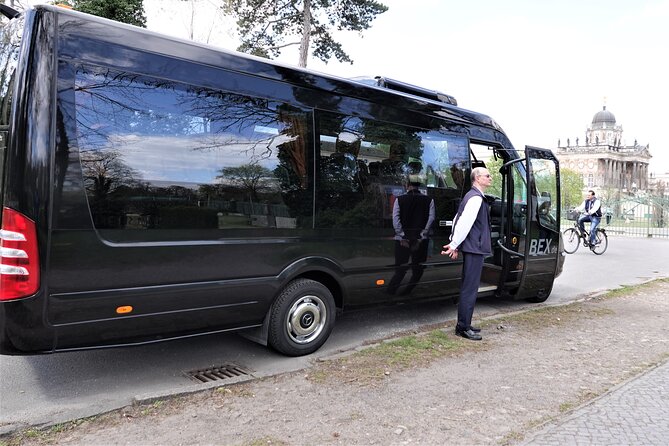
The bus has been described as clean, comfortable, and driven smoothly. That is useful on a half-day schedule, since the coach gives you a break between walking stops. Drivers named Kadri and Eric received special praise for careful, steady driving.
The tour is offered in English and German. Most of the feedback points to strong English presentation, but one experience had much more German commentary than English. If clear English explanation is essential to you, it is sensible to confirm the language arrangements when booking.
Sanssouci Palace and Frederick the Great
Sanssouci means without a care, an appropriate name for a summer retreat built away from the formal life of the Berlin court. Frederick the Great commissioned the palace between 1745 and 1747, with Georg Wenzeslaus von Knobelsdorff responsible for its design.
The palace was not meant to compete with the vast ceremonial residences found elsewhere in Europe. It was a more personal place, designed for relaxation and private life. That distinction helps set expectations. Sanssouci is beautiful and historically important, but it is not the largest or most grand palace you will see on a European trip.
The visit is allocated about two hours, including the palace and its setting. This is the part of the tour where the skip-the-line arrangement matters most. Palace queues can eat into a short day, so moving past the long line gives you more time for the rooms and grounds.
Inside, the focus is closely tied to Frederick’s life and tastes. The palace offers a window into the king as a cultivated ruler who wanted a retreat shaped around his own interests rather than court ceremony. The guide or palace audio material helps connect the rooms to his life and choices.
A useful detail: the palace portion may use a handheld audio device for the interior commentary, while your tour guide handles the broader visit and city explanation. That can be a good arrangement because the audio presentation gives structured information inside the palace, while the live guide provides context before and after.
The grounds are also important. Sanssouci is known for its terraces, temples, and ornamental buildings. You should allow time to look beyond the main facade. The gardens help explain the palace’s purpose as a private retreat and make the visit feel larger than an indoor museum stop.
There is a fair amount of walking and standing. You do not need athletic fitness, but the operator asks for a moderate physical fitness level. Wear comfortable shoes and avoid assuming that the coach will carry you right up to every sight.
The Bridge of Spies and Potsdam’s Cold War story
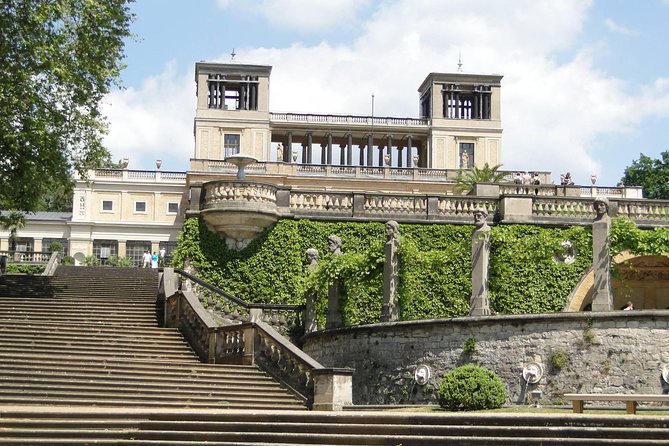
The Glienicke Bridge crosses the Havel between Berlin’s Wannsee district and Potsdam. Its location gives it an importance far beyond its practical use as a bridge.
During the Cold War, the river marked the boundary between West Berlin and East Germany. The bridge became famous for exchanges of captured spies, earning the nickname Bridge of Spies. Seeing it in person gives you a quick, concrete link to the tense political division that shaped Berlin and its surroundings.
This is mainly a photo and explanation stop rather than a long independent visit. That suits the four-hour format. You get the setting and the story without losing too much time from Sanssouci.
The bridge also helps tie the tour together. Sanssouci represents eighteenth-century Prussia, while Glienicke points to the twentieth-century division of Germany. Potsdam is not just a royal suburb. It has played a role in several major chapters of European history.
Same city, a completely different sort of afternoon:
- Discover Berlin Half-Day Walking Tour
★ 5.0 · 9,624 reviews - Berlin: Hop-on Hop-off Bus Tour with Live Commentary
★ 4.3 · 8,579 reviews - Berlin: Government District around the Reichstag Guided Tour
★ 4.7 · 8,447 reviews - Berlin: Reichstag, Plenary Chamber, Cupola & Government Tour
★ 4.6 · 8,422 reviews
The Dutch Quarter and Old Market Square
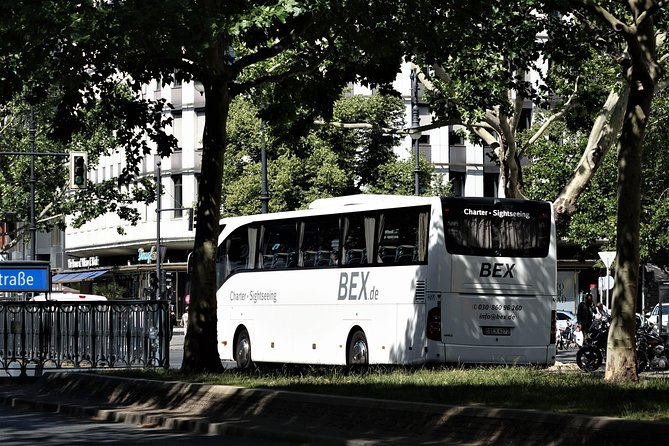
The Dutch Quarter, or Holländisches Viertel, is one of Potsdam’s most appealing city sections. It contains 134 red-brick buildings built between 1733 and 1740 under Frederick William I of Prussia.
Jan Bouman designed the neighborhood, following the king’s wishes. The architecture reflects the presence and influence of Dutch craftsmen invited to Potsdam. The brick buildings give this part of town a character quite separate from the palace grounds.
You may not have enough free time here for a long meal or extended shopping, but even a short guided look is worthwhile. It gives you a sense of Potsdam as a lived-in city rather than only a collection of royal monuments.
Old Market Square forms the historic center of Potsdam. The area around St. Nicholas Church brings together the city’s civic and religious identity. The square is a useful place to understand Potsdam’s central plan before the tour moves on or returns to Berlin.
St. Nicholas Church was built between 1830 and 1837 to plans by Karl Friedrich Schinkel. Its 77-meter-high dome and tambour rise above the city roofs. The church suffered severe damage near the end of World War II from an air raid and later Soviet artillery fire, then reopened after years of rebuilding in 1981.
The building is still used for services and concerts. Even if you only see it from outside, its scale and location make it an important part of Potsdam’s center.
Alexandrovka and the Russian connection
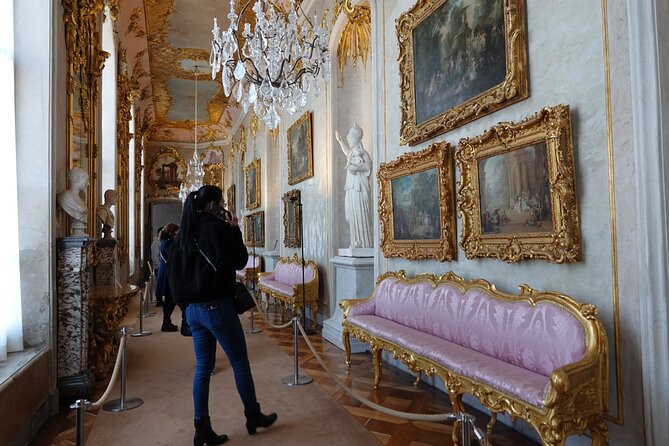
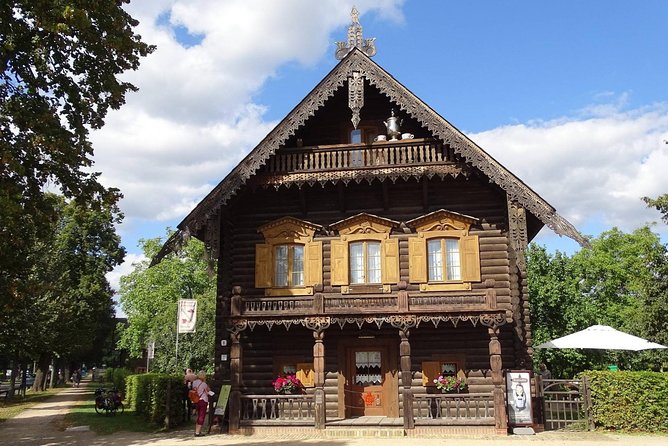
The Russian colony Alexandrovka adds another layer to the city’s story. King Frederick William III had it built in 1826 and 1827 for the last twelve Russian singers from a former choir of 62 soldiers.
The colony was named in memory of Tsar Alexander I, who died in 1825. The name reflects the family and political ties between the Hohenzollern and Romanov dynasties.
Alexandrovka is part of Potsdam’s UNESCO cultural setting. It is a useful reminder that Prussian Potsdam was shaped not only by German rulers, but also by close connections with Russia and other European courts.
This stop is brief, so do not expect a long visit inside every building. Its value is visual and historical. The houses and village plan tell a story that would be easy to miss if you visited only Sanssouci.
What the four-hour schedule really gives you
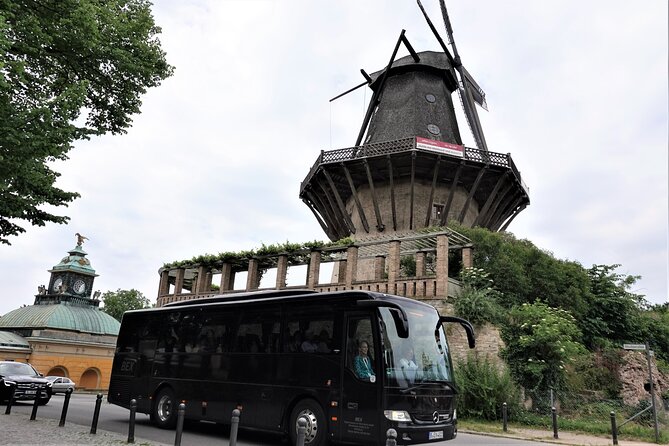
The schedule is efficient, but it is not leisurely. You will see a lot, receive commentary, and visit Sanssouci without spending a full day away from Berlin. That makes it a strong choice if you have limited time or want an organized introduction before deciding if Potsdam deserves a longer return visit.
The main compromise is independent exploration. You will not have hours to linger in the Dutch Quarter, walk every garden path, or sit over a long lunch. One guide described the palace information as a lot to take in over a short period, which is a fair way to view the whole outing.
I would treat this as an overview with a substantial palace visit, not as a complete Potsdam tour. The coach keeps the day moving, and the guide makes the transitions useful, but the pace may feel quick if you prefer to stop whenever something catches your eye.
Price, comfort, and what is included
At $77.23 per person, the price is reasonable if you value convenience and a guided palace entry. You are paying for the return coach, an English and German-speaking local guide, and guaranteed access past the long Sanssouci lines.
The value is less obvious if you are comfortable arranging public transportation and palace admission yourself. Independent visitors may prefer the freedom to spend a whole day in Potsdam, especially since the tour does not include food, drinks, or a long period of free time.
For most people, the tour earns its price through time saved. The palace reservation, city orientation, and transport are combined in one half-day plan. You also avoid the risk of reaching Sanssouci and finding that a line or sold-out entry has disrupted your schedule.
Bring water and a small snack, since refreshments are not supplied. Restroom access has been described as limited at the palace, and you may find yourself using the facilities near the entrance, where a small fee can apply. Keep some change handy.
The guides make the difference
The most highly praised part of this experience is the live guiding. Susan is repeatedly described as energetic, well-informed, open to questions, and able to connect Berlin’s past with Potsdam’s landmarks. Karin, Jasmin, Jasmine, Stefanie, and Bridget also received praise for clear presentation, humor, helpfulness, and strong command of the subject.
That matters because Potsdam can otherwise feel like a series of attractive buildings without a clear thread. A good guide explains why Frederick the Great built Sanssouci, why Alexandrovka exists, and why the bridge matters. The strongest guides also use the drive to prepare you for the sites ahead.
The German and English format can work well for mixed groups, but it depends on the guide and the day’s audience. Most of the information points to capable bilingual presentation, though the balance may not always be equal. This is the one area where expectations should stay flexible.
Who should book this Potsdam tour?
I would recommend it to a first-time Berlin visitor who wants to see Potsdam without giving up an entire day. It also suits anyone who prefers a guide for royal and Cold War history, or anyone who wants a comfortable coach rather than a chain of trains and local connections.
It is a good fit for:
- You want Sanssouci Palace entry arranged in advance.
- You enjoy historical explanation during the drive.
- You prefer a planned route with several photo and sightseeing stops.
- You have about half a day available.
- You can manage moderate walking and standing.
I would choose a longer independent visit instead if you want extensive garden walks, a relaxed meal in the Dutch Quarter, or time inside several Potsdam museums and palaces. The half-day format gives you the highlights, not every corner.
The mobile ticket is useful, service animals are allowed, and the meeting point is near public transportation. Free cancellation is available up to 24 hours before the 10 a.m. start time. If the minimum group size is not met and the operator cancels, you are offered another date or experience, or a full refund.
Should you book it?
Book this tour if you want the easiest way to combine Sanssouci Palace, Potsdam’s historic center, and the Bridge of Spies in one morning or afternoon-sized outing. The coach, skip-the-line entry, and strong guides give you a lot of context for the time and price.
Skip it if you want to set your own pace or have a full day for Potsdam. The route is busy, food is not included, and the bilingual commentary may not always give English equal time. For a first look from Berlin, though, this is a well-planned and useful introduction to a city that deserves more than a quick glance.
FAQ
Where does the Potsdam tour start?
The tour starts at Kurfürstendamm 216, 10719 Berlin, Germany.
What time does the tour depart?
Departure is at 10 a.m.
Where does the tour end?
The activity ends back at the meeting point on Kurfürstendamm.
How long is the tour?
The tour lasts approximately four hours.
Is Sanssouci Palace admission included?
Yes. Admission to Sanssouci Palace is included, with guaranteed access past the long lines.
Is transportation included?
Yes. A coach with a driver is included for the journey from Berlin to Potsdam and back.
Is food included?
No. Food and drinks are not included.
Is the tour offered in English?
Yes. The local guide service is offered in English and German.
Can I cancel for a refund?
You can cancel at least 24 hours before the experience start time for a full refund. Cancellations or changes made less than 24 hours before the start are not refunded.
Just added around Berlin
- From Berlin: Gardens & Palaces of Potsdam Bike Tour★ 5.0 · 61 reviews
- Berlin: Battle for Seelow Heights WW2 tour -Clash of Titans★ 5.0 · 27 reviews
- From Berlin: Historical Gems of Potsdam Private Day Trip★ 4.4 · 4 reviews
- Berlin: Französischer Dom 360° Panorama & Crémant to go★ 3.9 · 5 reviews
- Explore Berlin Tour: History and Highlights★ 4.7 · 5 reviews
- Berlin: Evening Yacht Cruise with Aperitif & Dinner Upgrade★ 4.6 · 178 reviews
- Berlin: Expats in Berlin Comedy Show Ticket★ 4.7 · 182 reviews
- Berlin: The Epic Comedy Club Friday Night Showcase★ 4.8 · 28 reviews
Berlin Tours, compared.
Reichstag, Dome and Government District Guided Tour
Read our review →
1-Hour City Tour by Boat with Guaranteed Seating
Read our review →
Reichstag, Plenary Chamber, Cupola & Government Tour
Read our review →