
Review · MUNICH TOURS
Munich: Third Reich & WWII Walking Tour
Munich was not just a backdrop to the Third Reich. It was where Hitler’s movement took shape, found an audience, and made its bid for power. This walking tour connects that past to real city streets, beer halls, squares, memorials, and buildings you might otherwise pass without a second thought.
I like the clear route through Munich’s Nazi-era landmarks, especially the link between the first mass meeting at Hofbräuhaus and the failed putsch at Feldherrnhalle. I also like the attention given to the White Rose resistance movement, which keeps the tour from focusing only on Hitler and his followers. The main drawback is simple: you’ll be outside for most of the tour, and cold, rain, or noisy crowds can affect the experience.
Key points at a glance
- Hofbräuhaus connection: Learn how Hitler’s early political movement gained attention in one of Munich’s most famous beer halls.
- Feldherrnhalle and the failed putsch: Stand at the scene of Hitler’s 1923 attempt to seize power.
- Königsplatz rallies: See the broad square used for major Nazi gatherings and party ceremonies.
- The White Rose: Hear about Munich students who resisted the Nazi regime from the Hofgarten area.
- Guide quality matters: Michael, Steve, Alex, Josh, Danielle, Florian, Ulrich, and others have been praised for strong delivery and careful handling of difficult material.
- Plan for weather: Wear comfortable shoes and bring warm layers, especially in winter.
Why Munich is the right place to study the Third Reich
If you want to understand how Nazism grew, Munich gives you a more useful starting point than a simple list of wartime ruins. The city was central to the movement before Germany entered the Second World War, so the tour focuses on political beginnings as well as later destruction.
In 1919, Germany was defeated, short of money, and politically unstable. Bavaria was dealing with revolution, violence, and assassinations. Hyperinflation added fear and confusion. This was the setting in which Hitler and the Nazi movement found space to organize, speak, recruit, and test their power.
That context matters. The tour is not simply a walk past places connected to Hitler. It explains how a political movement used public meetings, force, symbols, speeches, and local support to grow. You get a sense of sequence: chaos after the First World War, the rise of the Nazi Party, the failed attempt to take power, the later Nazi use of Munich, and the destruction brought by the Second World War.
I appreciate that the subject is treated as history rather than spectacle. The best guides keep the focus on the consequences of political extremism and genocide, not on turning Hitler into a celebrity figure.
More WWII History Tours in Munich
- Dachau Concentration Camp Memorial Site Tour from Munich by Train
★ 4.5 · 5,637 reviews - Third Reich Walking Tour Munich
★ 4.5 · 4,291 reviews - From Munich: Dachau Memorial Site Day Tour
★ 4.8 · 2,723 reviews
Hofbräuhaus and the first public face of Nazism
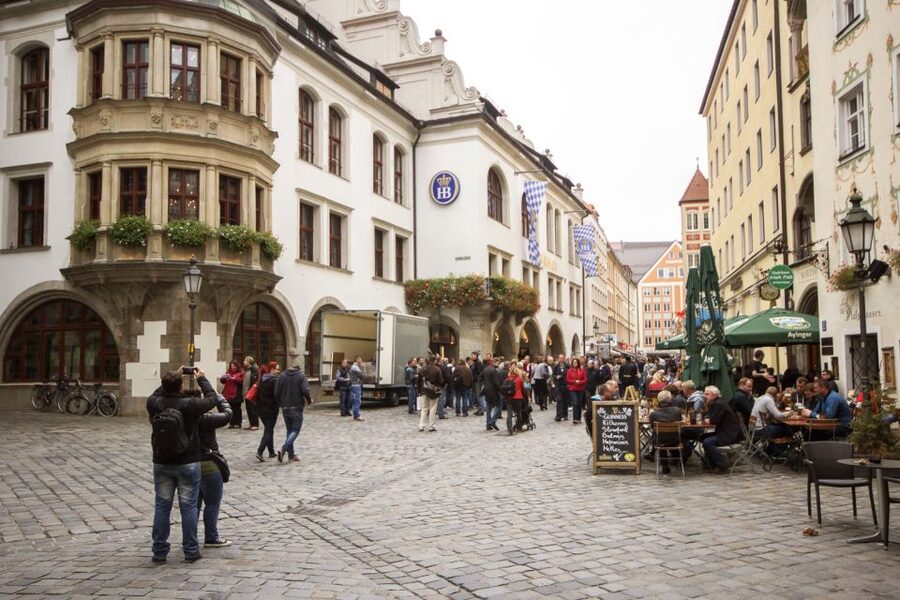
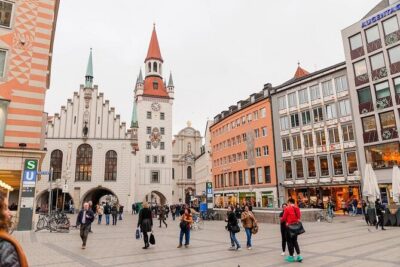
The Hofbräuhaus is one of Munich’s best-known sights, usually associated with beer, food, music, and old Bavarian tradition. On this tour, you see another layer of the building’s past: its role in the early public life of Hitler’s movement.
The stop helps explain how political groups reached ordinary people in the years after the First World War. Large indoor halls provided space for speeches and mass meetings. The Nazi movement used such places to present its message, build loyalty, and create the feeling of a shared cause.
This is one of the tour’s most useful early stops because it makes the story tangible. You are not hearing about an abstract party forming somewhere in Germany. You are standing at a real Munich meeting place where political persuasion happened in front of a crowd.
The Hofbräuhaus can be busy and noisy, so this portion may depend on where the group can pause and how clearly the guide can project. Several guides have been praised for speaking loudly and clearly, but one useful criticism is that a small speaker could help when large crowds gather nearby.
Do not expect a long indoor visit focused on the beer hall itself. The point is the political history connected with the place. If you want a food or beer tour, choose a different experience. If you want to understand how public meetings helped the Nazi movement gain a foothold, this stop earns its place.
Feldherrnhalle and Hitler’s failed power grab
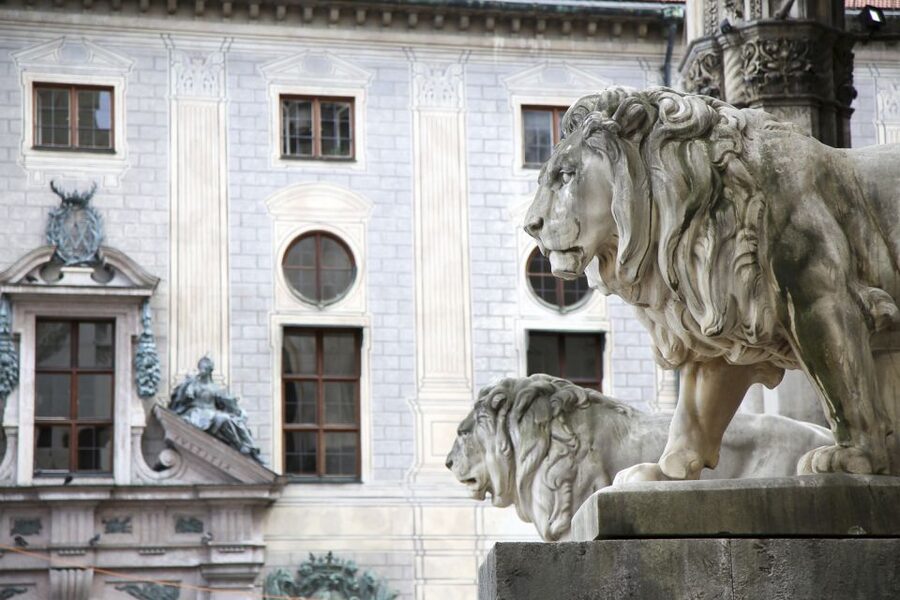
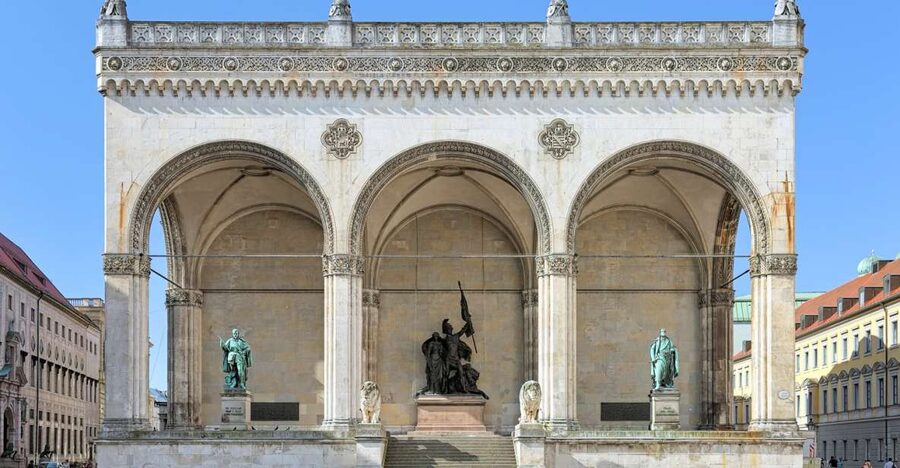
From the early meetings, the tour moves toward the failed attempt to seize control of Bavaria and Germany. Feldherrnhalle, a grand loggia near the Odeonsplatz area, is tied to Hitler’s 1923 Beer Hall Putsch.
The failed coup was an important turning point. Hitler did not take power by force in 1923, and the attempt ended with deaths and arrests. Yet the event gave him publicity, a trial platform, and a chance to reshape his political strategy. The tour uses the site to show that his eventual rise was not a straight march to victory.
That is a useful correction to the simplified version of the story. Hitler’s movement suffered setbacks. It then learned how to use legal politics, propaganda, organization, intimidation, and public frustration more effectively.
At Feldherrnhalle, your guide can make the geography do much of the work. The building, nearby streets, and surrounding civic spaces help you picture how a march and confrontation could unfold. You will stop rather than walk continuously, so the route usually feels like a series of short history lessons connected by city streets.
This is also a place where respectful behavior matters. The subject is violence and dictatorship, not costume drama. A good guide will explain the meaning of the site without encouraging theatrical gestures or fascination with Nazi symbols.
Königsplatz and the scale of Nazi spectacle
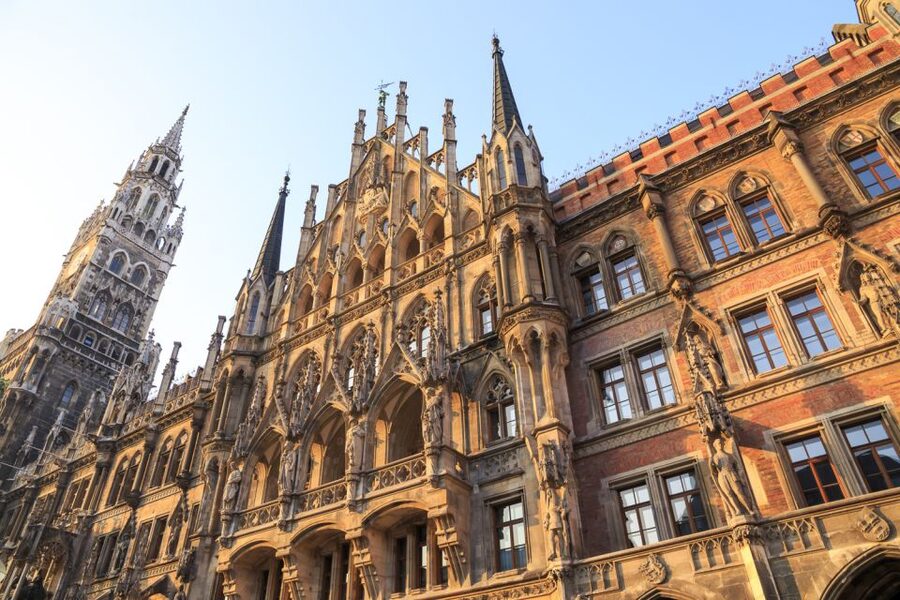
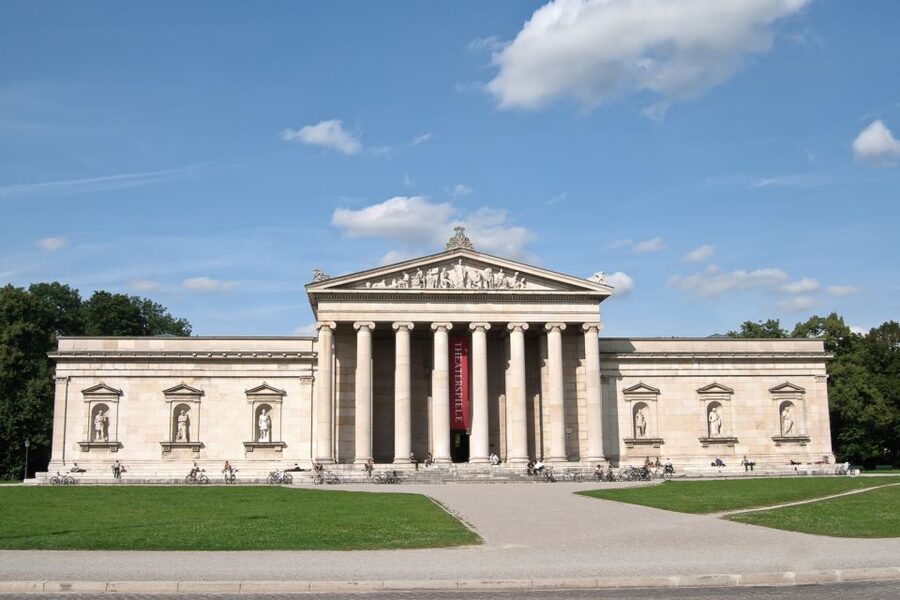
Königsplatz gives the tour a change of scale. The broad square was used for Nazi rallies and ceremonies, and its open space helped create the grand public image the regime wanted to project.
Here, I find the physical setting especially useful. Political power often relies on buildings, crowds, flags, marches, and carefully planned views. A large civic square can make a movement look stronger and more permanent than it really is. The tour shows how Munich’s public spaces were adapted to that purpose.
You will hear about the role of Königsplatz in party events and the way the Nazi regime used architecture and ceremony to shape public behavior. The square also helps explain how propaganda worked beyond speeches. Space itself became part of the message.
The drawback is that the present-day view may not provide a large number of obvious physical traces. Much of the value comes from the guide’s explanation and any images or historical details the guide uses. This is why the individual leading your tour matters so much.
Several guides have been praised for bringing the period to life without losing control of the facts. Josh, Alex, Michael, Steve, Florian, and Danielle are among the names singled out for strong delivery, clear explanations, humor used carefully, and an ability to keep a group focused for more than two hours.
More wartime history tours in Munich:
- From Munich: Dachau Memorial Site Half-Day Trip
★ 4.7 · 2,526 reviews - From Munich: Dachau Memorial Site Full-Day Tour
★ 4.9 · 1,406 reviews - Dachau Concentration Camp Memorial Tour with Train from Munich
★ 4.5 · 955 reviews - Early-Start Dachau Memorial Half-Day Tour from Munich
★ 5.0 · 942 reviews
The Hofgarten and the White Rose resistance
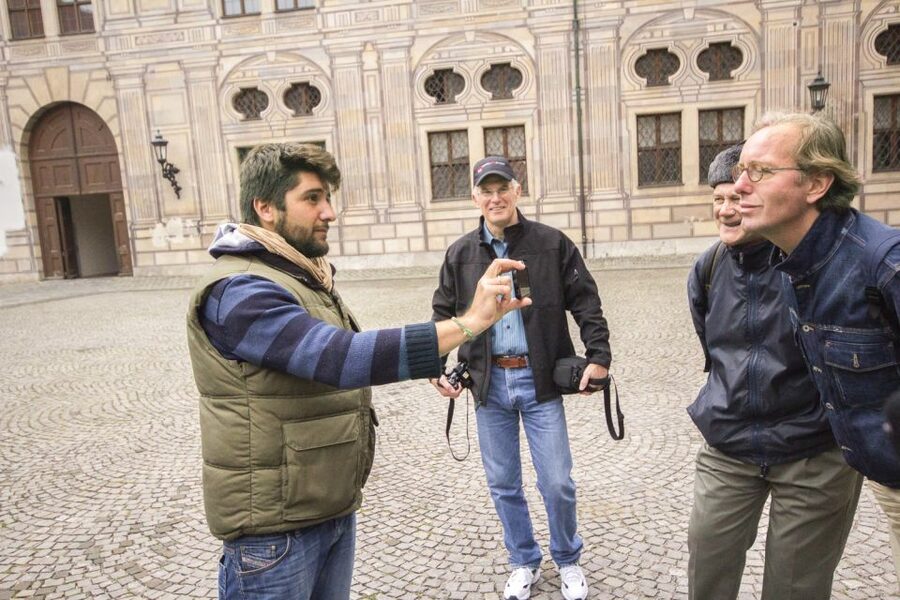
The stop at the Hofgarten broadens the story beyond the Nazi leadership. Here, the tour discusses the White Rose, a resistance movement formed by Munich students who opposed Hitler’s regime.
This is an essential part of the route. A tour about Munich and the Third Reich should not leave you with the impression that every German accepted Nazi rule in the same way. The White Rose reminds you that some people recognized the crimes and lies of the regime and chose to resist, despite the danger.
The subject is powerful because the movement was young, local, and connected with the university world. The story also gives the tour a moral and human focus after the large public spaces of rallies and political theater.
You should expect serious material here. Guides have been praised for handling the subject with sensitivity, explaining complex events clearly, and connecting the history to the need to oppose similar political abuses today. Some use photographs or visual aids, which can make this portion easier to follow in an outdoor setting.
The Hofgarten stop may involve sitting briefly on a ledge or other hard surface, depending on the guide and the conditions. In cold or wet weather, a small sitting mat can make a real difference. One guide, Steve, has been noted for bringing tea, disposable cups, and cushions or mats on wintry tours. That is not something you should assume for every departure, but it shows why warm clothing and practical footwear matter.
How the guides shape the experience
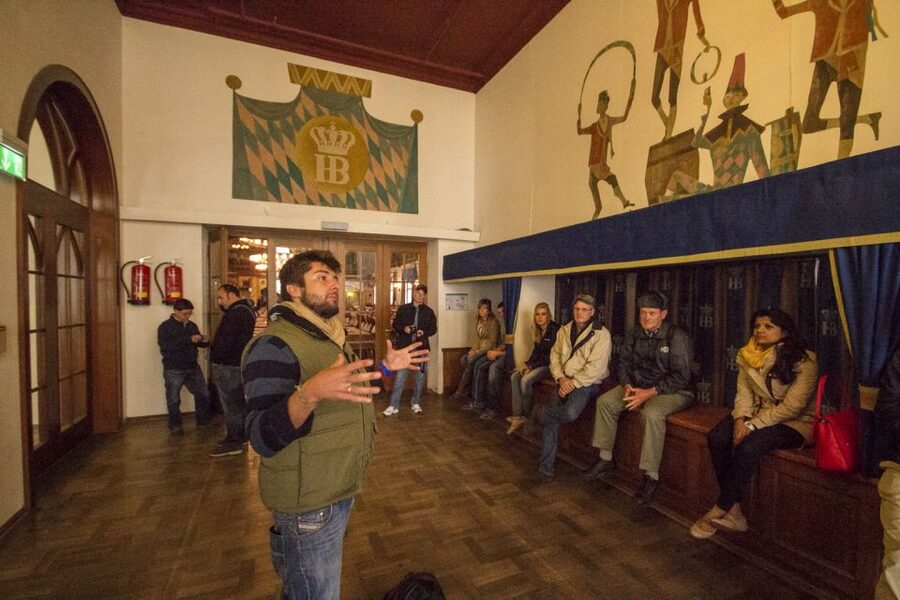
The subject is difficult, detailed, and spread across several parts of central Munich. A guide who simply recites dates could make the tour feel long. The strongest guides turn the walk into a clear story with a beginning, middle, and end.
Michael has been praised for enthusiasm, a strong voice, and a friendly approach. Steve is known for careful explanations, respect for the subject, and small acts of practical care in bad weather. Alex has been described as charismatic and easy to approach with questions.
Josh has drawn particular praise for his ability to speak to a large group, set clear expectations, and keep the material engaging for nearly three hours. His approach includes humor, but he does not avoid the difficult parts of the story. Danielle has also been praised for handling large groups and keeping the tone both personable and serious.
Other named guides include Aileen, Florian, Ulrich, Brigit Muller, and Simone. The exact guide depends on the departure, so you cannot book one of these individuals with certainty from the general tour details. Still, the repeated strength of the guide team is a major reason the tour earns a 4.6 rating from more than 6,000 reviews.
There are a few things to keep in mind. Large groups can make it harder to hear, especially beside traffic or crowds. One participant also found the starting point difficult to locate in the busy city center. Check the meeting point for your chosen option carefully, arrive early, and stay near the guide during the walk.
Pace, distance, weather, and accessibility
The advertised duration is 2.5 hours, or 165 minutes, while the description also refers to a 2-hour-45-minute walk. Some departures appear to run close to three hours, particularly when questions and explanations take time. I would set aside at least three hours so you do not need to rush away at the end.
This is a walking tour with regular stops rather than a nonstop march. One useful feature is the frequent pausing, which lets you listen without walking for long stretches. Still, you are outside for much of the experience, so comfortable shoes are essential.
Munich weather can change the feel of the tour. Winter participants have dealt with cold, snow, rain, and wet seating areas, yet good guides have adjusted by finding indoor places when possible or taking extra care during stops. Bring a warm coat, gloves, and weather protection in colder months. In warmer weather, sun protection and water are sensible, though the supplied information specifically emphasizes comfortable footwear.
The activity is listed as wheelchair accessible. Because it takes place in city streets and public areas, the exact ease of movement may depend on the selected route and conditions. If access is important for you, confirm the details for your booked option before arrival.
English and German tours are available. A private group option is also offered, which may suit families, school groups, or history-focused parties that want more room for questions and a pace shaped around their own interests.
Is $31 a fair price?
At $31 per person, this is a reasonable price for a guided walk lasting roughly two and a half to nearly three hours. You are paying for interpretation, not admission to a major indoor attraction, so the value depends heavily on the guide’s skill.
I think the price works best for first-time visitors who want a structured introduction to Munich’s Nazi past. You could walk to these places on your own, but you would miss the links between them. Hofbräuhaus, Feldherrnhalle, Königsplatz, and the Hofgarten each tell only part of the story. The guide supplies the order and meaning.
It is also good value for people who already know the broad outline of Hitler’s rise. The tour adds local setting, political context, and lesser-known details. One history-focused participant especially valued seeing the actual sites rather than reading about them in a book.
The tour is less suitable if you want a relaxed sightseeing walk with only light historical commentary. The material is serious and information-heavy. You need to give it your full attention, and the subject includes dictatorship, war, persecution, and genocide.
If you have time afterward, the route may finish near the Munich Documentation Centre, according to one departure experience. That makes it possible to continue your study there, but the exact endpoint can vary, so do not rely on it for every tour. One participant also noted that the advertised endpoint at Königsplatz was not reached on a particular departure. Confirm the planned finish if that location matters to you.
Who should book this Munich history walk?
I would choose this tour if you want to understand how Munich became a key city in the Nazi story. It suits adults, families with older children, students, and anyone interested in political history, the Second World War, or the White Rose.
It is also a good choice early in your Munich visit. The route helps you read the city with sharper eyes afterward. Ordinary squares and famous landmarks gain a second layer, and later visits to museums or memorials make more sense.
You may prefer a museum-based experience if you have limited mobility, dislike cold weather, or want documents and exhibits rather than a spoken account. You should also think twice if you want a cheerful introduction to Munich. This is not that kind of walk.
Book with enough time for the full route, wear shoes you can walk in, and prepare for the weather. If you are traveling in a private group, that option may be worth considering because the topic rewards questions and discussion.
Should you book it?
Book this tour if you want a serious, place-based account of Munich’s role in the Third Reich. The route covers the essential landmarks, adds the White Rose resistance, and gives you the political sequence that a self-guided stroll is unlikely to provide.
The $31 price is fair, especially if you receive a guide such as Michael, Steve, Alex, Josh, Danielle, or Florian, whose presentations have been praised for clarity, energy, and care. Just remember that the experience depends on outdoor conditions, group size, and the guide assigned to your departure. If you can handle a long, serious walk in changing weather, this is a worthwhile way to confront Munich’s darkest chapter.
FAQ
How long is the Munich Third Reich and WWII Walking Tour?
The tour is listed as 2.5 hours, or 165 minutes. The description also gives a duration of 2 hours and 45 minutes, and some departures may run close to three hours.
What places does the tour visit?
The route includes the Hofbräuhaus, Feldherrnhalle, Königsplatz, and the Hofgarten. These locations connect to Hitler’s rise, Nazi rallies, and the White Rose resistance movement.
What is discussed at the Hofbräuhaus?
The guide explains the first mass meeting associated with Hitler’s movement and how the Nazi movement began gaining public attention in Munich.
What happened at Feldherrnhalle?
Feldherrnhalle is linked to Hitler’s failed 1923 attempt to seize power. The guide explains the event and why it became important to Hitler’s later political strategy.
Does the tour cover the White Rose resistance?
Yes. The tour stops in the Hofgarten to discuss the White Rose, a Munich-based student resistance movement that opposed the Nazi regime.
Is the tour offered in English?
Yes. English and German tours are available. The specific guide depends on the departure.
Is the tour wheelchair accessible?
The activity is listed as wheelchair accessible. Since it takes place outdoors in public city areas, confirm route details for your chosen option if accessibility is a major concern.
Can I book a private group?
Yes. A private group option is available.
What should I bring?
Bring comfortable shoes. Warm clothing and weather protection are also sensible, particularly during Munich’s cold or wet months.
Can I cancel the booking?
You can cancel up to 24 hours in advance for a full refund. A reserve-now-and-pay-later option is also available for eligible bookings.
More Walking Tours in Munich
- Munich: Old Town & Viktualienmarkt City Walk in German
★ 4.7 · 2,304 reviews - Munich: Night Watchman Walking Tour
★ 4.7 · 2,092 reviews - Munich Ghosts and Spirits Evening Walking Tour
★ 5.0 · 1,900 reviews - Munich Old Town Walking Tour
★ 4.5 · 1,287 reviews
Just added around Munich
- Munich: Express Walk with a Local in 90 minutes★ 5.0 · 7 reviews
- Exploring Munich in a Rikscha★ 4.9 · 33 reviews
- Exploring Munich by Pedicab: Premium Two Hour Tour★ 5.0 · 10 reviews
- Erding: 1-Day Spa Ticket at Therme Erding★ 4.5 · 50 reviews
- Munich: KUNSTLABOR 2 Entry Ticket★ 4.2 · 89 reviews
- Private Van Tour to the Royal Palace of Herrenchiemsee★ 5.0 · 6 reviews
- From Munich: Königssee Day Trip with Boat Ride and Salt Mine★ 4.5 · 93 reviews
- Culinary Haidhausen – The Food Tour★ 4.3 · 4 reviews
Munich Tours, compared.
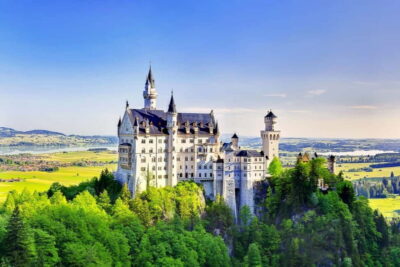
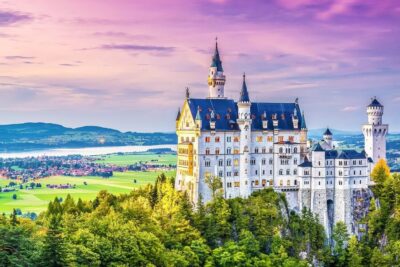
Neuschwanstein & Linderhof Castle-Fairytale Day Tour from Munich
Read our review →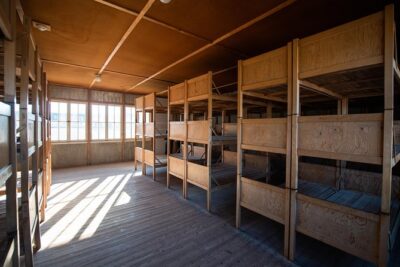
Dachau Concentration Camp Memorial Site Tour from Munich by Train
Read our review →
Munich Hop-On Hop-Off Tour: 1-Day or 2-Day Ticket
Read our review →
Browse the lists this tour appears in