
Review · BERLIN TOURS
Berlin: BKA Theater “Operetta for two gay tenors”
Berlin’s Operetta for Two Gay Tenors takes the old operetta formula, then gives it a sharp modern twist. You get catchy songs, big romantic feelings, country gossip, gay life, and plenty of jokes about German culture, all staged at the BKA Theater in Berlin.
I like the show’s unusual subject and its mix of warmth and satire. I also like that it is more than a string of punchlines: the music carries a real story about love, sex, self-doubt, and the pull between rural life and Berlin. The main caution is timing. One booking problem left a customer arriving at the stated time after the performance had already begun, so check the exact start time carefully before you go.
Key points to know before booking
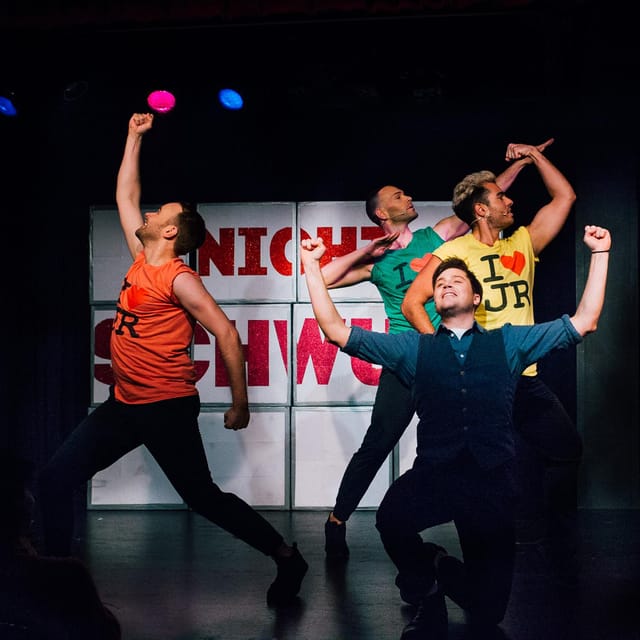
- A modern queer operetta: The show presents itself as the world’s first queer operetta and continues the playful, rule-breaking spirit of Berlin operetta from the 1920s.
- Two very different partners: Graphic designer Tobi wants an ideal country life, while nurse Jan has never managed to feel at home there.
- Original songs with comic titles: Expect numbers such as Champagner von Aldi, Mein Fetisch ist die Operette, and Ich steh total auf Jens Riewa.
- A 2.5-hour theater evening: Check the available performance time closely, since starting times can vary.
- Award-winning writing: Florian Ludewig composed the music, Johannes Kram wrote the lyrics, and the production won the 2022 German Musical Theater Prize for Best Lyrics.
- A cozy night out: The BKA Theater combines the performance with gastronomy, making this more than a quick stage stop.
Why this queer operetta feels fresh
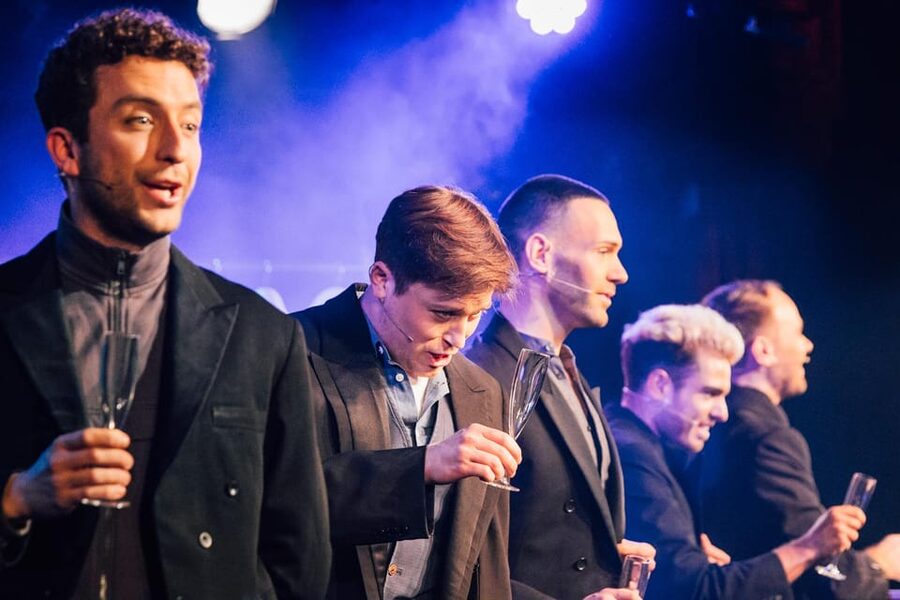
Traditional operetta is often associated with sweeping romance, exaggerated characters, lush sentiment, and songs that refuse to stay modest. This production uses all of that, but points it toward modern gay life.
That choice gives the show its main spark. Tobi and Jan are not presented as symbols or side characters. They are a couple trying to work out an ordinary life together, with all the awkwardness and desire that implies. Their relationship is shaped by questions many couples understand: Where should we live? What kind of life do we want? Can an ideal home make us happy if one partner feels trapped there?
The play places those questions between two settings. Tobi has left Berlin and the gay scene behind to pursue a quiet life in the country. He has a house, a garden with fruit trees, homemade jam at breakfast, and neighbors who are friendly and welcoming. It sounds like a perfect postcard.
Jan sees the same place differently. He grew up there and has never left, so the village does not feel like a fresh start. For him, it carries old habits and old limits. That contrast gives the comedy a useful edge. The show can laugh at country idyll without treating the city as a simple answer.
I appreciate that balance. You are not asked to choose between country and city, tradition and freedom, or romance and independence. The tension comes from how Tobi and Jan see the same life in completely different ways.
A few more Berlin half-days to weigh up
- Berlin: Gay Berlin Out in Schöneberg Walking Tour
★ 4.8 · 281 reviews - Queer Berlin Tour: Birthplace of LGBTQ+ Movements
★ 5.0 · 6 reviews
Tobi, Jan, and the country house
The story begins with a couple who have already built a shared life. That matters. This is not simply a romance about whether two men will meet and fall in love. Tobi and Jan have to decide if the life they created still works for both of them.
Tobi is the dreamer of the pair. He turned away from Berlin because he wanted something settled and perhaps more authentic. His vision includes a little house, a garden, fruit trees, neighbors, and breakfast made from their own jam. The details are deliberately sweet, almost too sweet, which makes them perfect material for operetta.
Jan is less enchanted. Since the village is his home, he knows its limits better than Tobi does. He can hardly stand living there. The difference between the two men gives the show its emotional engine and keeps the jokes connected to a real problem.
You can expect the country setting to be treated with both affection and mischief. The production does not simply mock village life, and it does not present Berlin nightlife as flawless. Instead, it asks what happens when one partner romanticizes a place that the other knows too well.
That is one reason the show can work for people who do not normally seek out operetta. The basic conflict is easy to understand, and the humor grows from character rather than from a string of unrelated sketches.
Songs that make the jokes sing
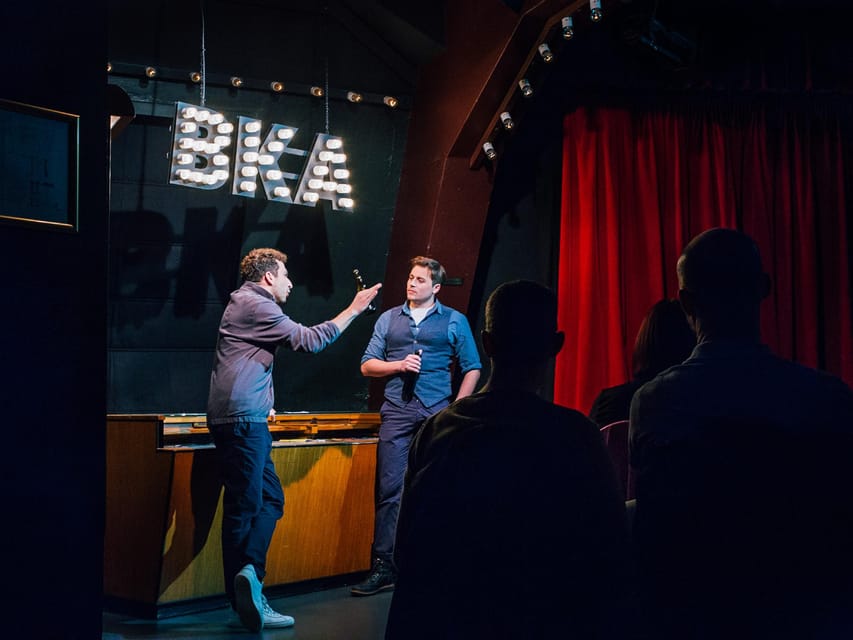
The music comes from Florian Ludewig, with lyrics by Johannes Kram. Their work follows the operetta tradition of using songs to heighten emotion, reveal character, and make everyday subjects sound grand.
The song titles tell you a lot about the tone. Champagner von Aldi mixes high romantic style with a very ordinary supermarket reference. Mein Fetisch ist die Operette turns the genre itself into a joke and a declaration of love. Ich steh total auf Jens Riewa points toward the production’s willingness to play with German pop culture and familiar names.
You should expect catchy tunes, new operetta songs, and schmaltzy waltzes. The word schmaltzy is important here. The show is not trying to sound cool or restrained. It enjoys the old-fashioned pleasure of a melody that swells, repeats, and wears its feelings openly.
That makes the music part of the comedy, but not only the comedy. Big musical emotion lets the characters express feelings that might seem too embarrassing in ordinary conversation. Desire, insecurity, pride, and disappointment can all be pushed to theatrical extremes.
The result is a show that uses camp with purpose. The exaggeration is funny, yet the emotional point underneath remains clear. If you like stage music that sends up its own conventions while still loving those conventions, this is likely to be the production’s strongest appeal.
Berlin operetta, revived for today
The production connects itself to Berlin’s operetta tradition of the 1920s. That period is presented as a time when operetta could challenge fixed roles and celebrate diversity with pleasure and wit.
The historical link gives the show more weight than a simple contemporary comedy. It suggests that queer, playful, rebellious stage work is not an alien addition to Berlin culture. It belongs to a longer tradition of questioning who gets to be romantic, ridiculous, glamorous, and fully visible on stage.
One hundred years later, the production carries that idea into a story about two men, a village home, and the pressure of fitting into a life that looks right from the outside. The old genre becomes a useful tool because operetta has always had room for disguise, exaggeration, social satire, and emotional excess.
In 2022, the production won the German Musical Theater Prize for Best Lyrics. It was also nominated in the Best Book category. Those honors point to the writing as a major strength, especially the way the lyrics balance jokes with character and story.
You do not need to know Berlin’s 1920s theater history to follow the performance. The context is an added pleasure, not homework. Still, knowing that connection may help you see why the production chooses operetta instead of a conventional musical or cabaret format.
Same city, a completely different sort of afternoon:
- Berlin: Reichstag, Dome and Government District Guided Tour
★ 4.7 · 18,288 reviews - Berlin: 1-Hour City Tour by Boat with Guaranteed Seating
★ 4.3 · 16,993 reviews - Berlin: Boat Tour Along the River Spree
★ 4.4 · 11,252 reviews - Discover Berlin Half-Day Walking Tour
★ 5.0 · 9,624 reviews
What the 2.5-hour evening is like
The full experience lasts about 2.5 hours. That is long enough for a complete theatrical story, not just a short cabaret set, so you should plan this as your main evening activity rather than a quick stop between other attractions.
The exact starting time requires care. The available times can vary, and one customer arrived at 7:45 p.m. after planning around an 8 p.m. start, only to find that the performance had begun at 7 p.m. Almost half the show was missed.
My practical advice is simple: verify the performance time on the date you choose, then check it again close to the event. Do not rely on a general assumption that the curtain will rise at 8 p.m. If your plans depend on dinner, a train, or another evening activity, leave room for the listed start time and arrive early.
The duration also affects the value. You are paying for a full theater outing with music, story, and a venue atmosphere, rather than a short live performance. The booking information does not give a ticket price here, so I cannot call it a bargain or an expensive night. Judge the cost against the length and the fact that this is an original, award-winning production in a Berlin theater.
The BKA Theater and the evening atmosphere

The BKA Theater is part of the appeal. The setting is described as cozy, which suits the material better than a huge formal auditorium would. Operetta depends on a sense of shared play between stage and room, and a smaller, more intimate atmosphere can help the jokes land.
The venue also offers gastronomy. That gives you the option of making the performance feel like a complete night out, rather than treating it as an isolated cultural appointment. The available information does not specify a menu, meal package, or table arrangement, so you should not book expecting a particular dinner service.
Still, the chance to enjoy food or drinks at the theater is useful when planning. You can build your evening around the show instead of rushing from one part of Berlin to another. Just keep the performance time in mind, especially if you want time for gastronomy before the curtain.
The BKA Theater is described as one of Berlin’s most beautiful theaters in the experience information. That is a broad claim rather than a detailed architectural description, so I would focus on the atmosphere and programming rather than expect a major sightseeing landmark. You are coming here for the production first.
Who will enjoy this show most
I would recommend this experience to you if you like musical comedy, cabaret, operetta, or performances that mix social commentary with sentimental romance. It should also suit anyone interested in queer theater and Berlin’s tradition of playful, unconventional stage work.
You do not have to be an operetta expert. In fact, the show’s humor may work best if you know just enough about grand musical theater to recognize the exaggeration. The song titles and heightened style invite you to laugh at the genre while enjoying it.
It is also a good choice for a couple or a small group looking for an evening with more personality than a standard concert. The central conflict between Tobi’s rural dream and Jan’s frustration gives you something to discuss afterward.
You may want to choose another activity if you dislike sung dialogue, broad theatrical humor, or deliberately sentimental music. The production leans into catchy melodies and hearty waltzes, so it is not aiming for a quiet, naturalistic drama.
The show is about gay life, but it is not limited to one narrow audience. Its themes include love, sex, pride, self-doubt, home, and belonging. Those subjects are specific in presentation but widely understandable in human terms.
Accessibility and planning details
The experience is wheelchair accessible, which makes it a practical theater choice for visitors who need an accessible venue. The available information does not provide details about seating areas, companion seating, or step-free routes, so contact the BKA Theater directly if you need those specifics.
The duration is 2.5 hours, and starting times are shown according to availability. That makes checking the selected date and time essential. The timing issue is not a minor detail here, since arriving at the wrong hour can mean missing a large part of the performance.
Free cancellation is available up to 24 hours in advance for a full refund. You can also reserve now and pay later, which helps if your Berlin schedule is still shifting. These policies are useful, but they do not replace checking the start time and keeping your confirmation details handy.
How this production earns its place in Berlin
Berlin offers plenty of theater and nightlife, so a show needs a clear identity to justify an evening. This one has it. The combination of queer subject matter, operetta tradition, original music, and village-versus-city conflict is unusually specific.
The production also has staying power. It premiered at the BKA Theater in October 2021 and has continued as a popular fixture. That does not mean it will suit everyone, but it does tell you that the show was built for repeat performance rather than a one-off event.
I especially value the way it treats queer life as both particular and ordinary. Tobi and Jan’s relationship includes sex, pride, uncertainty, and domestic routine. Their story can be funny without reducing them to a punchline.
The best reason to book is not simply that it is advertised as the first queer operetta. The stronger reason is that the format matches the subject. Operetta gives the story room for grand feelings, playful role changes, musical jokes, and a generous dose of schmaltz.
Should you book Operetta for Two Gay Tenors?
Book it if you want an original Berlin theater night with queer comedy, live music, and real emotional stakes. It is a particularly good fit for you if operetta sounds fun rather than old-fashioned, or if you enjoy shows that use theatrical excess to talk about modern relationships.
The award for Best Lyrics supports the production’s writing, and the 2.5-hour running time gives you a substantial evening. The cozy BKA Theater atmosphere and available gastronomy add to the sense of a complete outing.
Be careful with the starting time. That is the one clear practical risk, and missing the opening can spoil the value of the ticket. Confirm the time for your exact date, arrive early, and use the flexible cancellation or pay-later terms if your schedule is uncertain.
FAQ
How long is Operetta for Two Gay Tenors?
The performance lasts 2.5 hours.
Where does the performance take place?
It takes place at the BKA Theater in Berlin, Germany.
What is Operetta for Two Gay Tenors about?
It follows Tobi and Jan, a gay couple living in the countryside. Tobi loves their rural dream, while Jan, who grew up there, can hardly stand the village. Their story explores love, sex, pride, self-doubt, country life, and Berlin’s gay scene.
Who wrote the music and lyrics?
Florian Ludewig wrote the music, and Johannes Kram wrote the lyrics.
Has the production won an award?
Yes. In 2022, it won the German Musical Theater Prize for Best Lyrics. It was also nominated for Best Book.
What kind of music can I expect?
You can expect lively catchy tunes, original operetta songs, and schmaltzy waltzes. Song titles include Champagner von Aldi, Mein Fetisch ist die Operette, and Ich steh total auf Jens Riewa.
Is the theater wheelchair accessible?
Yes, the experience is listed as wheelchair accessible.
Can I cancel my booking?
You can cancel up to 24 hours in advance for a full refund. A reserve-now, pay-later option is also available.
Just added around Berlin
- Berlin: Battle for Seelow Heights WW2 tour -Clash of Titans★ 5.0 · 27 reviews
- From Berlin: Gardens & Palaces of Potsdam Bike Tour★ 5.0 · 61 reviews
- From Berlin: Historical Gems of Potsdam Private Day Trip★ 4.4 · 4 reviews
- Berlin: Französischer Dom 360° Panorama & Crémant to go★ 3.9 · 5 reviews
- Explore Berlin Tour: History and Highlights★ 4.7 · 5 reviews
- Berlin: Evening Yacht Cruise with Aperitif & Dinner Upgrade★ 4.6 · 178 reviews
- Berlin: Expats in Berlin Comedy Show Ticket★ 4.7 · 182 reviews
- Berlin: The Epic Comedy Club Friday Night Showcase★ 4.8 · 28 reviews
Berlin Tours, compared.

Reichstag, Dome and Government District Guided Tour
Read our review →
1-Hour City Tour by Boat with Guaranteed Seating
Read our review →



Reichstag, Plenary Chamber, Cupola & Government Tour
Read our review →