
Review · BERLIN TOURS
DJ for a Day: Learn to Mix Like a Pro in Berlin
Berlin is a good place to learn DJ basics, and this small workshop gives you more than a quick turn at a set of decks. In 90 minutes, you can handle vinyl, turntables, CDJs, and a mixing table, then try scratching and beat matching with music you actually like. The session is led by Marcos Jesus Otero Valeta, known in the experience as Sasha or Jesus.
I like the chance to choose your own sound, from techno and trance to hip hop, hardcore, or progressive music. I also like the direct, hands-on format: with no more than six people, you should get time to try the equipment rather than watch from the back of a room. The main drawback is the short session. You will learn the basics, but you should not expect to leave ready for a full club set.
Key points for your Berlin DJ session
- Try vinyl and CDJ equipment: Compare the feel and technique of records with digital-style club decks.
- Choose your own musical direction: Work with techno, trance, psytrance, house, hip hop, hardcore, pop, or other available styles.
- Learn practical DJ foundations: Explore beats, song structure, scratching, effects, turntable handling, and the mixer.
- Hear Berlin’s electronic story: The session connects different genres with the city’s club culture and older venues.
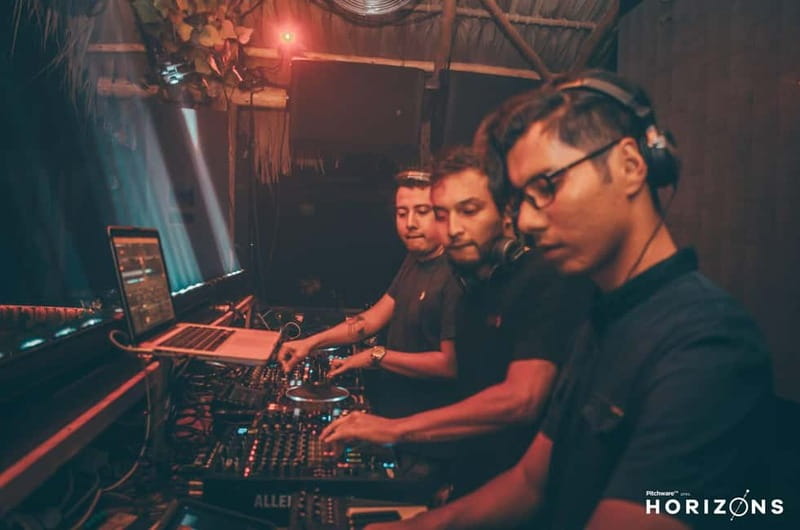
- Small group of up to six: The limited size makes it easier to ask questions and get hands-on time.
- Coffee, water, and soft drinks included: You can settle in without paying extra for basic refreshments.
A first turn behind Berlin’s decks
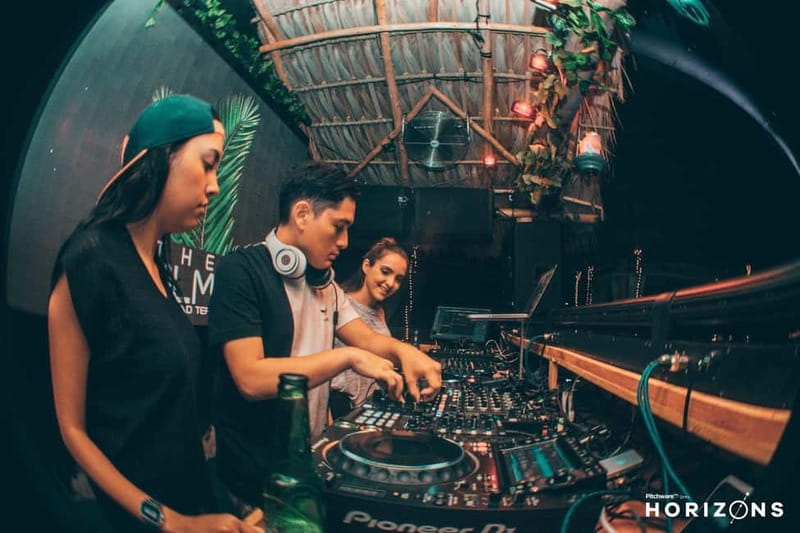
This is not a club night where you stand near the booth and watch someone else work. You are invited to sit or stand at the equipment and learn what a DJ is doing while performing. That difference matters. The workshop turns a familiar nightlife scene into a practical music lesson.
The first part should focus on the basic building blocks of a mix. You learn how songs are organized by beats and phrases, and how one track can be brought into another. The experience compares the structure of music to the ordered patterns found in classical compositions by Beethoven or Mozart, using that idea to show how DJs keep rhythm and timing under control.
You do not need to arrive with technical knowledge. The session is designed around the basics, so you can ask simple questions and try the controls as the lesson develops. A 90-minute class cannot cover everything, but it gives you enough time to understand why mixing is more than pressing play on two songs.
A few more Berlin half-days to weigh up
- Berlin: Reichstag, Dome and Government District Guided Tour
★ 4.7 · 18,288 reviews - Berlin: 1-Hour City Tour by Boat with Guaranteed Seating
★ 4.3 · 16,993 reviews - Berlin: Boat Tour Along the River Spree
★ 4.4 · 11,252 reviews
Vinyl, CDJ, and the feel of the equipment
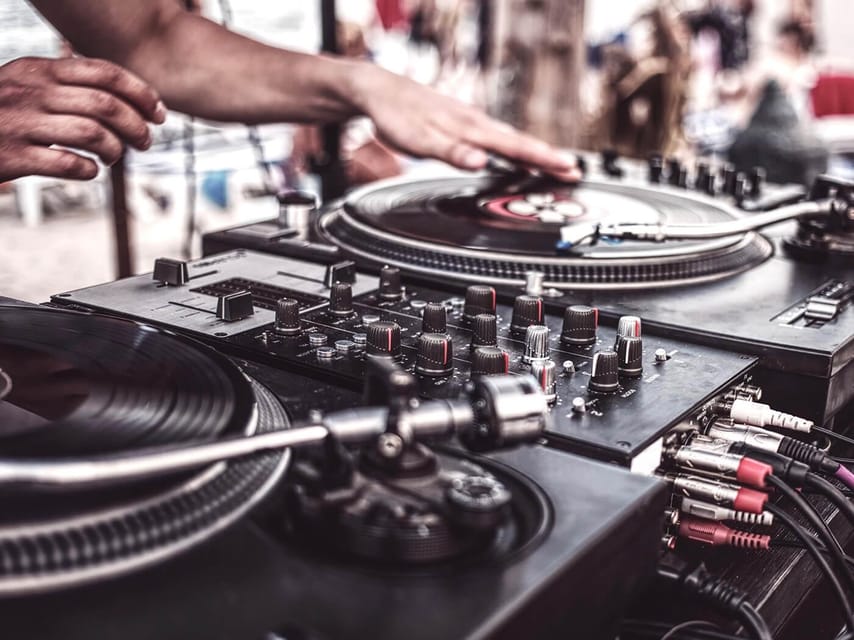
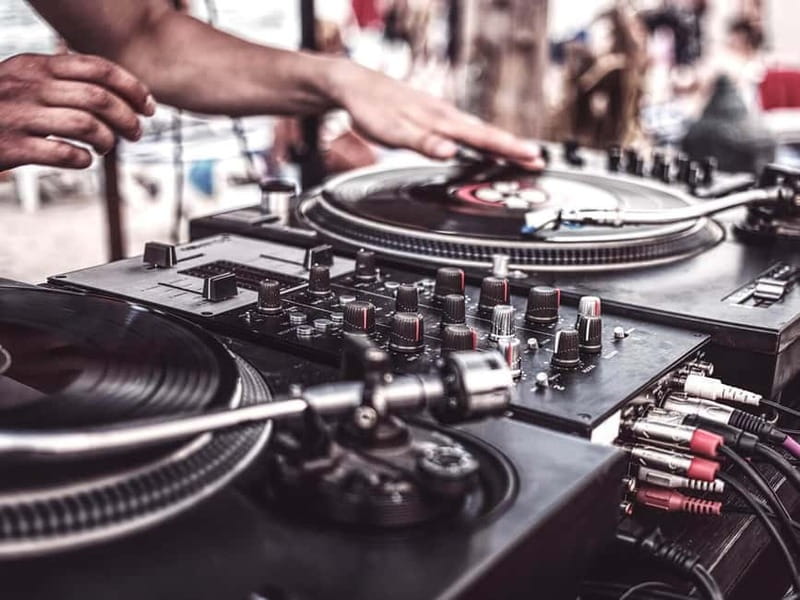
The most distinctive part of this experience is the chance to work with vinyl. Many modern DJs use digital systems, but the workshop lets you handle records in the style associated with club sets from the 1980s and 1990s. You can feel the physical side of selecting, cueing, and controlling music.
You also get to compare vinyl with a CDJ. That comparison is useful even if you are not planning to become a professional DJ. You can hear and feel how the two systems differ, and you get an introduction to the techniques required by each one.
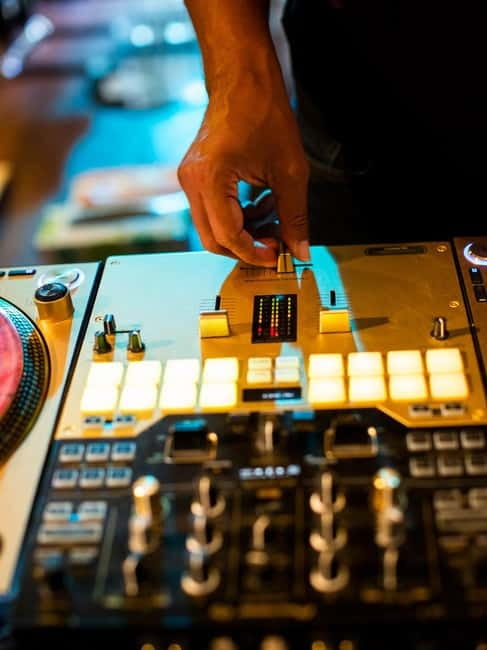
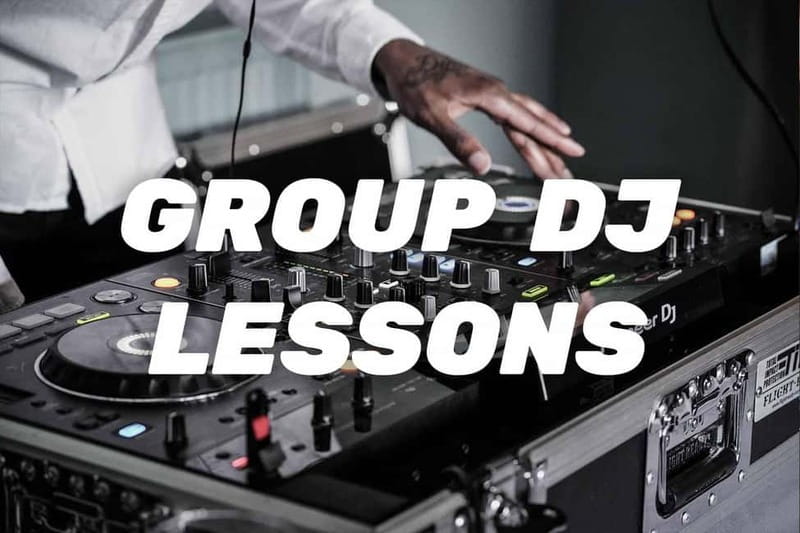
The mixing table adds another layer. You learn how the controls shape the transition between tracks and how effects can alter the sound. The equipment may look simple from a dance floor, but small changes to timing, volume, and effects can change the whole mix.
The workshop also includes scratching. The lesson can cover different approaches linked with hip hop, techno, and pop, so you are not limited to one style. Scratching takes practice, and you should treat this as an introduction rather than a polished performance lesson. Still, getting your hands on the record and hearing the sound react to your movement is one of the most memorable parts of the session.
Choose techno, trance, hip hop, or your own sound
You are not locked into one playlist. The available music covers a broad range, including techno, trance, psytrance, progressive, hard techno, hardcore, hip hop, hardstyle, pop, and house. You can select a style that matches your taste, or use the session to try something you would not normally play.
This freedom makes the activity work for people with different goals. If you already follow Berlin techno, you can focus on the sounds you know. If your taste leans toward hip hop or trance, you can learn through music that feels familiar. You might also use the class to understand why different genres require different mixing choices.
The musical selection is important because DJ technique is tied to the music itself. Beat matching a steady techno track calls for a different feel from working with a hip hop record or a fast hardcore track. The workshop gives you room to explore those differences instead of treating DJing as one fixed formula.
One detail to keep in mind is that the available music is described broadly rather than as a fixed catalog. If you have a very specific song in mind, ask ahead of time instead of assuming it will be available. The experience does let you choose your favorite kind of music, but the exact track selection is not specified.
Berlin’s electronic story in 90 minutes

The workshop also works as a short introduction to Berlin’s electronic music culture. You hear how the city’s music developed across different genres and how club styles changed over time. This is not a separate museum lecture. The history comes through the equipment, the records, and the explanation of the music played in Berlin.
You also learn about the kind of music associated with different clubs, including some of the city’s oldest venues. That can help you make sense of Berlin nightlife after the session. Instead of treating every club as interchangeable, you get a basic guide to the sounds and identities connected with different places.
The historical part is likely to appeal most if you want context along with your activity. You will not receive a full academic account of Berlin’s music scene in an hour and a half, but you can follow the broad evolution from older vinyl culture to newer club technology and future-facing electronic sounds.
This connection to Berlin gives the workshop a local angle. You could take a beginner DJ lesson in many cities, but here the subject is tied to a place with a strong electronic music identity. That makes the session more useful for someone who wants to understand the city’s nightlife rather than simply try a new hobby.
Same city, a completely different sort of afternoon:
- Discover Berlin Half-Day Walking Tour
★ 5.0 · 9,624 reviews - Berlin: Hop-on Hop-off Bus Tour with Live Commentary
★ 4.3 · 8,579 reviews - Berlin: Government District around the Reichstag Guided Tour
★ 4.7 · 8,447 reviews - Berlin: Reichstag, Plenary Chamber, Cupola & Government Tour
★ 4.6 · 8,422 reviews
A small group and a relaxed teaching style
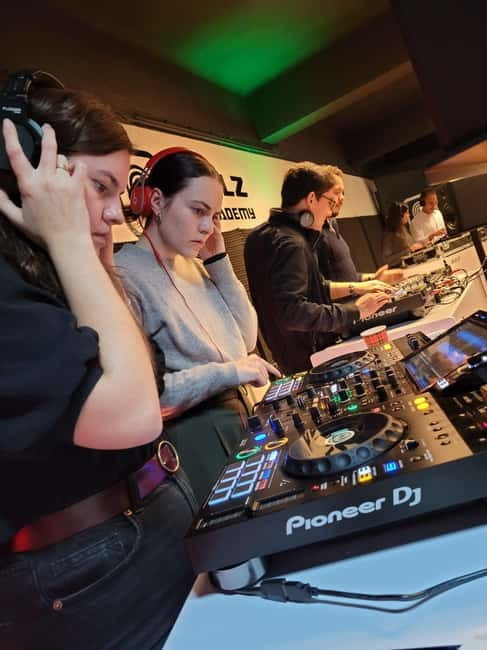
The group is limited to six people. That is a practical advantage for a hands-on class. You will still need to share the decks, but a small group makes it more likely that you can try the controls, watch closely, and ask questions without competing with a large crowd.
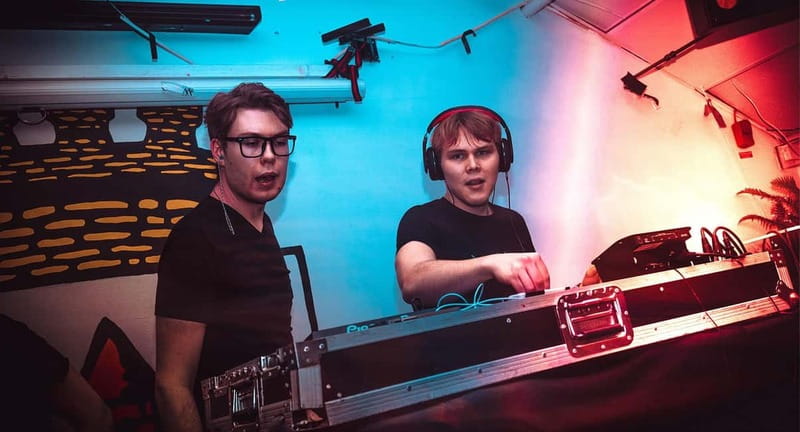
The instructor teaches in English and German. The experience provider is Marcos Jesus Otero Valeta, and the feedback connected with the session refers to the instructor as Sasha, or Jesus. The teaching style is described as fun, easygoing, and friendly, with a strong focus on explaining the basics and letting people try them for themselves.
That combination is useful for beginners who might feel nervous around professional equipment. DJ technology can look complicated at first, especially when several turntables, a mixer, headphones, and effects are in front of you. A relaxed teacher can make it easier to experiment without worrying about making a mistake.
The workshop has also been praised for showing what DJs actually do during a performance. That is a helpful goal for anyone who has watched a club set and wondered how the music changes so smoothly. You get to connect the visible performance with the less obvious tasks of listening, timing, cueing, and adjusting.
What the 90-minute sequence feels like
The supplied description does not provide a minute-by-minute schedule, so you should expect a flexible lesson rather than a rigid list of timed stops. The session generally moves through several connected tasks.
You begin with an introduction to DJ structure and beats. This gives you the vocabulary for understanding how songs line up and why timing matters. From there, you work with the decks and mixer, learning how to handle the equipment and control the music.
Next comes the practical mixing work. You can choose a musical style, practice bringing tracks together, and explore the difference between vinyl and CDJ operation. The instructor explains the technique as you go, which makes the session more useful than simply being handed the equipment without context.
Scratching and effects add a more playful part to the lesson. You can try techniques linked with several genres and hear how the same basic equipment can create different results. Near the end, the discussion of Berlin’s clubs and electronic music gives the technical lesson a wider setting.
Because the workshop lasts only 1.5 hours, do not expect long practice time on every type of equipment or style. The strength is variety: you get a taste of several parts of DJing in one sitting. The trade-off is that each skill receives an introduction rather than extended coaching.
Is $67 a fair price?
At $67 per person, this is not the cheapest way to spend 90 minutes in Berlin. The value depends on how much you want to use the equipment and how interested you are in electronic music.
I think the price is reasonable for a small, instructor-led session that includes vinyl, CDJ equipment, turntables, a mixer, scratching, music selection, and a discussion of Berlin club culture. Drinks such as coffee, water, and soft drinks are included, which is a small benefit rather than the main reason to book.
The group limit matters when judging the price. A six-person maximum gives the activity a more personal format than a large demonstration. If you are genuinely curious about DJing, the chance to ask questions and try the controls can make the cost worthwhile.
The value is weaker if you only want a quick photo behind a DJ booth or if you already have solid mixing skills. This is a beginner-level introduction. Experienced DJs may find the basic explanations familiar unless they are specifically interested in comparing vinyl and CDJ techniques or hearing the instructor’s Berlin music background.
Who should book this workshop?
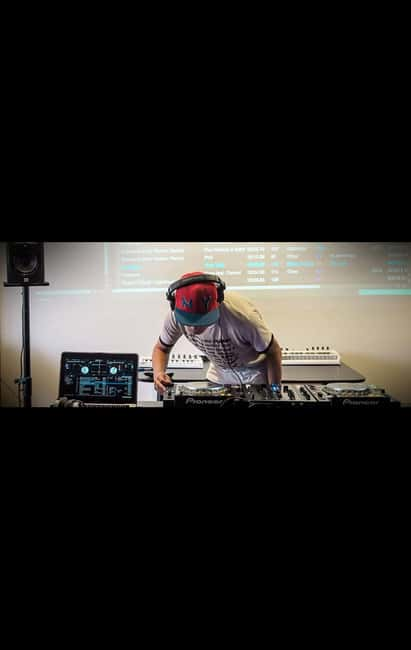
This activity suits music fans, first-time DJs, and anyone who wants a hands-on break from standard sightseeing. You will get the most from it if you are willing to listen closely, try the equipment, and accept that your first mix may not sound perfect.
It is also a good choice for couples or friends who want a shared activity with a creative edge. A small group can make it easier to participate without the pressure of a public performance. You can choose a genre that suits you, and the instructor can explain the technique behind it.
The workshop may appeal to club fans who want to understand Berlin music from the inside. The talk about different clubs and the evolution of electronic music gives you useful context for later nights out.
It is not suitable for children under 13. The instructor teaches in English and German, so you should be comfortable following the lesson in one of those languages. If your interest is professional DJ training, treat this as a starting point rather than a full course.
Practical details before you book
The session lasts 1.5 hours, and starting times depend on availability. The meeting point is identified by a cake shop and a jewelry shop between the building. Since that description is the main direction provided, check the precise meeting details before setting out.
The activity finishes back at the meeting point. No separate transport is included or described, so plan your route to the starting location independently.
You can cancel up to 24 hours in advance for a full refund. The reserve-now, pay-later option lets you hold a place without paying immediately, which is useful if your Berlin schedule is still changing.
Bring your music preferences with you in mind. You can choose among many styles, but the session works best when you know what you want to hear and are ready to try something different. Coffee, water, and soft drinks are included, so you do not need to plan the workshop around a café stop.
Should you book the Berlin DJ workshop?
Book it if you want to do more than watch Berlin nightlife from the outside. The chance to mix on vinyl, compare it with a CDJ, try scratching, and hear about the city’s club sounds gives this short session a clear identity.
I would skip it if you want a long, technical DJ course or if you already know how to mix and scratch. For a beginner, though, $67 buys a personal introduction with a small group, equipment time, and a local music angle. The 90-minute limit keeps it from becoming a full education, but it should leave you with a better ear for beats and a sharper sense of what happens behind the booth.
FAQ
How long does the DJ workshop last?
The workshop lasts 1.5 hours.
Where does the activity take place?
It takes place in Berlin, Germany. The meeting point is identified by a cake shop and a jewelry shop between the building.
Where does the activity finish?
The activity ends back at the meeting point.
How many people can join the workshop?
The group is limited to six participants.
Which languages does the instructor speak?
The instructor speaks English and German.
What kinds of music can I play?
You can choose from styles including techno, trance, psytrance, progressive, hard techno, hardcore, hip hop, hardstyle, pop, and house.
Can I use vinyl during the session?
Yes. The workshop includes handling and playing vinyl, and it also explains the difference between vinyl and CDJ equipment.
Are drinks included?
Yes. Coffee, water, and soft drinks are included.
Is the workshop suitable for children?
No. The activity is not suitable for children under 13 years old.
What is the cancellation policy?
You can cancel up to 24 hours in advance for a full refund. You can also reserve the activity and pay later.
Just added around Berlin
- eSIM for Germany and 34 European Countries★ 4.5 · 16 reviews
- Your ticket to The Wall Museum Berlin★ 3.0 · 60 reviews
- Walking on the Wall: 3-Hour Tour in Berlin★ 4.5 · 34 reviews
- Rickshaw Tours Berlin – Groups of up to 16 people with several rickshaws★ 4.0 · 97 reviews
- Warnemuende Shore Excursion: Private Berlin Tour★ 4.5 · 27 reviews
- Love and War in Berlin: Self-Guided Story Puzzle Walk★ 5.0 · 7 reviews
- Warnemuende Shore Excursion: Berlin Private Sightseeing Tour from Rostock★ 5.0 · 4 reviews
- Cold War Berlin – Private Live Virtual Experience★ 5.0 · 4 reviews
Berlin Tours, compared.

Reichstag, Dome and Government District Guided Tour
Read our review →
1-Hour City Tour by Boat with Guaranteed Seating
Read our review →




Reichstag, Plenary Chamber, Cupola & Government Tour
Read our review →