
Review · STUTTGART TOURS
Stuttgart: Stuttgart Wine Museum Wine Tasting
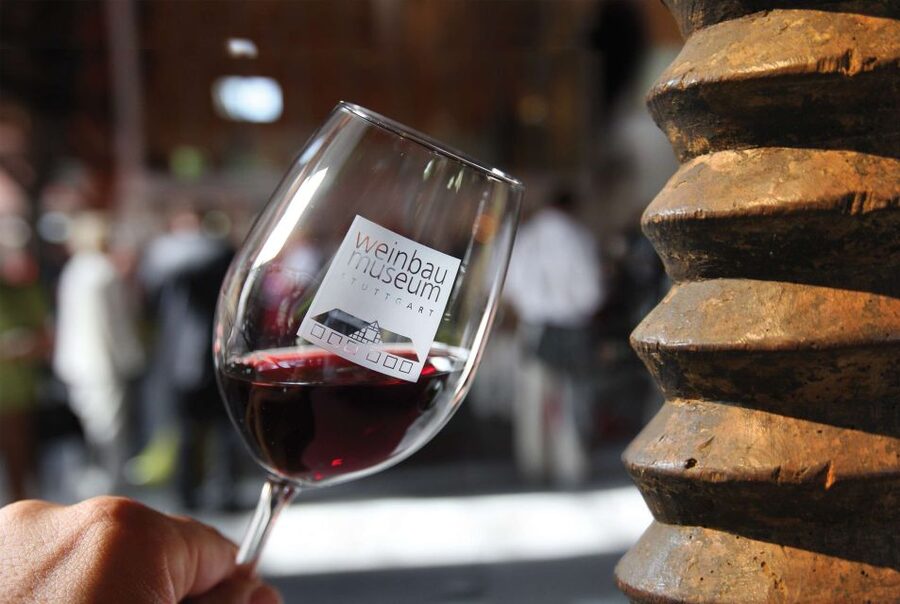
Stuttgart’s wine culture gets a friendly one-hour introduction at the Stuttgart Wine Museum, where you taste three local wines and learn how the region’s grapes shape the glass. The selection changes each week, so this can work for repeat visits as well as a single evening out.
I like the clear mix of white, red, and rosé, plus the small plate of salami, cheese, olives, and bread. I also like the way the tasting connects each wine to Stuttgart’s grape varieties and wine-making background, rather than treating the event as three unrelated pours. The main drawback is simple: the tour is in German only, so you need enough German to follow the guide.
Key points at a glance
- Three 0.1-liter tastings: Sample one regional white, red, and rosé wine.
- Weekly changing selection: The wines vary, giving the tasting a different focus from week to week.
- Local grape education: Learn about varieties such as Riesling, Pinot Gris, and Lemberger.
- Small savory snack: Salami, olives, cheese cubes, and bread help balance the wine.
- One-hour format: A neat fit before dinner or a night out in Stuttgart.
- German-speaking guide: The presentation is not offered in English.
A one-hour introduction to Stuttgart wine
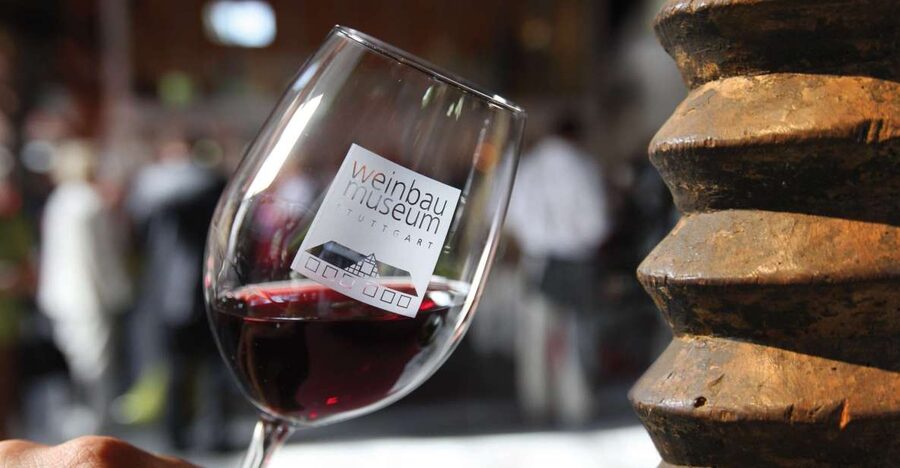
This tasting is designed as a compact evening activity, not a long vineyard excursion. You arrive at the Stuttgart Wine Museum, meet the wine expert, and settle in for three regional pours. The format gives you enough time to learn and taste without taking over your whole evening.
The three wines are served as 0.1-liter glasses. That means 0.3 liters in total, split between white, red, and rosé. You get a clear comparison across styles, but you should not expect a full bottle’s worth of wine or a long formal meal.
I think the one-hour length is one of the experience’s best features. You can book it as a gentle start to a weekend, place it before dinner, or use it as a short indoor plan when you want something more local than another sightseeing stop. The schedule varies, so check the available starting time when you book.
More Stuttgart wineries worth an afternoon:
- Stuttgart: Guided Wine Walk & Wine Tasting
★ 4.6 · 28 reviews - Premium wine hike Stuttgart with games and winemaker’s snack
★ 4.7 · 26 reviews - Stuttgart: Wine Tour with wines of the best winemakers
★ 4.0 · 7 reviews
Inside the Stuttgart Wine Museum
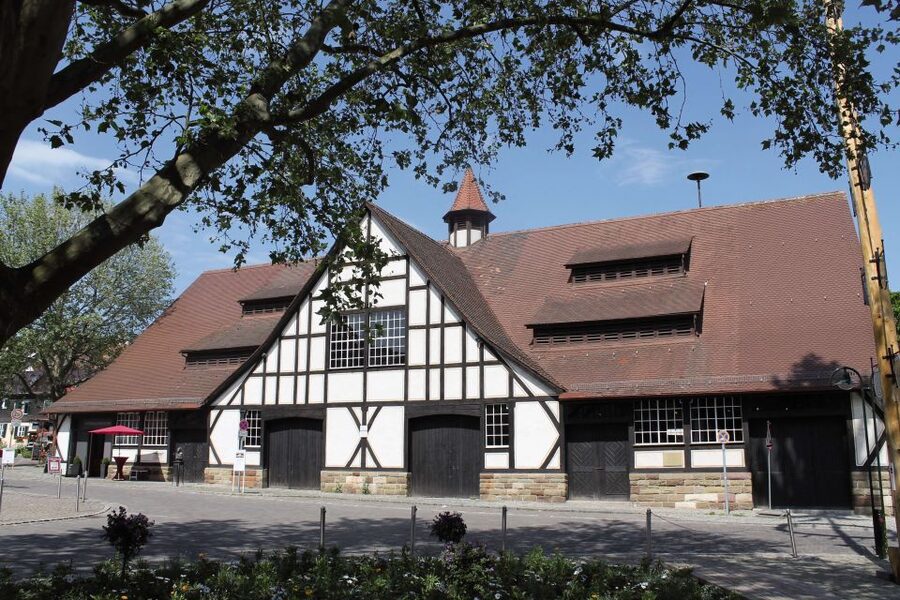
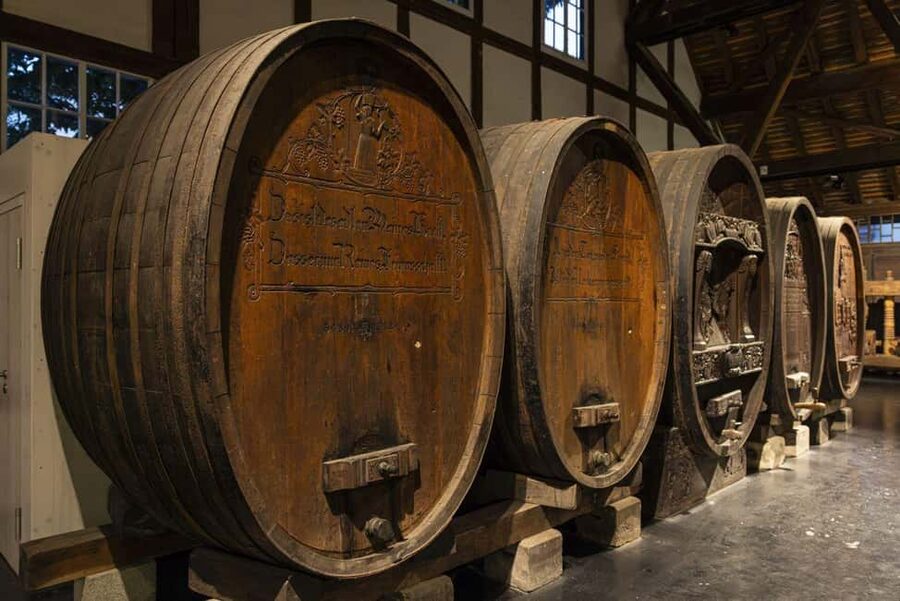
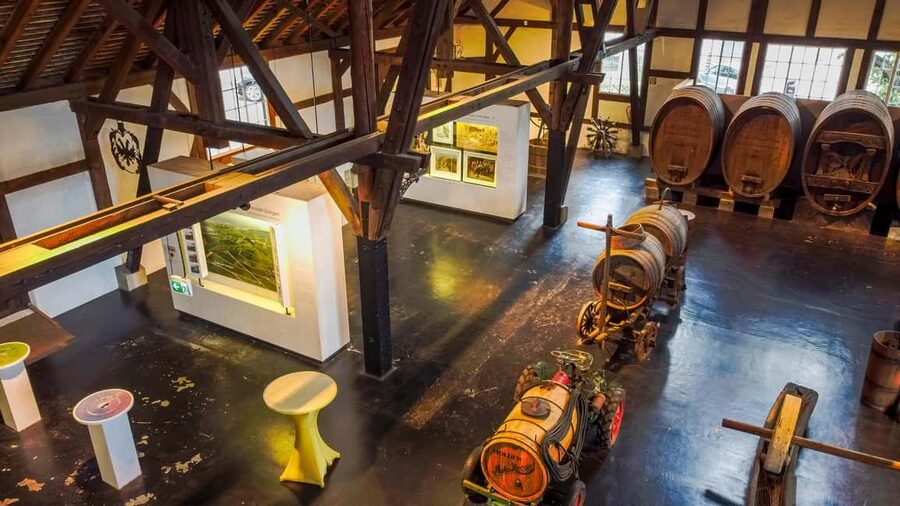
The museum gives the tasting a useful setting. You are not simply sitting down for a flight of wines with no local context. The guide introduces Stuttgart’s wine-growing background, explains grape varieties, and adds information about nearby wineries and regional viticulture.
That museum setting matters because Stuttgart is more than a car city. Wine is part of the area’s identity, and this tasting gives you a way to explore that side of Baden-Württemberg without arranging transport to several wineries. You get the subject in one place, with a guide to connect the basic facts.
One particularly useful part is the attention to the surrounding area. A recent German-language assessment praised the background on the museum and its surroundings, along with the taste of the wine itself. If you enjoy local context, this may be more satisfying than a generic wine tasting built around brand names alone.
Do not expect a large museum visit to fill the hour. The supplied details describe a tasting at the museum, with the museum and regional wine culture forming the setting. The central activity is the guided sampling.
Three glasses, three different styles
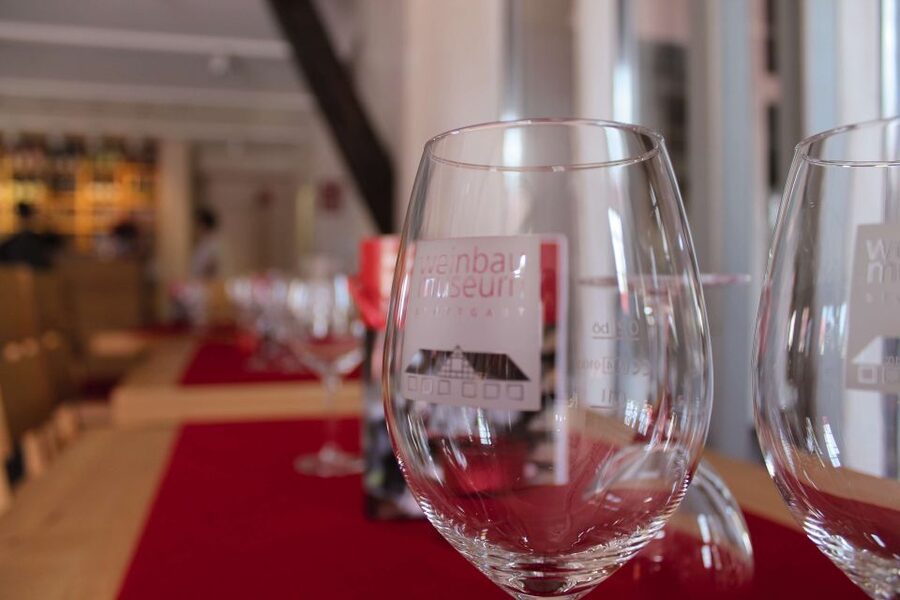
The tasting includes one white wine, one red wine, and one rosé. The exact selection changes every week, which keeps the event from becoming too fixed. It also means you should not book expecting one named bottle or a guaranteed winery.
The grape examples give you a sense of the range. You might taste tangy Riesling, a softer Pinot Gris, or spicy Lemberger. These examples are useful because they show how broad the regional selection can be. You are not being asked to compare three nearly identical wines.
The white portion may be the best place to notice freshness and acidity, especially if Riesling appears in the weekly set. Pinot Gris can give you a different point of comparison. The red portion may bring Lemberger, a grape presented here as spicy and distinctly regional. Rosé adds a lighter middle ground between the two.
I like this three-color format for beginners. You do not need to know wine terminology before you arrive. You can simply ask yourself what changes from one glass to the next: fruit, sharpness, weight, spice, and finish. The guide’s explanations should help put those impressions into plain language.
The weekly change is also a practical advantage for people staying in Stuttgart longer. You could return and find a different trio. It is not a promise of a new experience every time, since the exact selections are not listed in advance, but the rotating choice gives the event some repeat value.
Local grapes without the lecture hall feel
The guide explains viticulture and grapes from the Stuttgart region while you taste. This is the part that can turn a pleasant drink into a useful local experience. You learn why different grapes taste different and how they fit into Stuttgart’s wine-growing setting.
I would approach the explanations as a way to get your bearings, not as a technical wine course. The details provided do not promise advanced instruction, vineyard walks, or professional certification. Instead, you get background on grape varieties, wineries, and the area’s wine production during a relaxed tasting.
That balance suits most visitors. If you already know a great deal about German wine, you may find the material introductory. If Riesling, Pinot Gris, and Lemberger are new to you, the session gives you a helpful starting point without requiring a separate study session.
The German-only format is the key issue here. The live guide speaks German, and there is no English option listed. If your German is limited, you may still enjoy the food and wine, but you could miss the most valuable part: the explanations about grapes, wineries, and local growing practices. I would choose this only if you can follow a spoken German presentation or have a companion who can interpret.
More food tours in Stuttgart:
- Stuttgart: Bean District Walking Tour with Swabian Food
★ 4.6 · 40 reviews - Stuttgart: Hiking Tour with Craft Beer Tasting
★ 3.7 · 9 reviews - Cologne: Brewery Tour with 3 Kölsch Beer Tastings
★ 4.7 · 3,108 reviews - Hamburg: St. Pauli Highlights Guided Tour with Beer for 18+
★ 4.7 · 2,353 reviews
Salami, cheese, olives, and bread
The snack is small but well chosen for a short tasting. You receive salami, olives, cheese cubes, and bread. This is not a meal, so plan to eat dinner separately, but it gives you something savory to enjoy between sips.
The food also has a practical role. Wine tasting on an empty stomach is rarely a good plan, especially when an evening continues afterward. The snack helps make the hour feel more social and relaxed, while the bread and cheese offer a useful counterpoint to sharper or spicier wines.
I like that the food is simple. A large meal could distract from the wines and make a one-hour activity feel too heavy. Here, the plate supports the tasting rather than taking center stage. If you have dietary concerns, the supplied details do not list substitutions or allergy arrangements, so ask the provider before booking.
This is a good choice for friends who want an easy shared activity. The structure gives you something to discuss, and the small portions keep the event from becoming an extended dinner. It has a social feel without requiring a full night commitment.
Is $31 a fair price?
At $31 per person, the cost is reasonable if you value the guided local background as much as the wine. You receive three 0.1-liter regional pours, snacks, and a wine expert’s presentation in the Stuttgart Wine Museum. The price is less compelling if you are judging it only by the volume of wine.
The real value comes from the combination. Buying three small pours elsewhere might cost less or more depending on the venue, but it would not necessarily include an explanation of Stuttgart grape varieties, regional wineries, and viticulture. You are paying for the setting and the interpretation, not just the liquid.
The rotating weekly selection adds a little extra value. You are not locked into one permanent flight, and a repeat visit may bring a different group of wines. Still, the exact selection is not guaranteed, so do not book because you expect one particular grape or producer.
For a weekend opener, the price works well. You get a contained activity, a snack, and a local subject, then remain free to continue into Stuttgart’s evening. For a serious wine collector seeking rare bottles or a long technical tasting, this is probably too modest.
Who will enjoy this tasting most?
I would recommend it to adults who want a relaxed introduction to Stuttgart’s wine culture. It suits couples, friends, and solo visitors who like guided tastings but do not want to spend half a day outside the city.
It is also a good fit for people who want a plan before dinner. The one-hour duration leaves room for another reservation afterward, though you should allow time to reach your next stop based on the actual starting time.
The experience is less suitable for children under 18, who are not permitted. It is also a poor match for anyone looking for an English-language tour. The German-only rule is not a minor footnote. It shapes how much you will get from the guide.
You do not need to be a wine expert. The range of white, red, and rosé gives beginners an easy structure, while the background on local grapes adds enough substance for people who already enjoy wine. The strongest fit is someone who wants a friendly introduction, not an intensive course.
Practical details before you reserve
Bring a passport or ID card. That is listed as a requirement, so keep it with you rather than assuming another form of identification will be accepted.
The activity is wheelchair accessible. The duration is one hour, and starting times depend on availability. Since the wine selection changes weekly, check the date and time that suit your plans before you reserve.
You can cancel up to 24 hours in advance for a full refund. A reserve-now-and-pay-later option is also available, which helps if your Stuttgart schedule is still moving around.
The provider is Stuttgart-Marketing GmbH. The experience has a rating of 4.7 from 55 reviews, with the strongest praise focused on the information about wine-growing and the museum’s local background. That emphasis is worth noting: the educational side appears to be the reason to choose this event, not simply the snack or the three pours.
Should you book the Stuttgart Wine Museum tasting?
Book it if you want a short, social introduction to Stuttgart wine, can follow German, and like the idea of tasting changing regional wines in a museum setting. The three-style format, local grape information, and savory snack make the $31 price fair for a one-hour evening plan.
Skip it if you need English guidance, want a full meal, or expect a long winery visit with extensive tastings. For the right visitor, this is an easy way to understand a less obvious part of Stuttgart. Just arrive with realistic expectations: three small glasses, a modest snack, and a focused German-language lesson in local wine.
FAQ
How long does the Stuttgart Wine Museum wine tasting last?
The tasting lasts one hour.
How many wines are included?
You receive three regional wines: one white, one red, and one rosé.
How much wine is served?
Each wine is served in a 0.1-liter tasting glass.
Does the wine selection stay the same each week?
No. The selection changes weekly.
Which grape varieties might be discussed?
The experience may cover grapes such as Riesling, Pinot Gris, and Lemberger.
Is food included?
Yes. The snack includes salami, olives, cheese cubes, and bread.
Is the tour offered in English?
No. The live tour guide speaks German only.
Can children attend?
No. The activity is not suitable for children under 18.
Is the experience wheelchair accessible?
Yes, the activity is wheelchair accessible.
What identification should I bring?
Bring a passport or ID card.
Can I cancel for a full refund?
Yes. You can cancel up to 24 hours in advance for a full refund.
Can I reserve now and pay later?
Yes. A reserve-now-and-pay-later option is available.
More Museums in Stuttgart
- Stuttgart: Mercedes-Benz Museum Entry Ticket
★ 4.8 · 1,400 reviews - Sinsheim: Technik Museum Day Pass and IMAX 3D Ticket
★ 4.8 · 616 reviews - Stuttgart: Museum of Illusions Entry Ticket
★ 4.2 · 507 reviews - Berlin: Jewish Museum Berlin Entrance Ticket
★ 4.5 · 8,393 reviews
Just added around Stuttgart
- Stuttgart: Landesmuseum Württemberg Old Castle Entry Ticket★ 4.5 · 15 reviews
- Stuttgart: Winter Sunday Brunch Buffet★ 4.6 · 16 reviews
- Stuttgart: Walking Custom Tour with a Local Guide★ 3.8 · 4 reviews
- Stuttgart: Wilhelma Zoological-Botanical Garden Ticket★ 4.7 · 121 reviews
- Stuttgart: Wine Tour with wines of the best winemakers★ 4.0 · 7 reviews
- Stuttgart: Exklusive Floßboote Finne & Fischle★ 4.5 · 23 reviews
- SUP Yoga with Guide★ 4.1 · 4 reviews
- Stuttgart: Stand Up Paddling Rental★ 4.6 · 55 reviews
Stuttgart Tours, compared.

Stuttgart 24-Hour Hop-On Hop-Off Sightseeing Bus Tour
Read our review →


Sinsheim: Technik Museum Day Pass and IMAX 3D Ticket
Read our review →

Browse the lists this tour appears in