
Review · MUNICH TOURS
Munich: National Socialism Historical Tour in GERMAN
Munich’s Nazi past is not tucked away in a distant museum. It is written into the city center, from Königsplatz to Feldherrnhalle. This two-hour walking tour follows that path while explaining how Munich became known as the City of the Movement and how the NSDAP rose to power.
I like the route’s clear focus and the guide’s use of old black and white photographs. Those images help you compare the streets in front of you with Munich in the 1920s and 1930s. The main consideration is language: this tour is conducted in German, so you need solid German skills to follow the historical detail.
Key points to know
- Königsplatz begins the story: Start at one of Munich’s most important locations for understanding National Socialism.
- Historic photos bring context: The guide carries black and white images from the 1920s and 1930s to explain events at specific places.
- The route follows Briennerstrasse: Walk past former Nazi-era sites rather than viewing the subject only inside a museum.
- The Munich Agreement is part of the tour: Learn about the former Führerbau, where the 1938 agreement was signed.
- Feldherrnhalle marks the finish: The tour ends at Odeonsplatz, linked to Hitler’s Beer Hall Putsch.
- German is the only listed tour language: Choose a private or group format, and bring comfortable shoes.
Why Munich is the right place to study National Socialism
Munich played a central role in the rise of National Socialism during the 1920s and 1930s. The tour uses the city itself as a classroom, linking political events to buildings, squares, and streets you can see with your own eyes.
That approach matters. A general museum visit can give you dates and names, but a walking route shows how close these sites are to one another. You can follow the movement through central Munich and understand how political power, public space, and propaganda worked together.
The subject is serious, and the tour is not designed as light sightseeing. You should expect a focused discussion of Germany under National Socialism, the NSDAP’s rise, and the events connected with November 9, 1923. The guide’s photographs add visual proof to the explanation without turning the experience into a simple procession of dates.
This is best suited to adults and older students with an interest in modern European history. It can also work well early in a Munich visit, since the route gives you historical context for several central locations you may pass again later.
More history-led days in Munich:
- Munich: Guided Tour of the historic Town Hall on Marienplatz
★ 4.8 · 63 reviews - Munich and Nazi History Combination Day Tour Small Group
★ 5.0 · 31 reviews - Munich: Nazi History 2-Hour Small Group Walking Tour
★ 5.0 · 30 reviews
Starting at Königsplatz and the City of the Movement
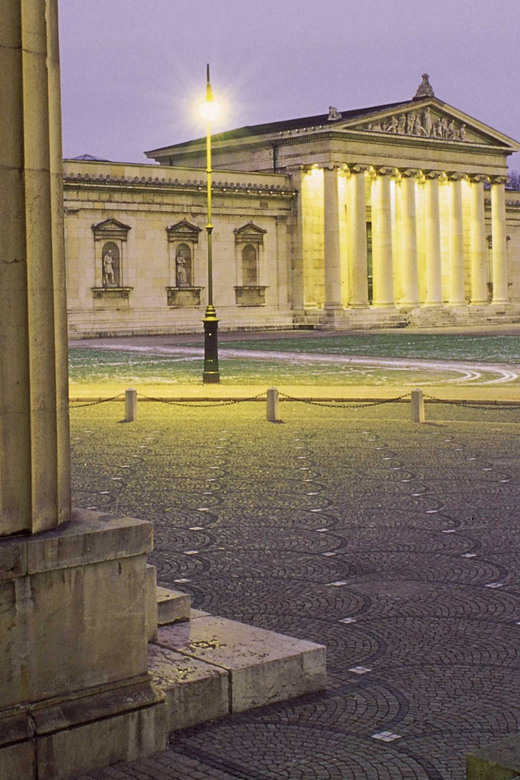
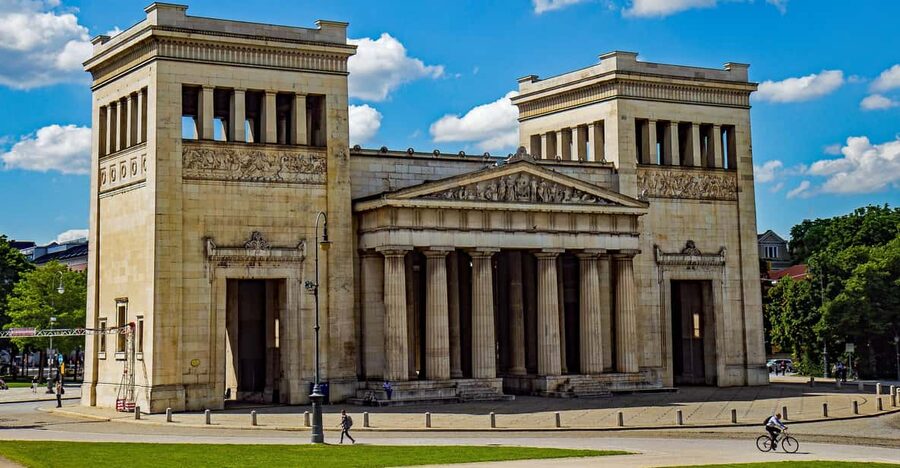
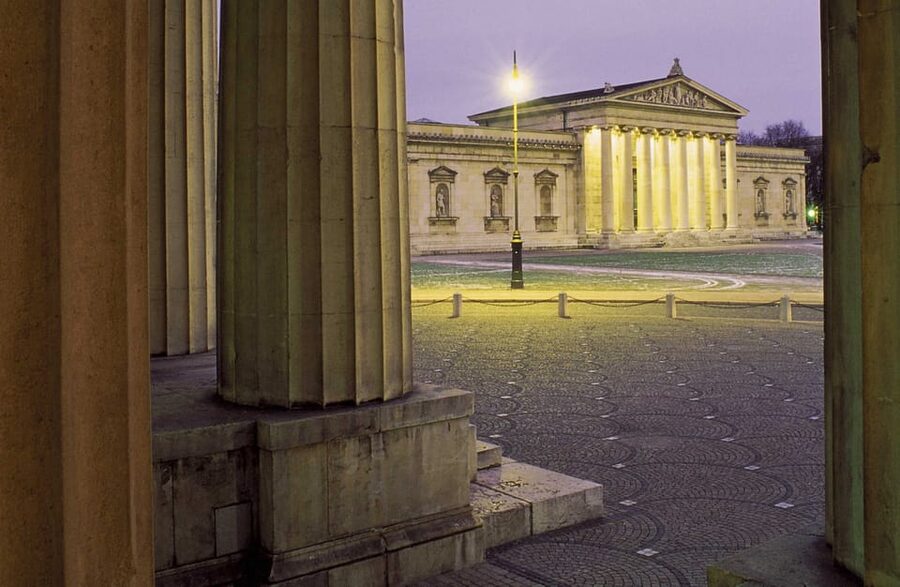
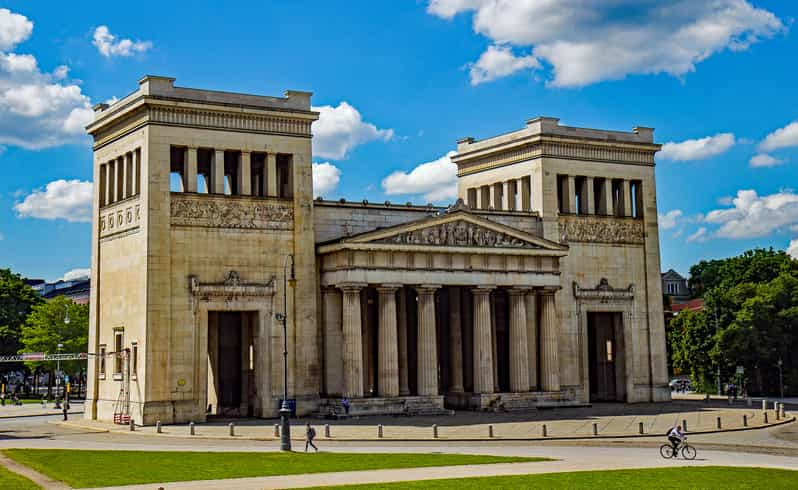
Meet in front of the main entrance of the Staatliche Antikensammlungen. This is a useful landmark, but do not simply wait anywhere around the square. Look for the guide carrying a big blue bag marked with the white words Weis(s)er Stadtvogel.
Königsplatz is an effective starting point because it introduces Munich’s role in National Socialism before the walk moves into the surrounding streets. The guide explains why Munich was called the City of the Movement and how the city became tied to the early Nazi movement.
The first stop sets the tone for the rest of the experience. You are not just looking at grand buildings. You are being asked to consider how familiar public places were used during a dark political period.
The square can be busy with ordinary city life, which creates a sharp contrast with the historical material. That contrast is part of the value of the tour, but it can also make it harder to hear. Stay close to the guide, especially if you choose a group tour.
The former Führerbau and the 1938 Munich Agreement
From Königsplatz, the route continues toward the former Führerbau, known in English as the Führer’s building. The building is connected with the Munich Agreement, signed there in 1938.
This stop helps place Munich within the wider story of Germany under National Socialism. The tour does not treat the city as a passive backdrop. Instead, it explains how Munich’s buildings and institutions were connected to major political decisions.
The route also reaches the Munich Documentation Centre for the History of National Socialism. The information provided for this tour does not include an entrance to the center, so you should view this experience as a guided outdoor walk rather than a combined walking tour and museum visit.
That distinction matters when you compare prices. The $34 fee pays for a city guide and a two-hour historical route. It does not include food, drinks, or entrance fees. If you also want time inside the Documentation Centre, plan that as a separate part of your day.
Briennerstrasse connects the sites
The walk along Briennerstrasse gives the tour a sense of continuity. Instead of discussing each location as an isolated stop, the guide links the places along a route through central Munich.
This is where the black and white photographs become especially useful. The guide brings images from the 1920s and 1930s and uses them to illustrate particular events and topics. You can look at the modern street while seeing how the same setting appeared during the period being discussed.
I like this simple teaching method because it gives you something concrete to watch for. A photograph can show the scale of a gathering, the appearance of a building, or the way a space was used. It also keeps the tour tied to the exact ground beneath your feet.
Do not expect a large exhibition or a long stop at every building. Two hours is enough for a compact route with explanation, but not enough for a full study of every political event connected to Munich. The guide must keep the walk moving.
A few more Munich half-days to weigh up
- From Munich: Neuschwanstein & Linderhof Castle Full-Day Trip
★ 4.5 · 12,494 reviews - Neuschwanstein & Linderhof Castle-Fairytale Day Tour from Munich
★ 4.5 · 7,275 reviews - Munich: Third Reich & WWII Walking Tour
★ 4.6 · 6,181 reviews - Dachau Concentration Camp Memorial Site Tour from Munich by Train
★ 4.5 · 5,637 reviews
Passing the former Gestapo headquarters
The route passes the former Gestapo headquarters on the way toward Odeonsplatz. This stop adds another layer to the tour by showing how Nazi control operated beyond public speeches and political rallies.
The value here is the connection between visible political sites and the machinery of repression. The guide discusses Germany during National Socialism while taking you through places linked to that system. You get a broader picture than the rise of one party or the story of one failed uprising.
The information supplied does not say that you enter the former headquarters, so expect to learn about the site from the street. That may disappoint you if you are looking for interior rooms or a museum display, but it also keeps the route focused on the city as a whole.
As with the other stops, the guide’s photos help explain what changed and what remained. The walk asks you to pay attention to buildings that might otherwise look like ordinary parts of Munich.
Feldherrnhalle and the November 9, 1923 events
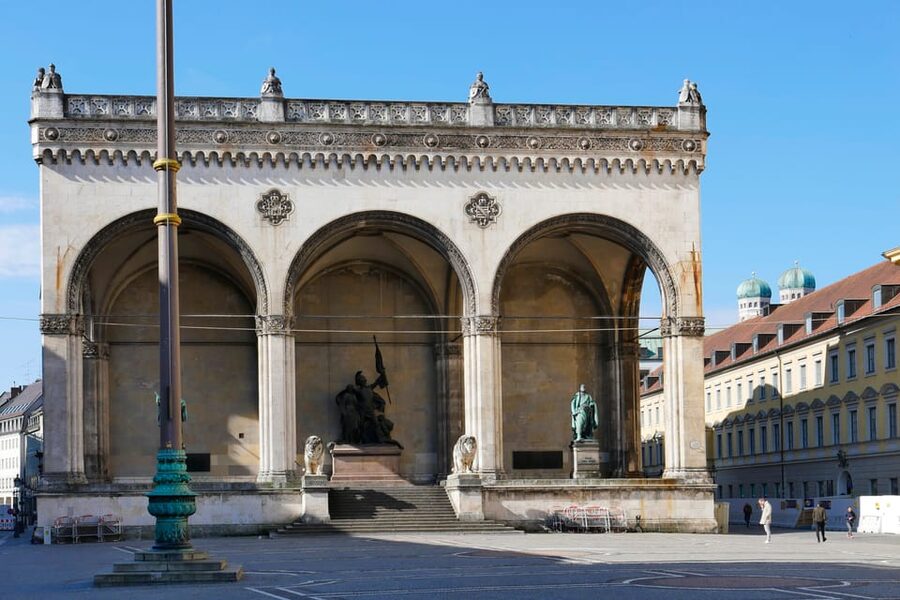
The final section brings you to Feldherrnhalle at Odeonsplatz. This location is associated with Hitler’s Beer Hall Putsch, and the tour highlights the events of November 9, 1923.
This is a key moment in understanding how the NSDAP gained attention and political force. The tour explains the failed putsch as part of the larger rise of National Socialism, rather than treating it as a disconnected incident.
Feldherrnhalle also gives the route a strong ending. You have moved from the early movement at Königsplatz, past sites connected with Nazi government and repression, and finally reached a location linked to a major event in Hitler’s early political career.
The tour information refers to the Beer Hall Putsch at Feldherrnhalle and gives November 9 as the important date. If precise chronology is central to your study, listen carefully to the guide’s German explanation, since the subject includes several related events and dates.
What the two-hour format means for you
Two hours is a sensible length for this subject. It gives the guide enough time to explain the main sites without turning the walk into an all-day history seminar.
You should still expect a steady pace. This is a walking tour through central Munich, not a seated talk. Comfortable shoes are important, and the activity runs rain or shine. Check the forecast and dress for the conditions, since there is no indication that the tour moves indoors when the weather turns poor.
The route is listed as wheelchair accessible, but the activity is also marked as not suitable for people with mobility impairments. Those two notes do not fully agree, so anyone with mobility concerns should confirm the current route conditions before booking.
The tour does not include hotel pickup or drop-off. You need to reach the meeting point at the Staatliche Antikensammlungen on your own. Since the starting point is in central Munich, leave enough time to find the correct entrance and the blue bag.
Group or private tour?
You can choose between a private tour and a group tour. A private format may suit you if you want to ask more questions or keep the discussion at a pace that matches your interests.
A group tour can be the better value if you want a structured introduction to the subject at the listed price of $34 per person. It also gives the route a more traditional guided-walk feel, though the exact group size is not provided.
The guide conducts the tour in German. This is the most important booking decision. Historical tours often use specialized vocabulary, names, political terms, and fast connections between events. If your German is limited, you may miss the details that make this experience worthwhile.
There are no listed guide names, so you cannot choose a particular guide in advance. The activity is led by a professional city guide from Weis(s)er Stadtvogel GmbH.
Is $34 a fair price?
At $34 per person, the tour offers a reasonably priced way to spend two hours with a guide on a highly focused subject. The cost covers the city guide and the historical route, with photographs included as part of the explanation.
The value is strongest if you want interpretation. You can walk through Königsplatz, Briennerstrasse, and Odeonsplatz on your own, but you would not automatically know how to connect the former Führerbau, the Gestapo headquarters, the Documentation Centre, and Feldherrnhalle.
The price is less attractive if you want museum admission, refreshments, or transport included. None of those are part of the experience. You are paying for the route, the guide’s commentary, and the visual material, not for a package of city services.
Free cancellation up to 24 hours before the start and the option to reserve now and pay later make the booking less rigid. Those terms are useful when your Munich plans are still shifting.
Who should book this historical walk?
I would recommend it to you if you want a direct introduction to Munich’s role in National Socialism and prefer learning in the places where events unfolded. The route is compact, focused, and supported by photographs rather than relying on a long list of dates.
It is also a good choice if you already plan to visit the Munich Documentation Centre and want a street-level introduction first. Since entrance fees are not included, you can decide separately how much museum time you want.
I would think twice if you do not understand German well. The tour’s subject is too detailed to enjoy fully through occasional words or familiar names. I would also reconsider it if you want an indoor activity, a relaxed sightseeing walk, or a tour that includes hotel transport.
Bring comfortable shoes, arrive at the correct museum entrance, and watch for the blue bag. Most important, give the topic the attention it deserves. This is not a casual city stroll, but it can give you a clear framework for understanding Munich’s most troubling modern chapter.
Should you book it?
Book this tour if you want a serious, two-hour introduction to Munich’s National Socialist past and can follow historical discussion in German. The route is the main strength: Königsplatz, the former Führerbau, Briennerstrasse, the former Gestapo headquarters, and Feldherrnhalle form a logical chain.
Skip it if you need English commentary, want extensive indoor exhibits, or have mobility concerns that make a rain-or-shine walk difficult. At $34, it is a fair buy for focused guiding and historic photographs, but its value depends heavily on your German ability and interest in the subject.
FAQ
Where does the tour start?
Meet in front of the main entrance of the Staatliche Antikensammlungen in Munich.
How do I identify the guide?
The guide will carry a big blue bag with the white words Weis(s)er Stadtvogel on it.
What language is the tour conducted in?
The tour is conducted in German. German is the only language listed for this activity.
How long does the tour last?
The walking tour lasts two hours.
How much does the tour cost?
The listed price is $34 per person.
Is the tour private or in a group?
You can choose between a private tour and a group tour.
Does the tour include museum entrance fees?
No. Entrance fees are not included.
Does the price include food or drinks?
No. Food and drinks are not included.
Does the tour run in bad weather?
Yes. The activity takes place rain or shine.
What should I bring?
Bring comfortable shoes. You should also allow enough time to reach the meeting point at the Staatliche Antikensammlungen.
Just added around Munich
- Pub crawl incl. Oktoberfest museum guided tour with beer tasting (private)★ 5.0 · 5 reviews
- South Tyrolean specialties and wine tasting★ 5.0 · 5 reviews
- Size Matters Beer Tour Munich★ 4.6 · 105 reviews
- Secret Food Tours Munich★ 4.8 · 5 reviews
- Short & sweet: Tasting the Viktualienmarkt★ 4.8 · 37 reviews
- Residence of Munich private tour with skip the line ticket★ 5.0 · 4 reviews
- Munich: Romantic Wine Experience for Two at Viktualienmarkt★ 4.2 · 14 reviews
- Munich: Resistance against Hitler – Historical Walking Tour★ 5.0 · 5 reviews
Munich Tours, compared.

Neuschwanstein & Linderhof Castle-Fairytale Day Tour from Munich
Read our review →
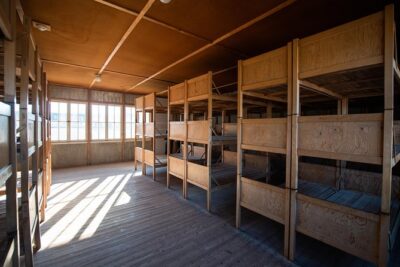
Dachau Concentration Camp Memorial Site Tour from Munich by Train
Read our review →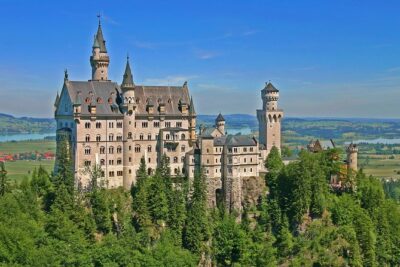
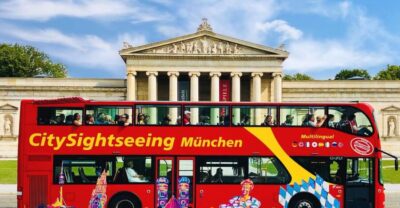
Munich Hop-On Hop-Off Tour: 1-Day or 2-Day Ticket
Read our review →Browse the lists this tour appears in